Agave syrup is a popular liquid sweetener, and running out of it in the middle of a recipe doesn’t have to be a problem! There are plenty of great agave syrup alternatives to choose from, including some you likely already have in your pantry!
Whether you jumped into this article for health reasons, flavor preferences, or simply to add some knowledge to your kitchen expertise, you’re in the right place. Get ready to learn about plenty of excellent alternatives that can step in place of agave without compromising your recipe. From pantry staples like maple syrup and honey to lesser-known options like coconut nectar and allulose, each substitute brings something slightly different to the table, and knowing how and when to use each is a great tool to have.
Table of Contents
By the end, you’ll not only know what to use instead of agave syrup, but you’ll understand why certain substitutes work better in different situations. That means better baked goods and fewer last-minute kitchen frustrations. Now read on and let’s break it down to help you find the perfect swap for your recipe, budget, and needs.

What is Agave Syrup?
Agave syrup, or agave nectar, is a syrup that comes from the agave plant, native to Mexico. It is a vegan sweetener that has been growing in popularity to replace conventional sweeteners, like white sugar or high fructose corn syrup. Pure agave syrup contains naturally occurring sugars and does not have sugars added to it during processing.
From a flavor perspective, agave syrup has a mild, neutral flavor, with a consistency slightly thinner than honey. However, it is actually sweeter than regular sugar, so you can use less to get the same amount of sweetness. While agave syrup is not healthier than other sugars, it can be more appealing for some for a variety of reasons.
Why Is It So Popular?
One of the main reasons why agave syrup is so popular is its low glycemic rating, meaning it raises blood sugar levels less than most other sugars. But, overconsuming fructose can lead to other health issues, so it is always important to use sweeteners in moderation.
As well, this sweetener continues to gain popularity in the food industry. With baking, agave syrup often allows baked goods to be made with far less sucrose content without affecting texture. In the beverage industry, many companies are turning to naturally-sourced sweeteners, and because of agave syrup’s mild flavor and ability to sweeten more using less, it is seen on more and more product labels each year.
This has also been a beloved ingredient in the world of cocktails. Because of its thinner consistency, it dissolves well and works great for mixing into cold drinks, making it a popular sweetener of choice for bartenders.
Agave Syrup Nutrition
According to the International Food Information Council, 1 tbsp of agave syrup contains about 60 calories and 15 grams of sugar. The U.S. Dietary Guidelines recommend limiting your intake of calories from sugar to less than 10 percent of your daily calorie consumption.
How to Choose the Right Substitute
Whether you need to avoid agave for health issues or are out, you’re in luck! You can typically substitute liquid sweeteners interchangeably in a recipe, although you will need to account for the recipe, flavor, color, and nutritional needs. Ask yourself and answer these few questions below before picking a substitute.
What Are You Making?
Agave syrup is a liquid sweetener, so it adds both sweetness and moisture to recipes. If you’re baking, that extra moisture affects the texture. So, you’ll want to choose a substitute with a similar consistency to maintain the original softness and structure of the recipe. In drinks, you want something that will dissolve well. And in sauces, ask yourself if you want the sweet flavor to stand out and add depth or be more subtle. This will help you to decide by narrowing down your choices based on their individual flavor intensity.
What is the Flavor Profile of the Recipe?
Agave has a very mild, neutral sweetness, and some substitutes are stronger and more distinct than others. When matching a substitute, keep in mind the dish that you are preparing and how much or how little you want the flavor of the sweetener to come through.
If you want a more neutral substitute, use a simple syrup. For a recipe that goes with rich, caramel notes, swap the agave for something like maple syrup or date syrup. If you like floral notes, try out a wildflower honey.
Keep in mind that if your recipe has more light, delicate flavors, it’s best to stick with a milder option to avoid using overpowering flavors in the recipe.
Do You Have Any Dietary Preferences or Restrictions?
Depending on your dietary needs, that can dictate what types of agave syrup substitutes are best suited to you. Here are some of the more common dietary swaps and considerations:
Vegan: Maple syrup, date syrup, coconut nectar, brown rice syrup, allulose
Low Glycemic: Allulose, coconut nectar
Less Processed: Raw honey, pure maple syrup, date syrup
Keeping in mind the questions you asked yourself above, you can use this table to help quickly identify some of the best agave syrup alternatives based on your needs.
| If You Want… | Best Substitute | Why It Works | Best For |
|---|---|---|---|
| A neutral flavor | Simple Syrup | Mild taste, dissolves easily | Drinks, cocktails, light desserts |
| A vegan option | Maple Syrup | Plant-based, balanced sweetness | Baking, pancakes, glazes |
| Lower glycemic impact | Allulose | Very low GI, similar sweetness | Baking, beverages |
| Rich caramel flavor | Date Syrup | Deep, molasses-like notes | Muffins, spice cakes, and sauces |
| Pantry staple swap | Honey | Easy 1:1 swap, widely available | Tea, dressings, baked goods |
| Thick, glossy texture | Brown Rice Syrup | Sticky consistency | Granola bars, chewy cookies |
| Budget-friendly option | Corn Syrup | Neutral and affordable | Candy, sauces, and baking |
Best Substitutes for Agave Syrup
Fortunately, you can almost always substitute agave nectar with other liquid sweeteners. They will act essentially the same in different recipes, offering just the right amount of liquid to keep the ratio of your recipe stable. Each one has a different glycemic index (GI) rating, flavor, color, and nutritional makeup, which you will want to keep in mind as well.
I don’t recommend substituting regular white or brown sugar on its own for agave syrup, since they are dry sweeteners. If you don’t adjust the amount of liquid in the recipe, your cakes and cookies will end up very dry and crumbly. To keep it simple, use a liquid sweetener or plan on adjusting the liquid content in your recipe.
1. Pure Maple Syrup
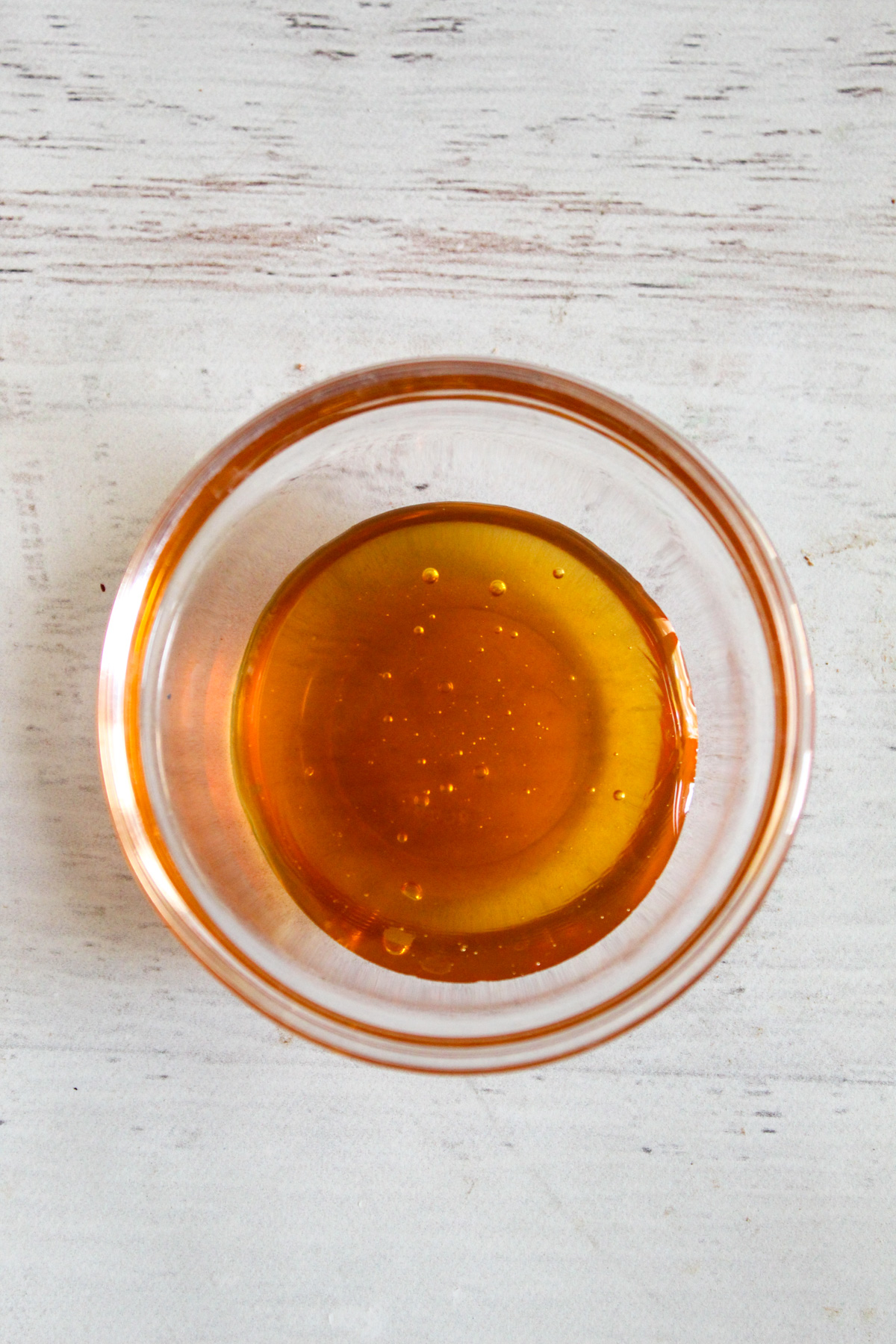
Made by tapping and cooking down the sap from maple trees, maple syrup is produced very similarly to sweet agave nectar and adds its own unique flavor profile.
Maple syrup is slightly thinner than agave syrup, but it is generally interchangeable when baking.
However, maple syrup has a glycemic load of 54, which may be significantly higher than some brands of agave nectar.
2. Raw Honey
Agave syrup is by far one of the best substitutes for honey, and vice versa. It has a similar color, viscosity, and sweetness level, which makes it an ideal replacement.
Similar to maple syrup, it has a glycemic load of 58, so it is not always appropriate for people who need to manage their sugar intake.
3. Coconut Nectar
This thick syrup is made by cooking down the liquid from coconut palm flowers and is known for being rich in antioxidants. It has a similar flavor to honey or maple syrup, but is often much harder (and more expensive to find).
Coconut nectar has a low glycemic index of around 35. With a low GI rating, similar flavor profile, and consistency, it’s one of the best agave syrup substitutes available.
4. Date Syrup
Made by cooking down dates in water to create a thick, sweet syrup, date syrup is an increasingly popular sweetener. It has a rich, caramel-like flavor that can enhance any recipe.
With a GI rating of between 47 and 54, it is also considered a low glycemic index sweetener.
It can be used in place of agave nectar in many recipes, including granola bars, salad dressings, cookies, and more, but keep in mind that it may have a stronger flavor and darker color.
5. Brown Rice Syrup
You’ll often find this sweetener in energy bars or other snacks to offer an instant burst of energy for athletes who need to fuel their muscles for a duration of time.
Although brown rice syrup is a thick, viscous sweetener, it tends to be much less sweet than standard sugar or agave nectar, meaning you will need more, and it has a very high GI rating of approximately 98. This means it will spike your blood sugar quickly, which can be a problem for many people.
6. Corn Syrup
Corn syrup is a controversial sweetener in many communities, particularly high-fructose corn syrup. But, like most sweeteners, corn syrup is safe in moderation. It is also high in glucose, which gives it a high GI rating of 75.
However, if you’re in the middle of a recipe, many of us have corn syrup on hand. It’s a key ingredient in pecan pies and other desserts, and can work as an agave syrup substitute in a pinch.
7. Golden Syrup
Depending on where you live, you may have access to golden syrup or treacle syrup in your local grocery stores. These sweeteners are more common in the UK, Canada, and Australia, where they are generally used instead of corn syrup.
Golden syrup is thick and sweet with a golden or amber color and is key in many traditional desserts, like sticky toffee pudding. It has a caramelized flavor and a consistency similar to honey. The GI rating of golden syrup is around 60.
Black treacle and molasses tend to fit in this same category, although their dark color and rich, mineral-heavy flavor can completely change the flavor profile of your homemade granola or cookies. They are not generally considered a good substitute for agave sweetener, but if you have some on hand, it will work well in your gluten-free bakes.
8. Allulose
There are some liquid artificial sweeteners that can stand in for agave syrup, as well. Allulose has a GI rating of 0, which makes it a good option for people who need to keep their blood sugar under control.
Allulose usually comes from sugar beets or corn and is naturally gluten-free. Although it is not quite as sweet as table sugar, it is an excellent substitute for most liquid sweeteners and can be used interchangeably in most recipes.
Unfortunately, some people can be sensitive to it and experience digestive issues after consuming allulose. It’s best to use it in small quantities, at least until you understand how your body will handle it.
9. Simple Syrup
Simple syrups are made by using equal parts water and sugar. Since they use standard table sugar, they have a much higher glycemic index than most natural sweeteners, although the flavor and sweetness are very similar. You can make a simple syrup at home in just 5 minutes using ordinary ingredients. Best of all, it has a light, neutral flavor, so it works great in any recipe without affecting the flavor.
For an even thicker syrup, use two parts sugar to one part water (called a rich syrup). This syrup acts more like honey or agave syrup in recipes, although it is even sweeter.
If you try to avoid regular white sugar, you can also make simple syrups with brown sugar or coconut sugar. Keep in mind that these syrups turn out very dark with a rich flavor, which may not work in recipes that require a more neutral flavor.
Stored in the fridge, simple syrup can last for 2-4 weeks and is perfect for sweetening up your coffee, too!
To make your own agave substitute with sugar, heat 1 cup of water and 2 cups of sugar in a pan over medium heat, stirring occasionally, until the sugar crystals dissolve. The syrup will have approximately the same sweetness as agave syrup and can be used interchangeably. Let it cool before using it in recipes.
Agave Alternatives FAQs
Sometimes it can feel like there are hundreds of ingredient swaps available to us now, and it can often feel impossible to know which one is best. While there often is no one best option, it depends on a variety of factors like what you’re using it for, your dietary needs, etc. Answers to questions and concerns similar to this are all found below.
If you have more curiosities about agave syrup substitutes, leave a comment below!
Why Should I Use an Agave Alternative?
While there is no one reason why someone may be looking for an agave syrup substitute, a common reason is: “I’ve run out!” Running out of an ingredient in the middle of a recipe doesn’t always mean yet another trip to the grocery store. There are plenty of easy swaps to make when those last-minute mishaps arise.
As well, people may be looking for substitutes for health reasons or flavor preferences. Agave syrup is often used in baking, cocktails, and sauces, but it doesn’t have to be the only option, especially if it’s not something you commonly keep in your house. Knowing how to substitute this sweetener is a useful bit of kitchen knowledge to have.
Can I Substitute Regular Sugar for Agave Syrup?
You can substitute granulated sugar for agave syrup, but you’ll need to make some adjustments. Since agave is a liquid sweetener, replacing it with dry sugar may reduce the moisture in your recipe, so you should compensate by slightly increasing the amount of liquid in your recipe. As well, sugar on its own is slightly less sweet than agave, so you may need a little extra to match the sweetness level.
My recommendation is to make a simple syrup, which can be used as a 1:1 substitute for agave. If you already have granulated sugar at home, all you need to do is heat it with water on the stove to dissolve the sugar, and let it cool down before using it.
See the recipe above under the simple syrup substitute, as this will give you much better results than trying to replace the agave syrup with just granulated sugar.
Is Agave Syrup Healthier Than Its Substitutes?
Agave syrup is often marketed as a healthier alternative because it has a lower glycemic index than regular sugar. But it is high in fructose, which some people prefer to limit. Substitutes like allulose have little to no impact on blood sugar, while other options like maple syrup and honey are minimally processed and much more natural.
Ultimately, the healthiest option depends on your dietary goals and needs, and portion size, too, rather than simply the sweetener alone.
Finding the Right Sweet Swap
Running out of agave syrup, or choosing not to use it, doesn’t have to slow you down in the kitchen. With so many excellent substitutes available, you can easily find an option that fits your recipe, your pantry, and your dietary preferences.
The key is understanding that sweeteners aren’t just about sweetness. They influence texture, moisture, flavor profiles, and more. Maple syrup adds warmth and complexity while honey brings a floral richness. Each option is broken down in this article to help you match the substitute to the purpose of your recipe. Don’t be afraid to experiment. Some of the best kitchen discoveries happen when we try something new! The next time you reach for agave syrup, you might find that another sweetener works even better for what you’re making.
Now that you know the best agave syrup alternatives and how to choose the right one, you’re ready to sweeten any recipe with confidence! Let me know what you end up using in place of your agave syrup by leaving a comment down below.
More Recipes For These Substitutes
The recipes below use agave syrup and some of its many substitutes in a variety of gluten-free baked goods. Explore what more you can do with these sweeteners by trying out new recipes!
Give one of these recipes a try and see how easy it is to bake delicious gluten-free treats with natural sweetener alternatives.
Share Your Agave Syrup Swaps
What agave syrup alternative did you try, and what were you making? Leave a comment below and check out other reader comments to connect and get inspired!