If you’ve ever been halfway through a recipe only to realize you’re out of sorghum flour, you know how frustrating it can be. You’re standing there, ingredients measured, oven preheating, and suddenly you’re stuck, wondering if you can swap it for something else without ruining the final result. If that’s the case, then this is the post for you!
But here’s the catch: not all substitutes behave the same way. Some flours yield a soft, tender crumb that’s almost identical to sorghum flour. Others can leave your baked goods dense and gritty. In gluten-free baking, a simple swap isn’t always a simple outcome. That’s why it’s important to understand other gluten-free flours to determine which one will work best in your situation.
Table of Contents
In this guide, you’ll not only get a list of substitutes, but we’ll also break down which one actually works best for what you’re making. Because the best substitute for cookies isn’t the same as for bread. So before you reach for the nearest flour in your pantry, let’s break down your best options and exactly how to use them for the perfect result.
What is Sorghum Flour?
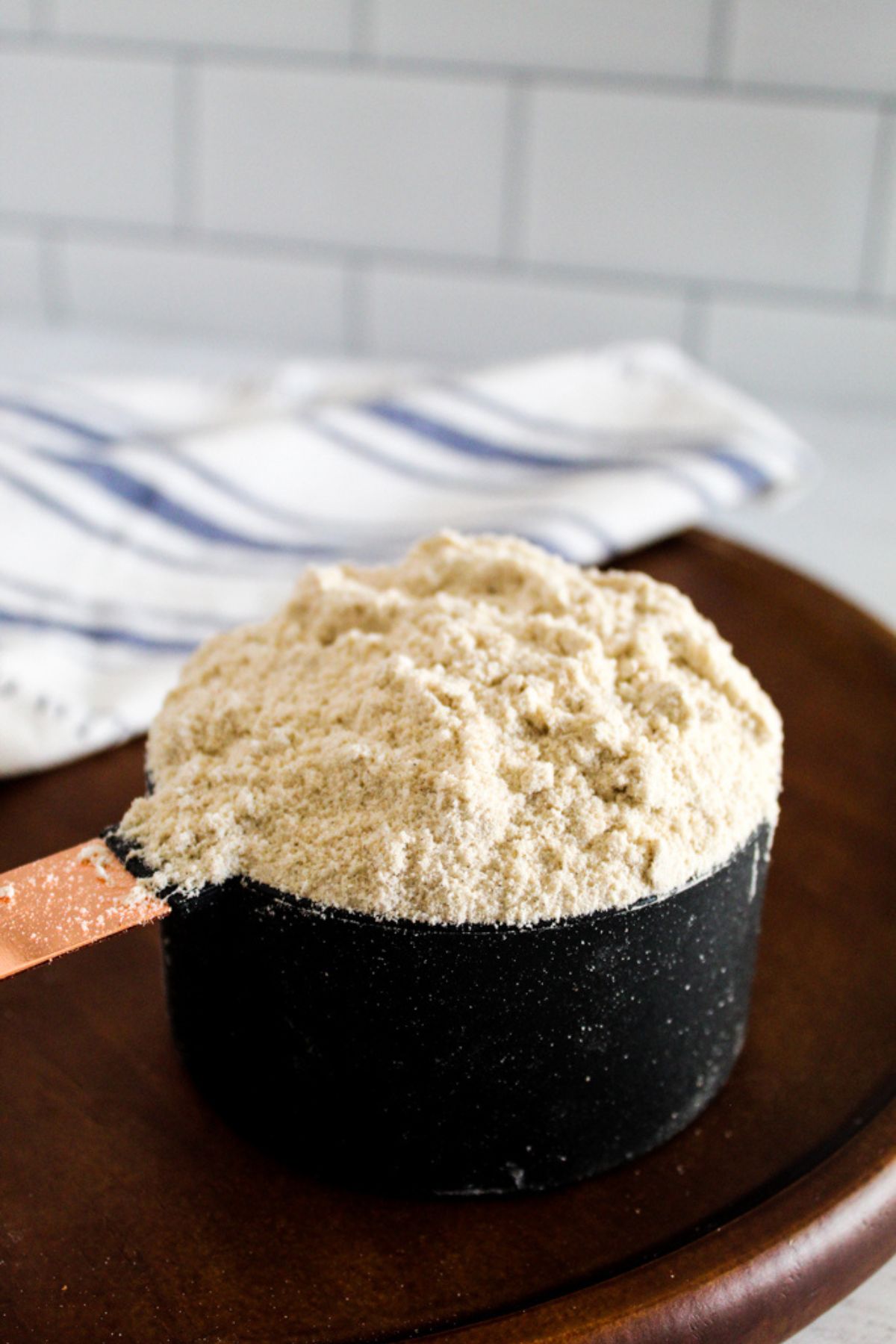
Sorghum flour is a naturally gluten-free flour made by milling sorghum seeds into a fine powder. Sorghum is a popular cereal grain, similar to amaranth, that comes from a type of flowering grass native to Africa. It was introduced to the US in the 1850s during slavery and remains among the top 5 most cultivated crops worldwide, along with wheat, rice, corn, and barley.
Ground sorghum grains are slightly sweet with a subtle, earthy flavor. Nutritionally, sorghum flour offers a unique balance of plant-based protein, fiber, minerals, and vitamins, making it a great ingredient to incorporate into your diet if you have celiac disease or gluten sensitivity. It is also one of the reasons it’s so popular in gluten-free baking. It can create structure without heaviness, and it blends especially well with other flours.
Sorghum Flour Nutrition
A 1/4 cup of sorghum flour contains:
- 130 calories
- 1g total fat
- 2g fiber
- 3g protein
- 6% of your daily value of iron
In baking, sorghum flour is known for its ability to absorb water, which is essential for hydrating baked goods. Its unique proteins aid in binding ingredients and creating structure. Additionally, this flour has a strong ability to retain fats and oils, leading to tender baked goods. Click this link for even more reasons to love sorghum flour!
Since it is still uncommon for many people, you may not have it stocked in your pantry yet, which is likely why you’re looking for a substitute. Or, if you are sensitive to sorghum in any way, you may need a sorghum flour substitute. Whatever you’re looking for, I’ll help you find the perfect swap in the list below!
How to Choose the Best Substitute
Choosing the right substitute for sorghum flour isn’t just about grabbing another gluten-free flour option; it’s about understanding how that flour behaves in your specific recipe.
Sorghum flour is popular because it strikes a balance that’s hard to replicate: it’s mildly sweet, moderately high in plant-based protein, and it produces a soft crumb. When you replace it, you’re essentially trying to recreate that balance using a different ingredient.
Start With Your Recipe
The first (and most important) thing to ask is: what are you baking?
- Breads and muffins need structure and elasticity.
- Cookies and cakes need tenderness and moisture.
- Pancakes and quick breads need lightness and fluffiness.
For example, using almond flour in bread might result in a dense loaf, while it works beautifully in cookies.
Consider the Texture
Next, consider the texture you want for your final baked good.
- Lighter flours like oat and rice provide soft, fluffy results.
- Dense flours like amaranth and quinoa have a heavier, more compact texture.
- Nut flours like almond keep things moist and crumbly.
Think About Flavor
Finally, consider the flour and how it will work in what you are baking. Sorghum flour is versatile because it has a very mild flavor.
- For a neutral flavor, think brown rice flour or oat flour.
- For an earthy flavor, turn to teff or buckwheat flour.
- If you’d like a nutty flavor, try quinoa or almond flour.
Once you have chosen the flour that works best in your recipe, check how to substitute it. Not all flours can be swapped 1:1. Some may need adjustments as they absorb more liquid or contain more moisture than sorghum flour. And when in doubt, use a flour blend instead of a single substitute. Flour blends, which usually contain a mix of starches and proteins, often get much closer to the best sorghum flour substitute.
Best Substitutes for Sorghum Flour (In Detail)
Whether you’re baking soft cookies, fluffy pancakes, or hearty gluten-free bread, flour is often the main ingredient. You’ll need to choose a substitute that fits the role it plays in your recipe, based on its texture, flavor, and even protein content.
This complete Guide to Gluten-Free Flour Substitutes has a handy chart that compares the protein and fiber, making it easier to understand which products can be used to achieve a similar final texture in your baked goods.
Millet Flour
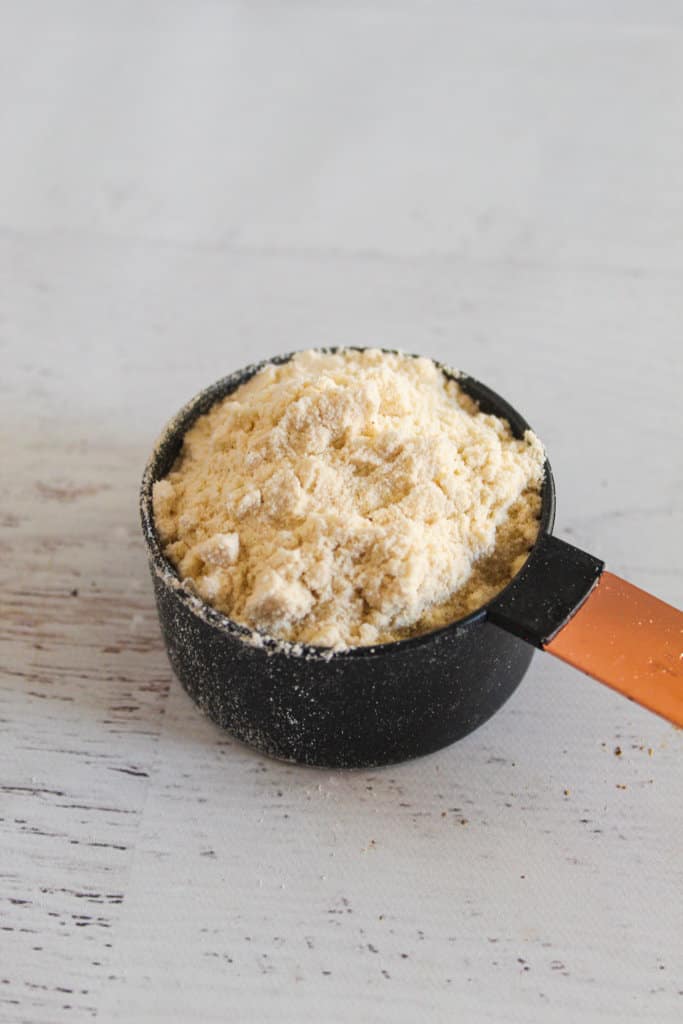
I’ve grown partial to millet flour over the years and love to use it in cookies, biscuits, and more. Millet seeds are much smaller than sorghum grains but have a soft, slightly sweet flavor similar to sorghum, making them a great substitute!
Sorghum flour is one of the best substitutes for millet flour, and vice versa.
It can be used cup-for-cup as a replacement for sorghum flour; however, millet has more fiber and can hold doughs together a little bit better. Using sorghum on its own may make your baked goods slightly firmer.
Amaranth Flour
Amaranth is perhaps one of the very best substitutes for sorghum, as the plants are very similar. Both produce tall swaths of tiny seeds that can be ground and added to many recipes.
The main difference between the two is that amaranth flour has even more protein and a stronger, nuttier flavor without the sweetness of sorghum. If you can’t eat sorghum for any reason, give amaranth a go!
Amaranth flour can generally be used as a 1:1 replacement for sorghum flour, depending on the recipe.
Teff Flour
Teff is another ancient pseudo-cereal grain that’s been receiving a lot of attention today with gluten-free diets.
These tiny seeds are packed with protein and have a mild, nutty taste, making them a great alternative to sorghum in most recipes.
Similar to millet flour, teff has more protein, so your baked goods may be slightly firmer than those made with just sorghum.
Sorghum flour is considered one of the best teff flour substitutes, and it can be used interchangeably in most recipes.
Quinoa Flour
The nutritional profile of quinoa flour is one of the closest matches to sorghum flour, and you can blend quinoa seeds at home in a spice grinder, so it’s very convenient.
It has slightly more protein and slightly less fiber, but can often be used as a 1:1 replacement in your recipes. Keep in mind that quinoa flour has a stronger, nutty flavor.
Buckwheat Flour
Buckwheat flour comes from the seeds of the buckwheat plant, known for their dark color and slightly bitter, nutty flavor.
It’s commonly added to pancakes and breads, and can be used as a sorghum substitute in gluten-free baking, although the texture, color, and flavor will be slightly different.
Buckwheat has slightly more protein and fiber than sorghum, so it may help hold your baked goods together a little better. Depending on the recipe, you can either use it as a 1:1 replacement and/or slightly reduce the binding agent.
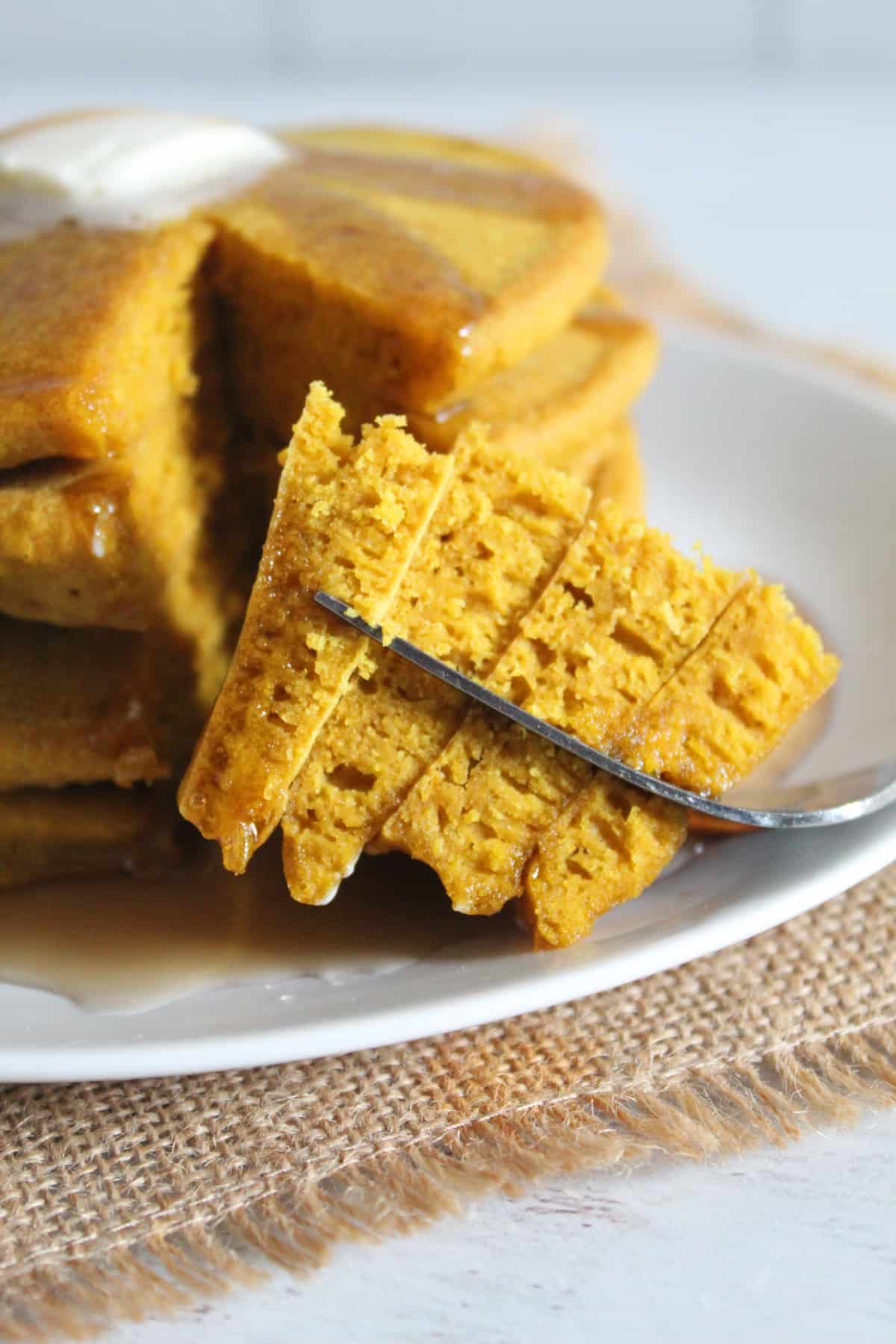
Brown Rice Flour
Brown rice flour is common in many gluten-free pantries because it’s so versatile and has a lovely, mild flavor that works in many recipes.
It has slightly less protein and fiber than sorghum flour, similar to quinoa flour, so you may want to add a little extra binding to get the texture just right.
Note: White rice flour is not interchangeable with brown rice flour in this instance, as it has nearly half of the protein of sorghum flour and about a quarter of the dietary fiber content. Find out more about brown rice flour and its substitutes here.
Oat Flour
Oat flour is one of the most popular gluten-free flours. It has a mellow, slightly nutty flavor that blends easily into many recipes.
Since it is so common and easy to find, many gluten-free bakers likely already have this one on hand. It has quite a bit more protein and slightly more fiber, which can actually work in your favor when substituting sorghum flour.
Replace sorghum flour with oat flour in a 1:1 replacement. You may need to add a little more liquid to reach the right consistency.
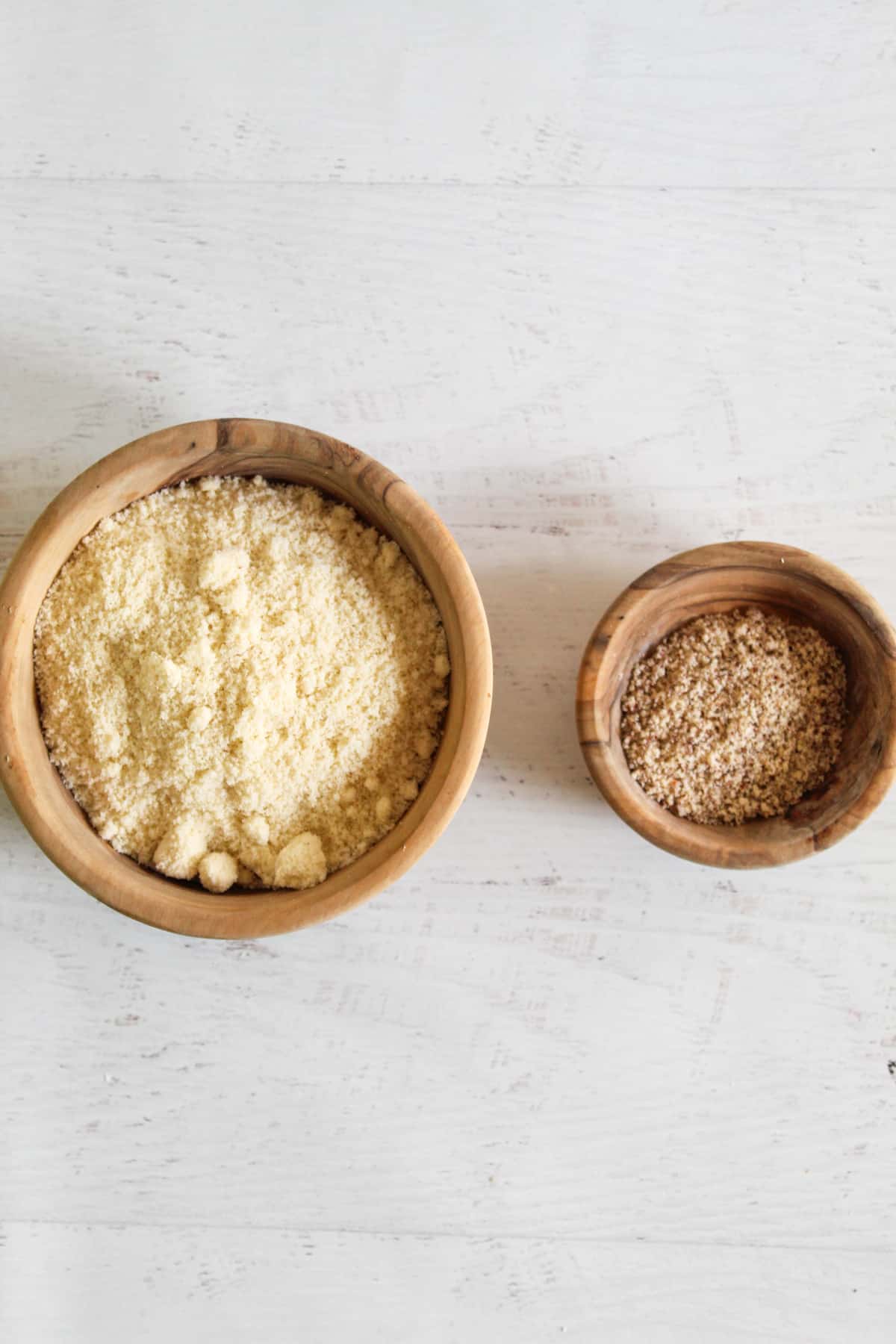
Almond Flour
This substitute may come as a bit of a surprise, as almond flour has significantly more protein than sorghum flour. But the mild, nutty flavor of almond flour stands in nicely for sorghum flour in many recipes.
If you substitute almond flour for sorghum flour, you may find your baked goods have a slightly denser texture. It’s also important to note that almond flour is not the same as almond meal.
For the best results, replace sorghum flour with almond flour by measuring the same weight (instead of measuring cup-for-cup).
Gluten-Free Flour Blend
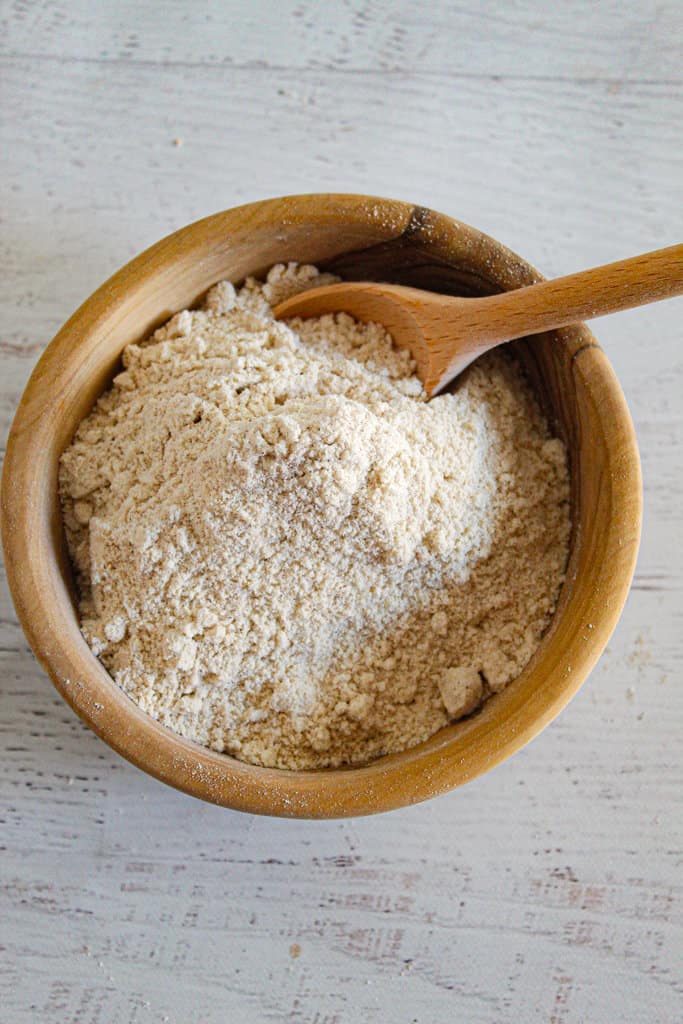
This gluten-free flour blend is a good option for a sorghum flour substitute. It is a versatile mix that lends a great texture to baked goods.
If you have a store-bought gluten-free flour mix on hand, that can also work instead of sorghum flour. It is already designed to deliver a nice texture and flavor, and can often be used as a 1:1 alternative.
When I run out of the homemade flour blend, I’m partial to the King Arthur Measure for Measure Gluten-Free Blend. It tastes great and works well in all my favorite gluten-free recipes.
Substitution Chart
When you’re short on time, use this quick comparison chart to help you out. Compare flours based on what you’re looking for in the final texture and flavor of your recipe. And remember that while most of these are 1:1 substitutes, pay attention to your batters and doughs, and adjust the liquid-to-flour ratio as needed.
| Flour | Sub Ratio | Texture Result | Flavor | Best For |
|---|---|---|---|---|
| Millet Flour | 1:1 | Light, soft | Mild, slightly sweet | Cakes, muffins |
| Oat Flour | 1:1 | Soft, fluffy | Neutral | Pancakes, cookies |
| Brown Rice Flour | 1:1 | Slightly gritty | Neutral | General baking blends |
| Teff Flour | 1:1 | Dense, structured | Earthy | Bread, hearty bakes |
| Quinoa Flour | 1:1 | Firm, slightly dense | Nutty | Protein-rich recipes |
| Buckwheat Flour | 1:1 | Hearty, dense | Strong, earthy | Pancakes, rustic bakes |
| Almond Flour | ~1:1 (adjust liquid) | Moist, crumbly | Nutty | Cookies, cakes |
| Amaranth Flour | 1:1 (blend recommended) | Dense | Strong, earthy | Small portions in blends |
| GF Flour Blend | 1:1 | Balanced | Neutral | Most recipes |
Best Substitute by Recipe Type
Not all substitutes perform equally across different recipes. Here’s how to choose based on what you’re making:
Best for Bread
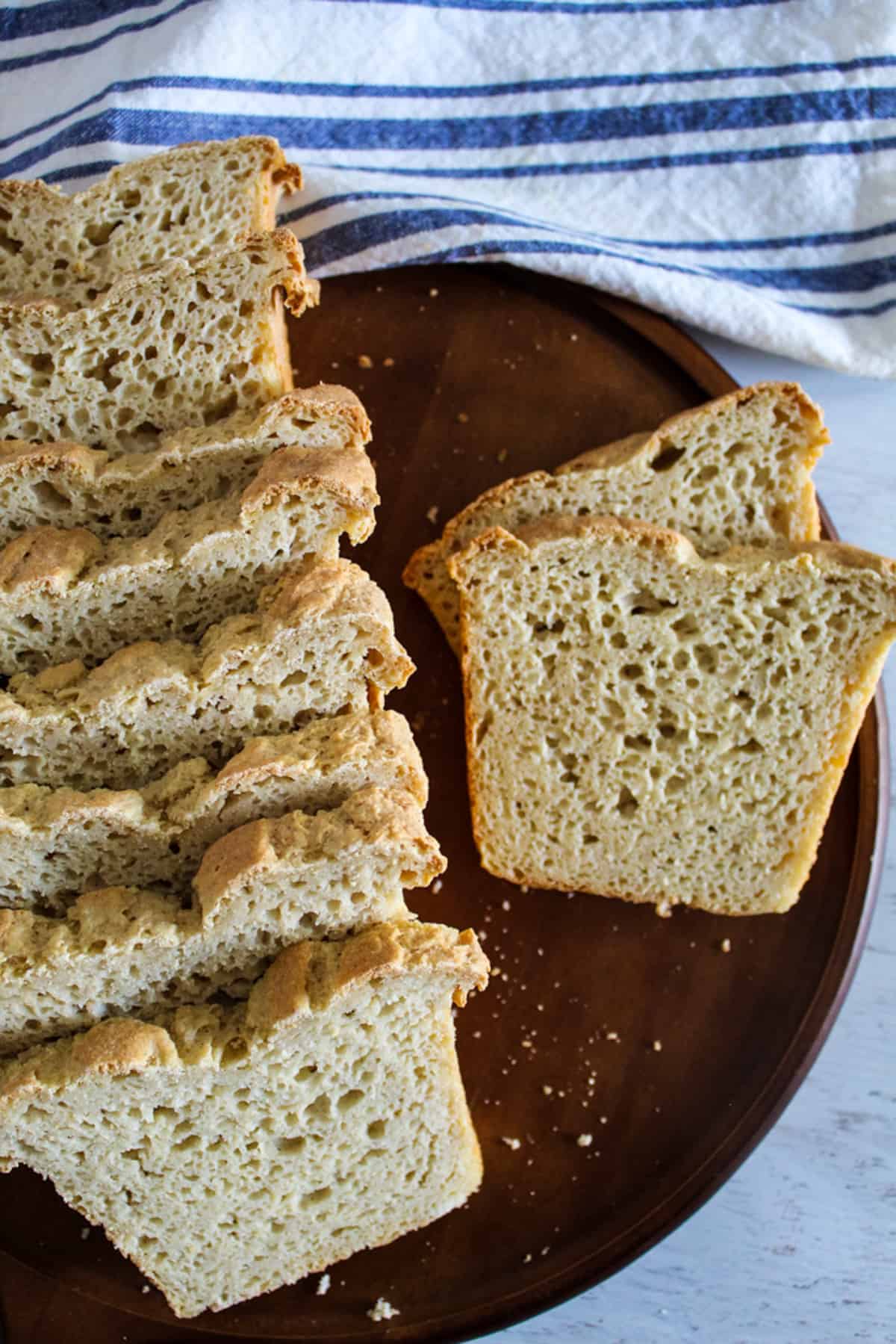
Bread needs structure, elasticity, and the ability to hold air, as gluten does in traditional wheat breads. The best choices are teff flour, oat flour, and gluten-free flour blends.
Best for Cookies
Cookies are a bit more forgiving and benefit from softer, moisture-rich flours like almond, millet, and oat flour. These create a tender texture without making cookies too dense.
Best for Pancakes & Quick Breads
Quick breads are baked goods that don’t require yeast or a rise time (think muffins, banana bread, cornbread). They are leavened with baking soda or baking powder. These recipes need to be fluffy and easy to mix. The best flours here would be buckwheat, oat, brown rice, or a gluten-free flour blend.
Overall, the best and easiest all-purpose substitute that works in most recipes is a gluten-free flour blend. This will always be your safest bet, since they’re designed to mimic wheat flour, making them ideal for a variety of recipes. Try making your own flour blend following this recipe, or purchase a gluten-free all-purpose blend like this option from King Arthur.
Sorghum Flour Substitutes FAQs
As always, making substitutions with gluten-free flours is an art! It’s always best to follow the recipe exactly as written, but if you need a sorghum flour substitute, these options should work in a pinch. For more questions you may have, see if they’re covered here in the FAQs. If not, please write to us in the comments section below.
Can I Substitute Sorghum Flour 1:1?
Sorghum flour can be substituted 1:1 with some flours, but not all. Oat flour, millet flour, and gluten-free blends are the most reliable 1:1 substitutes. Others, like almond or coconut flour, require adjustments to liquid ratios. See the substitution chart above for more substitutions and their ratios.
What is the Closest Substitute to Sorghum Flour?
Millet flour is often considered the closest match to sorghum flour because of its similar texture, mild flavor, and baking performance. I also highly recommend gluten-free flour blends as a high-performing substitute.
Can I Use All-Purpose Flour Instead?
If you’re not gluten-free, you can definitely use all-purpose flour as a substitute for sorghum flour. Keep in mind that the texture will be softer and less dense.
Can I Mix Multiple Flours as a Substitute?
Mixing flours is often the best approach for replacing a single flour. Blending flours creates a more balanced texture and improves overall results. Try out this recipe for a gluten-free flour blend you can make at home.
All About Sorghum Flour
By now, you’ve seen that running out of sorghum flour doesn’t have to derail your baking plans; it just means making a smarter choice with what you already have.
The key takeaway is: there’s no one-size-fits-all substitute. The best option depends on what you’re making, the texture you’re aiming for, and how much flexibility your recipe allows. A soft cake, a chewy cookie, and a hearty loaf of bread all require different approaches, and choosing the right flour makes all the difference.
If you’re ever unsure, it’s best to stick with mild, balanced flours like millet or oat for an easy sorghum swap. And when in doubt, go with a gluten-free flour blend for the most reliable results.
Don’t be afraid to experiment either! Some of the best baking results come from trying new combinations and discovering what works best for your taste and texture preferences. So the next time you find yourself running out of sorghum flour, you’ll know exactly where to reach to find the perfect substitute!
Recipes Using Sorghum Flour
Get Connected
Do you have a favorite gluten-free flour substitute? What do you struggle with the most in substituting gluten-free flours? Let us know in the comments below and get connected with other like-minded gluten-free bakers!