Although almond flour and almond meal look similar, they are not the same ingredient. The difference between them affects the structure, texture, and moisture in baked goods.
So, if your cakes turn dense, your macarons crack, or your keto muffins come out dry, you may be using the wrong type of almond.
Table of Contents

In this guide, you’ll learn when to use almond flour, when almond meal works better, how substitutions affect baking, and which recipes need one over the other.
We’ll also cover baking mistakes, storage tips, and how to get better results in almond flour recipes like Dairy-Free & Gluten-Free Almond Flour Cornbread.
Quick Answer: Are Almond Meal and Almond Flour the Same?
Actually, there’s a difference: the main difference between almond flour and almond meal is texture and processing.
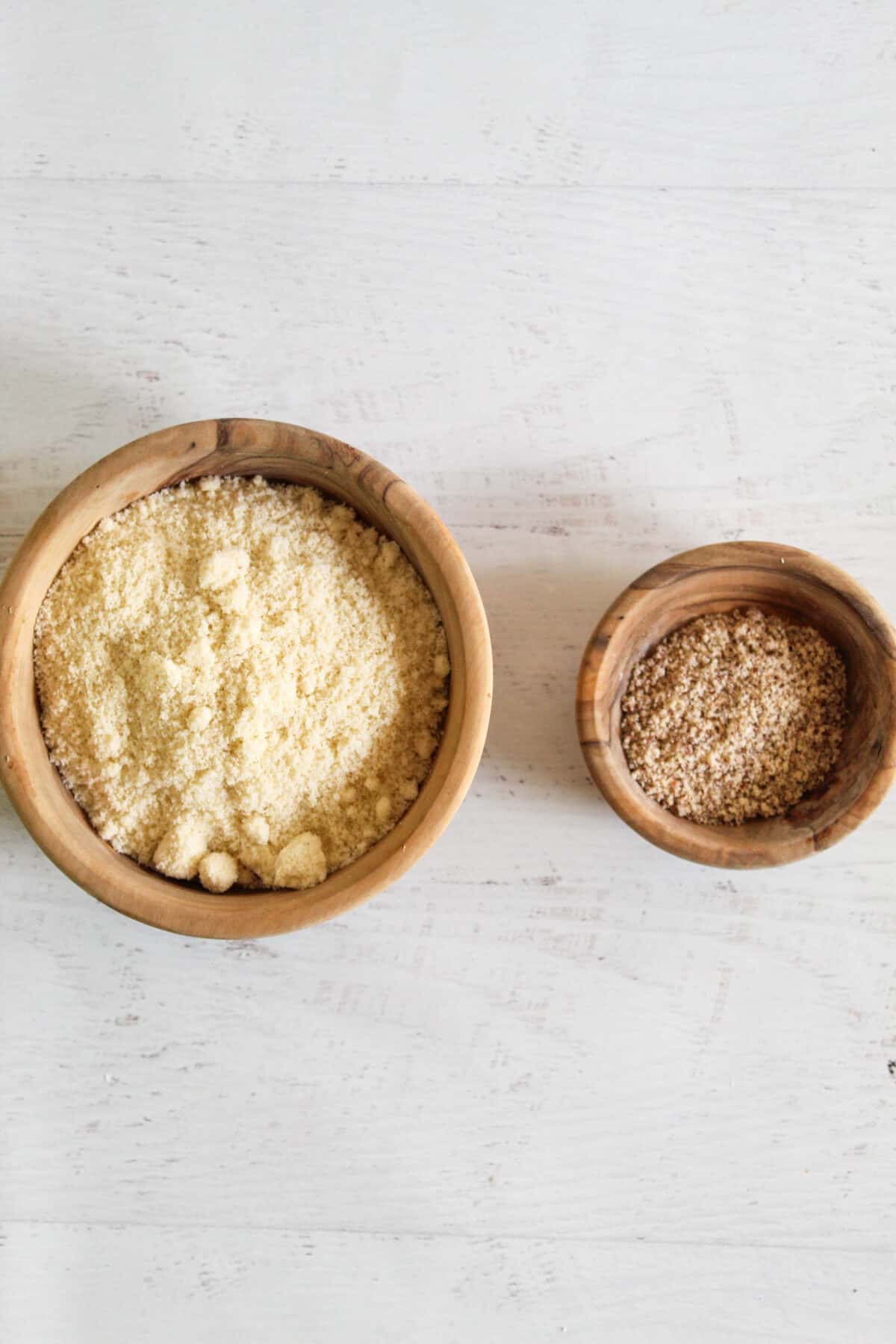
Almond flour is made from blanched almonds with the skins removed, giving it a fine texture that works well in cakes, cookies, and macarons. Meanwhile, almond meal is usually made from whole almonds with the skins still on, creating a coarser texture that produces denser baked goods.
Quick Comparison: Almond Flour vs Almond Meal
Understanding the differences between almond meal and almond flour can help you choose the right ingredient for better baking texture and consistency.
| Feature | Almond Flour | Almond Meal |
|---|---|---|
| Texture | Fine | Coarse |
| Almond Skins | Removed | Usually included |
| Color | Light | Speckled |
| Best Uses | Cakes, macarons | Rustic baking |
| Texture Result | Soft/light | Dense/hearty |
| Keto Friendly | Yes | Yes |
Allergy note: Almond flour and almond meal are made from almonds and are not suitable for anyone with a tree-nut allergy. When baking for someone with allergies, also check the package for shared-equipment or cross-contact warnings.
What Is Almond Flour?
You now know the basic difference between the two ingredients, but let’s look more closely at almond flour itself and why it’s so common in gluten-free baking.
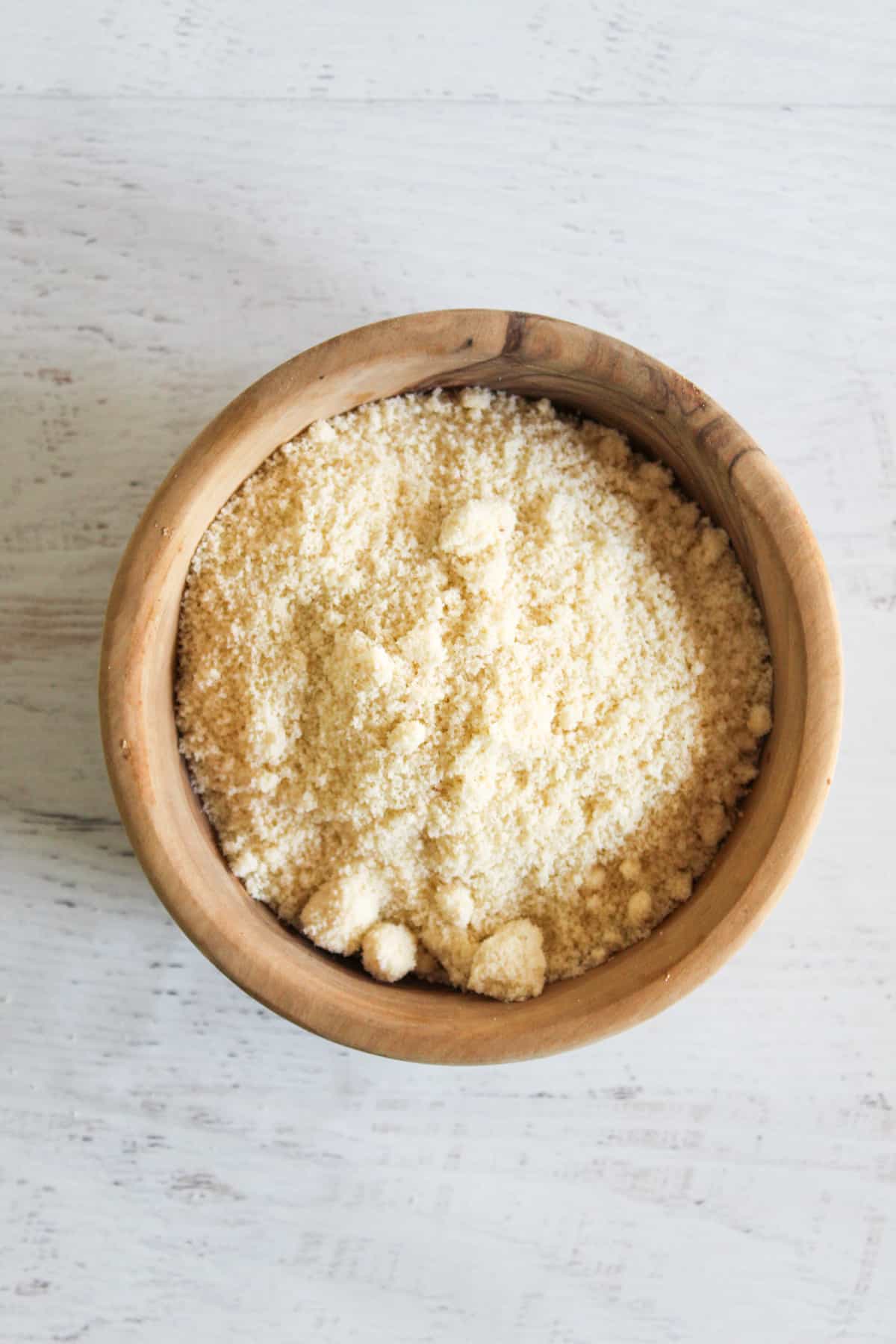
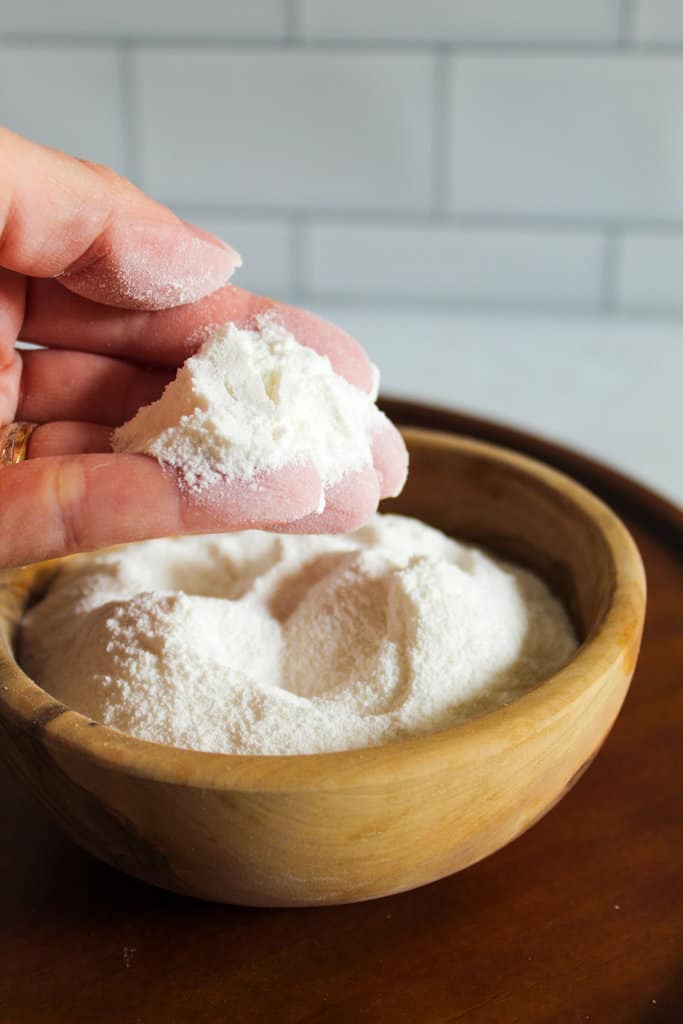
Almond flour is made from blanched almonds with their skins removed, then finely ground into a soft, powdery texture. Because of its light consistency and mild flavor, it’s commonly used in low-carb, gluten-free, and keto baking.
Because it is finely milled, almond flour blends smoothly into batter and helps create a more even crumb.
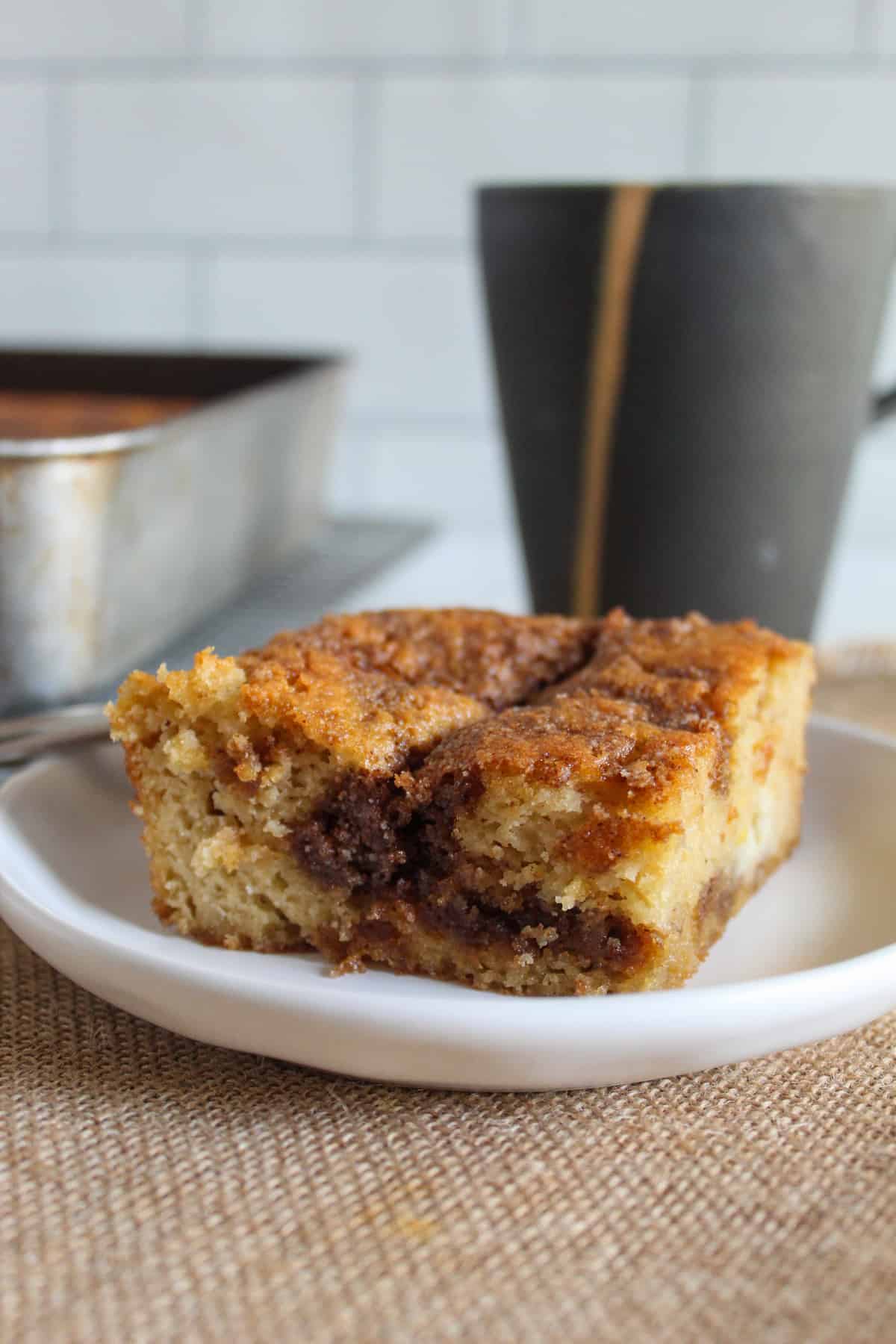
If you’ve ever baked soft muffins, tender cakes, or recipes like our Moist Almond Flour Coffee Cake, there’s a good chance almond flour helped create that lighter texture.
How Almond Flour Is Made
Almond flour starts with whole almonds that are briefly boiled to remove the skins. Once peeled, the almonds are dried and ground into a fine almond flour.
Removing the skins gives almond flour a lighter color and a finer consistency, which works especially well in precision baking.
Types of Almond Flour
Don’t make the mistake of thinking that all almond flour types have the same texture or consistency, because they don’t. Look below to know the difference.
- Super-Fine Almond Flour: Super-fine almond flour is ground more finely than standard versions. Bakers often use it for macarons, cakes, and pastries where texture matters most.
- Standard Almond Flour: Standard almond flour works well for everyday baking, such as cookies, muffins, pancakes, and quick breads.
- Homemade Almond Flour: Homemade almond flour is usually slightly coarser because home food processors cannot grind almonds as evenly as commercial equipment. It still works well in many recipes, but may create a denser texture.
Why Bakers Prefer Almond Flour for Delicate Recipes
Almond flour is often the better choice for cakes, macarons, muffins, and other recipes that need a fine, even texture. Because it is ground more finely than almond meal, it blends smoothly into batter and is less likely to leave a coarse or grainy crumb.
Its fine texture also helps ingredients distribute more evenly throughout the mixture. This can produce smoother batters, more uniform baking, and a softer finished texture.
What Is Almond Meal?
While almond flour is known for its soft, fine texture, almond meal has a more rustic texture that works better in heartier recipes.
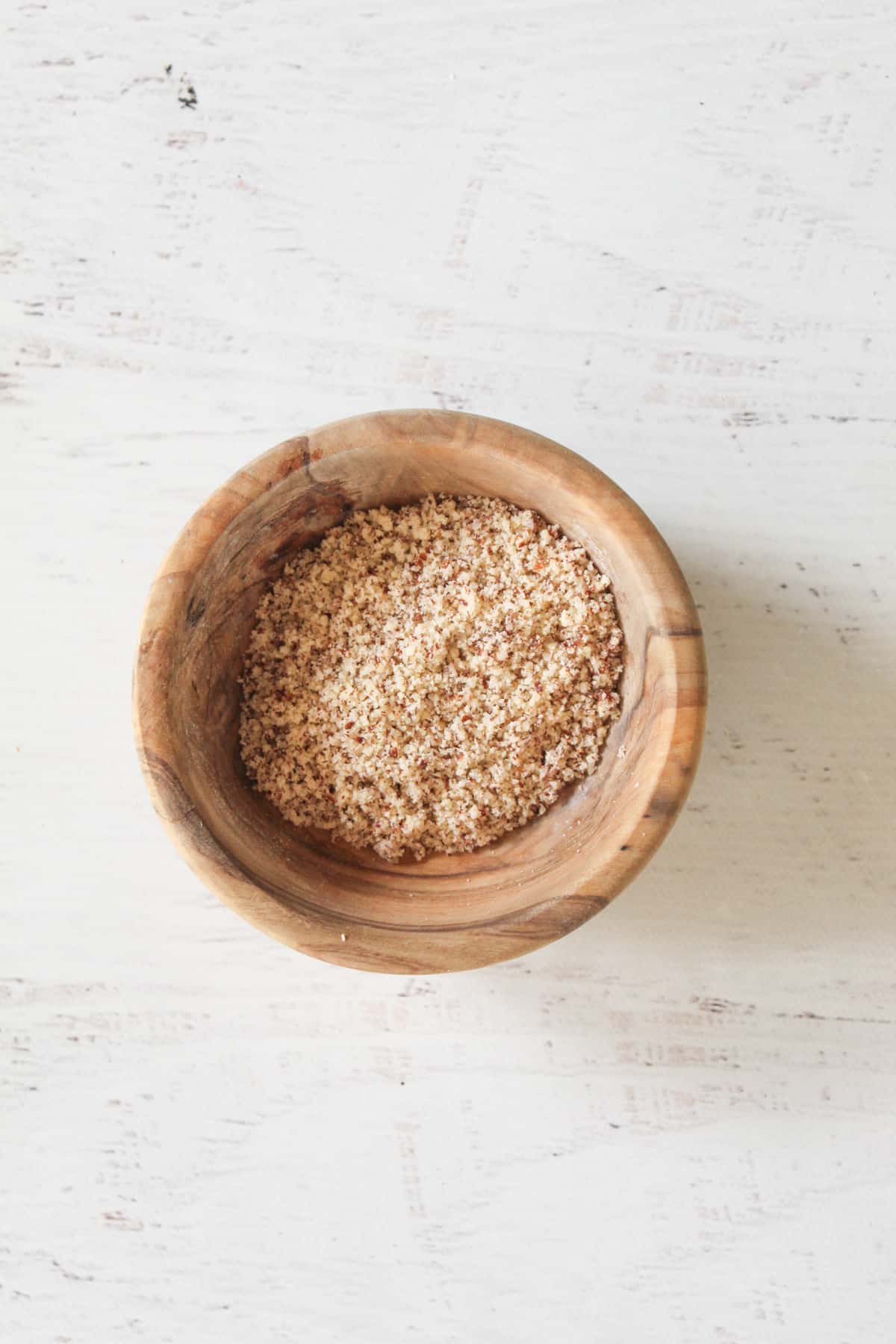
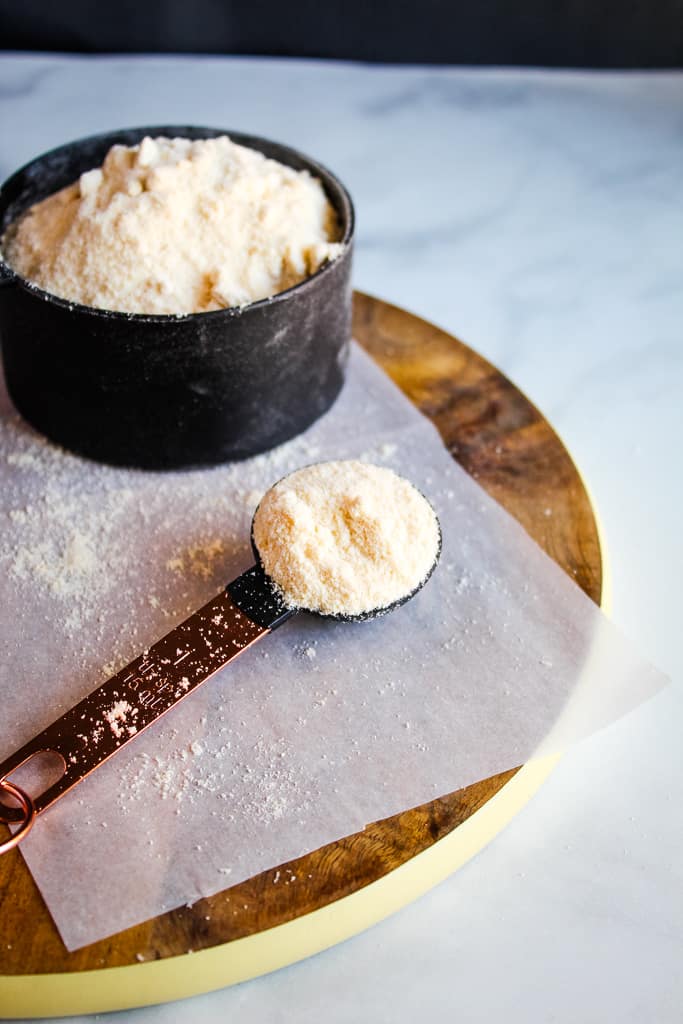
Almond meal is made from whole ground almonds, usually with the skins still attached. Because the skins are left on, almond meal has a darker color, a coarser texture, and a slightly nuttier appearance than almond flour.
Also, almond meal creates a heartier result that works better in rustic-style baking than in delicate desserts.
How Almond Meal Is Made
Almond meal is made by grinding whole raw almonds with their skins intact. Since the skins remain intact, almond meal has a darker appearance and a more substantial consistency than almond flour.
Some store-bought almond meal products may vary in texture, but they are usually less fine than almond flour.
Why Almond Meal Creates a Heavier Texture
Because almond meal contains larger almond particles, it creates baked goods with more structure and chew.
It is commonly used in breads, pie crusts, toppings, and coatings, where added texture improves the final result. In recipes like macarons or sponge cakes, however, it can affect smoothness and structure.
Is Almond Meal More Nutritious Than Almond Flour?
Almond meal and almond flour have very similar nutritional profiles because both are made primarily from ground almonds. They generally provide plant-based protein, fiber, unsaturated fat, vitamin E, magnesium, and other minerals.
Almond meal may retain the almond skins, while blanched almond flour does not. Because almond skins contain fiber and polyphenols, skin-on almond meal may contain slightly more of these compounds. However, the difference in a typical serving is likely to be modest and will vary by brand, processing method, and serving size.
Neither product is automatically the healthier choice. For most bakers, texture and recipe performance are more important differences than nutrition. Compare package labels using the same weight—such as 28 grams—rather than comparing different scoop or serving sizes. The FDA also recommends checking that serving sizes match when comparing Nutrition Facts labels.
Why Texture Changes Baking Results
The biggest difference between almond flour and almond meal is not just appearance. It’s how they behave once mixed into a batter or dough.
Grind size changes how batter mixes, spreads, and holds structure during baking. That’s why almond flour and almond meal can produce noticeably different results in the same recipe.
Understanding the differences in almond meal baking is crucial for successful gluten-free and low-carb baking.
How Grind Size Affects Baking Results
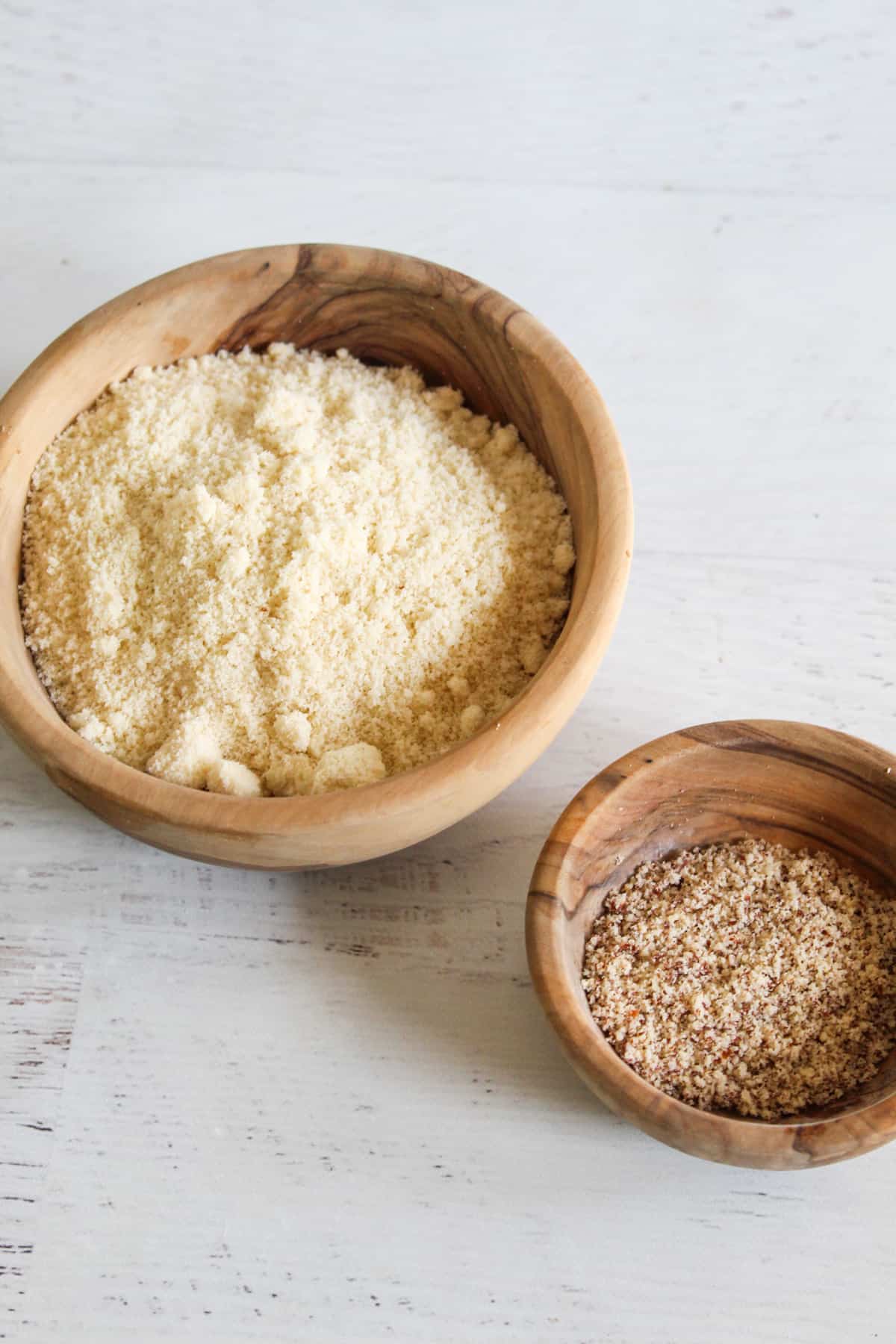
The difference between almond flour and almond meal goes beyond appearance. Grind size affects how each ingredient mixes into the batter, how evenly the batter spreads, and the texture of the finished bake.
- Fine almond flour disperses more evenly, while coarser almond meal remains more noticeable in the mixture. This is why the two products can produce different results even when used in the same quantity.
Understanding this difference is especially important in gluten-free and low-carb baking, where almond products often make up a large portion of the recipe.
Why Almond Flour Makes Softer Cakes
Because almond flour is finely ground, it blends more evenly into batter. The smaller particles create a more uniform batter, which helps baked goods bake more evenly and maintain a softer structure.
Fine almond flour also works better in recipes that need flexibility or a smoother structure, like our Almond Flour Tortilla Recipe. When baking with almond flour, the smaller particles create a more uniform batter, which helps baked goods rise and bake more evenly.
Why Almond Meal Makes Denser Bakes
Almond meal behaves differently in batter because the larger particles distribute less evenly during mixing and baking.
This works well in breads and toppings, but can create less consistent results in recipes that rely on a lighter structure.
Because almond meal does not blend as smoothly, it also changes how the dough spreads during baking. Cookies may spread unevenly, while cakes can become compact instead of fluffy.
Common Baking Failures Explained
Many common baking problems with gluten-free recipes arise from the texture differences between almond flour and almond meal.
Gummy Muffins
Using coarse almond meal in soft muffin recipes can trap too much moisture, leading to dense or gummy centers.
Collapsing Cakes
Delicate cakes rely on air retention for structure. A heavier almond meal batter may not hold enough air, leading to cakes sinking after baking. For additional help with structure, see our guide to making a light and fluffy gluten-free cake.
Grainy Cookies
Cookies made with coarse almond meal can develop a rough, sandy texture rather than a smooth bite.
Even when recipes use identical measurements, texture influences how ingredients absorb liquid, maintain structure, and bake when exposed to heat. That’s why almond flour and almond meal do not always produce the same results.
When to Use Almond Flour
Almond flour works best in recipes that need a softer texture, smoother batter, or lighter crumb.
Because of its fine consistency, it blends more evenly into ingredients and creates more delicate baked goods. These are some of the best uses for almond flour in everyday baking.
1. Macarons
Macarons need a very fine texture to create smooth shells and a stable structure.
Almond flour works well because it blends evenly into batter, traps air more effectively, and creates smoother surfaces. Using almond meal instead of almond flour can result in a rough batter and uneven shells.

2. Cakes
Almond flour is ideal for cakes because it creates a more even batter and a cleaner crumb structure. However, note that overmixing almond flour batter can make cakes dense.
3. Muffins
When baking with almond flour, muffins usually turn out softer and less grainy than versions made with almond meal.
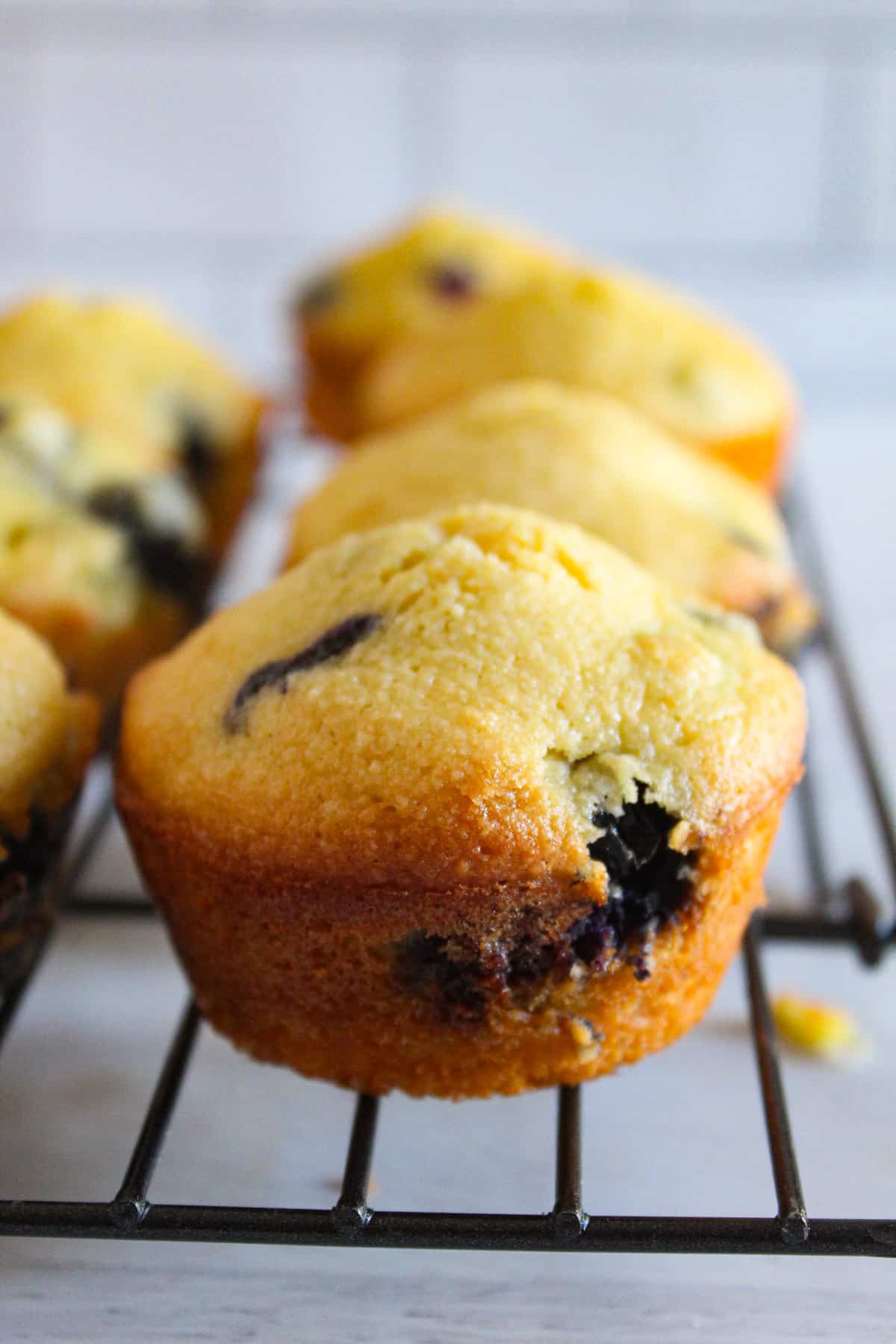
Recipes like our Healthy Blueberry Muffins use almond flour to create a moist, tender, soft-centered texture without the need for traditional flour. Too much liquid can make the center overly soft after baking.
4. Pancakes
Almond flour works well in pancakes because it cooks evenly and creates a softer bite than almond meal.
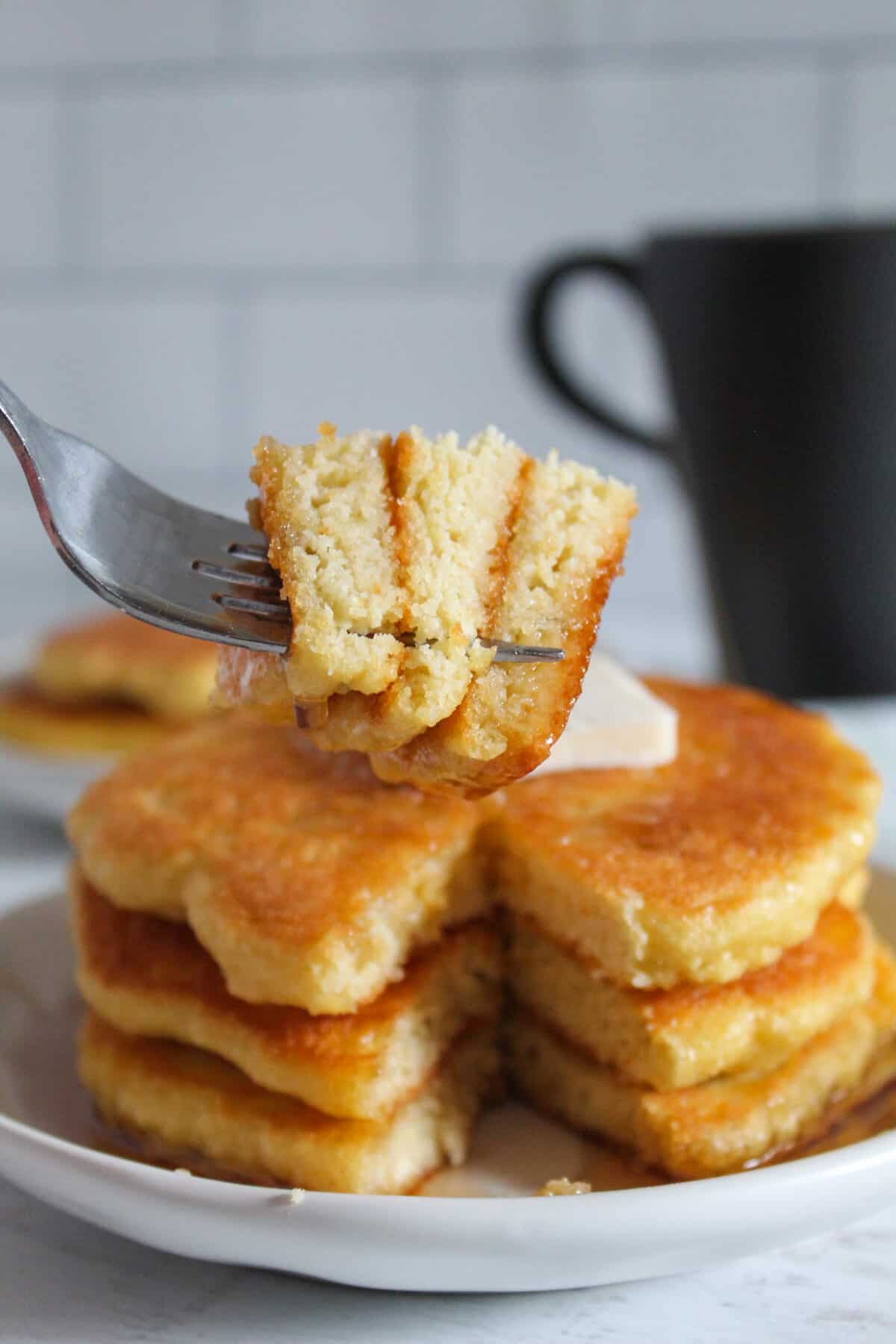
However, cooking at too high a heat can cause almond-flour pancakes to burn quickly due to their fat content.
5. Cookies
Almond flour helps create cookies with a smoother dough and a more even texture after baking.
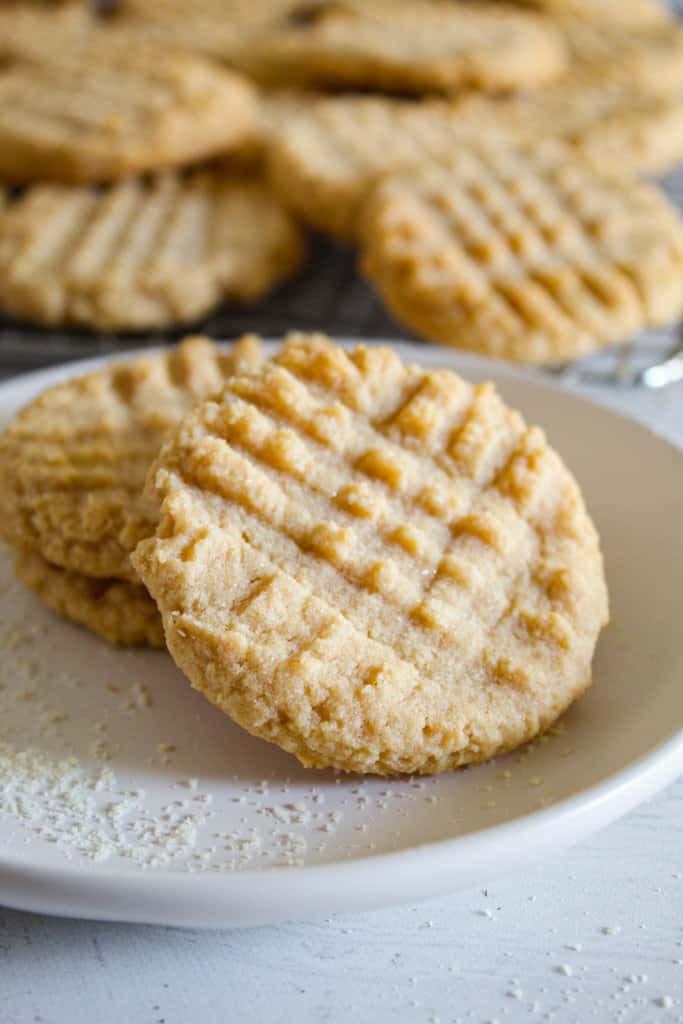
With this flour, your snack will be chewy and soft, with slightly crisp edges. But don’t use too much almond flour, as it can make the cookies oily or overly soft.
When to Use Almond Meal
Almond meal works best in recipes where a coarser texture adds structure, crunch, or a more rustic feel.
Because it contains larger almond particles and usually includes the skins, it creates heartier baked goods with a stronger almond flavor. Below are some of the most common uses of almond meal in baking.
1. Rustic Bread
Almond meal works especially well in breads where added structure and chew improve the final texture.
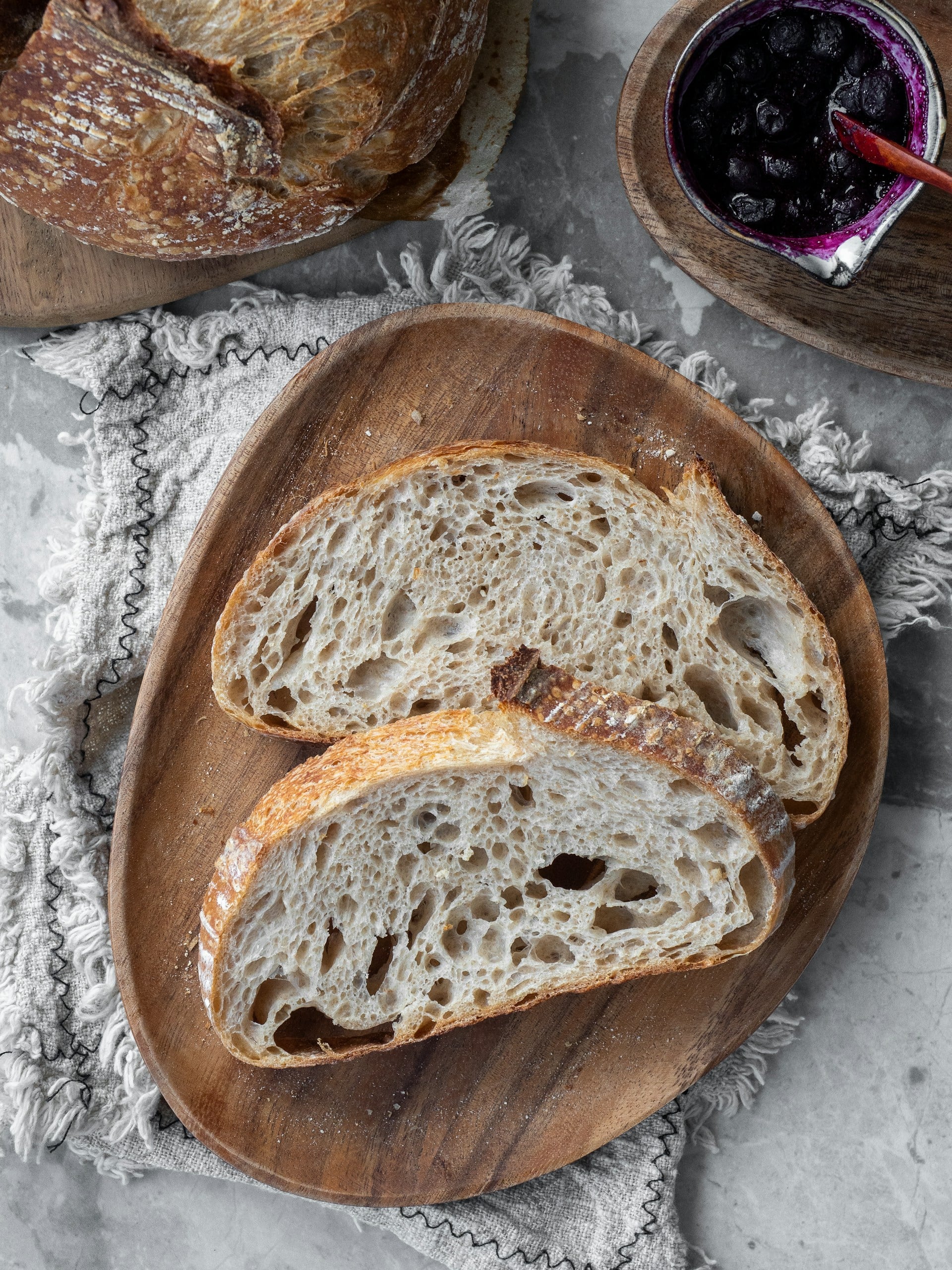
Also, it gives the bread a nuttier and deeper almond flavor profile. And because almond meal absorbs moisture less evenly, it creates a slightly heavier crumb.
2. Pie Crusts
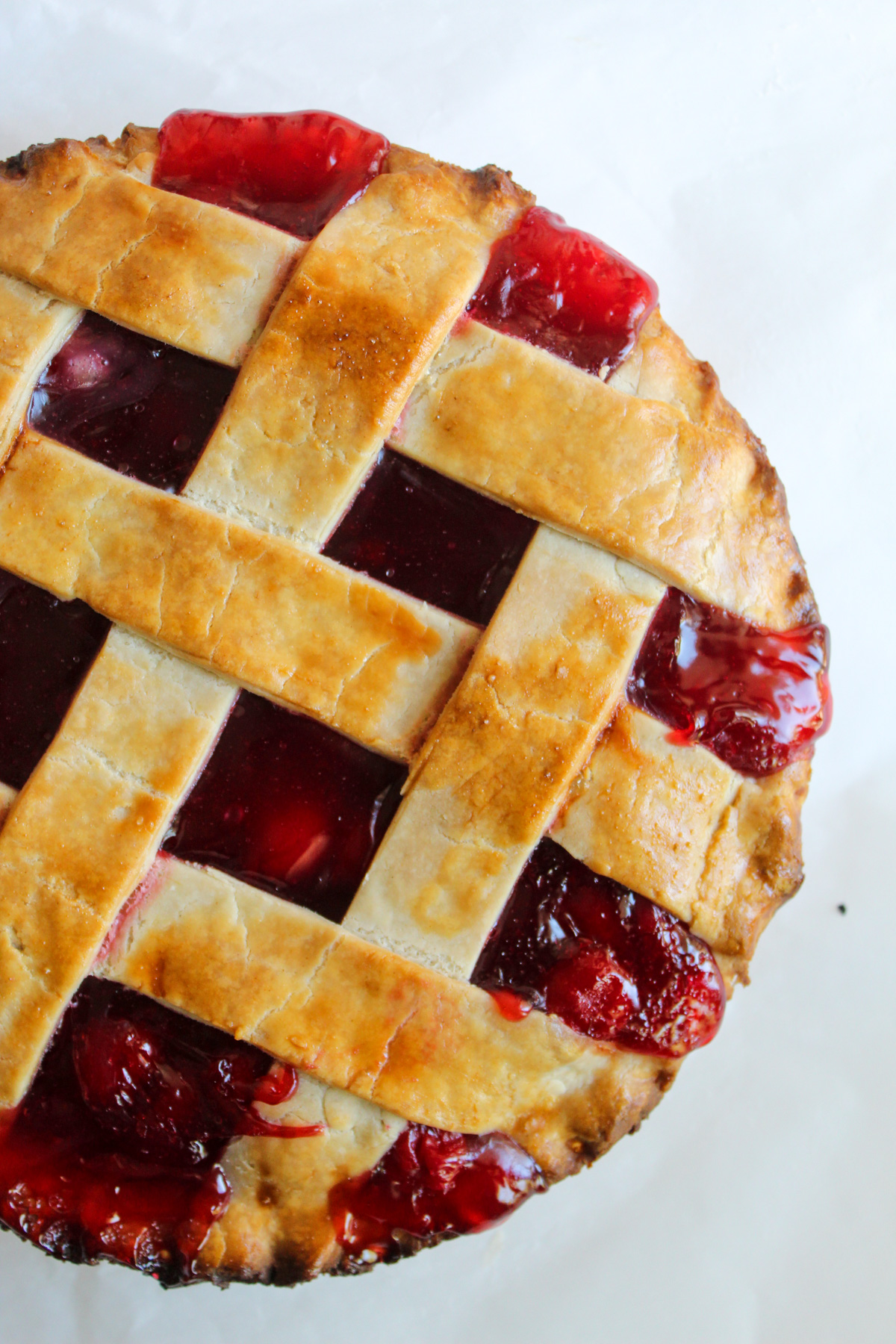
The coarse texture of almond meal helps pie crusts hold together while adding a slightly crisp bite and a rich, toasted almond flavor. Also, almond meal can create a less delicate crust than almond flour, which works well for rustic desserts.
Prefer a finer-textured crust? Our gluten-free almond flour graham cracker crust uses almond flour to help the crumbs hold together evenly
3. Crispy Coatings
When baking with almond meal, the coarse particles help create a crisper crust on the outside of baked goods. It works especially well as a coating for proteins or vegetables because it browns nicely during cooking. The larger particles brown well during cooking and help coatings stay crisp longer.
4. Dense Muffins
Almond meal can add a heartier texture to muffins, making them feel more filling and substantial. However, they will be slightly grainy, yet with a richer almond taste. The heavier consistency can also create a more filling muffin.
5. Crumbles & Toppings
The rough texture of almond meal makes it ideal for crumb toppings and baked fruit desserts. It creates more flavor contrast and crunch than almond flour. Additionally, almond meal holds its texture better in buttery toppings, even after baking.
Can You Substitute Almond Meal for Almond Flour?
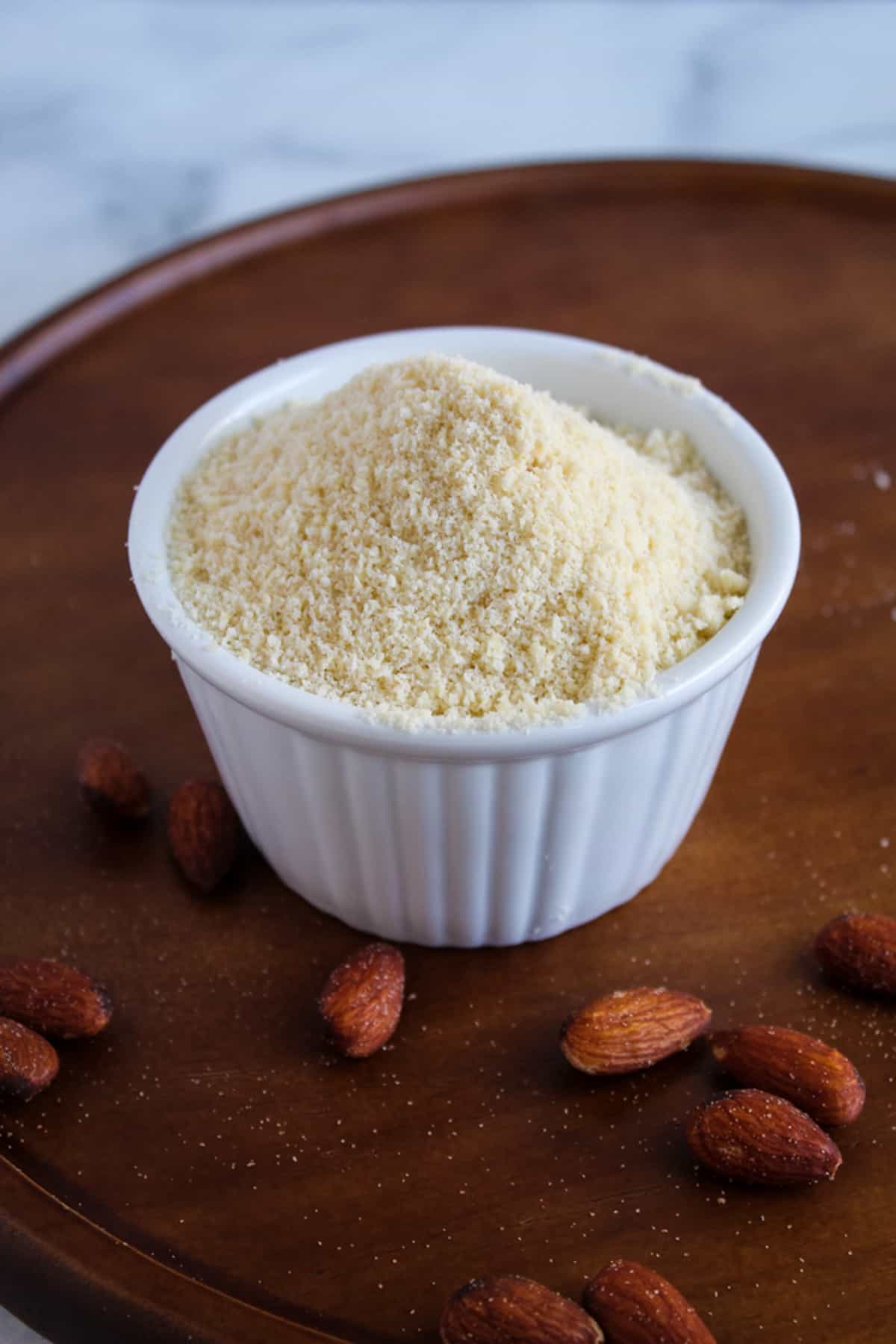
The success of the swap largely depends on how the recipe is structured. In simple recipes like pancakes or muffins, the swap usually works. However, in delicate baked goods like macarons or sponge cakes, almond meal is often too coarse.
When a 1:1 Swap Works
Some recipes are flexible enough that substituting almond flour will not drastically change the final result.
Pancakes
Pancakes can usually handle a 1:1 swap because the batter does not rely heavily on a delicate crumb structure. The result is a slightly heartier texture and a mild difference in texture.
Muffins
Muffins are also fairly forgiving when you substitute almond meal for almond flour. The final result is usually slightly heavier with a more noticeable almond flavor.
Quick Breads
Quick breads tend to work well with almond meal because the heavier texture fits rustic-style baking. The bake results in a moist center and a more substantial texture.
When You Should NOT Substitute
Some recipes depend on a very fine texture and a stable structure. In these cases, almond meal usually does not perform the same way as almond flour.
Macarons
Macarons require ultra-fine almond flour for smooth shells and proper air retention. Using almond meal can result in cracked shells, a rough texture, and an uneven batter.
Sponge Cakes
Sponge cakes depend on stable air pockets, which are harder to maintain with almond meal.
Delicate Pastries
Pastries with thin or delicate textures usually need fine almond flour to maintain structure. Almond meal can make them grainy, heavy, and unevenly baked.
How to Adjust Recipes When Swapping
If you need to replace almond flour with almond meal in a recipe, small adjustments can improve the final texture.
Add an Extra Egg
Use a recipe developed for the ingredient whenever possible. For a flexible muffin, pancake, or quick-bread recipe, begin with a 1:1 weight substitution and expect a coarser result. Do not automatically add an egg or change the liquid unless a tested version of the recipe recommends it.
Adjust Moisture Carefully
Almond meal absorbs liquid differently from almond flour, so some recipes may need slightly less liquid.
Sift the Almond Meal
Sifting removes larger particles and helps create a smoother batter.
Watch Baking Time
Denser batters may need a few extra minutes to bake fully in the center.
Before You Substitute
For the most reliable results, use the almond product specified in the recipe. Check whether it is finely ground and blanched, measure it by weight when possible, and avoid changing the liquid or egg amounts without testing the recipe. Brand and grind differences can affect batter consistency and the finished texture.
Almond Meal vs Almond Flour Substitution Table
Below is a quick substitution table for both ingredients.
| Recipe Type | Swap Recommended? | Notes |
|---|---|---|
| Pancakes | Yes | Minimal texture difference |
| Macarons | No | Too coarse |
| Muffins | Usually | Slightly denser |
| Cookies | Yes | More rustic texture |
| Cakes | Sometimes | Depends on recipe |
Even when measurements stay the same, texture differences can change how baked goods rise, spread, and retain moisture. That’s why almond flour and almond meal are not always interchangeable in baking.
Are Ground Almonds the Same as Almond Flour?
In many cases, ground almonds are closer to almond meal because they are made from whole almonds with the skins still attached. Almond flour, on the other hand, is usually made from blanched almonds and has a finer texture.
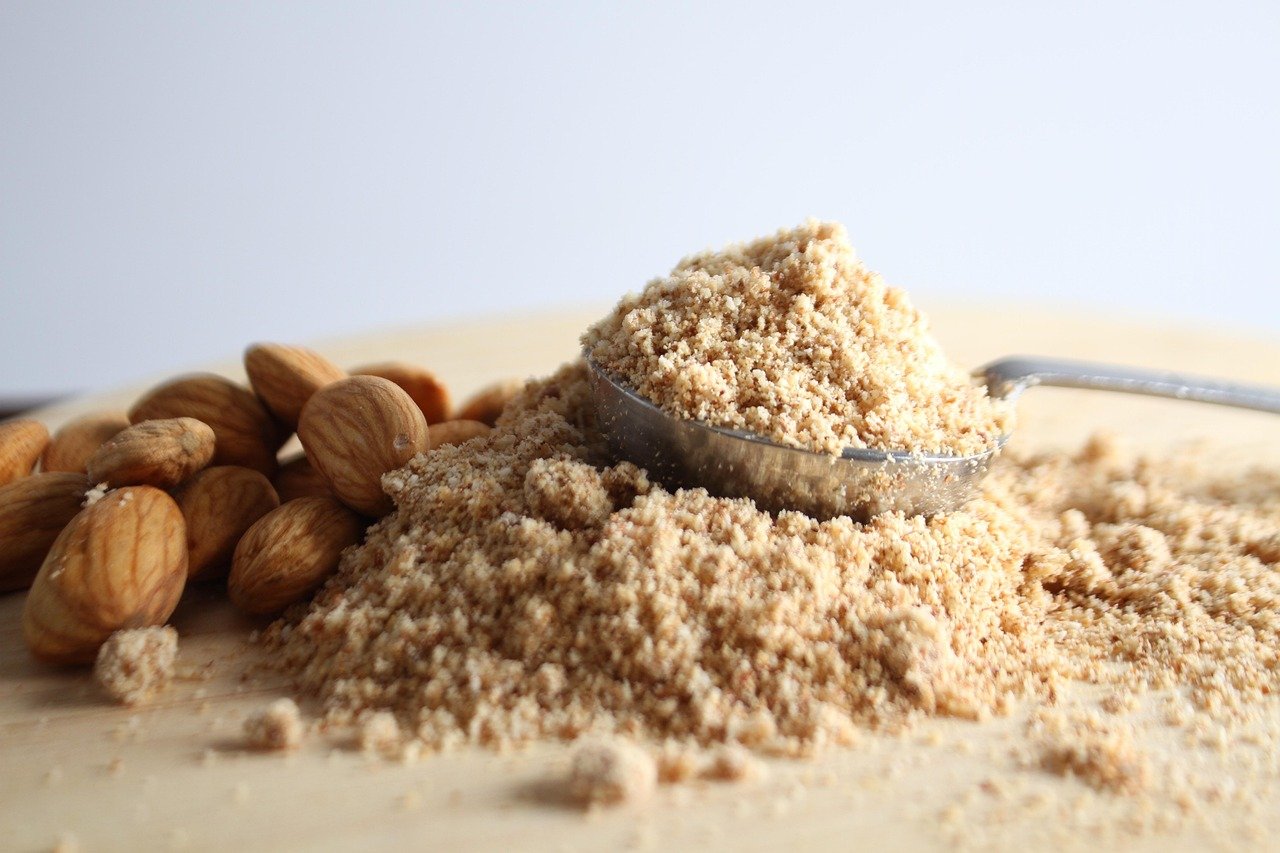
The biggest difference between almond flour and ground almonds is usually texture, though labeling can vary by country and brand.
UK Baking Terminology Explained
In the UK, “ground almonds” is a much more common label than almond flour. Many UK-baked goods labeled as ground almonds actually contain almond skins, have a coarser texture, and behave more like almond meal in recipes.
Meanwhile, in the US, almond flour more often refers to finely ground blanched almonds used for softer baked goods and gluten-free baking.
That difference in terminology can make substitutions confusing, especially when following recipes from another country.
Why Packaging Can Be Confusing
Not all brands use the same definitions for almond flour, almond meal, or ground almonds. Some products labeled as almond flour may still feel a bit coarse, while certain ground almond products are finely milled enough to perform like almond flour.
Texture can vary depending on whether the skins were removed, how finely the almonds were ground, and the brand’s manufacturing process. That’s why checking the texture matters more than the label alone when baking delicate recipes.
How to Store Almond Flour and Almond Meal
Almond flour and almond meal contain natural almond oils, making them more prone to rancidity than refined wheat flour. Exposure to heat, air, light, and moisture can shorten their freshness and affect their flavor.
After opening the package, transfer the flour to an airtight container or resealable freezer bag. Store it in a cool, dark pantry for short-term use, or refrigerate or freeze it when keeping it for longer. Colorado State University recommends freezing flours in airtight bags with excess air removed to help prevent rancidity.
Always follow the storage instructions and best-by date printed on the package, since shelf life varies by brand, packaging, and storage conditions.
How Long Does Almond Flour Last?
There is no single shelf-life estimate that applies to every almond flour or almond meal product. Freshness depends on factors such as:
- Whether the package has been opened
- The manufacturer’s packaging
- Storage temperature
- Exposure to air and moisture
- How frequently the container is opened
A cool pantry may be suitable when the product will be used soon. Refrigeration or freezing is generally a better choice for longer storage, especially in warm or humid kitchens. Nut flours are more susceptible to deterioration at room temperature after opening because of their oil content.
When using frozen almond flour, allow the sealed container to reach room temperature before opening it. This helps reduce the chance of condensation introducing moisture into the flour.
Signs Almond Flour Has Gone Bad
Fresh almond flour should have a mild, pleasantly nutty aroma. Discard it when you notice:
- A sour, stale, bitter, or unpleasant odor
- A noticeably rancid or unpleasant flavor
- Visible mold or unusual discoloration
- Dampness or clumps caused by moisture
- Insects or other signs of pantry pests
Small, dry clumps are not necessarily a sign of spoilage. Almond flour can naturally clump because of its oil content and fine texture. The clumps should break apart easily and should not smell unpleasant or feel damp.
Best Containers for Almond Flour
The best container is one that limits exposure to air and moisture. Suitable options include:
- Glass jars with tight-fitting lids
- Airtight food-storage containers
- Heavy-duty freezer bags with excess air pressed out
- The original resealable package, provided it closes securely
Label the container with the date it was opened. For the most reliable guidance, follow the manufacturer’s instructions and check the flour’s aroma and appearance before using it in a recipe.
Can You Make Almond Flour at Home?
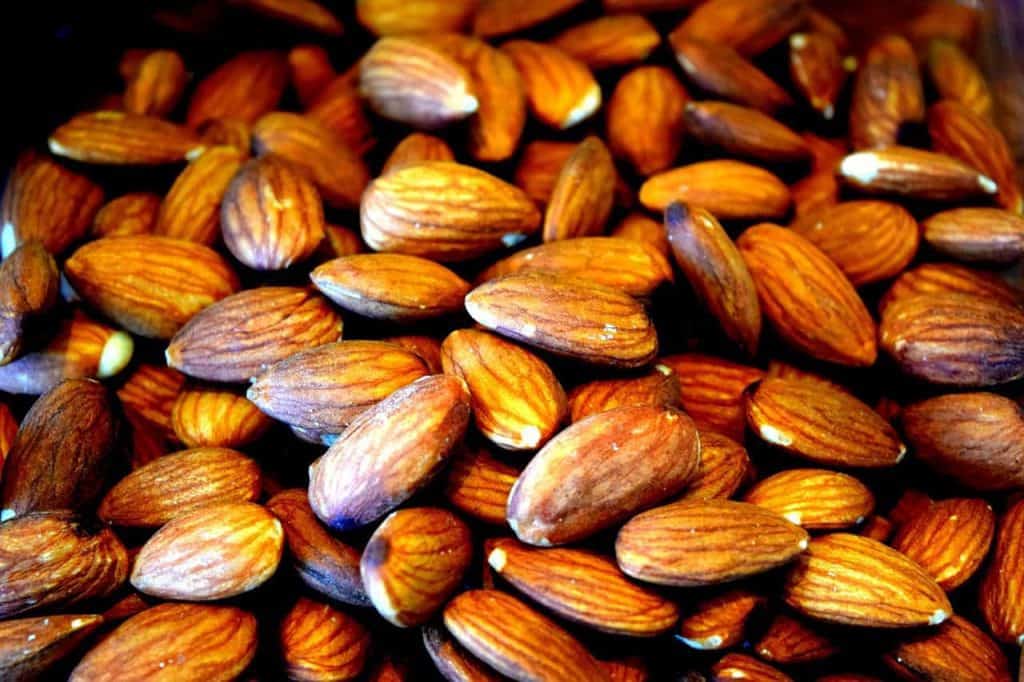
You can make homemade almond flour with just a few ingredients and basic kitchen tools. While it may not be as fine as commercial versions, it still works well in many gluten-free and low-carb recipes.
If you’re learning how to make almond flour, the main goal is grinding the almonds finely without releasing too much oil.
Basic DIY Almond Flour Method
To make DIY almond flour at home:
- Start with blanched almonds or remove the skins yourself.
- Dry the almonds completely after blanching.
- Pulse the almonds in a food processor using short bursts.
- Stop frequently to prevent overheating.
- Sift the flour to remove larger almond pieces.
Note that using short pulses is important because almonds release oils quickly once overprocessed. And if you’re making recipes like our Banana Muffins, choose finer almond flour for a softer texture.
Homemade Almond Flour Mistakes
One of the biggest mistakes is overblending almonds. Overprocessing can release oils, create clumps, and turn the mixture into almond butter.
Another common mistake is skipping the sifting step, which leaves coarse almond pieces behind and creates uneven baking texture.
Homemade vs Store-Bought Texture
Store-bought almond flour is usually ground more finely and evenly than homemade versions.
Homemade almond flour is usually less uniform than commercial versions.
That difference may not matter in pancakes or muffins, but delicate recipes like macarons and cakes usually perform better with finely milled commercial almond flour.
Frequently Asked Questions
The following are some common questions bakers still ask after comparing almond flour and almond meal.
Can Almond Flour Replace Regular Flour in Baking?
Sometimes, but not always. Almond flour behaves very differently from wheat flour because it contains more fat and no gluten. Most recipes need ingredient adjustments to maintain the right structure and moisture balance. For recipe-specific alternatives, see our complete guide to the best almond flour substitutes.
Why Are My Almond Flour Baked Goods Oily?
Almond flour naturally contains a high amount of healthy fats, so an oily texture usually happens when recipes contain too much moisture or fat. Overmixing the batter or using too much almond flour can also make baked goods feel greasy after baking. Our almond flour brownies guide shows how flour grind, fat balance, baking time, and cooling affect oily or grainy results.
Do Almond Flour and Almond Meal Taste Different?
Almond meal usually has a nuttier and deeper flavor because the almond skins remain intact. However, almond flour has a milder taste and smoother texture, which works better in delicate desserts.
Why Does Almond Flour Clump Together?
Almond flour can clump due to its natural oils and exposure to moisture. Sifting before baking helps improve texture and creates a smoother batter.
Is Super-Fine Almond Flour Worth Buying?
For delicate recipes, yes. Super-fine almond flour creates smoother batter, lighter cakes, and more consistent macarons than coarser versions.
Why Does Almond Flour Sometimes Taste Bitter?
A bitter taste can happen if the almond flour has gone rancid or has been stored too long. Fresh almond flour should have a mild sweetness and a nutty aroma.
Is Almond Flour Safe for People With Nut Allergies?
No. Almond flour and almond meal are made from almonds, which are classified as tree nuts and can cause serious allergic reactions in people with an almond or tree-nut allergy. In the United States, packaged foods containing almonds must identify almonds on the ingredient label or in a “Contains” statement.
When baking for someone with food allergies, check every ingredient label and look for warnings about shared equipment or facilities. Prevent cross-contact by thoroughly cleaning work surfaces, bowls, utensils, and baking equipment. Anyone uncertain about their individual allergy should follow guidance from their allergist or healthcare professional.
Which One Should You Buy?
- Choose fine, blanched almond flour for cakes, macarons, pancakes, soft cookies, and other recipes that need a smooth, tender texture.
- Choose almond meal for crumbles, coatings, rustic breads, pie crusts, and recipes where a coarser texture is welcome.
When in doubt, buy almond flour. It is usually the more versatile option and is more likely to match recipes that simply list “almond flour” as an ingredient.
Before substituting one for the other, check the recipe’s texture requirements and use the comparison chart above to avoid dense, grainy, or uneven results.
Related Guides You Should See
If you’re experimenting with gluten-free or low-carb baking, understanding how different flours behave can make a big difference in texture and consistency.
You may also find these comparison guides helpful:
- Cassava vs Almond Flour (Complete Guide + Best Uses Explained)
- Oat Flour vs Almond Flour: Substitutes, Pro Tips, and More
- Hazelnut Flour vs Almond Flour: Baking Tips & Substitutes
These guides will help you choose the right flour for each recipe and make substitutions with more confidence.
What Has Your Experience Been?
Have you baked the same recipe with both almond flour and almond meal? Share your baking experiences, favorite almond flour brands, or substitution questions in the comments below.