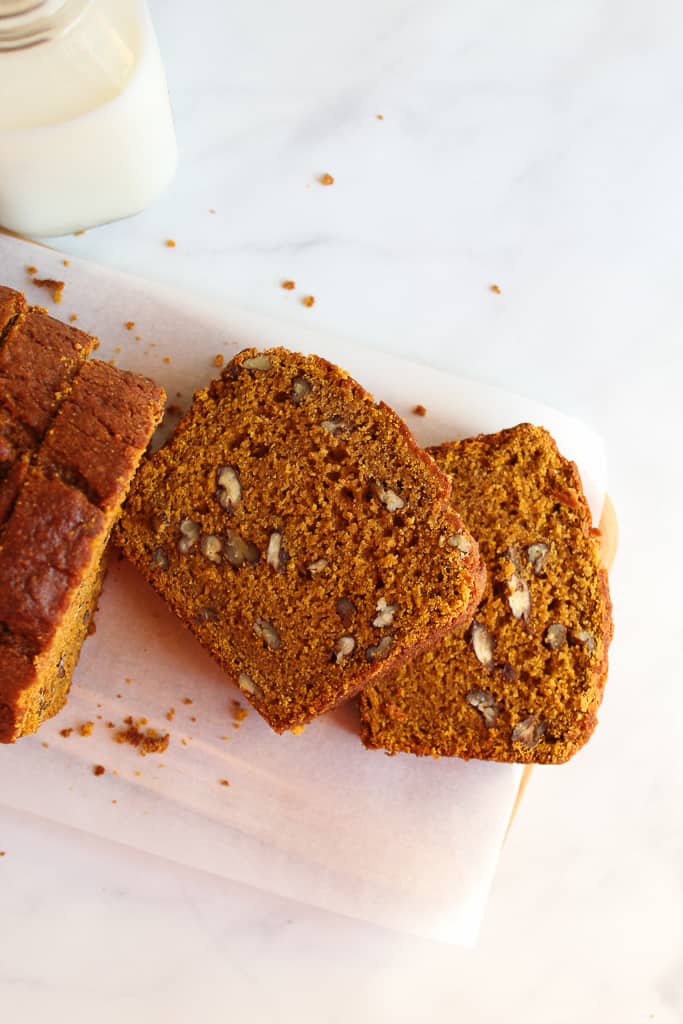
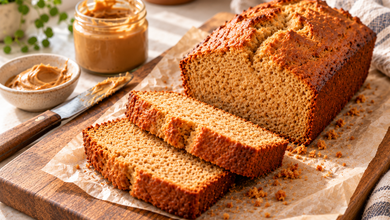
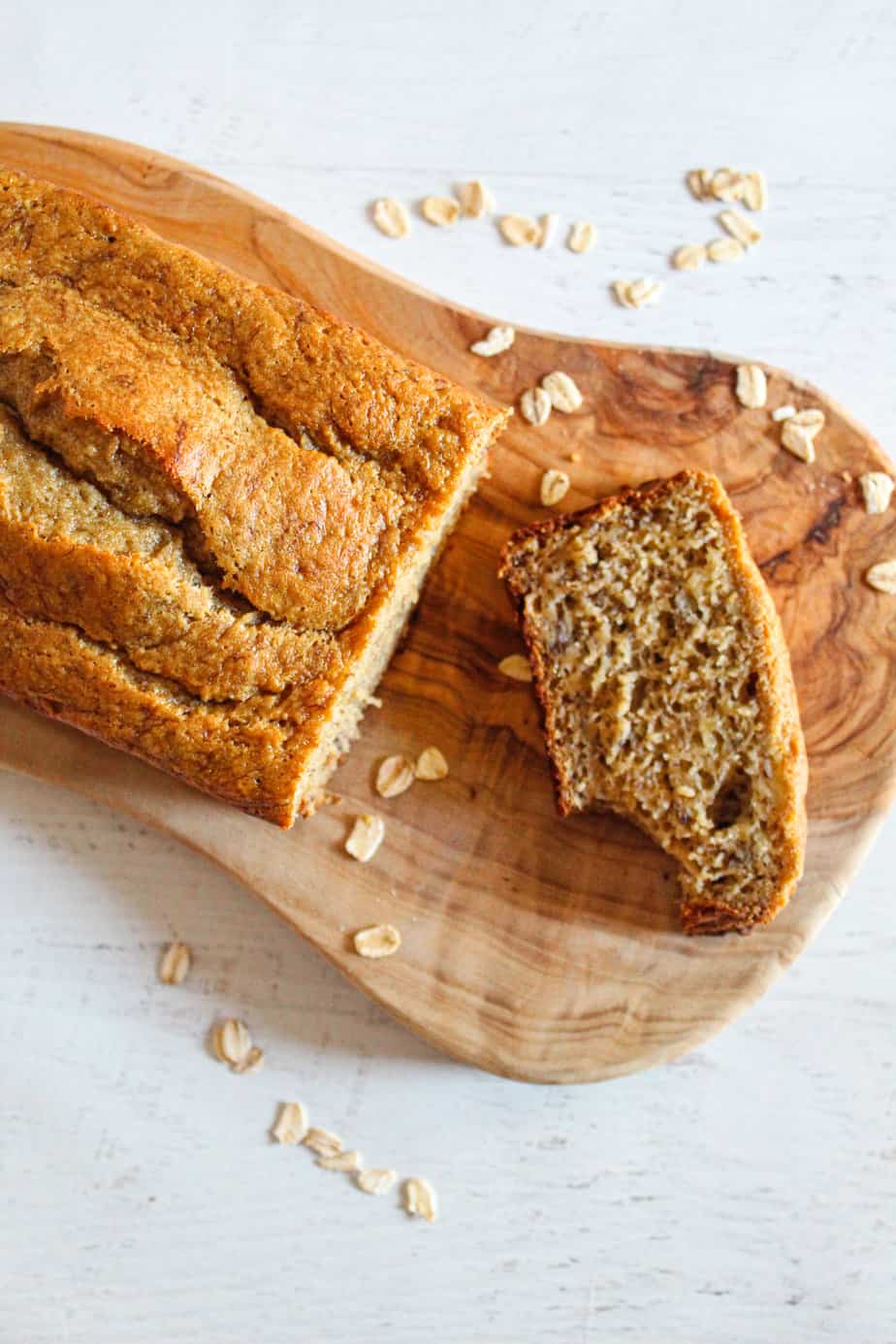
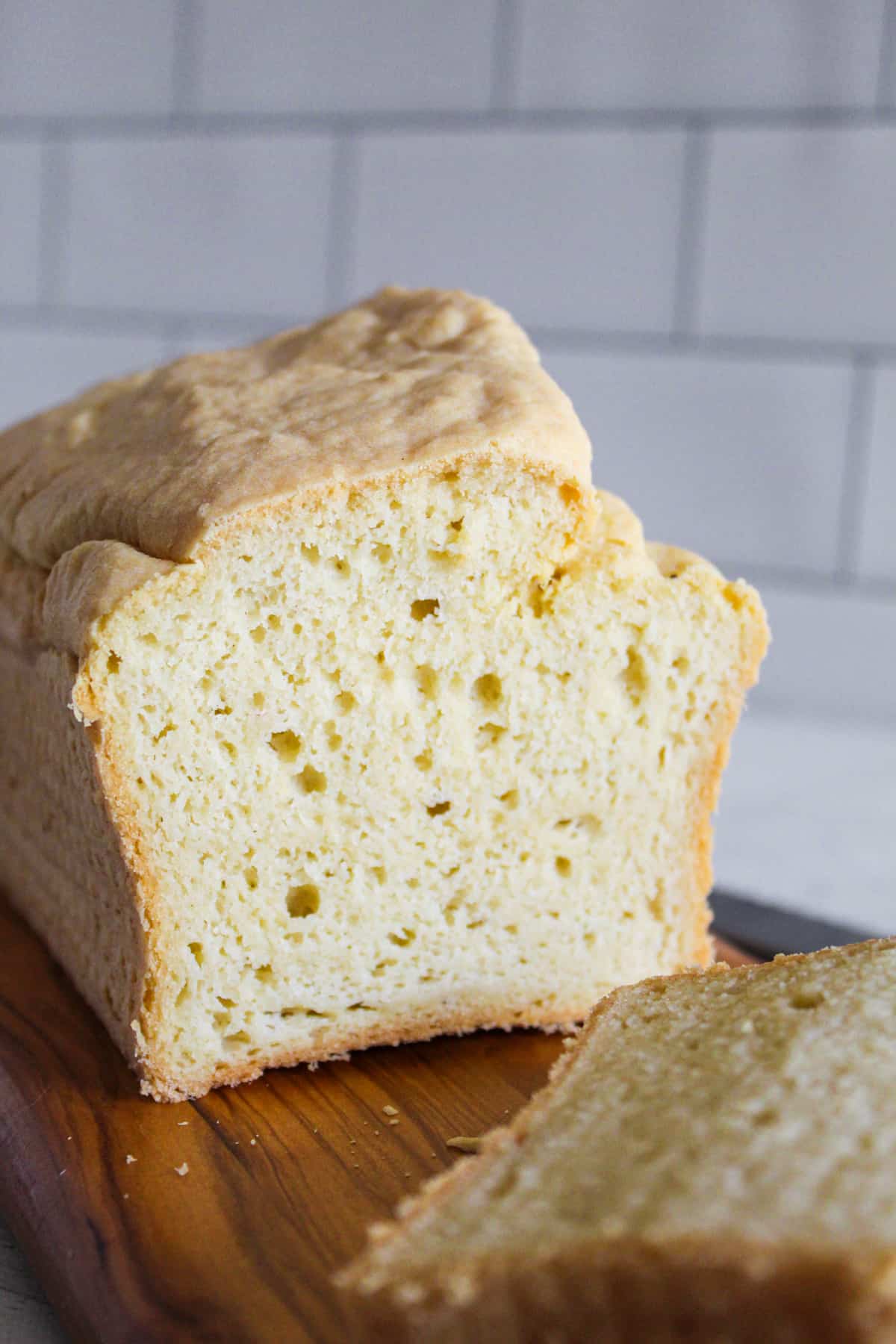
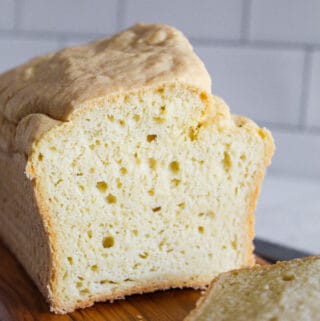
Amazingly soft and tender, this gluten-free yeast-free bread has the ideal texture and taste of a yeast bread, but it’s yeast-free, which means no rise time! It’s the perfect quick bread to add to your list of treasured recipes.
A good yeast bread is a great thing, but this recipe comes to the rescue for the times when yeast-free is the way to go. This homemade bread without yeast is incredibly soft and could really fool anyone into thinking it’s a loaf of regular bread. We can thank the egg whites for that high-rise and characteristic bread texture.
Table of Contents
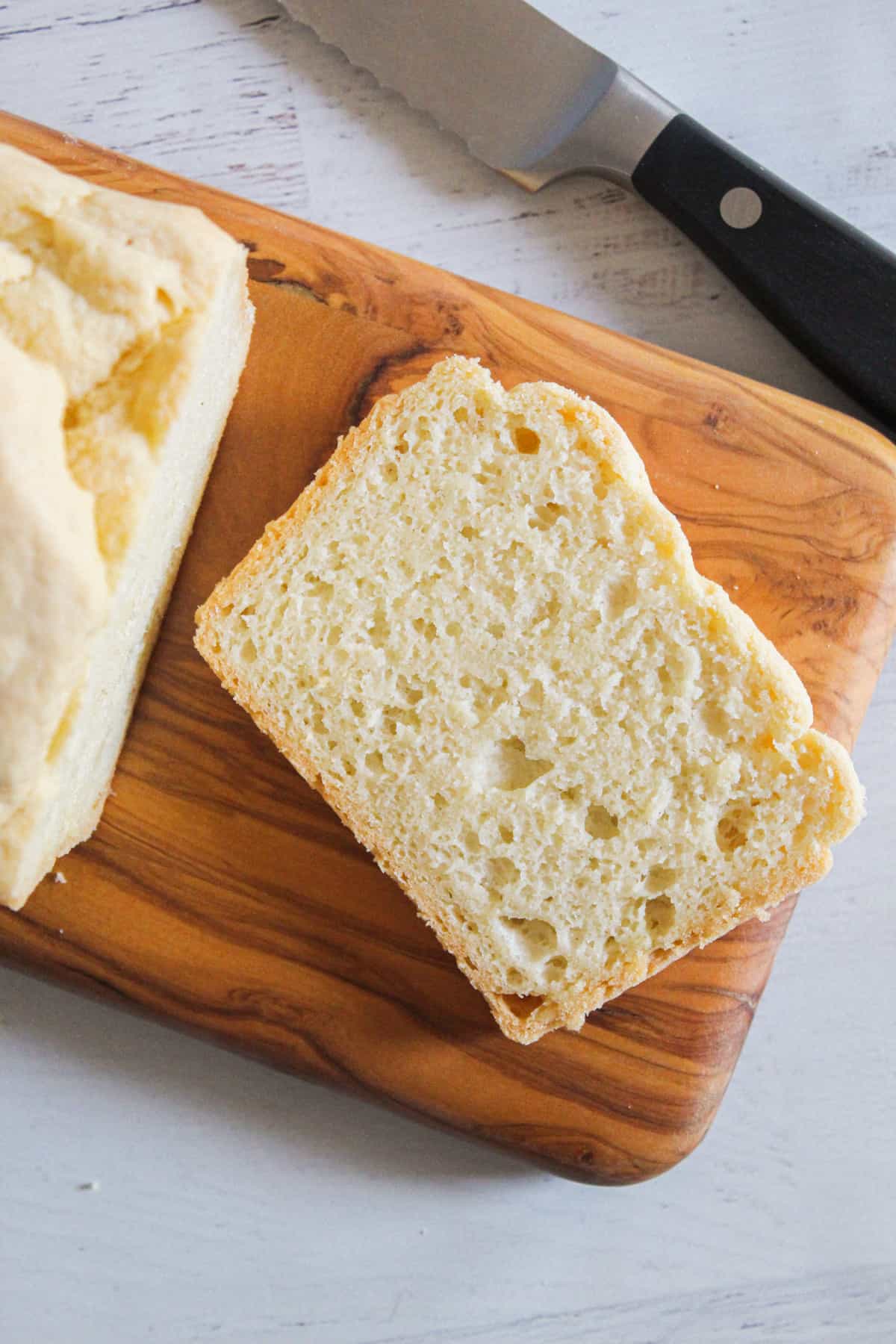
While I normally recommend cooling gluten-free breads completely before slicing, this bread can be sliced while still slightly warm – Just use a sharp serrated knife to slice warm, mouthwatering slices of it.
Why This Recipe is a Must-Make
If you’ve been searching for a gluten-free bread that’s also yeast-free and dairy-free, and still delivers soft texture, a tender crumb, and mild flavor, this is your new go-to. Unlike many gluten-free loaves that turn out dense, dry, or overly crumbly, this recipe bakes up reliably light and sliceable, perfect for sandwiches or toast.
It’s simple to make with everyday ingredients, and there’s no kneading, no rising time, and no fancy equipment required. Whether you’re managing dietary restrictions or just want a hassle-free homemade loaf, this bread covers all the bases without sacrificing taste or structure.
Want our human-written content to rank above AI-generated garbage? Help us out by clicking this button!
Looking for more gluten-free bread? Check out this savory cassava bread, this potato bread, and this buckwheat bread.
Ingredients Breakdown
This recipe uses a carefully balanced mix of ingredients to replace the structure and lift that gluten and yeast normally provide. Each one plays a specific role in creating a soft, sliceable loaf, so it’s important not to skip or substitute unless noted below.
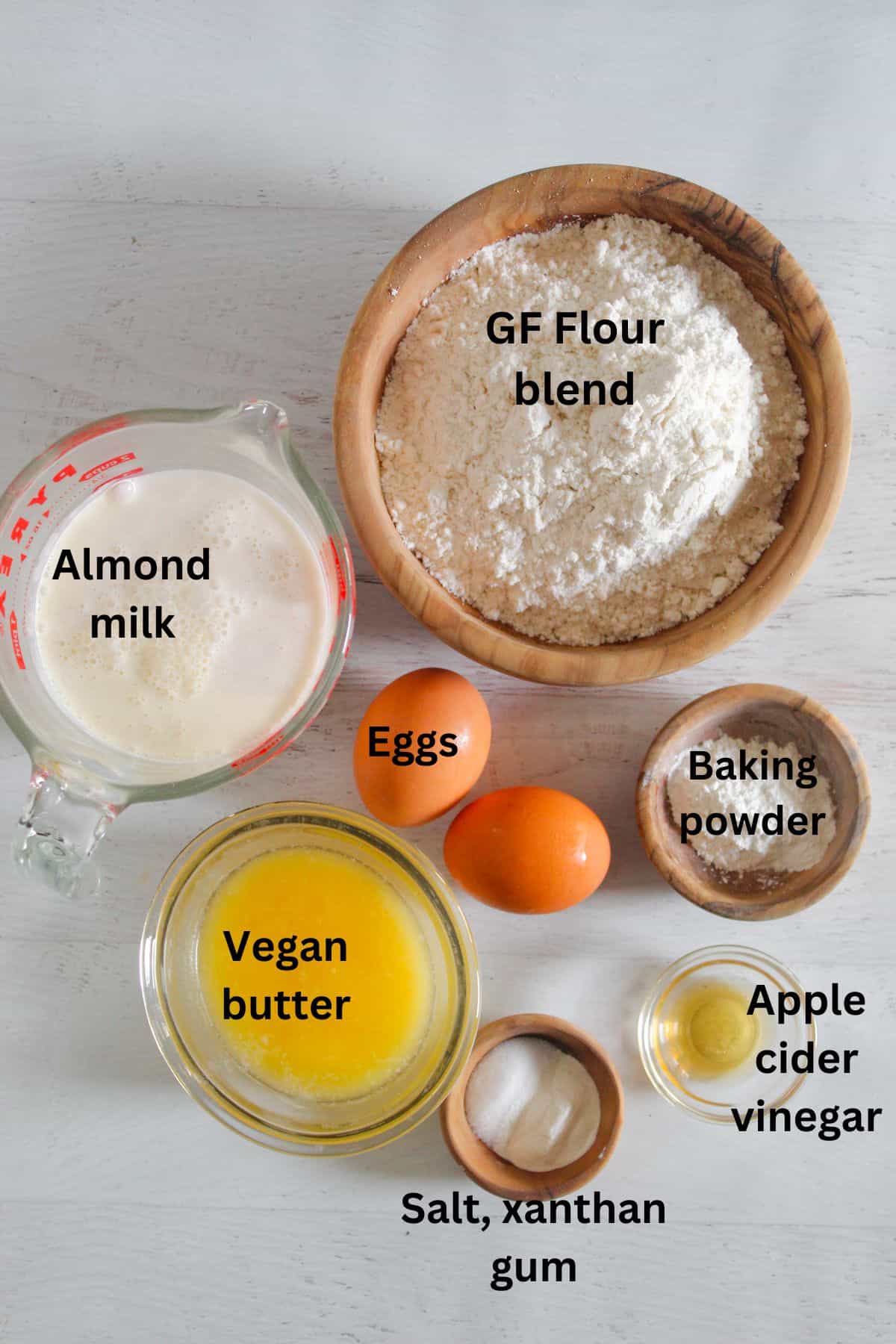
The Building Blocks of This Bread
These ingredients should get you started with making your own gluten-free, yeast-free bread.
- Gluten-free flour mix
- Baking powder
- Salt
- Xanthan gum
- Eggs
- Almond milk
- Apple cider vinegar
- Vegan butter
Pro Tip for getting ingredient measurements right: Get a good kitchen scale that can weigh ingredients with an accuracy of a tenth of an ounce. That can help you with recipes like this one that can be finicky about getting the ingredient ratios exactly right.
Why These Ingredients Work
Without gluten or yeast, this bread relies on a carefully balanced combination of ingredients for structure, lift, and moisture. Below, you’ll find how each ingredient contributes to a loaf that bakes up soft, sliceable, and dependable.
Gluten-Free Flour Mix
290 grams gluten-free flour mix
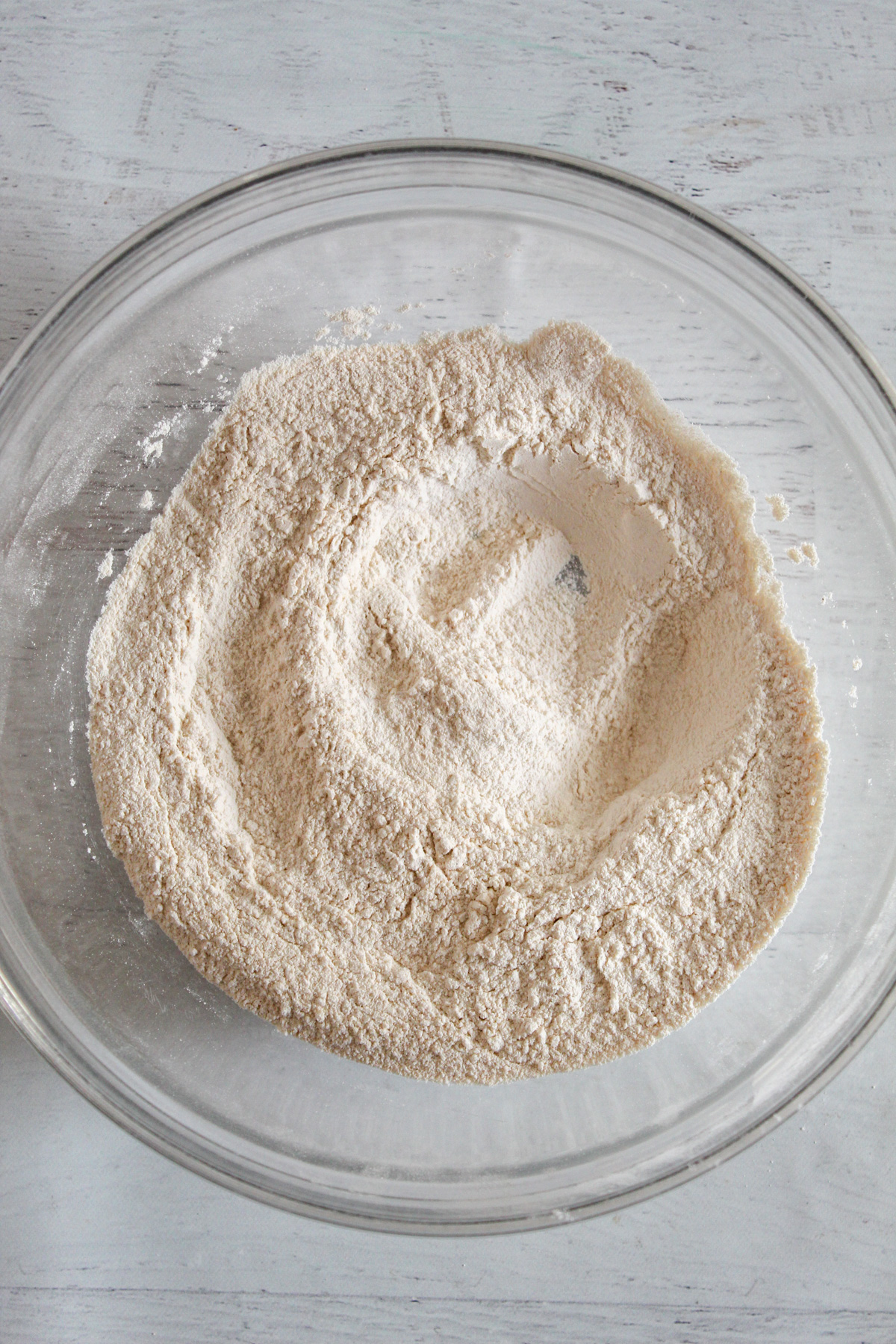
I like to make my own gluten-free flour mix using this recipe. The tricky part is getting the ratio of light starches exactly right. One reason I like to measure it by grams is that my bread has come out gooey in the middle before, and it turned out that I was putting too much starch in.
Baking Powder
1 tablespoon baking powder
When you make bread without yeast, it’s usually important to have enough of at least one alternative leavening to make sure it rises correctly. For this one, I use baking powder.
Salt
1 teaspoon salt
Salt assists with several chemical reactions that are important for texture and flavor in baking.
Xanthan gum
1 teaspoon Xanthan gum

Xanthan gum typically assists in getting the right texture for gluten-free baking.
Eggs
2 eggs
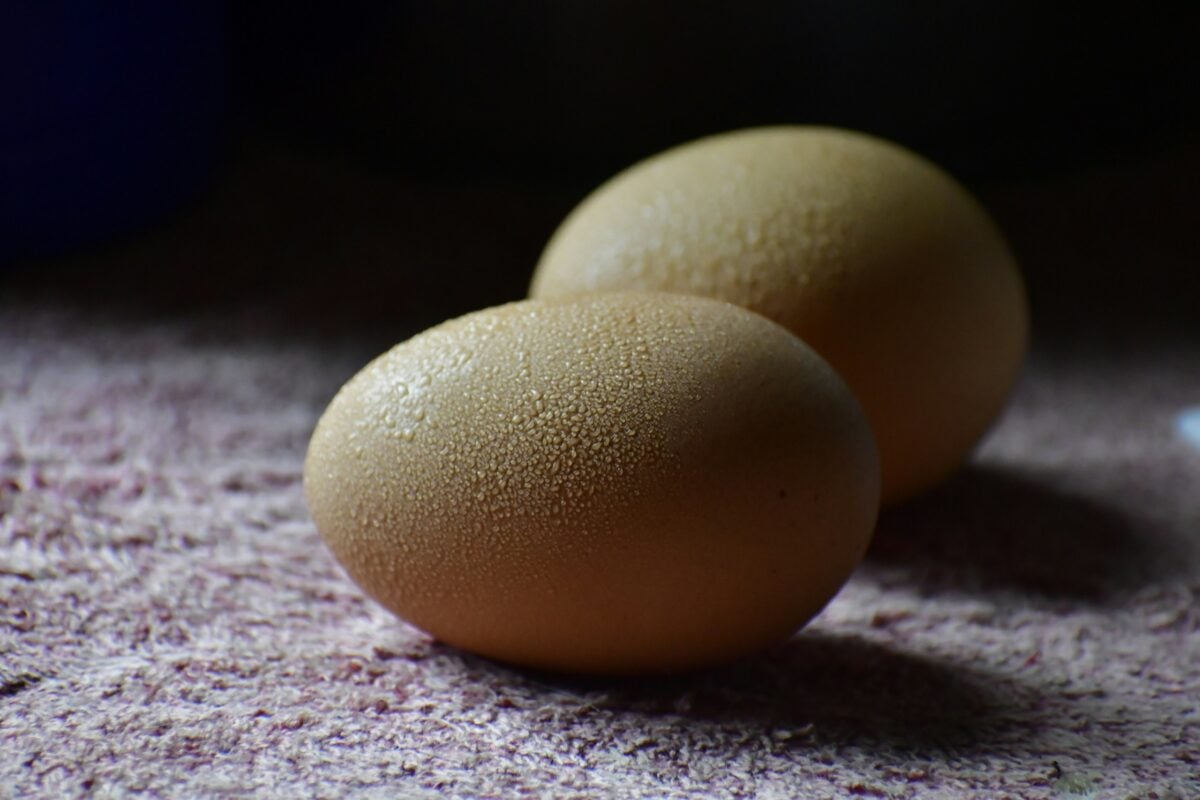
Eggs typically act as a binder in cooking and baking.
Almond Milk
1 1/2 cups almond milk
Almond milk provides important moisture. Again, be careful not to use too much, as it can affect set times or come out too gooey. Look for an unflavored and unsweetened almond milk with as few additives as possible for best results.
Apple Cider Vinegar
1 teaspoon apple cider vinegar
Apple cider vinegar provides acidity that can react with the leavening to create carbon dioxide. The carbon dioxide provides a lighter and fluffier texture in bread.
Vegan Butter
6 tablespoons vegan butter
I like to use the stick versions of vegan butter, like Earth Balance or Flora, because they more closely mimic dairy butter in baking.
Printable Gluten-Free Yeast-Free Bread Recipe Card
Ingredients
- 290 grams gluten free flour mix about 2 ¼ cups
- 1 Tablespoon baking powder
- 1 teaspoon salt
- 1 teaspoon xanthan gum
- 2 eggs room temperature
- 1 ½ cups almond milk
- 1 teaspoon apple cider vinegar
- 6 Tablespoons vegan butter melted and cooled
Instructions
- Prepare an 8” x 4.5” pan by brushing with butter and lining with a small piece of parchment paper. Butter the parchment. Set aside.
- In a medium bowl, add the flour mix, baking powder, salt and xanthan gum. Mix with a whisk until fully combined. Set aside.
- With the bowl of a stand mixer and a medium bowl or container close together, separate the eggs, placing the yolks in the large bowl and the whites in the medium bowl.
- Beat the yolks on medium speed until they get pale yellow in color, 2 – 4 minutes.
- Add the almond milk, vinegar, butter, and milk and mix on low speed for another minute.
- Add the dry mixture to the egg yolk mixture and mix on low speed for 20 seconds. Scrape down the bowl.
- Mix on medium speed for 2 minutes. Set batter aside to rest for 10 minutes.
- Preheat the oven to 350 F.
- In the medium bowl with the egg whites, beat on medium-high speed until they form nearly stiff peaks. This could take between 3 and 5 minutes.
- Start by folding a large spoonful of egg whites into the batter. Once completely folded in, add the rest of the egg whites to the batter.
- Gently fold in the egg whites until everything is incorporated.
- Pour the batter into the prepared pan.
- Bake at 350 F for 60 – 65 minutes or until an instant-read thermometer registers 210 F.
- Remove from the oven and place on a wire rack to cool for 10 minutes.
- Remove from the pan and lay the bread on one side to finish cooling for 15 minutes, then flip to the other side for another 15 minutes. Bread can be sliced slightly warm with a sharp, serrated knife.
Nutrition
Did you make and love this recipe? Give it your review and rating below! And make sure to follow me on Instagram, Pinterest, and Facebook , too!
Method for Making Gluten-Free, Yeast-Free Bread
This method may look a little different from traditional bread-making, but each step is straightforward and important. Follow the steps closely for the best structure, rise, and texture.
Step One: Prepare the pan
I like to have the bread pan ready to go right away. Prepare an 8” x 4.5” pan by brushing with butter and lining with a small piece of parchment paper. Butter the parchment. Set aside.
Step Two: Whisk together dry ingredients
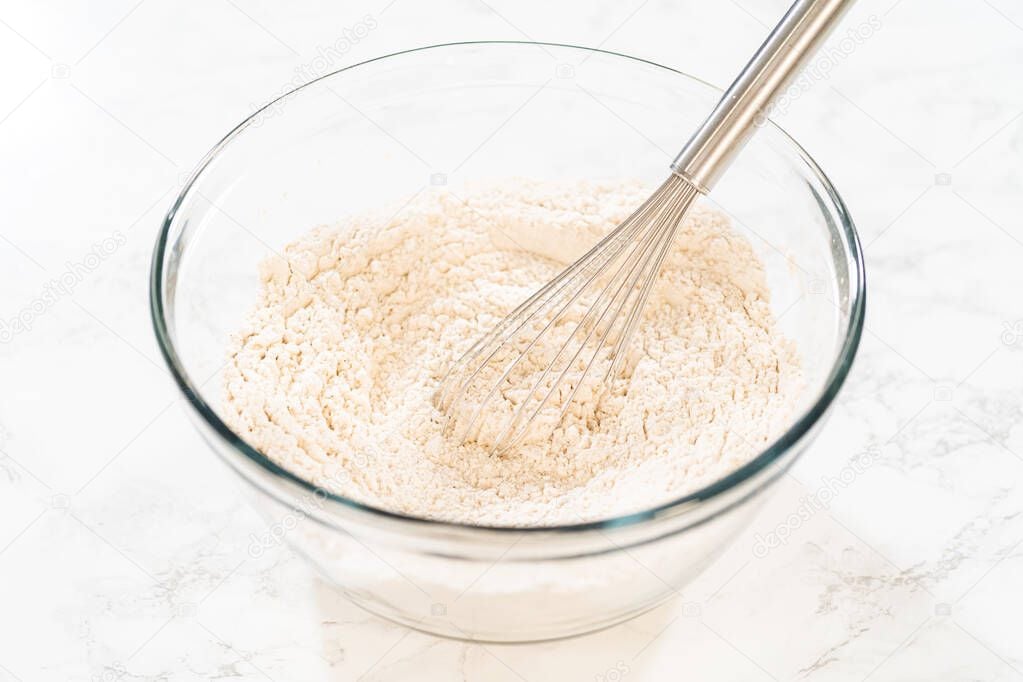
In a medium bowl, add the flour mix, baking powder, salt, and xanthan gum. Mix with a whisk until fully combined. Set aside.
Step Three: Separate Eggs
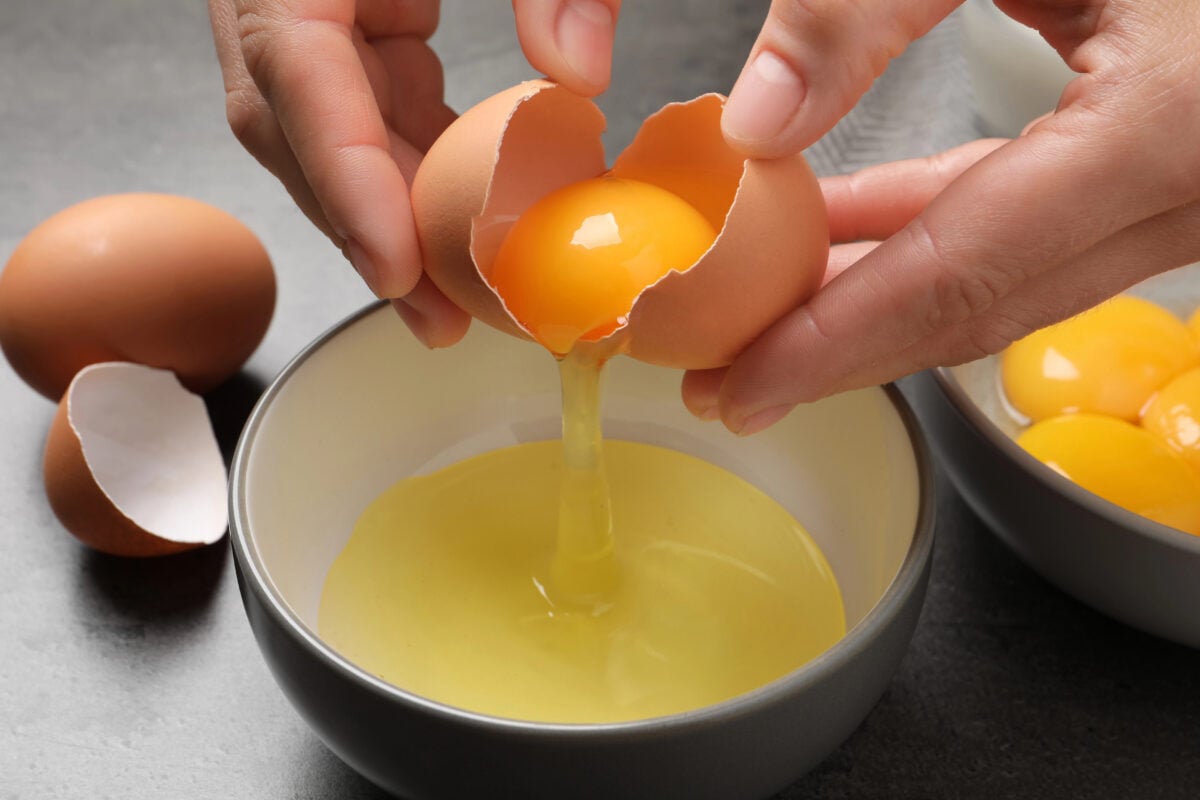
Separate the egg yolks and egg whites. Don’t discard either yolks or whites. Place the yolks in a large bowl and the whites in a small bowl.
An easy way to separate eggs:
The easiest way to make sure you get all the whites in one bowl and the yolks in another one is to use an egg separating tool like this one. Just make sure to have two bowls ready to go. Use a medium-size bowl for the whites and a large bowl for the yolks.
Step Four: Beat Yolks
Beat the yolks with a handheld mixer on medium speed until they turn a pale yellow, typically 2 to 4 minutes.
Step Five: Add Almond Milk, Vinegar, and Vegan Butter to Yolks
Add the almond milk, vinegar, and vegan butter and mix on low speed for another minute.
Step Six: Add Dry Ingredients
Add dry ingredient mixture to the egg yolk mixture and mix on low speed, regularly scraping down the bowl, for 2-3 minutes until thoroughly mixed. Set aside to rest for at least 10 minutes
Step Seven: Whip Egg Whites
Clean the beaters thoroughly or switch to a fresh set of clean beaters. Preheat oven to 350 degrees Fahrenheit.
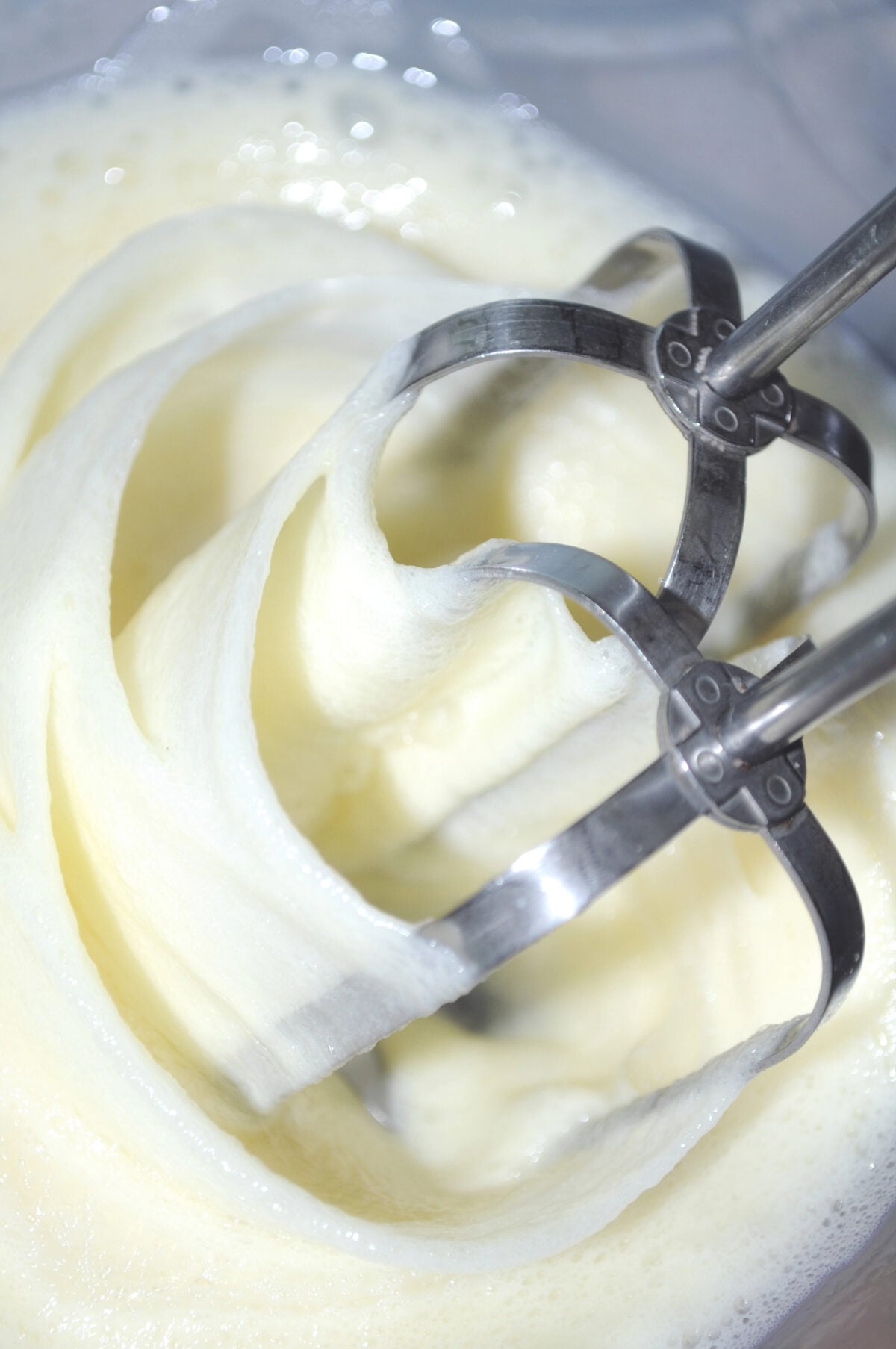
Whip the egg whites on medium-high speed until they form stiff peaks.
We’ve been told that this is a tricky part. When whipping egg whites, you want to get them white and foamy, which can take 3 to 5 minutes, depending on the size of the bowl you whip them in. Pretend you’re making meringue for a pie if it helps!
Step Eight: Add Whipped Egg Whites to Batter
Gently fold the whipped egg whites into the batter. The egg whites should be completely incorporated.
Step Nine: Bake bread
Transfer batter to prepared pan. Bake for 60 to 65 minutes until an instant-read thermometer reads 210 degrees F.
Step Ten: Cool Bread Before Serving
Remove from the oven and place on a wire rack to cool for 10 minutes.
Remove from the pan and lay the bread on one side to finish cooling for 15 minutes, then flip to the other side for another 15 minutes. Bread can be sliced slightly warm with a sharp, serrated knife.
Substitutions for Gluten-Free, Yeast-Free Bread
Want to swap out some ingredients for this bread? I don’t blame you! I was rather leery of how well some of them would work in bread, too. (They work, but so do these substitutions!)
- Almond Milk: If you’re not a fan of using plant milks in bread, dairy milk does just as well.
- Vegan butter: Regular butter would work too.
- You can use your own favorite brand of gluten-free flour mix (I like King Arthur Measure for Measure Gluten-Free Flour, for when making my own mix isn’t an option). Just be sure to adjust your amounts of gluten-free flour mix and liquids to suit.
- I haven’t really found a good substitution for eggs, baking powder, or apple cider vinegar.
Your Bread Questions, Answered
Yeast-free and gluten-free bread can behave a little differently than traditional loaves. These answers cover the most common questions and troubleshooting tips, but if you don’t see your question here, feel free to ask in the comments below.
Why did my bread come out gooey?
This is actually a common issue! Some common issues that might cause gluten-free bread to come out gooey include:
- The bread wasn’t cooked long enough, or the temperature was too low. The bread should be cooked until it reaches an internal temperature of 205° to 210°F (96–99°C)
- It didn’t cool long enough after baking. The bread continues to set as it cools. I like to cool it until it’s maybe slightly warmer than room temperature.
- The dough contained too much moisture. One common mistake is to add too much milk. If you aren’t sure, 1 and a half cups of milk equals twelve fluid ounces, or about 350 grams. (The exact number of grams can depend on the density of the milk.)
- The balance of flour and starches was off. Too much light starch can absorb more moisture than you’d think, leading to a gummy crumb.
- The oven’s built-in thermometer is inaccurate, or it got too steamy in the oven. Sometimes using an oven thermometer can ensure accuracy in the oven’s temperature. Too much steam in the oven can cause extra moisture to get trapped inside the bread, causing it to become gooey.
Why did my bread come out a little crumblier than expected?
One possibility: It needs more fat! Using almond milk removes some of the fat, which can cause it to come out more crumbly.
Another possibility is that the eggs are supposed to act as a binder, which can affect how crumbly it is. If you accidentally left out either the yolks or the whites, it can come out not quite as expected!
Why did it come out too dense?
It may not have gotten enough aeration, which affects texture. Not enough leavening can cause this. Remember, we’re making this without yeast, which means it will need enough baking powder to make up for it.
Another possibility: The egg whites weren’t whipped enough or weren’t folded into the dough gently enough. You want to aim for stiff white peaks in the egg whites when whipping them. Then be gentle when folding it into the dough to make sure enough of the air in the whipped egg whites remains. This helps keep the dough from getting too dense.
More Gluten-Free Recipes to Try Next
If this bread worked well for you, here are a few more gluten-free recipes that readers love. They’re made with the same focus on simple ingredients and reliable results.
- Gluten-Free Bruschetta with Fresh Tapenade
- How to Make Gluten-Free Bread without Xanthan Gum
- Amazing Gluten-Free Banana Cake (Dairy Free)
- Easy Gluten-Free Pumpkin Waffles (Dairy Free)
- Spiced Gluten-Free Pumpkin Donuts
Whether you’re baking for everyday meals or special occasions, these recipes make it easier to enjoy gluten-free favorites with confidence.
Share Your Bread-Baking Tips
Every oven and gluten-free flour blend is a little different. If you found a tweak that worked for you, leave a comment below and let others know what helped.