Have you struggled to find gluten-free pancakes that were actually light, fluffy, and satisfying? This gluten-free buckwheat pancake recipe is here to change that.
Pancakes are the ideal, mouth-watering breakfast item. And these, light and fluffy buckwheat pancakes, are made with naturally gluten-free buckwheat flour, which means you don’t need any complicated flour blends. The secret to the texture and color of these pancakes is in the flour!
Table of Contents
Using just a few ingredients and 10 minutes of prep time, pancakes are the perfect quick meal. They’re easy enough for breakfast and filling enough even for those ‘breakfast for dinner’ days. But when you add the nutritional (and gluten-free!) benefits of buckwheat flour, you turn pancakes into a protein-packed power meal.
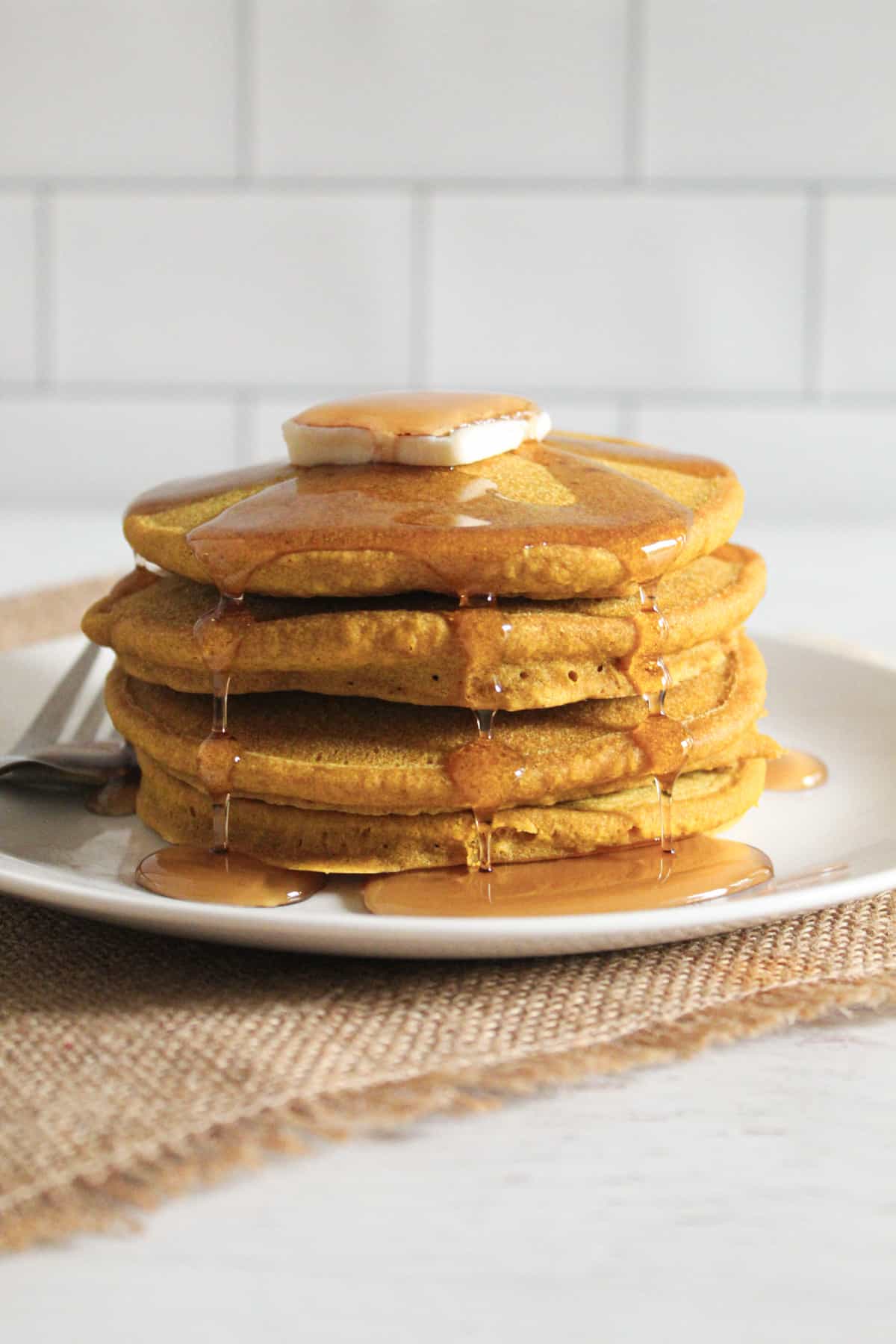
If you’re looking for a healthy gluten-free pancake recipe that actually delivers on texture, flavor, and ease, you’re in the right place. In the sections below, I’ll walk you through exactly why buckwheat flour works so well, how to customize the recipe to fit your dietary needs, and tips that guarantee perfectly fluffy pancakes every time.
Once you try them, these buckwheat pancakes may just become your new go-to gluten-free breakfast.
Want our human-written content to rank above AI-generated garbage? Help us out by clicking this button!
Why Buckwheat Flour?
Although it has ‘wheat’ right in its name, buckwheat flour is actually gluten-free. It is often referred to as a ‘pseudo-cereal’, and has been widely used for thousands of years in Asian and Eastern European cuisines (soba noodles, breads, blinis, and crepes).
Buckwheat flour adds great texture, taste, and appearance to foods. It is known for having a warm, earthy, and nutty flavor with a slight bitterness, which makes it perfect in sweeter baked goods. And with savory dishes, it pairs well with rich, salty ingredients like cheeses and cured meats.
Not only is buckwheat flour an excellent gluten-free alternative, but it also offers numerous health benefits. It is high in fiber and protein and contains a variety of vitamins and minerals, including magnesium and antioxidants. According to the Grains & Legumes Nutrition Council, these nutrients support digestive health, heart health, and overall well-being. What more could you ask for from a flour?
Because of buckwheat flour’s strong, distinct flavor, you can often find it used in recipes in combination with other, milder flours. For example, Japanese soba noodles are made with anywhere from 50%-80% buckwheat flour mixed with wheat flour.
Why You’ll Love These Pancakes!
Buckwheat flour’s nutritional benefits, versatile uses, and rich flavor profile make it a great addition to your pantry staples and make this buckwheat pancake recipe one you’ll always want to have on hand!
- In under an hour, you’ll have a healthy, nutritious, and filling breakfast on the table!
- Minimal cleanup required: Just a few dishes are needed to make these pancakes
- They are lighter and fluffier than most dark, dense buckwheat pancakes because of my favorite Light Buckwheat Flour
- The recipe requires fewer than 10 ingredients
- These pancakes, like other recipes including these teff pancakes and these rice flour pancakes, are super versatile, so you can get creative with your favorite toppings!
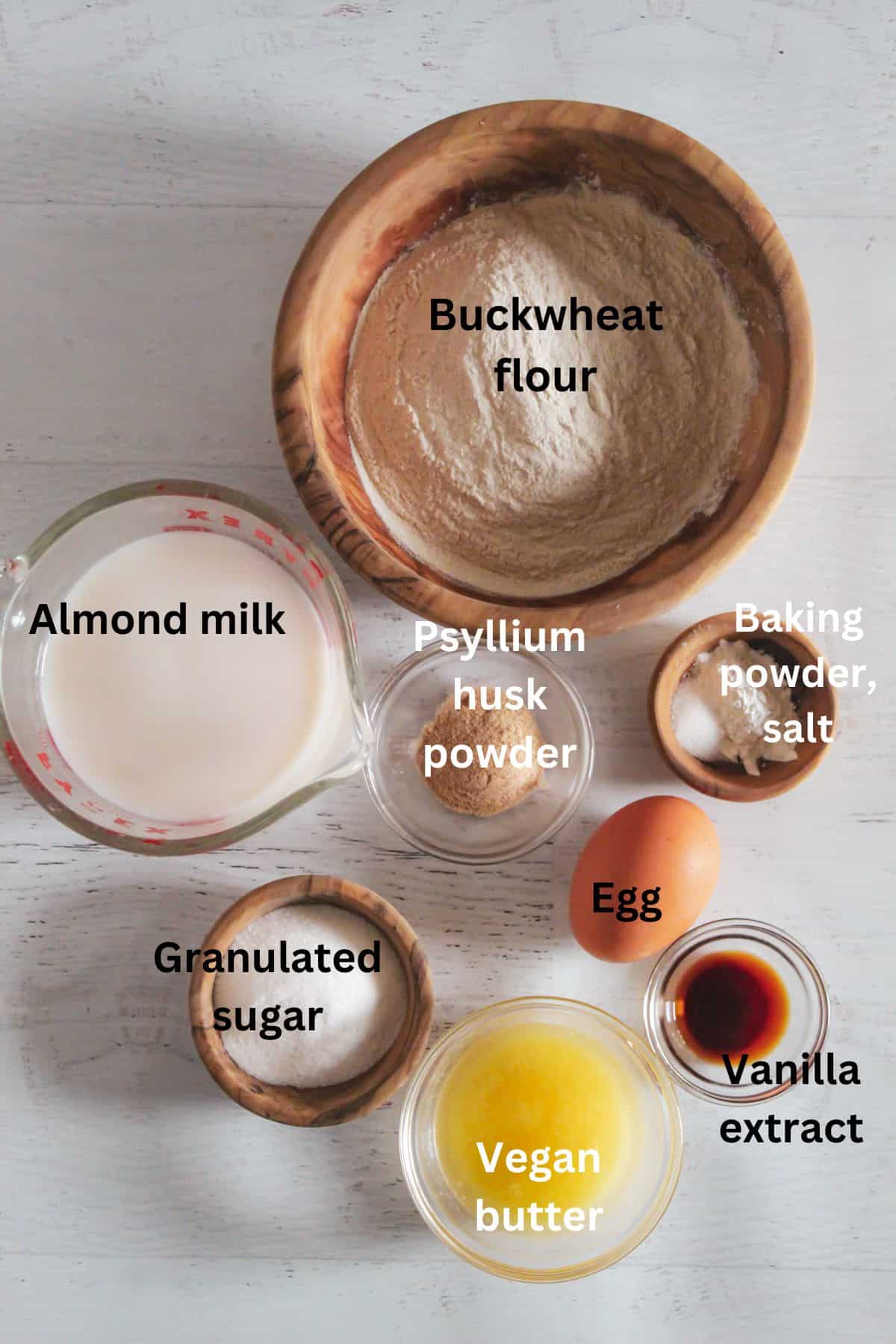
Ingredients At-A-Glance
With a few simple ingredients and tested techniques, these easy buckwheat pancakes are a surefire way to brighten everyone’s morning.
- Buckwheat flour: This brand is the secret to these light and fluffy pancakes. This ‘light’ flour is the reason these pancakes aren’t as deep brown as other buckwheat pancakes tend to be.
- Almond milk: Adds moisture and keeps the batter light.
- Granulated sugar: Provides just a touch of sweetness and helps the pancakes brown nicely.
- Psyllium husk powder: Used in gluten-free baking to mimic gluten and give a soft, moist texture to baked goods. It can also be .
- Vegan butter: This can be swapped with regular dairy butter.
- Baking powder: The leavening agent that helps the pancakes rise and stay fluffy.
- Salt: Enhances the overall flavor and balances the sweetness.
- Vanilla extract: Adds warmth and depth of flavor.
- Egg: Helps bind the batter and contributes to the pancakes’ structure and lift.
Measurements for each ingredient, along with instructions for making the pancakes, are in the printable recipe card below.
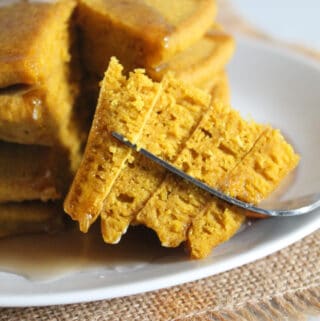
Printable Easy Buckwheat Pancakes Recipe Card
Ingredients
- 1 cup + 2 tbsp light buckwheat flour (178 grams)
- 2 tbsp granulated sugar (30 grams)
- 1 tsp baking powder
- 1 tsp psyllium husk powder
- ¼ tsp salt
- 1 cup almond milk
- 1 egg
- 2 tbsp vegan butter, melted
- 1 tsp vanilla extract
Instructions
- In a medium bowl, combine the dry ingredients (flour, sugar, baking powder, psyllium husk powder, salt).
- In a measuring cup or small bowl, add the milk, egg, melted butter and vanilla extract. Whisk to combine.
- Add the wet ingredients to the dry and mix with a whisk until smooth.
- Set batter aside to rest for 10 minutes.
- Preheat a non-stick skillet to medium-low heat.
- Spray the preheated skillet with cooking spray.
- Pour approximately ¼ cup of batter on the hot skillet. Cook until bubbles form. Turn and cook until browned (about 2-4 minutes each side).
- Serve warm with toppings of your choice.
Notes
- Measure the ingredients by weight for the most accurate measurements.
- The egg may be substituted with an egg substitute here.
- Another type of milk may be used in place of the almond milk.
- These pancakes are best enjoyed fresh and warm!
Nutrition
Tips & Tricks
Feel free to customize these buckwheat pancakes to your liking! A few wonderful toppings and mix-in ideas to get you started are cinnamon, chocolate chips, berries, banana slices, and nut butters.
Measure the Ingredients by Weight
You’ll notice that a few ingredients are listed with a weight in grams. Baking is a science, and you’ll get the best results when things are precise. I always recommend baking with a kitchen scale. You can find plenty of great options online for under $10, and having this tool in your kitchen allows you to take your baking to the next level.
Even if you don’t have a kitchen scale, the recipe includes the ingredients in both cups and grams. Weighing your ingredients provides more accuracy and ensures that your recipe will come out the same each and every time that you make it, so it is always recommended.
Let the Batter Rest
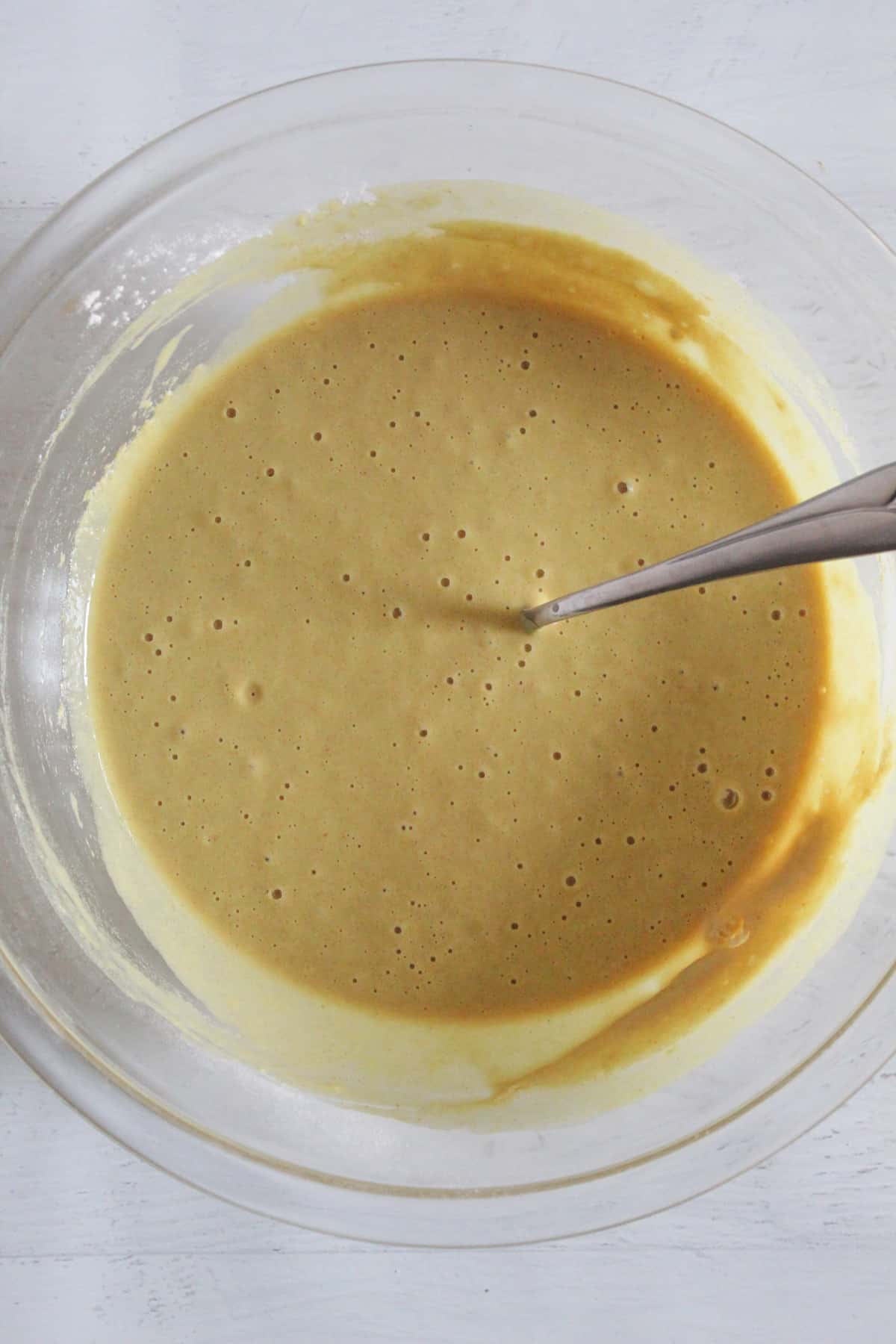
Once the batter is fully mixed, set it aside and let it rest for about 10 minutes before cooking. While it may seem like a small step, resting the batter plays a big role in achieving light and fluffy buckwheat pancakes.
During this resting period, the buckwheat flour has time to fully absorb the liquid ingredients, which improves the overall texture of the pancakes. Buckwheat flour is naturally more absorbent than refined wheat flour, and giving it time to hydrate helps prevent pancakes from turning dense.
Resting the batter also allows the baking powder to activate and start releasing gases, creating tiny air bubbles throughout the mixture. These air bubbles are what help the pancakes to puff up beautifully when they cook. Skipping this step can result in pancakes that don’t have the same soft, tender interior.
You may notice the batter thickens slightly as it rests, and this is normal. If it becomes too thick to pour into the skillet, simply stir in a tablespoon or two of milk to loosen it before cooking. This short resting time makes a noticeable difference in texture and is one of the easiest ways to improve gluten-free pancakes.
After the batter comes together, let it rest for 10 minutes. It’s tempting to just go ahead and start cooking the pancakes, but resting the batter is worth it!
Use a Nonstick Skillet
A good quality nonstick skillet makes pancake cooking much easier, especially when working with gluten-free batters. Nonstick surfaces require less oil or butter, which helps keep the pancakes lighter and prevents excess browning or greasy edges.
Because gluten-free batters can be more delicate than traditional pancake batters, a nonstick skillet allows the pancakes to release cleanly from the pan. This makes flipping easier and helps the pancakes keep their shape without tearing or sticking.
Nonstick pans also distribute heat more evenly, which is key for pancakes. Even heat ensures the pancakes cook through without burning on the outside before the centers are set.
Another bonus is that nonstick skillets make cleanup quick and easy! No stuck-on batter or soaking required.
Buckwheat Pancakes Step-by-Step Instructions
With simple steps and plenty of pictures to guide you along the way, these step-by-step instructions help to make these easy buckwheat pancakes even easier!
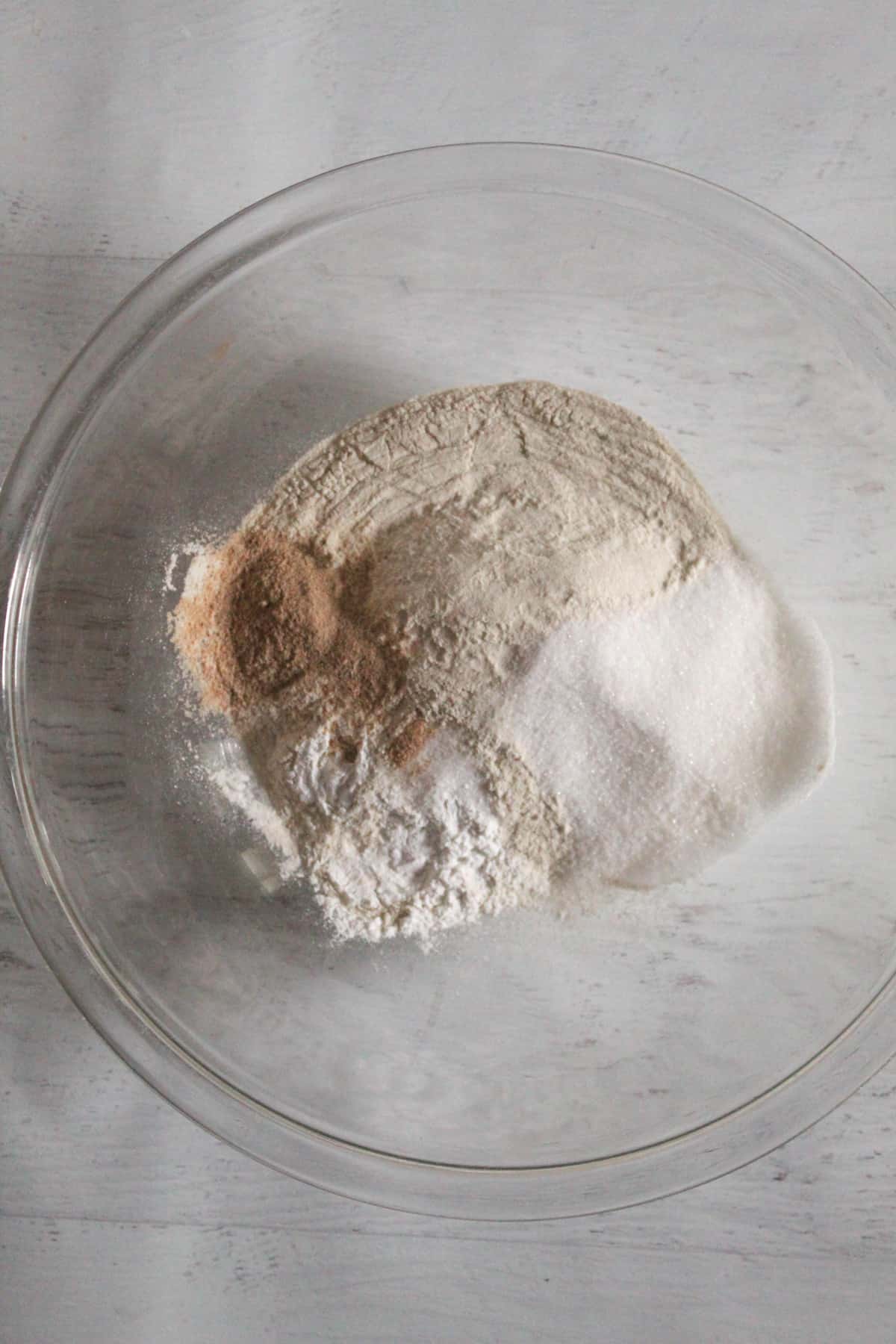
Step 1
In a medium bowl, combine the dry ingredients: buckwheat flour, sugar, baking powder, psyllium husk powder, and salt.
Step 2
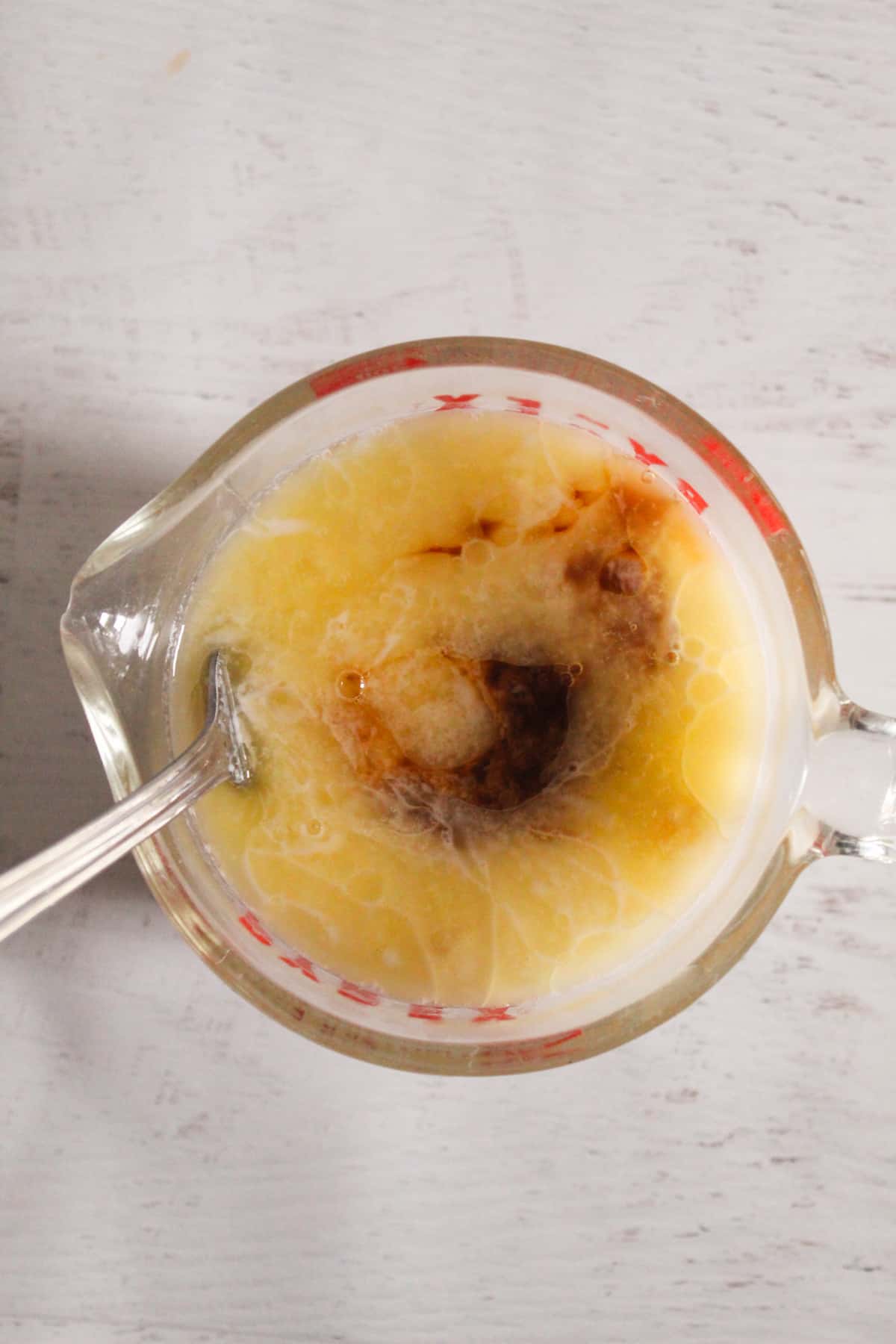
In a measuring cup or small bowl, add the milk, egg, melted butter, and vanilla. Whisk to combine.
Step 3
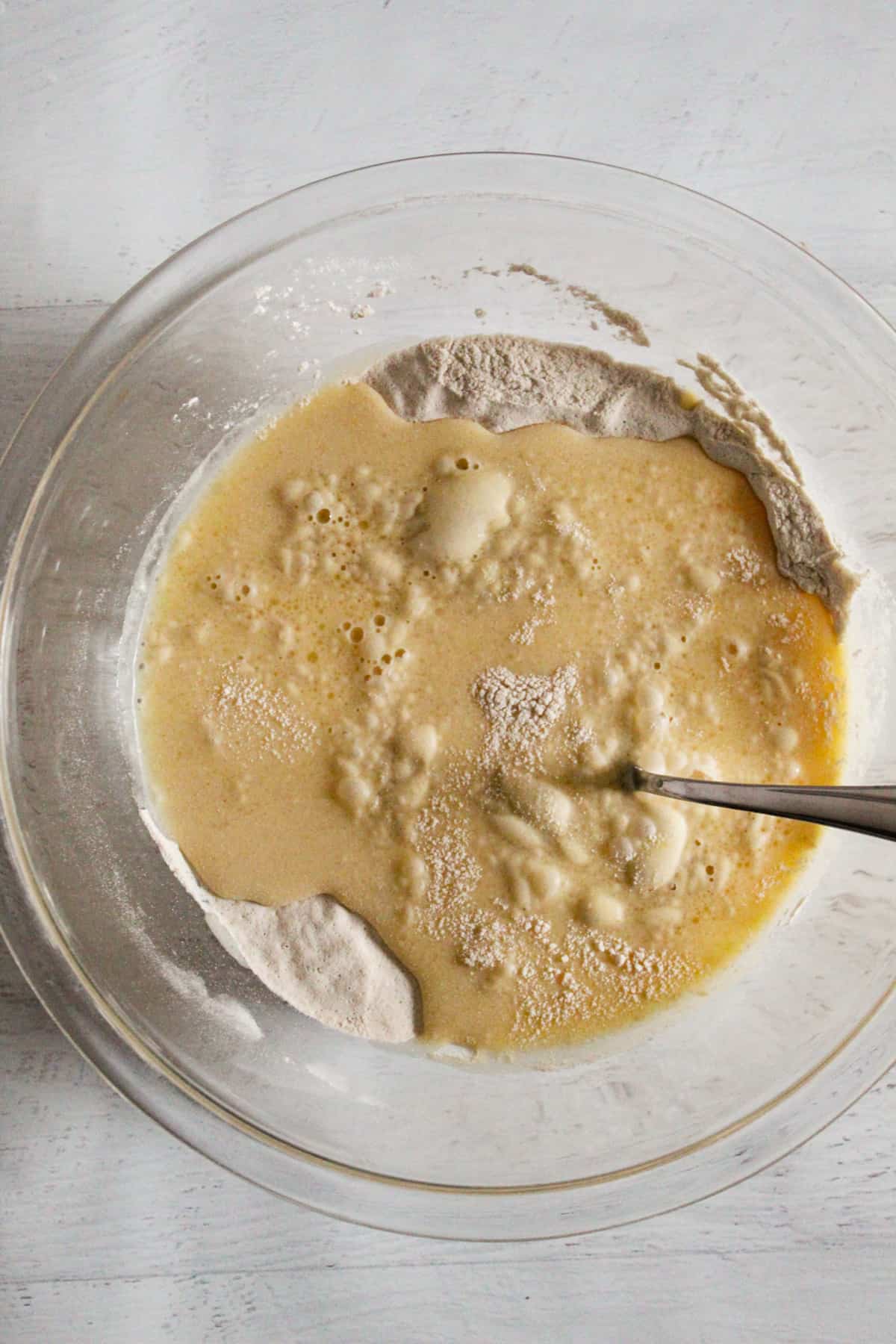
Add the wet ingredients to the dry ingredients and whisk together until smooth.
Step 4
Set the batter aside to rest for 10 minutes.
Step 5
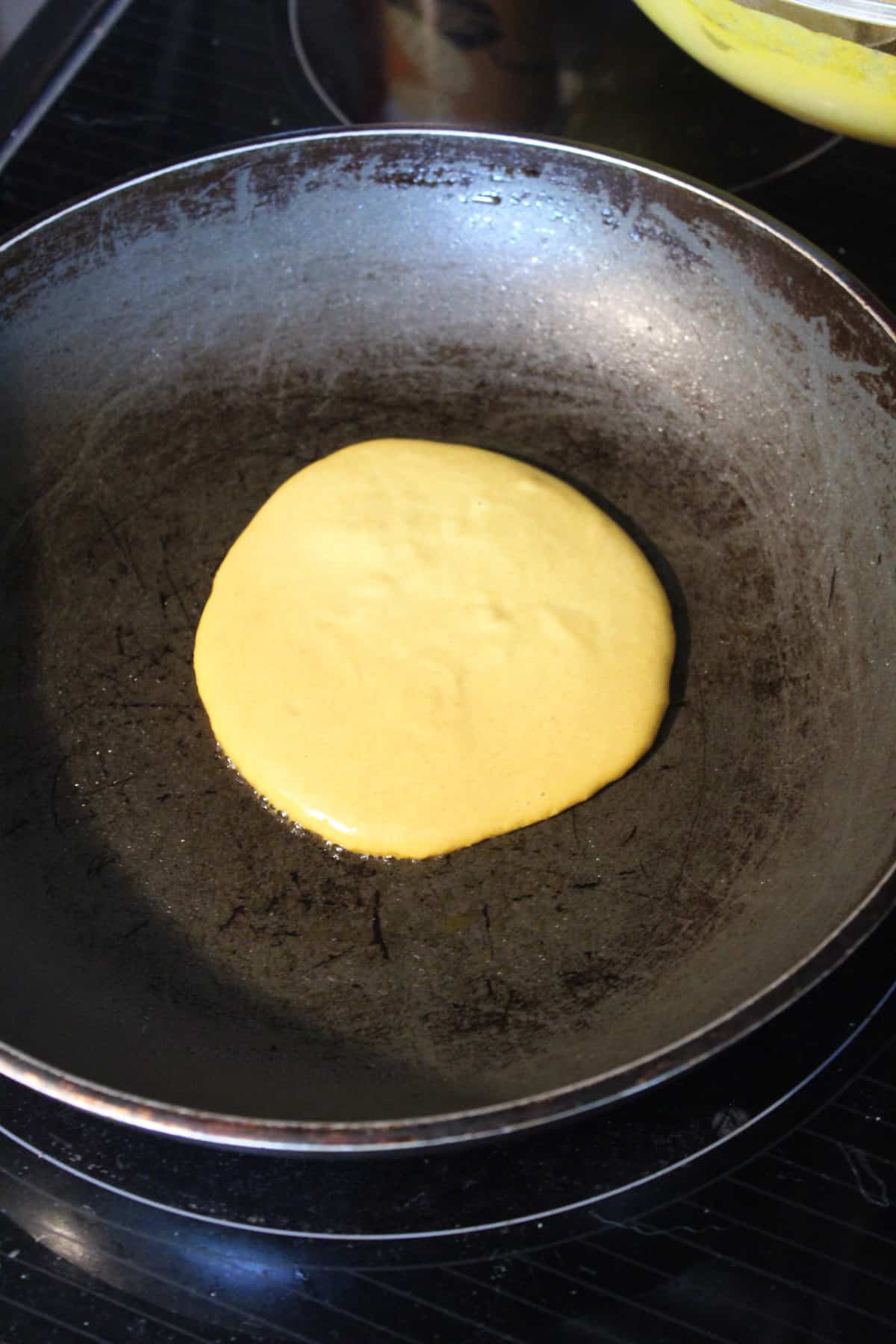
Preheat a nonstick skillet to medium-low heat and spray lightly with cooking spray.
Step 6
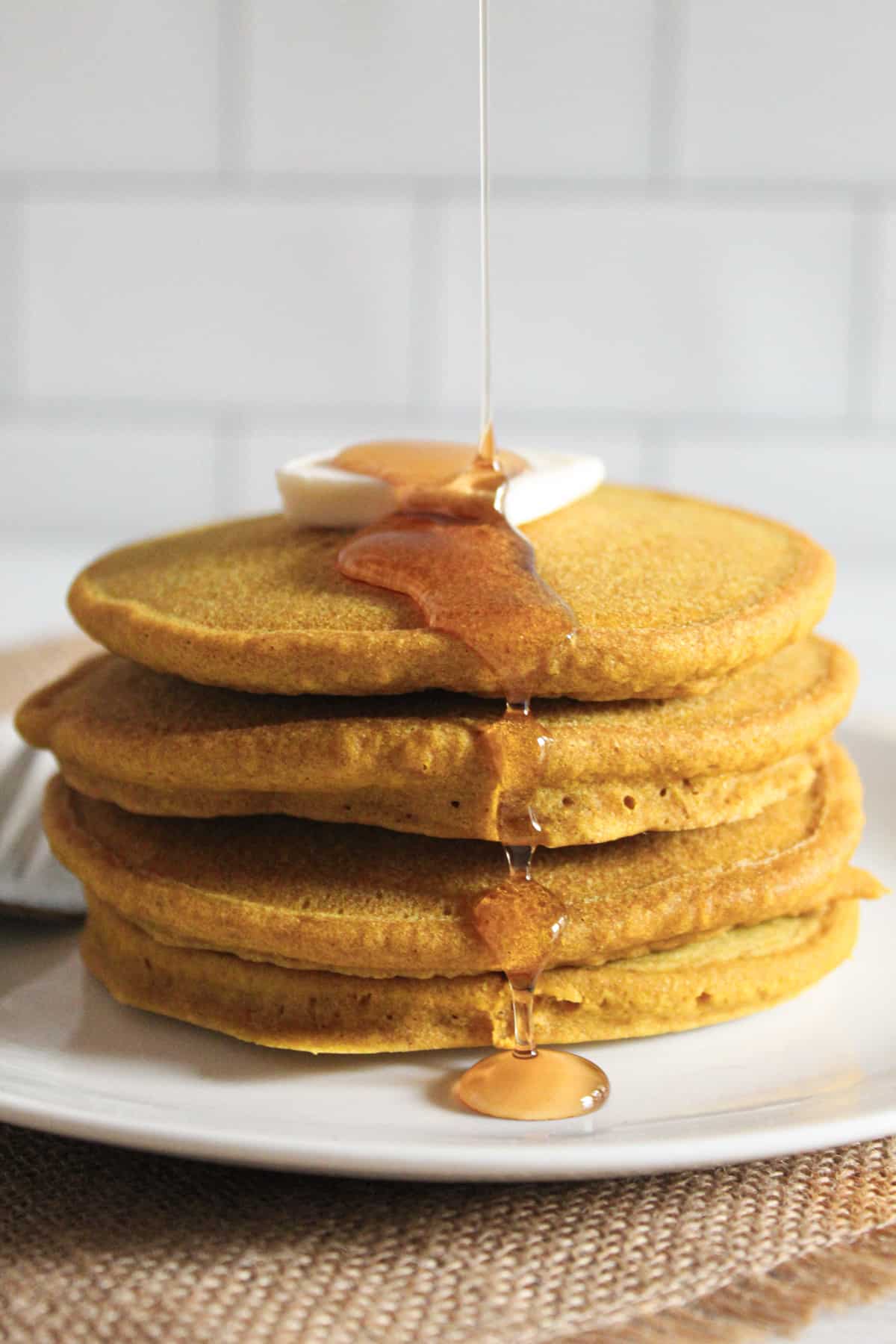
Pour about 1/4 cup of pancake batter onto the hot skillet and allow to cook until bubbles start to form on the surface. Turn and cook until browned on both sides (about 2-4 minutes each side). Serve with your favorite toppings and enjoy!
Gluten-Free Buckwheat Pancakes FAQs
Buckwheat pancakes are a smart upgrade from traditional pancakes without sacrificing flavor or texture. For all your questions and concerns about this recipe, check out some of the frequently asked questions below, and for any more questions you may have, make sure to drop them in the comments!
Are buckwheat flour pancakes healthier than regular pancakes?
Yes, buckwheat flour pancakes are generally healthier than regular pancakes, especially when compared to pancakes made with refined white flour. Buckwheat pancakes are naturally gluten-free and great for those with celiac or gluten-sensitivity. Regular pancakes made with all-purpose flour may cause digestive issues for some people.
According to the Cleveland Clinic, buckwheat is a nutrient-dense grain alternative that’s rich in fiber, plant-based protein, and antioxidants, making it healthier than refined wheat flour. It keeps you full longer, supports digestion, and helps with better muscle support. This makes buckwheat pancakes more satiating than standard pancakes.
This nutrient-dense flour alternative is a great way to add a healthy option to your morning routine with these pancakes.
Can I Make These Pancakes Vegan?
These buckwheat pancakes can easily be turned into a vegan recipe by replacing the egg. Since the recipe already calls for plant-based milk and vegan butter, by replacing the egg with an easy egg substitute, these pancakes become a gluten-free and vegan combo. Perfect for anyone!
Where Do I Find Buckwheat Flour?
The buckwheat flour I use and recommend is this brand. It’s a light buckwheat flour, coming from a buckwheat farm in Maine, where they grow a variety that is lighter in both color and texture. And I just love how it turns out in these pancakes and in my other favorite buckwheat recipes.
If you are looking in stores, you can often find other brands of buckwheat flour with the specialty flours in a grocery store or in a natural health food store.
Easy Buckwheat Pancakes: Make-Ahead & Storage Tips
Pancakes are always best when they’re hot and fresh! But for rushed mornings or meal prep plans, here are some options for making these buckwheat pancakes ahead of time.
Option 1: Make the Pancakes in Advance
This is the most reliable make-ahead option. Make the pancakes and let them cool completely. Store them in the fridge in an airtight container for up to 3 days. To freeze, stack the cooled pancakes with parchment paper between each one. Store them in an airtight container or freezer-safe bag for up to 2 months.
To reheat these buckwheat pancakes, pop them in the toaster to give them that crisp, ‘fresh off the skillet’ texture again. Or, heat them in the oven at 325ºF for 8-10 minutes, in a skillet over warm, low heat, or in the microwave until warmed through.
Option 2: Prepare the Batter Ahead
This works best as a short-term option. You can mix your wet and dry ingredients in two separate bowls and combine them just before baking. Or, you can store the fully mixed batter in the fridge for up to 12 hours. Before cooking, gently stir the batter and if it has thickened, add a tablespoon or two of milk.
Note: Making pancake batter too far in advance can reduce its rise and lead to flat, more dense pancakes. So this is best when you plan to cook the pancakes the next morning.
Buckwheat Pancakes: Your New Morning Routine
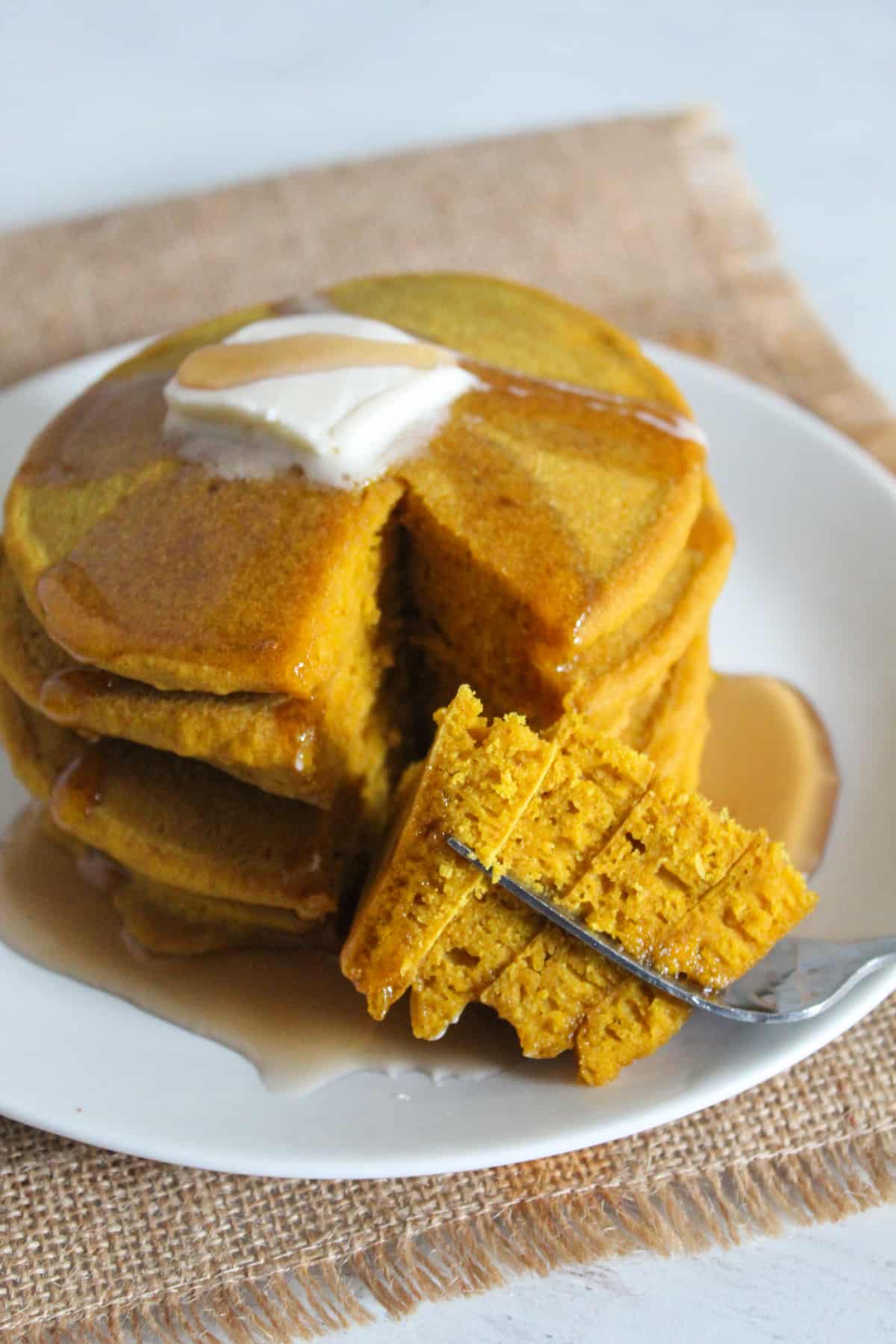
If you’ve been searching for gluten-free pancakes that are truly light, fluffy, and enjoyable to eat, these buckwheat pancakes are proof that gluten-free baking doesn’t have to be complicated.
With the right ingredients and a few simple techniques, it’s absolutely possible to make pancakes that rival, or even surpass, traditional pancakes in both flavor and texture.
What makes this recipe so special is its reliability. Buckwheat flour brings a naturally hearty yet tender structure, while the resting time and cooking tips ensure the pancakes cook evenly and stay fluffy instead of dense. Whether you’re gluten-free by necessity or by choice, this recipe is designed to give you confidence in the kitchen and results you’ll want to repeat again and again.
One of the best things about these gluten-free buckwheat pancakes is how flexible they are. You can keep them classic with maple syrup and butter or dress them up with fresh fruit and yogurt. You can make them part of a more filling breakfast with nut butter or savory toppings or easily adapt them into a vegan option.
These pancakes are also a great reminder that gluten-free breakfasts can be both nourishing and satisfying. Buckwheat flour adds fiber and nutrients, making these pancakes a smart choice for slow mornings, weekend brunch, or even meal prep. They freeze well and reheat beautifully, so you can enjoy them anytime a pancake craving strikes. I hope these gluten-free buckwheat pancakes become a favorite in your kitchen, just as they are in mine.
Other Buckwheat Recipes You May Like!
If you enjoyed this recipe, be sure to explore the other buckwheat and gluten-free recipes on the site.
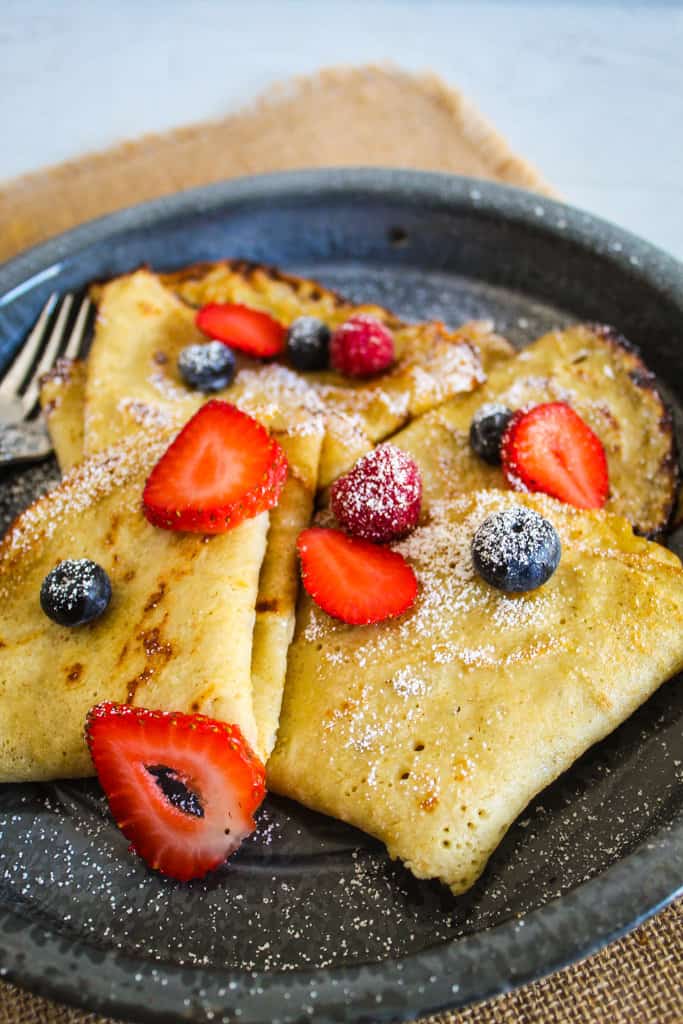
- 4-Ingredient Buckwheat Crepes
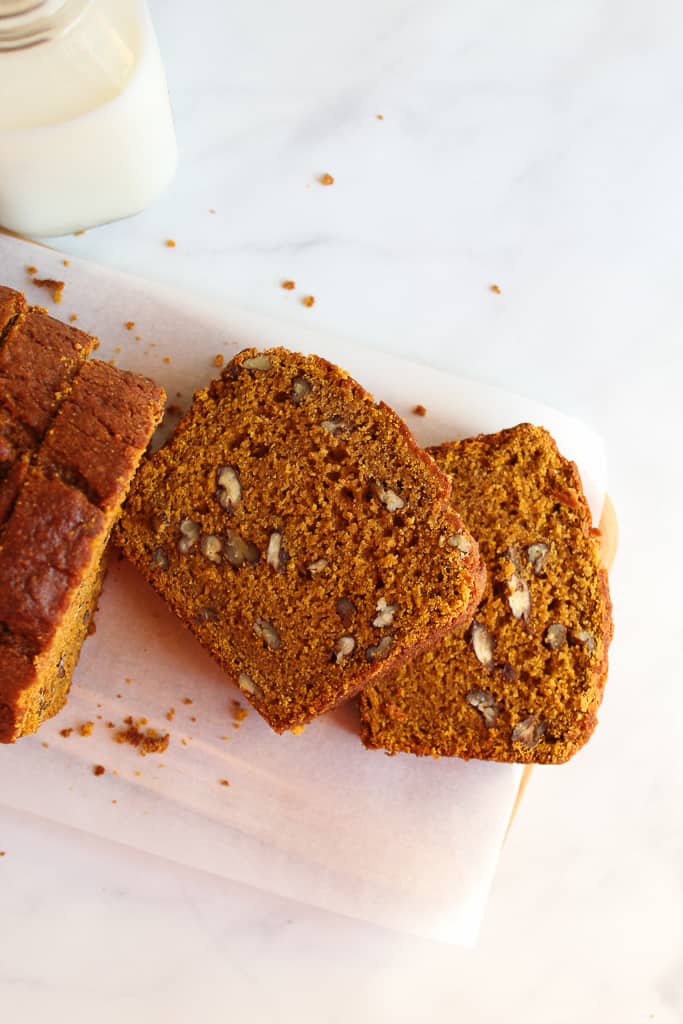
- Buckwheat Banana Bread
- Dairy-Free Buckwheat Muffins
- Gluten-Free Blackberry Scones
- Gluten-Free Strawberry Shortcakes
Whether you’re baking for breakfast or dessert, buckwheat makes it easy to keep things both delicious and gluten-free.
Have You Tried These Pancakes?
If you give this recipe a try, I’d love to hear how it turns out for you. Did you make any substitutions? Did you go sweet or savory? Share your experiences in the comments!
Did you make and love this recipe? Give it your review and rating below! And make sure to follow me on Instagram, Pinterest, and Facebook , too!