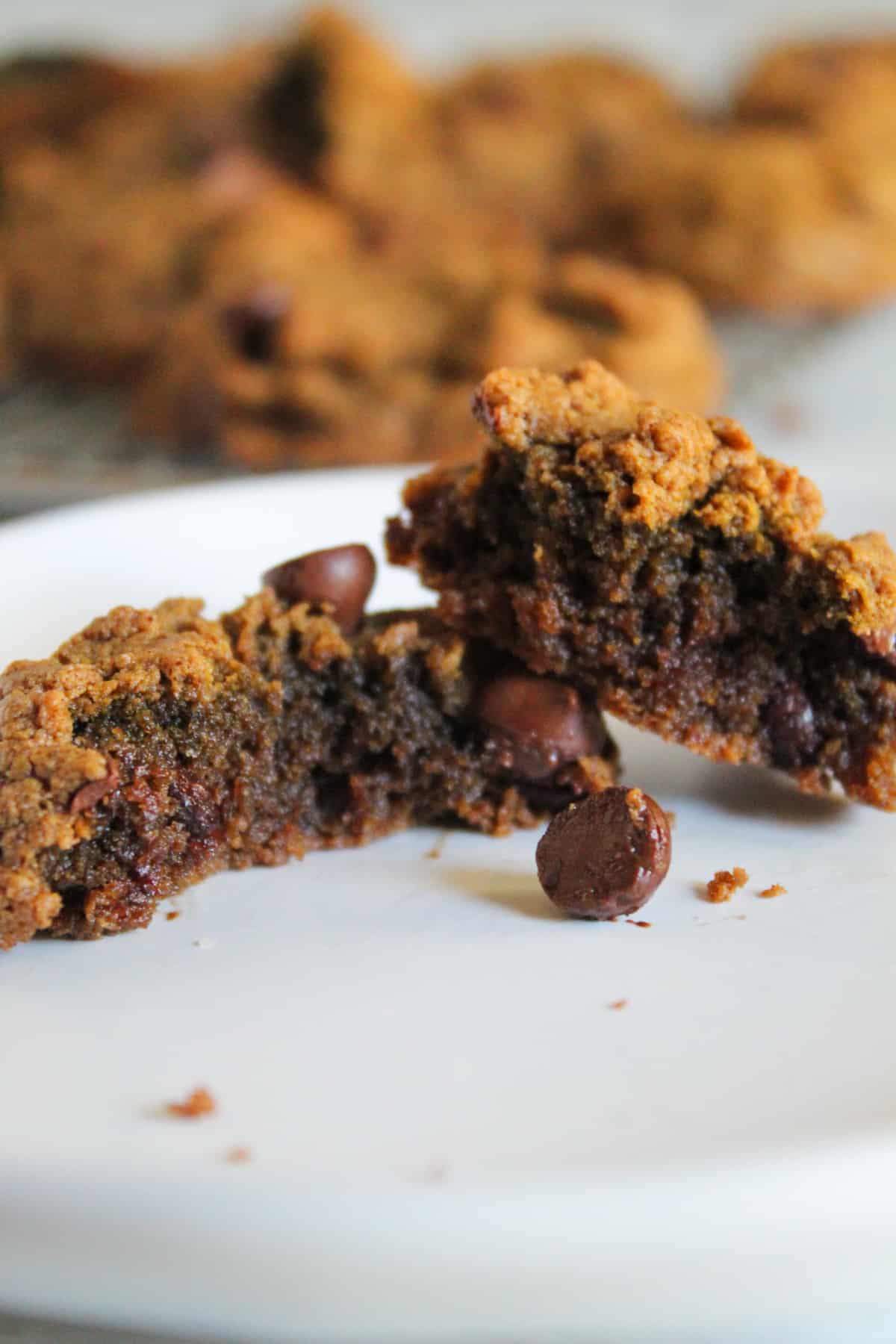
This chocolate chip cookies recipe without flour makes soft, chewy cookies with lightly crisp edges and plenty of melted chocolate. Made with just six ingredients, the dough comes together quickly in one bowl with no chilling required.
Creamy almond butter gives the cookies structure and a rich, nutty flavor, while maple syrup keeps the centers moist and tender. They’re ready in under 30 minutes and are perfect when you want an easy, flourless treat.
Table of Contents
Whether you enjoy gluten-free baking or are just out of flour, this recipe is an easy way to get warm, homemade chocolate chip cookies on the table with only a few pantry ingredients.
Why This Recipe Works
Almond butter does more than add flavor. It replaces both the flour and some of the fat you would normally find in a traditional cookie recipe, helping the cookies stay rich, soft, and satisfying without a grain-based flour.
Maple syrup adds sweetness and moisture, while the egg helps bind everything together so the cookies hold their shape. A small amount of cornstarch keeps the texture tender and chewy instead of dense.
The result is a simple flourless cookie with crisp edges, soft centers, and plenty of chocolate in every bite. You get the comfort of a classic chocolate chip cookie, just without the flour.
Just 6 Ingredients for Flourless Chocolate Chip Cookies
These ingredients should be placed on the counter to bring them up to room temperature if needed. This will make them easier to mix up.
- Almond butter
- Egg
- Maple syrup
- Cornstarch
- Baking soda
- Semi-sweet chocolate chips
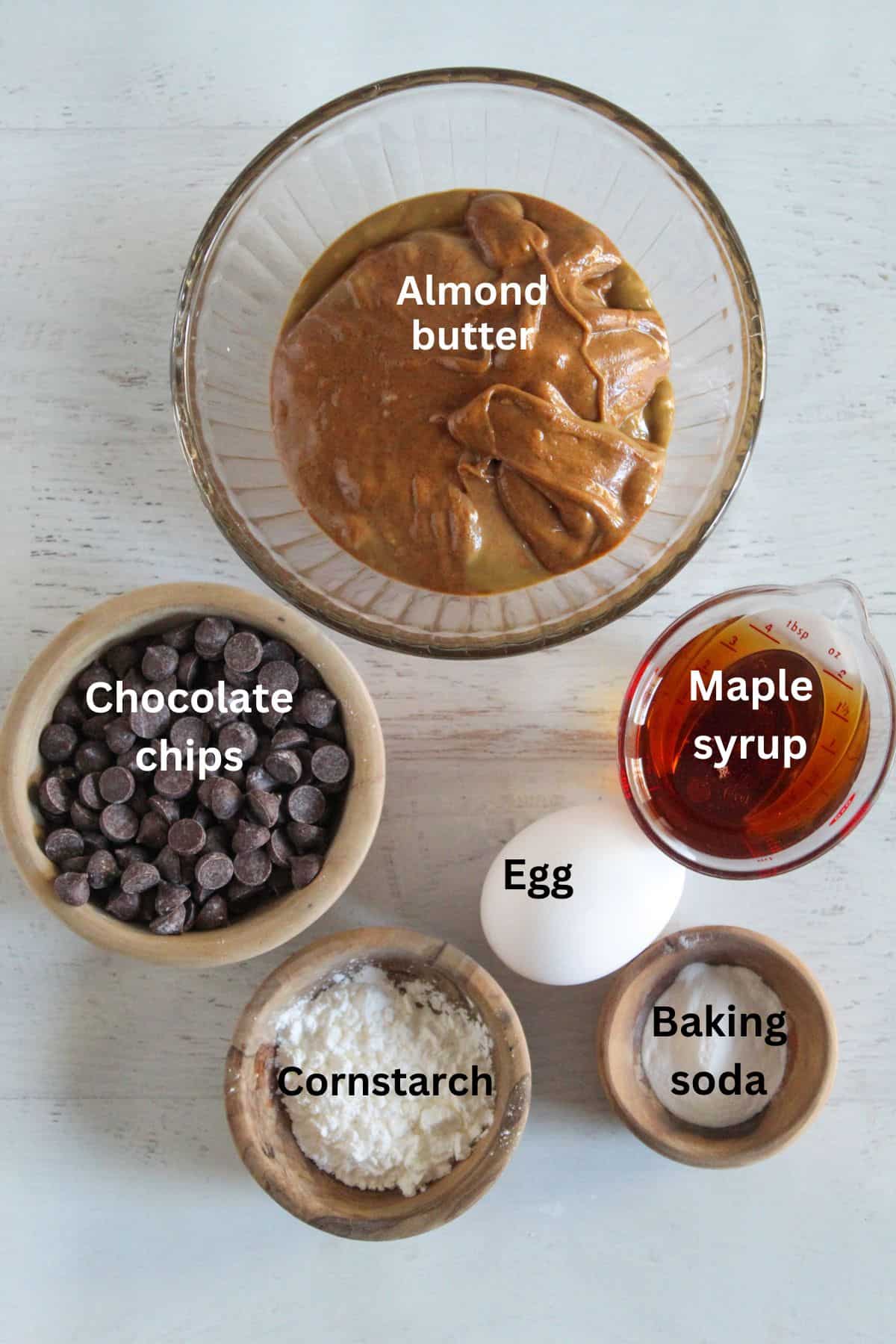
Key Ingredient Roles
Without the flour, I’d expect these cookies to be a little gooier than “normal” cookies. But they’ll hold together with these six ingredients! Here’s a quick look at what each ingredient adds to the mix.
Pro Tip: For the best chocolate chip cookies, use a digital food scale to measure ingredients in grams when the recipe lists the amounts in grams. If you add too much or too little of any ingredient, you won’t get the perfect texture.
Almond Butter
1 cup almond butter
Did you notice that there’s no dairy butter or plant oil-based butter alternative in this recipe? That was sharp. Almond butter adds the fat we’ll need for these cookies. It also adds important protein and moisture, which can give these cookies a creamier texture. It will make the cookies taste mildly nutty.
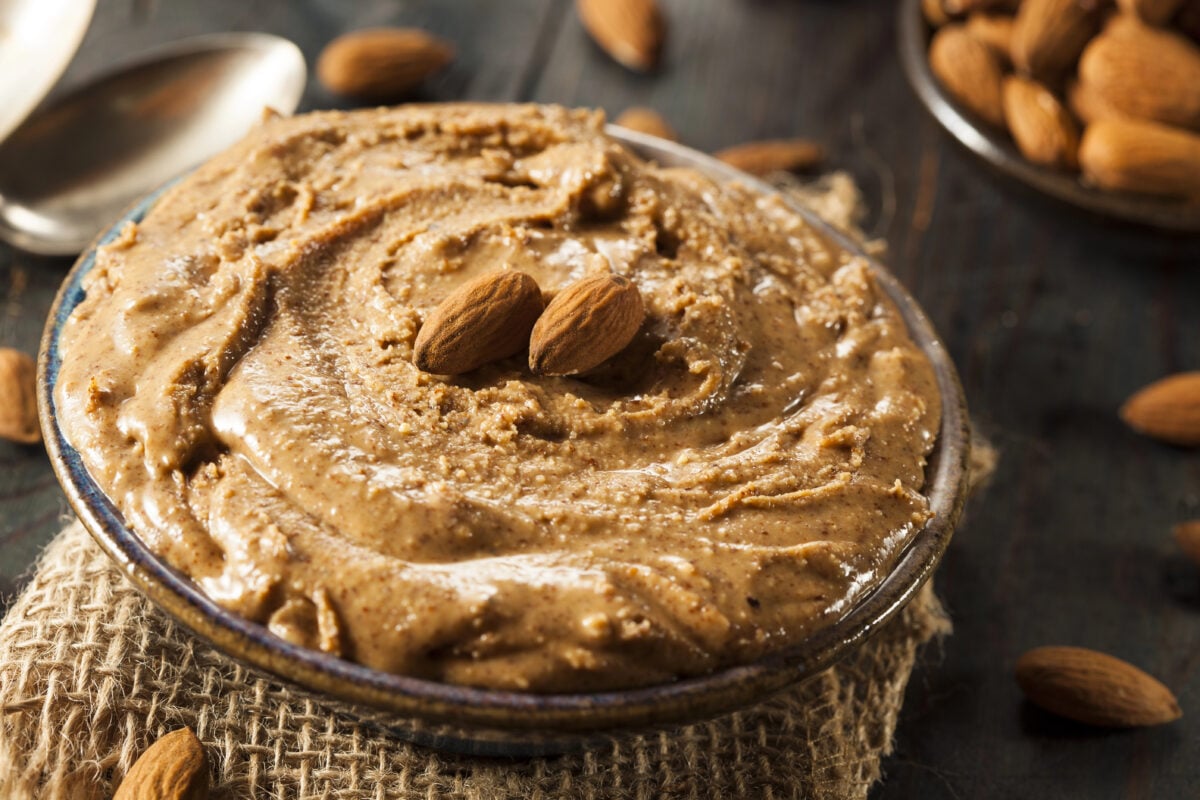
This is the ingredient you especially want to have at room temperature when you add it to the cookie dough. If you’ve ever tried to spread refrigerated nut or seed butters on bread for a sandwich, you’ll have noticed that it’s harder to spread than room-temperature nut and seed butters. Room-temperature almond butter is easier to mix into the cookie dough for the same reason.
I like to go with a brand of almond butter made in a peanut-free facility, such as Barney Butter. This helps reduce the risk of cross-contamination in case there is any concern about peanut allergies.
Which Almond Butter Works Best?
The type of almond butter you use can affect how much the cookies spread, how easy the dough is to scoop, and whether the finished cookies turn out soft, oily, or crumbly. Here’s how the most common varieties compare.
| Almond butter type | Expected result |
|---|---|
| No-stir creamy | Most consistent shape and spread |
| Natural, thoroughly stirred | Softer dough; potentially more spread |
| Oily or separated | Greater risk of flat, greasy cookies |
| Refrigerated | Harder to mix and may reduce the spread |
Egg
1 large egg
An egg will provide the binder needed to keep these cookies from falling apart. The proteins in the eggs uncoil when mixed into the dough, forming a network that retains moisture as the cookies bake. An emulsifier in the yolk also helps the fats and water mix more thoroughly by breaking up large fat globules.
Maple Syrup
1/4 cup maple syrup
Maple syrup is one ingredient I’m picky about because genuine maple syrup has a distinctive sweet flavor with notes of caramel, toffee, and vanilla. It really adds a complex flavor that perfectly balances the nutty flavor of the almond butter.
I’ll avoid anything that has the words “imitation,” “pancake syrup,” or “breakfast syrup” because their simplistic sweet flavor might be good enough to top pancakes with (if you aren’t picky), but they just won’t add the robust flavor of genuine maple syrup. Even with genuine maple syrup, a taste test may be recommended because some cheaper maple syrup brands may be “pure” maple syrup.
Cornstarch
8 grams (about 1 tablespoon) cornstarch
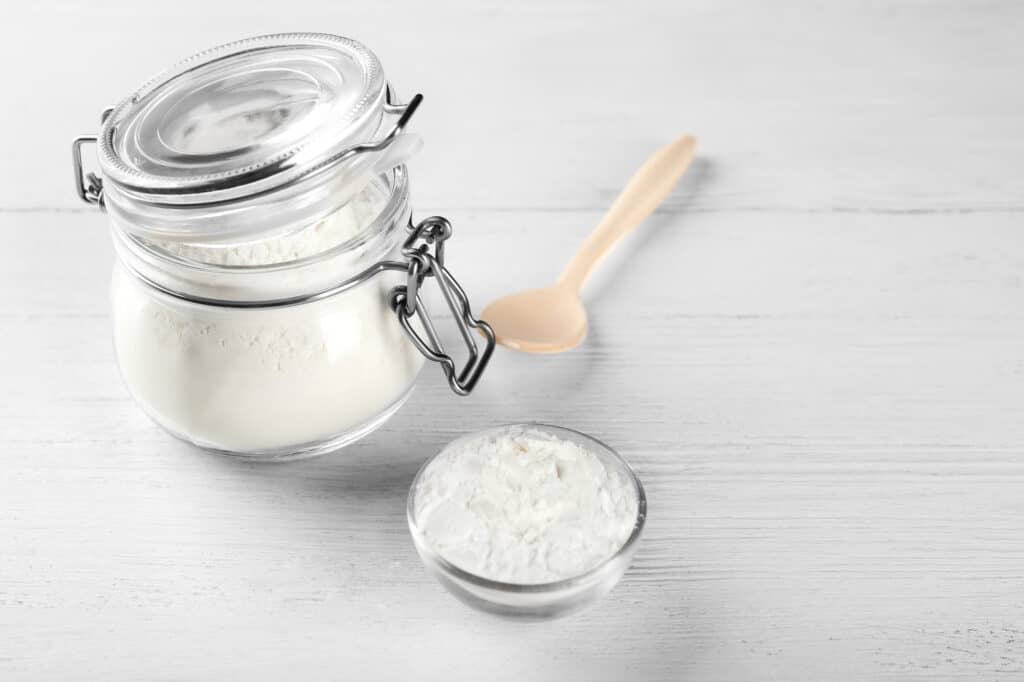
Cornstarch helps create the perfect crumbly texture in cookies. It helps balance the proteins in other ingredients, creating a softer, lighter cookie. At this slightly higher amount, it also takes on some of the role of flour in absorbing moisture to keep the cookies from becoming too gooey or gummy.
Baking Soda
1 teaspoon baking soda
Baking soda is a chemical leavening agent that reacts with other ingredients in the cookie dough to produce the air bubbles that give these cookies a lighter, fluffier texture.
Chocolate Chips
90 grams (about 1/2 cup) chocolate chips
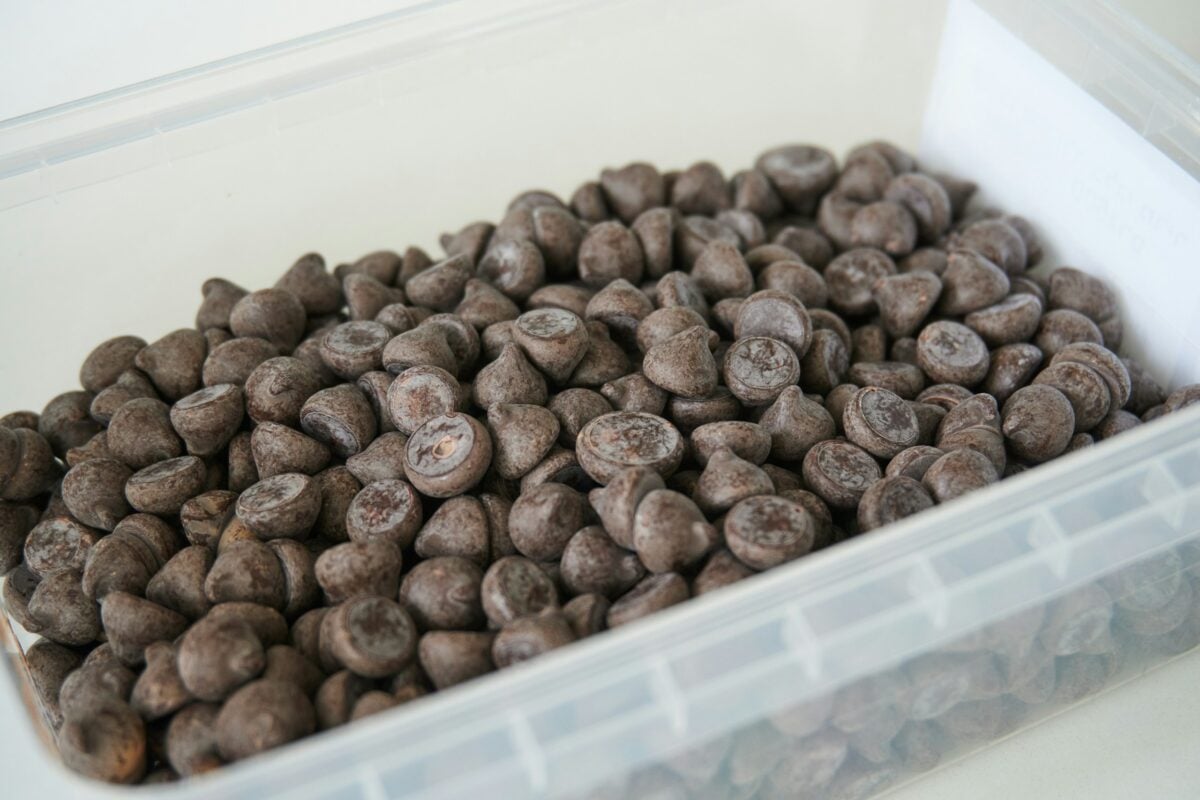
Chocolate chips add the sweet chocolate flavor that makes these cookies fun! You can choose the type of chocolate you like. I like to go with a darker chocolate with 65-75% cocoa content, such as these Hu Dark Chocolate Baking Chips. Dairy-free chocolate chips also work very well.
Equipment & Tools
I like to set out the equipment before I start, so I don’t have to dig for anything while making these cookies.
- Digital Food Scale
- Two baking sheets
- Parchment paper
- Stand mixer with paddle attachment
- A large mixing bowl and a handheld electric mixer will work too.
- Large spoon
- Medium cookie scoop
- Wire cooling rack
- Spatula

Printable Flourless Chocolate Chip Cookies Recipe Card
Ingredients
- 1 cup almond butter 256 grams
- 1 large egg 50 grams, without the shell
- 1/4 cup maple syrup 78 grams
- 8 grams cornstarch about 1 tablespoon
- 5 grams baking soda about 1 teaspoon
- 90 grams semi-sweet chocolate chips about 1/2 cup
Instructions
- Position an oven rack in the center and preheat the oven to 350°F (177°C). Line 2 baking sheets with parchment paper.
- Beat the almond butter, maple syrup, and egg on low speed until the mixture is smooth, glossy, and uniform, about 30 seconds. Stop and scrape the bottom and sides of the bowl as needed.
- In a small bowl, whisk together the cornstarch and baking soda. Add the mixture to the almond-butter mixture and mix on low until no dry streaks remain. Scrape down the bowl, then mix for another 10–15 seconds.
- Use a large spoon to stir in the chocolate chips.No chilling is required. If the dough feels too soft or sticky to scoop, let it rest at room temperature for 5–10 minutes. If it is still too soft, refrigerate it for 15 minutes.
- Use a medium cookie scoop and scoop portions of cookie dough onto the baking sheets. Leave the dough mounded; the cookies will spread as they bake. Leave about 2 inches of space in between each cookie. Arrange nine portions on each prepared baking sheet. Bake one sheet at a time on the center rack. Keep the second sheet at room temperature while the first batch bakes.
- Bake for 10-12 minutes. Let the cookies cool on the pan for 10 minutes.
- Transfer the cookies to the cooling rack or an airtight container. Serve or take to those holiday parties.
Notes
Nutrition
How To Make Flourless Chocolate Chip Cookies Recipe
Procrastination may give us more virtual cookies than real ones, so let’s jump right into making these chocolate chip cookies!
Step One: Preheat Oven
Position an oven rack in the center and preheat the oven to 350°F (177°C)
Step Two: Prepare Baking Sheets
Line your baking sheets with parchment paper.
Step Three: Combine Almond Butter, Maple Syrup, and Egg
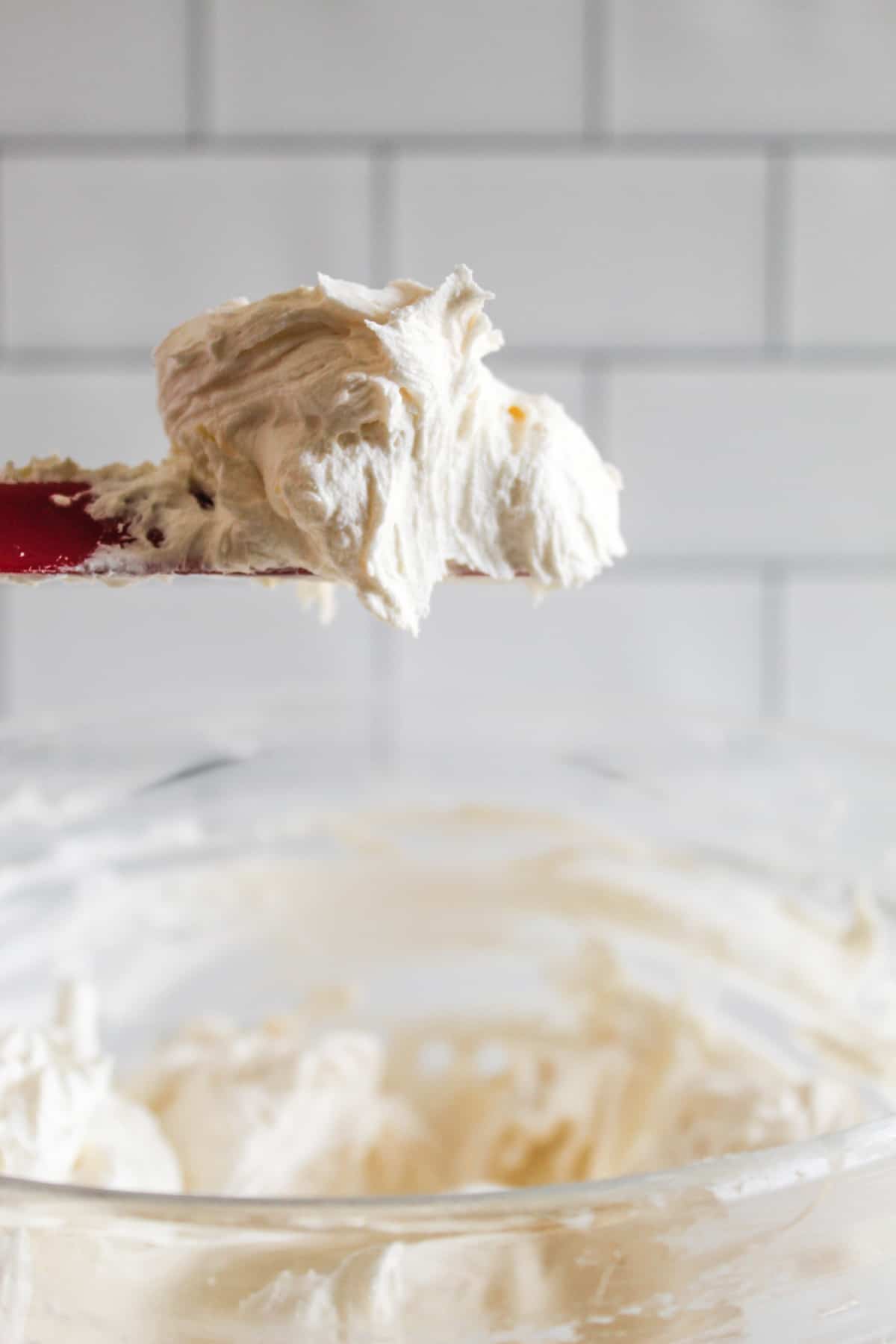
Beat the almond butter, maple syrup, and egg on low speed until the mixture is smooth, glossy, and uniform, about 30 seconds. Stop and scrape the bottom and sides of the bowl as needed.
Step Four: Add Cornstarch and Baking Soda
In a small bowl, whisk together the cornstarch and baking soda. Add the mixture to the almond-butter mixture and mix on low until no dry streaks remain. Scrape down the bowl, then mix for another 10–15 seconds.
Step Five: Stir In Chocolate Chips
Use the large spoon to gently stir in the chocolate chips until evenly combined.
No chilling is required. If the dough feels too soft or sticky to scoop, let it rest at room temperature for 5–10 minutes. If it is still too soft, refrigerate it for 15 minutes.
Step Six: Form Cookies and Place on Baking Sheets
Use a medium cookie scoop to scoop portions of cookie dough onto the baking sheets. Leave the dough mounded; the cookies will spread as they bake. Leave about 2 inches of space between each cookie.
Arrange nine portions on each prepared baking sheet. Bake one sheet at a time on the center rack. Keep the second sheet at room temperature while the first batch bakes.
Step Seven: Bake Cookies
Place the cookie sheets with cookies in the oven. Bake for 10-12 minutes until cookies are set around the edges and still a little soft in the middle.
Step Eight: Cool Cookies
Allow the cookies to cool on the sheets for 10 minutes. Then transfer them to a wire rack to finish cooling.
Step Nine: Repeat Steps Six through Eight
Did you double the recipe? If you still have some cookie dough, repeat Steps Six through Eight until the dough is gone.
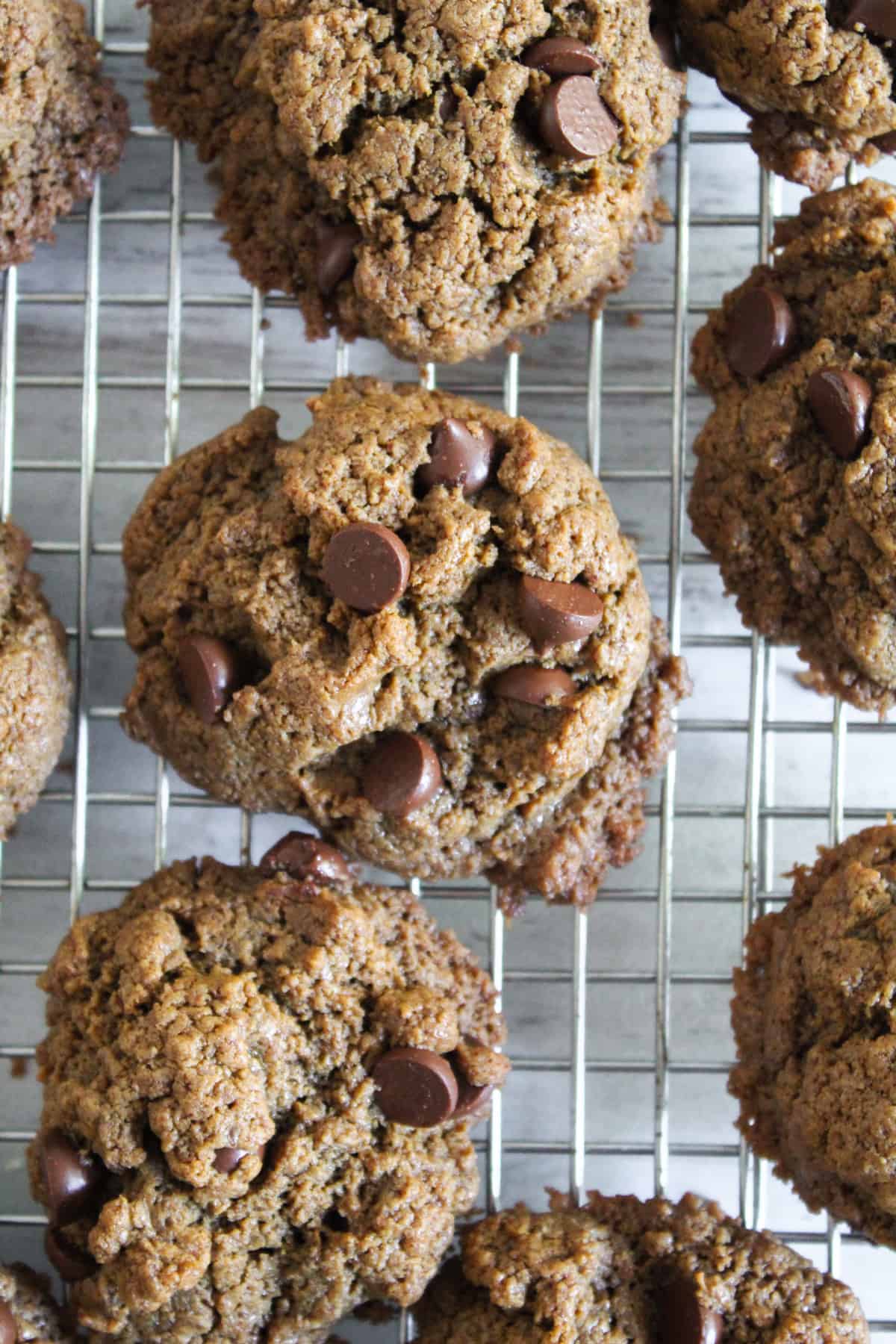
Step Ten: Serve Cookies or Transfer to an Airtight Container
Transfer the cookies to a plate to serve. If you have any leftover cookies or plan to take them somewhere, transfer them to an airtight container. They can be kept on the counter in an airtight container or on a plate tightly wrapped with plastic wrap for up to 3 days.
Wrap and freeze any cookies you plan on saving for later. They can be thawed out on the counter overnight. Don’t forget they’re in the freezer!
Substitutions
Sunflower butter, peanut butter, or cashew butter may be substituted for the almond butter. Make sure to use the no-stir variety.
The egg may be substituted with an egg substitute, like a chia or flax egg. To make a chia or flax egg, mix one tablespoon of ground chia seeds or flaxseed meal with three tablespoons of water for each egg you plan to replace. Allow the mixture to sit for a few minutes until it forms a gel-like consistency.
The maple syrup may be substituted with honey. Honey gives baked goods a mild floral or fruity flavor rather than the caramel-toffee notes of maple syrup.
Potato starch, tapioca starch, or arrowroot powder may be used in place of the cornstarch.
Variations to Try
This recipe is delicious as written, but you can always have some fun and add a few variations to make it your own.
- Adjust the size: This chocolate chip cookie recipe is flexible! You can easily make teeny tiny cookies or make them larger. Be sure to adjust the bake time as needed.
- Add chopped nuts: Although there are plenty of nuts in the almond butter, it can be nice to add some chopped almonds or walnuts for a little crunch.
- Use different flavored sweet chips: If you prefer a sweeter cookie, replace the chocolate chips with white chocolate chips. Keep in mind that white chocolate has a high milk solid content, though! I also like caramel-flavored and butterscotch-flavored chips when I want some variety.
- Fold in some dried fruit: Raisins and dried cranberries work well!
- Add extra chocolate chips: Press a few dark or milk chocolate chips onto the cookie dough balls before baking for extra chocolate flavor.
Craving even more chocolate? Try these gluten-free double chocolate chip cookies, made with both cocoa powder and chocolate chips.
How to Store Flourless Chocolate Chip Cookies
Let the cookies cool completely before storing them. Place them in an airtight container and keep them at room temperature for up to 3 days. Add a sheet of parchment paper between layers to prevent sticking.
For longer storage, freeze the cooled cookies in a freezer-safe container or bag for up to 2 months. Separate the layers with parchment paper. Thaw the cookies at room temperature before serving.
Avoid sealing the cookies while they are still warm, as trapped moisture can make them sticky or gummy.
Storing Unbaked Cookie Dough
Cover the cookie dough tightly and refrigerate it for up to 2 days. For easier baking, portion the dough into individual cookie-sized mounds before refrigerating.
To freeze the dough, arrange the portions on a parchment-lined baking sheet and freeze until firm. Transfer them to a freezer-safe container or bag and freeze for up to 2 months. Bake the portions directly from frozen, adding approximately 1–3 minutes to the baking time and using the recipe’s visual doneness cues.
Keep dough containing raw egg refrigerated at 40°F or below, and do not eat it before baking.
Troubleshooting Tips
Baking without flour can take some getting used to! Here are some troubleshooting tips for common problems with these cookies.
The cookie dough sticks to the cookie scooper too much.
It may help to let the dough sit for a few minutes to give the cornstarch time to absorb moisture.
The cookies taste slightly eggy.
An eggy flavor may be more noticeable in a six-ingredient recipe because there is no flour or vanilla to soften it. Make sure the egg is fully incorporated, use a large egg rather than an extra-large egg, and bake until the edges are set. For additional flavor, test adding 1 teaspoon of vanilla extract.
One good general rule of thumb (and FDA food safety guideline) is that eggs are done when they reach an internal temperature of 160 degrees Fahrenheit. Letting the cookies bake in the oven for a few minutes longer will usually solve this problem.
The cookies are too gooey or gummy.
Baked goods that are “too gummy” or “too dry” are actually common problems in gluten-free baking. It usually means there’s an imbalance between the amounts of dry ingredients and wet ingredients. This happens most often when the cornstarch wasn’t measured precisely in grams, or too much liquid was added. The cookies may also be underbaked.
Why did my cookies spread too much?
The almond butter may have been unusually thin or oily, the dough may have been too warm, or the ingredients may have been undermeasured. Use no-stir almond butter with a thick, uniform consistency, weigh the ingredients, and chill overly soft dough for 15–20 minutes. Also, confirm that the oven is fully preheated.
Flat cookies can also happen if the almond butter is too oily or thin. I prefer to use almond butter that doesn’t need to be stirred to remove the oily layer on top. Chilling the dough for a few minutes before baking may also reduce spreading.
The cookies didn’t spread out much during baking.
These flourless cookies can hold their shape better than cookies that include flour. The almond butter might have been exceptionally thick.
The cookies fell apart while removing them from the baking sheet.
Flourless cookies can be delicate when hot. They may need to cool for a little longer on the baking sheet.
The cookies are too oily.
Did you use natural almond butter? It can be a little more oily than other types of almond butter. If there is a layer of oil on top of the almond butter on top when you open the jar, make sure you stir it thoroughly before measuring. Getting some no-stir almond butter for baking may also help.
I added too many chocolate chips. What should I do?
If the dough still holds together, you can bake the cookies as usual—they’ll simply be extra chocolatey. If the dough is difficult to scoop or falls apart, remove a few loose chocolate chips or mix in an additional half-batch of dough to rebalance the ingredients.
“But I don’t like almond butter!”
There’s always one picky eater in the family, isn’t there? If someone doesn’t like the almond butter in these cookies, using peanut butter or cashew butter instead is an option. For a cookie with even more peanut butter flavor, try these gluten-free peanut butter chocolate chip cookies.

Flourless Chocolate Chip Cookies FAQs
Although I think making flourless cookies can easily be mastered with a little practice, we do sometimes get questions! Here, I try to answer some of the most common questions. If you think of one I haven’t answered yet, feel free to ask in our comments section, and we’ll do our best to answer as soon as possible.
Do flourless cookies taste different from regular cookies?
Flourless cookies have a richer, nuttier flavor and a slightly different texture from traditional cookies. For a more classic bakery-style result, try these gluten-free, dairy-free chocolate chip cookies.
Looking for another flourless option with plenty of mix-ins? These gluten-free monster cookies are thick, chewy, and loaded with chocolate chips.
Are these cookies gluten-free?
The recipe contains no wheat flour or other intentionally gluten-containing ingredients. For people with celiac disease or a medical need to avoid gluten, check that every packaged ingredient, including the cornstarch, baking soda, almond butter, and chocolate chips, is labeled gluten-free and has been handled appropriately to avoid cross-contact.
Are these cookies dairy-free?
They can be dairy-free when made with chocolate chips specifically labeled dairy-free. Check the ingredient and allergen statements because some semi-sweet chocolate chips contain milk.
Are flourless cookies healthy?
I like to think of these cookies as a good option for people following a gluten-free or dairy-free diet (or both!) because they don’t contain either flour or dairy products. The tricky part is just making sure the ingredients are all certified gluten-free. They’re still cookies, which means they’re best enjoyed as a treat.
More Gluten-Free Cookie Recipes
Keep the cookie jar stocked with these easy gluten-free favorites. From rich peanut butter cookies to tender snickerdoodles and classic sugar cookies, there’s something here for every craving.
- 5-Ingredient Flourless Peanut Butter Cookies
- Gluten-Free Monster Cookie Recipe
- Gluten-Free Snickerdoodles
- Gluten-Free Mexican Wedding Cookies
- Foolproof Almond Flour Sugar Cookies
Which gluten-free cookie will you bake next?
Made These Flourless Chocolate Chip Cookies?
Did you make these flourless chocolate chip cookies? Rate the recipe and tell us how they came out in the comments section.