Gluten-free snickerdoodles have a reputation for being difficult to get right, often leaving bakers disappointed with flat, dry, or crumbly cookies. After testing various techniques, I developed this recipe specifically to address common gluten-free baking frustrations.
You’ll learn how to prevent excessive spreading, keep the cookies tender for days, and achieve beautifully crackled tops with a generous cinnamon-sugar coating.
Table of Contents
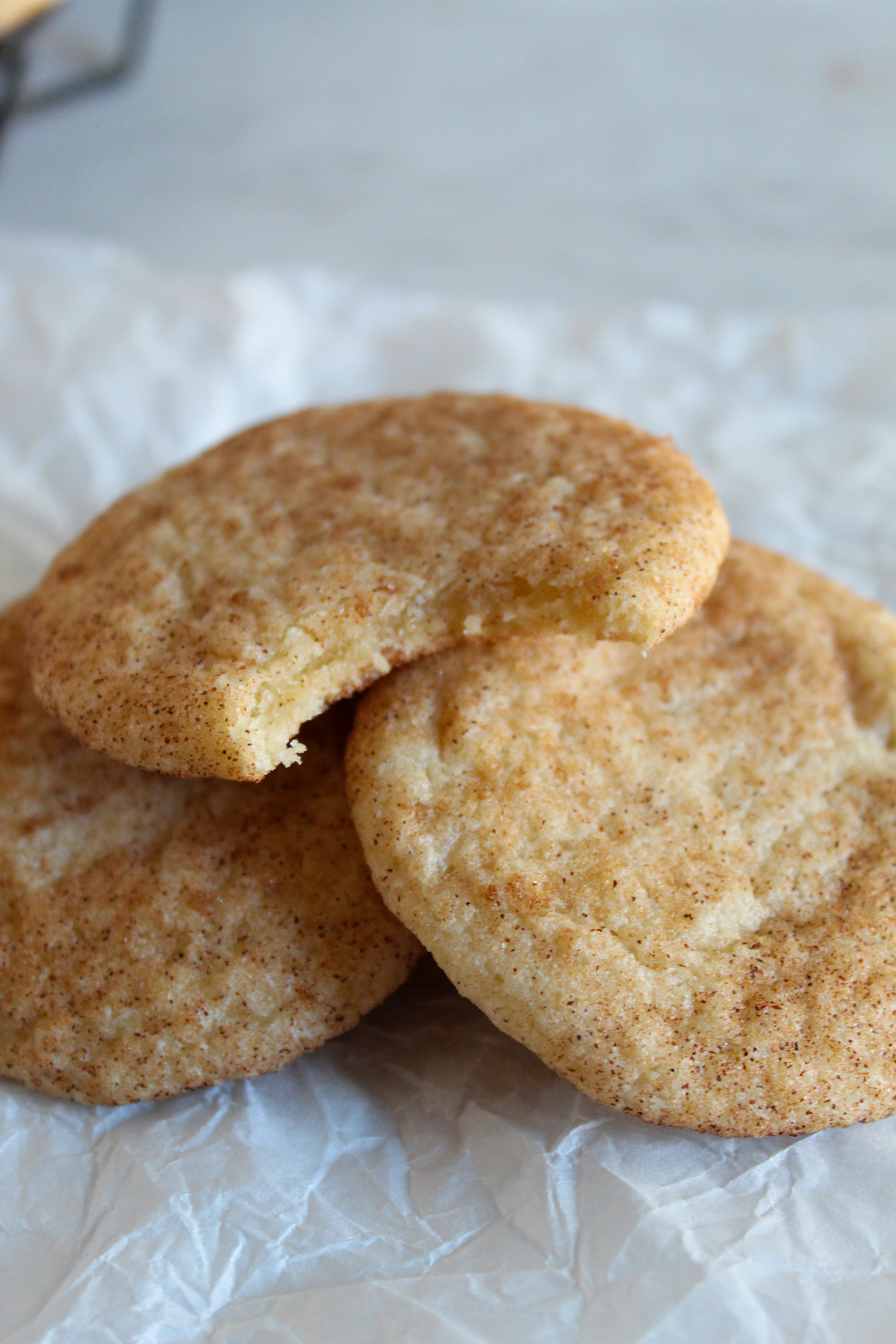
Even if you’re new to gluten-free baking, the straightforward steps make these cookies easy to master on your very first batch.
Why This Recipe Works
Every ingredient and technique in this recipe plays an important role in creating soft, chewy gluten-free snickerdoodles. Here’s how each one contributes.
1. Baking Powder Creates a Light, Tender Texture
Want our human-written content to rank above AI-generated garbage? Help us out by clicking this button!
Baking powder helps the cookies rise gently, creating soft centers, lightly crisp edges, and the signature crackled appearance without making the cookies dense.
2. Chilling Prevents Spreading
Resting the dough firms the butter and hydrates the gluten-free flour, helping the cookies bake thicker instead of spreading too much.
3. Gluten-Free Flour Provides Structure
A quality 1-to-1 gluten-free flour blend replaces the structure typically provided by wheat flour, keeping cookies tender without becoming crumbly.
4. Cinnamon Sugar Adds More Than Flavor
The coating caramelizes slightly during baking, creating a delicate crisp exterior that contrasts with the tender center.
Love warm baking spices? Spiced Gluten-Free Pumpkin Chocolate Chip Cookies are another cozy recipe worth trying. And if you are craving another classic cookie our Best Peanut Butter Cookies From Scratch (Soft & Chewy Recipe) is just as beginner-friendly and delivers the same bakery-style texture.
Ingredient Quick Scan
Before anything, here is a quick look at everything I used for this recipe.
For the Cookie Dough
- Vegan butter
- Granulated sugar
- Egg
- Vanilla extract
- Salt
- Baking powder
- King Arthur Measure for Measure Gluten-Free Flour Mix
For the Cinnamon-Sugar Coating
- Granulated sugar
- Ground cinnamon
Ingredients and Substitutions Notes
Each ingredient contributes to the soft, chewy texture and classic flavor of these gluten-free snickerdoodles. Below is what each one does, along with the best alternatives if you need to make a swap.
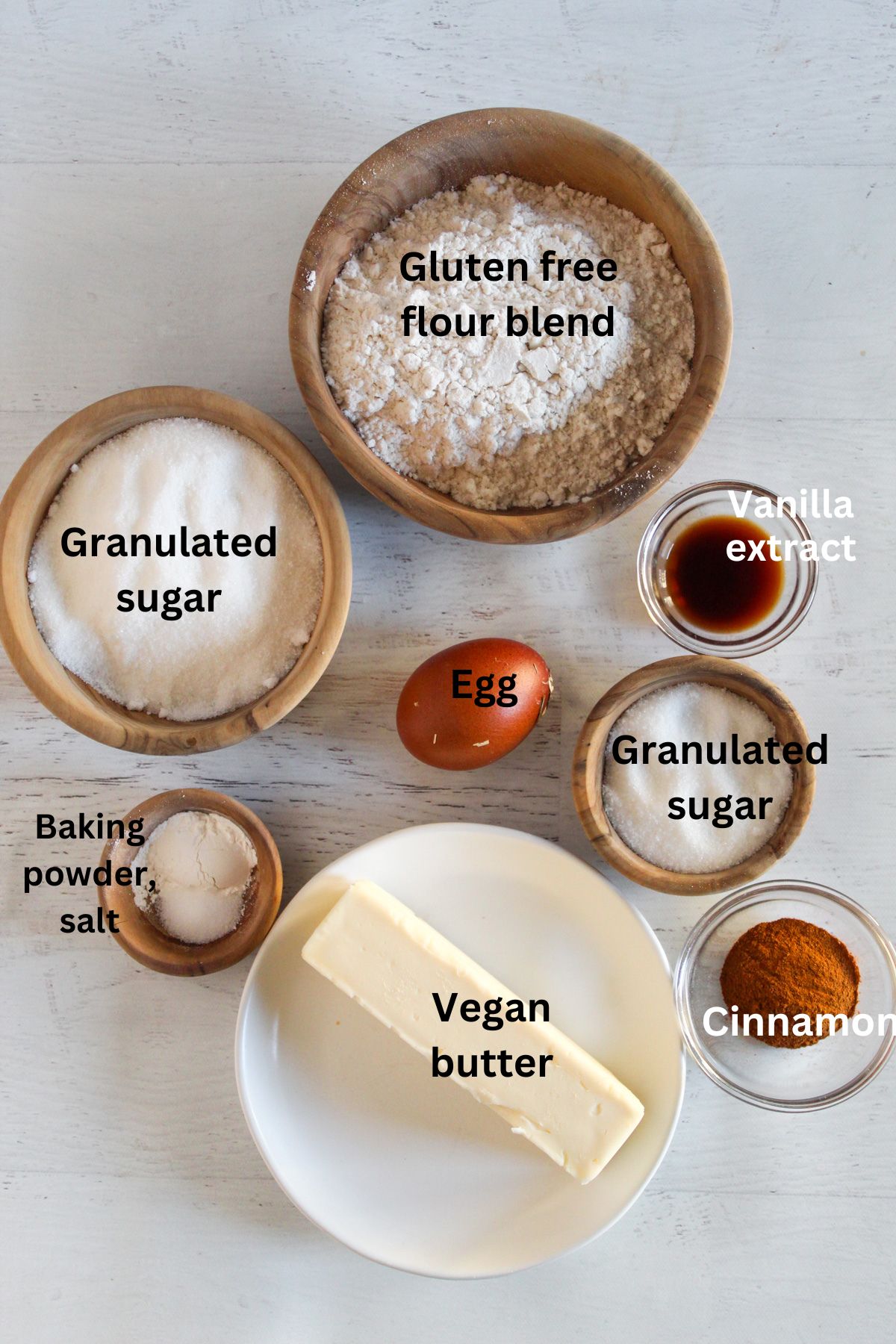
Cookie Dough
- Vegan Butter: Adds richness and tenderness. Unsalted butter also works, while stick-style vegan butter performs better than tub varieties.
- Granulated Sugar: Sweetens the cookies and helps create crisp edges and crackled tops. Cane sugar is an equal substitute, but avoid liquid sweeteners like honey or maple syrup.
- Egg: Binds the dough and creates a soft, chewy texture. A flax egg or commercial egg replacer works well for an egg-free version.
- Vanilla Extract: Enhances the buttery, cinnamon flavor. Vanilla bean paste or pure vanilla flavoring can be used instead.
- Salt: Balances sweetness and enhances flavor. Fine sea salt or kosher salt is a suitable alternative.
- Baking Powder: Helps the cookies rise and bake with a lighter texture. For the best results, don’t substitute it.
- King Arthur Measure for Measure Gluten-Free Flour Mix: Provides structure without wheat flour and already contains xanthan gum. Bob’s Red Mill 1:1 or Better Batter is a good alternative.
Cinnamon-Sugar Coating
- Granulated Sugar: Creates the signature crisp cinnamon-sugar coating. Cane sugar is an easy one-to-one replacement.
- Ground cinnamon gives snickerdoodle gluten-free cookies their classic warm flavor. For a traditional snickerdoodle, cinnamon is essential, though a pinch of nutmeg or cardamom can add a subtle twist.
Need another dairy-free cookie for your baking list? Super Soft Gluten-Free Dairy-Free Pumpkin Cookies are equally easy to make and perfect for fall.
Did you make and love this recipe? Give it your review and rating below! And make sure to follow me on Instagram, Pinterest, and Facebook , too!
Recipe Card: Gluten-Free Snickerdoodles (PRINTABLE)
Ingredients
Cookie Dough
- 8 Tbsp. vegan butter ,softened
- ¾ cup granulated sugar about 150 grams
- 1 large egg
- 1 tsp vanilla extract
- ¼ tsp salt
- 1 tsp baking powder
- 1⅓ cups King Arthur Measure for Measure Gluten Free Flour Mix about 160 grams
Cinnamon-Sugar
- 2 Tbsp. granulated sugar about 25 grams
- 1½ tsp cinnamon
Instructions
- Beat the vegan butter and granulated sugar in the bowl of a stand mixer fitted with the paddle attachment on low speed for 30 seconds. Scrape down the sides of the bowl.
- Add the egg and vanilla extract, then mix on low speed until combined.
- In a medium bowl, whisk together the gluten-free flour, baking powder, and salt.
- Gradually add the dry ingredients to the wet ingredients. Mix on low speed for about 1 minute, scraping the bowl once, until a soft dough forms.
- Let the dough rest for 30 minutes at room temperature. This step ensures the gluten-free flour absorbs enough moisture, resulting in a better texture.
- While the dough rests, preheat the oven to 375°F (190°C) and line baking sheets with parchment paper.
- Scoop the dough into 1-inch portions and roll each into a smooth ball.
- Stir together the granulated sugar and cinnamon in a small bowl.
- Roll each dough ball in the cinnamon-sugar mixture until evenly coated, then arrange them on the prepared baking sheets, leaving about 2 inches between each cookie.
- Bake for 10 to 12 minutes. Let the cookies cool on the baking sheet for several minutes before transferring them to a wire rack.
Notes
- Measure the flour by weight for the most consistent results.
- Bring the butter and egg to room temperature before mixing.
- Don’t skip the 30-minute resting time; it improves the texture and helps prevent excessive spreading.
- Transfer the cookies to a wire rack after a few minutes, so they cool evenly.
- The edges should be lightly set while the centers still look slightly soft.
- The tops should develop light cracks but shouldn’t brown heavily.
- Don’t wait for the centers to become firm; they’ll continue to set as the cookies cool, helping them stay soft and chewy. Overbaking is one of the quickest ways to dry out cookies.
- Store completely cooled cookies in an airtight container at room temperature for up to 4 days.
- Freeze baked cookies in a freezer-safe container for up to 1 month.
- Thaw at room temperature before serving.
- For the softest texture, cool the cookies completely before storing and use an airtight container to prevent them from drying out.
Nutrition
Step-by-Step Instructions
Now it’s time to bring everything together. Follow these steps and visual cues as you bake to help ensure each batch turns out just right.
Essential Kitchen Tools
You’ll need the following equipment:
- Stand mixer or hand mixer.
- Mixing bowls
- Measuring cups
- Kitchen scale
- Rubber spatula
- Cookie scoop
- Parchment paper
- Baking sheets
- Cooling rack
1) Cream the Butter and Sugar
Add the vegan butter and granulated sugar to the bowl of a stand mixer. Beat on low speed for about 30 seconds, then scrape down the sides of the bowl with a rubber spatula.
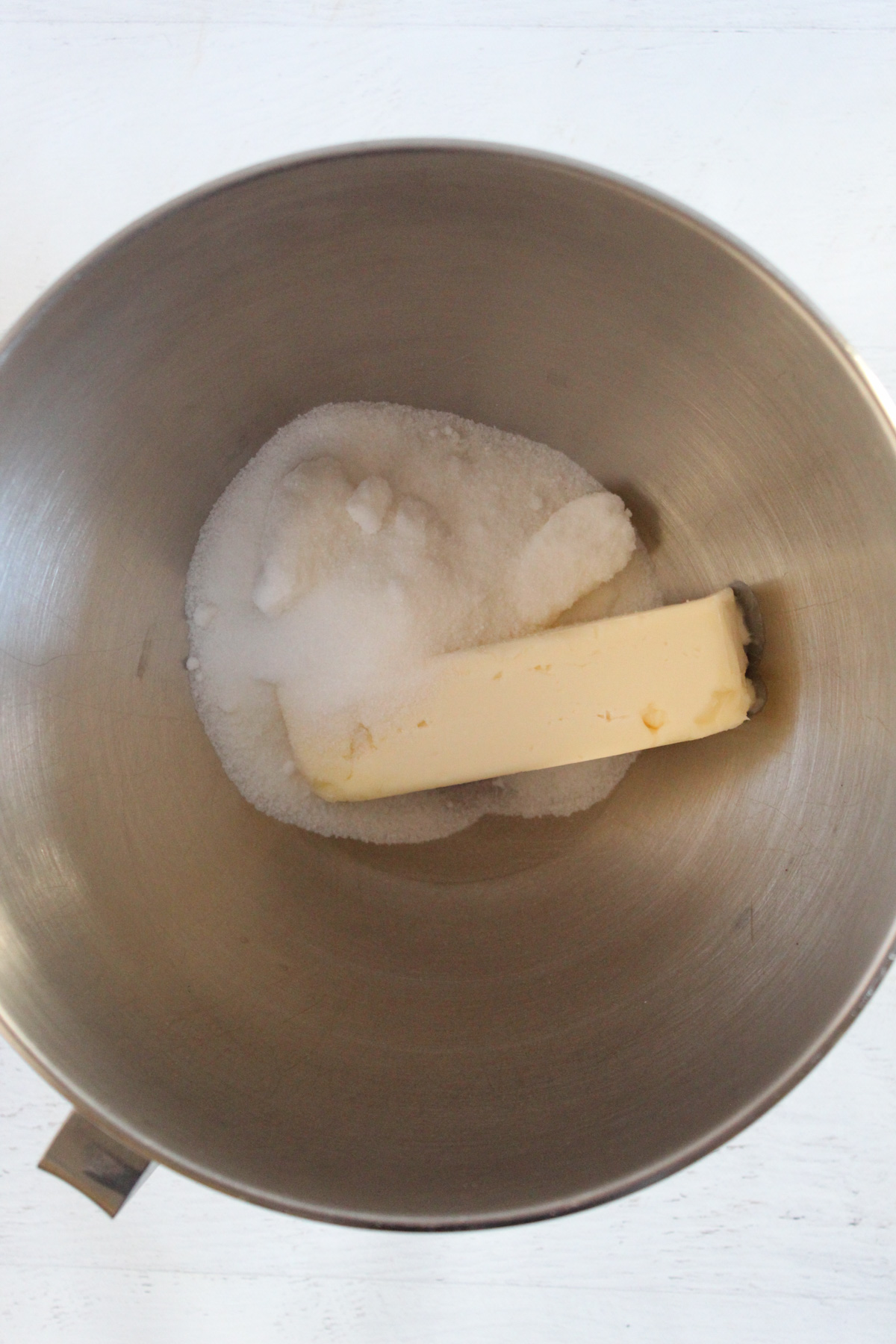
The mixture should look smooth and evenly combined, with no large pieces of butter remaining.
2) Add the Wet Ingredients
Add the egg and vanilla extract. Mix on low speed for about 15 seconds until fully incorporated.

The mixture should look smooth, creamy, and fully combined, with no visible streaks of egg remaining.
3) Combine the Dry Ingredients
In a separate bowl, whisk together the gluten-free flour, baking powder, and salt until well combined.
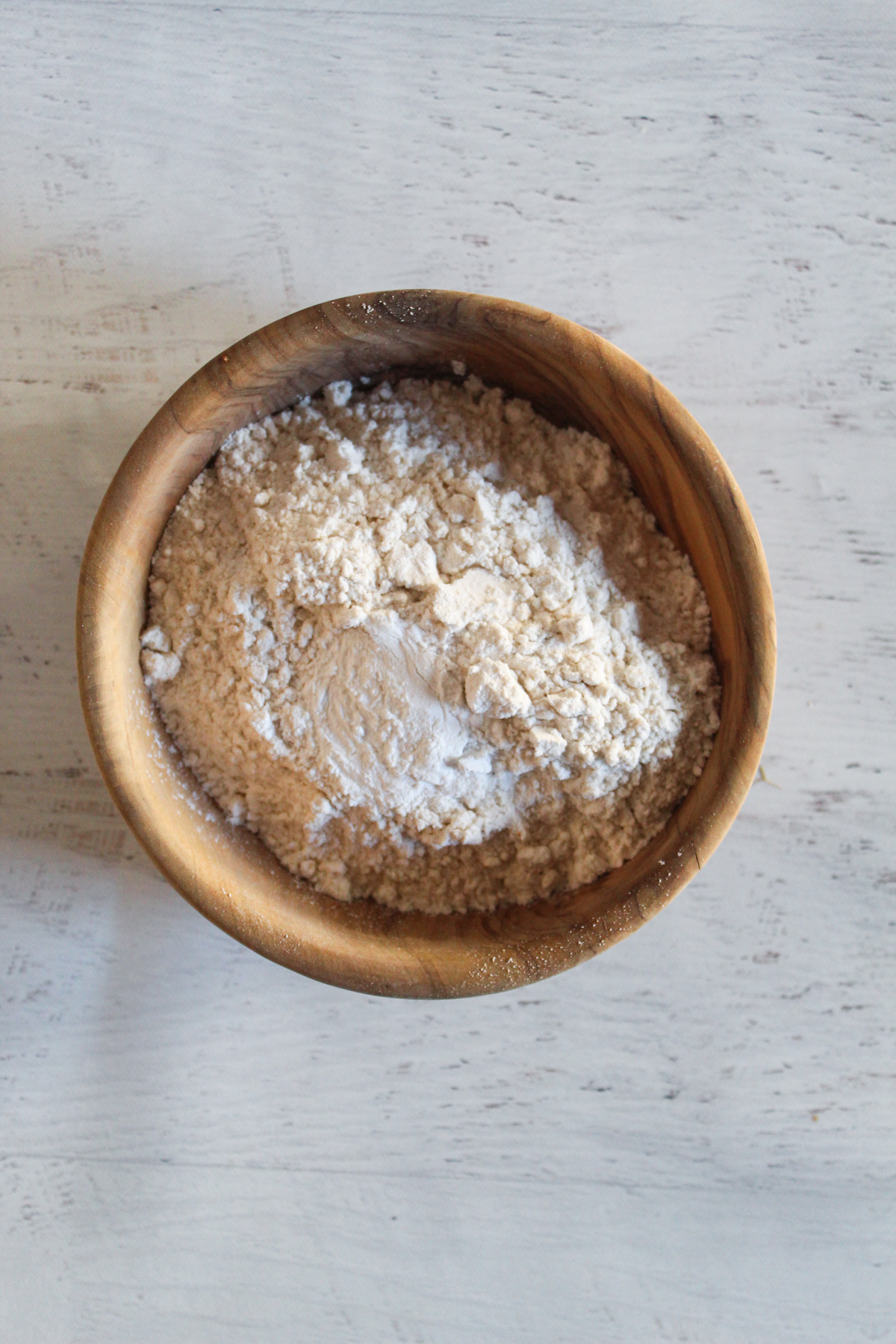
The dry ingredients should be uniformly colored, with no clumps of baking powder or salt.
4) Make the Dough
Gradually add the dry ingredients to the butter mixture. Mix on low speed for about 1 minute, scraping down the bowl once to ensure everything is evenly combined.
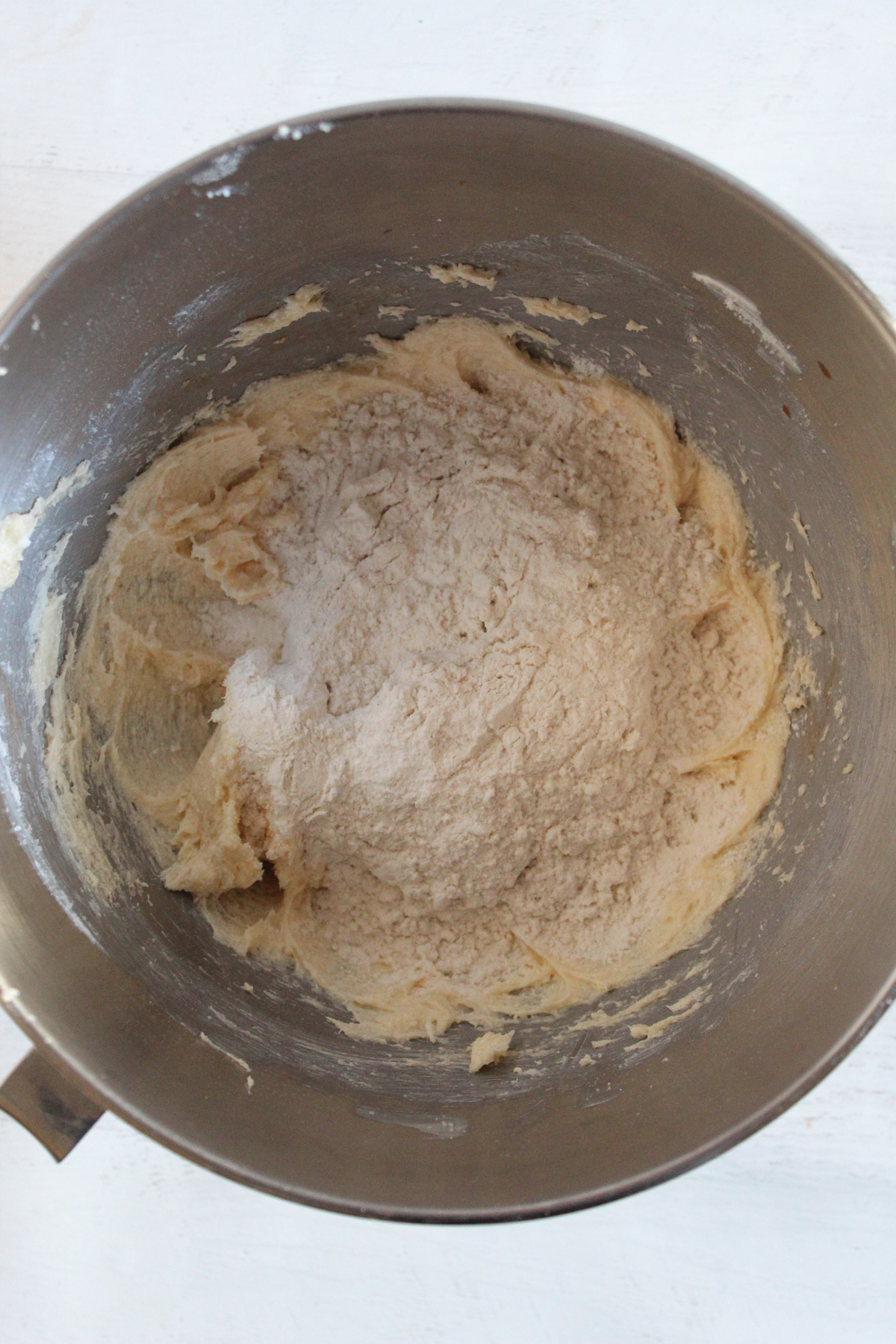
The dough should be soft and slightly sticky but hold together when pressed between your fingers. Avoid overmixing, as this can affect the final texture.
5) Rest the Dough
Cover the bowl and let the dough rest at room temperature for 30 minutes. This gives the gluten-free flour time to absorb moisture, improving the texture and helping the cookies hold their shape during baking.
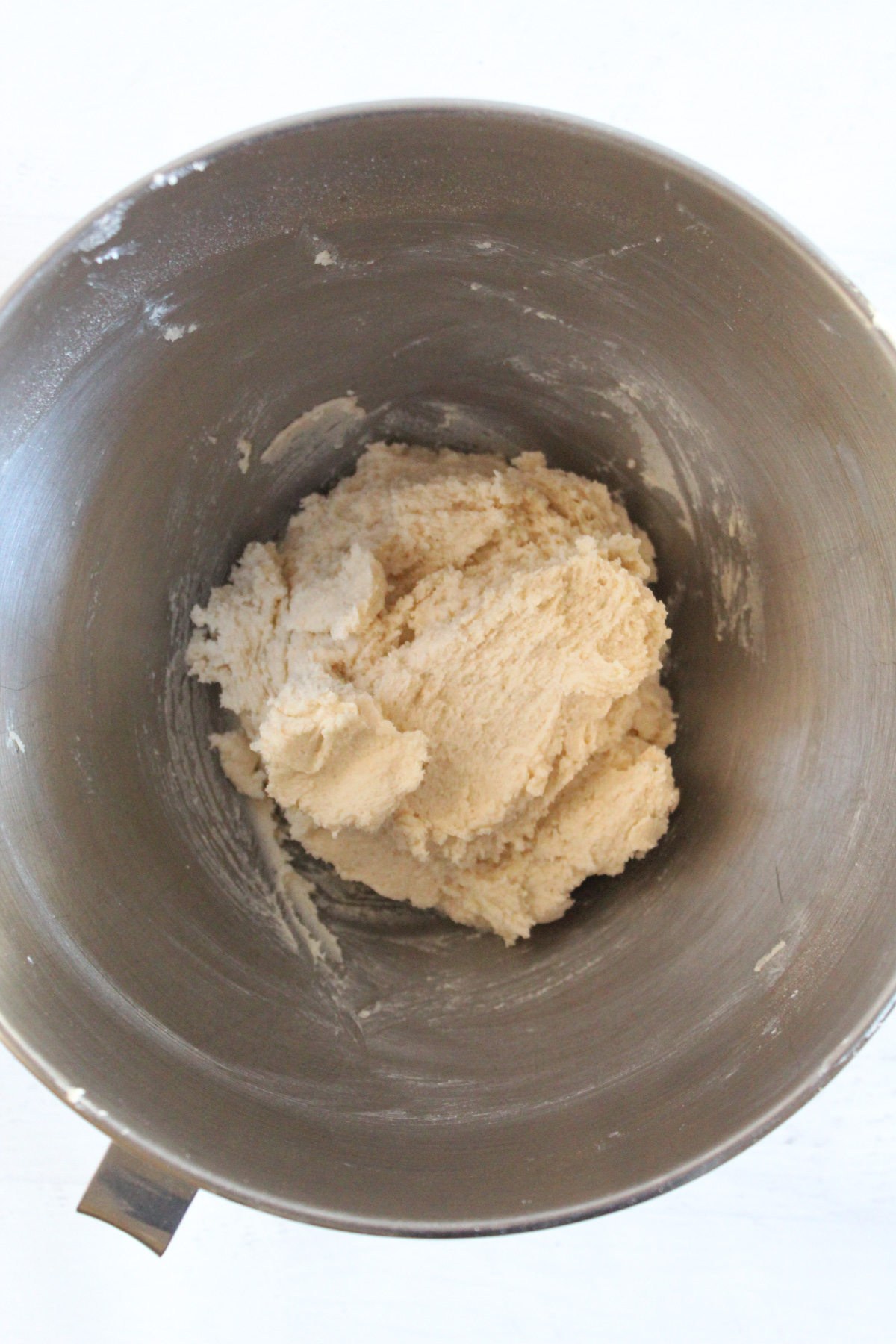
After resting, the dough should feel firmer and easier to scoop than when it was first mixed.
6) Prepare the Oven
While the dough rests, preheat the oven to 375°F (190°C) and line your baking sheets with parchment paper. By the time the dough is ready, the oven should be fully preheated, which promotes even baking and helps the cookies spread properly.
7) Shape the Dough
Once the dough has rested, scoop about 1-inch portions and roll them into smooth balls. Arrange them on the prepared baking sheets, leaving about 2 inches between each cookie. Keeping the dough balls smooth and uniform in size helps the cookies bake evenly.
8) Coat with Cinnamon Sugar
Mix the granulated sugar and cinnamon in a small bowl.
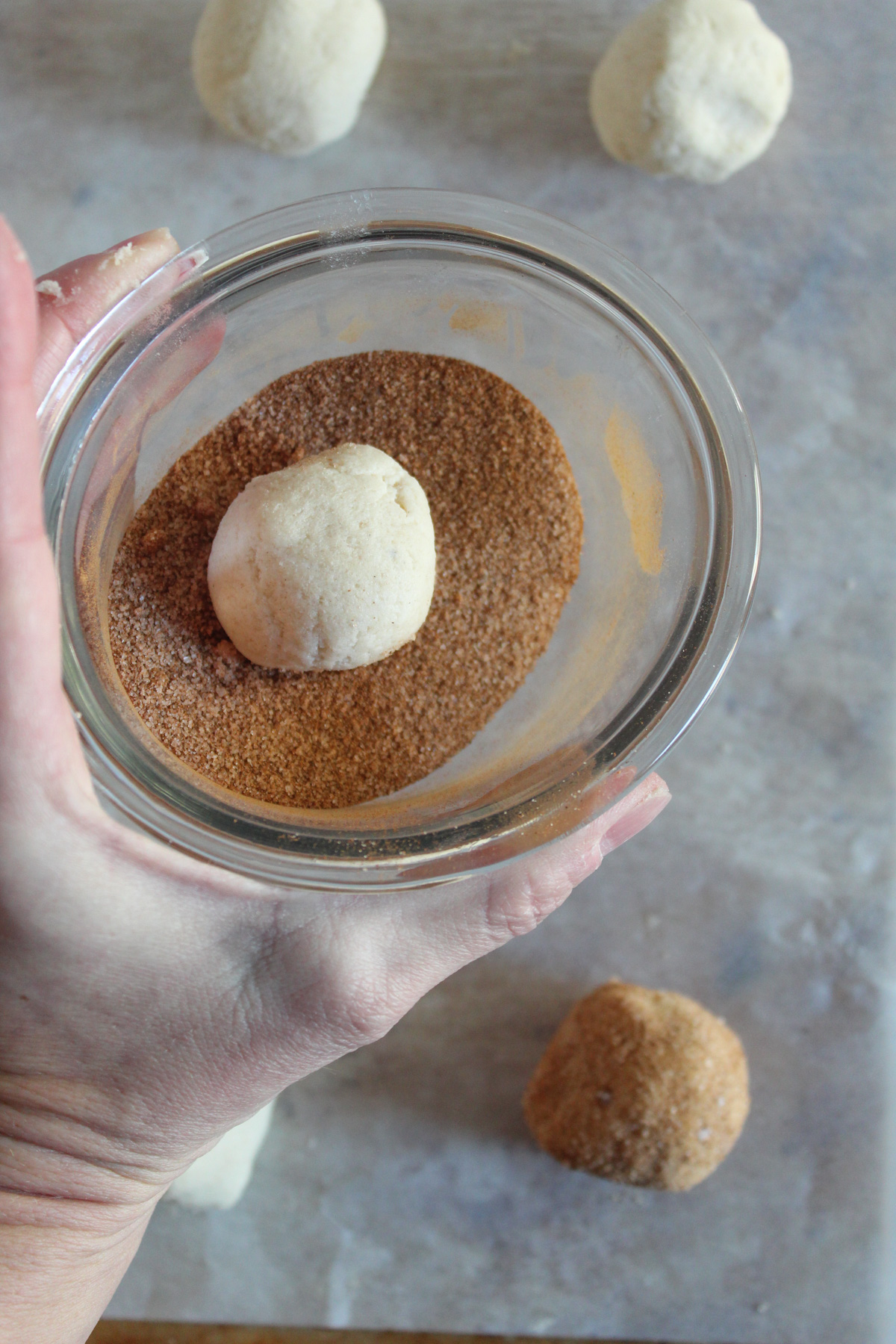
Roll each dough ball until completely coated, then return it to the baking sheet. Each dough ball should be evenly covered with cinnamon sugar, with no bare spots.
9) Bake
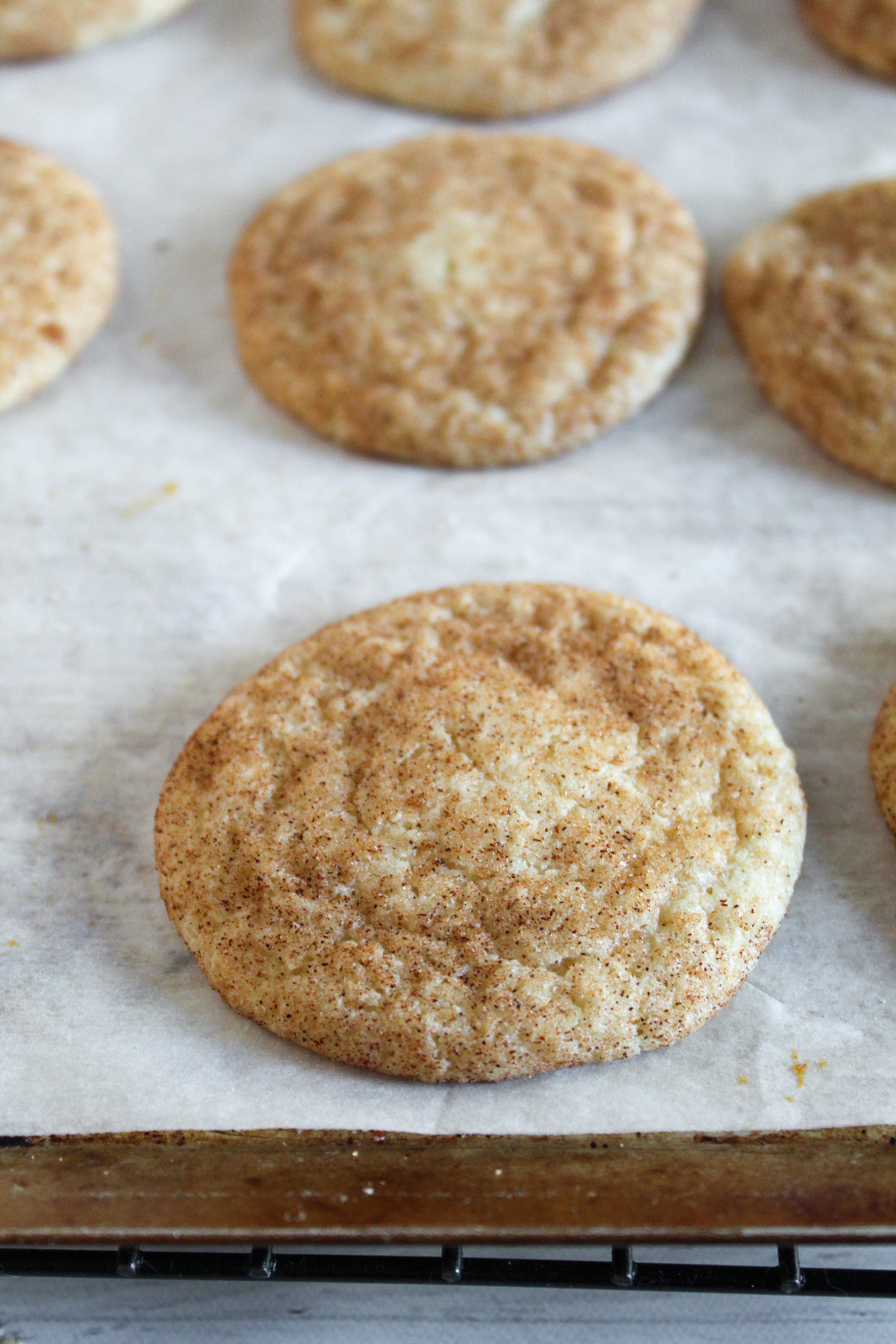
Bake for 10 to 12 minutes.
Look out for the following doneness cues:
- The edges should look set.
- The tops should have light cracks.
- The centers should still look slightly soft.
- Avoid waiting for the cookies to brown deeply, as they’ll continue to bake on the hot pan after you remove them from the oven.
10) Cool and Enjoy
Let the cookies cool on the baking sheet for several minutes before transferring them to a wire rack to cool completely.
The cookies should lift easily from the parchment paper without falling apart. They’ll continue to firm up as they cool while staying soft and chewy inside.
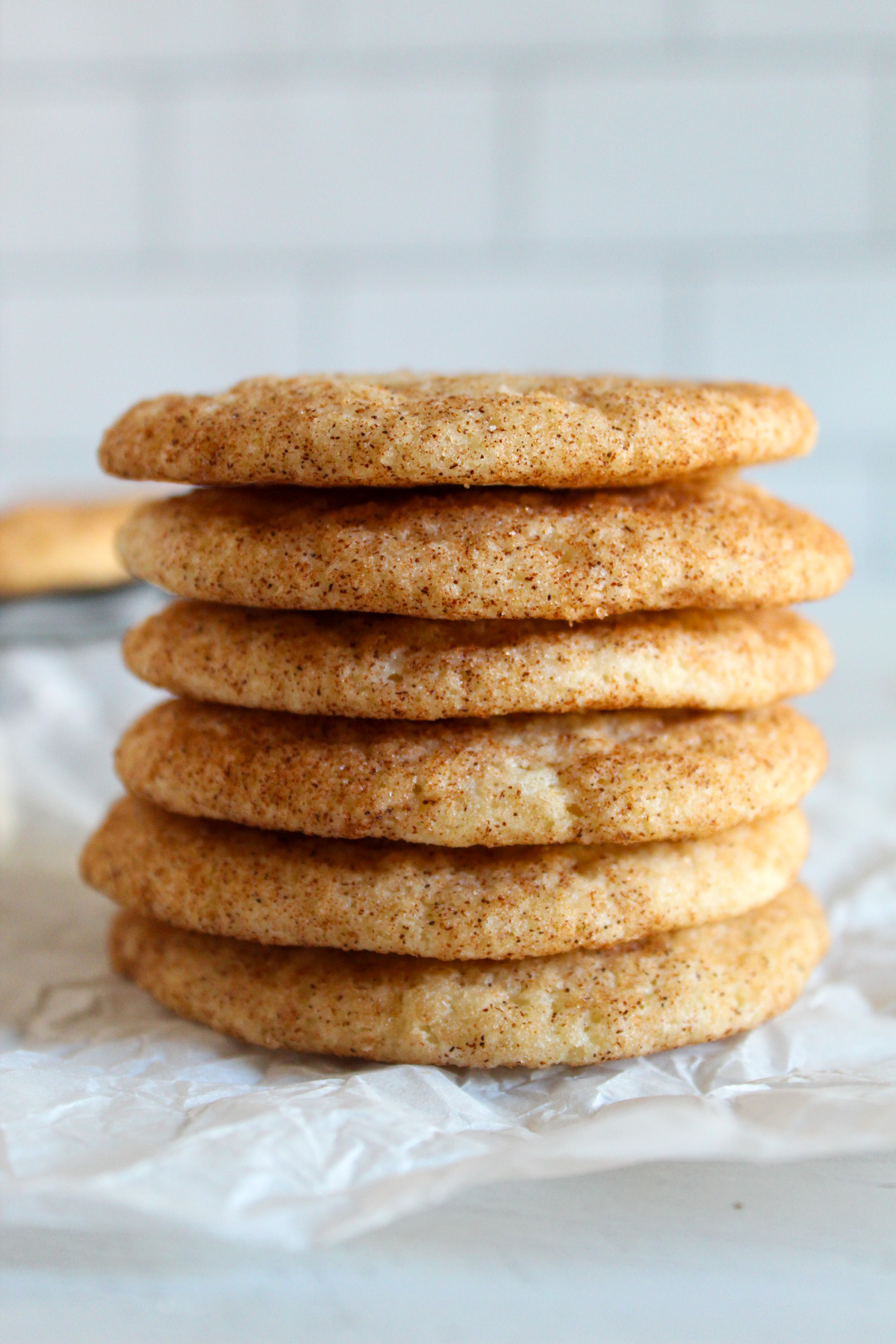
Expert Tips for Soft & Chewy Gluten-Free Snickerdoodles
These simple baking tips will help you get consistent results every time.
- Don’t Overmix the Dough: Mix the dough just until the flour disappears. Overmixing can make the cookies tougher and affect their tender texture, even when using a gluten-free flour blend.
- Let the Dough Rest: Once the dough is mixed, don’t skip the 30-minute rest. During this time, the gluten-free flour fully hydrates, resulting in a better texture and helping prevent the cookies from spreading too much.
- Use Room-Temperature Butter: For the best results, use softened butter rather than melted or overly warm butter. It creams more evenly with the sugar, creating tiny air pockets that produce lighter, softer cookies while reducing excessive spreading.
- Measure the Flour by Weight Whenever Possible: If you have a kitchen scale, use it. Weighing the flour provides the most accurate measurement, helping you avoid dry or dense cookies.
- Don’t Overbake: Keep a close eye on the cookies as they bake. Remove them when the edges are set, but the centers still look slightly soft. They’ll continue to firm up as they cool, giving you that perfectly chewy texture.
- Let the Cookies Finish Baking on the Tray: Instead of moving them immediately, allow the cookies to rest on the baking sheet for a few minutes. This helps the centers finish setting without drying out before transferring them to a wire rack.
- Bake on Parchment-Lined, Cool Baking Sheets: Finally, always bake on parchment-lined baking sheets that have cooled completely between batches. Parchment promotes even baking, while cool pans prevent the dough from spreading too quickly in the oven.
Planning a Halloween dessert table? Witches Finger Gluten-Free Halloween Cookies are guaranteed to impress guests.
Common Snickerdoodle Mistakes
Most snickerdoodle problems are easy to fix once you know what’s causing them. Study the causes and solutions below.
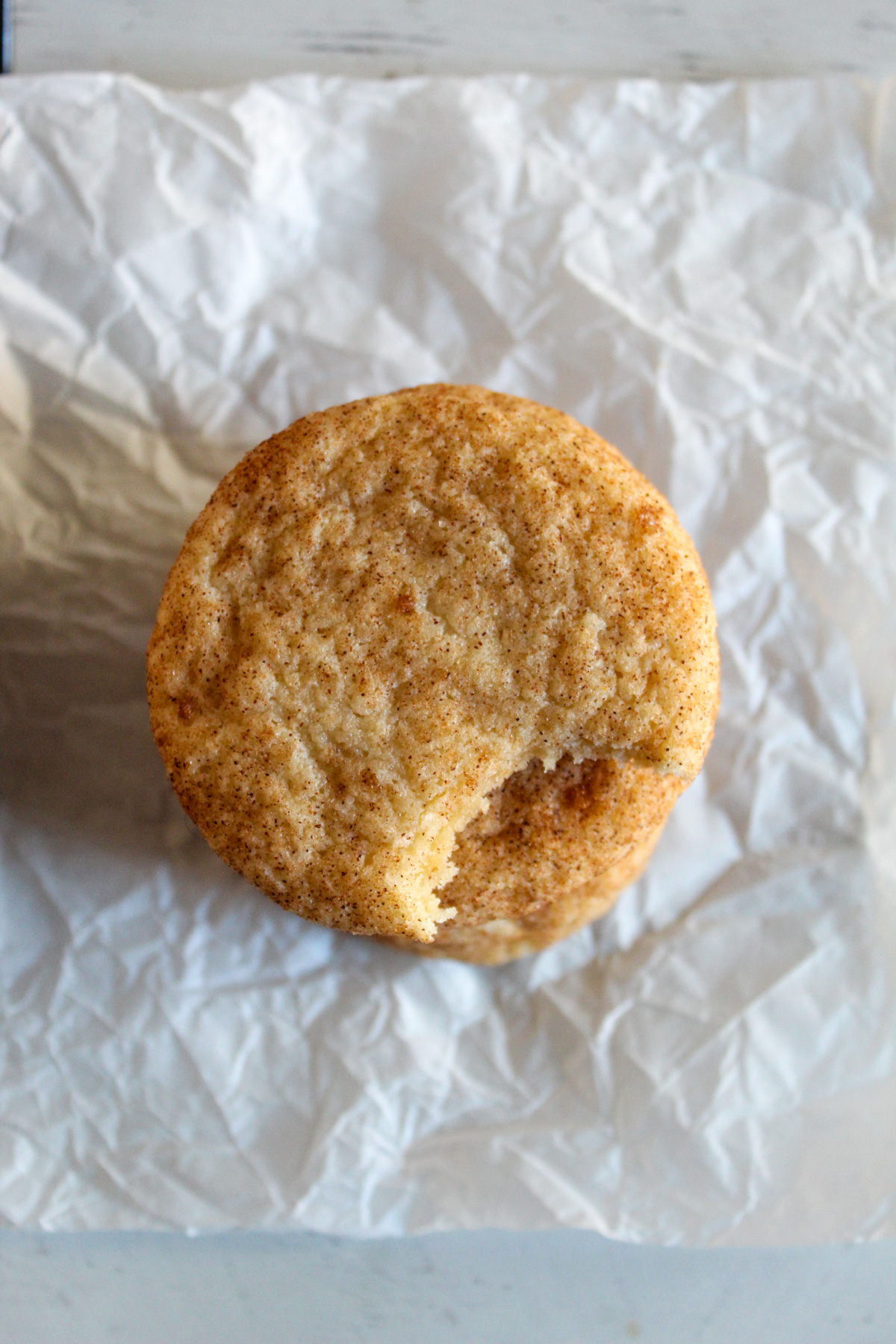
1. Why Did My Cookies Spread Too Much?
If your cookies spread more than expected, warm butter, skipping the dough rest, or using too little flour are the most likely causes. Be sure to use softened, not melted, butter, let the dough rest for 30 minutes, and always bake on a cool, parchment-lined baking sheet.
2. Why Are My Cookies Dry?
Dry cookies are usually the result of too much flour or overbaking. For the most accurate results, weigh your flour whenever possible and remove the cookies from the oven as soon as the edges are set.
3. Why Didn’t My Cookies Crack?
If your cookies didn’t develop their signature crackled tops, the oven may not have been fully preheated, or your baking powder may no longer be fresh. Using fresh leavening and baking in a properly heated oven encourages those classic snickerdoodle cracks.
4. Why Are My Cookies Crumbly?
Crumbly cookies often mean the gluten-free flour didn’t have enough time to hydrate or that too much flour was added. Letting the dough rest before baking usually solves both problems and creates a softer texture.
5. Why Are My Cookies Gummy?
A gummy center is often caused by underbaking or unevenly mixed dry ingredients. Whisk the dry ingredients thoroughly before combining them with the wet ingredients, then bake until the edges are set while the centers remain slightly soft.
6. Why Are My Cookies Hard?
Overbaking is usually the culprit. Remove the cookies while the centers still look slightly soft, then let them finish setting on the baking sheet.
Ready for another easy baking project? 6-Ingredient Flourless Chocolate Chip Cookies come together with only a handful of pantry staples.
What Makes Snickerdoodles Different From Sugar Cookies?
Snickerdoodles and sugar cookies share many of the same ingredients, but snickerdoodles are known for their generous cinnamon-sugar coating and signature crackled tops. The table below highlights the biggest differences.
| Feature | Snickerdoodles | Sugar Cookies |
|---|---|---|
| Flavor | Warm cinnamon | Mostly vanilla |
| Cinnamon-sugar coating | Yes | Optional |
| Best for Decorating | No | Yes |
| Crackled tops | Yes | Usually no |
| Texture | Chewy | Soft |
If you’re craving warm cinnamon spice and a chewy bite, gluten-free snickerdoodles are the clear winner. On the other hand, sugar cookies have a milder vanilla flavor and a firmer structure, making them the better choice for rolling, cutting, and decorating.
Prefer cookies for decorating? Our Soft Gluten-Free Sugar Cookies You Can Roll, Cut & Decorate hold their shape beautifully while staying tender.
Dairy-Free & Vegan Variations
This recipe is easy to adapt for different dietary needs and occasions. The following are a few simple variations to try.
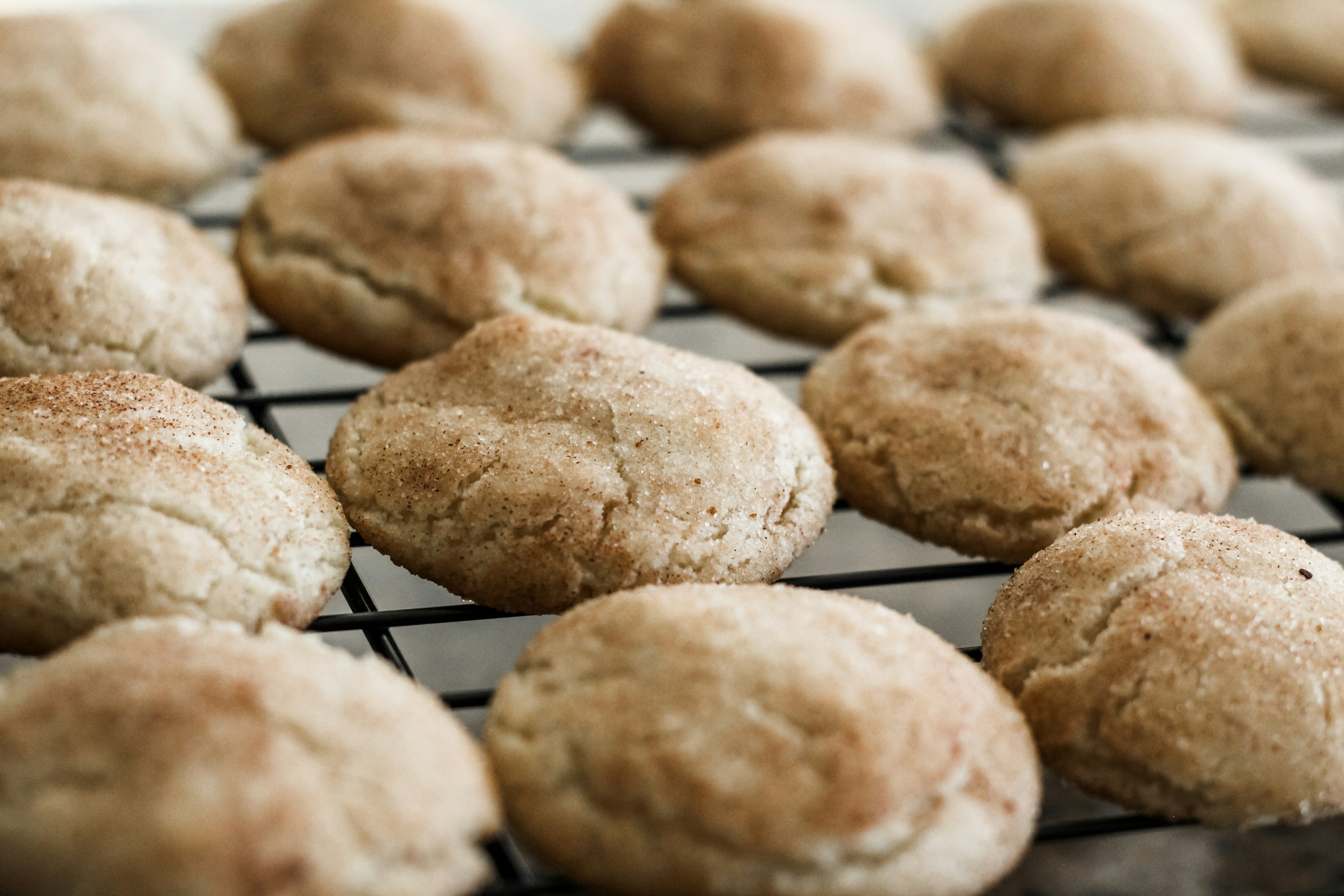
- Dairy-Free Gluten-Free Snickerdoodles: This recipe is already dairy-free when made with stick-style vegan butter. Stick butter contains less water than spreadable varieties, resulting in cookies with a texture closer to traditional butter. If dairy isn’t a concern, unsalted butter can be substituted for a richer flavor.
- Vegan Gluten-Free Snickerdoodles: Replace the egg with a flax egg (1 tablespoon ground flaxseed mixed with 3 tablespoons water) or a commercial egg replacer formulated for baking. Both options help bind the dough, although the cookies may be slightly softer.
- Pumpkin Snickerdoodles: Stir in a few tablespoons of pumpkin purée and a pinch of pumpkin pie spice. Since pumpkin adds moisture, you may need to add a little more gluten-free flour to maintain the dough’s consistency.
- Chocolate Chip Snickerdoodles: Fold your favorite gluten-free chocolate chips into the dough before shaping the cookies. The chocolate complements the warm cinnamon-sugar coating beautifully.
- Maple Snickerdoodles: Replace a small amount of the granulated sugar with pure maple syrup and add a little maple extract. Reduce the amount of liquid slightly if the dough becomes too soft.
- Mini Snickerdoodles: Roll the dough into smaller balls and reduce the baking time by 1 to 2 minutes. They’re perfect for holiday cookie trays, lunchboxes, or bite-sized desserts.
- Holiday Snickerdoodles: Add festive sprinkles to the dough or drizzle the cooled cookies with a simple vanilla glaze for an easy holiday twist.
Short on time? 5-Ingredient Flourless Peanut Butter Cookies That Always Turn Out prove that great cookies don’t require a long ingredient list.
Storage, Freezing & Make-Ahead Tips
These cookies store well, making them ideal for meal prep, holiday baking, or freezing for later. Use the table below to know how long you can keep them.
- Room Temperature: Store completely cooled cookies in an airtight container at room temperature for 4 to 5 days. For extra freshness, add a slice of bread to the container.
- Refrigerator: Store in an airtight container for up to one week and bring to room temperature before serving.
- Freezer: Freeze cooled cookies in a freezer-safe container for up to 3 months, separating layers with parchment paper. Thaw at room temperature before serving.
- How to Bake From Frozen: Bake the frozen dough directly from the freezer, adding 1 to 2 minutes to the baking time if needed.
Building a freezer stash? Gluten-Free Double Chocolate Chip Cookies (Dairy-Free) freeze just as well and make another excellent make-ahead dessert.
Frequently Asked Questions
Still have questions? Below are answers to some of the most common questions about making gluten-free snickerdoodles. If you don’t see yours here, leave it in the comments below.
Can I Make Gluten-Free Snickerdoodles without Cream of Tartar?
This recipe doesn’t require cream of tartar. Baking powder provides the lift needed to create soft, chewy cookies with lightly crackled tops, so simply follow the recipe as written.
Can I Use Almond Flour Instead of a Gluten-Free Flour Blend?
Not in this recipe. Almond flour behaves very differently from a 1-to-1 gluten-free flour blend because it contains more fat and doesn’t provide the same structure. Swapping it directly will likely result in cookies that spread too much and don’t hold their shape.
Can I Make the Dough Ahead of Time?
You can prepare the dough up to 48 hours in advance, cover it tightly, and refrigerate until you’re ready to bake. Keep it tightly covered in the refrigerator until you’re ready to bake.
Can I Double this Recipe?
This recipe doubles well without changing the ingredient ratios. If you’re making a larger batch, mix the dough in a large bowl to evenly combine the ingredients, and bake one tray at a time for the most consistent results.
Can I use salted butter?
You absolutely can. If using salted butter, simply reduce or omit the added salt in the recipe. The cookies will still have the same soft texture, although the flavor may be slightly richer.
More Gluten-Free Cookie Recipes You’ll Love
There’s no shortage of delicious gluten-free cookies. These are a few reader favorites to bake next.
- Best Gluten-Free Mexican Wedding Cookies–Easy & Delicious: Tender, buttery cookies coated in powdered sugar that melt in your mouth.
- Soft Almond Flour Peanut Butter Cookies (Foolproof Recipe): Naturally gluten-free, incredibly soft, and packed with rich peanut butter flavor.
- Soft Millet Cookies (Gluten & Dairy Free): A wholesome dairy-free cookie with a tender crumb and mild, nutty flavor that’s perfect for everyday baking.
- Oatmeal Flour Chocolate Chip Cookies – The Secret to Soft, Chewy Perfection: Soft, chewy cookies loaded with chocolate chips and made with oatmeal flour for a delicious twist on a classic favorite.
Whether you’re baking for the holidays, a cookie exchange, or a simple weeknight treat, these gluten-free cookie recipes are easy favorites to keep in your rotation.
Have You Tried This Recipe?
Did you bake these gluten-free snickerdoodles? I’d love to hear how they turned out! Leave a star rating, share your favorite variation, or ask a question in the comments below. Your feedback helps both other readers and me, and I’m always happy to help troubleshoot your next batch.