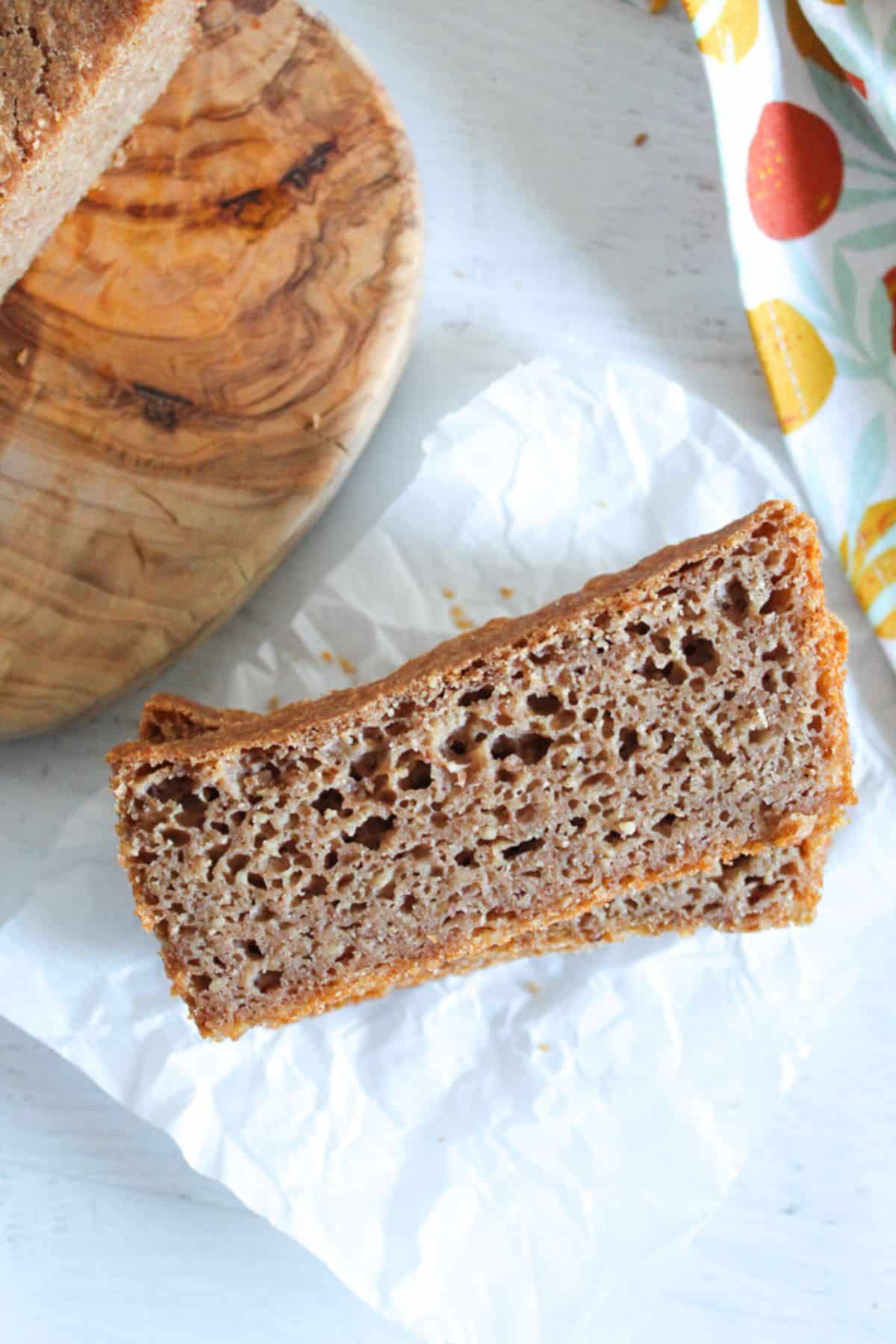
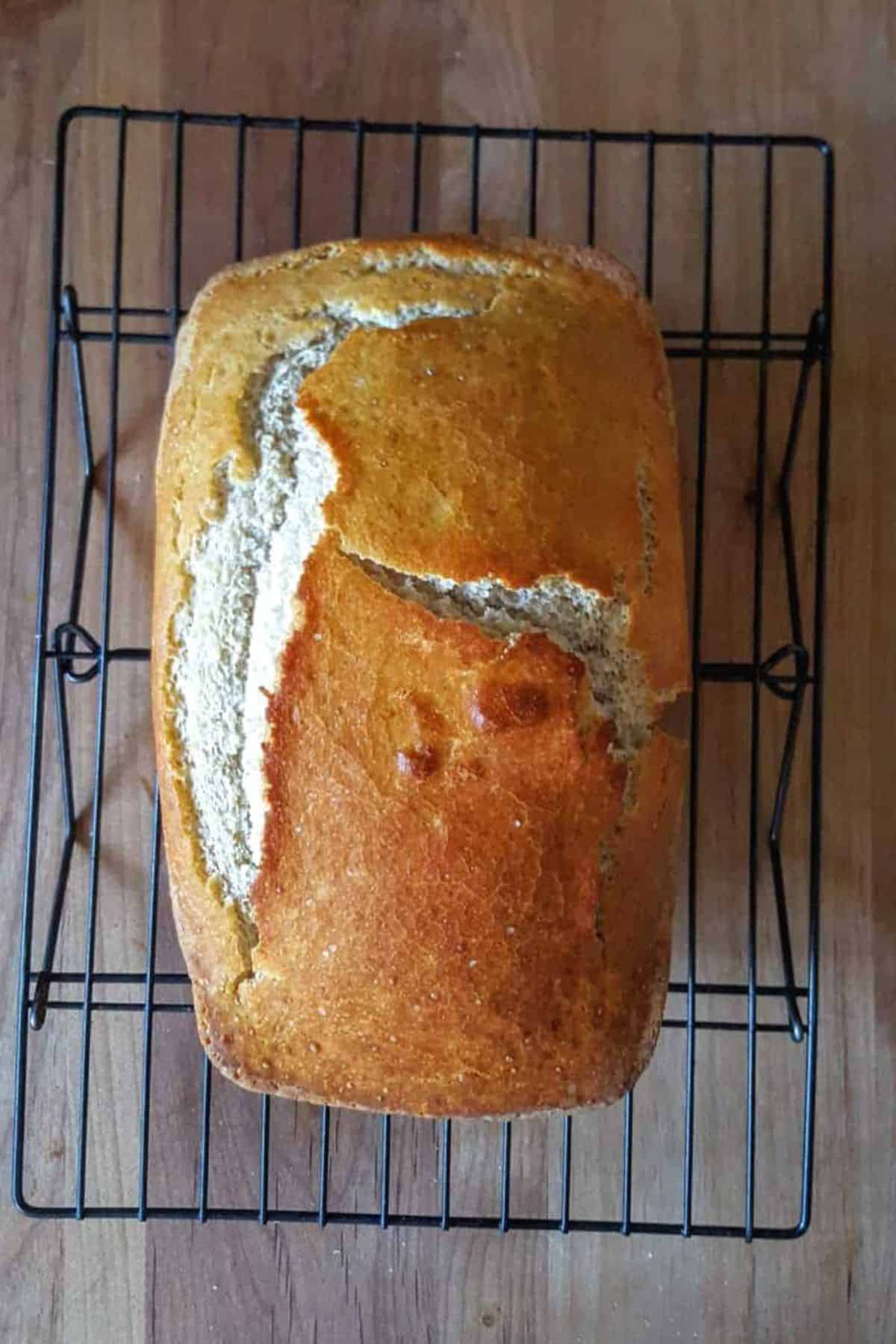
Gluten-free baking can go wrong fast: dry bread, gritty muffins, crumbly cakes, and flour blends that taste a little too obvious. That is where sorghum flour can make a big difference.
Sorghum flour is naturally gluten-free, mild in flavor, and helps add softness, structure, and a more wheat-like texture to baked goods. It works especially well in breads, muffins, rolls, pancakes, waffles, cakes, and gluten-free flour blends where you want better texture without a strong flavor.
Table of Contents
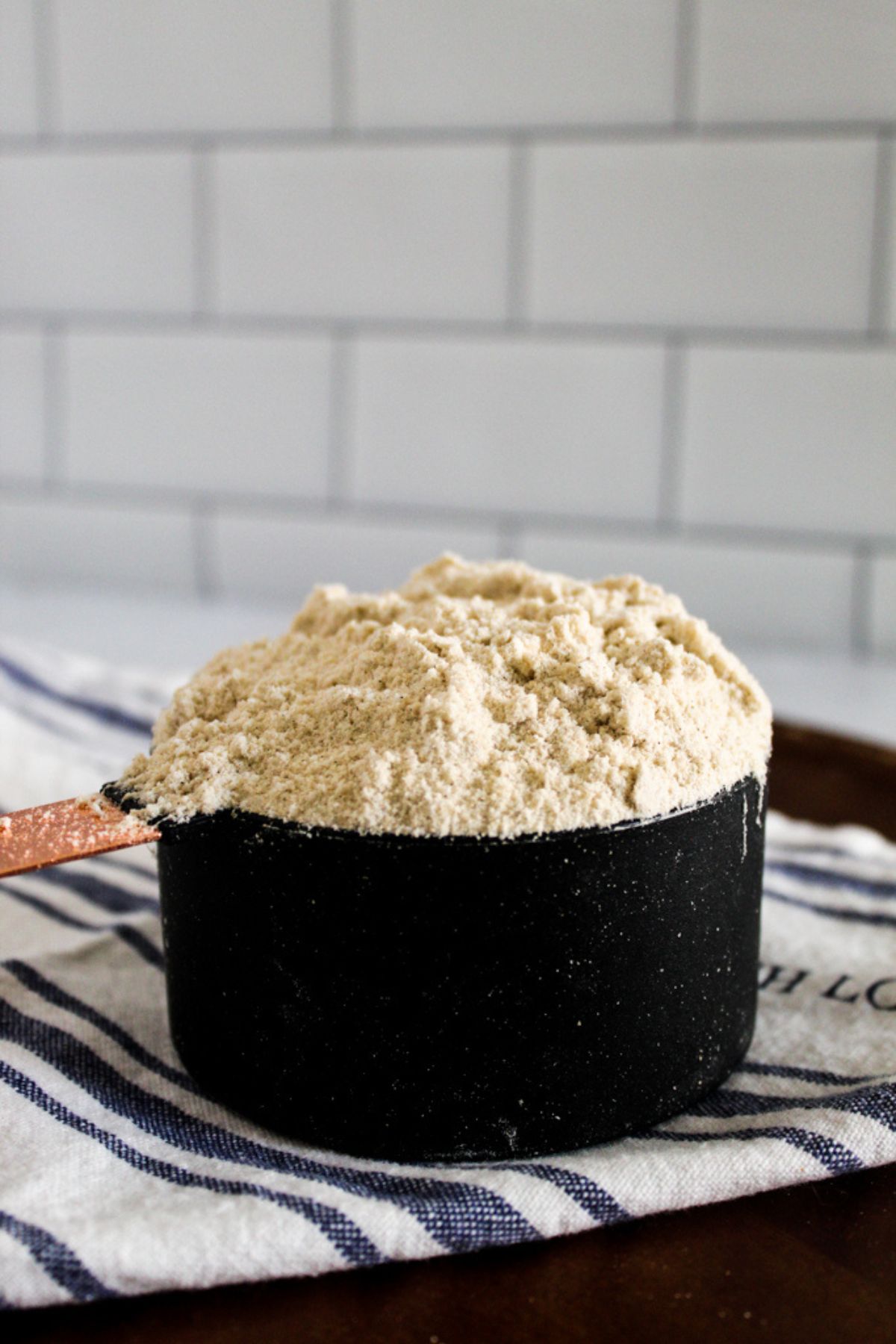
It is not always a perfect one-for-one swap, but once you know how to use it, sorghum flour can become one of the most useful flours in your gluten-free baking pantry.
In my own gluten-free baking, I like using sorghum flour when I want a softer crumb and mild whole-grain flavor without making the recipe taste heavy.
What Is Sorghum?
Sorghum is an ancient cereal grain that has been cultivated for thousands of years, with evidence suggesting it was first grown in Northeastern Africa as early as 8,000 B.C.
Today, sorghum is grown around the world and is especially valued in hot, dry regions because it can tolerate harsh growing conditions. It belongs to the same grass family as wheat and rye, but unlike those grains, sorghum is naturally gluten-free.
Sorghum is naturally gluten-free, but if you are baking for someone with celiac disease or a strict gluten-free diet, look for sorghum flour labeled gluten-free. In the U.S., foods labeled gluten-free must contain less than 20 ppm gluten. Third-party certification can offer extra reassurance, but it is different from the FDA’s gluten-free labeling rule.
What Does Sorghum Flour Taste Like?
Sorghum flour has a mild, slightly sweet, earthy flavor that works well in gluten-free baking because it does not overpower other ingredients. It is less gritty than some gluten-free flours and has a softer flavor than buckwheat or teff.
This is one reason it works well in breads, muffins, cakes, pancakes, waffles, and flour blends where you want structure without a strong whole-grain taste.
Fun fact: Did you know that sorghum can be popped like popcorn? The video below demonstrates how!
What Is Sorghum Flour?
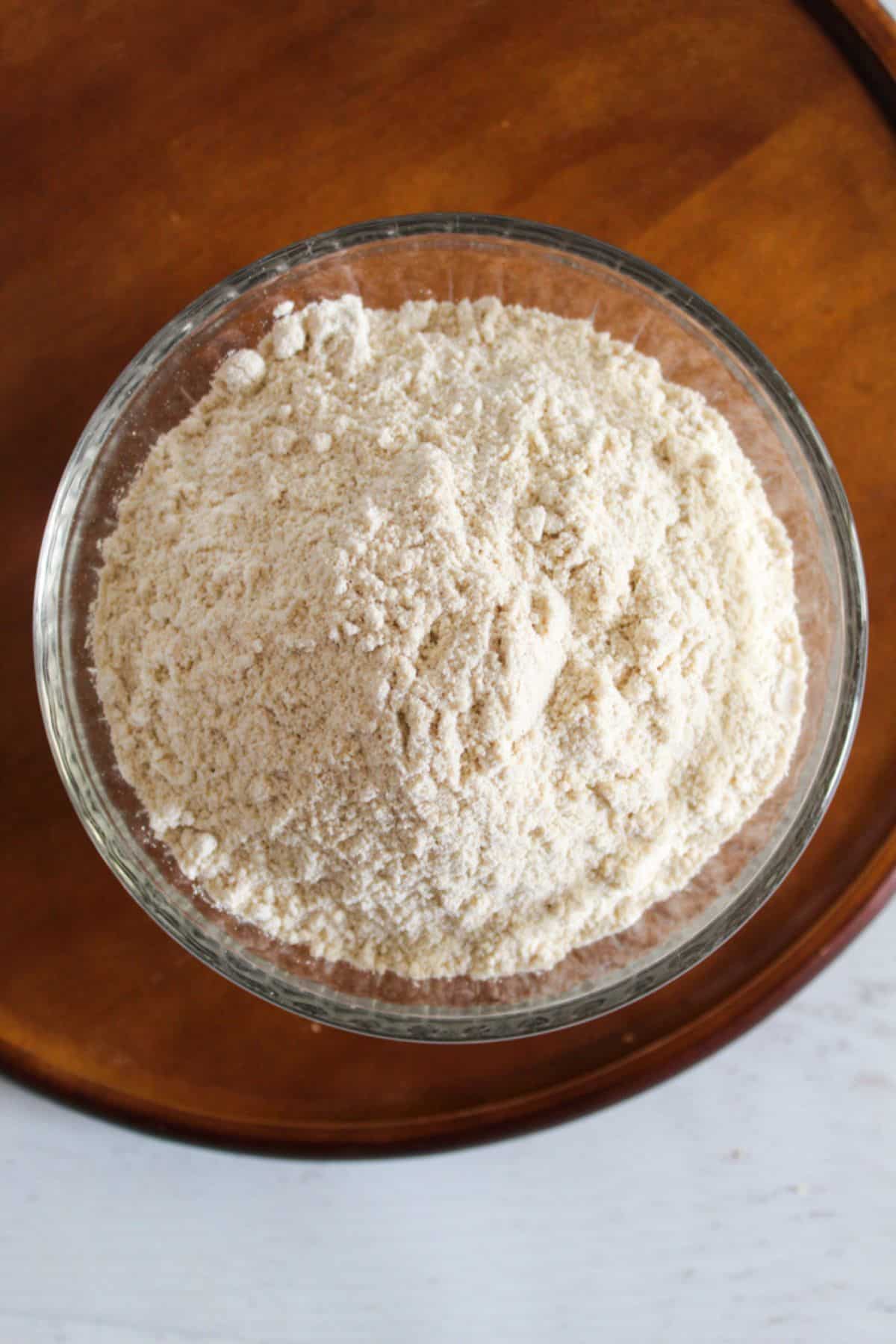
Sorghum flour is a fine powder made from sorghum. It has a very mild flavor, so it’s super versatile and can be used to make a variety of baked goods. If you’d like to scroll through our sorghum flour recipes, you might find something that catches your eye.
Sorghum flour can sometimes be substituted for other gluten-free flours, but it usually works best as part of a blend. Since gluten-free flours vary in protein, fiber, starch, and moisture absorption, you may need to adjust liquids or binders when swapping them into a recipe. This can affect their ability to absorb moisture and provide structure for baked goods.
Can You Substitute Sorghum Flour 1:1?
Sorghum flour is versatile, but it usually works best as part of a gluten-free flour blend rather than as a direct 1:1 replacement for wheat flour.
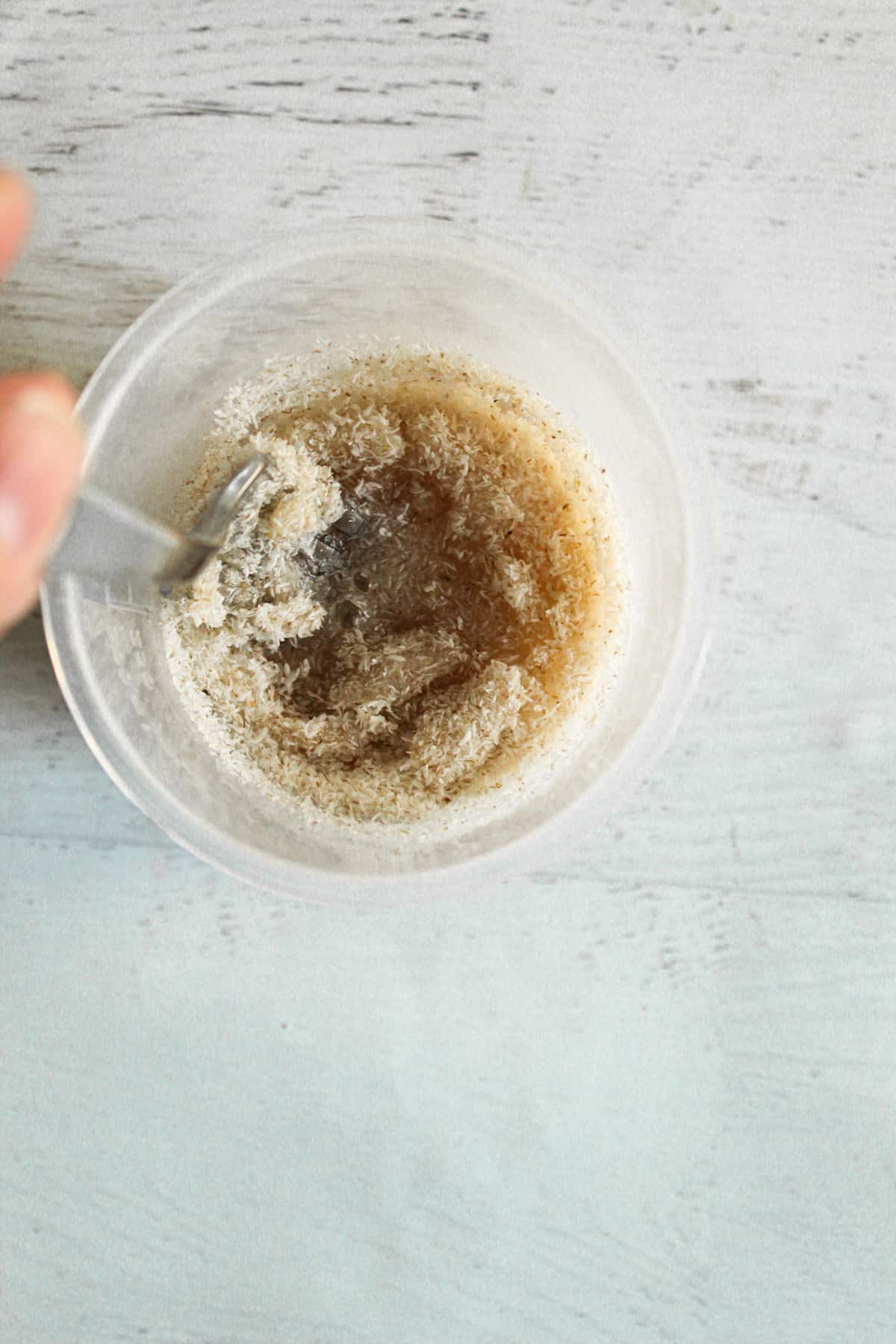
Because sorghum flour does not contain gluten, it needs support from other ingredients to create structure, softness, and the right texture. In many recipes, it pairs well with starches like tapioca starch, potato starch, or cornstarch, plus a binder such as xanthan gum, psyllium husk, eggs, or flax eggs.
If you are replacing another gluten-free flour with sorghum flour, start with a small swap instead of replacing the full amount. Sorghum flour is mild and easy to work with, but different gluten-free flours absorb moisture differently, so the recipe may need small adjustments.
Benefits of Sorghum Flour
Sorghum flour is popular in gluten-free baking because it is mild, nutritious, and easy to use in a wide variety of recipes. It contains protein and fiber, and it can help improve the texture of baked goods when paired with the right starches and binders.
Around the world, sorghum is used in many traditional foods, including flatbreads, porridges, couscous-style dishes, and tortillas.
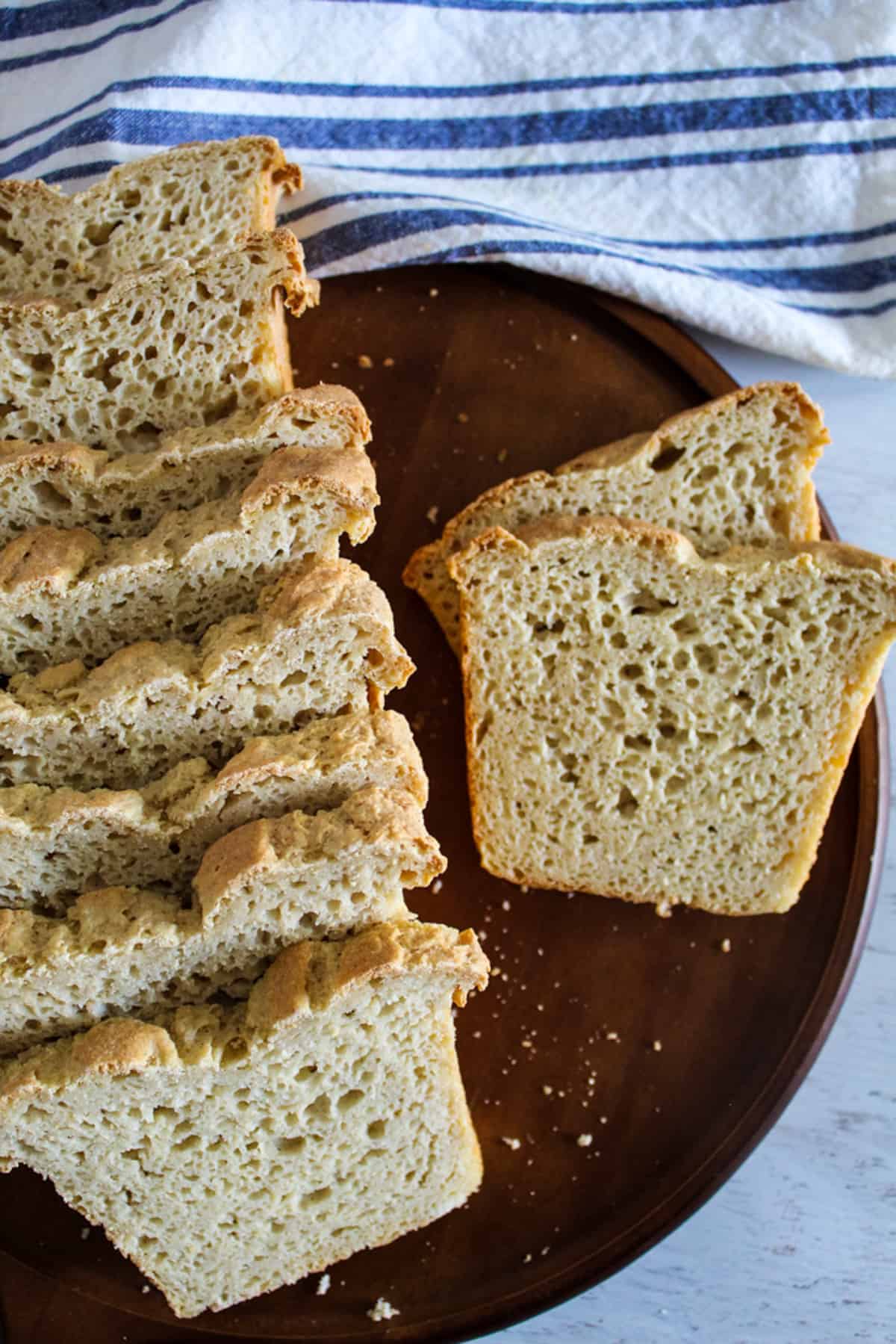
In my own kitchen, I like using sorghum flour in gluten-free flour blends, especially for recipes where I want a softer crumb and a more balanced texture, like gluten-free bread, rolls, and muffins.
I like to use sorghum flour in some flour mixes like the one I use for this artisan bread.
Also, did you know that the whole sorghum grain can be used like rice? When I have extra sorghum grain, I’ll often cook it like rice in my pressure cooker and use it for my favorite rice-based recipes. The video below demonstrates how to cook sorghum in the pressure cooker.
Pro Tip
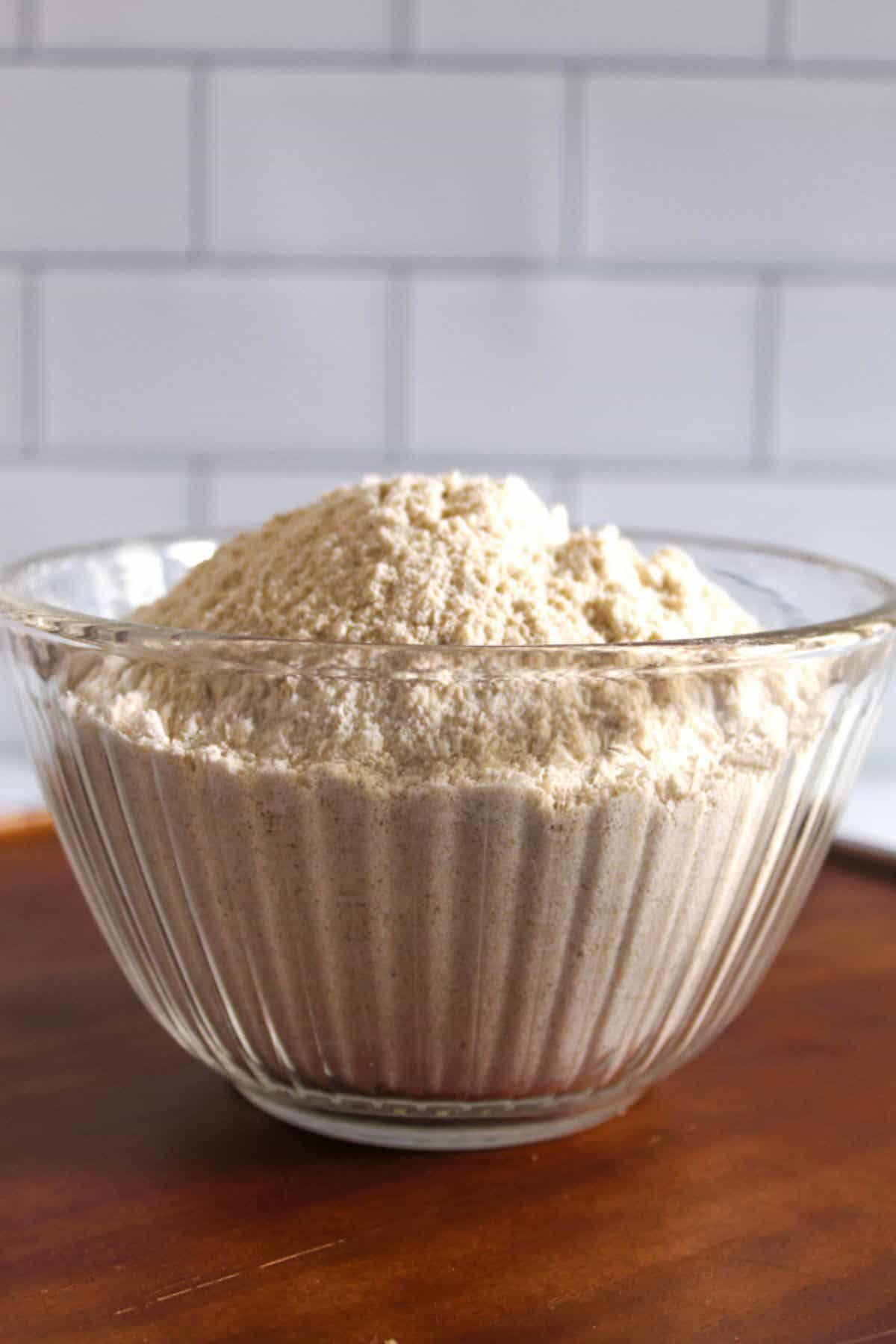
I recommend measuring ingredients (particularly flour) by grams rather than cups. It can mean the difference between a light and airy bread and a dense loaf. I’ve become heavily reliant on my digital food scale to measure gluten-free flours because they often have different densities (grams per cup), which can throw the texture of baked goods off if I don’t get the measurement exact. I want to get perfect baked goods every time. Approximately one cup of sorghum flour weighs 125 grams.
Best Uses for Sorghum Flour
Sorghum flour works best as part of a gluten-free flour blend rather than as the only flour in a recipe. It is especially helpful in recipes where you want a soft crumb and mild flavor.
Try sorghum flour in:
- Gluten-free bread
- Rolls
- Muffins
- Pancakes
- Waffles
- Cakes
- Quick breads
- Cookies
- Frying coatings
For most baking recipes, sorghum flour works best when paired with starches and other gluten-free flours to balance structure, tenderness, and moisture.
Quick Tip: Sorghum flour is helpful, but it is not usually a standalone flour. For the best gluten-free baking results, pair it with starches, binders, and other gluten-free flours to create better structure and texture.
Tips for Baking With Sorghum Flour
Sorghum flour is beginner-friendly, but a few simple tips can help you get better results.
- First, use it as part of a blend. Sorghum flour adds mild flavor, softness, and structure, but it usually needs starches and binders to create the best gluten-free texture.
- Second, pay attention to moisture. Like many gluten-free flours, sorghum flour can absorb liquid differently depending on the recipe. If a batter looks too thick or dry, it may need a little extra liquid or a short rest before baking.
- Third, measure by weight when possible. Scooping flour with a measuring cup can pack in too much flour, which may lead to dry or dense baked goods. A kitchen scale gives you more consistent results.
- Finally, let batters and doughs rest when the recipe allows. This gives the flour time to hydrate and can help reduce grittiness while improving the final texture.
How to Store Sorghum Flour
Store sorghum flour in an airtight container in a cool, dry place. For longer storage, keep it in the refrigerator or freezer to help preserve freshness and prevent the natural oils in the flour from going stale.
5 Reasons You’ll Love Baking With Sorghum Flour
If gluten-free baking has ever left you with dry, gritty, or crumbly results, sorghum flour might be the pantry staple you’ve been missing.
1. Wide Variety of Recipes
You can use this flour in so many recipes! You are not limited to just quick breads or sweets. It has a mild flavor that won’t overpower the dish you are making.
2. Easy to Use
Because sorghum flour has such a light flavor and pale appearance, it won’t discolor or weigh down recipes. For those reasons, it’s really easy to use in all types of recipes.
If you would like to substitute sorghum for another gluten-free flour, it can be done easily, depending on the recipe. The secret is to refer to this guide to gluten-free flours to make sure the flours are a good match. If you are using it as a coating before frying, you can use the same amount as you would with regular flour.
3. Healthy & Nutritious
Sorghum flour brings more than mild flavor to gluten-free baking. It contains fiber, protein, and minerals such as magnesium, phosphorus, and manganese. Sorghum also contains antioxidant compounds, which is one reason it has been studied for potential benefits related to blood sugar, satiety, and oxidative stress.
So you could say sorghum is a healthy, super-flour!
4. Improves Texture
Sorghum will help to improve the texture of your baked goods. Because it contains 8.27 grams of protein and 8.16 grams of dietary fiber per 100 grams of flour, it will give your breads, rolls, and muffins stability and structure. And, many people say sorghum flour tastes a lot like wheat flour. When you use it as a frying coating, it produces a tasty, crispy finish.
5. Easy to Find and Store
Sorghum flour is fairly easy to find in the baking aisle of most health food stores and some grocery stores. I’ll sometimes buy it online if I have trouble finding it in the local grocery store, and the health food store is sold out. Bob’s Red Mill is my default go-to brand for gluten-free flour.
Store your flour in a cool, dry place, and it will keep for months. You don’t have to refrigerate the flour, but if you would like to store it for a longer period of time, you can keep it in the refrigerator or freezer. Keep it in an air-tight, moisture-proof metal or glass container, or in plastic freezer bags. And, as always, bring it to room temperature before using it.
If you are experimenting with different gluten-free flours, sorghum may just be the one to incorporate into your mix. It’s easy to use and store, gives your baked goods a nice texture, offers many health benefits, and has a mild flavor that won’t overpower your food. These are just a few reasons why you’ll love baking with sorghum flour.
FAQ About Sorghum Flour
Have any questions about sorghum flour? I did my best to answer some of the more common questions here. If you have one I haven’t answered yet, feel free to ask in the comments section, and we’ll try to answer as soon as possible.
Is sorghum flour gluten-free?
Sorghum is naturally gluten-free. Look for the “Certified Gluten-Free” label on the packaging to make sure it hasn’t gotten cross-contaminated at the processing facility.
Can I make sorghum flour at home?
It’s easy to make your own sorghum flour if you want. If you get your hands on some sorghum grain, put as much as you need in a food processor and grind it into a fine, consistent powder.
Is sorghum flour a cup-for-cup substitute for other flours?
Unfortunately, no, not every time. While it can successfully replace some flours, differences in the protein and fiber content might require adjustments to other ingredient amounts to compensate. Replacing millet flour with sorghum flour may require adding more binder, for instance. (Eggs, xanthan gum, and a mix of flaxseed meal and water are common binders.)
Are there different types of sorghum flour?
There are! Grain sorghum is most commonly used for flour, especially the lighter-colored varieties such as tan, cream, and white. Other varieties include forage sorghum, used to feed livestock, and biomass sorghum, used to produce ethanol.
Ready to Bake With Sorghum Flour?
Once you get comfortable using sorghum flour, it can become one of the most useful ingredients in your gluten-free pantry. Its mild flavor, soft texture, and versatility make it easy to use in breads, muffins, cookies, pancakes, and more.
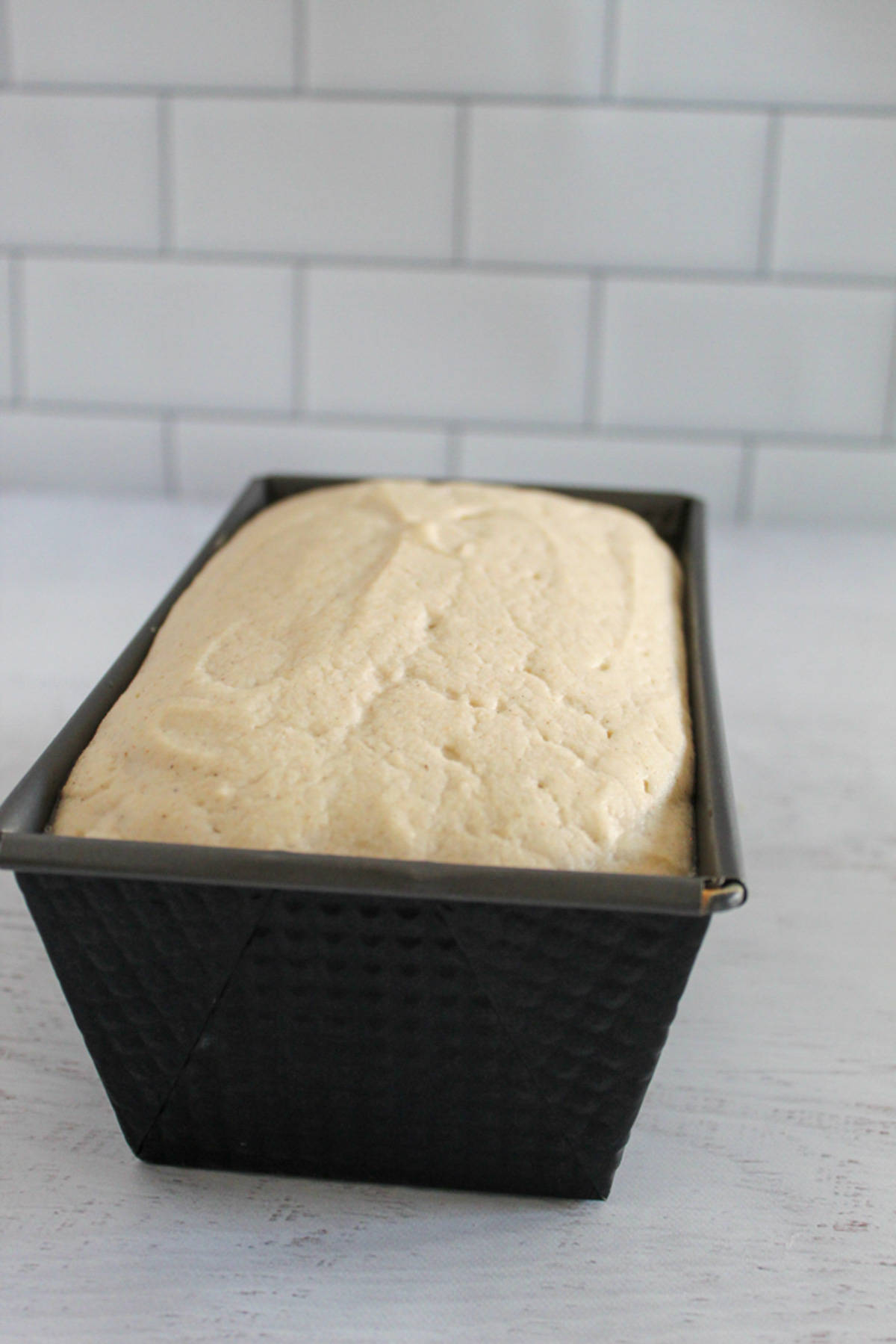
Ready to try it? These gluten-free recipes show how sorghum flour can add softness, structure, and mild flavor to everyday baking.
Start with one of the recipes below to see how sorghum flour works in real gluten-free baking.
Recipes Using Sorghum Flour
The best way to understand sorghum flour is to bake with it. These gluten-free recipes use sorghum flour to add softness, structure, and a mild whole-grain flavor without overpowering the other ingredients.
- Artisan Bread
- Gluten-Free Easter Bread
- Sorghum Sandwich Bread
- Gluten-Free Pumpkin Waffles
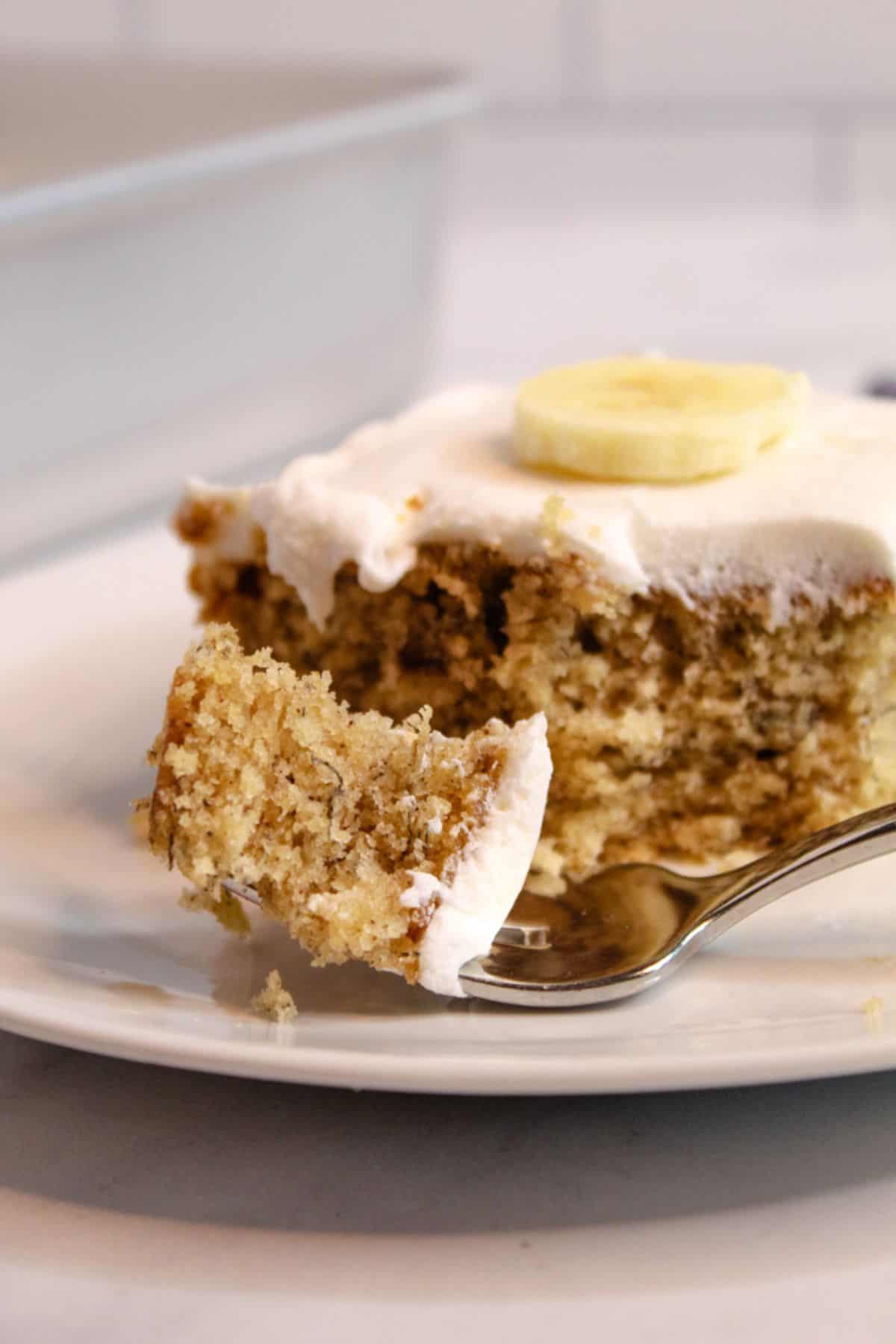
- Gluten-Free Banana Cake
Once you see how well sorghum flour works in gluten-free recipes, it just might earn a permanent spot in your baking pantry.
Have You Baked With Sorghum Flour?
I’d love to hear how you use it! Leave a comment below and share your favorite way to bake with sorghum flour, whether it’s in bread, muffins, pancakes, cookies, or your own gluten-free flour blend.