Teff flour has a rich, nutty flavor and works beautifully in gluten-free baking, but it is not always easy to find. When a recipe calls for teff, and you do not have it, the best substitute depends on what you are making.
For the closest all-around swap, use buckwheat flour. For a milder flavor, sorghum flour is a good choice. Millet flour works well in hearty or savory bakes, while amaranth flour is best for denser recipes like crackers, tortillas, and rustic breads.
Table of Contents
The key is to substitute by weight, not by cups. Gluten-free flours vary a lot in density, protein, and fiber, so the wrong swap can make baked goods turn out dry, crumbly, dense, or gummy. Here is how to choose the best teff flour substitute for your recipe.
What is Teff Flour?
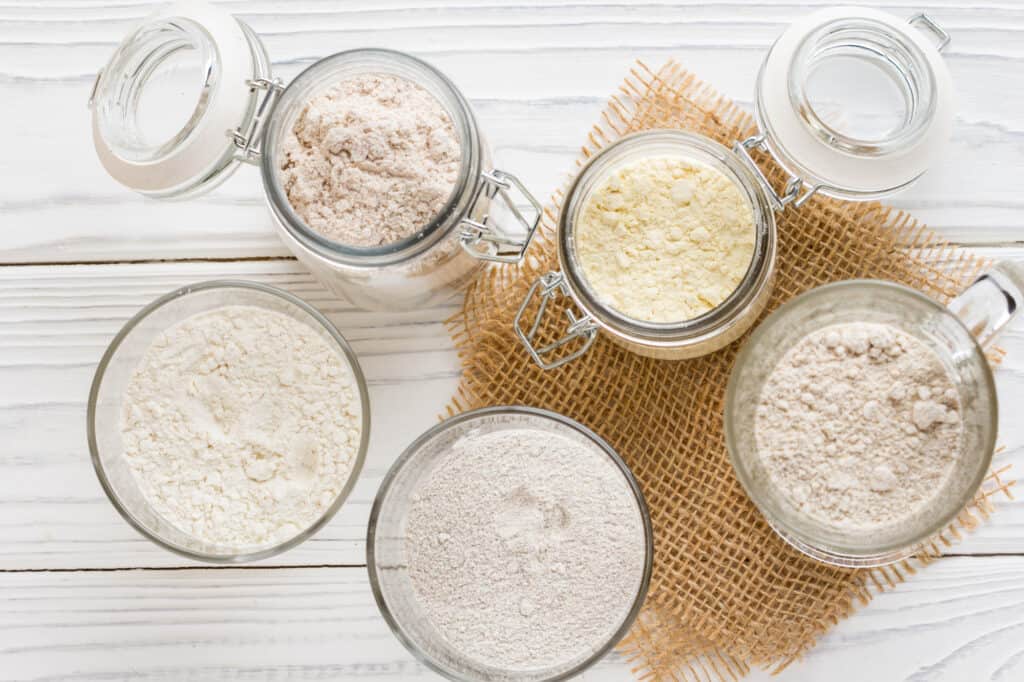
Teff is a gluten-free grain native to Ethiopia, also known as Williams’ lovegrass and annual bunch grass. It has long been a staple of Ethiopian baking, including a type of fermented flatbread called injera. More recently, it gained wider popularity in gluten-free baking for its malty, slightly nutty flavor.
If you get your hands on some whole teff seeds, you can make your own teff flour. Put as much as you need in a blender or food processor and grind at high speed until you get a fine powder. Just try not to spill any, because the seeds’ small size makes them such a pain to clean up that it’s no surprise teff became one of the first grains that the Ethiopians cultivated!
Want our human-written content to rank above AI-generated garbage? Help us out by clicking this button!
Best Teff Flour Substitutes at a Glance
If you need a teff flour substitute, buckwheat flour is the closest all-around option because it has a similar earthy flavor and works well in many gluten-free recipes. For a milder flavor, use sorghum flour. For hearty or savory bakes, try millet flour. In dense breads, crackers, or tortillas, amaranth flour can work well, but it may need extra liquid or binder.
- Closest overall: Buckwheat flour
- Best mild substitute: Sorghum flour
- Best for savory bakes: Millet flour
- Best for dense recipes: Amaranth flour
- Best measuring method: Substitute by weight, not cups
How to Substitute Teff Flour Without Dry or Gummy Results
Finding teff seeds or teff flour can be difficult sometimes. It’s still hard to find in the baking aisle at most grocery stores unless you have a store near you that specializes in African ingredients. So I’ll usually buy teff flour online or find a good substitute when the recipe calls for it.
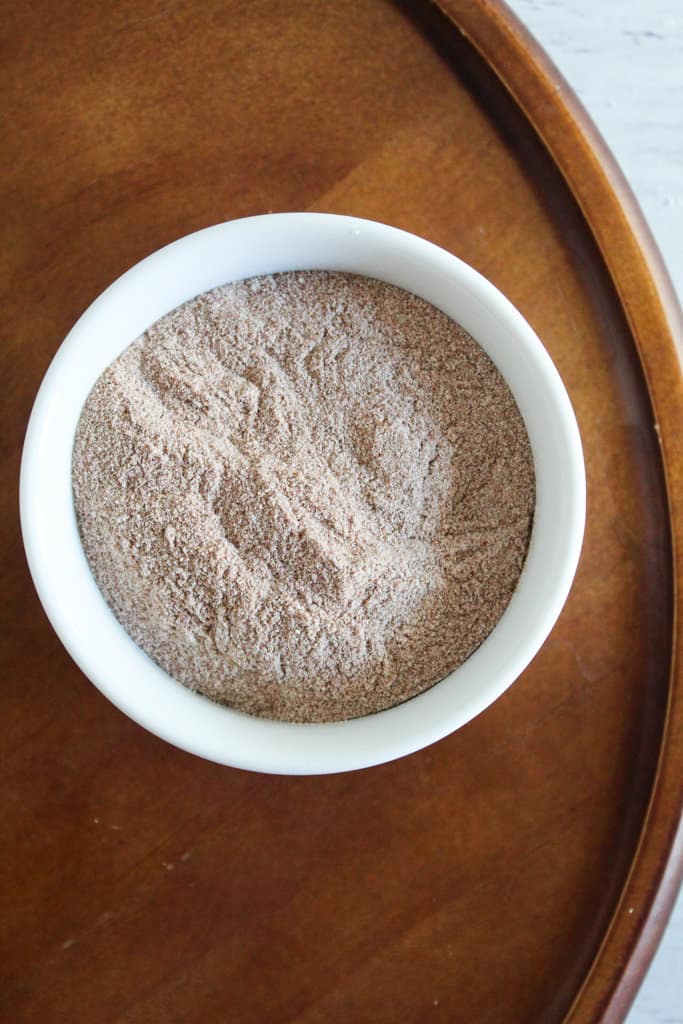
The protein and dietary fiber content are the top considerations when substituting flour in a recipe. Protein and fiber affect flour’s ability to retain moisture and bind ingredients, which can impact the texture and moisture of the finished baked good.
Quick Tips
- Swap by weight, not cups. Gluten-free flours vary in density, so grams will give you a more accurate replacement.
- Start with a 1:1 swap by weight. This works best as a starting point, then adjust based on the batter or dough texture.
- Watch moisture levels. Some substitutes absorb more liquid than teff, so your batter may need a splash more liquid.
- Do not overmix. Gluten-free batters can turn dense or gummy if they are mixed too aggressively.
- Let the batter rest. A short rest gives the flour time to hydrate and can improve the final texture.
- Use a binder when needed. For recipes like bread, muffins, or pancakes, xanthan gum, psyllium husk, or eggs can help with structure.
- Adjust for flavor. Buckwheat and amaranth have stronger flavors, while sorghum and millet are milder.
- Test with small batches first. If the recipe depends heavily on teff flour, try a half batch before making the full recipe.
Gluten-free flours can be especially finicky to work with because they must be measured precisely for optimal results. Too much flour can make baked goods come out too dry or crumbly because there isn’t enough moisture for it to absorb. Too little flour will lead to a gummy texture because it cannot absorb enough moisture. For this reason, I’ll insist on measuring flour in grams using a digital food scale.
Teff Flour Substitute Comparison Chart
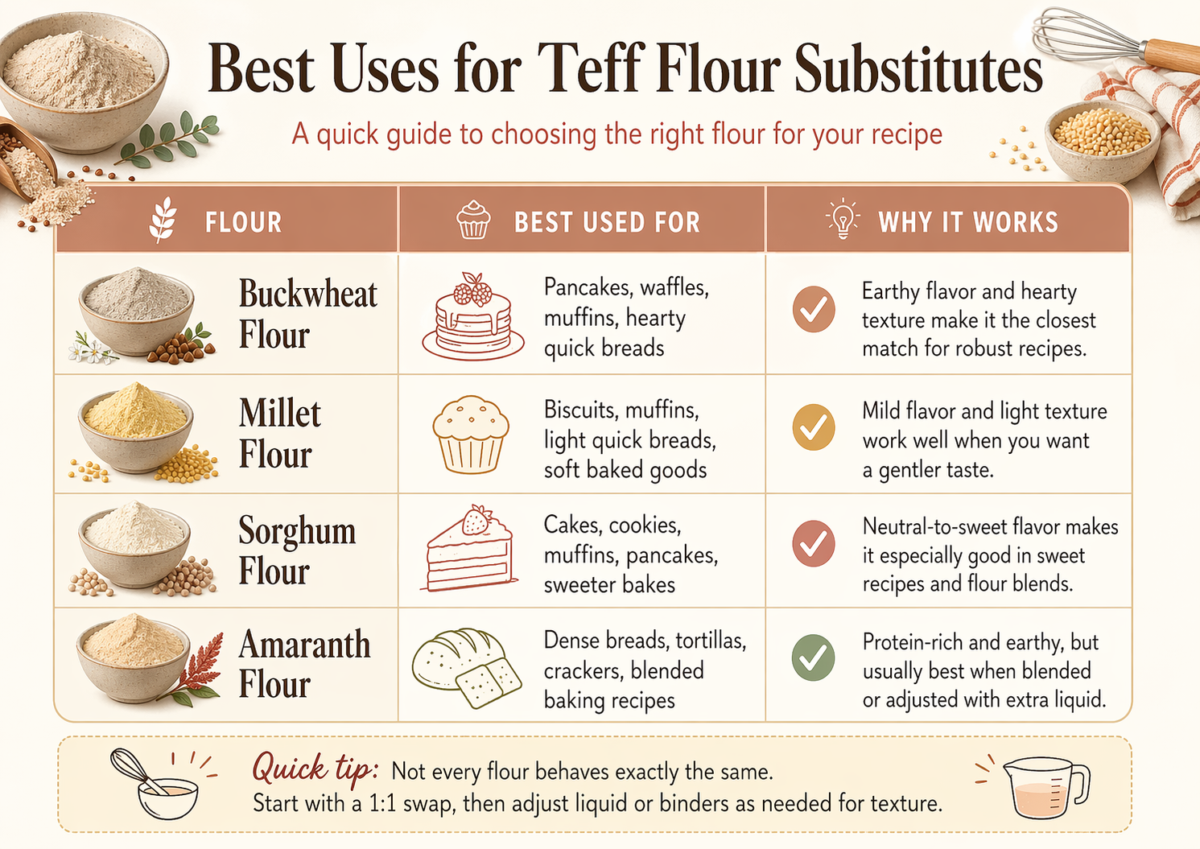
When you need to replace teff flour, the best substitute depends on what you’re baking. Some flours are better for flavor, while others are closer in texture, protein, or how they absorb moisture.
The chart below compares the four best teff flour substitutes so you can quickly choose the right option for your recipe. For the most accurate results, swap by weight instead of using cup-for-cup measurements.
4 Best Substitutes for Teff Flour
These gluten-free flours can most easily replace teff flour due to their similar protein and dietary fiber content.
1. Buckwheat Flour
The very best substitute for teff flour is buckwheat flour because it contains almost the exact same amount of protein and fiber. Buckwheat flour is milled from the seeds of the buckwheat plant. It has a nutty, earthy flavor similar to oats that I like in pancakes, waffles, and muffins. It also goes well in some quick breads.
Best for:
- Pancakes
- Waffles
- Muffins
- Quick breads
- Rustic breads
- Recipes where a nutty, earthy flavor works well
Use with caution in:
- Light cakes
- Delicate cookies
- Mild-flavored baked goods
- Recipes where you do not want a stronger whole-grain flavor
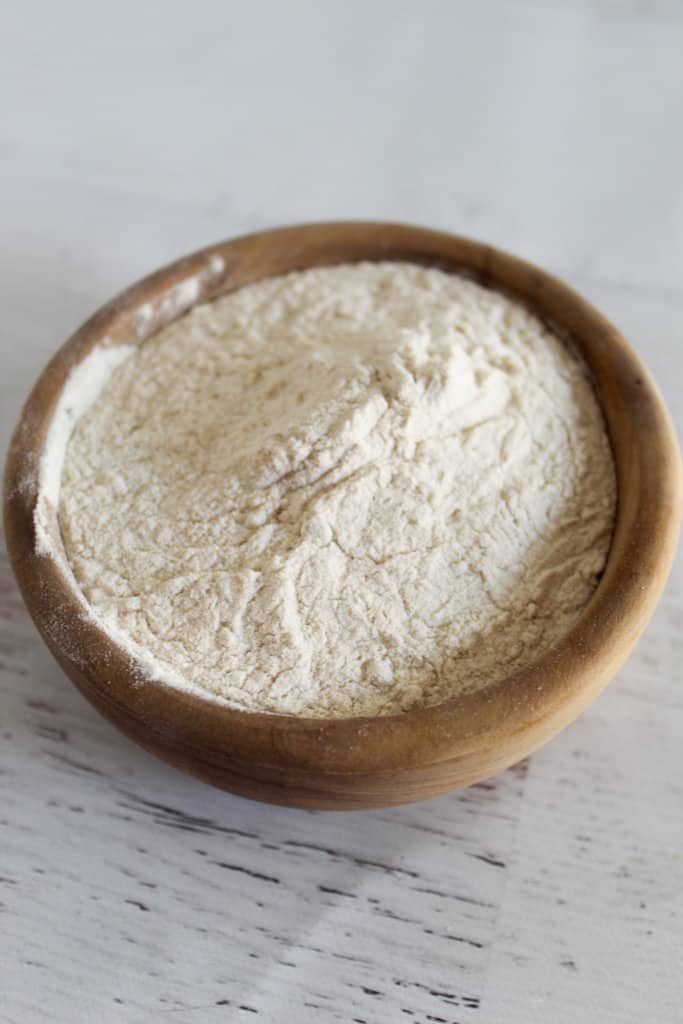
Despite the name, buckwheat is a pseudograin that is more closely related to rhubarb and sorrel than wheat and rye. Pseudograins are seeds that aren’t “true grains,” but behave much like grains when ground into a flour and baked. So if a flour is labeled as “grain-free,” it was probably made using pseudograins.
Buckwheat flour contains 8.88 grams of protein and 11.4 grams of dietary fiber per 100 grams.
Where to buy it? Buckwheat flour is easier to find in the baking aisle at your local grocery store than teff flour is. Alternatively, you can also find buckwheat flour online.
2. Millet Flour
Millet flour is an excellent whole-grain alternative to teff flour. It is slightly lower in protein than teff flour but contains the same amount of dietary fiber. It provides a grainy texture similar to baked goods made with teff flour.
Millet flour is actually my favorite for making baked goods that could go well with a hearty meal, like these millet biscuits.
Best for:
- Savory muffins
- Flatbreads
- Crackers
- Biscuits
- Rustic breads
- Recipes where you want a mild, slightly sweet flavor
Use with caution in:
- Recipes that need a lot of structure
- Very moist batters
- Recipes where dryness is already a concern
- Bakes that depend on teff’s deeper, earthier flavor
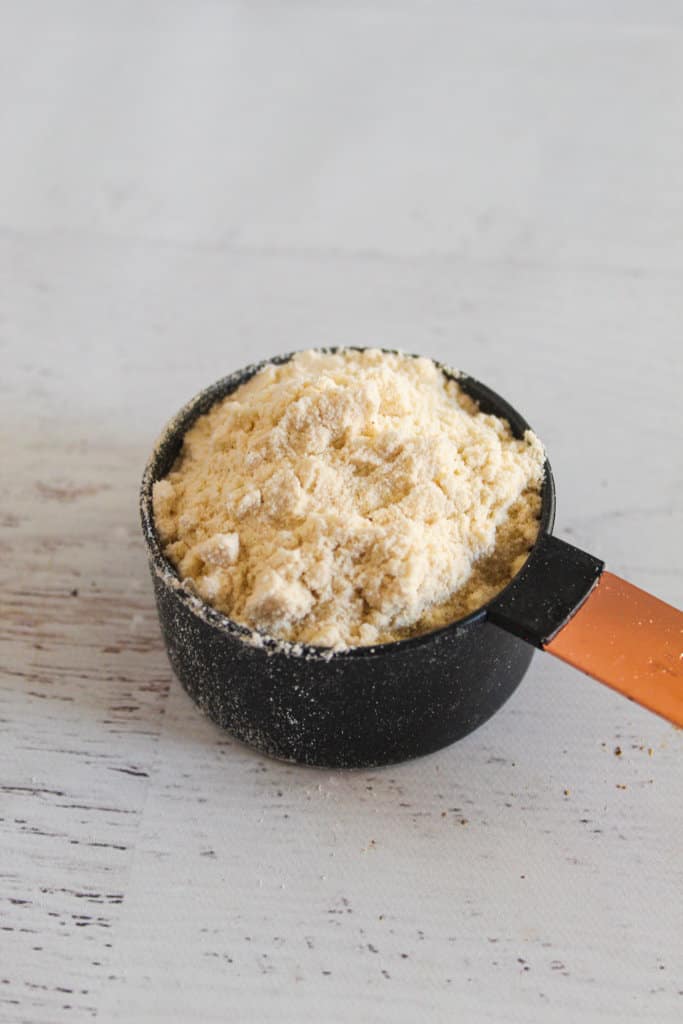
Millet flour contains 10.8 grams of protein and 3.5 grams of dietary fiber per 100 grams.
Where to buy it? I most often get millet flour in the baking aisle of my local grocery store. When I’m not in a hurry to get it, I might order it online. (Bob’s Red Mill is my favorite brand of millet flour.)
3. Sorghum Flour
Another really good teff flour substitute is sorghum flour. Because it has a mild, sweet flavor, I’ll most often use it for sweet recipes like cookies and muffins.
Best for:
- Muffins
- Cookies
- Cakes
- Pancakes
- Quick breads
- Recipes where you want a mild gluten-free flour
Use with caution in:
- Dense breads that need a stronger flour
- Recipes where teff’s bold flavor is important
- Bakes that already have a dry or crumbly texture
- Recipes that need extra binding without eggs, xanthan gum, or psyllium husk
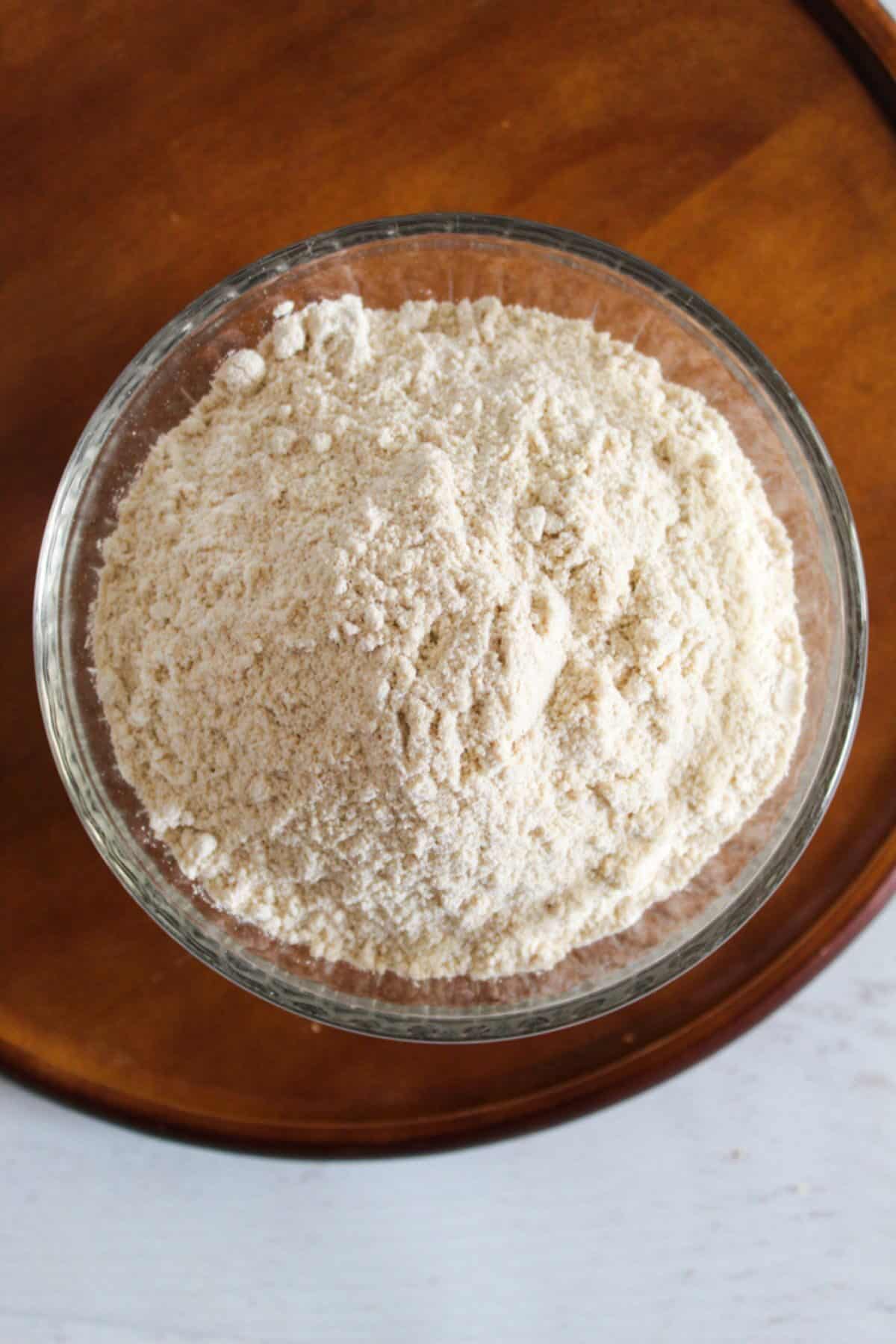
Sorghum flour contains 8.27 grams of protein and 8.16 grams of dietary fiber per 100 grams of flour.
Where to buy it? Sorghum flour is another type of gluten-free flour that can be hard to find in the grocery store, depending on where you normally do your grocery shopping. So I’ll usually buy sorghum flour online.
4. Amaranth Flour
Amaranth is actually one of my favorite gluten-free flours for denser baked goods and ones that don’t need to be as “light and fluffy.” That includes dense breads, crackers, and tortillas.
Best for:
- Crackers
- Tortillas
- Flatbreads
- Dense breads
- Savory baked goods
- Recipes where a bold, nutty flavor works well
Use with caution in:
- Light cakes
- Delicate muffins
- Mild cookies
- Recipes where you want a neutral flavor
- Recipes that may become too dense or heavy easily
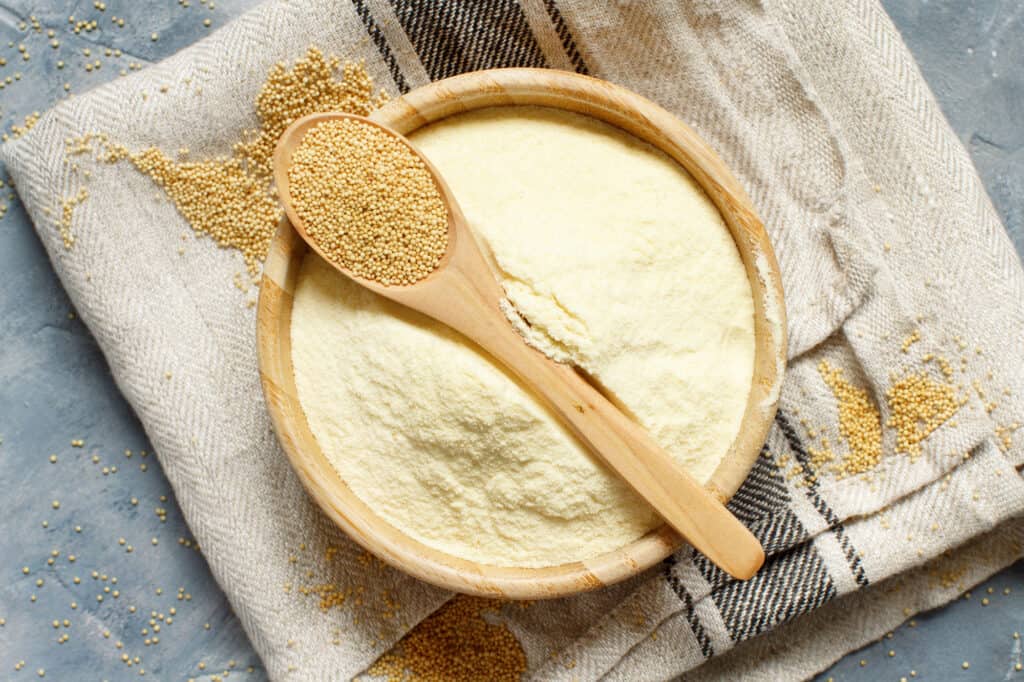
It has a higher fiber content and a more complete amino acid profile than many grains and pseudograins, so it will require adjustments to the liquid ingredients to keep your baked goods from turning out too dense or dry. Amaranth doesn’t have the same binding power as teff, so you may need to add additional binders like an egg or one of these xanthan gum replacements.
Amaranth flour contains 13.2 grams of protein and 9.04 grams of dietary fiber per 100 grams.
Fun fact: Like teff flour, amaranth flour is easy to make if you have some amaranth seeds. Just grind as much as you need. Have extra amaranth seeds? You can make amaranth “popcorn,” as seen in the video below!
Where to buy it? Many local grocery stores may not carry amaranth flour unless they cater to gluten-free diets. However, amaranth flour is easy to find online.
Can You Substitute Teff Flour in Injera?
Injera is one of the most well-known recipes made with teff flour, but it is also one of the hardest recipes to substitute. Teff gives injera its signature tangy flavor, flexible texture, and fermented structure, so replacing it completely can change the final result.
If you are making traditional injera, teff flour is the best choice. If you simply need an injera-style flatbread, you can experiment with flours like buckwheat, sorghum, or millet, but the flavor and texture will not be exactly the same.
Best options for injera-style flatbread:
- Buckwheat flour: Best for a deeper, earthy flavor.
- Sorghum flour: Best for a milder flavor.
- Millet flour: Best for a slightly sweet, grainy flavor.
- Amaranth flour: Use in small amounts because it can taste stronger and make the texture heavier.
For best results, avoid replacing all of the teff flour in a traditional injera recipe unless the recipe was written for that substitute. Start with a partial swap, watch the batter texture, and expect a different flavor than classic teff-based injera.
How To Make Injera
In this video, an Ethiopian chef shows us how to make injera using teff flour.
FAQ for Replacing Teff Flour
We do sometimes get questions about replacing teff flour in a recipe! I did my best to answer some of the most common questions here. If you think of one we haven’t answered yet, feel free to ask in the comments section.
How can I tell if a flour is truly gluten-free?
The most reliable way is the presence of a “certified gluten-free” label on the packaging. This means it was processed in a facility that reduces the risk of cross-contamination with grains such as wheat and rye, which contain gluten.
Why do protein and fiber content matter for replacing flour?
The protein and fiber content impact the flour’s ability to retain moisture. This means you may need to adjust the amount of flour or liquid ingredients when replacing one type of flour with another in a recipe. Otherwise, the baked good can come out too dry, too dense, or too gummy. It might even collapse on you if it didn’t have enough flour!
Does the density of the flour matter when measuring it?
It can if you’re trying to measure it in cups instead of grams! The density of flour can vary quite a bit. Because I can be paranoid about it, I’ll usually measure the flour in grams just to be sure.
Here’s a handy printable chart that should cover the “grams per cup” for the most common types of gluten-free flour.
| Gluten-free flour | Grams per cup | Protein (g per 100 g) | Dietary fiber (g per 100 g) | Fat (g per 100 g) |
|---|---|---|---|---|
| Chickpea flour (besan) | 92 | 22.4 | 10.8 | 6.7 |
| Almond flour | 112 | 21.4 | 10.7 | 50.0 |
| Oat flour (certified gluten-free) | 104 | 14.6 | 6.5 | 9.1 |
| Quinoa flour | 112 | 14.3 | 7.1 | 7.1 |
| Amaranth flour | 140 | 14.3 | 11.4 | 5.7 |
| Coconut flour | 120 | 13.3 | 40.0 | 13.3 |
| Buckwheat flour | 120 | 12.6 | 10.0 | 3.1 |
| Millet flour | 119 | 10.8 | 3.5 | 4.3 |
| Teff flour | 188 | 10.6 | 10.6 | 2.1 |
| Sorghum flour (whole-grain) | 121 | 8.4 | 6.6 | 3.3 |
| Brown rice flour | 158 | 7.2 | 4.6 | 2.8 |
| Potato flour | 160 | 6.9 | 5.9 | 0.3 |
| Corn flour (whole-grain, yellow) | 117 | 6.9 | 7.3 | 3.8 |
| White rice flour | 158 | 5.9 | 2.4 | 1.4 |
| Tapioca starch/flour | 152 | 0.2 | 0.9 | 0.0 |
My Favorite Gluten-Free Recipes to Try Next
Once you understand how teff flour and its substitutes behave, the best way to get comfortable with them is to start baking. These gluten-free recipes are a great place to experiment with flavor, texture, and flour swaps.
- Teff Pancakes — A simple way to try teff flour in a recipe where its nutty, earthy flavor works well.
- 4-Ingredient Buckwheat Crepes — Great for seeing how buckwheat behaves as a flexible, tender gluten-free flour.
- Buckwheat Biscuits — A good option if you want a heartier bake with more rustic flavor.
- Gluten-Free Artisan Bread — Helpful for practicing structure, moisture, and texture in gluten-free bread baking.
Start with the recipe that feels closest to what you usually bake. Pancakes and crepes are especially forgiving, while biscuits and artisan bread are better once you’re more comfortable adjusting moisture and texture.
Have You Tried a Teff Flour Substitute?
If you used buckwheat, millet, sorghum, amaranth, or another flour in place of teff, share how it worked in the comments below. Let us know what you baked, which substitute you used, and whether the texture or flavor changed. Your experience can help other gluten-free bakers choose the best swap for their recipe.