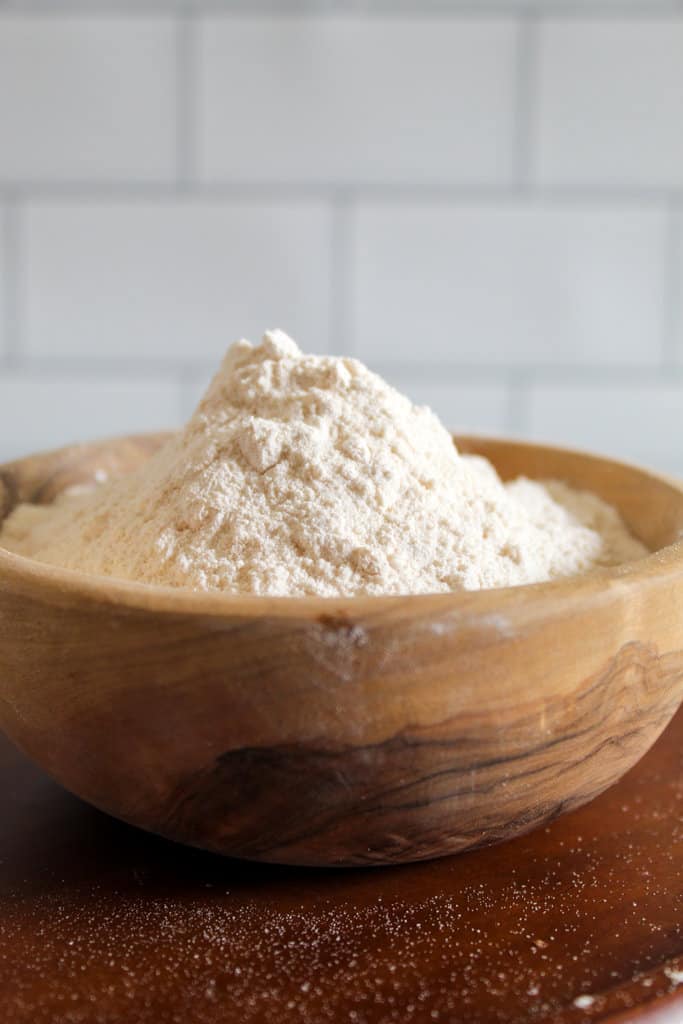
Most of us have a bag of flour sitting somewhere in the pantry right now. Maybe it’s a fresh bag you picked up for a weekend baking project, or maybe you’ve been storing flour, tucked away on a shelf for months, or even longer. And if you’re like many home bakers, you’ve probably wondered at some point: Does flour actually go bad? But if you accidentally used an expired or rancid batch of flour, you and your taste testers will know immediately that something doesn’t taste right.
It’s easy to assume flour lasts forever. After all, it’s a dry pantry staple that doesn’t seem nearly as perishable as milk, eggs, or butter. But the truth is that flour does have a shelf life, and how long it stays fresh depends on several important factors, including the type of flour, how it’s stored, and the environment it’s kept in.
Table of Contents
Using old or improperly stored flour won’t always make you sick, but it can affect the quality of your baked goods in ways you might not expect. Stale flour can develop unpleasant odors, lose flavor, attract pantry pests, and even cause your favorite recipes to fall flat. The good news is that keeping flour fresh isn’t complicated once you understand a few basic storage principles.
In this guide, you’ll learn exactly how long different types of flour last, what causes flour to spoil, how to recognize the warning signs of rancid flour, and the best storage methods for maximizing freshness. We’ll also cover common questions about refrigerating and freezing flour, pantry storage mistakes to avoid, and practical tips for extending shelf life safely.
So before you toss out that bag of flour, let’s take a closer look at what really determines how long flour lasts.
Find more gluten free baking tips on xanthan gum replacements, brown rice flour alternatives, and even arrowroot flour substitutes.
How to Store Flour Long Term: Key Take-Aways
The most effective method of flour storage depends on a couple factors:
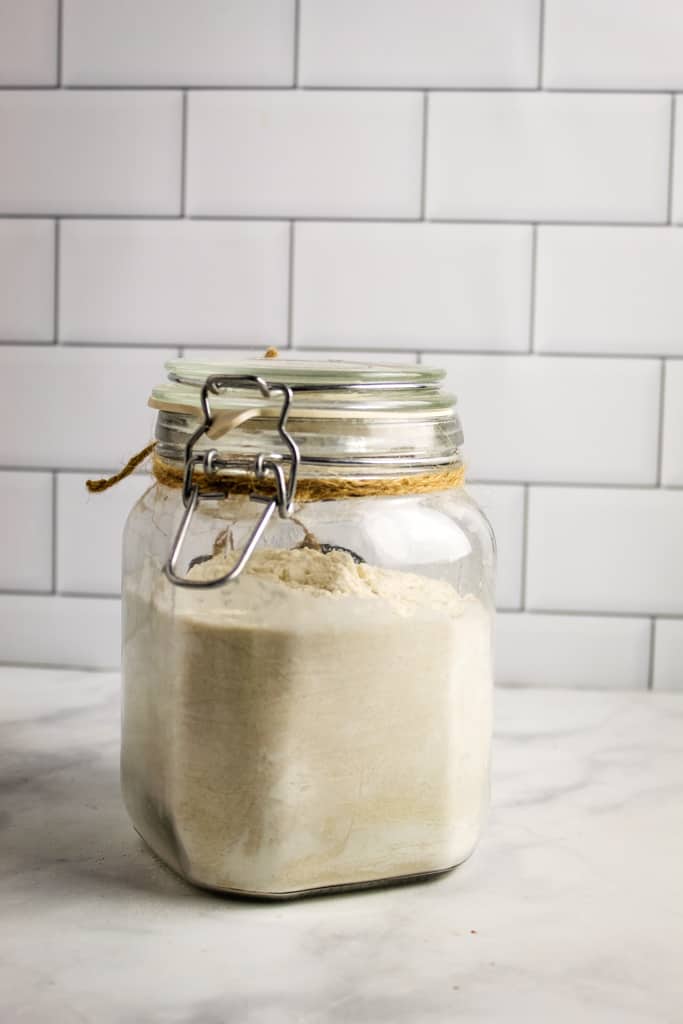
Storage Container: Glass jars, like mason jars, vacuum sealing, mylar bags, or original packaging… The type of container makes a big difference. Any air-tight container in a cool, dry place will work to store flour long-term.
Length of Time: Will the flour be used within a month or will it take 6 months to use up? Plastic containers are acceptable for a shorter shelf life, but if longer term storage is needed, you might need to add oxygen absorbers into your containers. Find out the best way to store flour in the “How to Properly Store Flour” section below.
How Long Does Flour Last?
The short answer is typically, flour can last from 3-8 months. Of course, this will vary depending on several factors, such as:
- Storage container: For a longer shelf life, select a storage container that will preserve the quality of your flour. Something with a tight-fitting lid and adequate for the storage time frame.
- Storage area temperature: Room temperature, refrigerator, or freezer… each option is a great way to store flour. Reference the “Chart on Shelf Life of Flour” below for time frame on various flours.
- The type of flour: The different types of fresh flour have different storage needs. See the Chart below for some common flours and their storage time frames and needs.
Flour Storage Containers & Storage Area Temperature
When it comes to flour storage, you have a few options:
- An air-tight storage canister works very well for keeping bugs out, plus they typically have a wide mouth, which makes it convenient for measuring. You want the ones that are designed for food storage, not just any storage canister. They must be designed with food safety in mind.
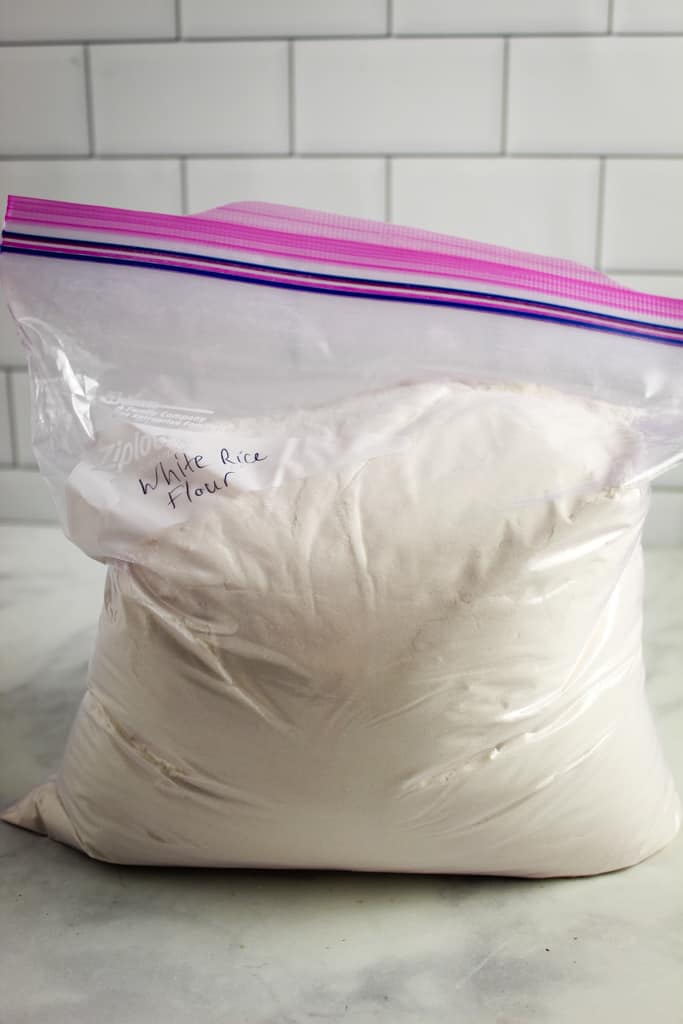
- A large plastic bag is another good option but only if it has an airtight seal so it does not allow too much air inside. Make sure the zipper or closure seals well and check the bag for holes. Plastic bags can be prone to holes.
- Tin storage containers are another option. If opting for this container, make sure the lid has a seal to make it air-tight. And look for ones that are designed for dry foods as they will prevent rancid flour.
- Storing in the original bag is an option for smaller quantities. For large amounts of flour (10 pounds or more), it might be more challenging for the average home baker to have the space to store large amounts.
- Using mylar bags is a good idea if you need longer term storage. Mylar bags are made from a metal-like material that, when coupled with oxygen absorbers, will not allow air inside the bag.
Usually, a cool, dark place like a pantry, out of direct sunlight, works well in preserving your container of flour’s freshness. But from my experience – placing your flour supply inside the refrigerator or freezer is a good move if you have a lot of flour and are not planning on using it right away.
Types of Flour
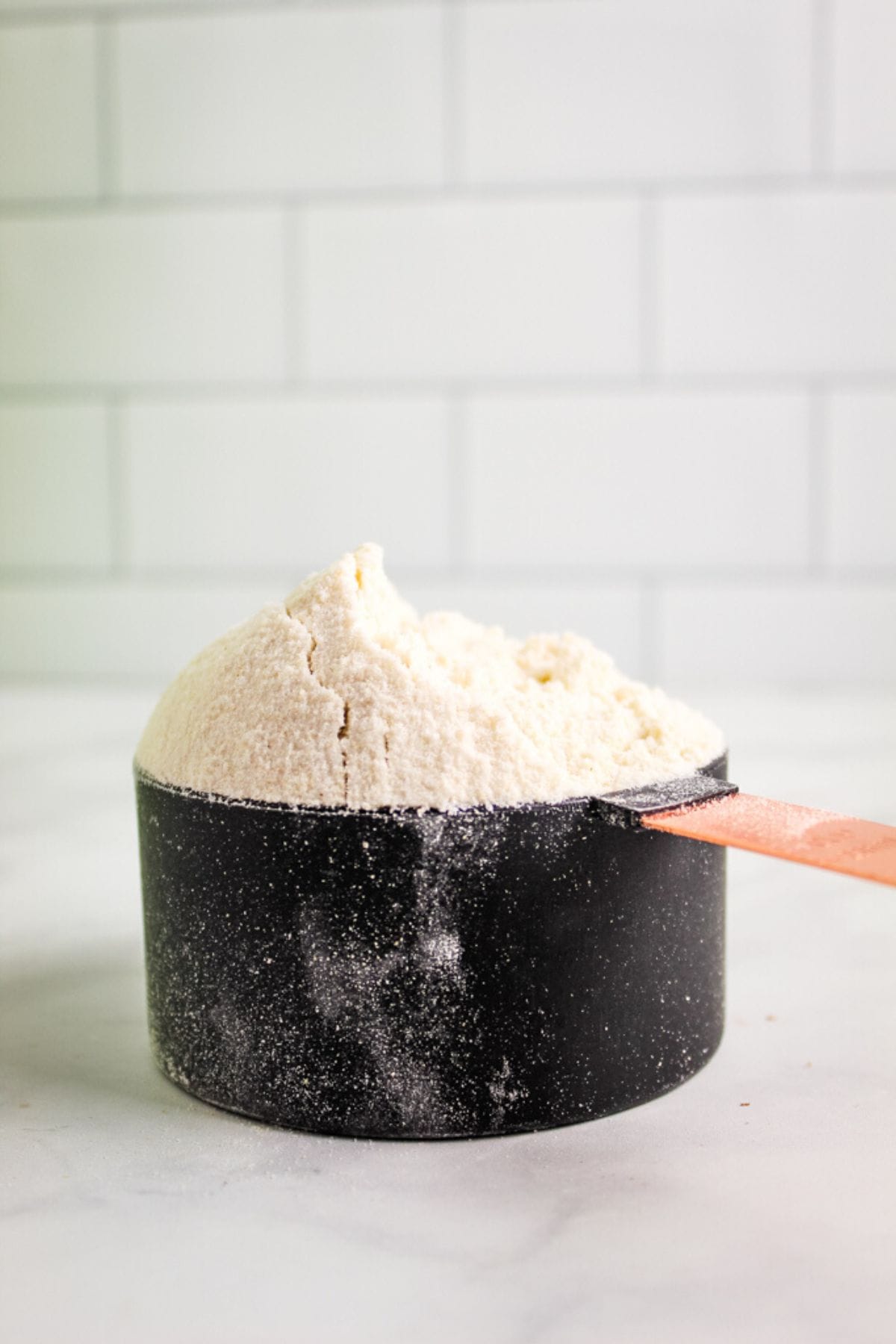
Flour is a product of milling whole grains, legumes, vegetables, nuts, or seeds, specifically rice, barley, maize, wheat, or rye, into a fine powder.
Whole-wheat flour is the most popular type of flour. Included in this category are flours made with whole grains like all-purpose flour (white flour), gluten flour, self-rising flour, and bread flour.
Ingredients like almonds, coconut, tapioca, and potatoes make gluten-free flours.
Some of your gluten-free flour options include almond flour, coconut flour, rice flour, potato flour (and starch), tapioca flour (and starch), and gluten-free flour mixes. Gluten-free bread flour mixes are usually a combination of flours from different plant or grain sources.
In general, whole-grain flours and nut flours turn rancid faster than other types of flour.
This is because whole grain and nut flours contain higher amounts of natural fats and natural oils. And when exposed to moisture and air, the flour becomes rancid. In the next section, we’ll tackle a few tricks you can do to extend their shelf life.
What Causes Flour to Go Bad?
Shelf Life Chart for All Flour Types
Here’s a general guideline of how long each type of flour usually lasts when you store them in the pantry, refrigerator, or freezer.
| Type of Flour | Shelf Life | ||
|---|---|---|---|
| Pantry (50 to 70°F) | Fridge (at or below 40°F) | Freezer (0°F) | |
| Amaranth | Two months | 6-8 months | Two years |
| Barley | Three months | 6-8 months | Two years |
| Brown rice | Three months | 8-9 months | Two years |
| Buckwheat | One month | 6-8 months | Two years |
| GF flour mixes | 1-3 months | 4-6 months | Two years |
| Millet | One month | 4-6 months | Two years |
| Oats | Two months | 6-8 months | Two years |
| Quinoa | Two months | 4-6 months | Two years |
| Rye | Three months | 4-6 months | Two years |
| Sorghum | Two months | 4-6 months | Two years |
| Teff | Two months | 4-6 months | Two years |
| Almond | Three months | 4-6 months | Two years |
| Coconut | Three months | 4-6 months | Two years |
| White rice | Three months | 8-9 months | Two years |
| Starches | One year | One year | Two years |
How to Tell If Flour Is Bad (Before You Bake With It)
Signs that Your Flour is Rancid
Flour can spoil when exposed to oxygen. Oxygen allows for moisture and bugs to grow and multiply. Here are some of the signs your flour has spoiled:
Mold: Moldy flour will have an unpleasant smell. You may not even see mold on the flour, but you’ll smell it.
Insects: A container that isn’t air tight can allow even the least bit of air in, allowing bugs to grow. A word of caution, insect eggs can be present in flour you’ve just purchased. Exposure to air will allow them to grow whereas something airtight will not.
Oxidation: Oxidation can happen when the natural oils in flours like almond flour, come in contact with oxygen. This results in rancid flour.
The bottom line is… if you notice your flour has a sour smell, change in color, mold growth, or small bugs, then, by all means, discard it!
How to Properly Store Flour for Maximum Freshness
Best Storage Containers for Flour
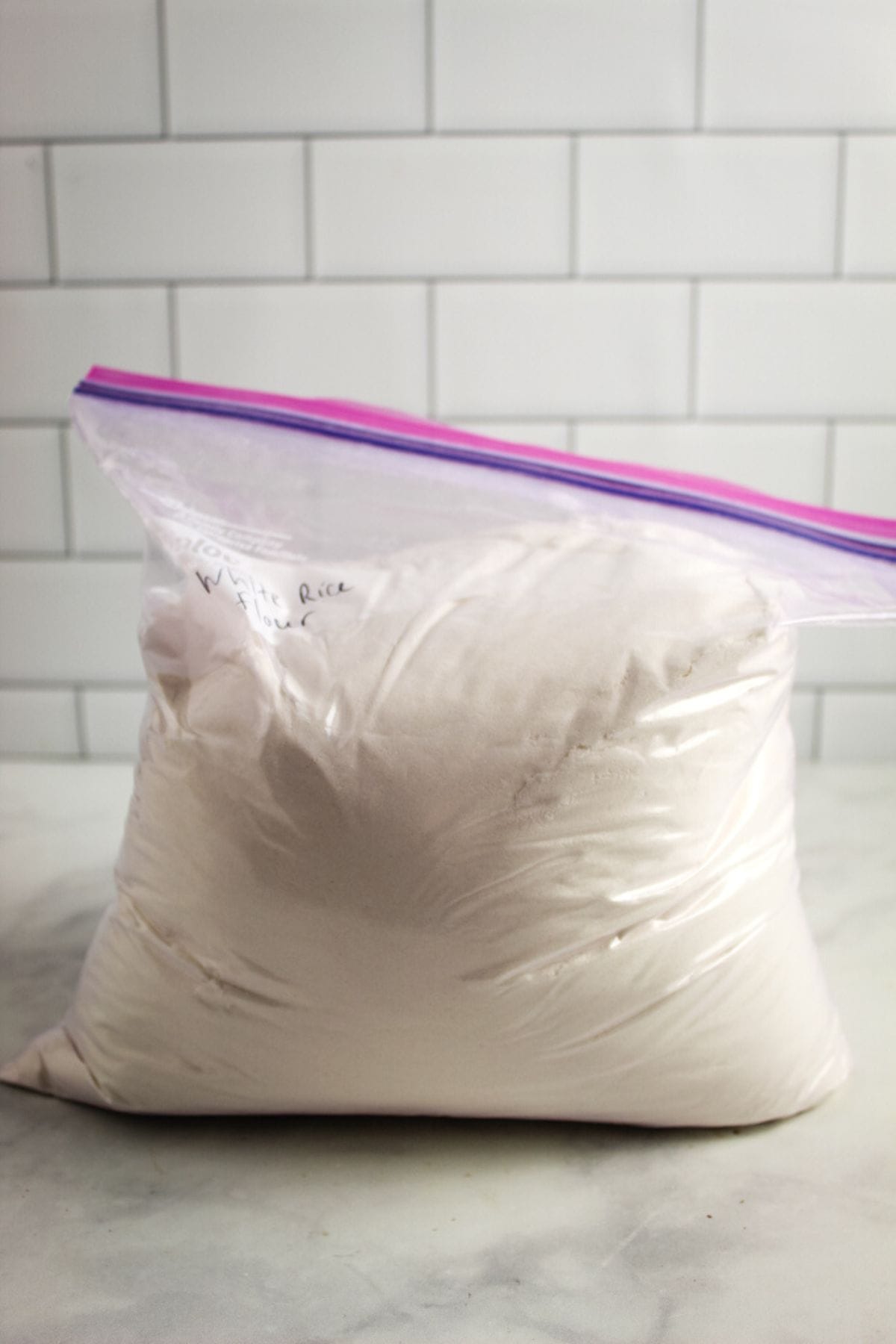
If you found yourself with a bulk flour supply that’s more than you can utilize for your baking day, you can put them in an airtight (and moisture-proof) container at room temperature.
Just keep in mind that you’ll need to use the proper container for the storage method… freezing will require something ‘freezer safe’ to preserve the quality of the flour.
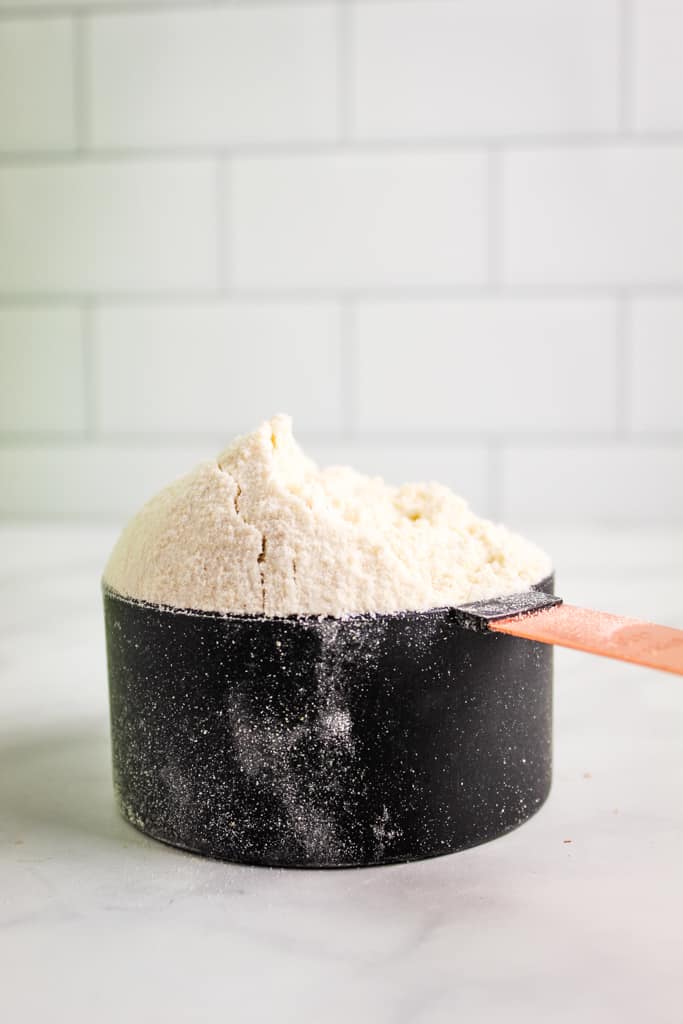
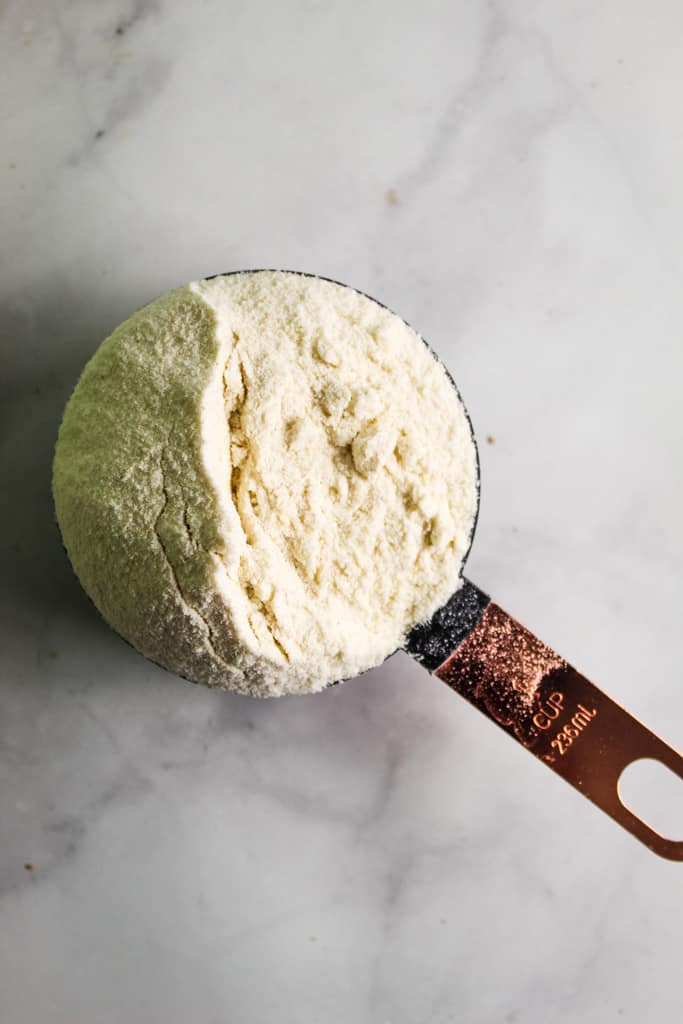
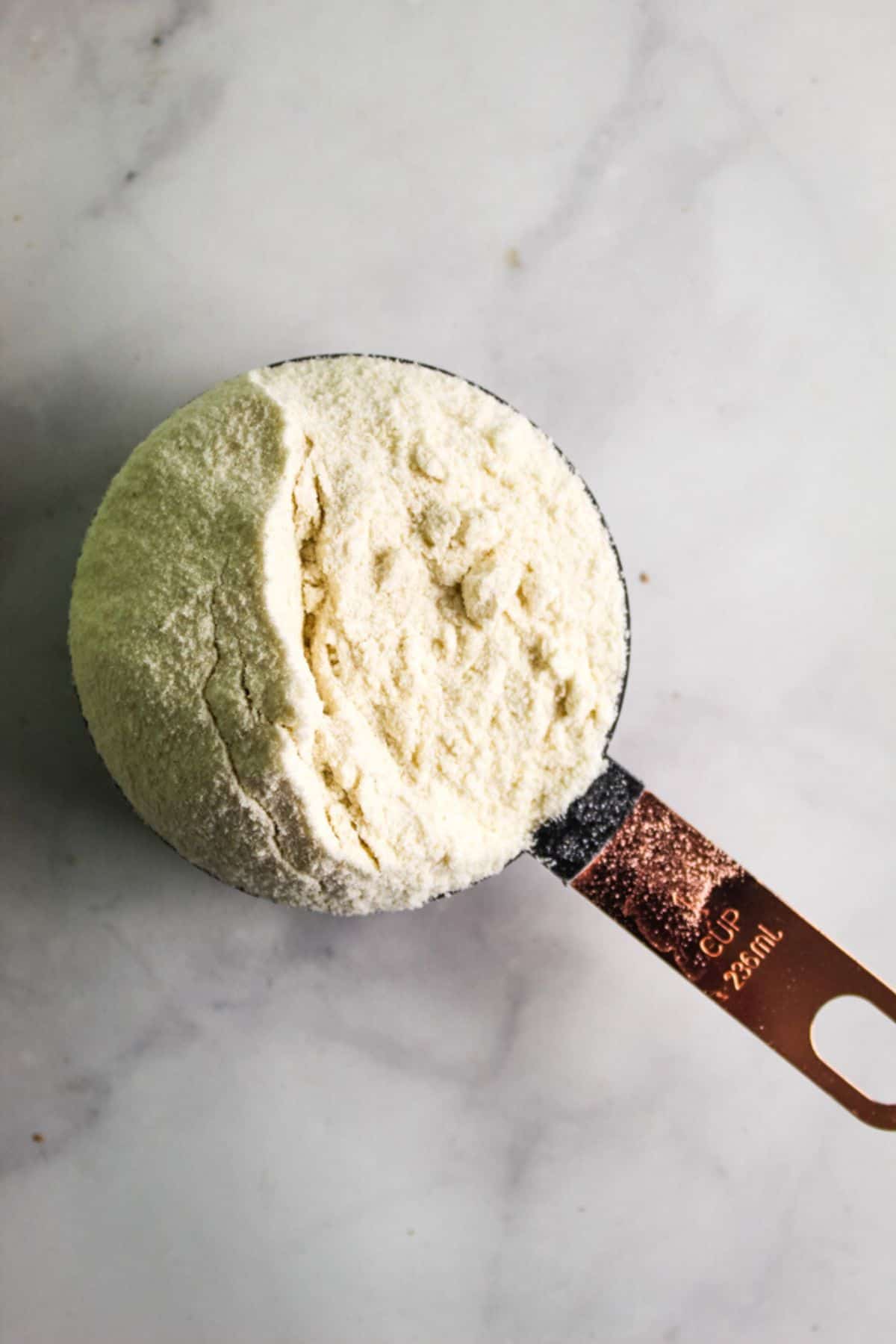
To help estimate the space you’ll need when storing flour, take note of this list for pounds of flour to cups of flour:
- 1 pound (between 454 -520 g) flour = about 4 cups
- 5 pounds flour = about 20 cups
- 10 pounds flour = about 40 cups
It’s also a good practice to put labels on the individual flour containers, with the best-by date and the different types of flour in each container, otherwise it might be impossible to identify them later. Also, keep in mind that you shouldn’t mix old flour with new flour in a storage container. Store them each in a separate, sealed container.
Note on Keeping Flour Fresh
A bay leaf added to the flour container will help keep flour bugs and insects away, since bay leaves are a natural insect repellent.
Common Flour Storage Mistakes to Avoid
Tips When Handling Flour Safely in the Kitchen
Keep in mind, flours are raw. And they are from milled grains or nuts that are grown in soil. So, there’s a risk of exposure to harmful bacteria and pathogens such as Salmonella and Escherichia coli (E. coli).
Here are a couple of reminders when handling flour:
- Follow package instructions, especially cooking time and temperature
- Only refrigerate cookie and pastry dough according to the manufacturer’s directions (appropriate temperature etc.)
- Have separate storage for your raw and ready-to-eat food
- Wash your hands with soap and water after handling flour or pastry dough
- Wash utensils, baking pans, workspace, etc. with warm soapy water
- Don’t use raw cookie dough in ice cream or milkshakes
- Throw away recalled flour
- Don’t let your kids play with raw dough
Flour Storage FAQs
Can You Still Use Expired Flour?
Can Flour Go Bad In a Sealed Bag?
What Can You Do With Expired Flour?
What Does Rancid Flour Taste Like?
Don’t panic yet. Usually, nothing happens when you accidentally incorporated flour that has gone bad in your baked treats. However, if the flour contains mycotoxins, your treats can make you feel sick. Consult your doctor if this is the case.
No…it’s not okay to use expired flour. An expired flour has a musty, sour, or rancid odor due to its natural oils reacting with oxygen, discolored, sometimes has molds and bugs (weevils).
You can store flour in a ziplock bag or any airtight and moisture-proof container. Then, place them in a cool, dry pantry, fridge, or freezer, depending on how long you want them to last. Opt for the freezer for more extended storage.
Be creative. There are tons of things you can do with expired flour. To start, here are some things you can do with expired flour:
DIY glue and paste for handmade crafts such as collage and paper mache
Cleaning agent for stainless steel appliances, copper, and a deck of cards
DIY organic repellant for insects such as ants
DIY fabric starch
Instead of the usual moisture, sweetness, and feel and taste of fresh bread or cookies, you’ll be greeted with a sour or musty taste. To avoid this, properly store your flour or smell it before starting your baking spree.
You can put expired flour in your compost bin for your gardening needs. Make sure, though, that it is not infested with weevils or bugs. If the flour has bugs, put the flour in the freezer for at least 24 hours before finally putting it on your compost bin.
Final Takeaways on Flour
Flour may seem like one of the simplest ingredients in your kitchen, but proper storage can make a significant difference in both its shelf life and your baking results. While white flour can often stay fresh for many months when stored correctly, whole grain and specialty flours require extra attention because they contain natural oils that can become rancid much more quickly.
The key is to store flour in an airtight container, keep it away from heat, light, and moisture, and pay attention to any changes in smell, texture, or appearance before using it. When in doubt, a quick inspection can help you determine whether your flour is still suitable for baking or if it’s time to replace it.
Whether you’re baking a batch of cookies, preparing homemade bread, or stocking your pantry for future recipes, understanding how long flour lasts gives you confidence that your ingredients are fresh and ready for all your kitchen projects.
Now that you know how to store flour properly and recognize the signs of spoilage, you can keep your pantry organized, reduce food waste, and enjoy better baking results every time.
More Help on Flours!