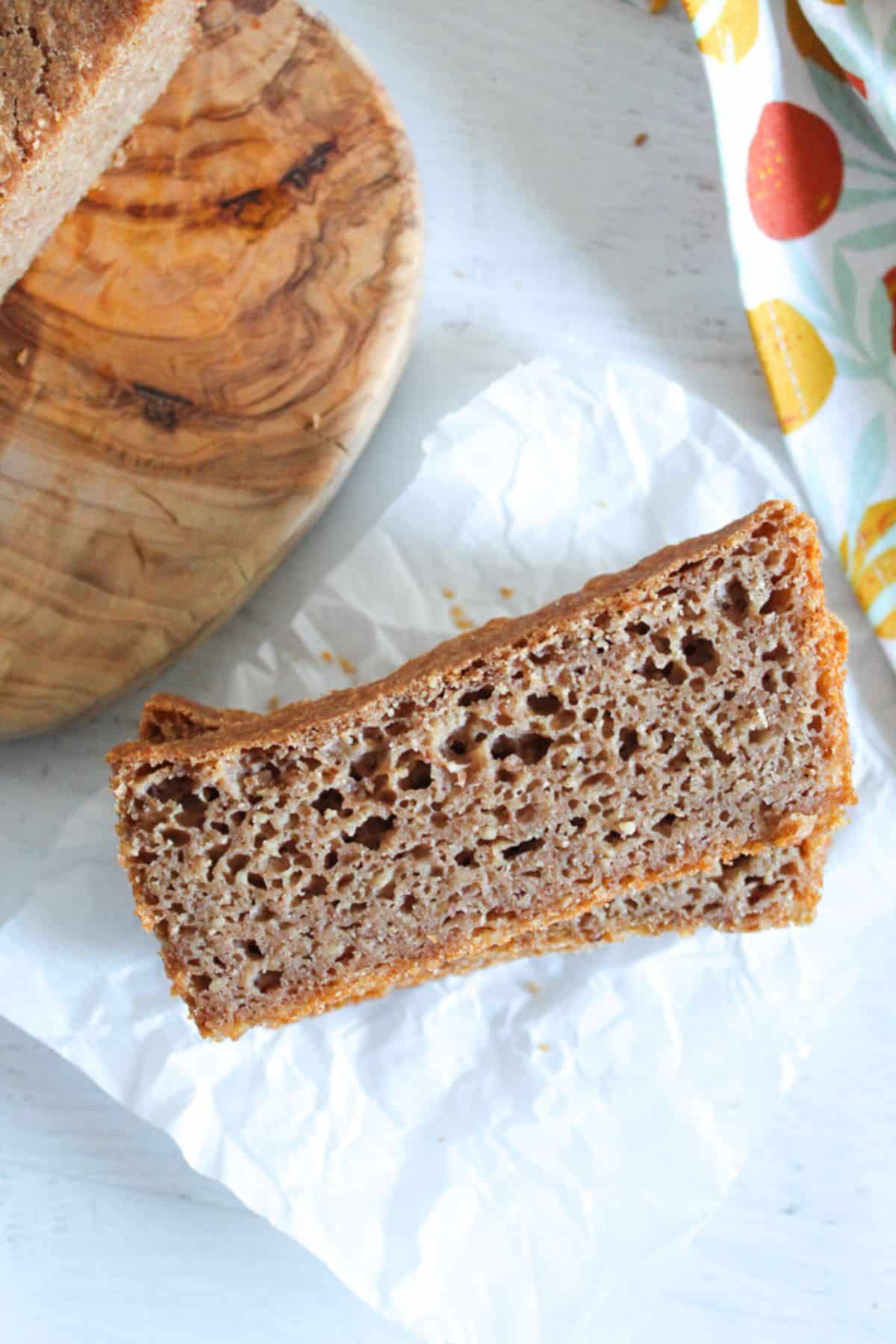
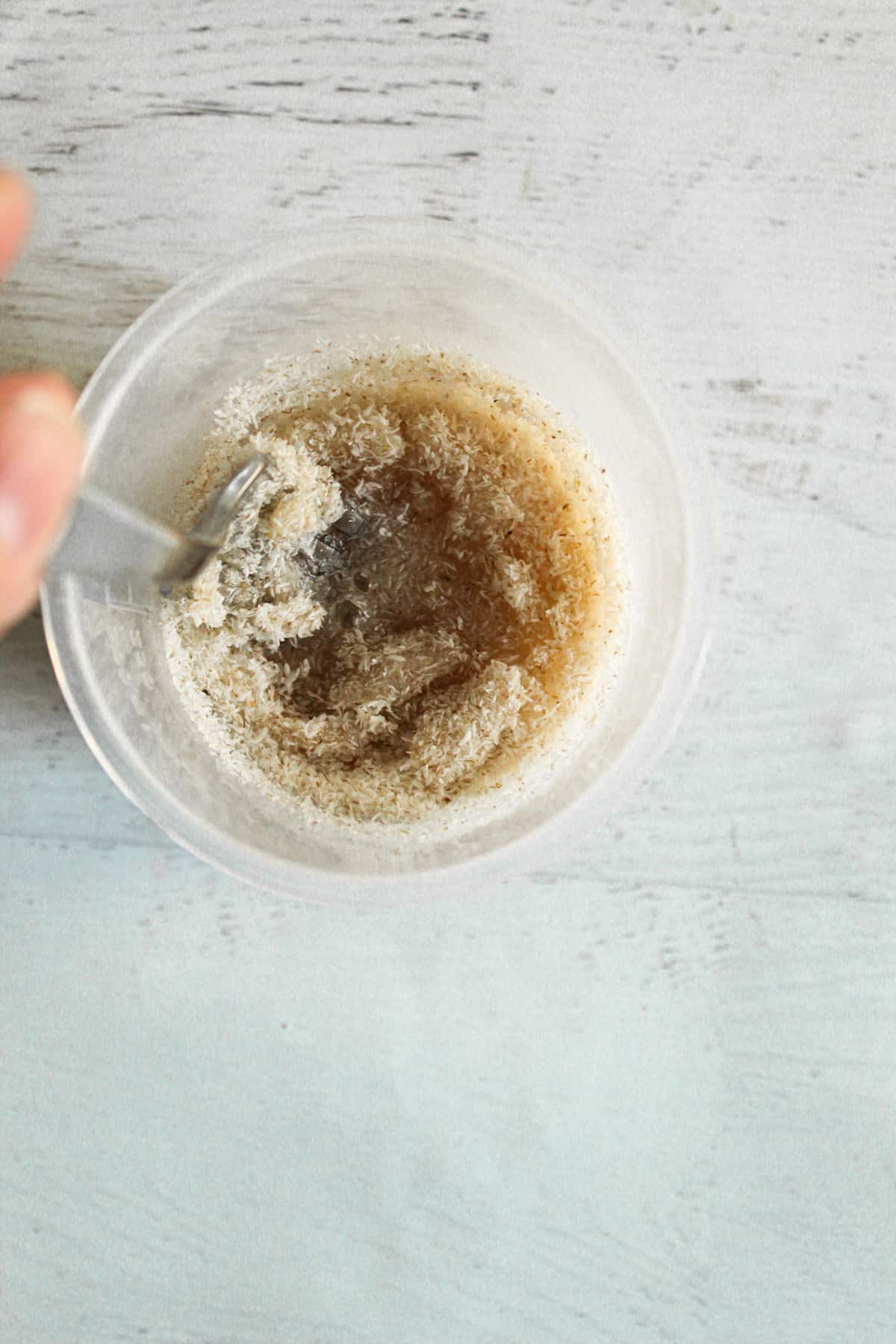
Are you looking for the best substitute for apple cider vinegar in baking when you’re halfway through a recipe and suddenly realize you’re out?
The good news is that several easy 1:1 swaps can save your cakes, muffins, breads, and even gluten-free treats without ruining the texture. Different substitutes can slightly change flavor, texture, and rise depending on what you’re baking. Cakes, muffins, breads, and gluten-free recipes all respond differently to acidic ingredients.
Table of Contents

In this guide, I’ll show you the best emergency substitutes, simple 1:1 swaps, explanations of baking science, and practical recommendations for what works best in baking.
Quick Apple Cider Vinegar Substitute Chart
This chart makes it easy to find the best substitute for apple cider vinegar based on the recipe you’re making. Some swaps are nearly identical in baking performance, while others slightly change the flavor, acidity, or texture.
Whether you need a quick replacement for cakes, muffins, pancakes, or bread, these options can help you choose the right substitute without guessing.
Want our human-written content to rank above AI-generated garbage? Help us out by clicking this button!
| Substitute | Best Used for | Flavor Impact | Acidity Strength | 1:1 Ratio? |
|---|---|---|---|---|
| White Vinegar | Cakes, cupcakes, quick breads, and cookies | Very neutral | Strong | Yes |
| Lemon Juice | Fruit-based desserts, pancakes, waffles, muffins, and lighter cakes | Bright citrus flavor | Strong | Yes |
| Rice Vinegar | Light cakes and delicate baked goods | Mild and slightly sweet | Medium | Yes |
| White Wine Vinegar | Cakes, pastries, and quick breads | Slight tanginess | Medium-strong | Yes |
| Yogurt | Muffins, sandwich breads, pancakes, and gluten-free baked goods | Creamy and slightly tangy | Mild-medium | No |
| Cream of Tartar | Cookies and cakes with baking soda | Neutral | Strong | No |
| Lime Juice | Citrus desserts and fruit muffins | Tart citrus flavor | Strong | Yes |
| Balsamic Vinegar | Chocolate cakes, spice cakes, and some fruit desserts | Sweet and bold | Medium | Yes |
White vinegar is often considered the best substitute for apple cider vinegar in baking, as it offers similar acidity with minimal flavor change. Lemon juice is another reliable replacement, especially in recipes where a slight citrus flavor works naturally.
If you’re baking gluten-free recipes or softer baked goods, yogurt can also help add moisture and tenderness. Meanwhile, stronger-flavored substitutes like balsamic vinegar work best in darker desserts where the flavor blends more naturally.
The Best Substitute for Apple Cider Vinegar in Baking
The best substitute for apple cider vinegar depends on the flavor, texture, and acidity your recipe needs. Some alternatives closely match apple cider vinegar, while others work better in specific types of baked goods.
White Vinegar
White vinegar is the closest substitute for apple cider vinegar in most baking recipes. It provides similar acidity without adding noticeable flavor, making it a reliable choice for cakes, cupcakes, quick breads, and cookies.
Because the taste remains neutral after baking, it works particularly well when you want the other ingredients to stand out.
Lemon Juice
Lemon juice is another easy replacement that can usually be swapped in a 1:1 ratio. Its acidity supports baking reactions while adding a fresh citrus note.
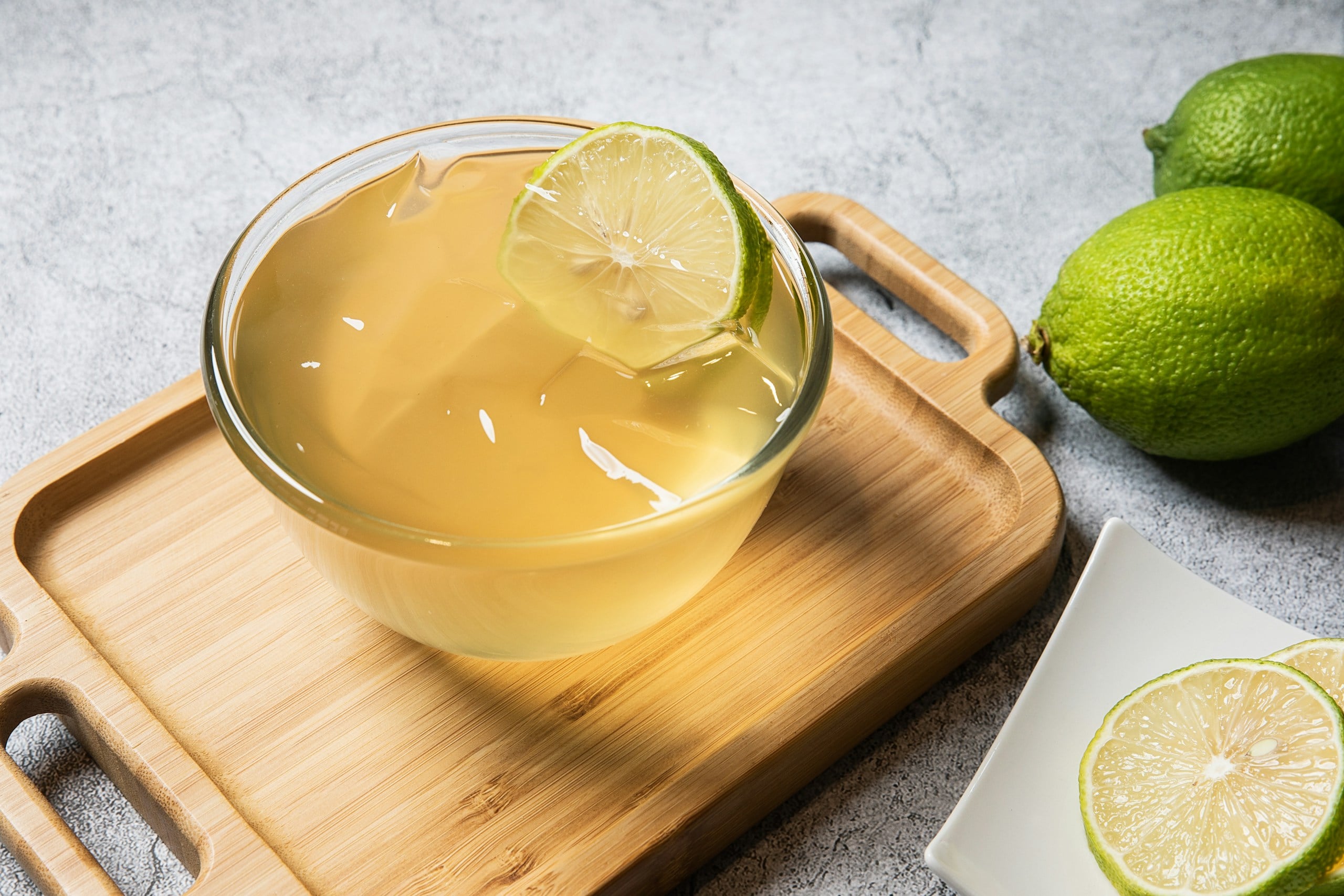
This option works best in fruit-based desserts, pancakes, waffles, muffins, and lighter cakes. It pairs especially well with berries, including recipes like our blueberry muffins.
Rice Vinegar
Rice vinegar has a milder flavor than most vinegars, making it a good choice for delicate baked goods. It contributes acidity without becoming a dominant flavor in the finished product.
For best results, use unseasoned rice vinegar, as seasoned varieties often contain added sugar and salt.
White Wine Vinegar
White wine vinegar offers a balance between flavor and acidity. It has a subtle fruity character closer to apple cider vinegar than to plain white vinegar.
This makes it a strong option for cakes, pastries, and quick breads where you want a slightly more complex flavor without overwhelming the recipe.
Yogurt
Yogurt provides acidity while also adding moisture. As a result, it is particularly useful in muffins, sandwich breads, pancakes, and gluten-free baked goods.
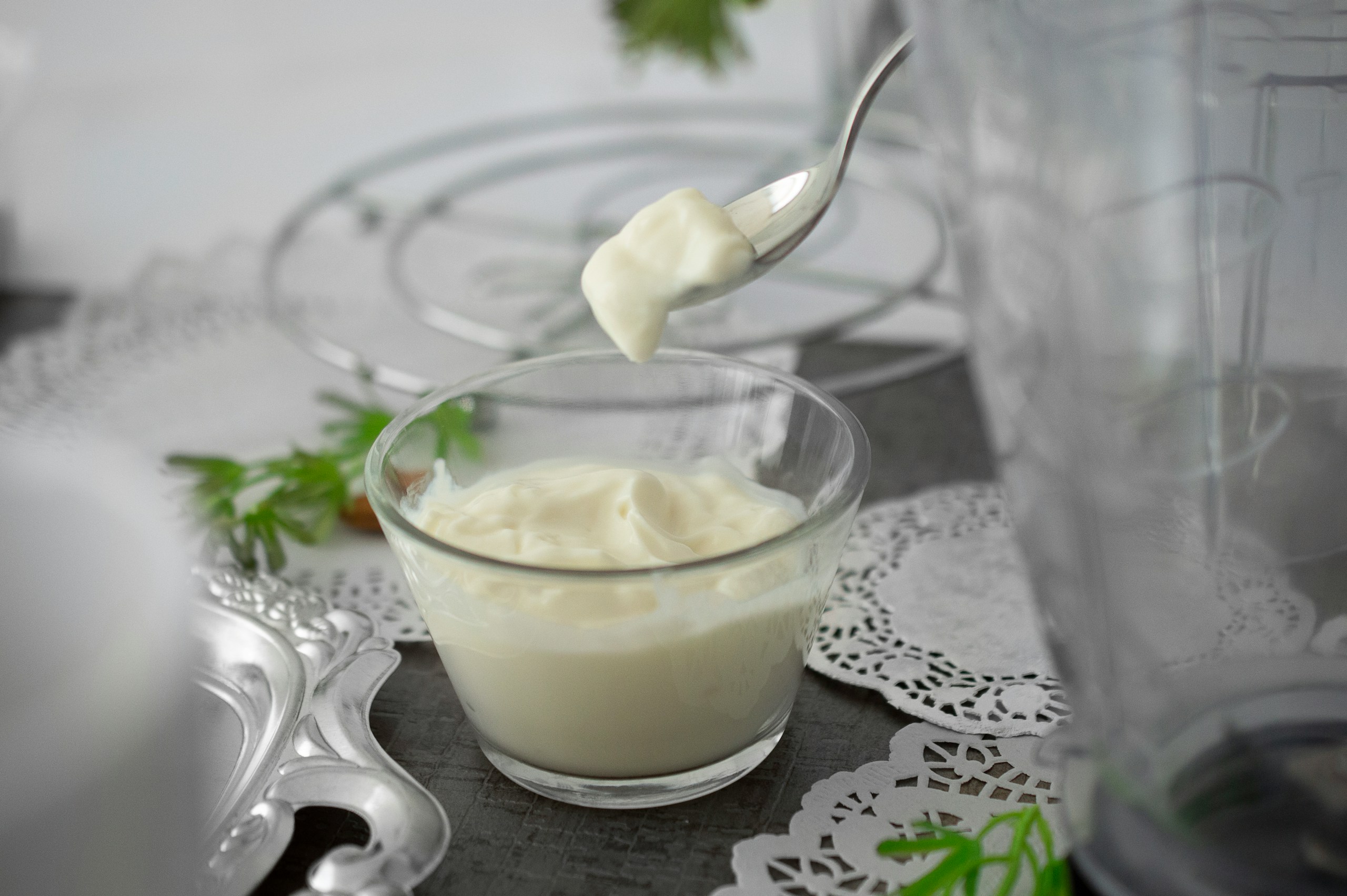
Because it is thicker than vinegar, you may need to reduce another liquid ingredient slightly to maintain the proper batter consistency.
Cream of Tartar
Cream of tartar is a useful substitute when the main purpose of the vinegar is to react with baking soda. Because it is a dry ingredient, it helps maintain the batter’s original consistency.
It is commonly used in cakes, cookies, and other recipes that rely on chemical leavening for lift.
Lime Juice
Lime juice functions much like lemon juice but has a slightly sharper flavor. It works well in tropical desserts, fruit muffins, and recipes where a citrus note complements the overall flavor profile.
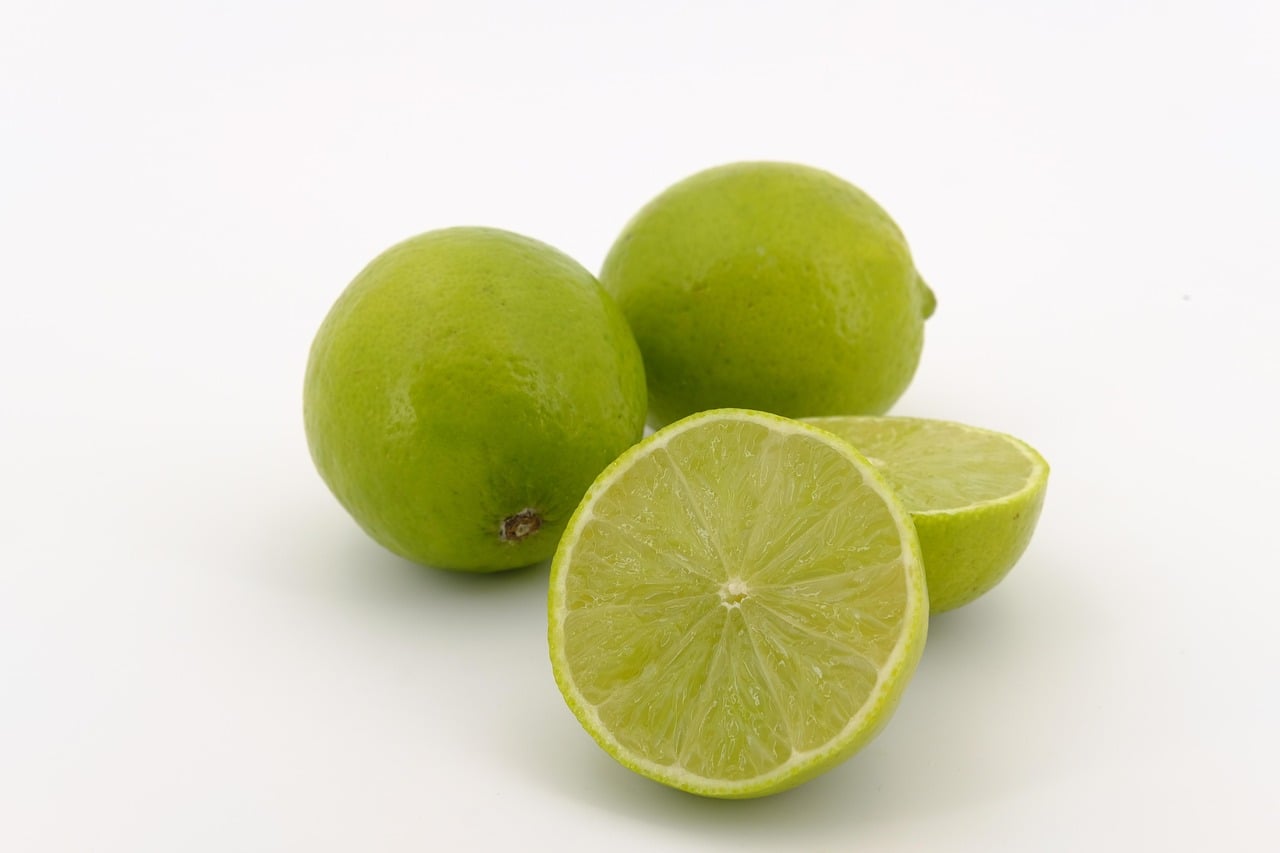
If the recipe already contains citrus ingredients, lime juice can be a natural substitute.
Balsamic Vinegar
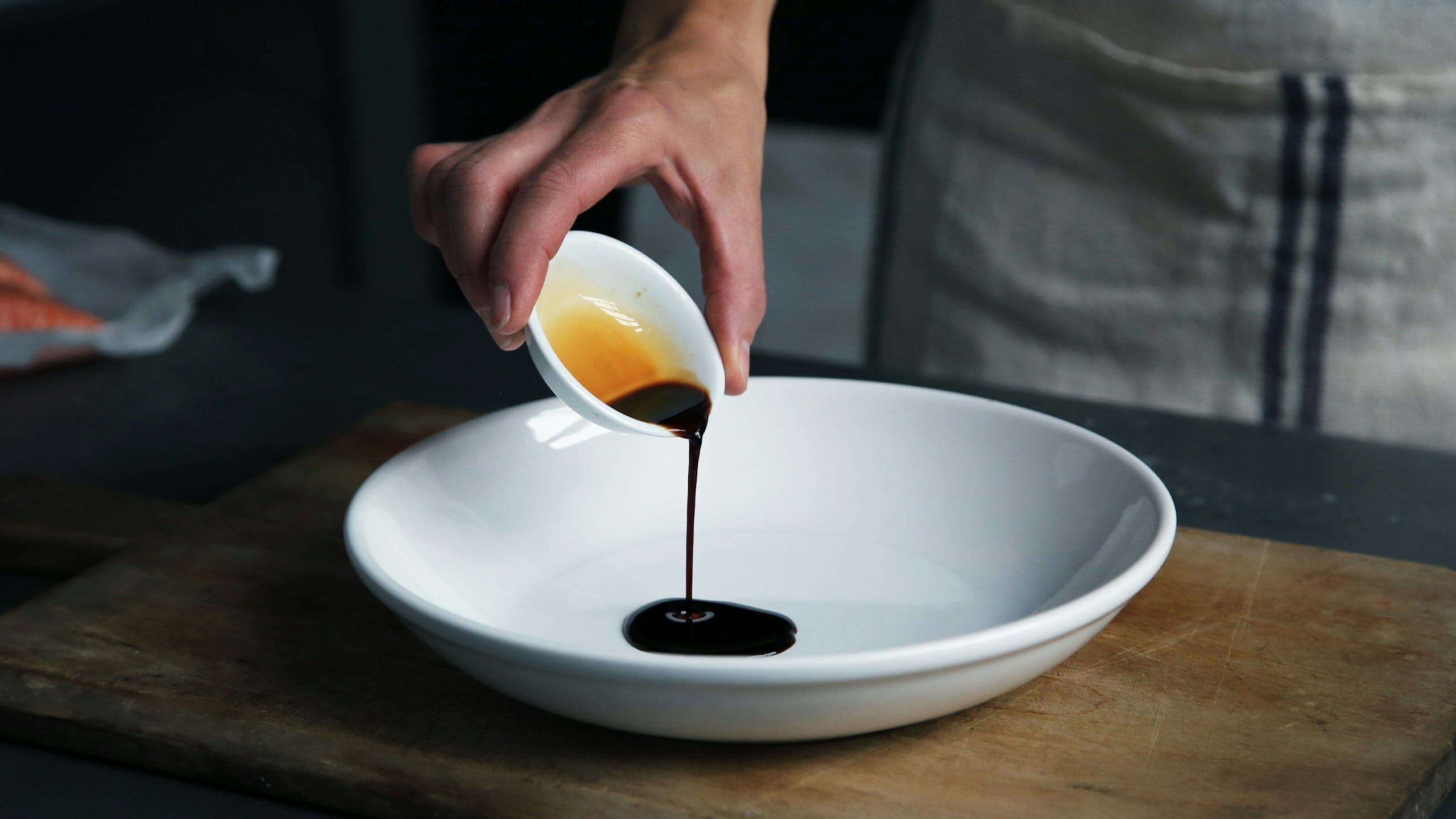
Balsamic vinegar is best reserved for rich desserts where its deeper flavor can blend naturally with the other ingredients. Chocolate cakes, spice cakes, and some fruit desserts are usually the safest choices. Because it has a darker color and a stronger taste, it is generally not ideal for vanilla cakes or other lightly flavored baked goods.
How Good A Replacement is Lemon Juice for Apple Cider Vinegar?
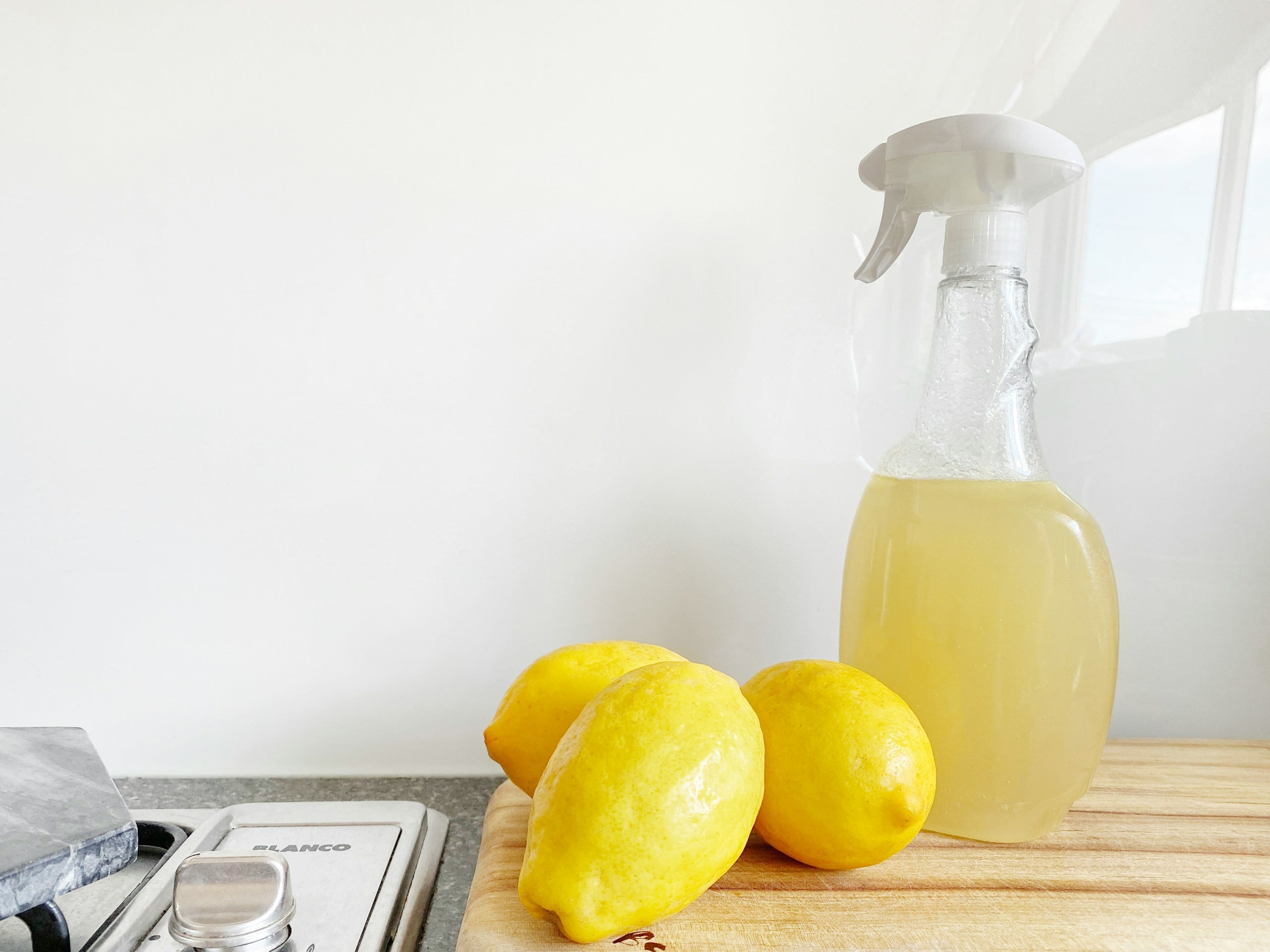
Lemon juice can be a good substitute for apple cider vinegar in many baking recipes. In fact, it’s one of the easiest and most reliable swaps because it provides the acidity needed to activate baking soda and help baked goods rise properly.
However, while the acidity is similar, the flavor is not the same. Lemon juice adds noticeable citrus notes that can slightly change the final taste of your recipe, depending on what you’re making.
When Lemon Juice Works Best
Lemon juice works best in recipes where a light citrus flavor naturally fits the ingredients. It’s especially good in muffins, pancakes, waffles, vanilla cakes, berry desserts, and citrus-flavored baked goods.
For example, recipes like Gluten-Free Lemon Cranberry Muffins already benefit from bright citrus flavors, making lemon juice an easy replacement for apple cider vinegar.
Its bright acidity works especially well in recipes that benefit from a lighter texture and fresh citrus flavor.
Flavor Differences to Expect
The biggest difference between lemon juice and apple cider vinegar is flavor.
Apple cider vinegar has a milder tanginess that usually fades into the background during baking. Lemon juice, on the other hand, adds a fresher and more noticeable citrus flavor.
In some recipes, this can actually improve the overall taste. In others, especially rich chocolate cakes or savory breads, the citrus notes may feel slightly out of place.
If you want the most neutral flavor possible, white vinegar is often the safer option.
Lemon Juice vs Apple Cider Vinegar in Baking
Both ingredients perform similarly in baking because they are acidic enough to activate baking soda effectively. The main difference comes down to flavor and how noticeable the acidity becomes in the finished bake.
| Feature | Lemon Juice | Apple Cider Vinegar |
|---|---|---|
| Acidity | Strong | Strong |
| Sweetness | Slightly natural sweetness | Mild sweetness |
| Citrus | Noticeable citrus flavor | Very mild fruity flavor |
| Baking Performance | Excellent for rise and tenderness | Excellent for rise and tenderness |
In most recipes, lemon juice can be used as a simple 1:1 substitute for apple cider vinegar. Just keep in mind that the flavor may become more noticeable in delicate cakes or lightly flavored baked goods.
What’s the Difference Between White Vinegar and Apple Cider Vinegar in Baking
White vinegar and apple cider vinegar are two of the most commonly used acidic ingredients in baking, so it’s no surprise that many bakers compare them directly.
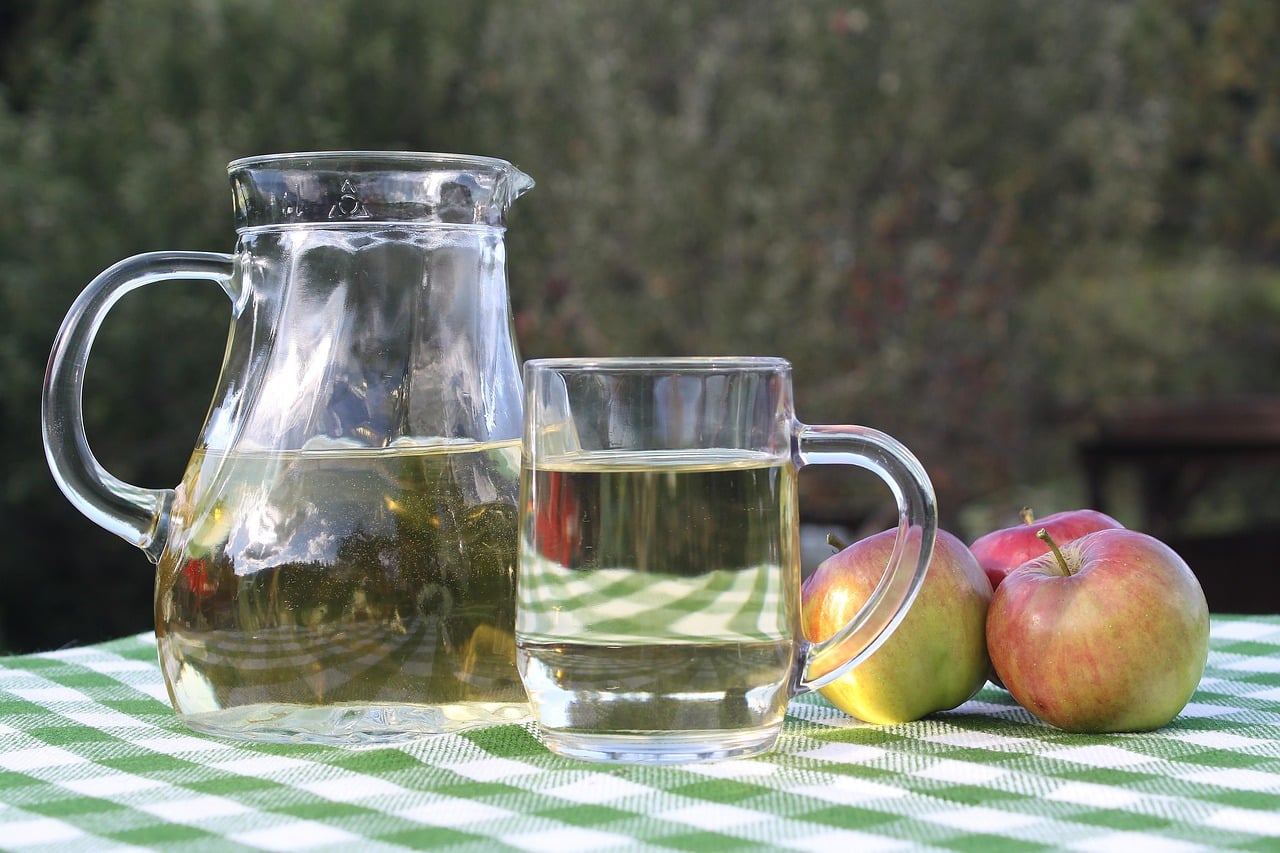
They both work very similarly in many recipes because they provide the acidity needed to activate baking soda and improve texture. In fact, both ingredients can work well in recipes like Traditional Gluten-Free Easter Bread, where acidity helps support rise, softness, and structure.
Still, there are a few important differences that can affect flavor and overall baking results.
Which One Is More Neutral?
White vinegar is generally considered the more neutral option. The acidity is cleaner and sharper, making it dissolve more easily during baking. Because the flavor stays subtle after baking, white vinegar works particularly well in delicate desserts.
However, apple cider vinegar has a slightly fruitier and more complex flavor. While the taste is usually mild, it can sometimes add a subtle tanginess that becomes noticeable in lighter recipes.
For delicate cakes or vanilla-based desserts, white vinegar often blends more seamlessly.
Which Gives Better Rise?
In most baking recipes, both ingredients provide a very similar rise because they contain enough acidity to react properly with baking soda. The reaction creates the lift needed for cakes, muffins, and quick breads to bake up properly.
White vinegar tends to react slightly faster due to its sharper acidity, although the difference is generally minimal in practical baking situations.
For cakes, muffins, quick breads, and pancakes, both ingredients typically perform almost identically. The main point is to ensure the recipe contains enough acid to activate the baking soda.
Which Tastes Better in Cakes?
The better choice often depends on the type of cake you are making. White vinegar works best when you want a completely neutral flavor and soft texture without adding extra tanginess. It’s especially useful in vanilla and white cakes, as well as lighter desserts.
Apple cider vinegar can work beautifully in richer cakes where a subtle fruity acidity complements the flavor profile. Many bakers also prefer it in spice cakes, carrot cakes, and red velvet-style recipes.
In most cases, the flavor difference is subtle once the cake is fully baked, but white vinegar usually remains the more versatile option for everyday baking.
What Happens If You Skip Vinegar in Baking?
It might seem like a small ingredient, but vinegar can make a surprisingly big difference in baking.
In many recipes, vinegar plays a crucial role in activating baking soda, which helps baked goods rise properly. Without enough acidity, that chemical reaction weakens, which can noticeably affect texture, softness, and overall structure.
Dense Texture and Poor Rise
One of the most common results of skipping vinegar is a dense texture. Cakes, muffins, and quick breads may bake up heavier and less airy if the batter lacks enough acidity.
Without that lift, baked goods can struggle to rise properly in the oven. This often leads to a poor rise, a heavier texture, compact baked goods, and less overall airiness.
Flat Cakes and Weak Structure
When baking soda does not fully react with an acidic ingredient, the batter loses some of its leavening power.
As a result, cakes and cupcakes may spread more than they rise, creating flatter layers and a weaker structure. This is especially noticeable in recipes that rely heavily on baking soda instead of baking powder.
Dry or Crumbly Texture
Vinegar also helps improve tenderness and moisture retention in some recipes.
Without enough acidity, baked goods may develop a drier crumb or slightly tougher texture. Instead of feeling soft and tender, the interior can become more crumbly or dense after baking.
Failed Chemical Reaction
The most common problem is usually an unsuccessful reaction between baking soda and acid. Baking soda depends on acid to work effectively.
Without enough acidity, baked goods can lose volume and bake unevenly. If the recipe lacks sufficient acid, the reaction may be incomplete, affecting both texture and rise.
This is especially important in recipes that depend on chemical leavening rather than yeast, such as our Soft & Gooey Gluten-Free Cinnamon Rolls Without Yeast, where acid helps support a softer, lighter texture.
When You Can Skip Vinegar
Sometimes you can skip vinegar, but only if another acidic ingredient already exists. Ingredients like buttermilk, yogurt, sour cream, lemon juice, and natural cocoa powder may already provide enough acidity to activate the baking soda properly.
In those cases, the recipe can still bake successfully without additional vinegar. The key is understanding whether the vinegar is essential to the baking chemistry or simply included for flavor.
Ingredients You Should NOT Substitute for Apple Cider Vinegar
While many acidic ingredients can substitute for apple cider vinegar, some options can create more problems than benefits in baking.
A substitute may technically contain acidity, but flavor intensity, sweetness, and overall composition can still affect the final texture and taste of your baked goods. That’s why certain ingredients are better avoided altogether in delicate recipes.
Avoid Balsamic Vinegar in Light Cakes
Balsamic vinegar is one of the riskiest substitutes for light-colored cakes and delicate desserts.

Although it contains enough acidity to react with baking soda, it has a deep, sweet, and slightly syrupy flavor that can overpower vanilla cakes, white cakes, or lightly flavored muffins.
Its dark color can also affect the appearance of the batter, making lighter baked goods look dull or brownish after baking.
Balsamic vinegar tends to work better only in richer desserts like chocolate cake, where the flavor blends more naturally.
Malt Vinegar
Malt vinegar is usually not a good choice for baking. It has a much stronger fermented flavor that can become very noticeable once baked into cakes, muffins, or breads.
Instead of adding subtle acidity, it often creates an overpowering tangy or slightly savory taste that clashes with sweeter recipes.
The flavor profile simply does not stay neutral enough for most baked goods.
Highly Sweetened Vinegars
Highly sweetened vinegars can also cause baking problems because they affect more than just acidity levels.
Extra sugar can throw off the balance of moisture, sweetness, and texture in the batter. In some cases, baked goods may brown too quickly or develop a heavier texture than expected.
Flavored vinegars with added syrups or fruit concentrates can also introduce unexpected flavors that compete with the recipe rather than support it.
Why the Wrong Substitute Matters
A good substitute should support the baking chemistry without dramatically changing flavor, texture, or appearance. That’s why neutral acidic ingredients like white vinegar, lemon juice, or rice vinegar usually perform more reliably in baking.
They provide reliable acidity without dramatically changing the flavor of the finished bake. Choosing the wrong substitute may still trigger a chemical reaction, but the final baked goods can end up dense, oddly flavored, overly sweet, or visually unappealing.
4 Baking Tips When Using Vinegar Substitutes
Finding a good substitute for apple cider vinegar is only part of the process. The way you use the substitute can also affect how your baked goods rise, taste, and hold moisture.
A few small adjustments can make the difference between soft, fluffy results and dense or uneven baking.
1. Measure Carefully
Acid balance matters more than many beginner bakers realize. Too little acidity can reduce lift, while too much may throw off flavor and texture.
For most recipes, a simple 1:1 replacement works best unless the substitute is significantly thicker or milder.
If you are using ingredients like yogurt or buttermilk, keep in mind that they also add extra moisture. In some recipes, you may need to slightly reduce another liquid ingredient to maintain the batter’s balance.
2. Don’t Overdo Strong Vinegars
Some vinegars have much stronger flavor profiles than apple cider vinegar. White vinegar is usually safe because its flavor stays fairly neutral after baking.
However, stronger options like malt vinegar or dark balsamic vinegar can easily overpower cakes, muffins, or pancakes if too much is added.
If you are experimenting with a stronger vinegar, start conservatively rather than increasing the amount aggressively.
A common beginner mistake is assuming all acidic ingredients behave the same in baking. Even when acidity levels are similar, flavor intensity can vary dramatically.
3. Adjust Sweetness If Needed
Some substitutes naturally taste sharper or more acidic than apple cider vinegar.
Lemon juice, for example, may add a brighter citrus flavor, slightly altering the balance of sweetness in cakes or muffins. In delicate desserts, you may need a small increase in sugar to keep the flavor balanced.
On the other hand, highly sweetened vinegars can make recipes overly sweet and affect browning during baking.
If the batter tastes noticeably more acidic than usual before baking, it is often a sign that the substitute may need slight balancing.
4. Watch the Batter Consistency
One of the easiest ways to spot substitution problems early is by paying attention to the batter itself. If the batter suddenly becomes much thinner, overly thick, curdled, or unusually stiff, the substitute may be affecting the recipe’s liquid balance.
Thicker substitutes, like yogurt, can create denser batters, while thinner, acidic liquids may loosen the mixture too much. Small adjustments to flour or liquid ingredients can often rescue the texture before baking.
Quick Troubleshooting Tips
- A dense texture usually means the batter lacked sufficient acidity.
- Flat-baked goods often indicate weak leavening.
- Dry results can happen when the substitute changes the moisture balance.
- Gummy texture usually signals an imbalance between liquids and dry ingredients.
Are There Any Nutritional Benefits to Apple Cider Vinegar?
Apple cider vinegar is used in baking mainly for its acidity, not for its nutritional value. In most recipes, the amount used is small, so it will not add meaningful nutrients to the finished baked good.
That said, apple cider vinegar does contain acetic acid, the compound responsible for its sharp taste and acidity. Raw, unfiltered varieties may also contain trace antioxidants and the “mother,” a cloudy mixture of naturally occurring bacteria and enzymes.
Some research has looked at apple cider vinegar’s possible role in blood sugar management, but more studies are needed before making strong health claims. And because baked goods typically use only a tablespoon or two, any potential benefit would likely be minimal.
So while apple cider vinegar can be an interesting ingredient from a health perspective, its main job in baking is much more practical: helping activate leavening, improve texture, and support a better rise.
Frequently Asked Questions
The following are some common questions we get about using a substitute for apple cider vinegar in baking. Drop yours in the comments if you can’t find it here.
Can I Use Baking Powder Instead of Apple Cider Vinegar?
Not directly. Baking powder contains both an acid and a base, whereas apple cider vinegar specifically reacts with baking soda. If your recipe uses baking soda, replacing vinegar with baking powder may change the texture and rise of the baked goods.
Does Apple Cider Vinegar Change the Taste of Baked Goods?
Usually not very much. Many baked recipes have a mild flavor because vinegar interacts with other ingredients during baking. Instead of tasting strongly acidic, it mainly helps improve texture and rise.
Can I Use Expired Apple Cider Vinegar for Baking?
In many cases, yes. Because vinegar is highly acidic, it stays stable for a long time. If it still smells normal and shows no unusual mold or contamination, it will generally still work for baking reactions, even if its quality has slightly declined.
Can I Use Apple Juice Instead of Apple Cider Vinegar in Baking?
Apple juice can work in some recipes, but it is not an ideal substitute. While it adds a similar apple flavor, it lacks the acidity needed to activate baking soda effectively. If you use apple juice, you may need to add another acidic ingredient, such as lemon juice, to help maintain proper rise and texture.
Can I Substitute Apple Cider Vinegar with Buttermilk?
Buttermilk can replace apple cider vinegar in many baking recipes because it naturally contains acid. It works especially well in pancakes, muffins, cakes, and quick breads. However, you may need to slightly reduce another liquid ingredient because buttermilk adds extra liquid to keep the batter balanced.
Related Baking Guides
If you found this guide helpful, these related baking substitution articles can help you troubleshoot even more common ingredient swaps and baking questions.
- 6 Best Baking Soda Substitutes & How to Use Them explains which replacements work best when you run out of baking soda and how they affect rise and texture.
- How to Use Applesauce Egg Replacement in Baking (Easy Ratio + When It Works) discusses when applesauce works well as an egg substitute and when it can make baked goods too dense or moist.
- Is Xanthan Gum a Substitute for Baking Powder? Explore the important difference between structure-building ingredients and leavening agents in gluten-free baking.
Keep these guides handy the next time you’re mid-recipe and need a quick, reliable baking swap that won’t ruin the texture, flavor, or rise of your baked goods.
Share Your Experience!
Have you tried one of these substitutes in your own baking? Did one substitute work especially well in your recipe? Leave a comment below and share your experience, favorite substitute, or any baking questions you still have. Your tips and troubleshooting ideas may help other readers avoid common baking mistakes, too.