Most gluten-free flours force you to choose between nutrition and baking performance, but not the Canary seeds flour. It offers more protein than many traditional gluten-free flours, has a mild flavor that blends easily into recipes, and works well in everything from pancakes to bread.
Once known only as birdseed, food-grade canary seed is now becoming a practical option for home bakers looking to diversify their gluten-free pantry. In this guide, you’ll learn what makes canary seed flour unique, how it compares with other gluten-free flours, how to bake with it successfully, and what people with celiac disease should know before using it.
Table of Contents
Are Canary Seeds Gluten-Free?
Food-grade glabrous canary seed is naturally gluten-free. People with celiac disease should still choose products labeled or certified gluten-free to reduce cross-contact risk. People with wheat allergy should consult the product warning and their clinician because canary seed contains proteins similar to some wheat proteins.
What Is Food Grade Canary Seed?
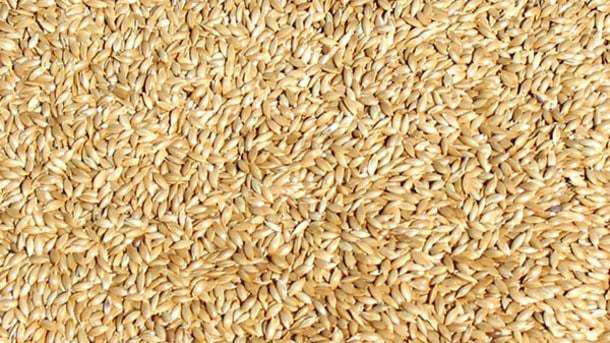
Canary seeds (Phalaris canariensis L.) are cereal grains that were traditionally grown as birdseed but are now available as food-grade glabrous canary seed for human consumption. These hairless varieties are used to produce canary seed flour, whole groats, flakes, and other cereal-based foods.
Canary seeds belong to the grass family (Poaceae), alongside wheat, barley, oats, and rye. Native to the Mediterranean region, they are now cultivated in several countries, with Canada among the world’s largest producers. For many years, commercial production focused almost entirely on bird feed.
Glabrous vs. Traditional Canary Seed
- Traditional canary seed varieties have microscopic silica-based hairs (trichomes) on the hull. These hairs can contaminate the edible kernel during processing and irritate the skin and respiratory tract, making conventional canary seed unsuitable for human consumption.
- Glabrous canary seed is a hairless variety developed through conventional plant breeding to eliminate these trichomes. It is now sold as whole groats, flakes, and canary seed flour for breads, cereals, snack bars, and baked goods.
You may also enjoy our Sliceable Chia Seed Bread for Gluten-Free Toast and Sandwiches for another nutritious gluten-free bread option.
Approval for Human Consumption?
Because canary seed had no history of human consumption, it underwent a thorough safety evaluation before being introduced as a food ingredient. Reviews of its nutritional composition, allergenicity, toxicology, microbiological safety, and intended uses found that food-grade glabrous canary seed is safe for human consumption and nutritionally comparable to other cereal grains.
Why Bakers Are Interested in Canary Seed Flour
Canary seed flour is gaining attention as bakers look for nutritious alternatives to refined, starch-heavy gluten-free flours. Canary seed contains roughly 20% protein and also provides unsaturated fats and minerals, including phosphorus, magnesium, iron, and potassium.
Its mild, slightly nutty flavor works well in both sweet and savory recipes, including muffins, pancakes, cookies, crackers, and breads. Unlike stronger-tasting flours such as buckwheat or quinoa, it usually blends into a recipe without overpowering the other ingredients.
Canary seed flour performs best as part of a gluten-free flour blend rather than as a complete replacement for wheat flour. Combining it with rice, sorghum, or certified gluten-free oat flour can help create a lighter, more balanced texture.
Key Takeaways
- Naturally gluten-free
- Higher in protein than many gluten-free flours
- Mild enough for sweet and savory recipes
- Best used as part of a flour blend
And if you’re experimenting with alternative ingredients, our Best Flaxseed Substitutes for Gluten-Free Baking guide can help you choose the right replacement when a recipe calls for flaxseed.
For another nutrient-rich baking option, try our Soft Flaxseed Bread That Slices Without Crumbling. You can also explore our guide to the 10 Best Chia Seed Substitutes for Every Recipe.
What Does Canary Seed Flour Taste Like?
One reason canary seed flour is gaining attention is its flavor. Unlike some gluten-free flours that can be earthy, bitter, or overpowering, canary seed flour has a mild, slightly nutty flavor with a subtle natural sweetness. This neutral taste allows it to blend easily into recipes without masking the flavors of ingredients like vanilla, chocolate, fruit, herbs, or spices.
Its mild flavor also makes it a versatile ingredient for both sweet and savory baking. It works well in muffins, cookies, pancakes, crackers, quick breads, and bread blends, where it adds nutritional value without significantly altering the finished product’s taste.
Research from Grains Canada also notes that canary seed flour can replace up to 25% of wheat flour in baked products without negatively affecting flavor, color, or texture, demonstrating its potential as a functional baking ingredient.
Baking With Canary Seed Flour
Canary seed flour is one of the easier alternative flours to incorporate into everyday baking because its mild flavor rarely competes with other ingredients. Think of it as a nutritional boost rather than a complete replacement for flour, as it works best when blended with other gluten-free flours.
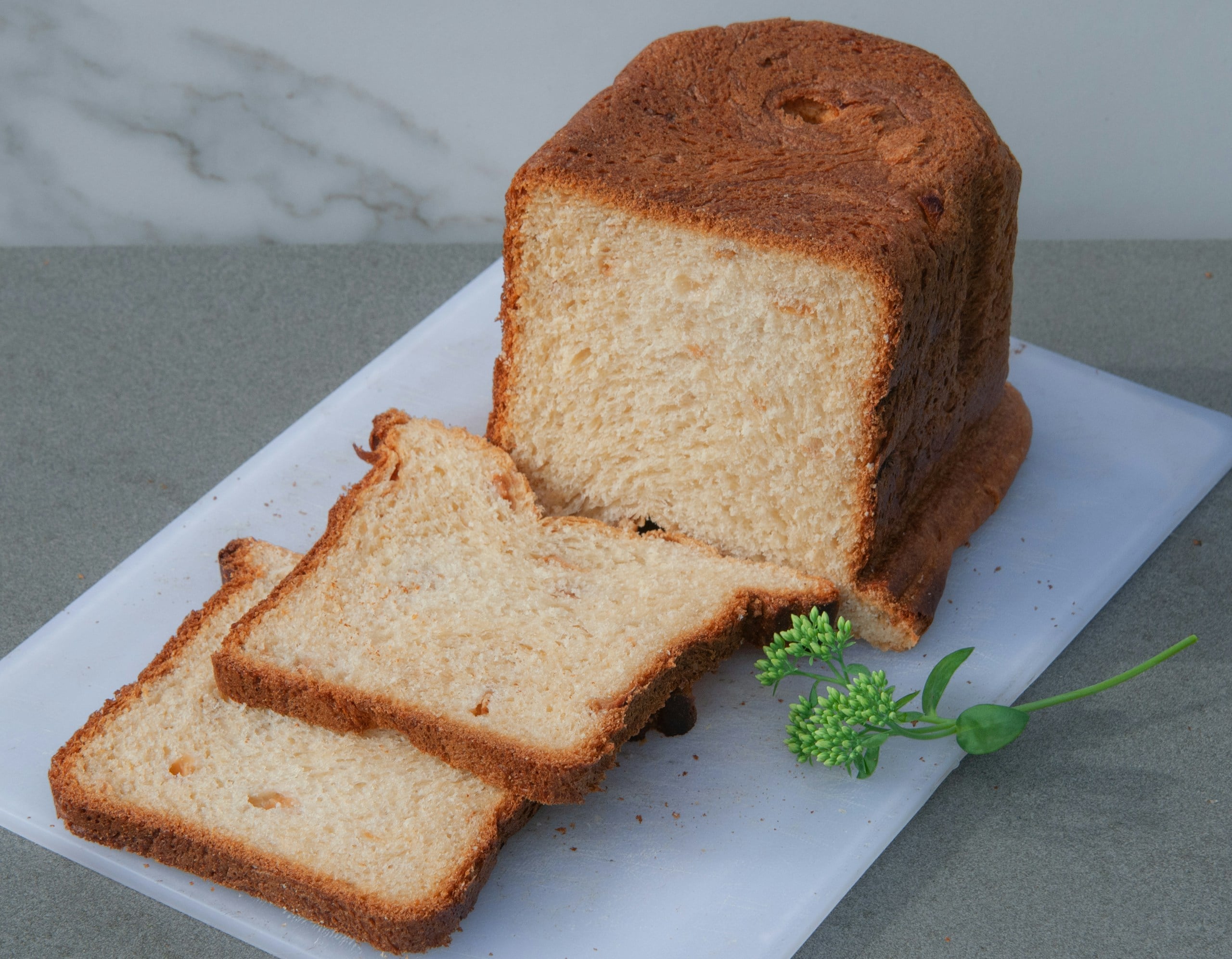
- Bread: Bread benefits the most from blending. Used alone, canary seed flour produces a denser loaf because it lacks gluten. Combining it with other gluten-free flours and binders produces much better rise and texture.
- Cookies: Add protein without changing the familiar flavor of chocolate, vanilla, or spice cookies.
- Muffins: Produce a tender crumb when combined with rice, oat, or sorghum flour.
- Pancakes: An easy place to start because the flour blends well with fruit, spices, and maple syrup.
- Cakes: Works well in vanilla, lemon, chocolate, and almond cakes when used as part of a flour blend.
- Flatbreads: Perform well in wraps and tortillas thanks to their protein and starch content.
- Crackers: Create crisp crackers with a subtle nutty flavor.
Practical Baking Tip
If you’re trying canary seed flour for the first time, replace about 20–25% of your usual flour blend rather than using it on its own. This gives you the extra protein and mild flavor without dramatically changing the recipe.
4 Common Mistakes When Baking With Canary Seed Flour
If you’re new to canary seed flour, avoiding a few common mistakes will improve your results.
- Using it as a complete replacement for wheat flour instead of blending it with other gluten-free flours.
- Expecting it to create the same rise as wheat flour in yeast breads.
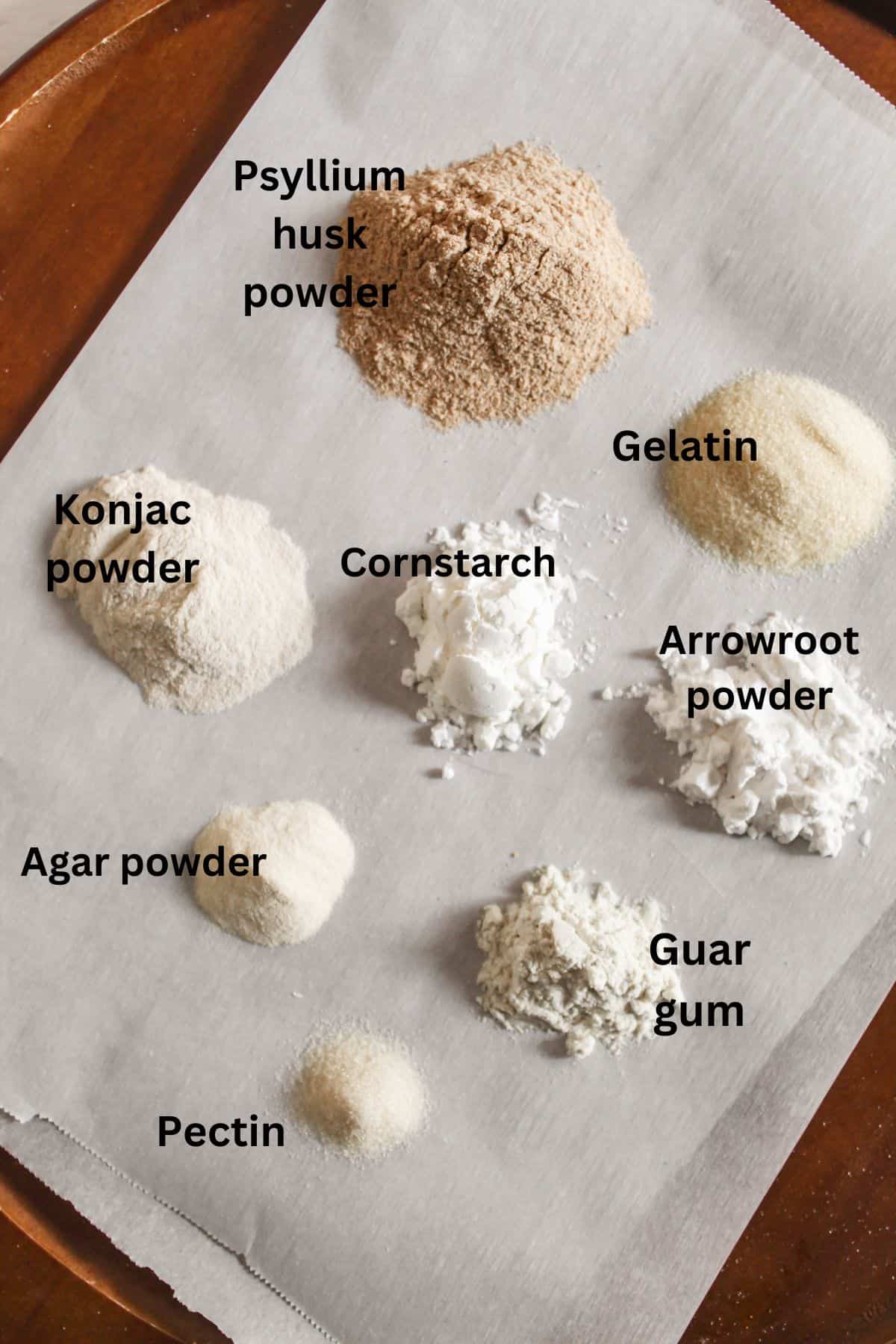
- Forgetting to include binders such as psyllium husk or xanthan gum in gluten-free bread recipes.
- Buying traditional birdseed instead of food-grade glabrous canary seed intended for human consumption.
Can Canary Seed Flour Replace Wheat Flour?
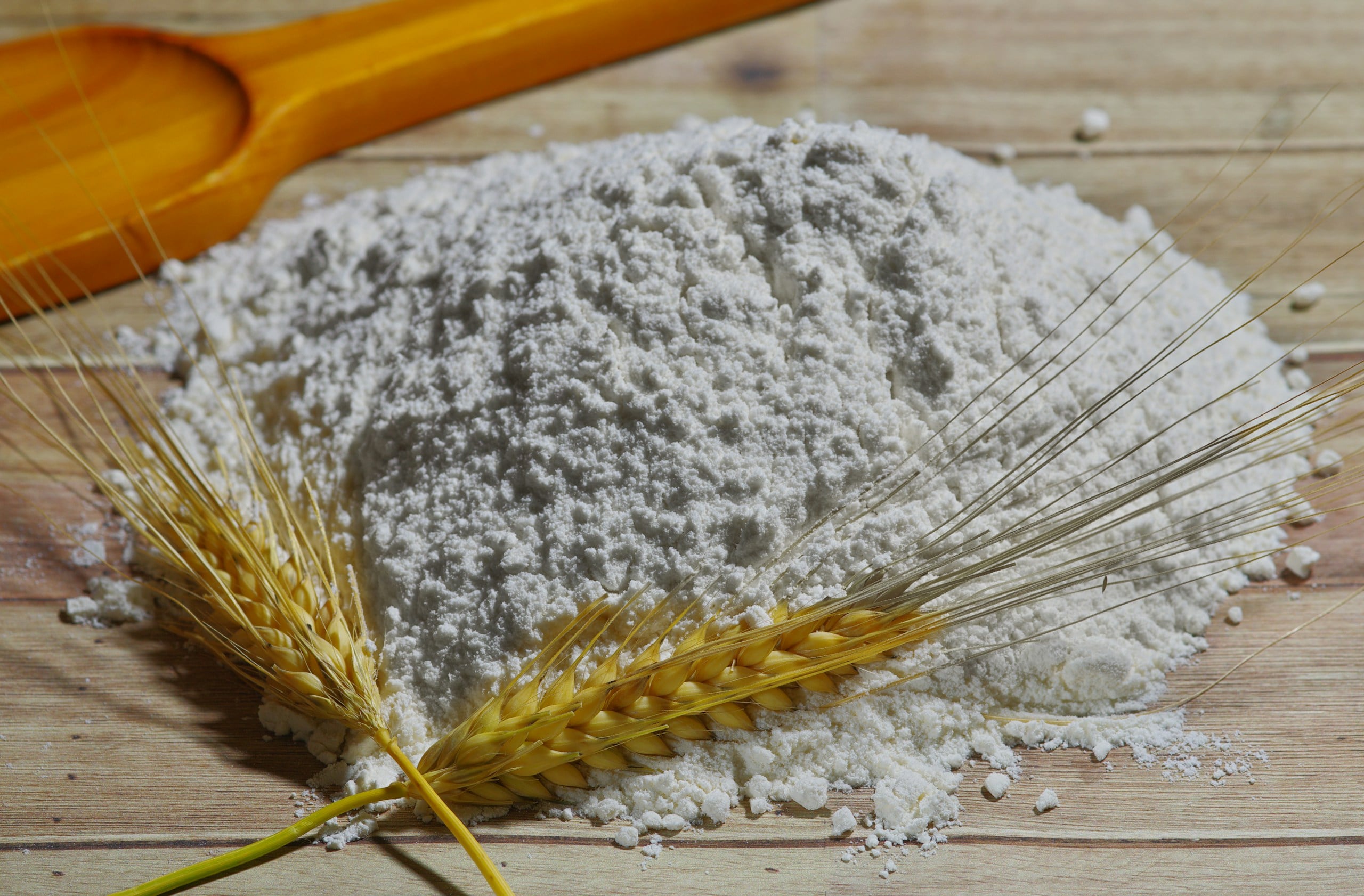
Canary seed flour can replace part of the wheat flour in many recipes, but it is not a one-to-one substitute. Because it contains no gluten, it works best in gluten-free flour blends.
When It Works
It works well in cookies, muffins, pancakes, cakes, crackers, and quick breads. Research shows that replacing up to 25% of wheat flour with canary seed flour maintains good flavor, color, and texture while increasing protein. For another protein-rich bake, try our Easy Flaxseed Muffins With Banana and Honey (Gluten-Free).
When It Doesn’t
It is not suitable as a complete replacement for wheat flour in yeast breads because it cannot form the gluten network needed for a light, airy loaf. Bread recipes typically combine it with other gluten-free flours and binders.
Why Gluten Matters
Gluten forms the elastic network that traps gas and gives bread its structure. Because canary seed flour contains no gluten, it is usually combined with binders such as psyllium husk or xanthan gum to improve rise and texture.
Best Uses for Canary Seed Flour
| Recipe | Rating |
|---|---|
| Cookies | Excellent |
| Pancakes | Excellent |
| Muffins | Excellent |
| Cakes | Very Good |
| Crackers | Excellent |
| Bread | Best when blended with other gluten-free flours |
Canary Seed Flour vs. Other Gluten-Free Flours
No single gluten-free flour is ideal for every recipe. Some provide better structure, others contribute moisture, while some stand out for their nutritional value.
Canary seed flour is unique because it combines a mild flavor with higher protein than many commonly used gluten-free flours, making it a valuable addition to flour blends rather than a replacement for every flour in your pantry.
| Flour | Protein | Flavor | Best Uses |
|---|---|---|---|
| Canary seed flour | High | Mild, slightly nutty | Bread blends, muffins, cookies, pancakes |
| Rice flour | Low | Neutral | Cakes, cookies, pastries |
| Certified oat flour | Moderate | Mild, slightly sweet | Muffins, pancakes, quick breads |
| Sorghum flour | Moderate | Mild, slightly sweet | Bread, muffins, all-purpose blends |
| Buckwheat flour | Moderate to high | Earthy, robust | Pancakes, crepes, rustic breads |
| Almond flour | High | Rich, nutty | Cakes, cookies, pastries |
| Quinoa flour | High | Earthy, slightly grassy | Bread blends, muffins, pancakes |
The table provides a quick overview, but each flour has strengths that make it better suited to certain recipes. Here’s how canary seed flour compares with the most common gluten-free alternatives.
Rice Flour
Rice flour produces light baked goods but contains less protein than canary seed flour. Many bakers combine the two because rice flour keeps recipes light while canary seed flour adds more nutrition.
If you’re unsure which type of rice flour to use, our Rice Flour vs Sweet Rice Flour guide explains how each one affects texture and when they’re interchangeable in gluten-free baking.
Oat Flour
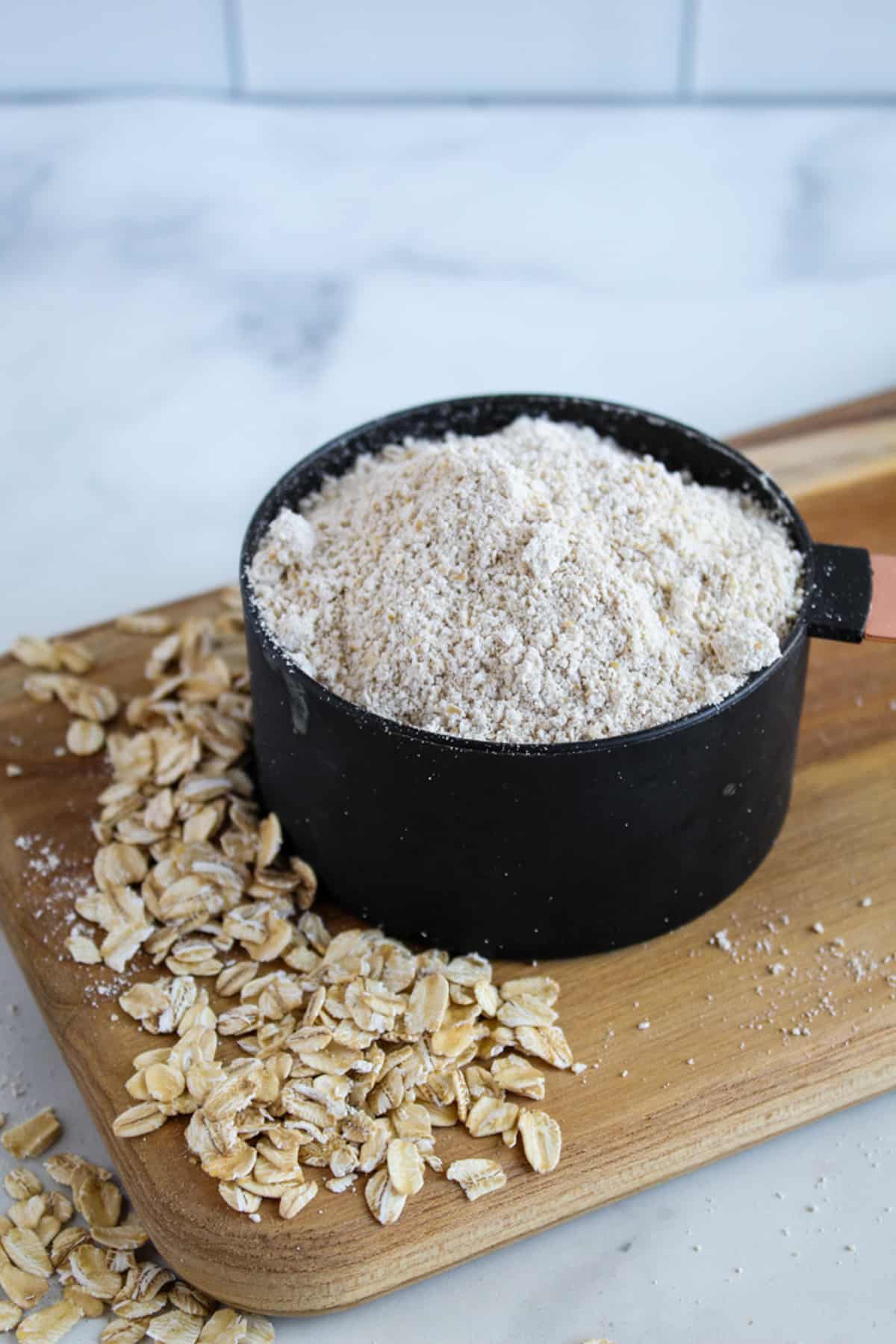
Oat flour adds moisture and a naturally soft texture to muffins and quick breads. Canary seed flour complements it by increasing protein without noticeably changing the flavor.
Sorghum Flour
Sorghum flour is often used as the backbone of gluten-free bread because of its wheat-like texture. Adding canary seed flour increases protein while maintaining good baking performance.
Buckwheat Flour
Buckwheat has a bold, earthy flavor that’s excellent in pancakes and rustic breads. Canary seed flour is much milder, making it the better choice when you don’t want the flour to dominate the recipe.
Almond Flour
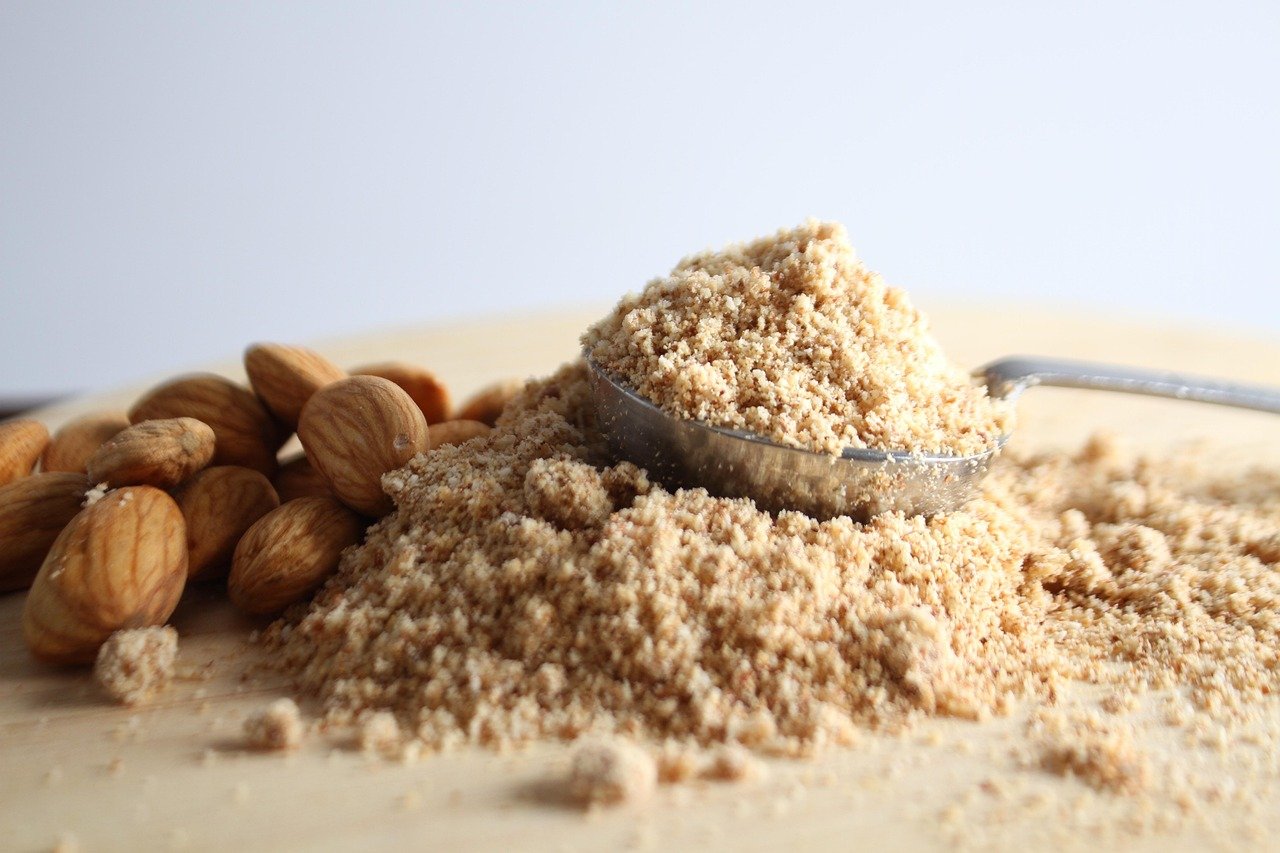
Almond flour produces moist baked goods but behaves very differently from cereal flours because of its fat content. Canary seed flour is easier to incorporate into traditional baking formulas.
Quinoa Flour
Quinoa flour is also high in protein but has a much stronger flavor. If you’re baking delicate cakes or muffins, canary seed flour is usually the easier ingredient to work with.
Celiac Disease and Wheat-Allergy Safety
Food-grade glabrous canary seed does not contain the gluten proteins found in wheat, barley, or rye. For most people with celiac disease, the bigger concern is gluten cross-contact during farming, milling, transportation, or packaging rather than the grain itself.
Celiac disease and wheat allergy are different conditions. Although canary seed flour contains no gluten, some of its proteins resemble those of wheat, so products may carry a precautionary statement for people with wheat allergies.
Look for products labeled gluten-free or certified gluten-free whenever possible. These products are produced under practices designed to reduce the risk of cross-contact with gluten-containing grains.
Would you like to build a reliable gluten-free pantry? What is the Best Gluten-Free Flour Blend (Including Rice-Free Options)? – Complete Guide explains how to choose flour blends that deliver better texture, structure, and consistent baking results.
How to Buy and Store Canary Seed Flour
You can find canary seed flour through specialty gluten-free retailers, health food stores, natural food markets, and online retailers. Availability is expanding as interest in alternative gluten-free flours grows.
What to Look For Before You Buy
Not every product labeled “canary seed” is intended for human consumption. Before purchasing, check the label for these important details:
- Food-Grade: Choose products specifically labeled for human consumption, not bird feed. Food-grade varieties have been developed and processed for use in foods.
- Glabrous: Look for glabrous (hairless) canary seed, the variety approved for human consumption in Canada and the United States. Unlike traditional birdseed, it does not contain the silica hairs found on older varieties.
- Certified Gluten-Free: If you have celiac disease or require a strict gluten-free diet, choose products that are certified gluten-free or clearly labeled gluten-free to reduce the risk of gluten cross-contact during processing.
Storage Tips
Proper storage helps preserve the flavor, nutritional value, and baking performance of canary seed flour. Because it contains natural oils, protecting it from heat, air, moisture, and light will help keep it fresh for longer.
Use the following storage practices to preserve freshness.
- Store Whole Seeds: Keep food-grade canary seeds in an airtight container in a cool, dry, and dark place, such as a pantry or cupboard. Proper storage helps maintain freshness and reduces the risk of moisture, mold, and insect contamination.
- Store Flour: Store canary seed flour in an airtight container away from heat and direct sunlight. If you don’t use it regularly, refrigerate it to slow oxidation or freeze it for longer-term storage. Before opening frozen flour, allow it to reach room temperature to prevent condensation from introducing moisture.
- Shelf Life: Storage conditions affect how long the flour stays fresh. Under proper conditions, dehulled canary seed has a shelf life of about 15 months, while canary seed flour is best used within 8 months for optimal flavor and baking performance.
Signs It Has Gone Bad
Discard canary seed flour if you notice any of these signs:
- It develops an unusual color or off-flavor.
- It develops a rancid, sour, or stale smell.
- Mold or moisture appears.
- Humidity causes the flour to clump.
- You find insects or other signs of pest activity.
If you’re unsure whether the flour is still fresh, it’s best to replace it. Fresh flour produces more consistent flavor, texture, and baking results.
How to Start Using Canary Seed Flour
If you’re new to canary seed flour, begin with simple recipes before tackling more complex bakes. Use these tips to get the best results.
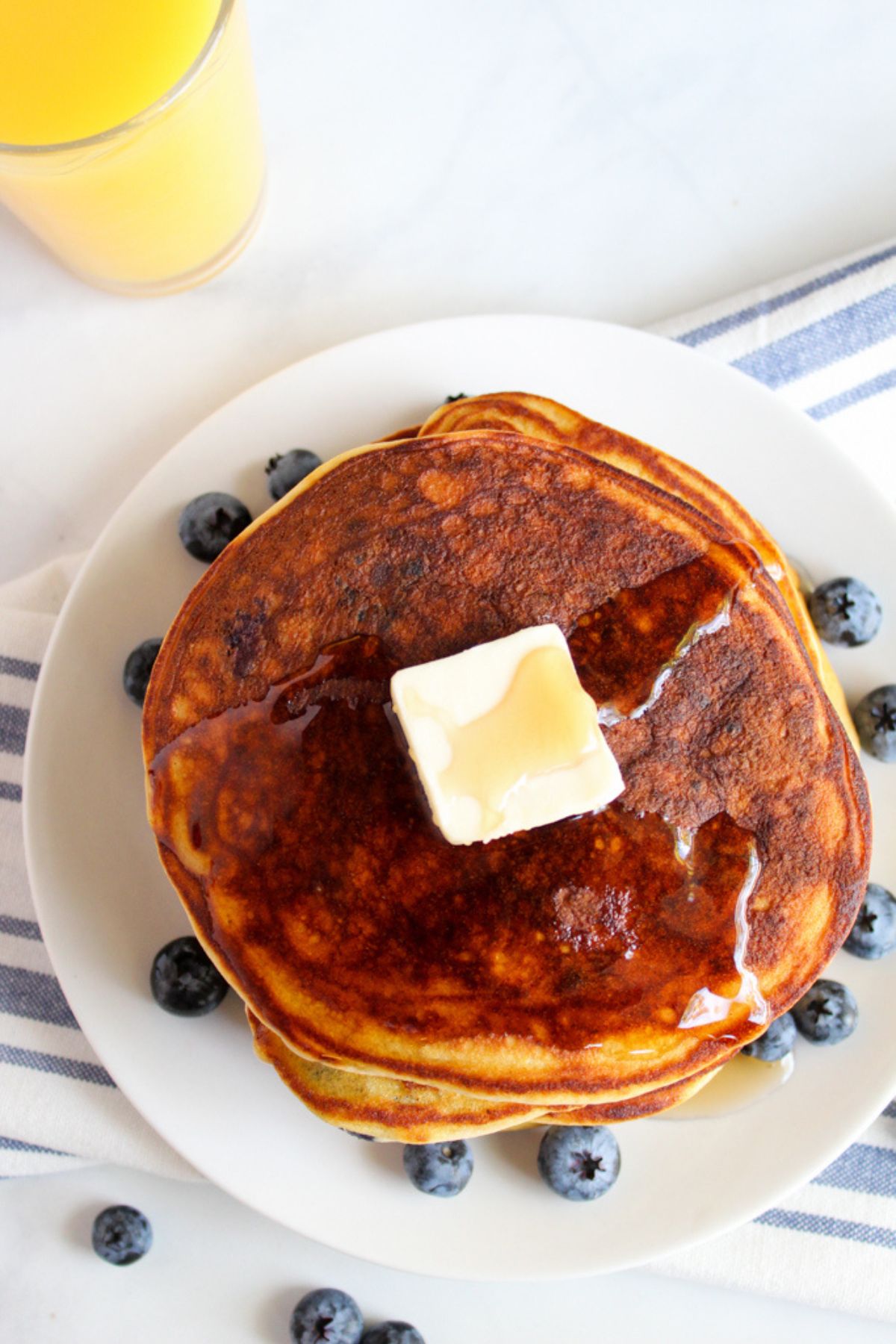
- Start with pancakes: Make pancakes first because they let you learn how canary seed flour behaves without depending on gluten for structure.
- Try cookies next: Bake cookies to experiment with flour blends while enjoying the flour’s mild, nutty flavor.
- Blend it with other gluten-free flours: Mix canary seed flour with rice, sorghum, oat, or tapioca flour to create a better texture and structure than using it alone.
- Measure by weight: Use a kitchen scale instead of measuring cups for more accurate, consistent results.
- Adjust hydration gradually: Add small amounts of liquid until the batter or dough reaches the right consistency, since gluten-free flours absorb moisture differently.
- Experiment a little at a time: Replace only a portion of the flour at first, then gradually increase the amount as you gain confidence, especially when making breads or other recipes that need more structure.
Ready to test it? Start by replacing 20% of your usual gluten-free flour blend in pancakes or muffins, and record how the batter, flavor, and texture change. Then use our gluten-free flour blend guide to fine-tune the remaining flours.
Frequently Asked Questions
Still have questions about canary seeds or canary seed flour? Here are answers to some of the questions readers ask most often. If you don’t see yours here, feel free to ask in the comments below; we’re always happy to help.
Can You Eat Whole Canary Seeds?
Yes—but only when the seeds are food-grade, glabrous, and intended for human consumption. Eat them as whole groats, add them to cereals, or use them in baked goods. Avoid traditional birdseed varieties because manufacturers do not produce them for human consumption, and their hulls may contain silica hairs.
Can Canary Seed Flour Be Used in Savory Recipes?
Absolutely. Its mild, slightly nutty flavor works well in crackers, flatbreads, tortillas, and bread blends. Because it doesn’t have a strong or bitter taste, it pairs well with herbs, cheese, garlic, spices, and sweet ingredients.
Is Canary Seed Flour Suitable for Vegan Baking?
Canary seed flour is plant-based, so it fits naturally into vegan and vegetarian recipes. However, it won’t replace the binding properties of eggs or gluten. Use a suitable egg replacer or gluten-free binder whenever your recipe requires one.
Can You Make Your Own Canary Seed Flour At Home?
If you have whole food-grade glabrous canary seeds, you can grind them into flour using a high-powered blender or grain mill. For the best baking results, sift the flour if needed and store any unused portion in an airtight container in the refrigerator or freezer to maintain freshness.
Is Canary Seed Approved for Human Consumption?
Several countries have approved food-grade glabrous canary seed for human consumption. In the United States, it has Generally Recognized As Safe (GRAS) status for use in foods such as baked goods, breakfast cereals, pasta, grain products, and snack foods.
Related Guides
If you’re exploring new gluten-free flours and pantry staples, these guides can help you make confident ingredient swaps and choose the right products for your recipes:
- 10 Best Quinoa Substitutes for Cooking, Baking, and More: Learn which substitutes work best for quinoa in salads, grain bowls, baked goods, and gluten-free recipes.
- Is Tahini Gluten-Free? What You Need to Know: Find out whether tahini is naturally gluten-free, what to watch for when shopping, and how to avoid cross-contact.
- 9 Best Sorghum Flour Substitutes (With 1:1 Baking Guide): Compare the best alternatives to sorghum flour, including when you can substitute them cup for cup and which recipes they work best in.
- Agave Syrup Alternatives Every Baker Should Know: Discover the best substitutes for agave syrup and how each one affects sweetness, moisture, and texture in gluten-free baking.
Together, these guides make it easier to experiment with unfamiliar ingredients while maintaining the flavor, texture, and structure your gluten-free recipes need.
What Do You Think?
Have you baked with canary seed flour? Share your favorite recipes, flour blends, or tips in the comments below. Your experience may help other readers achieve better results in their own kitchens.