If you’ve ever baked gluten-free bread, rolls, or even muffins, you know that psyllium husk is often the secret weapon in these recipes. It gives structure, elasticity, and that satisfying chew more gluten-free recipes struggle to achieve. Without it, dough can crumble, collapse, or turn dense and gummy.
So what happens when you don’t have any or simply want a more accessible alternative? The good news is, you have options, and some of them are probably sitting in your pantry. But not all psyllium husk substitutes behave the same way. Some create stretch and elasticity, while others only add thickness. Then others change flavor, texture, or even color. Knowing which substitutes to choose (and which not to) based on what you are baking can completely change the outcome of your bake.
Table of Contents
In this guide, we’re going beyond the basic list of replacements. You’ll learn what psyllium husk is and why it works so well in baking, how it works, which substitutes can replace it, and how to troubleshoot certain issues like gumminess or dryness.
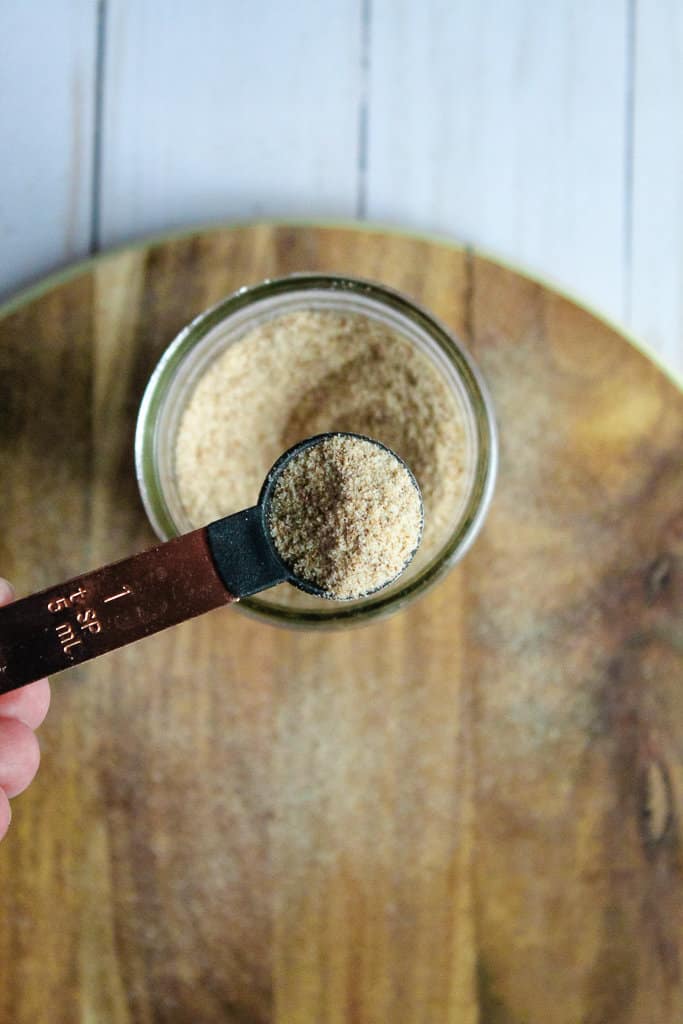
Whether you’re baking gluten-free for dietary reasons, lifestyle choices, or simply ran out of psyllium husk powder at the worst moment, this guide will help you confidently choose the right substitute and make it work for your specific recipe. Let’s start by breaking down what psyllium husk powder is and actually does in baking, because once you understand that, choosing the right substitute becomes much easier.
What Is Psyllium Husk?
Psyllium husk is a naturally occurring plant-derived fiber that comes from the outer husks of the seeds of the Plantago Ovata plant. It’s commonly known and used as a digestive health supplement, but in the world of gluten-free baking, it plays a completely different role.
Psyllium is a hydrocolloid, which means that it absorbs water and forms a gel-like structure when hydrated. In fact, psyllium can increase its volume by about 20 times when hydrated. This ability makes it a star ingredient in gluten-free baking and a valuable source of fiber that supports digestive health.
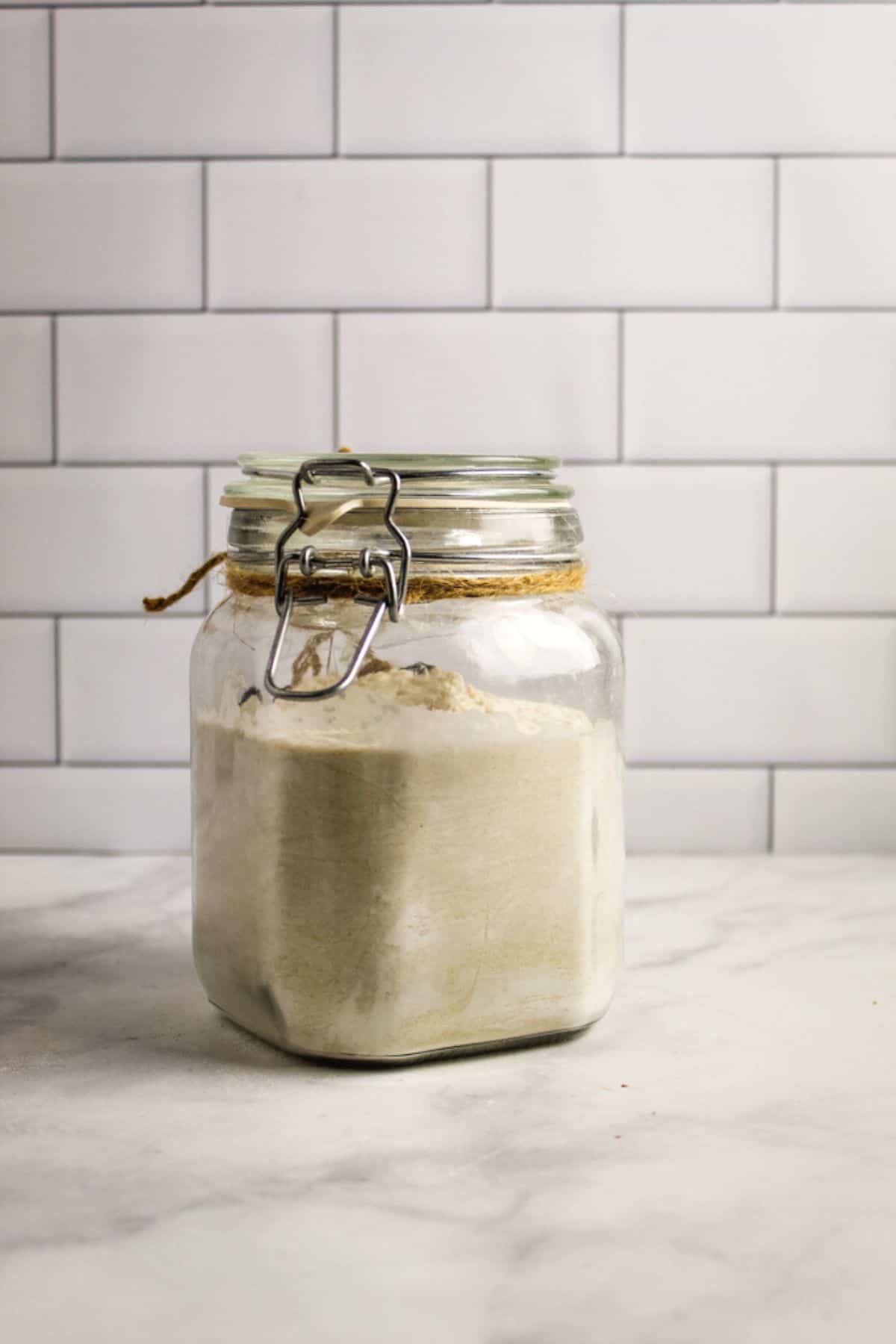
There are two common forms of psyllium available: whole psyllium husk and psyllium husk powder. It is often consumed in powder form, added to food, water, or smoothies to help meet daily fiber consumption. Whole psyllium husk is generally preferred in baking because it distributes more evenly, whereas the powder can clump up too quickly and be difficult to evenly mix in the dough. Either can be used, but they both hydrate differently, so be sure to use the version that your recipe calls for.
How Psyllium Works in Baking
Psyllium husk powder is often used for its many health benefits. But to truly substitute psyllium successfully, you need to understand what it’s doing behind the scenes.
When psyllium husk is mixed with water, it quickly forms a thick, sticky gel. This gel holds ingredients together while still allowing for expansion, much as gluten forms a network and traps gases in wheat-based baking.
In baking, four main steps happen when psyllium is used:
- Hydration: When liquid is added, psyllium begins to absorb water and swell. Within a few minutes, it forms a gel that distributes throughout the dough.
- Structure Formation: The gel binds the flour together. In gluten-free baking, this network replaces the missing gluten strands that normally provide elasticity in traditional baking.
- Gas Retention: When yeast or baking powder produces carbon dioxide, the psyllium network traps the gas, allowing the dough to rise rather than collapse.
- Baking Stabilization: As heat continues to set the structure of the baked good, the gel firms, stabilizing the bread’s crumb. The final product holds its shape even after cooling.
Without psyllium (or a similar binder), gluten-free dough behaves more like a thick batter, spreading rather than holding its shape. Psyllium is also unique among binders because it offers a balance of elasticity, moisture retention, structural support, and stability after cooling. That’s why it’s especially popular in gluten-free artisan-style breads and other recipes that require both strength and chew.
Once you understand this, it’s easy to see why the best substitute depends entirely on what your recipe needs most: stretch, moisture, lift, or binding.
10 Best Substitutes
Understanding psyllium’s fiber-based, gel-forming properties is the key to choosing the right substitute, because any effective replacement must replicate at least one of these functions: binding, elasticity, moisture retention, or structure. So let’s explore some of the best substitutes to find the one that will work best in your recipe.
1. Xanthan Gum
Xanthan gum is one of the more commonly used gluten-free binding agents, used in many recipes and often found in gluten-free flour blends. It’s a fermented corn polysaccharide, made by fermenting a carbohydrate with a specific bacterium. Although this alternative sounds a bit odd, it does wonders in gluten-free baking. It’s a binder and stabilizer for ingredients, helping baked goods have a light, fluffy, yet stable texture. Check the labels of xanthan gum if you have certain allergies or dietary restrictions, as certain brands may also contain corn, dairy, or soy. In that case, use a different alternative (like guar gum). This brand is free of all of those additives.
To use it as a substitute, add 1/2 teaspoon of xanthan gum per cup of flour or starch. A little goes a long way with this ingredient. This blueberry cobbler recipe uses xanthan gum.
Tip: Don’t use more than 1 1/2 tsp of xanthan gum in a recipe. Too much of this can lead to a chemical taste in your baked goods and a very gummy texture. Less is more with xanthan gum!
2. Guar Gum
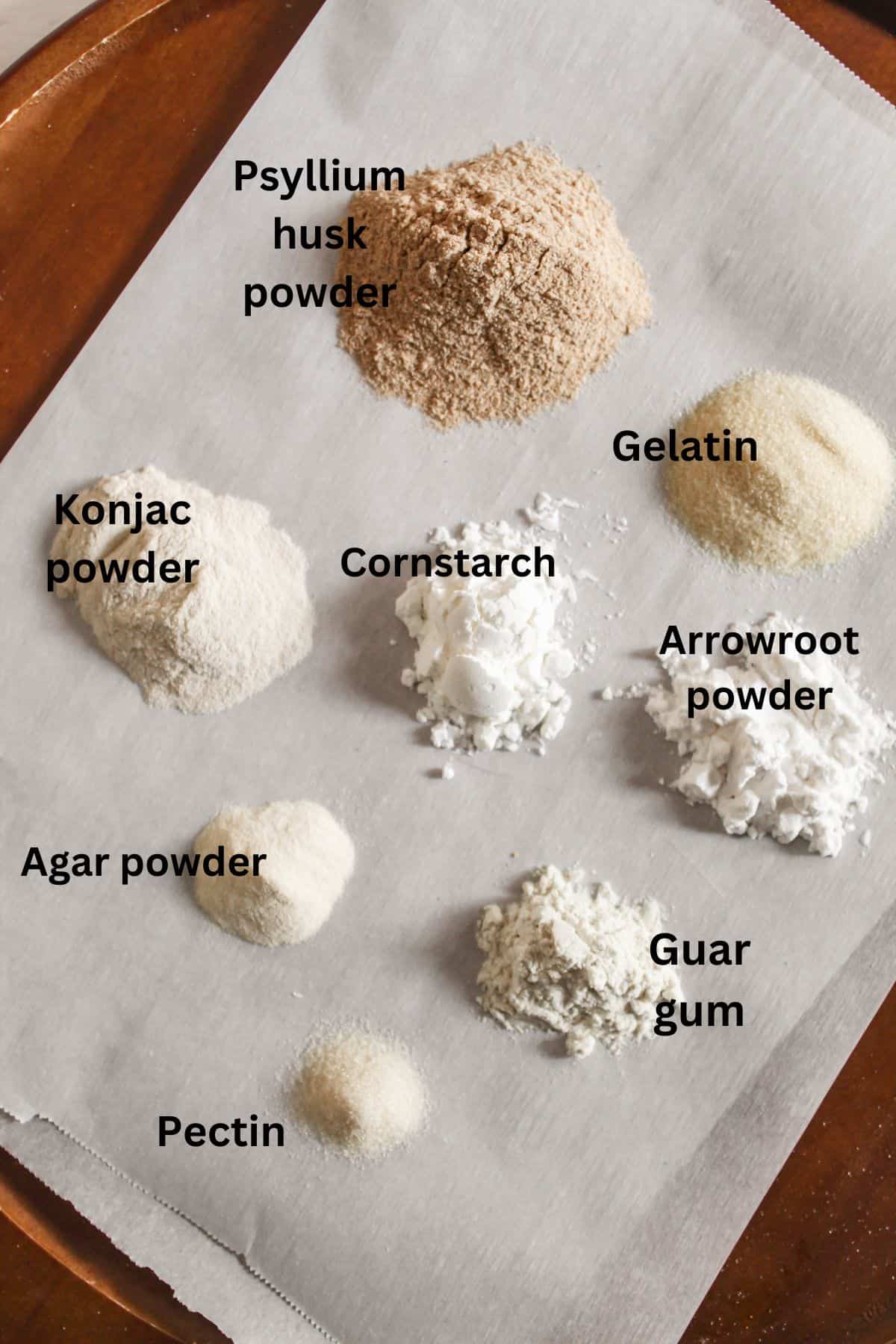
Guar gum is another commonly used ingredient that is made from powdered guar beans. It’s similar to xanthan gum in that it’s a fiber often used as a dietary supplement for digestive health. Guar gum works well as a binder and for thickening foods.
Substitute guar gum in the same ratio as xanthan gum, roughly 1/2 teaspoon per cup of flour or starch.
3. Chia Seeds
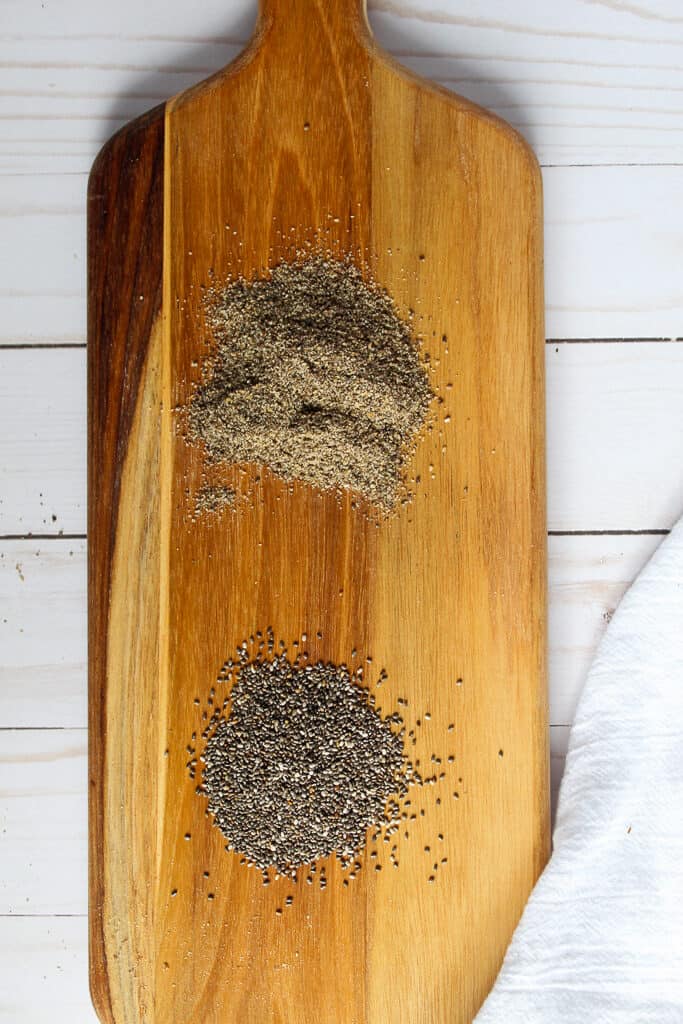
Chia seeds are tiny but pack a punch of nutrients. These seeds are a great source of fiber, protein, Omega-3 fatty acids, and antioxidants. They are a popular additive to smoothies, puddings, granola, and baked goods. The amazing thing about chia seeds is that they can absorb up to 12 times their own weight and form a gel substance when combined with water. This means they are a great option for baking because they retain moisture and act as a binder, helping baked goods from becoming dry and crumbly.
I recommend grounding the seeds so they are nearly invisible in your finished baked good. Chia seeds can be substituted for psyllium husk powder at a 1:1 ratio. Try this hearty chia seed bread or lemon chia muffins as a great way to incorporate chia seeds in a recipe.
4. Flax Seeds
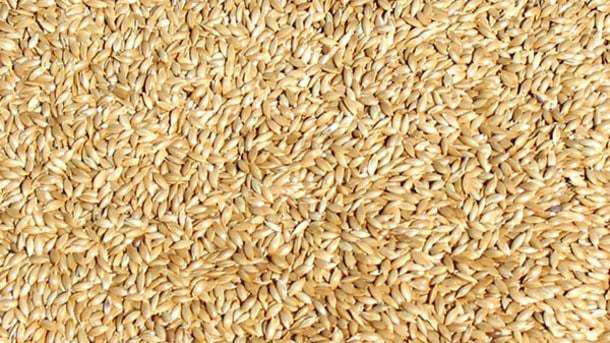
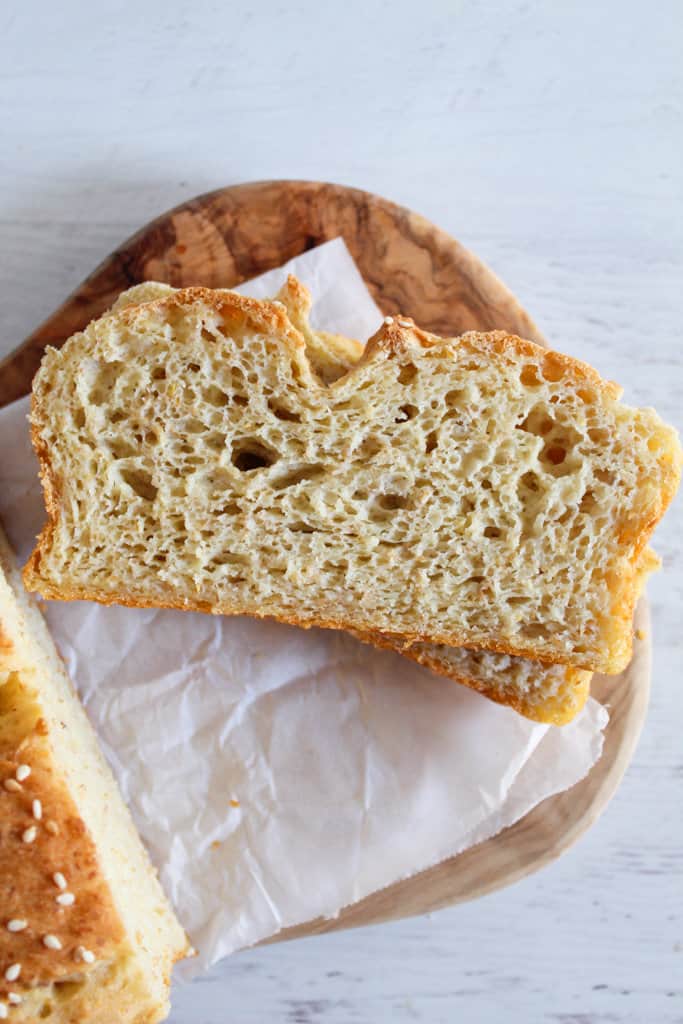
Flax seeds are another healthy seed that works well in baking, as long as they are ground up (also known as flaxseed meal). These seeds are rich in fiber, iron, zinc, and Omega-3 fatty acids. Flax seeds do a great job of adding moisture and softness to baked goods, as well as binding.
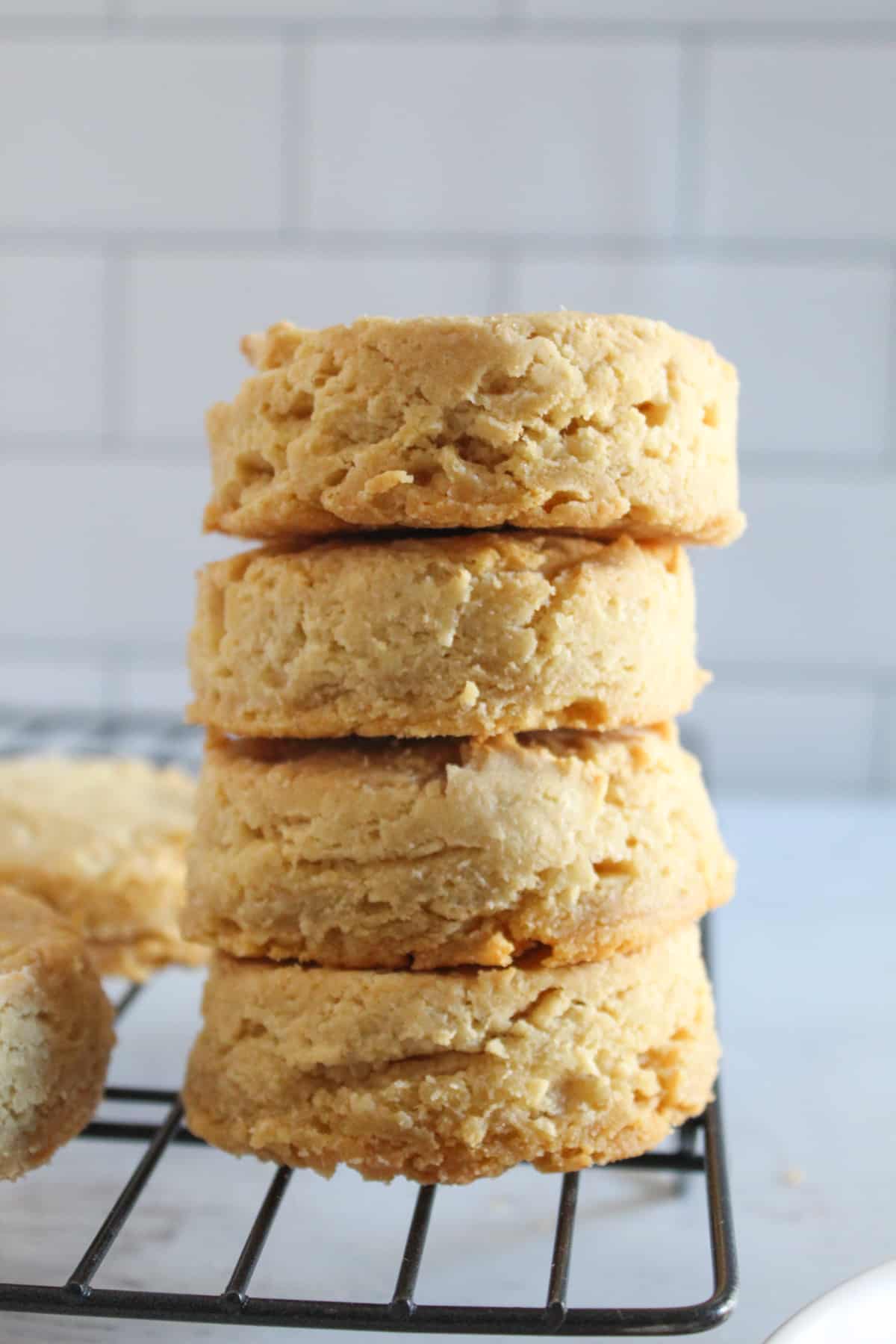
Flax seeds can be substituted for psyllium husk powder at a 1:1 ratio. Try them out in this chocolate biscuit recipe.
5. Eggs
It’s no secret that eggs are a very useful ingredient in baking. Many recipes use eggs, whether to provide structure, moisture, or texture. Since they can do so much for a baked good, it makes sense that they’re a good replacement for psyllium husk powder.
Psyllium husk powder can be substituted with 1 egg in most recipes (but this is definitely recipe-specific, so test it out).
6. Gelatin
Gelatin gives gum, jelly beans, and the popular JELL-O dessert their sticky and moist texture. Unflavored gelatin is excellent for baking because it makes dough stretchy and helps baked goods retain moisture. Like any of these substitutes, gelatin is also a great binder. Just make sure you use unflavored gelatin, like this one, not anything containing a sweetener or flavor. Also, keep in mind that gelatin isn’t suitable for a vegetarian or vegan diet. But agar agar is a great vegan alternative to gelatin.
Psyllium husk powder can be substituted with 1 teaspoon of unflavored gelatin in most recipes. This easy potato bread recipe uses a combination of gelatin and xanthan gum as the binding ingredients.
Troubleshooting Guide
Even with the right substitute, texture problems can happen. Here’s how to diagnose and fix the most common issues.
Bread Is Dense or Gummy
The most common cause of gummy bread is using too much binder. It can also happen if the bread is underbaked. To fix this issue, slightly reduce the amount of binder that you’re using, especially if you’re using xanthan gum or guar gum. The best way to ensure you are measuring your ingredients properly is to use a kitchen scale. It is easy to mismeasure when using cups, so when a recipe offers ingredient weight, opt for that measurement for the best results.
As well, if you are sure you have properly measured your ingredients, the bread may just need a few more minutes in the oven. Try extending the bake time by about 5-10 minutes. Then, be sure to let the bread loaf cool before slicing into it. Cutting into bread too soon after it comes out of the oven can cause a gummy texture, since the bread is still cooling and releasing steam as it sets.
Bread Crumbles After Cooling
Crumbly bread can result from too little binder, overbaking, or an unbalanced flour blend. Gluten-free flour blends should be made up of a combination of flours and starches to provide protein, fiber, binding, and elasticity. My go-to recipe is this gluten-free flour mix, which has a balanced combination of each. Make a large batch of it to have on hand for all your gluten-free baking.
You may also need to slightly increase the amount of binder, but do so sparingly, since too much binder can make your bread gummy. Or try adding 1-2 tablespoons of extra liquid to the batter, since it may be lacking hydration.
Dough Didn’t Rise Well
There are a few main reasons your dough didn’t rise. Either the binder you used was too weak to trap the carbon dioxide gases, the yeast was inactive, or the dough was too stiff.
Try swapping out the binder you used for something stronger and more suited to providing structure to doughs, like xanthan gum. If the dough is too stiff, adjust the recipe’s hydration. Gluten-free doughs need more hydration and should be softer than wheat doughs. Finally, check your yeast for freshness and make sure you are proofing it properly.
For more tips on this, check out the video from Red Star Yeast below.
Strange Color
Psyllium contains natural pigments that react when used in recipes with a high pH, such as baking soda or yeast, which can sometimes result in baked goods that have a purple or grayish tint. Don’t worry, it’s still entirely safe to enjoy your bread and won’t affect the taste!
>Lighter-colored powders often work better to avoid color change.
Psyllium Husk Powder FAQs
Simple answers to big questions to help you on your baking journey. If you have more questions or comments, stay connected by leaving a comment down below.
Can You Bake Without Psyllium Husk Powder Entirely?
Yes, but results will vary. Quick breads and muffins often rely more on eggs and chemical leaveners like baking soda and baking powder, so psyllium isn’t always essential. But yeasted breads benefit greatly from a structural binder. Instead of leaving it out altogether, try a substitute from the list above that works best with your dietary needs.
Can I Substitute Whole Psyllium Husk for Powder?
If you only have whole psyllium husk, try grinding it up in a food processor or blender into a powder, since powder tends to work better in baked goods. You can use whole psyllium husk, but you may need slightly more liquid and extra mixing and resting time. Powder hydrates faster and distributes more evenly in doughs and batters.
What Brand of Psyllium Husk Powder is Best?
Here are a few favorite brands I go back and forth between. They are all clean ingredients and great for baking to keep your baked goods light in color.
Choosing the Right Psyllium Husk Substitute
Running out of psyllium husk powder doesn’t have to mean abandoning your recipe. As you’ve seen, several ingredients can step in and help provide structure, moisture, and binding in baked goods. You just need to choose the one that fits your specific recipe and baking goals.
The key takeaway is that psyllium husk plays multiple roles in baking. It binds ingredients together, traps air during rising, and helps baked goods retain moisture and structure after baking. Because of this, no single substitute will perfectly replicate everything it does. Instead, each alternative shines in different situations.
For example, xanthan gum and guar gum are often the best choices when you need a strong structure in gluten-free breads or pizza dough. Chia seeds and flax seeds work well in muffins, pancakes, and other quick breads, where a gel-like binder is enough to hold everything together.
If you’re experimenting with substitutes for the first time, start small. Follow the suggested conversion ratios, properly hydrate ingredients like chia or flax before adding them to the recipe, and be prepared to make minor adjustments to liquid levels. Gluten-free baking in particular often requires a little trial and error, but the results are well worth it once you find the right balance.
Ultimately, baking is as much about creativity and adaptability as it is about precision. Even when a key ingredient is missing, there are almost always ways to work around it and still create something delicious!
Recipes To Try
If you came to this article looking for a psyllium substitute, each of these recipes features at least one of the alternatives from the list above, so you can try out a variety of recipes using what you have on hand.
These recipes make it easy to see how different psyllium substitutes work in real baked goods, so you can find the option you like best.
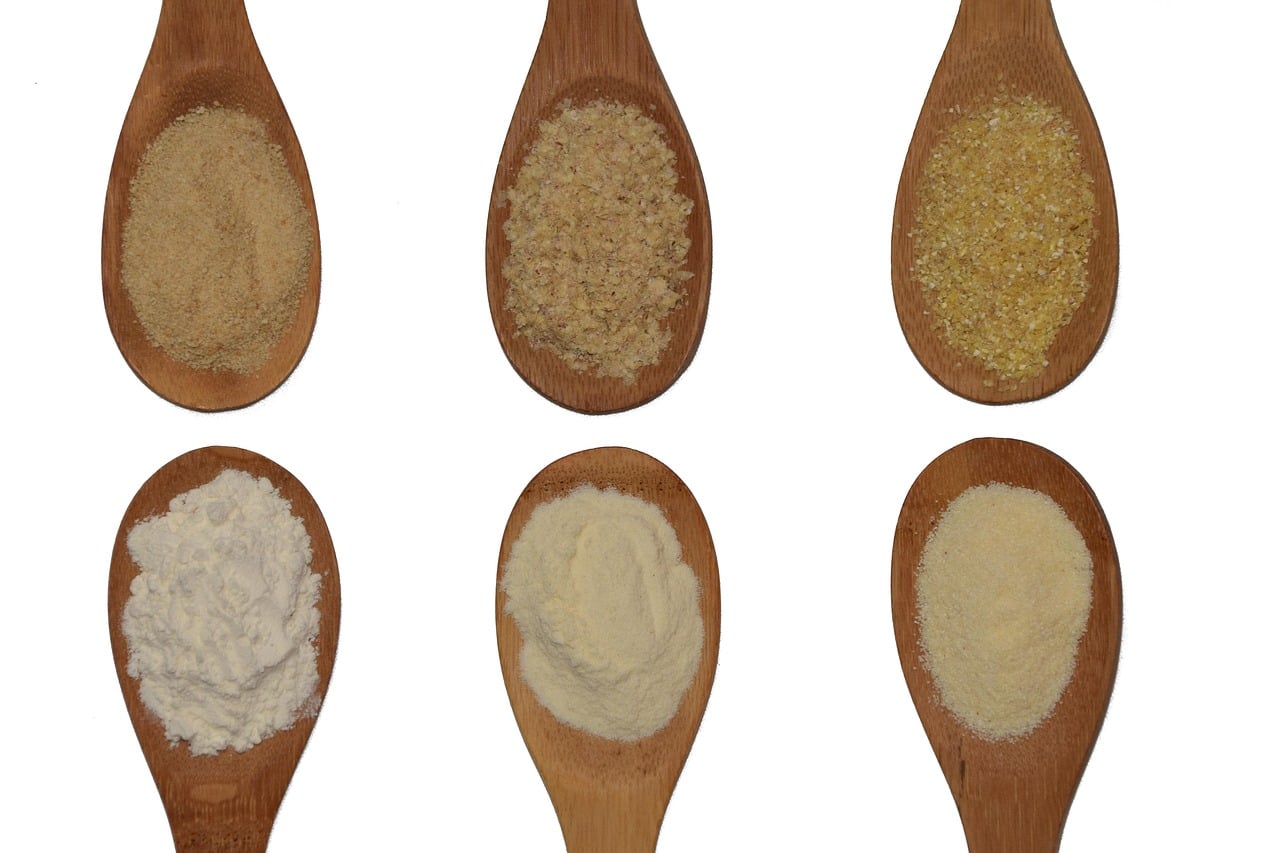
Comment and Connect
If you learned something new from this article, let us know what it helped you with. Did you find a great substitute for your recipe? Share with other readers in the comments below!