Imagine walking down the baking aisle of your grocery store, searching for the best baking chocolate. You spot one bar labeled unsweetened chocolate and another labeled bittersweet chocolate, and suddenly you’re not sure which one to choose.
Unsweetened vs bittersweet chocolate – what’s the difference, and which one is right for your recipe?
Table of Contents
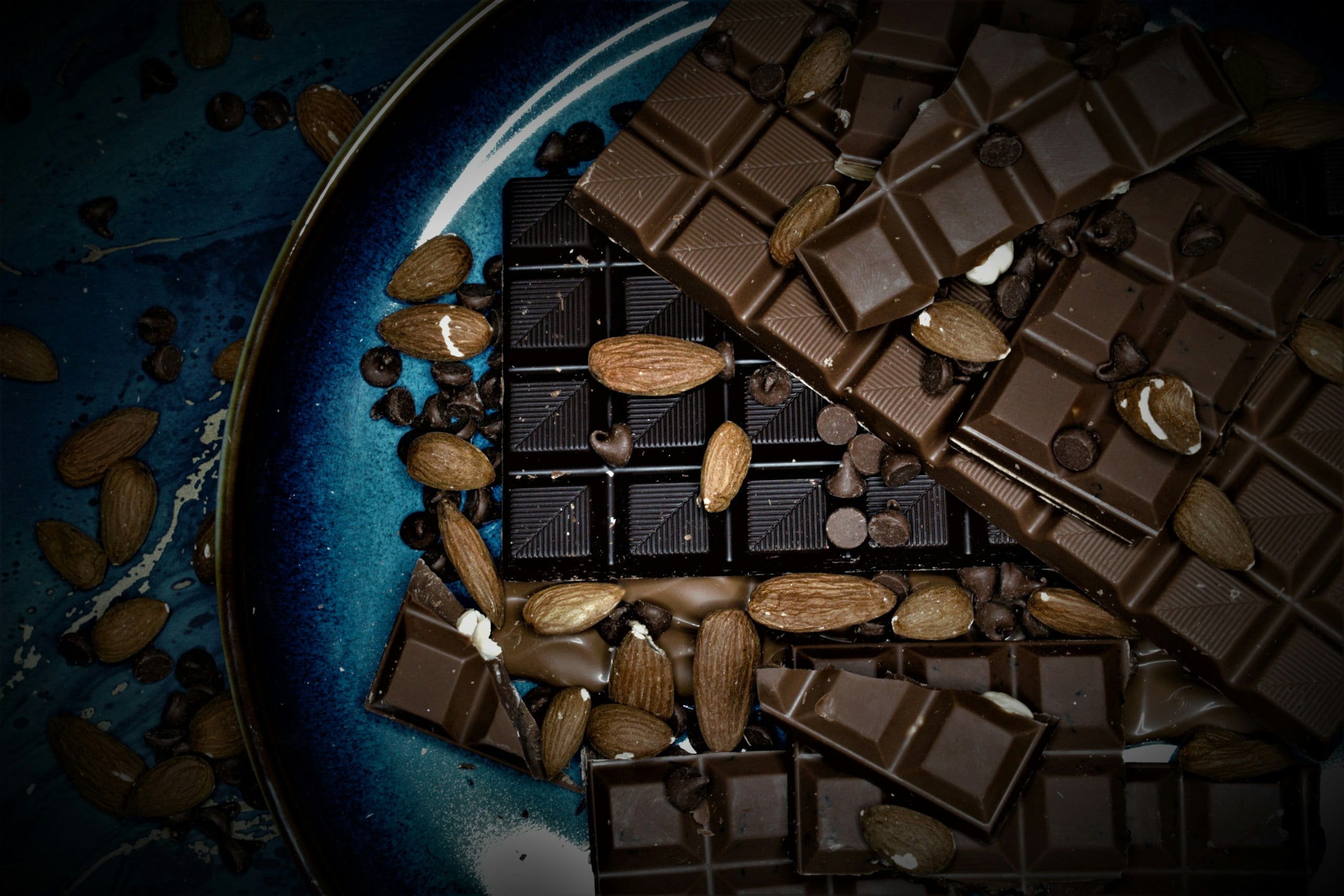
While these two chocolates look similar, they’re very different in taste, sugar content, and best uses. Whether you’re making a delicious fudgy oat brownie for breakfast or a birthday cake for your best friend, there’s a different use for each of them.
Read on to know which is more suited for you between bittersweet vs unsweetened chocolate and how to use them each for a successful baking experience.
Unsweetened vs Bittersweet: Which Chocolate Should You Use?
The answer depends on what you’re baking and how much control you want over sweetness. While both chocolates come from cocoa beans, they behave very differently in recipes. Understanding how each one affects flavor, texture, and balance will help you choose the right chocolate and avoid common baking mistakes.
Want our human-written content to rank above AI-generated garbage? Help us out by clicking this button!
What Is Unsweetened Chocolate?
Unsweetened chocolate stands out for its intensity and versatility. Apart from giving bakers complete control over how sweet their bakes are, it’s also versatile, as you can use it in savoury dishes. So whether you’re baking peanut butter brownies, making a chocolate pudding, or a chocolate-infused sauce, this chocolate lets you intentionally build flavor and sweetness.
Let’s dive into unsweetened chocolate and explore what makes it unique in baking and cooking.

Definition
Unsweetened chocolate is the simplest form of chocolate. It is a special type of chocolate made from 100% cacao, and it contains absolutely no added sugar.
Like all chocolate, unsweetened chocolate comes from the cacao tree. After being plucked from trees, cacao pods are split open to reveal the cacao seeds, which are then dried and fermented for up to 7 days. The cacao beans are cleaned and roasted when the fermenting process is finished.
Producers grind cacao beans into chocolate liquor, which naturally contains cocoa solids and cocoa butter. In unsweetened chocolate, the cocoa butter remains, but manufacturers add no sugar, resulting in a deeply bitter flavor.
Flavor
Because it contains no sugar, unsweetened chocolate is very bitter and somewhat dry. Some describe the taste as intense, and others call it earthy.
Unsweetened chocolate is also relatively dry and crumbly due to the lack of milk solids, sugar, and cocoa butter. Despite all this, the great thing about this chocolate is the deep flavor it can infuse into many dishes, whether sweet, like chocolate chip muffins, or savory, like mole sauces.
Typical Uses
Unsweetened chocolate is useful for baking because it adds a richer chocolate flavor without making baked goods too sweet. By giving you control over the dish’s sweetness, you can easily adjust the recipe to your preferences. That is why most recipes for unsweetened chocolate, such as brownies, chocolate chip banana bread, and chocolate cake, include the necessary amount of sugar to counter its bitterness.
You can also use unsweetened chocolate in savory dishes, whether as a sauce, glaze, or ganache. It adds a rich chocolate flavor to recipes that mix sweet and savory and pairs well with a range of foods, from baked pastries to meat dishes.
What Is Bittersweet Chocolate?
The question, “Is bittersweet the same as unsweetened chocolate?” comes up a lot when talking about bittersweet chocolate. And the simple answer is no.
Bakers use bittersweet chocolate as a versatile baking option that balances richness with mild sweetness. Keep reading as we clarify what this chocolate is and how you can use it in baking.
Definition
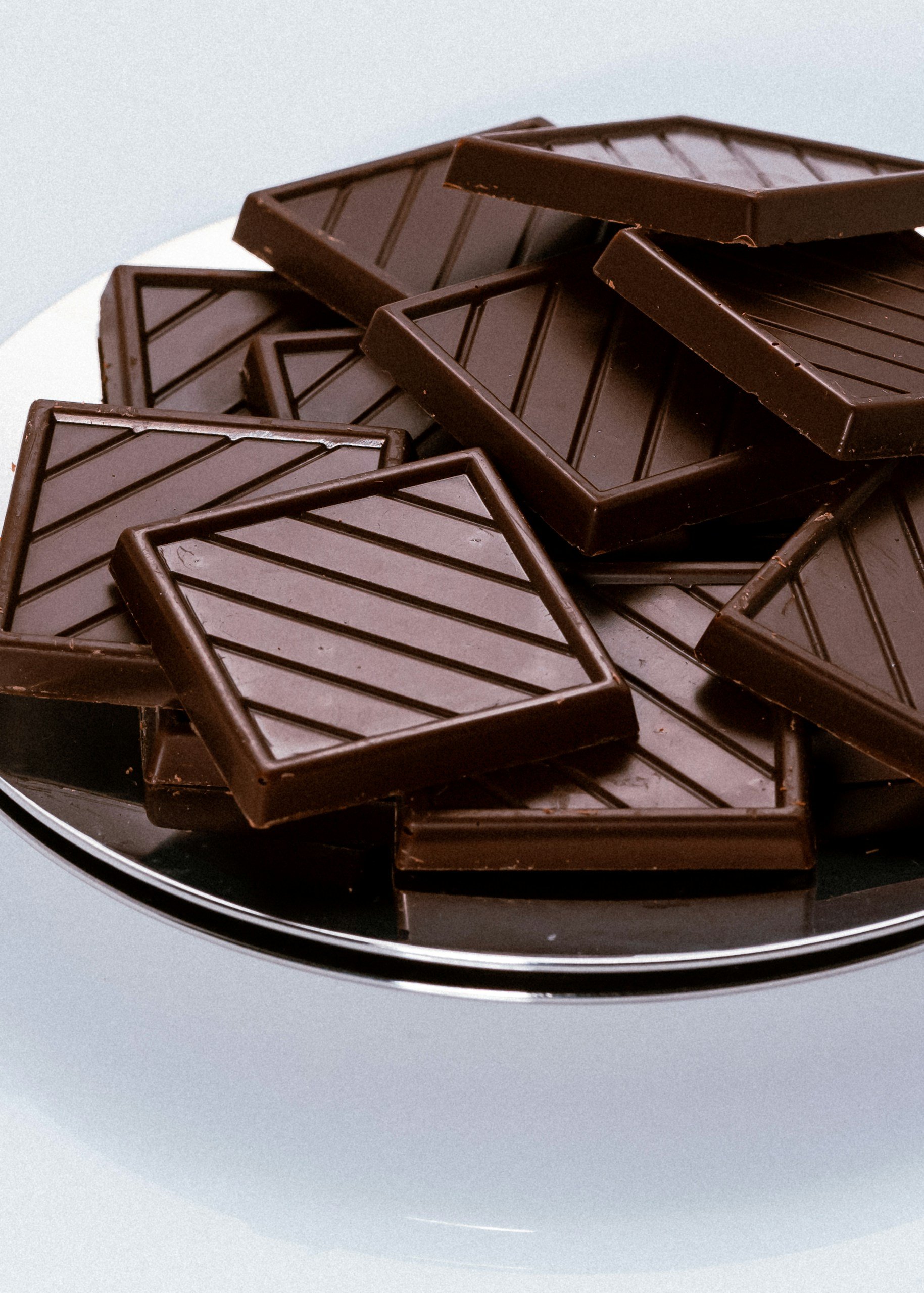
Bittersweet chocolate typically ranges from 60–85% cacao, depending on the brand. The high cacao level gives the chocolate a rich, less-sweet flavor and a slightly dry, crumbly texture. As the name implies, it has a mild sweetness. This is why you can use bittersweet chocolate to add depth and complexity without overwhelming sweetness.
Flavor
Bittersweet chocolate, like unsweetened chocolate, is made from cocoa beans. However, a small amount of sugar is added to balance off the bitterness and improve the flavor. In other words, the majority of this chocolate’s composition is pure cocoa, with just enough sugar to gently temper the intensity.
Typical uses in recipes:
A lot of the time, bittersweet chocolate is the recommended choice for both flavoring and the main ingredient in desserts with chocolate as their base. In desserts like chocolate almond brownie that require chocolate to be front and center, bittersweet chocolate creates a denser texture, enhancing the dish’s flavor and texture.
Since bittersweet chocolate usually has a relatively low sugar content, it allows for a more balanced sweetness in recipes, particularly when other sweeteners, such as syrup, sweetened fillings, or toppings, are used.
A recent study at the School of Health and Exercise Sciences, University of British Columbia, also showed that low- or sugar-free dark chocolate, such as bittersweet, is helpful for those with diabetes.
Brownies prepared with bittersweet chocolate have a heavier texture with richer flavors. Cakes made with bittersweet chocolate have a stronger chocolate flavor, and cookies made with bittersweet chocolate have a more intense flavor and less sugar sweetness than those made with semisweet chocolate.
How It Differs from Semisweet Chocolate
Bittersweet chocolate is darker and less sweet than semisweet chocolate, but both fall under the broad category of dark chocolate. The main difference lies in cocoa content and sugar levels.
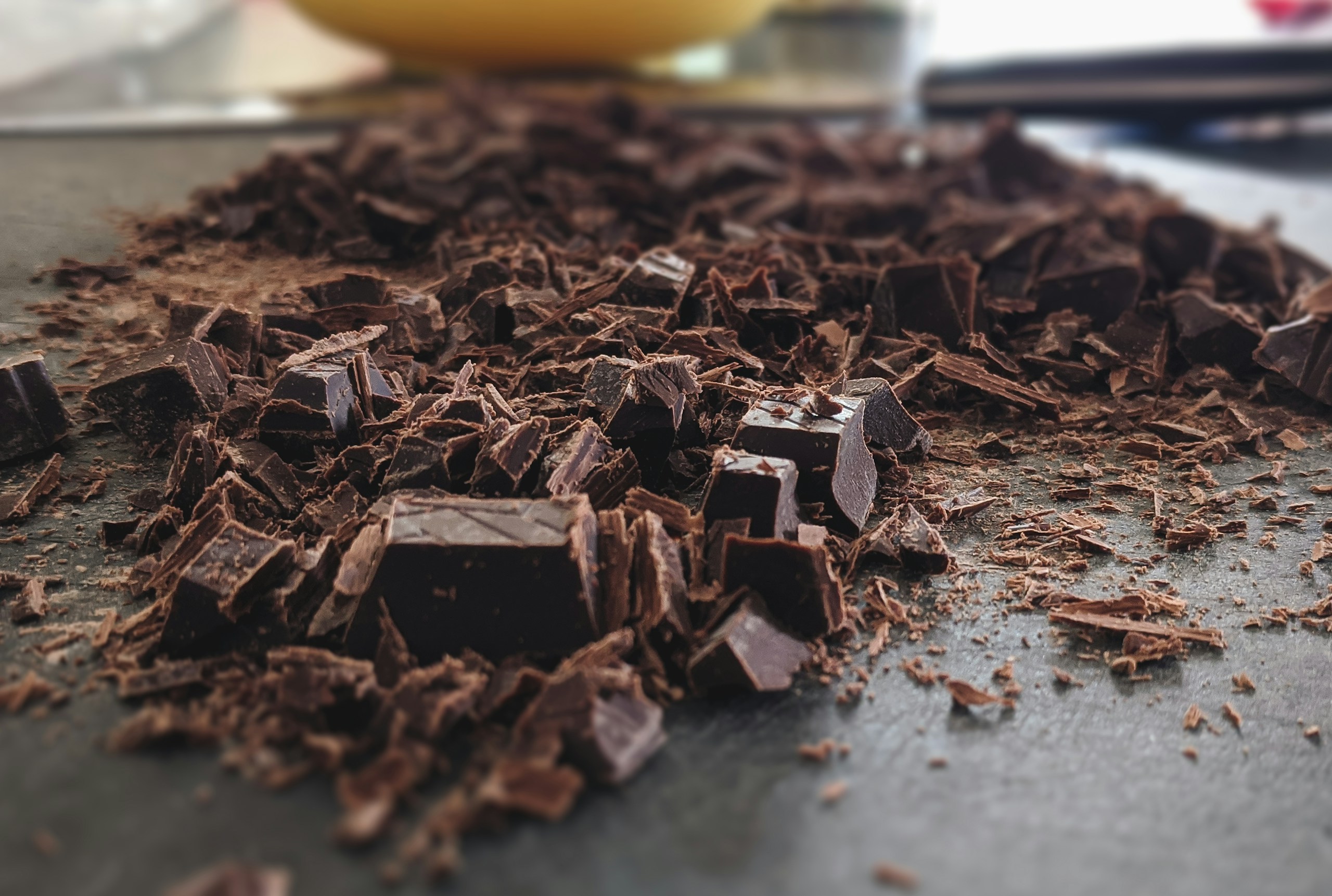
The FDA requires that both bittersweet and semisweet baking chocolate contain at least 35% cacao solids. Bittersweet chocolate typically ranges from 60–85% cacao, giving it a richer, more intense flavor. Semisweet chocolate usually contains 35–60% cacao, making it milder and sweeter in taste.
Bittersweet chocolate also contains less than half the sugar of semisweet chocolate, which enhances its bold, slightly bitter flavor.
While bittersweet chocolate has a full-bodied, complex chocolate taste, often with hints of fruit or earthiness, semisweet chocolate has a softer, sweeter flavor, sometimes with subtle notes of vanilla.
Unsweetened vs Bittersweet Chocolate: How They Compare
One common question that comes up often here is “Is bittersweet chocolate the same as unsweetened chocolate?” Well, look no further. It’s time to find out for yourself. Here are some differences below that’ll give you the answers you need.
Cocoa Percentage
- Unsweetened chocolate is 100% chocolate.
- The cocoa content in bittersweet chocolate usually ranges from 60–85%, depending on the brand.
Sugar Content and Flavor Differences
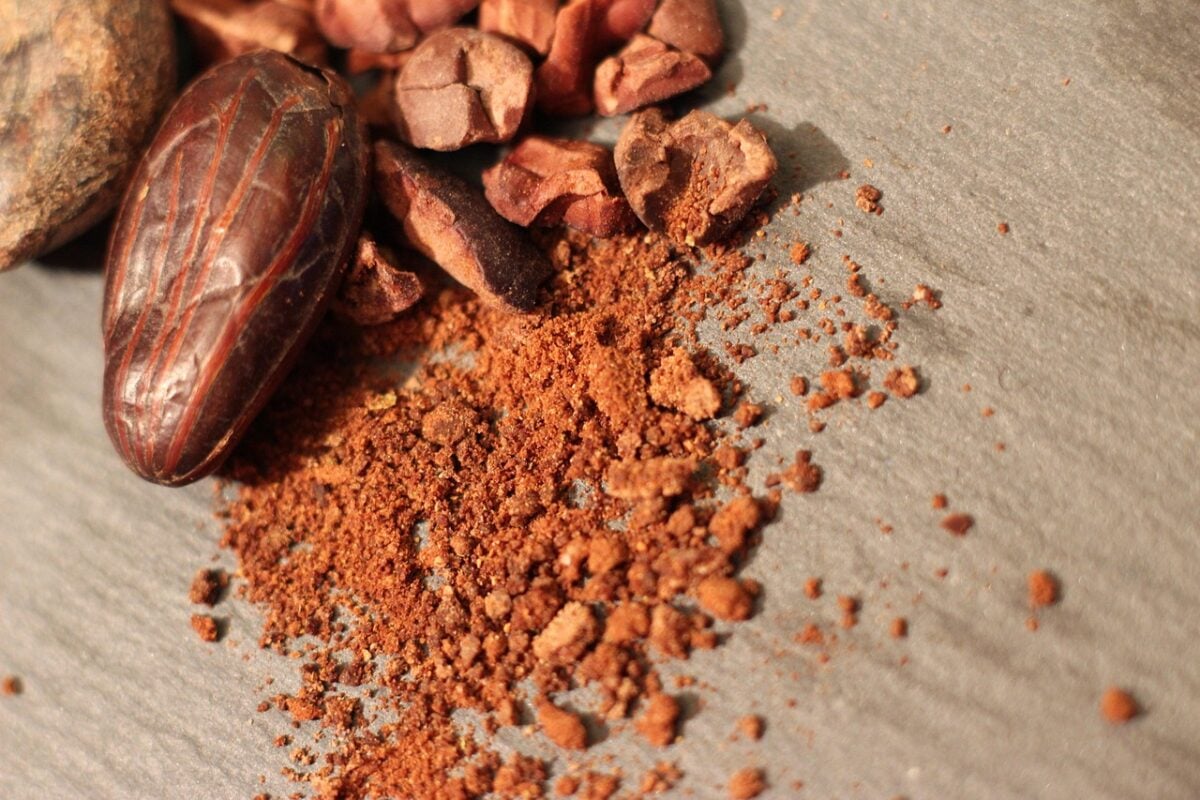
- Unsweetened chocolate contains no sugar, resulting in an extremely bitter flavor.
- Bittersweet chocolate does contain a bit of sugar, which helps soften the bitterness of the cocoa solids. However, it is still very strong and intense in flavor.
Color
- Unsweetened Chocolate: Very dark brown, almost black, due to 100% cocoa content.
- Bittersweet Chocolate: Deep, rich brown, slightly lighter than unsweetened because of added sugar.
Texture & Melt Behavior
- Unsweetened chocolate seems dry, crumbly, or hard. While it melts well, it may also thicken or seize if overheated.
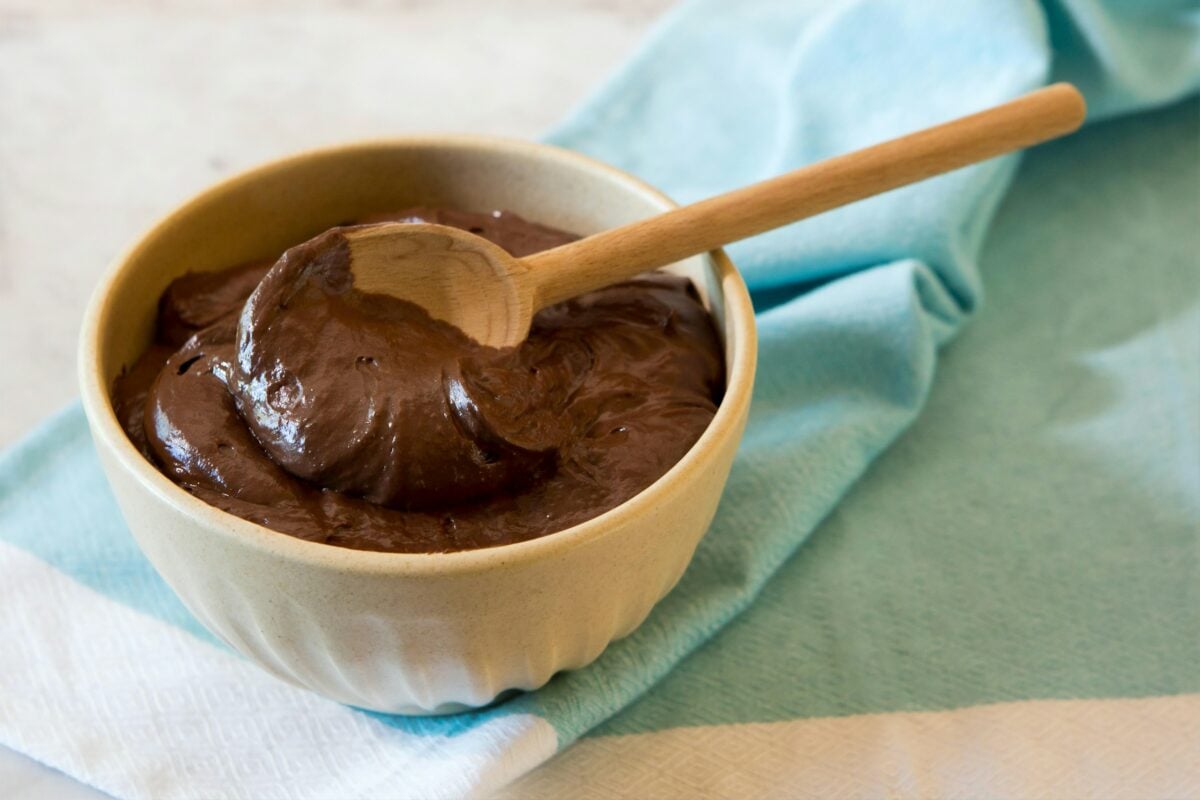
- Bittersweet chocolate offers a creamier, velvety texture compared to unsweetened chocolate. It also melts more smoothly than unsweetened chocolate.
Best use cases
- You can add unsweetened chocolate when baking or cooking to give recipes a rich, chocolatey flavor without added sugar.
- Bittersweet chocolate is more versatile in recipes, offering a good balance of both sweet and dark flavors.
Storage Tips
- Store unsweetened and bittersweet chocolate in a cool, dry place
- Keep it away from heat, light, and strong odors
- Wrap the chocolate tightly to prevent moisture absorption
- Store at room temperature, ideally 60–70°F (15–21°C)
- Avoid refrigeration unless absolutely necessary, as it can cause bloom
Unsweetened vs Bittersweet Chocolate Comparison Table
Unsweetened and bittersweet chocolate are both dark chocolates with a rich, intense flavor, but they differ in several key areas. Here’s a quick comparison to help you choose the right chocolate for your baking needs:
| Feature | Unsweetened Chocolate | Bittersweet Chocolate |
|---|---|---|
| Cacao Percentage | 100% | 60–85% |
| Sugar Content | None | Contains sugar |
| Flavor | Extremely bitter | Mildly sweet, intense |
| Texture | Dry, crumbly | Smooth, creamy |
| Color | Very dark brown, almost black | Deep, rich brown, slightly lighter |
| Best For | Controlled baking, savory dishes | Desserts, brownies, ganache |
| Can I Substitute? | Yes, with sugar added | Yes, with sugar reduced |
Unsweetened vs Bittersweet Chocolate for Baking
When you get bitten by the baking bug, it’s normal to find yourself looking for the best chocolate for the recipes you have in mind. However, the chocolate that delivers the richest chocolate cherry cake might not necessarily be the best for making delicious chocolate donut bites.
But the good news is that you can choose between bittersweet and unsweetened chocolate. Here are quality tips on how to use them from professional bakers.
Best Chocolate for Cakes
For batters that yield an even melt and more complex flavors, bittersweet or dark chocolate delivers consistent results and is well-received for its moderate sweetness.
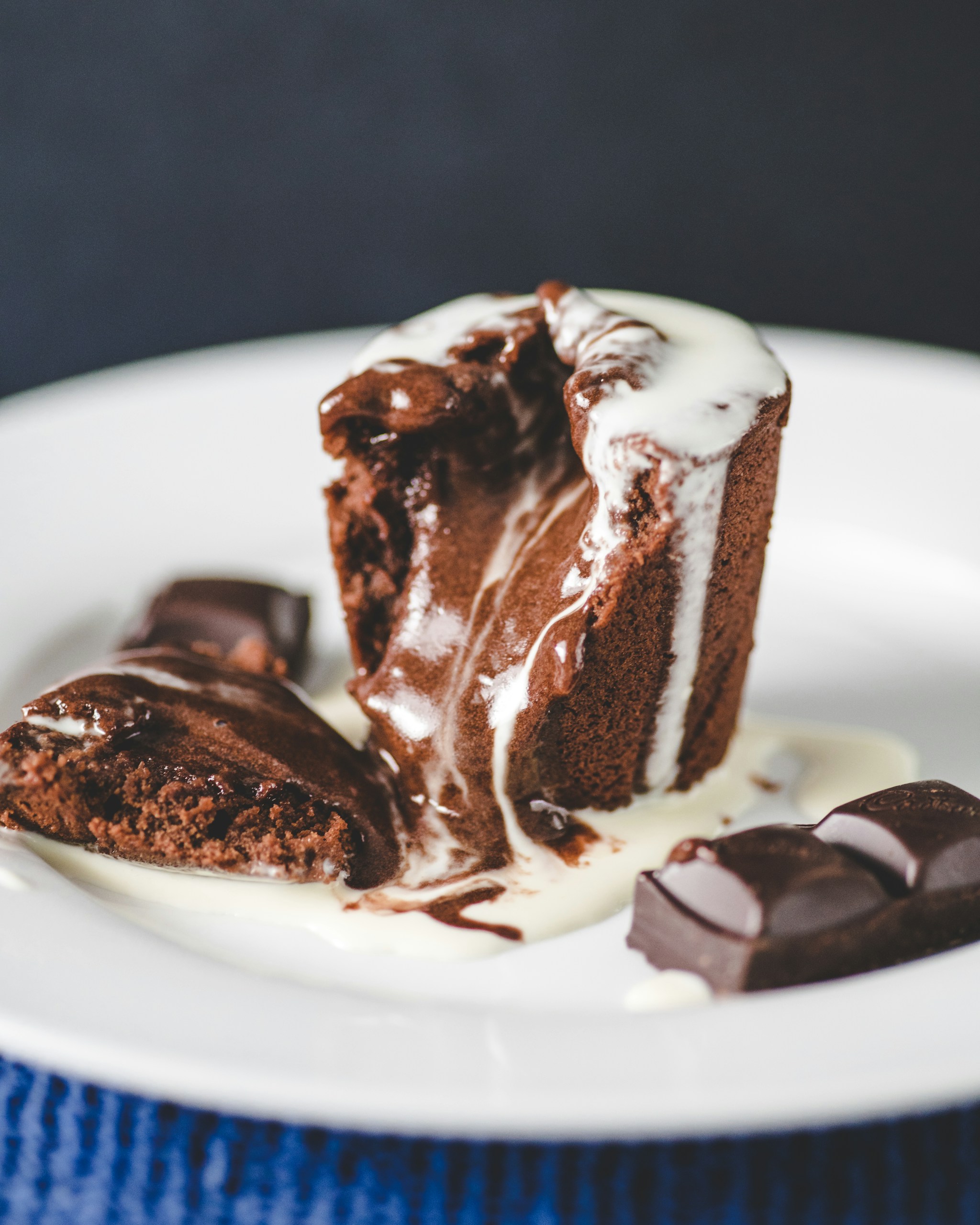
Most bakers also agree that dark chocolate, especially bittersweet varieties with 60-70% cocoa content, works best for cakes. According to them, it’s the best because of its balanced flavor, smooth melting properties, and ability to enhance depth without excessive sweetness.
Best Chocolate for Brownies
Bakers generally prefer dark chocolate, particularly semi-sweet or bittersweet varieties with 60-70% cocoa content, for baking brownies due to its rich flavor and ability to melt smoothly into a fudgy texture.
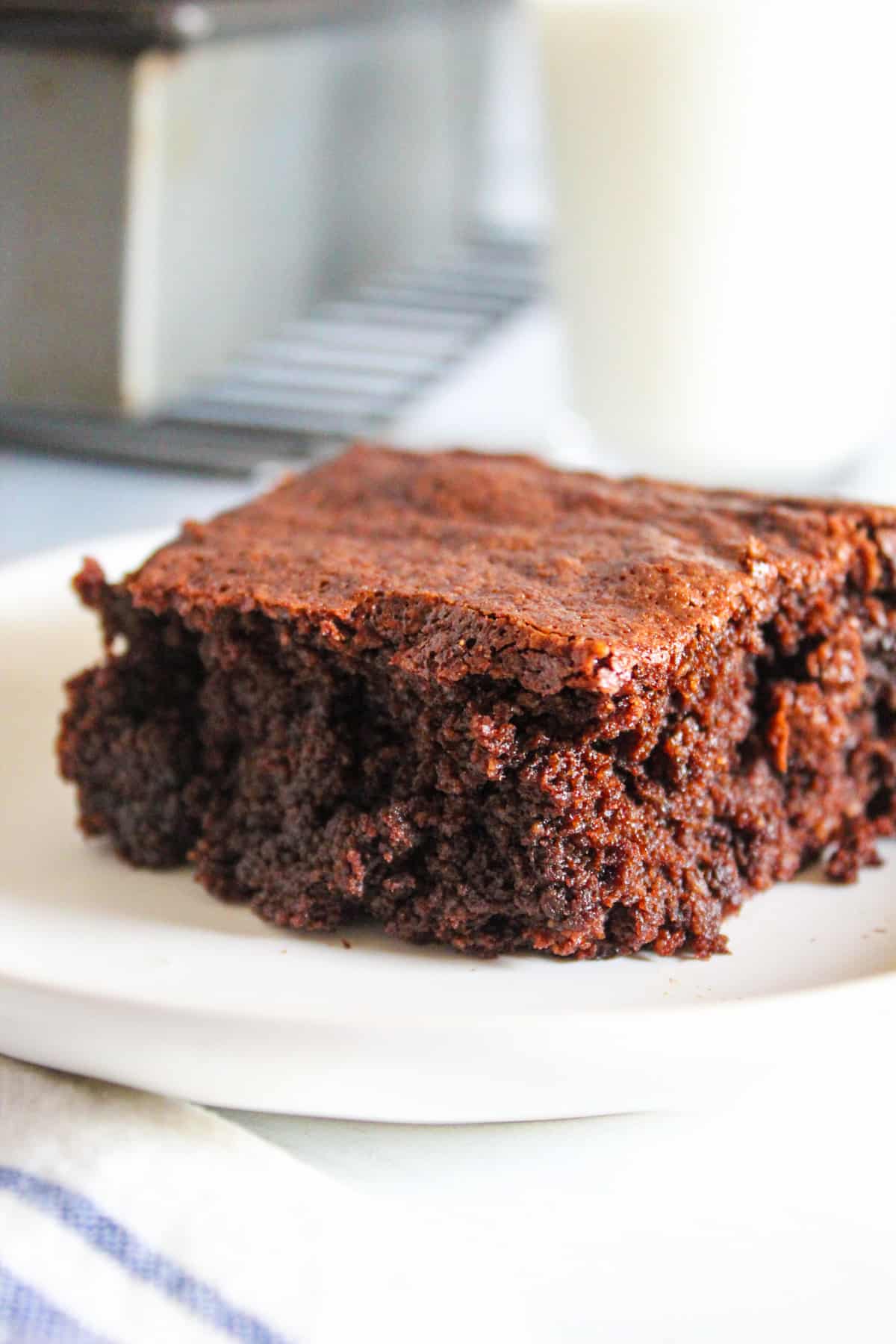
For the best flavor balance, always use the highest quality bars available.
Best Chocolate for Cookies and Desserts
The ideal chocolate for cookies is dark chocolate with 60% to 70% cacao. According to bakers, this chocolate helps you make bakery-style cookies with wide spreads and melty pools, as its lower sugar content prevents excess sweetness.
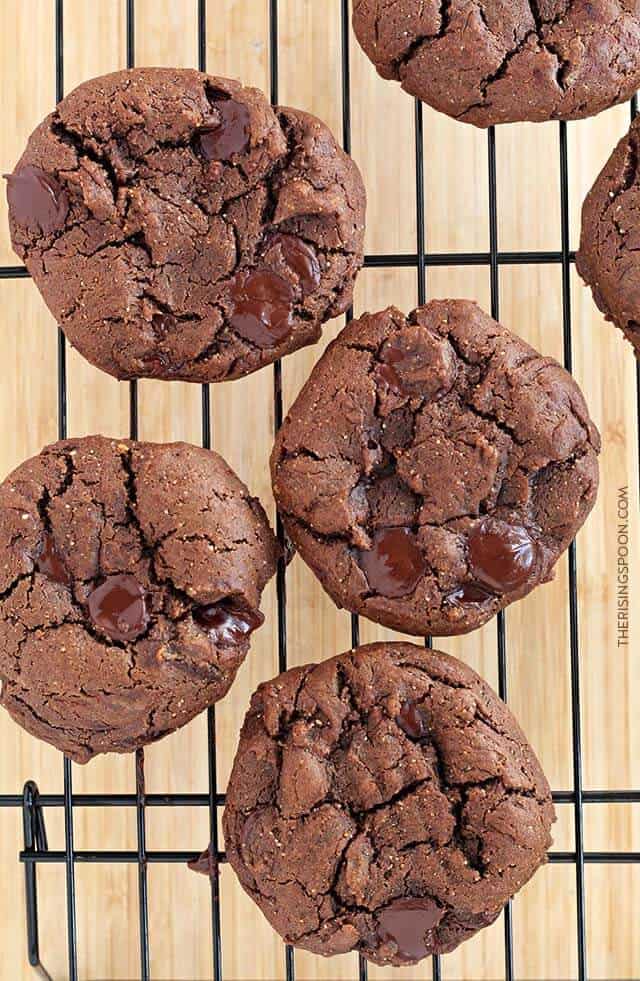
So if you want a bakery-style chip cookie that bakes wide and flat, get chopped dark chocolate from a premium brand.
How to Substitute Unsweetened vs Bittersweet Chocolate
Picture this: you’re halfway through mixing your cake batter, and what’s left is adding unsweetened chocolate. You reach for its jar only to find out that it’s finished, and you still have some bittersweet chocolate left. And then you ask yourself: Can I substitute bittersweet chocolate for unsweetened chocolate?
Sure, you can. But there are a few considerations to keep in mind. Continue reading to learn more about them and save yourself a trip to the store so your bake is ready just in time.
When and how to swap one for the other
Bakers recommend swapping these chocolates only in recipes where you can easily adjust the sugar, such as brownies, ganache, or sauces.
If the recipe calls for melting unsweetened chocolate for a batter or frosting, you can just use bittersweet chocolate instead of some of the additional sugar. To achieve the same level of cacao flavor, it is generally recommended to use 1 ½ ounces of bittersweet chocolate for every ounce of unsweetened chocolate, which means that one tablespoon less sugar is needed in the recipe.
Additionally, you can use unsweetened chocolate instead of bittersweet chocolate by mixing 2/3 of an ounce of unsweetened chocolate and 2 teaspoons of sugar for every ounce of bittersweet chocolate you need to replace.
Adjusting Sugar and Fat When Substituting
Always test substitutions with small batches first, as different chocolates have varying cocoa percentages. While these swaps generally work well for baked goods, they may slightly alter the texture of delicate treats, like chocolate wine truffles.
Using Cocoa Powder or Semisweet Chocolate as Alternatives
When a recipe calls for unsweetened or bittersweet chocolate, you can often use cocoa powder or semisweet chocolate instead.
Mix cocoa powder with butter to replace unsweetened chocolate
- Mix 3 tablespoons of cocoa powder with 1 tablespoon of vegetable oil, butter, or shortening for each ounce of unsweetened chocolate. This combination provides a rich chocolate flavor without adding extra sugar.
For semisweet chocolate, reduce the sugar in the recipe
- Swap 1 ounce of semisweet chocolate for 1 ounce of unsweetened chocolate. Reduce the sugar in the recipe by 1 tablespoon per ounce to keep sweetness balanced.
Bittersweet chocolate can be substituted by adjusting the fat and sugar amounts
- Combine 1 tablespoon cocoa powder, 1 tablespoon sugar, and 2 teaspoons butter for each ounce of bittersweet chocolate. This preserves richness while adjusting sweetness and fat levels.
Even though textures may differ slightly, these alternatives generally create a rich, chocolatey flavor and produce satisfying baked results.
Unsweetened vs Bittersweet Chocolate: Buying Tips
One of the secrets to excellent baking results is choosing the right chocolate. Whether you’re making dark chocolate no-bake cookies, oozy brownies, or a chocolate pie, the last thing you want is to buy the wrong chocolate for it. To help you choose the best chocolate for your baking, here are some essentials to keep in mind.
What to Look for on Labels
In baking, reading chocolate labels carefully is essential, since ingredient quality and quantity directly affect your results. Start by checking the ingredient list in this order: cocoa mass or solids, cocoa butter, then sugar. If sugar is listed first, it’s usually too sweet for high-quality baking. Whenever possible, avoid emulsifiers like soy lecithin.
A top-quality chocolate label should include:
- Cacao percentage listed first
- Minimal ingredients
- No artificial additives, such as vanillin, palm oil, high-fructose corn syrup, or preservatives like potassium sorbate
Also, look for information about allergens and the chocolate’s origin. Ideally, choose single-origin chocolate, as studies suggest it provides the best traceability and often superior flavor.
Cocoa Percentage Guidelines
Bittersweet chocolate with a cacao content of 60% or higher delivers a richer flavor with less sugar. For most baking applications, aim for 60–70% cacao, which provides a balanced taste and melts smoothly for a perfect texture.
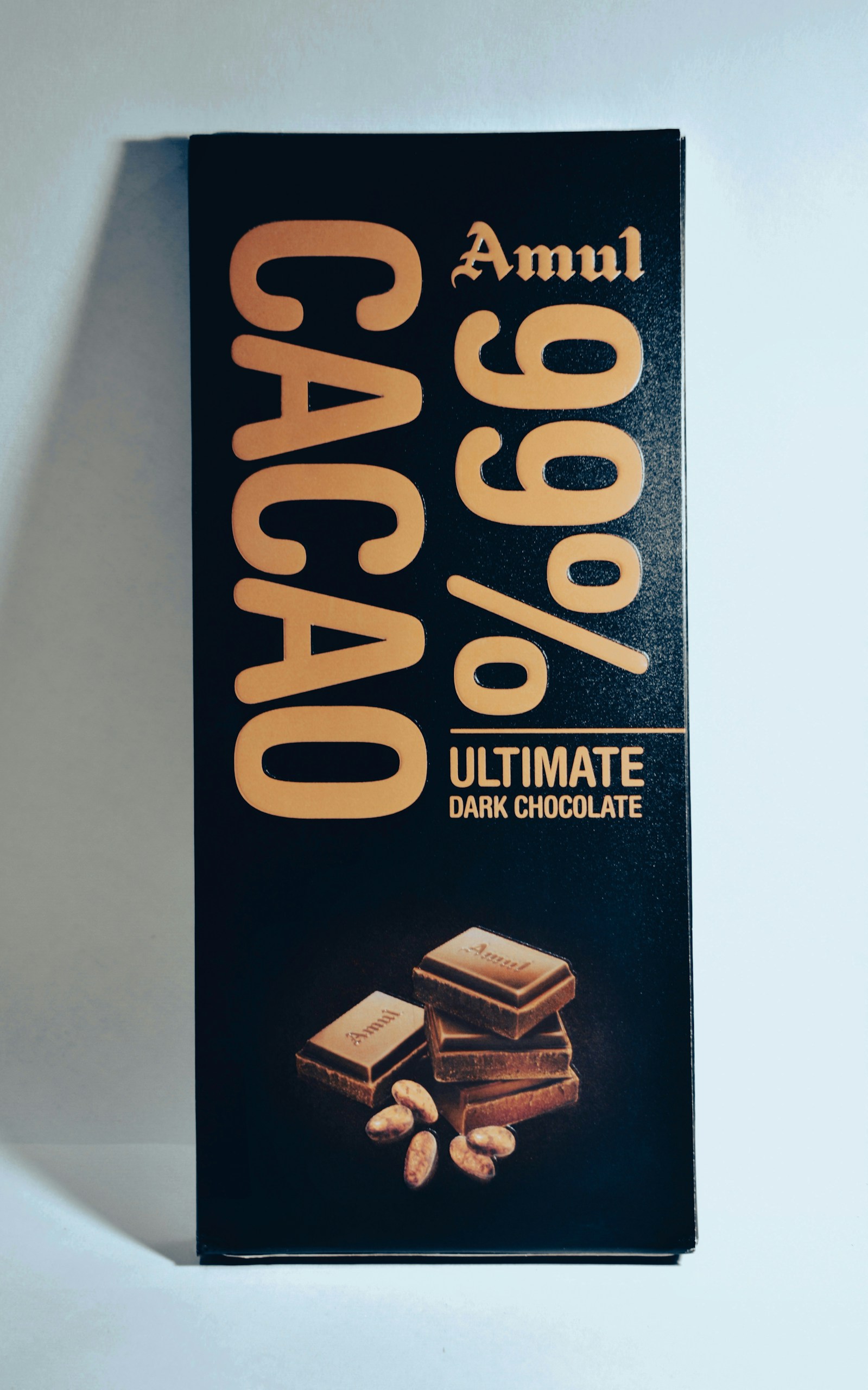
Unsweetened chocolate, on the other hand, is labeled as 100% cacao or an unsweetened baking bar, meaning it contains no added sugar. This makes it ideal for recipes where you want full control over sweetness.
Best Forms of Chocolate
For baking, bars and fèves are generally better than chocolate chips because they contain more cocoa butter, which improves melting and texture.
- Fèves (small chocolate discs) melt more quickly, making them ideal for ganache, sauces, or when folded into cookies.
- Chocolate bars can be evenly chopped and incorporated into cake or brownie batters for consistent chocolate distribution.
Frequently Asked Questions About Unsweetened vs Bittersweet Chocolate
Many of these questions are what our readers ask about unsweetened and bittersweet chocolate. If you have any new questions you’d like an answer to, feel free to ask us in the comments section
What is another name for unsweetened chocolate?
Unsweetened chocolate is also known as baking chocolate or bitter chocolate. Some packages may label it as 100% dark chocolate or 100% dark baking chocolate.
Can I mix unsweetened and bittersweet chocolate in a recipe?
Yes, you can mix unsweetened and bittersweet chocolate in recipes. Doing this gives your recipe some intensity and sweetness, and many use it in brownies, cakes, and ganache, for a balanced flavor.
Is bittersweet chocolate the same as dark chocolate?
Bittersweet chocolate is a type of dark chocolate, but not all dark chocolate is bittersweet. Dark chocolate is a broad category, while bittersweet usually contains 60–85% cacao with less sugar than semisweet chocolate.
Are baking chocolate bars different from eating chocolate bars?
Yes. Baking chocolate usually contains fewer additives and more cocoa solids, making it better for melting and consistent baking results compared to candy bars.
Is unsweetened chocolate vegan by default?
Yes. Unsweetened chocolate is typically vegan since it contains only cocoa solids and cocoa butter, but always check labels for cross-contamination or added ingredients.
Does chocolate expire or go bad for baking?
Chocolate doesn’t spoil easily, but it can lose flavor over time. When stored properly, baking chocolate can last 1–2 years. If it smells off or tastes stale, it’s best to replace it.
Wrapping It Up: Time To Tap Into Your Inner MasterBaker
When it comes to baking delicious treats and desserts, you need to know about the difference between baking chocolates like unsweetened and bittersweet chocolate, and how to use them.
Now that you know how unsweetened and bittersweet chocolate differ, here’s how that knowledge shows up in real baking. These chocolate-focused recipes highlight how choosing the right chocolate can enhance flavor, texture, and overall balance.
- Gluten-Free Texas Sheet Cake
- Gluten-Free Chocolate Pie
- Chocolate Chip Cookies Without Flour
- Valentine Chocolate-Covered Strawberries
- Gluten-Free Chocolate Fudge Cake
Each recipe shows how the right chocolate choice makes a noticeable difference. Use them as inspiration, bake with confidence, and let your chocolate work in harmony with your recipe.
Show Us That Chocolate Masterpiece!
Whether your chocolate bake turned out fudgy, bold, or perfectly balanced, we’d love to hear how it went. Drop a comment below and let us know how it all turned out. Your feedback means a lot to us, and who knows, there might be someone out here waiting to hear your unique spin on the recipe and also try it.