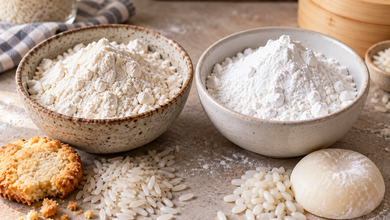
When you first start baking gluten-free, it seems simple enough to just swap out regular flour for something like cassava flour or almond flour, right? But when your cookies turn out greasy and dense or your bread crumbles apart, you can’t help but wonder what went wrong.
Here’s what a lot of people don’t know: not all gluten-free flours behave the same. In fact, cassava flour and almond flour differ significantly in their baking performance. One absorbs liquid like a sponge and mimics traditional wheat flour surprisingly well. The other is rich, moist, and packed with healthy fats, but cannot be substituted directly for wheat flour.
Table of Contents
So choosing between them isn’t just a preference. It’s about considering what you’re baking, your dietary needs, and so much more. Understanding the differences between these two common gluten-free flours will save you time, money, and a lot of kitchen frustration.
In this guide, we’re breaking down everything you need to know about cassava flour vs almond flour. From key differences and nutrition to substitution tips that actually work, by the end, you’ll know exactly which flour to use (and when), so your recipes turn out right the first time and every time.
Cassava Flour vs Almond Flour: Quick Comparison
If you’re short on time and just want the bottom line, here’s the quick answer: cassava flour and almond flour are not interchangeable, and choosing the wrong one can completely change the recipe’s results.
Cassava flour is made from the whole cassava root, giving it a texture that’s surprisingly similar to traditional wheat flour. It’s neutral in flavor, absorbs liquid well, and works best in recipes like tortillas, flatbreads, and soft baked goods. Because of this, it’s often considered one of the closest gluten-free substitutes for all-purpose flour.
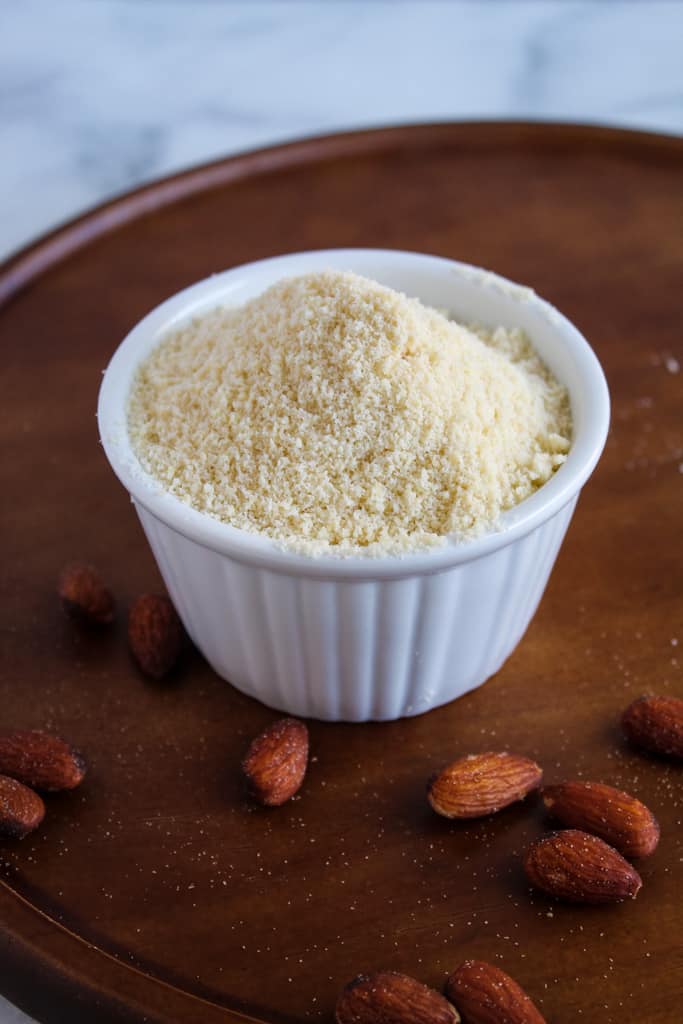
Almond flour, on the other hand, is made from finely ground blanched almonds. It’s naturally rich in fats and protein, which gives baked goods a moist, dense texture. It shines in recipes like cookies, cakes, and keto-friendly desserts, but can easily become too heavy if used incorrectly.
The biggest differences come down to:
- Texture: cassava is light and fluffy; almond is dense and moist
- Nutrition: cassava is carb-heavy; almond is low-carb and high-fat
- Diet fit: cassava suits paleo and nut-free diets; almond is ideal for keto
- Substitution: cassava can sometimes be a 1:1 swap; almond rarely works as a 1:1 swap
If you’re baking something delicate or bread-like, cassava flour is usually the better choice. If you want richness, moisture, or a low-carb option, almond flour wins.
What is Cassava Flour?
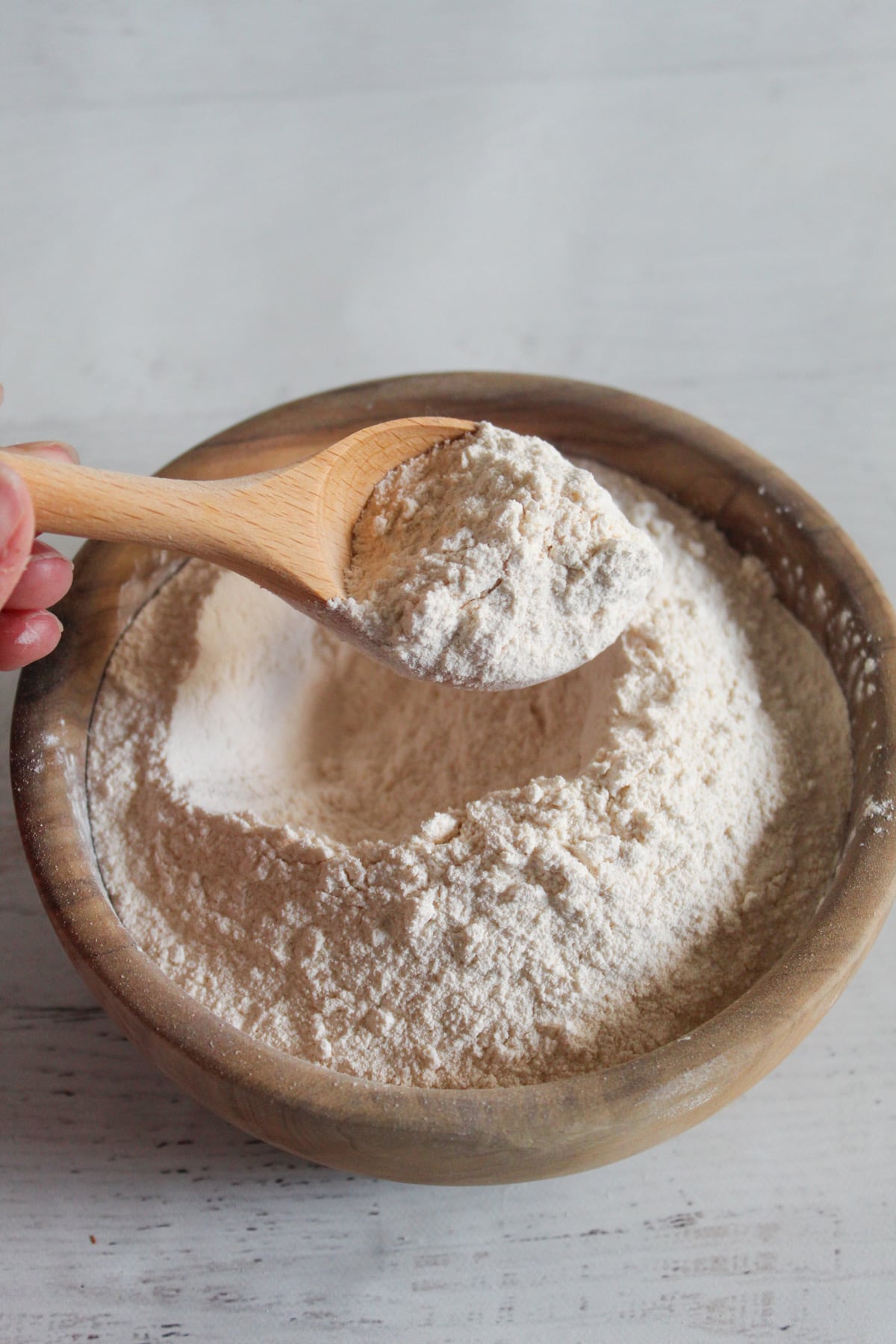
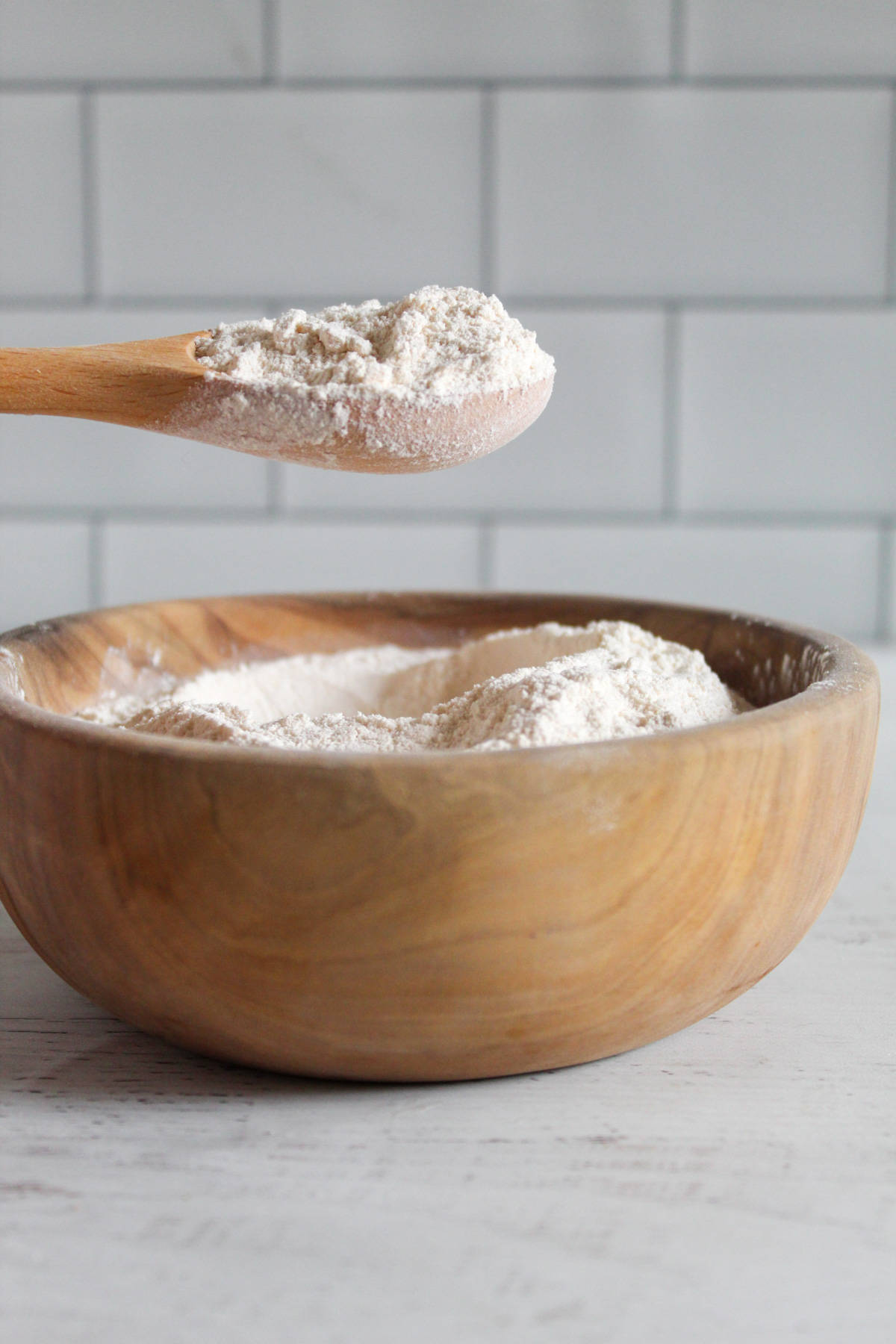
Cassava flour is a gluten-free flour made from the whole cassava root, a starchy tuber widely used in South America, Africa, and parts of Asia. It is made using the entire root of the plant, giving it more fiber and a closer resemblance to traditional flour.
Want our human-written content to rank above AI-generated garbage? Help us out by clicking this button!
One of the biggest reasons cassava flour has gained popularity is its close mimicry of wheat flour in both texture and behavior. It has a soft, powdery consistency and a mild, neutral taste, making it incredibly versatile in baking. You can use it in everything from pancakes and muffins to tortillas and breads.
Another major advantage is that cassava flour is naturally grain-free, gluten-free, and nut-free, making it ideal for people with multiple dietary restrictions. It’s especially popular in paleo diets because it’s minimally processed and made from a whole food source.
However, cassava flour isn’t perfect. It’s very high in carbohydrates and can spike blood sugar levels more than other alternatives. It is also denser than wheat flour, so it absorbs a lot of liquid, meaning recipes often require slight adjustments to avoid dryness or density.
Overall, cassava flour is best thought of as the closest substitute for wheat flour when used on its own, especially when you want a similar structure without gluten.
What is Almond Flour?
Almond flour is made by grinding blanched almonds into a fine, soft powder. Because the skins are removed before grinding, almond flour has a lighter color and a smoother texture than almond meal, which is coarser and includes the skins.
What makes almond flour unique is its nutritional profile. It’s naturally high in healthy fats, protein, and vitamin E, while being low in carbohydrates. This makes it a popular choice in keto and low-carb diets as well as in gluten-free baking.
In terms of flour, almond flour has a slightly sweet, nutty taste that enhances baked goods like cookies, cakes, and muffins. It also adds moisture due to its fat content, which can help prevent dryness.
However, almond flour behaves differently from traditional flour, so it is rarely a direct 1:1 substitute. It doesn’t absorb liquids the same way, lacks binding properties, and can result in dense or crumbly textures if not used correctly. Almond flour recipes often require additional eggs or binders to hold everything together. It’s also important to note that almond flour is not suitable for those with nut allergies, and it tends to be more expensive than many other flour alternatives.
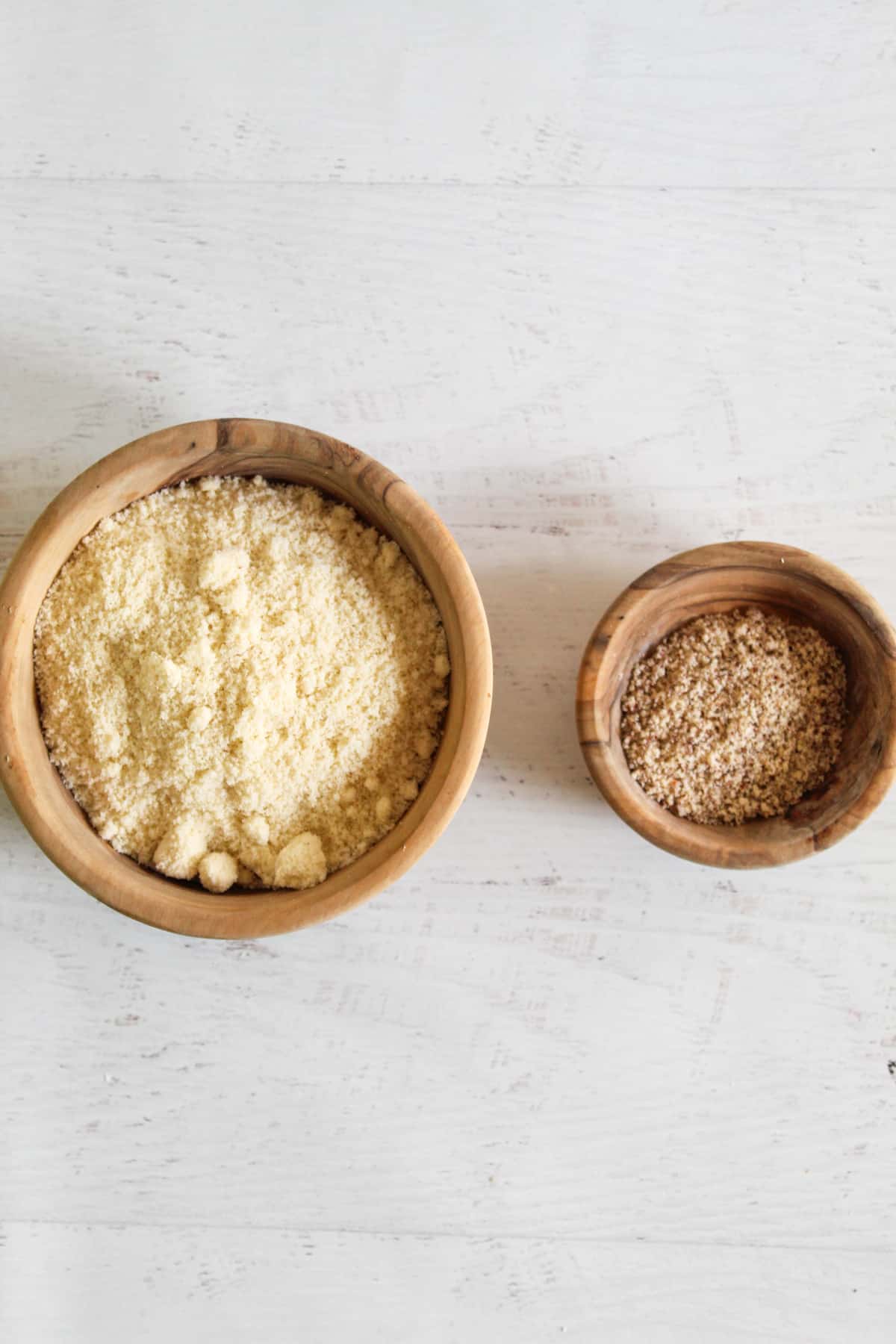
Key Differences Explained
At a glance, cassava flour and almond flour may seem like interchangeable gluten-free options, but they behave very differently once you start baking.
The biggest difference lies in their composition. Cassava flour is primarily starch, which gives it a structure and elasticity similar to wheat flour. Almond flour, by contrast, is high in fat and protein, which creates a denser, more tender structure. This difference affects everything from the final taste and result of your baked goods to their nutritional profile. So let’s dive into that.
Nutrition
Nutritionally, cassava flour and almond flour sit on opposite sides of the spectrum.
Cassava flour is high in carbohydrates and relatively low in fat and protein. This makes it a quick source of energy, but it is not ideal for low-carb or diabetic-friendly diets.
Almond flour, on the other hand, is rich in healthy fats, protein, and fiber. It’s significantly low in carbs, making it a popular choice for keto and low-carb lifestyles.
Here’s a quick comparison of the two:
A 1/4 cup serving of cassava flour contains approximately:
- 130 calories
- 0g total fat
- 31g carbohydrates
- 2g fiber
- 0g sugar
- 0g protein
A 1/4 cup serving of almond flour contains approximately:
- 170 calories
- 15g total fat
- 5g carbohydrates
- 3g fiber
- 1g sugar
- 6g protein
Texture & Taste
Taste and texture are another big differentiating factor between these two flours.
Cassava flour produces a light, soft texture that works well in recipes that call for fluffiness or elasticity, like pancakes or flatbreads. Its flavor is very mild, so it won’t overpower the other ingredients.
Almond flour creates a denser, more moist texture. Baked goods tend to be richer and slightly heavier, with a soft crumb. Its nutty flavor adds depth, especially in desserts.
If you’re aiming for something that tastes and feels like a traditional wheat-flour baked good, cassava flour is usually the better option. If you want something richer and more indulgent, almond flour delivers.
Baking Performance
When it comes to baking performance, cassava flour performs similarly to wheat flour, making it easier to use in traditional recipes. It provides structure, which helps baked goods hold their shape. However, it absorbs a lot of liquid, so recipes may need extra moisture to prevent dryness.
Almond flour lacks structure. Because it is high in fat, it creates a tender, moist texture but doesn’t bind well on its own. Recipes often require additional ingredients such as eggs or other binders to compensate.
This means cassava flour is better for baked goods that require structure, like breads and muffins. Almond flour is better for cookies, cakes, and dense desserts.
Diet Compatibility
Both flours are gluten-free and paleo-friendly, but only one fits into a keto diet.
Cassava flour is too high in carbs for keto, making it unsuitable for low-carb lifestyles. However, it’s a great option for people who need a nut-free, grain-free flour.
Almond flour is one of the most popular keto flours due to its low-carb content. But it’s not suitable for those with nut allergies.
Cost & Availability
Cassava flour is generally more affordable and widely available in grocery stores and online. Almond flour tends to be more expensive because almonds are costly to produce.
However, prices can vary depending on brand and quality. If you bake frequently, the cost difference can add up, making cassava flour a more budget-friendly option for everyday use.
This is a great brand of cassava flour, which, when bought in larger quantities, is slightly cheaper.
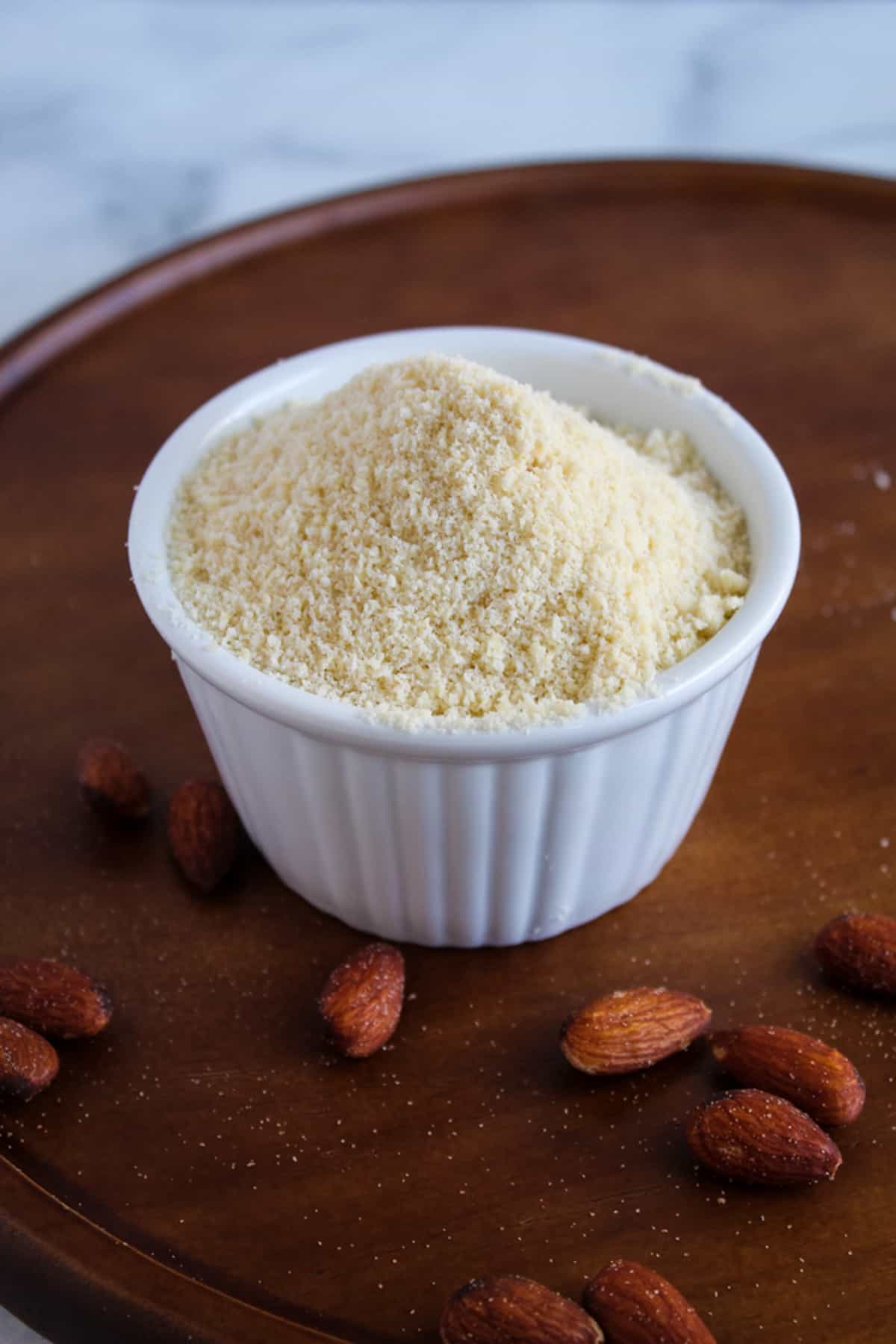
For almond flour, this is my absolute favorite! It’s non-GMO and has a fine, powdery consistency every time I buy it.
Which Flour Should You Use?
Almond meal and cassava flour are quite different; however, they can both be used to make delicious gluten-free bakes. It ultimately comes down to your specific needs.
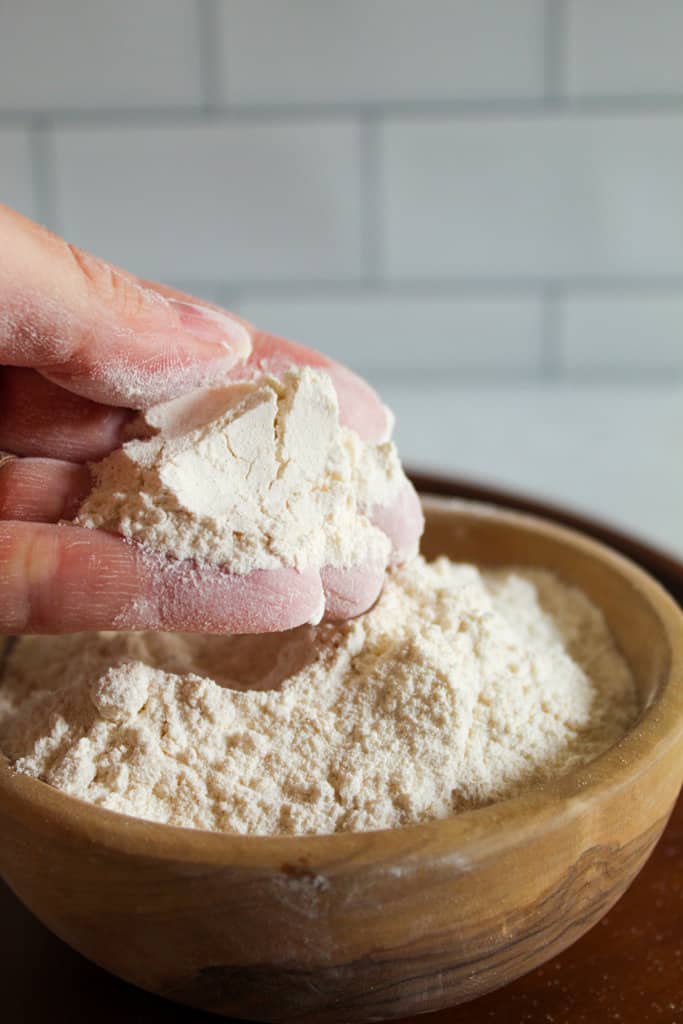
Cassava flour feels much more like wheat flour than almond flour does, and it is one of the best alternatives for wheat flour in gluten-free baking. It can be used as a 1:1 replacement for flour, but because cassava flour absorbs more moisture than wheat flour, you typically need less cassava flour and extra moisture.
Tip: I recommend starting with 3/4 cup of cassava flour for every 1 cup of wheat flour you are replacing. It’s always easier to add more as needed.
You’ll usually see it in a variety of baked goods, like breads, tortillas, cookies, and more.
Almond flour can be used as a gluten-free option for many baked goods, but it will not have the same soft, silky texture as traditional wheat flour or even cassava flour.
Even the finest almond flour still has a slight grittiness and a noticeable nutty flavor, although it’s quite wonderful in cookies, tortillas, or brownies. I recommend using almond flour in recipes that call for it rather than trying to replace it with wheat flour.
It can be tricky to make almond flour feel really light or fluffy without using an additive, like psyllium husk fiber or xanthan gum, or by blending it with a gluten-free flour blend. It is also popular as a low-carb breading for savory dishes!
Best Substitutes for Each Flour
If you don’t have cassava or almond flour, there are alternatives, but each substitution has its own way of working, so experimentation is key:
- Tapioca flour
- Rice flour
- Gluten-free flour blends
- Oat flour
- Sunflower seed flour
- Chickpea flour
Cassava Flour vs Almond Flour FAQs
This section should answer any more questions or concerns you may have, but for anything else not covered in this guide, be sure to leave a comment down below.
Can I Replace Cassava Flour with Almond Flour?
These two flours can sometimes be substituted, but not always. Since almond flour is so high in fat, replacing it with cassava flour can affect the texture and moisture content of your bake. For example, this chocolate chip cookie recipe uses cassava flour, and it definitely cannot be swapped with almond flour. Instead, look for recipes that are formulated to use the flour you have on hand.
Can I Mix Cassava Flour With Almond Flour?
You can easily mix cassava flour with almond flour to balance their pros and cons. It’s best to follow a recipe with specific measurements for each ingredient to get the best results.
Which is Better For Baking Bread?
Between cassava and almond flour, cassava flour would be the better option for baking bread. It gives baked goods more structure and elasticity, more closely replicating the texture of wheat flour. While in some recipes, cassava flour can be used as a 1:1 substitute, start with 3/4 cup of cassava flour for every 1 cup of wheat flour. Because it absorbs more moisture than traditional flour, it’s best to start with less, then add more as needed.
Which is Healthier?
Neither of these two flours is considered healthier. It all depends on your specific wants and needs, taking into consideration your nutritional goals and dietary needs. Cassava flour is low in fats and protein but high in carbs. Whereas almond flour is high in healthy fats and protein, but low in carbs. You can find more detailed nutritional information to help you make a healthy choice for your lifestyle in the nutrition section above.
Key Takeaways: Comparing Flours
At this point, one thing is clear: cassava flour and almond flour may both be gluten-free, but they are far from interchangeable.
Choosing between them isn’t just about what you have in your pantry. It’s about understanding how each one behaves, what kind of texture you want, and what your recipe actually needs to succeed.
If you take nothing else away from this guide, remember this:
Cassava flour is your go-to when you want something that feels and behaves like traditional flour. It’s the better choice for soft breads, tortillas, and recipes where structure matters. Almond flour is all about richness and moisture. It shines in cakes, cookies, and low-carb baking.
It’s not about which flour is better; it’s about using the right tool for the job. So next time you’re standing in your kitchen deciding between these two popular gluten-free flours, you won’t have to second-guess yourself. Try out a few recipes using each flour, pay attention to how they mix, bake, and taste, because the best way to learn is by doing.
And before long, you won’t just be following gluten-free recipes, you’ll be mastering them!
Recipes Using Cassava Flour
Try these recipes to see just how similar using cassava flour can be to traditional wheat flour!
Recipes Using Almond Flour
These recipes are super moist with a pleasant, slightly nutty flavor from the almond flour.
Leave Us a Comment
Did you find this guide helpful in your baking journey? If so, leave us a comment about what helped you, so you can connect with other like-minded bakers!