Most almond flour cupcakes fail for one reason: they’re treated like regular cupcakes.
Almond flour behaves completely differently. It’s higher in fat, lower in structure, and far more sensitive to moisture balance. That’s why so many gluten-free cupcakes turn out dense, underbaked, or collapse in the center.
Table of Contents
This recipe fixes that.
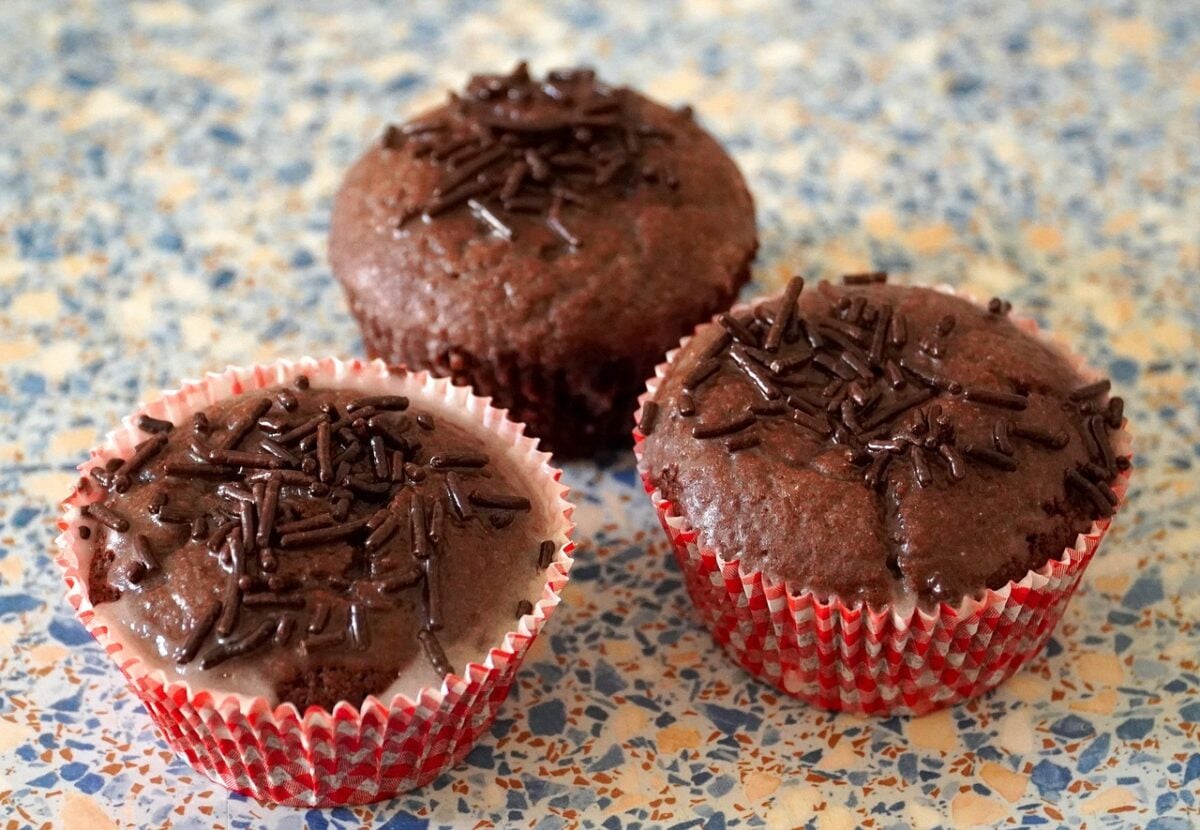
By controlling hydration, using eggs strategically for structure, and allowing the batter to rest, these chocolate almond flour cupcakes come out rich, stable, and incredibly moist without feeling heavy.
Whether you’re baking gluten-free by necessity or choice, this recipe gives you a reliable way to make chocolate cupcakes that actually taste like a treat, not a compromise.
Why This Recipe Works
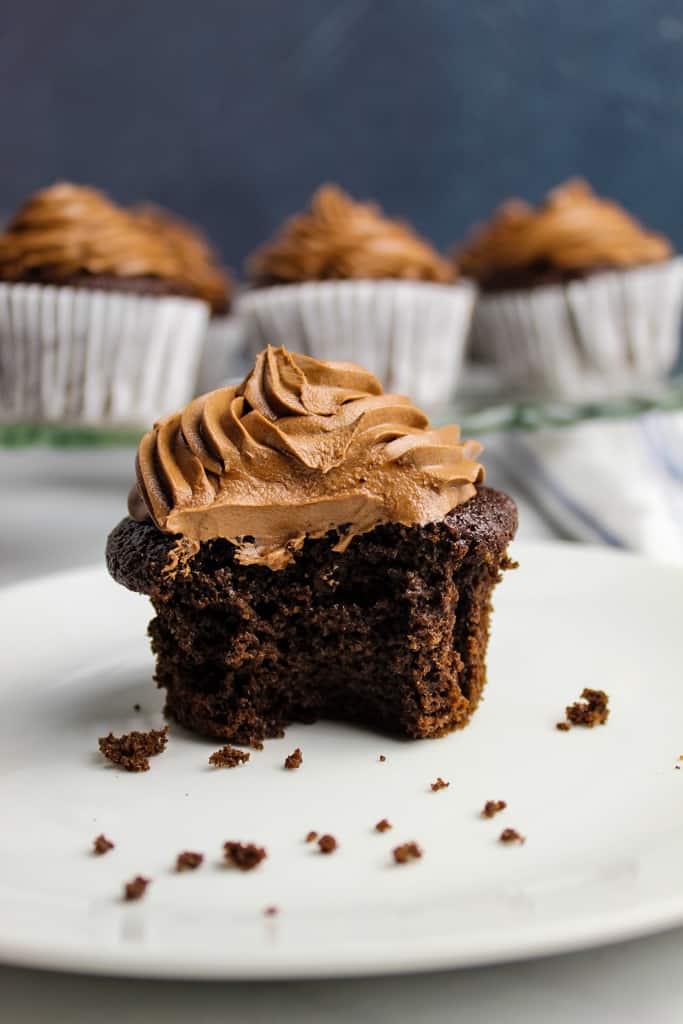
There are plenty of gluten-free chocolate cupcake recipes out there, but not all of them deliver the texture people actually want. Some turn out dry, some feel overly dense, and some simply do not have enough chocolate flavor to feel satisfying. This recipe works because it is built to balance moisture, structure, and richness in a way that suits almond flour.
Almond flour gives these cupcakes a tender, rich crumb, but because it does not contain gluten, it needs support from the other ingredients to create a stable texture. The eggs provide that structure as they bake, helping the cupcakes hold their shape and stay soft instead of crumbly. Maple syrup adds sweetness while also helping the cupcakes retain moisture, which keeps them soft long after they come out of the oven.
The batter is also rested before baking, which gives the almond flour time to fully absorb the liquid ingredients. That small step helps create a smoother, more cohesive batter and improves the final texture of the cupcakes.
The result is a cupcake that is deeply chocolatey, moist, and tender, with enough structure to feel like a true bakery-style treat rather than a compromise.
- Rich chocolate flavor from cocoa powder and chocolate frosting
- Moist, tender texture thanks to almond flour and maple syrup
- Naturally gluten-free and grain-free with no special flour blend needed
- Easy to make with simple ingredients and straightforward steps
- Perfect for birthdays, parties, or everyday baking when you want a dessert that doesn’t feel like a compromise
These cupcakes are the kind of recipe you’ll want to make again, so don’t forget to save or print the recipe card below for easy reference!
Almond Flour Cupcakes vs Regular Cupcakes
Almond flour cupcakes differ from traditional cupcakes in a few important ways. Regular cupcakes rely on gluten to create structure and trap air, which gives them a light and fluffy texture. Almond flour does not contain gluten, so the structure must come from eggs and careful moisture control.
This means almond flour cupcakes are typically more moist and tender, but they can also be more delicate. The key to success is balancing fat, liquid, and protein so the cupcakes hold their shape without becoming dense.
The Science Behind Almond Flour Baking
Almond flour baking works differently from traditional baking because it relies on a balance of fat, protein, and moisture instead of gluten.
- Fat vs structure: Almond flour is high in fat, which creates a soft, tender crumb but provides little structural support.
- Egg protein networks: Eggs replace gluten by forming a protein structure that helps the cupcakes hold their shape as they bake.
- Moisture retention: Ingredients like maple syrup help retain moisture, keeping the cupcakes soft instead of dry.
Why Almond Flour Needs More Eggs
Because there is no gluten to provide structure, almond flour recipes rely more heavily on eggs. The proteins in eggs create a stable framework as they bake, helping the cupcakes rise and set properly.
Using too few eggs can result in cupcakes that fall apart or feel gummy, while the right amount creates a soft but stable crumb.
How to Avoid Dense Almond Flour Baking
- Measure almond flour by weight instead of volume for accuracy.
- Do not skip the resting step, which allows the flour to fully hydrate.
- Avoid overmixing, which can collapse air pockets in the batter.
- Make sure your leavening agent is fresh for proper lift.
Equipment Needed
- Large Mixing Bowl (or the bowl that goes with your stand mixer)
- Whisk or Stand Mixer Whisk Attachment
- Rubber Spatula
- Sturdy Mixing Spoon OR Stand Mixer OR Handheld Mixer With Beaters
- Cupcake Tin
- Cupcake Liners
- Wire Cooking Rack
Ingredients for This Chocolate Almond Flour Cupcake Recipe
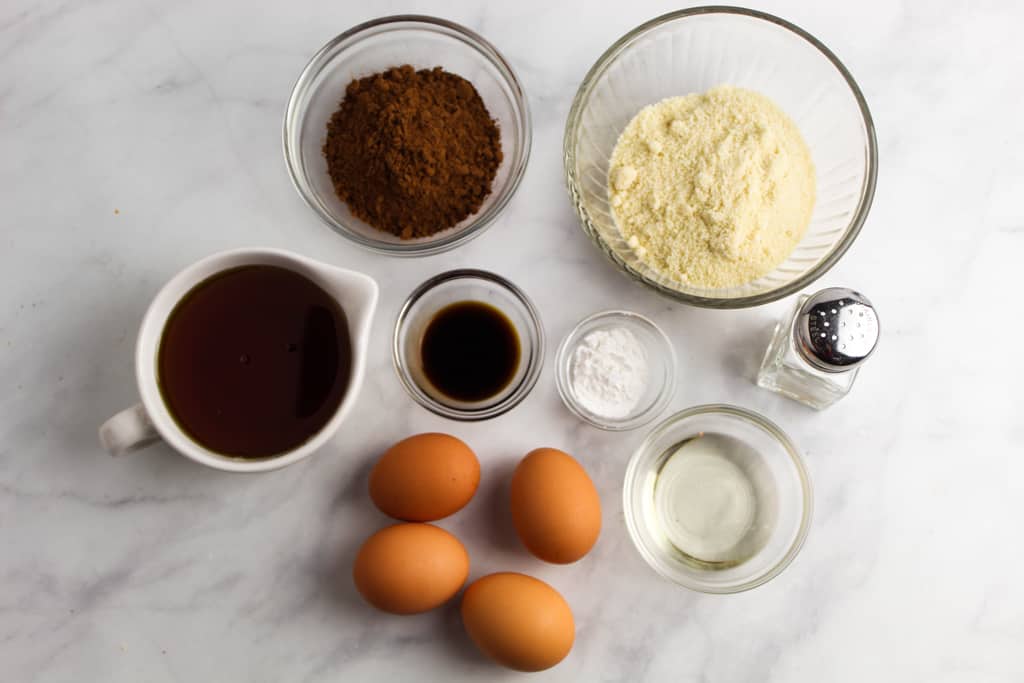
There are only 8 simple ingredients in these easy almond flour chocolate cupcakes. In fact, you probably already have most of them in your kitchen if you bake a lot.
- Almond Flour
- Cocoa Powder
- Baking Powder
- Salt
- Pure Maple Syrup
- Large Eggs
- Vanilla Extract
- Melted Coconut Oil
Key Ingredient Roles
Each of these ingredients brings something to this recipe. Let’s take a closer look.
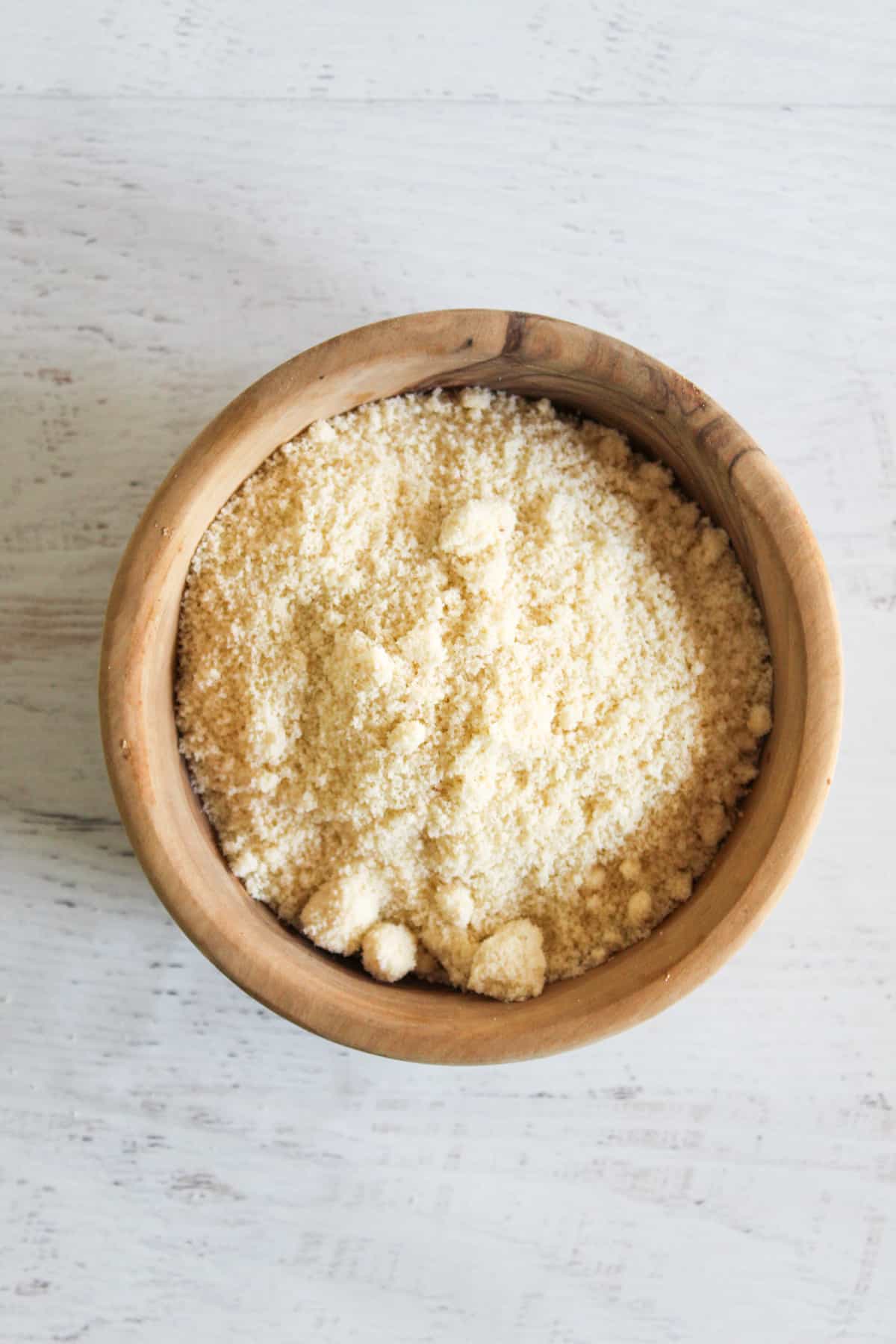
Almond Flour
90 grams (about 3/4 cup) almond flour
Almond flour is a gluten-free type of flour. The USDA’s FoodData Central database indicates that 100 grams of almond flour has 50.2 grams of fat and 26.2 grams of protein. That makes it higher in protein and fat than many other flours because it is made with almonds. That’s not necessarily a bad thing, though. It’s just one of many things to be aware of when using gluten-free flour.
Almond flour also gives these cupcakes a mild nutty flavor that perfectly complements the chocolate.
Cocoa Powder
45 grams (about 1/2 cup) cocoa powder
I like to use sugar-free dark cocoa powder to make sure I’m getting a high cocoa content. When buying it online, I like to make sure I’m getting cocoa powder for baking rather than hot chocolate, since they will get mixed up in the same search results. In the grocery store, cocoa powder is easy to find in the baking aisle.
For cupcakes, I like to use natural cocoa powder when I can get it. Natural cocoa powder works best here because its acidity supports the baking powder and helps the cupcakes rise properly. Dutch-process cocoa can be used, but may produce a slightly denser texture.
Baking Powder
2 teaspoons baking powder
Like most baked goods, these cupcakes need a leavening agent to get the texture you want. Baking powder is a good chemical leavening agent for getting that fluffy cupcake texture.
Salt
1/2 teaspoon salt
Salt helps balance the sweet and chocolate flavors in these cupcakes.
Pure Maple Syrup
3/4 cup pure maple syrup
Here, you want to look for “pure maple syrup” instead of “pancake syrup” or “breakfast syrup.” Pure maple syrup has a robust, complex flavor. As you can see in the chart below, darker varieties tend to have a more powerful flavor, so you may need to adjust the amount if you get your hands on maple syrup with a darker color and more robust flavor.
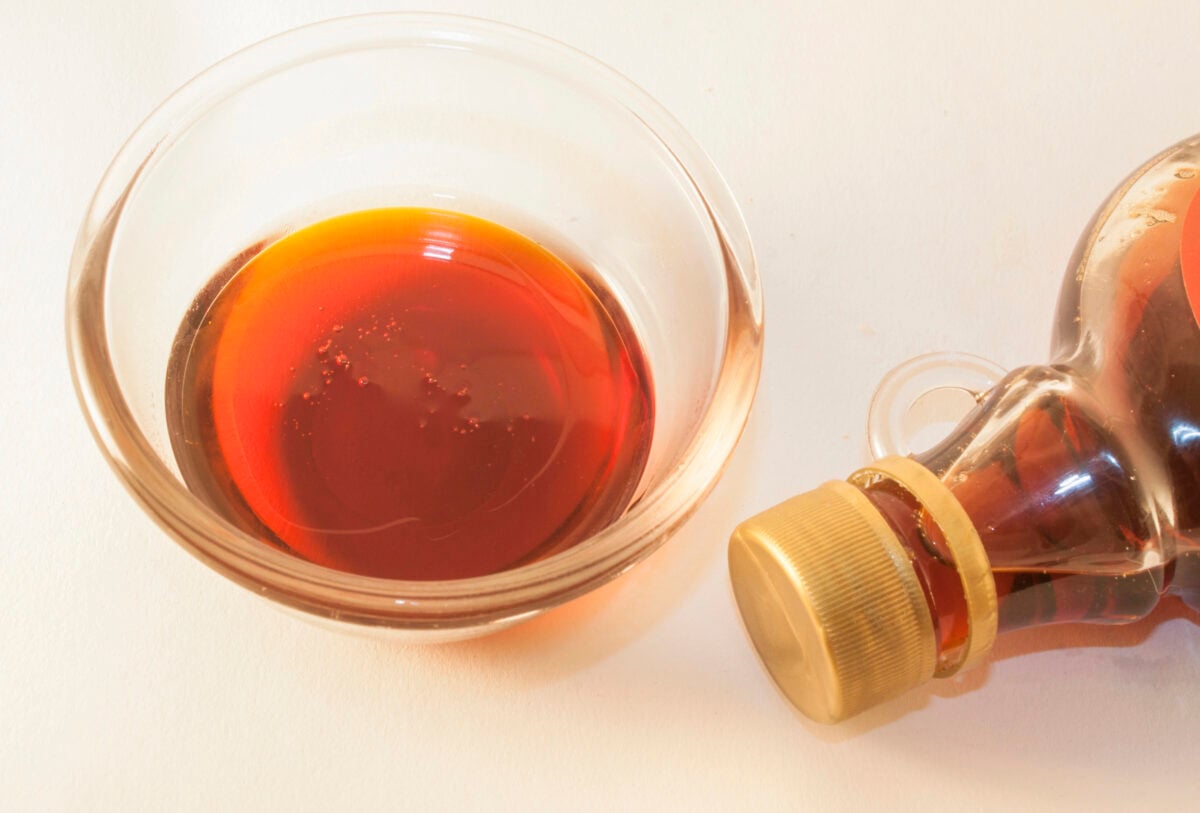
Use Grade A Amber maple syrup for a balanced flavor. Darker syrups will create a stronger, more pronounced maple taste.
Fun Fact: Did you know that some U.S. states known for producing maple syrup, such as Vermont, have laws governing what constitutes genuine maple syrup?
Large Eggs
4 large eggs
Large eggs tend to provide more binding power than smaller eggs because they contain more egg white. Egg whites contain proteins like albumin and globulin that are usually curled or folded up while still in the egg.
Once mixed with other ingredients, they will uncurl and bond with other proteins to form a network that holds other ingredients together and helps retain moisture and air bubbles. This helps form your cupcakes’ texture and keeps them from falling apart after baking.
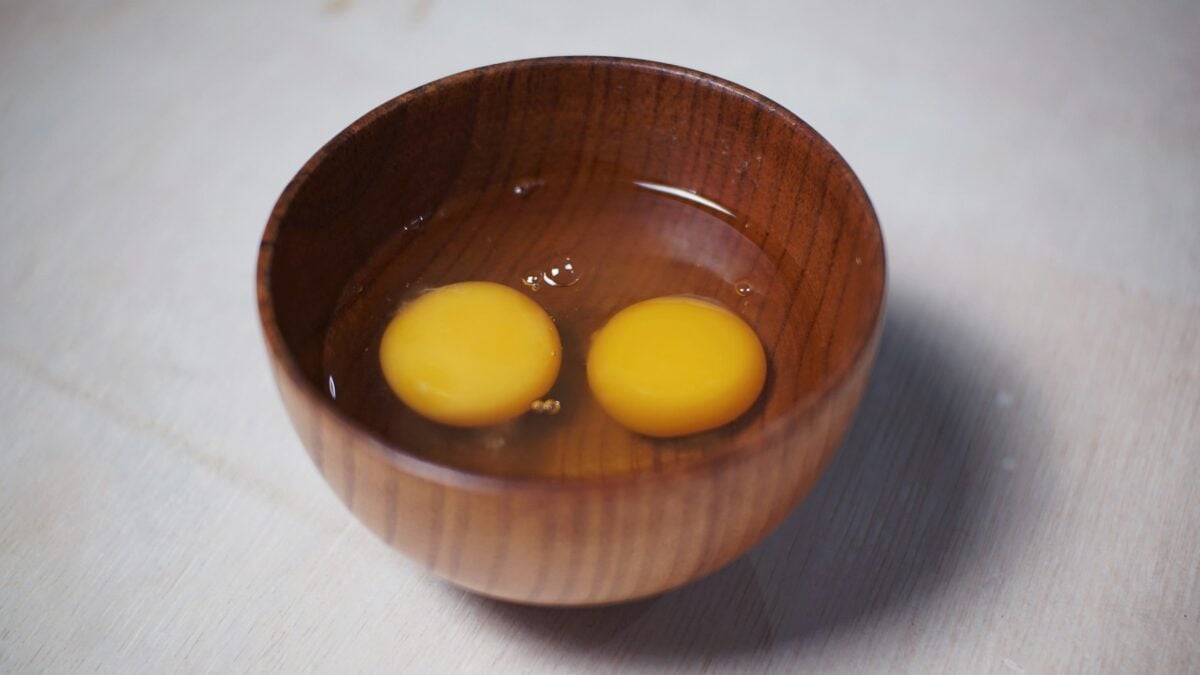
Of course, the yolks have something to contribute, too! They contain an emulsifier called lecithin, which prevents the fats in baked recipes from forming large globs and helps them mix more thoroughly with the other ingredients that may contain water.
To make these egg-free, you can use flax eggs or applesauce as substitutes. Since eggs provide structure in almond flour baking, expect a softer texture. Learn more in our guides to egg substitutes and applesauce replacements.
Pure Vanilla Extract
2 teaspoons vanilla extract
As with maple syrup, use genuine vanilla extract rather than imitation vanilla. Genuine vanilla extract provides a more robust flavor. Look for vanilla extract that contains vanilla beans as its first or second ingredient. Genuine vanilla extract is more expensive than the imitation version, but it’s worth it!
Coconut Oil
2 tablespoons coconut oil, melted
Coconut oil adds fat, which helps keep these cupcakes moist and tender, and it can also contribute a very light coconut flavor. It works well here because it blends easily into the batter when melted and helps create a soft crumb. If you prefer, it can also serve as a dairy-free alternative to butter in baking.
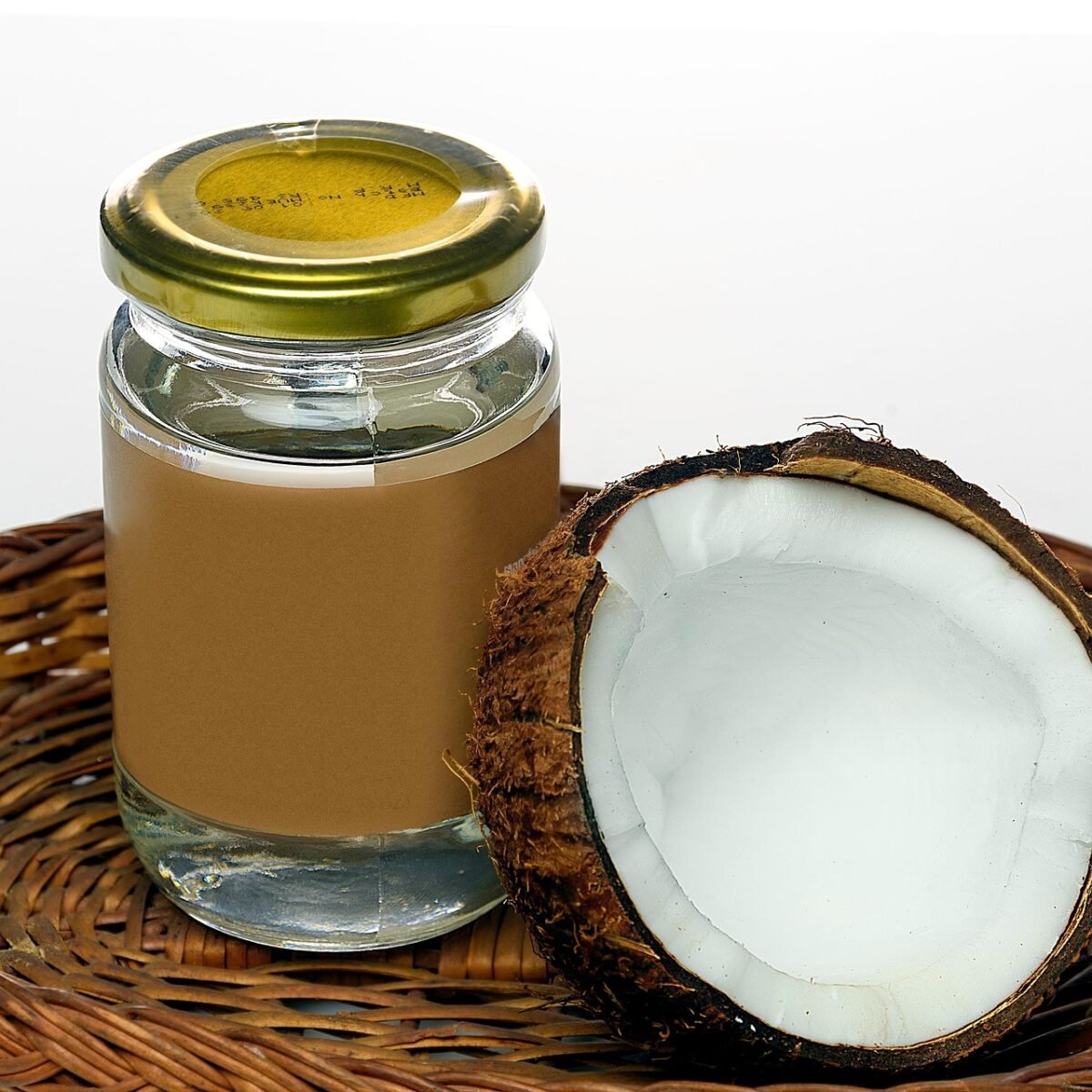
(Also, I like coconut oil. If you’re looking for a vegetarian alternative to butter to use in your baking, coconut oil is usually a good pick.)
Ready to bake? Here’s the full printable recipe card with exact measurements and timing. If you want more detail on technique and texture, the step-by-step guide continues right below.
Printable Chocolate Almond Cupcakes Recipe Card
Ingredients
- 90 grams almond flour about 3/4 cup
- 45 grams cocoa powder about 1/2 cup
- 2 teaspoons baking powder
- 1/2 teaspoon salt
- 3/4 cup pure maple syrup
- 4 large eggs
- 2 teaspoons pure vanilla extract
- 2 Tablespoons coconut oil melted
Instructions
- Use a whisk or the whisk attachment on your stand mixer to combine the almond flour, cocoa powder, baking powder, and salt in a large bowl.
- Add the maple syrup, eggs, vanilla extract, and coconut oil to the dry ingredient mix. Stir until the mixture is smooth and fully combined. Use a rubber spatula to scrape down the bowl’s sides as necessary.
- Set the batter aside to rest for at least 30 minutes.
- Preheat the oven to 350 degrees Celsius (176 degrees Fahrenheit).
- Line the cups in your cupcake tin with cupcake liners.
- Using a measuring cup, portion batter into cupcake liners, filling 2/3 of the way full.
- Bake for 27 minutes.
- Remove from the oven and let cupcakes cool for at least 30 minutes before frosting.
- Frost the cupcakes with your favorite frosting.
Nutrition
Did you make and love this recipe? Give it your review and rating below! And make sure to follow me on Instagram, Pinterest, and Facebook , too!
Want to make sure your cupcakes turn out perfectly every time? Keep reading for step-by-step instructions, doneness cues, and common mistakes to avoid.
How to Make Chocolate Almond Cupcakes
Now that we’ve covered the ingredients pretty thoroughly, let’s jump right into making these cupcakes.
Step One: Mix Dry Ingredients
Use a whisk or the whisk attachment on your stand mixer to combine the almond flour, cocoa powder, baking powder, and salt in a large bowl.
Step Two: Add Wet Ingredients
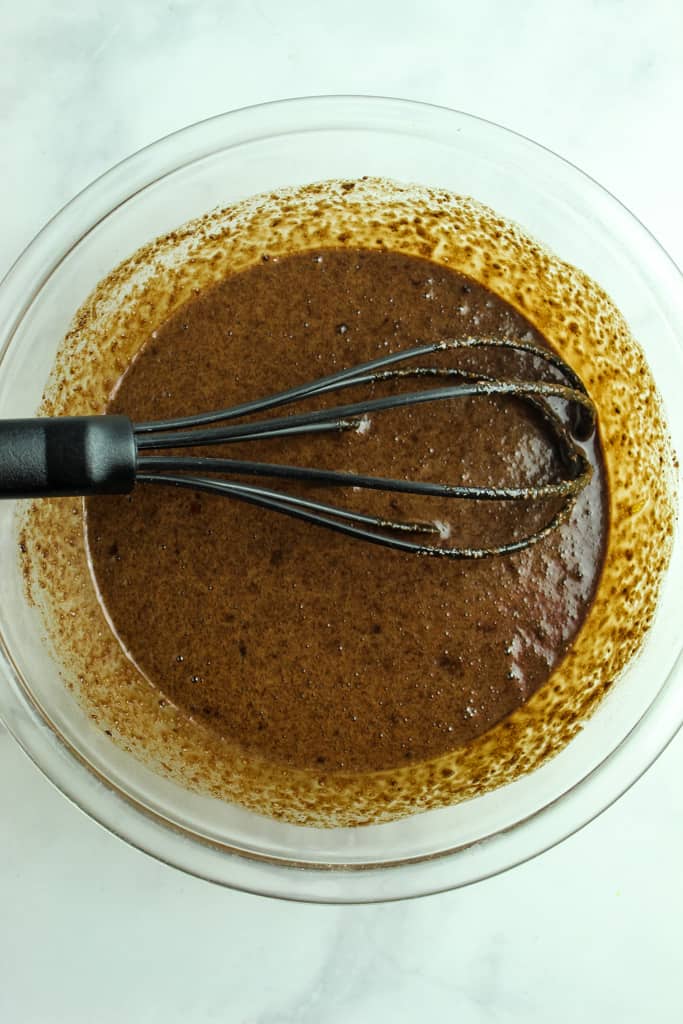
Add the maple syrup, eggs, vanilla extract, and coconut oil to the dry ingredient mix. Stir until the mixture is smooth and fully combined. Use a rubber spatula to scrape down the bowl’s sides as necessary. I like to use the stand mixer or a handheld mixer for this step to make sure everything gets mixed in.
Step Three: Set Batter Aside to Rest
Set the batter aside to rest for at least 30 minutes. This gives the ingredients time to combine more thoroughly and gives the baking powder time to work.
Step Four: Preheat Oven
Preheat the oven to 350 degrees Celsius (176 degrees Fahrenheit).
Step Five: Prepare Cupcake Tin
Line the cups in your cupcake tin with cupcake liners.
Step Six: Fill Cupcake Liners With Batter
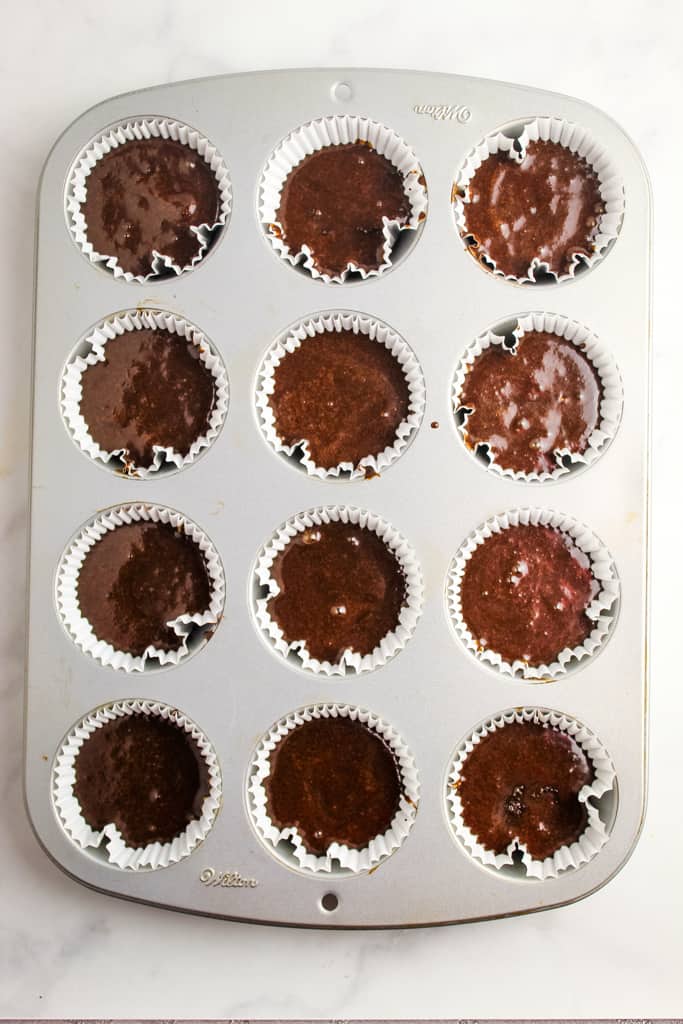
Use a measuring cup to fill each cupcake liner 2/3 full with the cupcake batter.
Step Seven: Bake Cupcakes
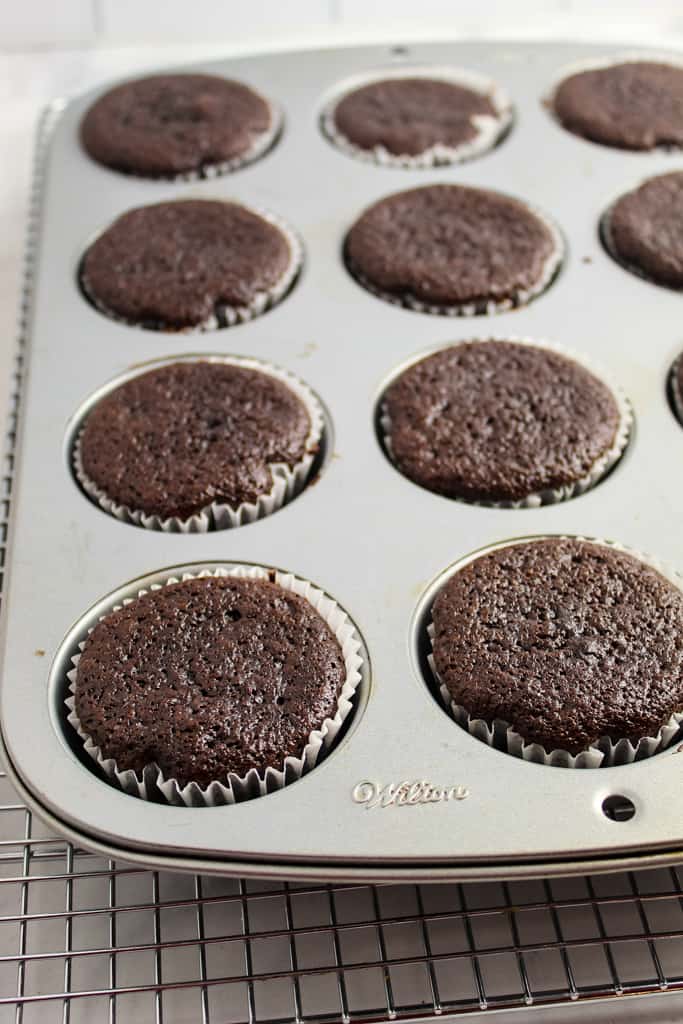
Place the cupcakes in the oven. Bake the cupcakes for 27 minutes. The cupcakes are done when a toothpick stuck into the center of one comes out clean.
How to Know When Your Cupcakes Are Done
Baking time is only part of the story. With almond flour, visual and sensory cues are far more reliable than the clock.
Visual Doneness Guide
- Edges: The edges should look set and slightly pull away from the cupcake liners.
- Center: Gently press the top. It should spring back lightly instead of sinking or feeling wet.
- Toothpick test: Insert a toothpick into the center. It should come out with a few moist crumbs, but no wet batter.
- Aroma: You will notice a deeper, more intense chocolate smell as they finish baking.
Almond flour cupcakes naturally stay more moist than traditional cupcakes, so avoid overbaking. If you wait for them to feel completely dry, they will likely end up too firm after cooling.
Step Eight: Let Cupcakes Cool
Transfer the cupcakes to a cooling rack. Let the cupcakes cool for at least 30 minutes before going on to the next step. While they’re cooling, keep them out of the reach of children and pets. They’re not quite done yet, and the kids won’t want to miss out on the good part.
Step Nine: Frost Cupcakes
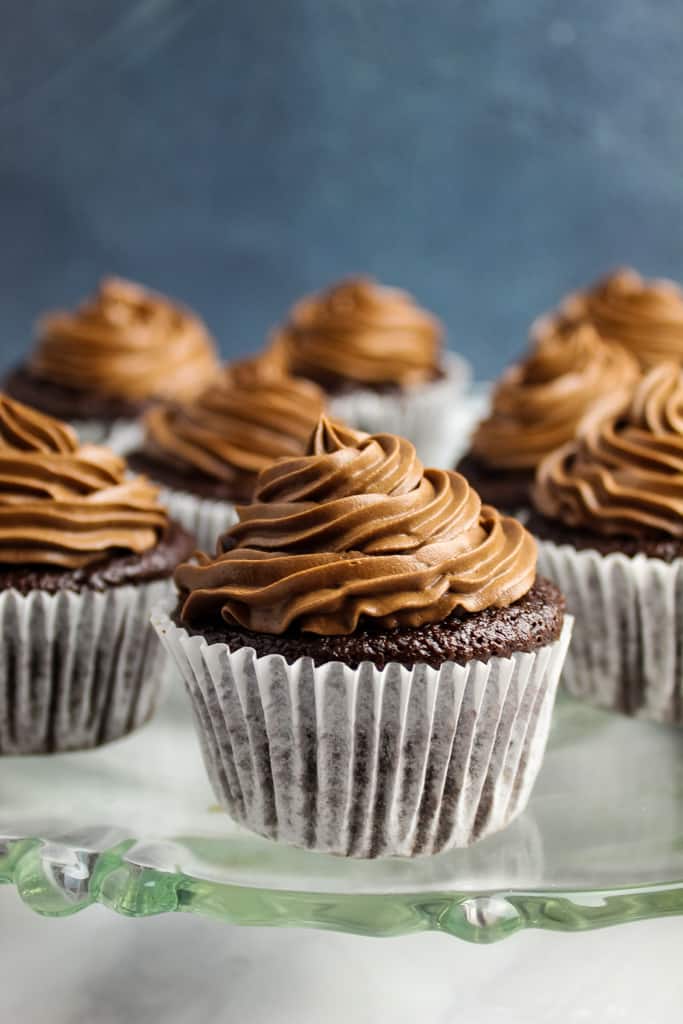
Add your favorite frosting to the tops of the cupcakes. Personally, I think this chocolate frosting goes well with the chocolate cupcakes.
Quick Cheat Sheet: Avoid These Common Mistakes
- Do not skip the batter rest
- Avoid adding extra maple syrup
- Do not overmix the batter
- Make sure cupcakes are fully baked in the center
- Use almond flour, not almond meal
5 Common Almond Flour Cupcake Mistakes (And How to Avoid Them)
Almond flour behaves very differently from wheat flour, which is why small mistakes can lead to big texture problems. Here are the most common issues and how to prevent them.
- Skipping the batter rest: Almond flour absorbs liquid slowly. Skipping this step can lead to a gritty or uneven texture.
- Using too much liquid sweetener: Adding extra maple syrup can make the cupcakes overly wet and prevent the centers from setting properly.
- Overmixing the batter: Unlike wheat-based batters, overmixing here does not build structure. It can actually collapse air bubbles and lead to dense cupcakes.
- Underbaking: Almond flour retains moisture, so cupcakes can look done on the outside while still being underbaked in the center.
- Using almond meal instead of almond flour: Almond meal is coarser and heavier, which can result in a dense, uneven crumb.
Getting these details right makes the difference between cupcakes that feel heavy and ones that turn out soft, tender, and balanced.
How to Adjust the Texture of Almond Flour Cupcakes
One of the advantages of this recipe is how easily you can adjust the final texture based on your preference. Small changes can shift the cupcakes from light and airy to rich and fudgy.
For Lighter, Fluffier Cupcakes
- Beat the eggs slightly longer to incorporate more air into the batter.
- Avoid overmixing after combining ingredients to preserve that air.
- Make sure your baking powder is fresh for proper lift.
For Richer, Fudgier Cupcakes
- Slightly reduce the baking time by 1–2 minutes for a softer center.
- Use a darker cocoa powder for a deeper chocolate flavor.
- Allow the cupcakes to cool completely to let the crumb set into a denser texture.
To Reduce Egg Flavor
- Replace one egg with a flax egg (1 tablespoon flaxseed meal + 3 tablespoons water).
- Add a little extra vanilla extract to balance the flavor.
To Prevent Dense or Heavy Cupcakes
- Measure almond flour by weight for accuracy.
- Do not skip the resting step.
- Avoid adding extra liquid ingredients beyond what the recipe calls for.
These small adjustments allow you to fine-tune the cupcakes to match your preferred texture without compromising structure.
Variations and Flavor Options
Once you understand how this recipe works, you can adjust the flavor and style without compromising the texture. The key is to keep the balance between moisture, fat, and structure intact.
Deeper Chocolate Flavor
- Add 1/2 teaspoon espresso powder to enhance the chocolate flavor without making the cupcakes taste like coffee.
- Use a darker cocoa powder for a more intense, less sweet profile.
Dairy-Free and Extra Rich
- Use coconut oil as written and pair it with a dairy-free chocolate frosting.
- Add a small handful of dairy-free chocolate chips for extra richness and texture.
Lower Sweetness Option
- Reduce maple syrup slightly and use a darker cocoa powder to maintain a strong chocolate flavor.
- Be careful not to reduce the liquid too much, as this can affect the texture.
Mocha Cupcakes
- Add 1–2 teaspoons of instant espresso powder to the batter.
- This deepens the chocolate flavor and adds a subtle coffee note.
Nut-Free Alternative
- Substitute oat flour for almond flour.
- Expect a slightly lighter texture and less richness.
Extra Moist, Dessert-Style Cupcakes
- Fold in chocolate chips or chopped dark chocolate.
- Slightly underbake by 1–2 minutes for a softer center.
When making variations, avoid adding too much extra liquid or fat, as almond flour recipes are more sensitive to imbalance than traditional cupcakes.
If you want a red velvet version, it is better to use a recipe developed specifically for that style of cupcake, since red velvet depends on a different balance of cocoa, acidity, and color. You can find my gluten-free red velvet cupcakes here.
Frosting and Filling Ideas
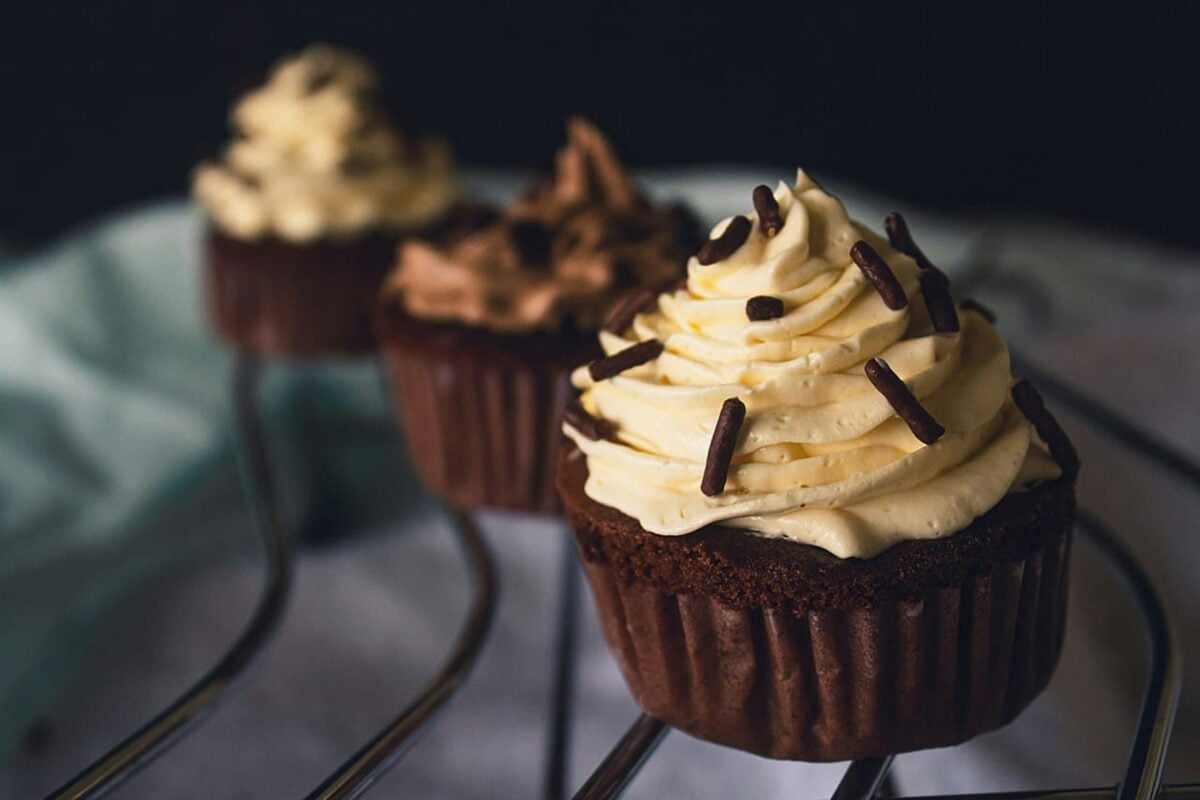
These cupcakes are easy to customize depending on the occasion. For a classic finish, top them with chocolate buttercream or chocolate ganache. If you want more contrast, vanilla or cream cheese frosting both pair well with the rich chocolate base.
For a more bakery-style version, you can also add a filling. Chocolate ganache, raspberry jam, or a small spoonful of peanut butter all work well with the soft almond flour crumb and deep chocolate flavor.
Substitutions for This Chocolate Almond Cupcake Recipe
You can adjust this recipe for different dietary needs, but because almond flour relies heavily on balance for structure and texture, even small substitutions can affect the final result.
- Melted butter makes a good alternative for coconut oil if you like a more buttery flavor. There are also vegan butter options if you still want it dairy-free.
- Want to replace some or all of the eggs? For each egg you want to replace, mix 1 tablespoon of flaxseed meal with three tablespoons of water. Let the mixture sit long enough to form a gel.
- Almond meal isn’t necessarily a good substitute for almond flour due to differences in how the almonds are processed. Oat flour actually makes the best substitute for almond flour if you need to replace it. Find out more about almond flour substitutes here.
- The amount of salt can be reduced if you are on a low-salt diet. It can also be eliminated in a pinch if needed.
Storing Cupcakes
Storing these gluten-free chocolate cupcakes is relatively easy.
Baked, unfrosted cupcakes: If you’re making these ahead for a party, don’t frost them quite yet! Place the unfrosted cupcakes in an airtight container and store at room temperature for up to 3 days. Freeze for longer storage and allow to thaw on the counter overnight.
Baked, frosted cupcakes: Place frosted cupcakes in an airtight container and refrigerate. Serve within 3 days for best results. Frosted cupcakes are best served fresh, not from frozen.
FAQs about These Chocolate Almond Flour Cupcakes
While these cupcakes are pretty straightforward to make, we do get the occasional question! I try to answer some of the most commonly asked questions here. If you think of one we haven’t answered yet, feel free to ask in the comments section.
Why do my cupcakes seem too moist or not quite done in the center?
Cupcakes that are “too moist” might have been underbaked. The oven might have been a bit cool, or the cupcakes weren’t in the oven long enough. The cupcakes are done when a toothpick stuck in the center of one comes out clean.
The cupcakes might have had too much liquid or too little flour added. I like to measure the flour by grams to make sure it’s exact. It’s also really easy to be tempted to add just a little more maple syrup for the flavor, even though it might mean too much liquid in the mix.
The cooling time might also matter here, as it gives the cupcakes more time for their centers to set properly. If they just seem “too moist,” they might not have cooled for long enough.
I noticed that these cupcakes turned out a little less sweet than others. Why is that?
That’s probably because I left out the refined sugar and used maple syrup for the sweetness instead. Maple syrup is a little less sweet and has a more complex flavor profile than plain refined sugar.
Why did my cupcakes turn out too dense?
Almond flour can be a little “heavier” per cup than other flours, which is one important reason I like to measure flour in grams instead of cups. Dense cupcakes might have been made with overmixed batter, or almond meal was mistakenly used instead of almond flour.
Why did my cupcakes sink in the middle?
Cupcakes typically require patience while they’re in the oven. They can sink if you open the oven door too early, which causes heat to escape. Not enough baking time or an oven that runs a bit on the cool side can also cause them to sink.
Why did my cupcakes stick to the liners?
Almond flour cupcakes can be more delicate than traditional cupcakes, especially when still warm. Let them cool completely before peeling the liners, and use good-quality parchment-style liners if possible.
Why do my cupcakes taste eggy?
The four eggs in this recipe might have something to do with it. I know that’s a lot, and the “eggy” flavor might be reduced by replacing one egg with the flaxseed meal mix. Underbaked cupcakes, or cupcakes served while still too warm, can also taste more eggy.
More Chocolate Recipes to Try Next
If you loved these chocolate almond flour cupcakes, there are plenty of other ways to satisfy that chocolate craving. Whether you are looking for something rich and indulgent or quick and simple, these recipes offer a variety of textures and flavors while keeping things gluten-free.
- Easy Gluten-Free Flourless Chocolate Cake {Dairy Free, One Bowl}
- Gluten-Free Peanut Butter Chocolate Chip Cookies {Dairy Free}
- Quick Gluten-Free Chocolate Biscuits
- Gluten-Free Chocolate Donuts with Rich Chocolate Glaze
- Gluten-Free Chocolate Croissants
- Crisp and Delicious Gluten-Free Chocolate Biscotti
Each of these recipes builds on the same principles of balancing flavor, texture, and structure, so you can keep exploring chocolate desserts with confidence.
Did You Make This Recipe?
If you made these chocolate almond flour cupcakes, leave a comment below and let me know how they turned out. I always love hearing what worked for you, what frosting you used, and any variations you tried.
If you enjoyed this recipe, please give it a star rating and share it with another chocolate lover. Your feedback helps other readers and supports more gluten-free baking recipes like this one.