Oat Flour vs Almond Flour is a top question among bakers choosing between airy muffins and moist cookies, because each flour affects final bake results differently.
Are you curious about how these two gluten-free flours compare in texture, nutrition, and baking behavior, or do you need clear substitution rules that actually work? This guide will get you there without confusion.
Table of Contents
These flours may look similar in the canister, but they behave very differently in the bowl and oven. Oat flour generally makes a lighter, softer crumb and soaks up more liquid, while almond flour brings fat, richness, and a denser structure. Those differences matter, especially if you’re swapping one for the other in your favorite recipes.
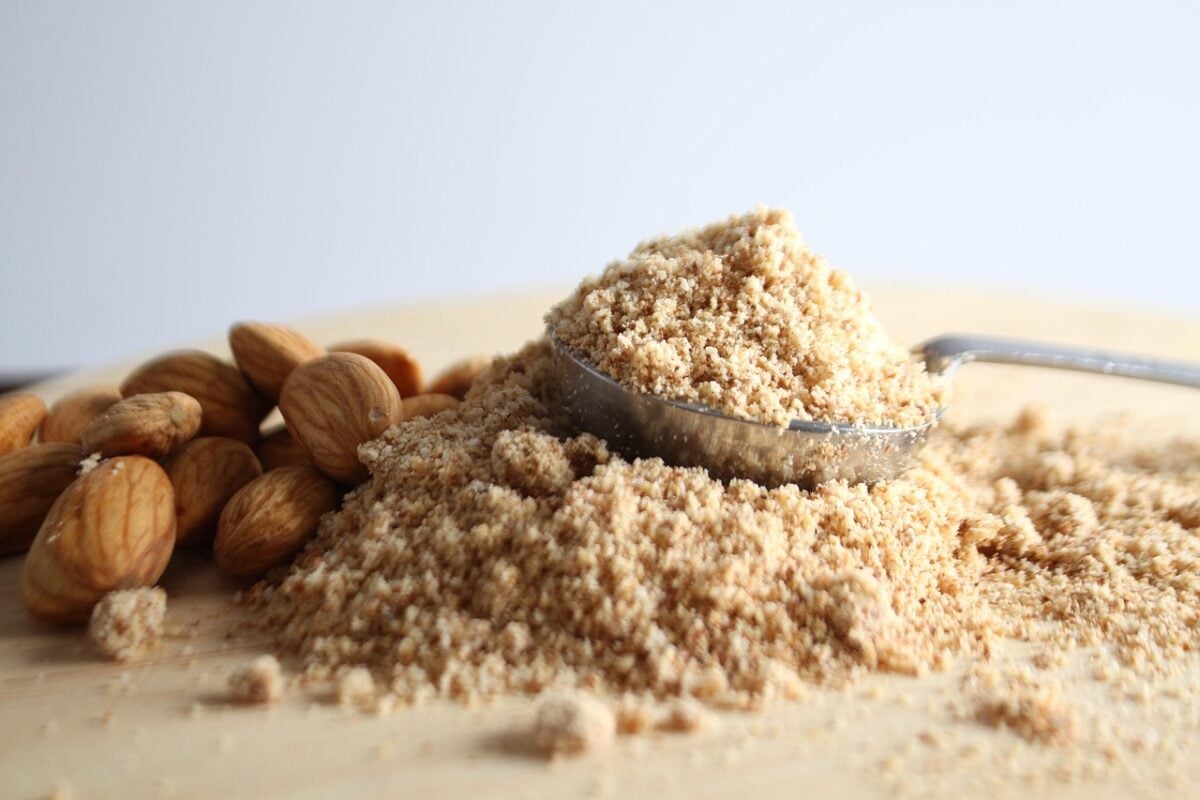
By the end of this article, you’ll understand why oat and almond flour perform the way they do. Also, you’ll have practical guidance on when you can substitute one for the other, when you shouldn’t, and how to adjust your ingredients for reliable results
Should you need more context on flour behavior in gluten-free bakes, read our gluten-free baking tips and recipe guides. They’re a great companion for mastering texture and structure in your bakes.
Quick Answer: Almond Flour Is Better for Low-Carb. Oat Flour Is Better for Texture.
When you just want a fast recommendation without going deep into the article, here’s the practical take-home:
- Baking cookies? Choose almond flour because it gives richer, moister results.
- Making cakes or muffins? Go with oat flour for a lighter, softer crumb.
- Need a nut-free option? Oat flour is your best bet.
- Following keto/low-carb? Almond flour fits those macros better.
- Want a 1:1 swap? Oat flour usually works more reliably.
Who This Guide Is For
Are you swapping ingredients, decoding texture differences, or just choosing the best flour for your next bake? This section helps you quickly see if you’re in the right place. Use this guide if you want to:
- Choose the best flour for cookies vs cakes
- Substitute one flour for the other with confidence
- Compare the nutrition between oat flour and almond flour
- Avoid gummy or greasy bakes
- Bake gluten-free with reliable results
Oat Flour vs Almond Flour at a Glance
We created a side-by-side snapshot below so you can instantly see how oat flour tends to give lighter, softer baked results. Also, you’ll see how almond flour, by contrast, brings richness and moisture, and often performs better in dense, flavorful bakes.
| Feature | Oat Flour | Almond Flour |
|---|---|---|
| Texture | Soft, light | Dense, moist |
| Fat | Low | High |
| Carbs | Higher | Lower |
| Protein | Moderate | Higher |
| Liquid Absorption | High | Low |
| Best Uses | Cakes, muffins | Cookies, bars |
| 1:1 Substitute? | Sometimes | Rarely |
| Binding Needs | Moderate | High (eggs/binders) |
| Moisture risk | Gummy | Greasy |
| Cost | Cheap | Expensive |
| Allergens | Gluten-free but oats caution | Tree nut |
What Is Oat Flour?
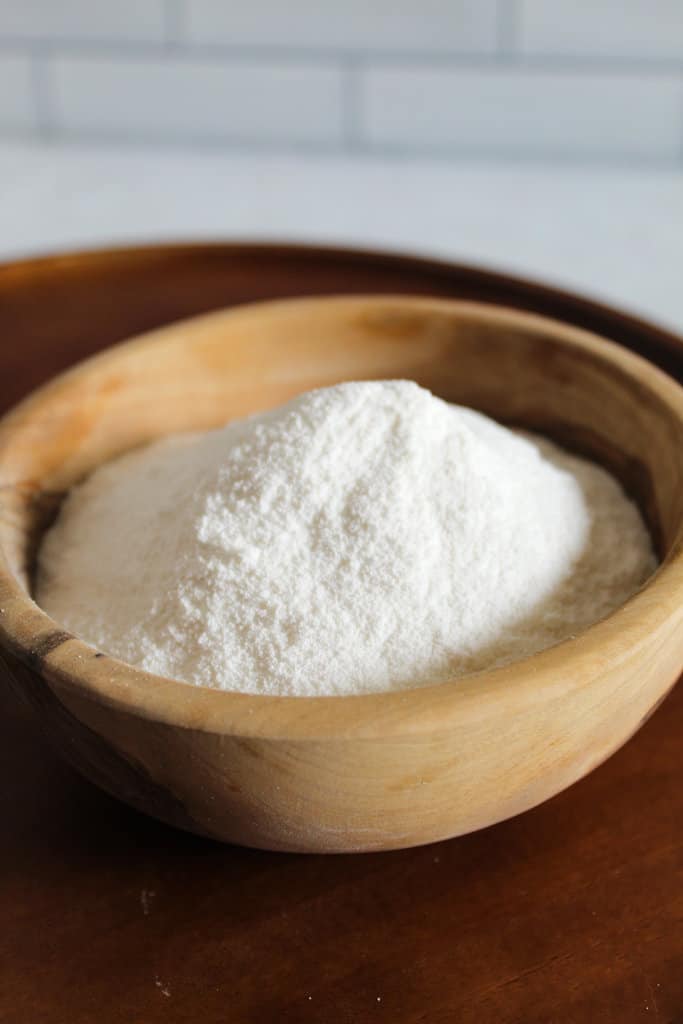
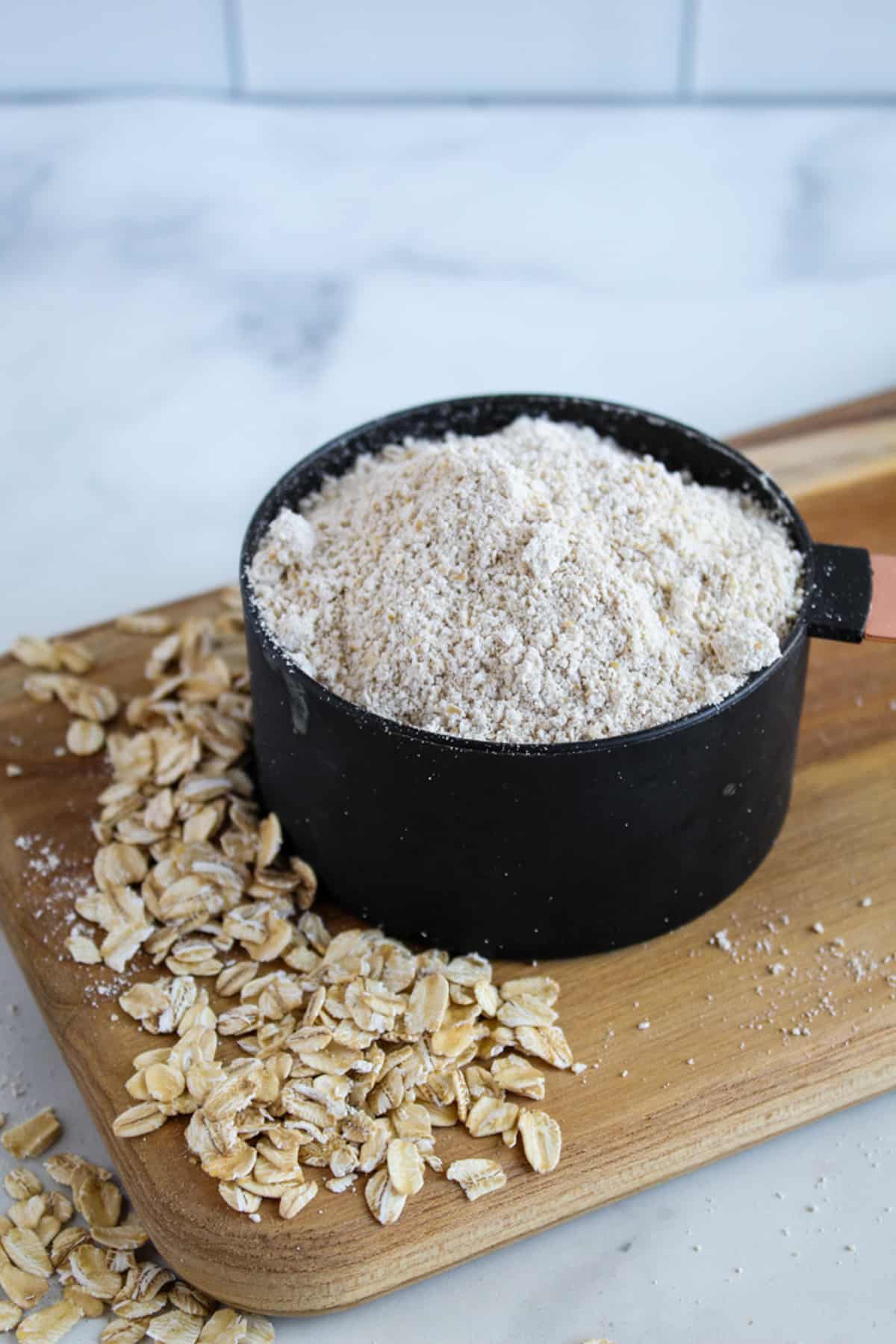
Oat flour is whole oats ground into a fine powder. It’s naturally gluten-free when made from certified oats, and it’s prized for adding a tender, soft texture to bakes.
How It’s Made
This flour comes from milling rolled oats or oat groats until they’re smooth and fine. Unlike refined wheat flour, oat flour still contains part of the whole grain’s fiber and subtle flavor.
Taste
Oat flour has a mild, slightly sweet, grain-like taste. It is richer than plain white flour but lighter than nut-based flours like almond.
Basic Characteristics
- Its high liquid absorption nature helps structure cakes and muffins.
- It tends to give a soft, light crumb, making it ideal for tender baked goods.
- It requires structural support in some recipes to prevent gumminess.
If you need practical tips on working with oat flour and mastering gluten-free texture, see our guide on Top 10 Gluten-Free Baking Tips. It covers techniques that make oat flour perform even better in your recipes.
What Is Almond Flour?
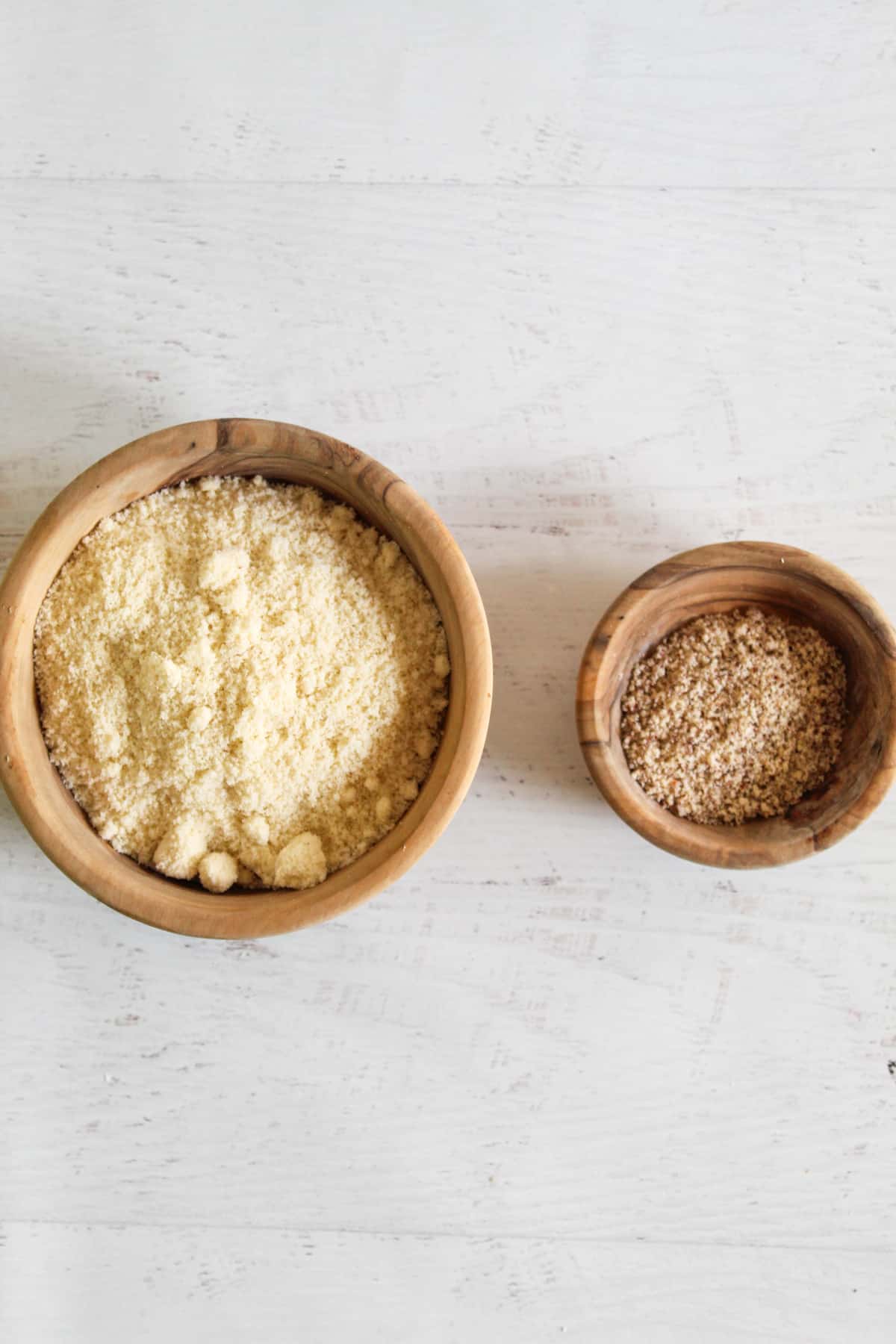
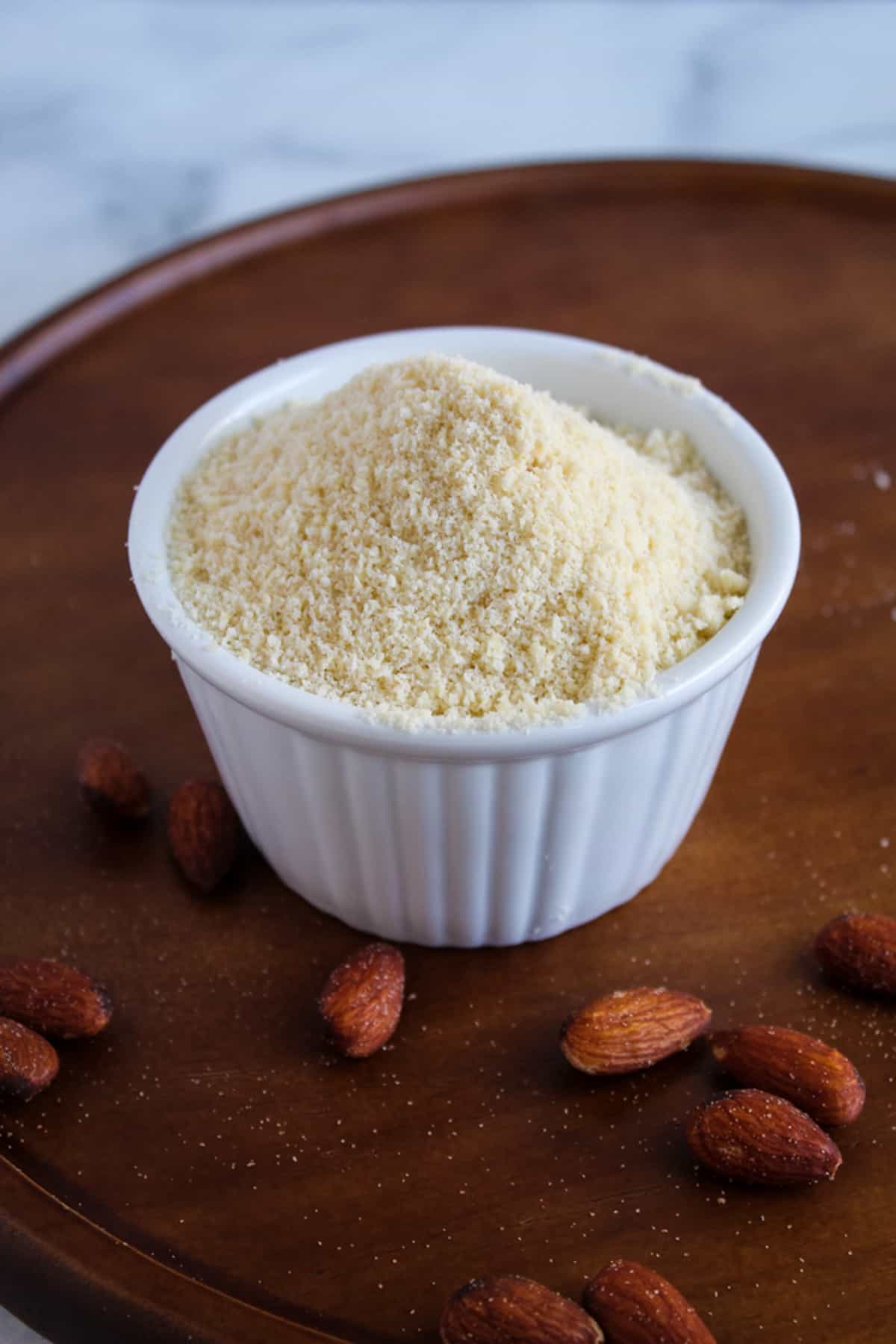
Almond flour is finely ground almonds, usually blanched to remove skins. It’s popular in gluten-free and low-carb baking because it makes cakes, cookies, and other treats moist, soft, and tender.
How It’s Made
To make almond flour, blanched almonds (almonds with skins removed) are finely ground until powdery. This finer texture is what sets almond flour apart from coarser almond meal and makes it ideal for soft, delicate baked goods.
Taste
Almond flour has a gentle nutty flavor that enhances baked foods without overpowering them. As a result, it is versatile for both sweet and savory recipes.
Basic Characteristics
- Its high fat content contributes a rich, moist texture to bakes.
- Its low carbohydrate content is great for keto and low-carb diets.
- It requires binders like eggs or other structure helpers to improve rise and prevent crumbling.
Do you need more info on working with almond flour and how it performs in baking compared to other flours? Go through our guide on Almond Flour Substitutes and Best Alternatives.
How Oat Flour vs Almond Flour Compare Nutritionally
When you’re baking or planning meals, knowing oat flour vs almond flour nutrition helps match your ingredients to your health goals. It matters for texture and overall balance as much as for taste. Before we discuss the specifics, this quick comparison will help you see which flour is higher in calories, richer in protein and fats, and more suited to keto, fiber, or heart-healthy goals.
| Nutrient | Oat Flour (Per 100g) | Almond Flour (Per 100g) |
|---|---|---|
| Calories | ~389 kcal | ~578 kcal |
| Fat | ~6 g | ~50 g |
| Protein | ~13 g | ~26 g |
| Carbs | ~70 g | ~16 g |
| Fiber | ~10 g | ~9 g |
| Best for keto? | Higher carbs | Fewer carbs |
| Best for heart health? | Mixed (lower fat, more carbs) | Healthy fats help, but is calorie-dense |
Quick Takeaway
Almond flour packs more calories, healthy fats, and protein with far fewer carbohydrates, making it a stronger choice for low-carb or keto diets. Meanwhile, oat flour brings higher complex carbs and soluble fiber, which play an important role in heart health and cholesterol reduction due to its beta-glucan content.
How Oat Flour Behaves in Baking
When you’re comparing oat flour vs almond flour, you need to know how oat flour actually performs in the bowl and oven, not just what it is. Oat flour’s behavior comes largely from its unique hydration and structure properties rather than gluten-like elasticity.
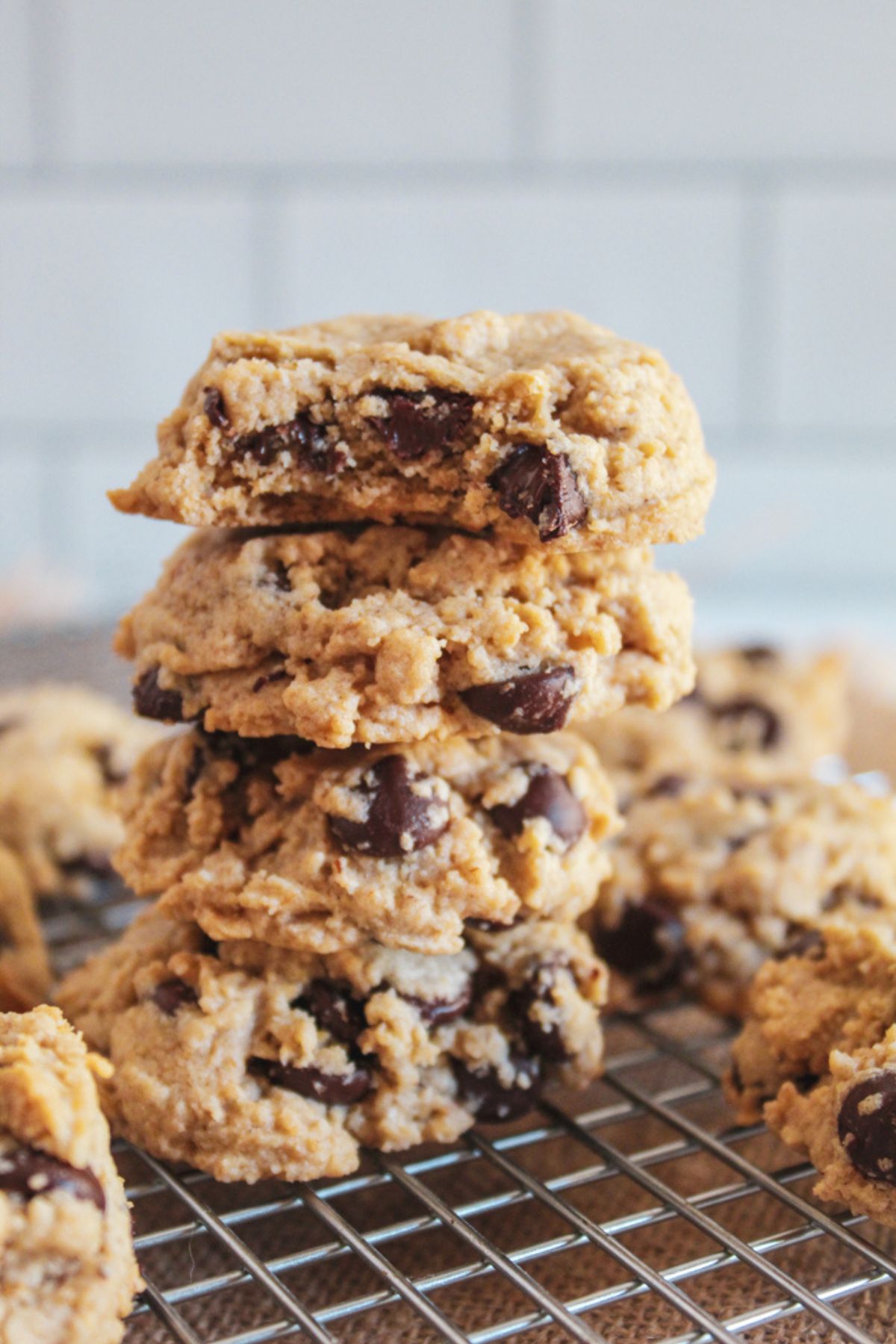
What It Does in Your Recipes
- Absorbs Liquid Slowly: Oat flour’s fiber and starches attract and hold water, which means batters may feel wetter at first.
- Can Turn Gummy If Underbaked: Without enough structure from eggs or binders, oat flour can hold too much moisture and create a dense, gummy center.
- Benefits from Resting Batter: Giving oat-based batter time to hydrate helps the flour fully absorb liquid, improving texture.
- Needs Eggs/Structure: Because oat proteins don’t form a gluten network, eggs or other binders help give lift and hold.
- Lighter Crumb: When properly hydrated and supported, oat flour yields a soft, tender crumb in cakes and muffins.
Best Recipes to Highlight Oat Flour’s Strengths
The following are a few recipes where oat flour’s characteristics really shine:
- Oat Flour Pancakes — gentle hydration and a tender lift make great breakfast stacks.
- Oat Flour Chocolate Chip Cookies — chewy texture with whole-grain flavor.
- One-Bowl Oat Flour Banana Bread — soft, moist loaf that benefits from oat flour’s water absorption.
How Almond Flour Behaves in Baking
When you’re weighing oat flour vs almond flour beyond nutrition and texture, knowing how almond flour acts in the oven is important. This knowledge will help you predict spread, moisture, and structure, especially in cookies, bars, and quick breads.
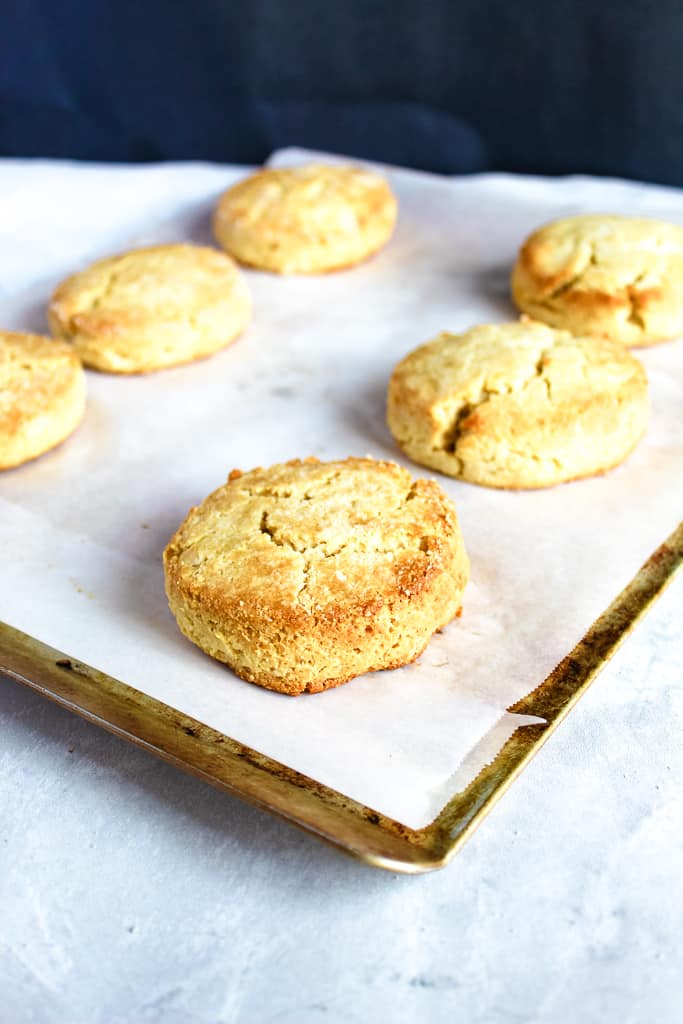
Almond Flour Baking Behavior
- High Fat = Moist Texture: Almond flour’s higher fat content keeps baked goods rich, tender, and often softer than other flours.
- Browns Faster: Its fats and sugars caramelize quickly, so watch color closely to avoid over-browning.
- Spreads Easily: Without a strong gluten structure, batters tend to flatten more than wheat or oat-based doughs.
- Doesn’t Absorb Liquid Well: Almond flour holds less moisture, so recipes often need adjusted liquids or binders.
- Needs Binders: Eggs or other structure helpers are key to preventing crumbling in cakes and bars.
Best Recipes That Highlight Almond Flour
We’ve listed some recipes that show how well almond flour performs:
- Almond Flour Chocolate Chip Cookies — rich, moist, and beautifully browned.
- Almond Flour Banana Bread — dense, tender loaf with great moisture.
- Almond Flour Brownies — fudgy texture thanks to fat and low starch.
Can You Substitute Almond Flour for Oat Flour?
When you’re asking if almond flour can replace oat flour, the answer isn’t a simple yes or no. It largely depends on what you’re making and how you adjust your ingredients. Below is a practical guide to help you decide with confidence.
When It Works
Almond flour can replace oat flour in recipes where structure isn’t critically dependent on gluten or starch-driven rise:
- Cookies: especially chewy or rich styles
- Bars: where a moist, dense texture is fine
- Dense muffins: hearty, non-airy batters
A great example of almond flour in action is this Almond Flour Blueberry Muffins Recipe, where almond flour’s moisture and tender texture are front and center.
When It Fails
Almond flour tends not to work well when lightness and internal structure are key:
- Yeast breads need gluten and a rise structure
- Airy cakes rely on starch networks and lift
- Structured loaves benefit from higher absorption and crumb support
In these cases, oat flour or a different blend will perform much better.
Required Adjustments
If you do swap almond flour for oat flour, you’ll usually need to tweak the formula:
- Add Egg: Eggs give structure and lift
- Reduce Fat: Almond flour is high in fat compared to oat
- Reduce Liquid: Almond flour doesn’t soak up moisture like oat
- Add Binder: Xanthan, flax, or extra egg can help hold batters
These adjustments help balance moisture, improve rise, and keep the texture pleasant.
Texture Trade-Offs
Expect changes in mouthfeel when swapping:
- Denser: Almond flour tends to create a heavier crumb
- Greasier: Extra fat can make goods feel rich, sometimes overly moist
- Crumbly: Without binders, some items break apart
These trade-offs aren’t defects; they just signal that you’ve moved into a different flour behavior profile.
Quick Rules
The following are simple takeaway rules to remember when asking if almond flour can replace oat flour:
- Don’t use it in yeast bread because the structure will fail
- Expect heavier crumb as textures shift with fat content
- Best for cookies where a rich, soft texture really works
Best Uses by Recipe Type
At this point, we believe you understand how oat flour vs almond flour performs in texture, baking behavior, and substitutions. Now, below is a decision-oriented guide to help you pick the best flour for different recipes:
Best Uses
- Cookies: Almond flour works especially well here because it keeps baked foods moist and full of flavor.
- Cakes: Oat flour often gives a lighter, softer crumb that works beautifully in simple, everyday cakes.
- Muffins: Both flours can work, but oat flour yields a softer, more cake-like muffin. Try our Oat Flour Blueberry Muffins for a tender result.
- Bread: Quick breads benefit from oat flour’s hydration, but traditional loaves usually need blends for structure.
- Pancakes: Oat flour is a go-to here because it absorbs milk well and creates soft, fluffy stacks.
- Keto Recipes: Almond flour is generally best for keto or low-carb bakes because of its lower carbohydrate content.
- Nut–Free Recipes: Oat flour gives you a nut-free option with a tender texture. However, be sure to use certified gluten-free oats if sensitivity matters.
This simple reference helps you match the right flour to your goals, whether you’re crafting rich cookies, light cakes, or breakfast favorites.
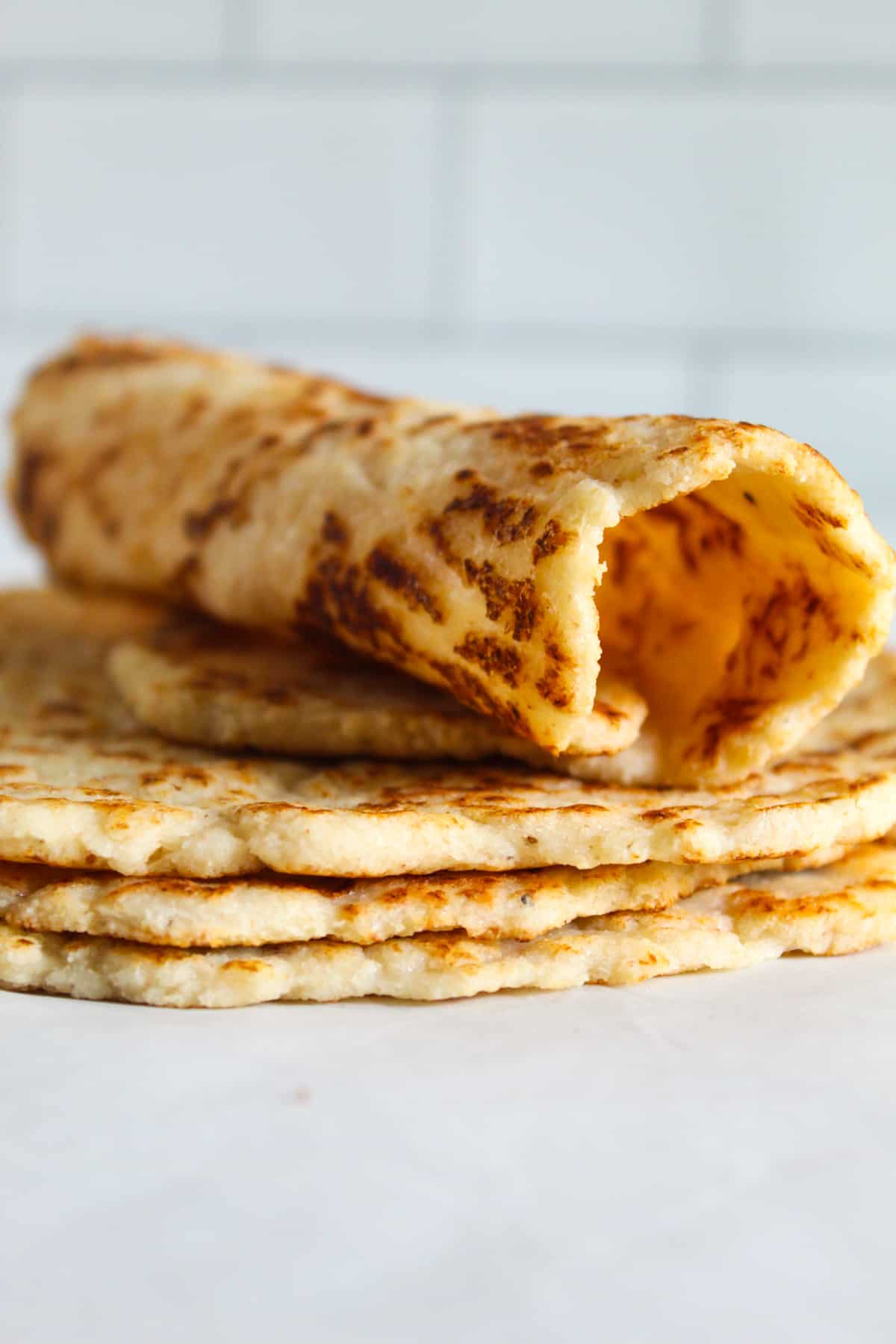
Oat Flour vs Almond Flour: Which Should You Use for Baking?
When you’re deciding between oat flour vs almond flour, pick the one that matches your baking goal. This decision will help you match flour choice to your texture, diet, and flavor priorities, so you get the result you’re aiming for.
Choose Oat Flour if you want:
- Lighter texture in cakes and quick breads
- Cheaper baking with pantry-friendly ingredients
- Nut-free recipes that still feel tender (See our Oat Flour Pancakes for a soft, nut-free breakfast treat.)
Choose Almond Flour if you want:
- Richer taste with natural nut flavor
- Moist cookies and dense bars
- Low-carb or keto-friendly bakes
How Much Do These Flours Cost and How to Store Them
When choosing between oat flour vs almond flour, cost and storage are practical factors that affect your budget and how you keep these flours fresh and ready to bake.
Price Differences
Oat flour is generally more budget-friendly, typically around $3–$5 per pound, and you can even make it at home by blending rolled oats, stretching your pantry dollars further. On the other hand, almond flour is pricier, often $8–$12 per pound or more, because nuts cost more to produce.
Shelf Life
Because almond flour has a higher fat content, it spoils faster than oat flour. At room temperature, almond flour may only last a few months before turning rancid. Meanwhile, oat flour’s lower fat content helps it stay fresh longer, often 6–12 months if stored well.
Storage Tips
- Almond Flour: Store in an airtight container in the fridge or freezer to slow oxidation and extend shelf life. Refrigerating can help it stay fresh up to about 6 months, and freezing can stretch that even further.
- Oat Flour: Keep in a cool, dry pantry in a sealed container to protect it from moisture and odors. It doesn’t usually need to be refrigerated unless you plan to keep it very long or your kitchen is warm and humid.
Freezer Advice
If you bake infrequently or buy flour in bulk, freezing is one of the best ways to keep both flours fresh:
- Portion your flour into airtight, freezer-safe bags or containers.
- Label with date and flour type.
- Allow the amount you need to reach room temperature before using to avoid clumping.
Freezing slows rancidity in almond flour and preserves oat flour’s quality well beyond typical pantry life, especially useful for bakers who use alternative flours less often.
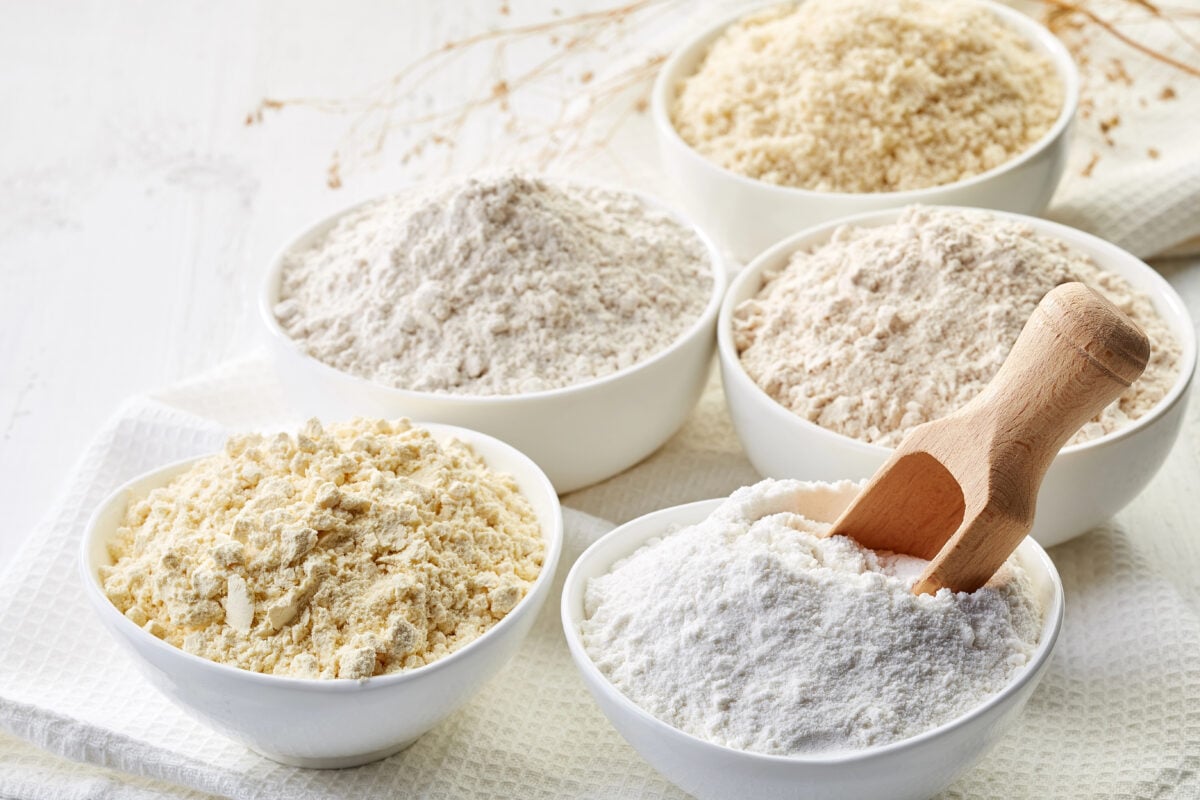
Common Baking Problems & How to Fix Them
It doesn’t matter if you’re an experienced baker or not. You can run into hiccups when working with oat flour vs almond flour, especially during swaps or texture adjustments. The following are common issues you might see, what’s causing them, and how to fix them:
- Gummy Center Due to Underbaked Oat Flour: If your quick breads or cakes feel wet or gummy inside, it often means oat flour hasn’t finished absorbing liquid or fully cooked through. On that note, extend bake time slightly and let batter rest before baking to improve texture.
- Greasy Cookies Due to Too Much Almond Flour Fat: Almond flour contains more natural fat than oat flour. If your cookies spread too much and feel oily, reduce added fat (butter/oil) or chill the dough before baking.
- Crumbly Texture As a Result of Lack of Binder: Both flours lack gluten, so baked goods can crumble without enough structure. Add binders like eggs, flax eggs, or a touch of xanthan gum to help everything hold together.
- Dense Cake Due to Wrong Swap Ratio: Swapping one flour for another without adjusting ratios often makes cakes heavier. Oat flour absorbs more liquid than almond flour, so adjust hydration and binding ingredients when you substitute.
Frequently Asked Questions
The following are clear, helpful answers to the most common questions around oat flour vs almond flour. Still unsure which flour to use? Leave your question in the comments and tell me what you’re baking, and I’ll help you choose the right one.
Can I Substitute Oat Flour for Almond Flour 1:1?
Not usually. Oat flour absorbs more liquid and has less fat than almond flour, so a straight 1:1 swap often changes texture. You may need to add more fat or binder and reduce the liquid for better results.
Which Is Better for Gluten-Free Cakes?
For gluten-free cakes that are light and tender, oat flour often works better because it creates a softer crumb. Almond flour can make cakes denser and richer, which isn’t always ideal for a traditional cake texture.
Why Does Almond Flour Feel Greasy?
Almond flour is high in natural fats, which can make batters and baked goods feel moist or slightly greasy, especially if too much added fat is used. Reducing added butter/oil helps control this.
Is Oat Flour Healthier?
“Oat flour” and “almond flour” each have different benefits. Oat flour provides more fiber and complex carbs, while almond flour has more healthy fats and protein. Which is “healthier” depends on your goals (heart health, blood sugar control, keto, etc.).
Which Is Cheaper?
In most cases, oat flour is less expensive than almond flour, and you can make it at home by blending rolled oats. Almond flour tends to cost more because nuts are pricier to process.
Master Oat & Almond Flour Baking: Essential Guides & Recipes
Want even more help baking with oat flour, almond flour, or gluten-free ingredients? These guides below will deepen your skills, from basic methods to recipe ideas you’ll love:
- Learn gluten-free baking basics with this Printable Guide to Gluten-Free Baking. It comprises tips, common pitfalls, and helpful reminders every baker should know.
- Discover egg substitutes that work in cookies, cakes, muffins, and more in this Guide to Bake Practically Anything Using Egg Substitutes.
- Oat Flour Recipe Ideas: Try crowd-pleasers like oat flour pancakes or oat flour biscuits to see oat flour’s texture in action.
- Almond Flour Recipe Inspiration: Swap or compare textures with almond-based bakes like fluffy almond flour pancakes.
Now you know the key differences between oat flour and almond flour. You’ve learned the nutritional values, baking behavior, substitution tips, and best uses. Whether you’re aiming for lighter cakes, moist cookies, or gluten-free results, you can bake with more clarity and confidence.
What’s Working in Your Kitchen?
Are you team oat flour or team almond flour? Tell me what you’re baking in the comments, and let’s make sure it turns out perfectly.