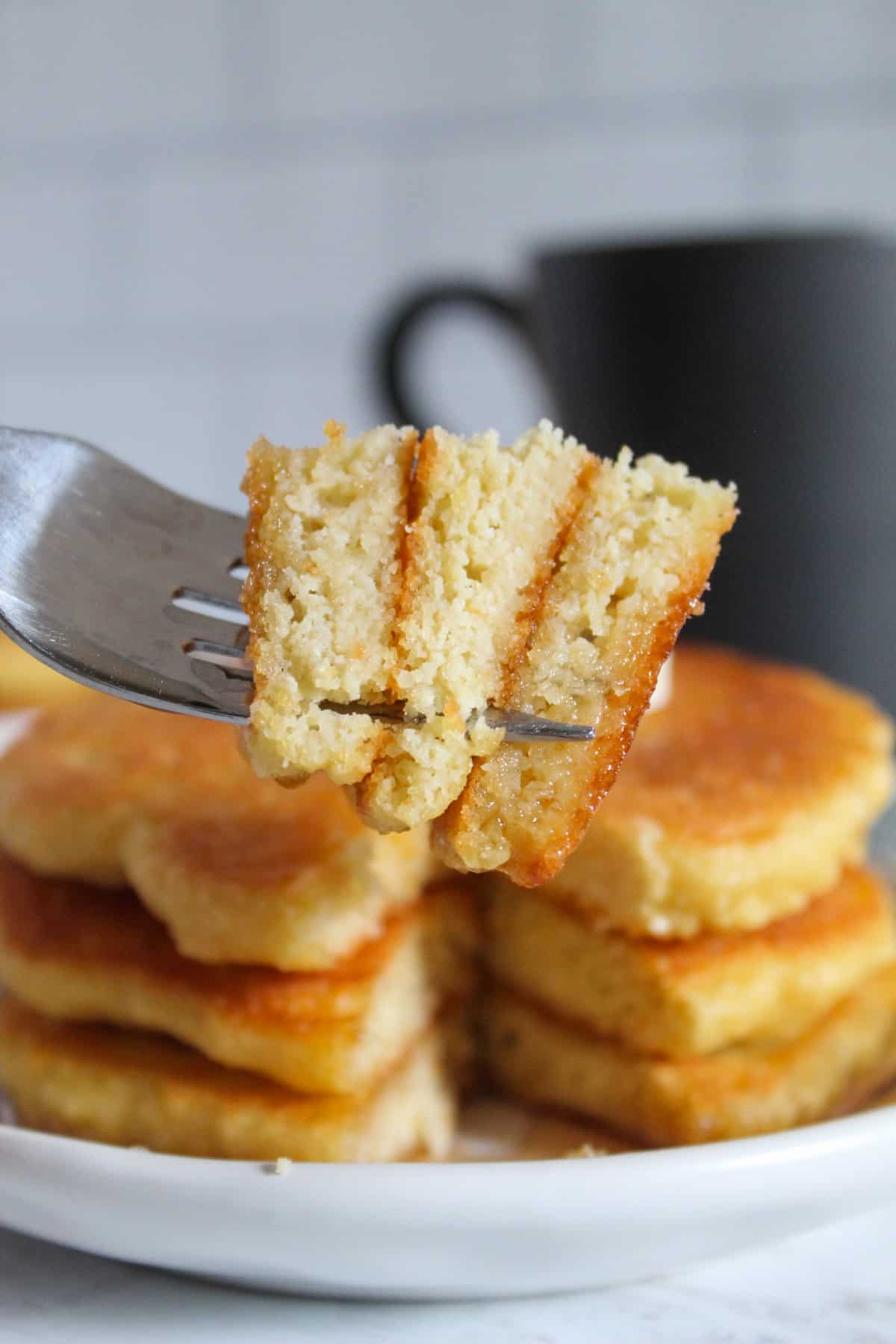
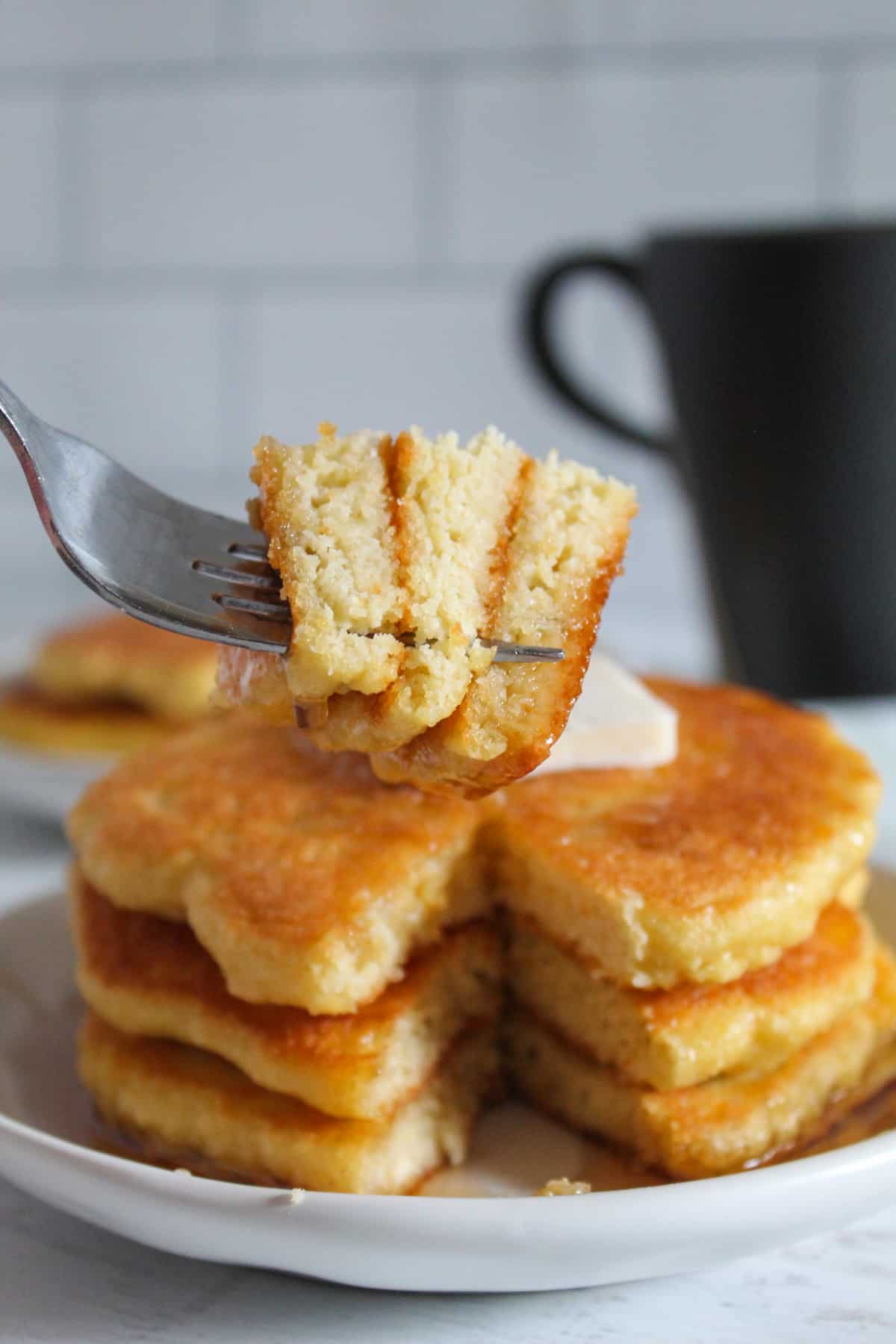
Gluten-free baking can sometimes feel like a guessing game, especially when you’re trying to replace traditional flour. That’s why these gluten-free almond flour pancakes deserve a permanent spot in your breakfast rotation. Achieving that soft, fluffy texture that we all expect from a perfect stack of pancakes comes effortlessly with this recipe.
Unlike many gluten-free pancake recipes that rely on complicated or expensive flour blends that leave you with flat results, this recipe focuses on simple, real ingredients that work. They’re made with seven simple pantry ingredients and come together quickly to produce a satisfying texture without the heaviness that can come from other gluten-free flours. Whether you’re gluten-free by necessity or by choice, these pancakes are perfect for you.
Table of Contents
In the sections below, you’ll learn how to make perfect almond flour pancakes. You’ll find a breakdown of ingredients and substitutions, step-by-step instructions, and tips to ensure fluffy results every time. Plus, plenty of serving ideas to inspire your next breakfast or brunch. So, read on and let’s get started!
Why This Recipe is the Best!
Who doesn’t love a nice stack of pancakes? Soft, fluffy, and perfectly delicious when topped with a drizzle of maple syrup. They are just one of those classic breakfasts that can’t be beaten. Here are a few more reasons you’ll love these almond flour pancakes:
- Made with 7 simple ingredients
- Perfect for anyone with dietary restrictions: this recipe is gluten-free, dairy-free, and grain-free
- You only need 40 minutes to make this recipe from start to finish
- The options for toppings are endless!
Whether you’re managing gluten intolerance or just want a nutritious start to your day, this recipe is sure to become a staple.
Ingredients at-a-Glance
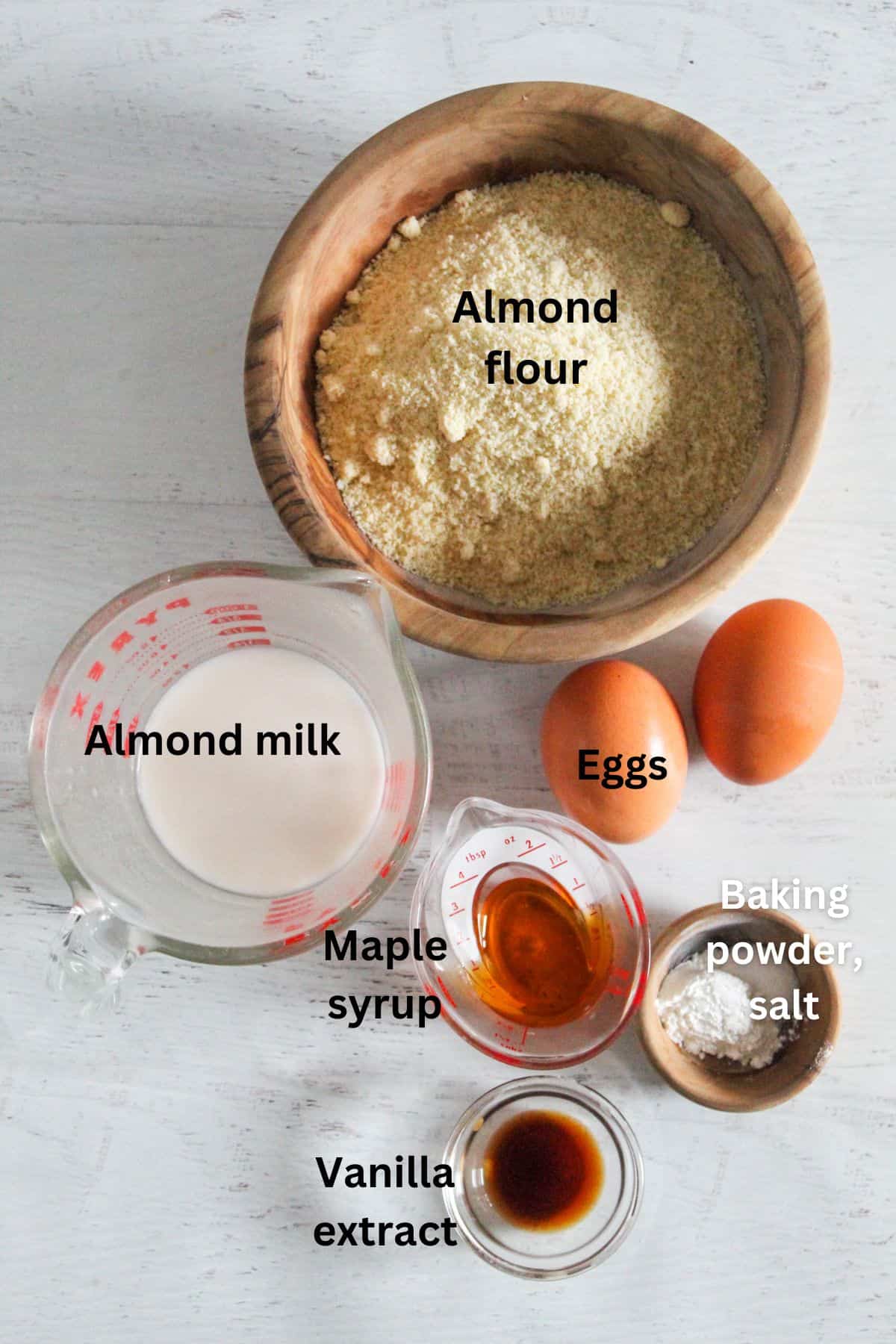
These almond flour pancakes (made with just 7 simple ingredients!) deliver a tender, fluffy texture that you wouldn’t expect from a grain-free batter. The delicate texture of almond flour really shines through in these pancakes. And unlike some nut flours, these pancakes are not gritty or overly nutty. In fact, your picky eaters won’t even know it’s almond flour!
- Almond Flour: I love this Blue Diamond brand. It’s very finely sifted and has a great, light texture to use for these pancakes.
- Baking Powder: Essential for creating air in the pancakes and giving them a fluffiness.
- Salt: Balances out flavors in baking recipes
- Almond Milk: Can be substituted for another plant-based milk (or dairy milk if not following a dairy-free diet)
- Eggs: For an egg-free or vegan recipe, try one of these egg substitutes
- Maple Syrup: Use 100% maple syrup and not a maple-flavored syrup. This can also be substituted with honey.
- Vanilla Extract: Use pure vanilla extract and not vanilla flavoring for the best quality and taste in your baked goods.
Measurements for each ingredient, along with instructions for making these almond flour pancakes, are in the printable recipe card below.
Printable Fluffy Almond Flour Pancakes Recipe Card
Ingredients
- 1 ⅓ cups almond flour (134 grams)
- 1 tsp baking powder
- ¼ tsp salt
- ¼ cup almond milk, room temperature
- 2 large eggs, room temperature
- 1 tbsp pure maple syrup
- 1 tsp vanilla extract
Instructions
- In a medium bowl, whisk together the almond flour, baking powder, and salt.
- In a small bowl, add the milk, eggs, maple syrup and vanilla extract. Stir until combined.
- Add the liquid ingredients to the dry ingredients and stir until the batter is combined.
- Set aside to rest for 10 minutes.
- Meanwhile, heat a skillet over medium-low heat.
- When heated, spray the skillet with cooking spray and pour ¼ cup of pancake batter onto the skillet, spreading the batter slightly if needed.
- Cook for 5 minutes on each side.
- Remove and keep warm or serve immediately.
Notes
- This recipe uses almond flour, not almond meal. Check out the FAQs for more on the difference between the two.
- Make sure the ingredients are at room temperature and measure by weight where weight is given.
- Use 100% pure maple syrup, not maple-flavored syrup.
- For best results, cook the pancakes over medium-low heat. It’s better to cook them slowly for a little longer. This will help to prevent the bottoms from burning.
Nutrition
Did you make and love this recipe? Give it your review and rating below! And make sure to follow me on Instagram, Pinterest, and Facebook , too!
Almond Flour: Nutrition & Health Benefits
With many people searching for healthier alternatives to refined and highly processed products, choices like gluten-free flours and plant-based products have been gaining more attention in the spotlight. Almond flour is just one of those alternatives that are becoming more popular, but why? Let’s dive deeper into the nutritional benefits of almond flour.
Want our human-written content to rank above AI-generated garbage? Help us out by clicking this button!
Almond Flour vs. Wheat Flour
First and foremost, almond flour is produced by milling almonds that have had their skins removed. This results in a finely ground, powdery flour that is naturally gluten-free. As well, this nut-based flour is naturally lower in carbohydrates and higher in healthy fats and protein.
Many wheat flours, composed mostly of carbohydrates, are highly refined. During processing, most of their nutrients are removed. Wheat flours are made from grains that contain gluten, which are often heavy and hard to digest for many people. The natural fats and gluten-free nature of almond flour are often easier on the digestive system.
Almond Flour Nutrition
Almonds are a nutrient-dense food that brings lots of vitamins and minerals to your diet and are naturally cholesterol-free.
A 1/4 cup serving of almond flour contains the following:
- 170 calories
- 15g total fat
- 3g fiber
- 5g carbohydrates
- 6g protein
In addition, almonds contain a high amount of vitamin E and magnesium. It is an excellent source of protein, fiber, and healthy fats, but it is high in calories, so portion control is important, as with all foods.
Note: This nutritional information can vary slightly from brand to brand.
Step-by-Step Instructions
Almond flour pancakes: simple ingredients, healthy and delicious results. For a more visual recipe, the step-by-step instructions below break it down with helpful images. You can see the batter consistency and the final look and texture of the pancakes to help you follow along as you make this nutritious breakfast right at home.
Step 1
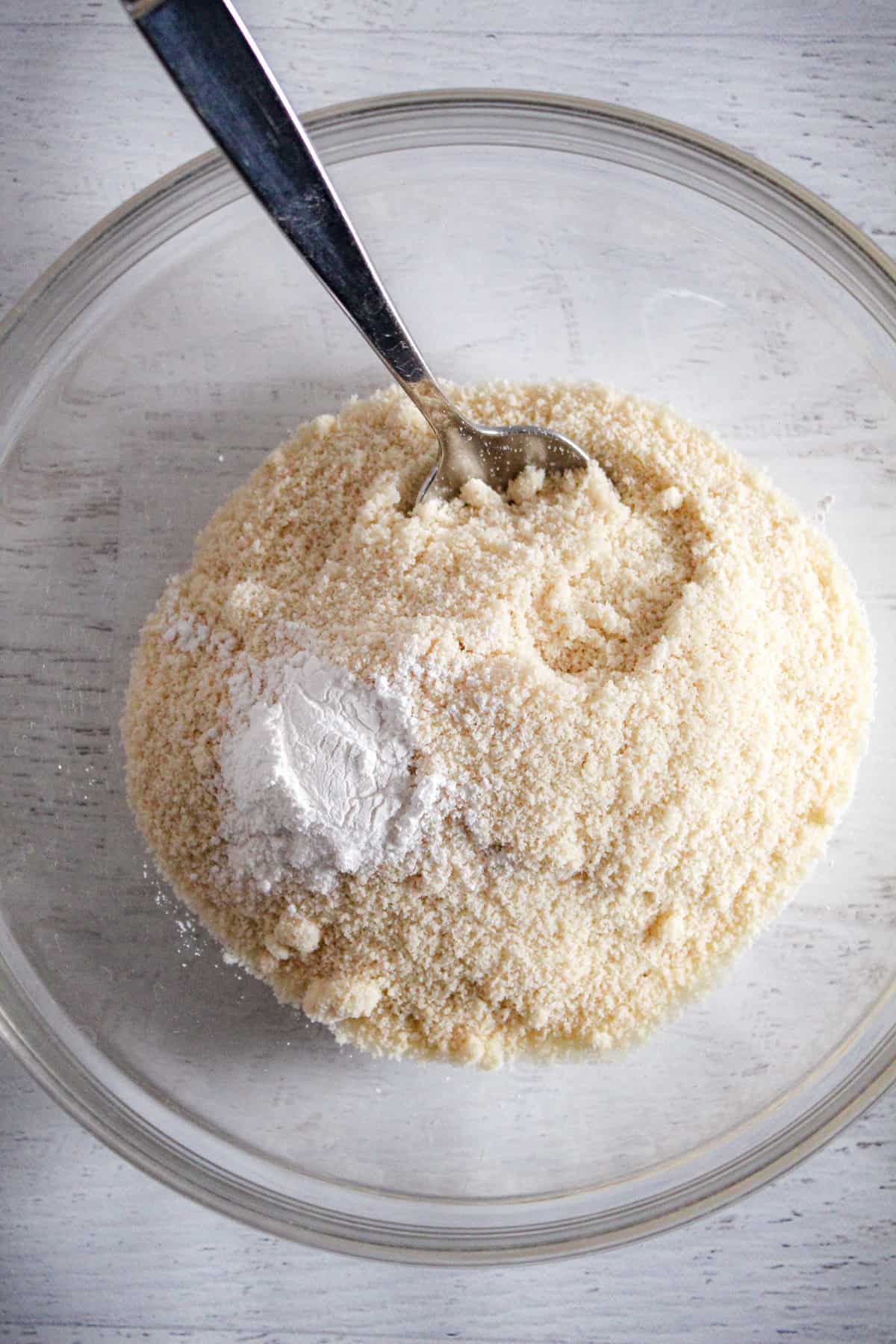
In a medium bowl, whisk together 1 1/3 cups (134g) almond flour, 1 tsp baking powder, and 1/4 tsp salt.
Step 2
In a small bowl, add 1/4 cup almond milk, 2 whole eggs, 1 tbsp maple syrup, and 1 tsp vanilla extract. Whisk to combine.

Step 3
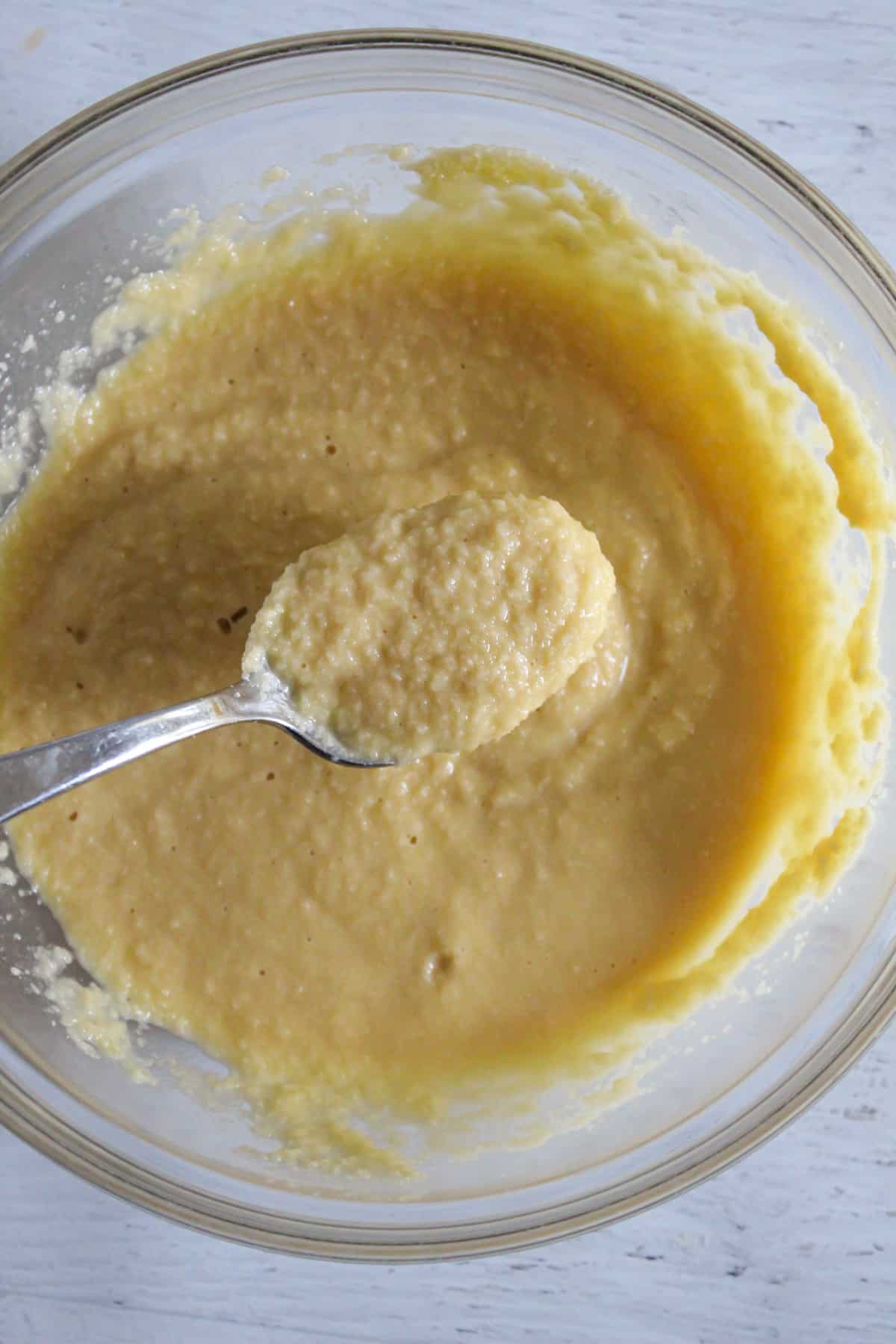
Add the liquid ingredients to the dry ingredients and stir just until the batter is combined. Do not overmix the batter; this can cause dense pancakes. Set aside to rest for 10 minutes.
Step 4
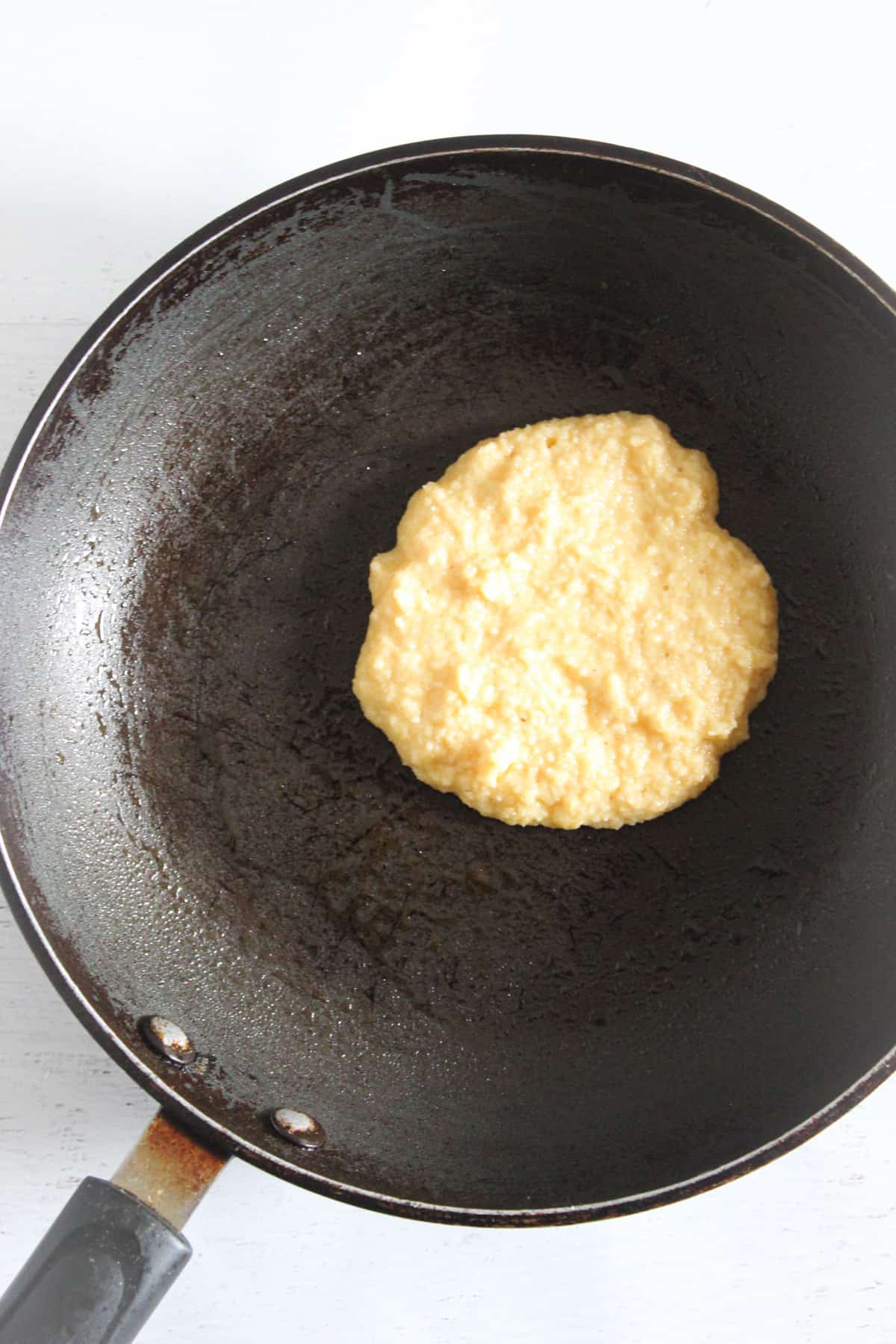
Heat a skillet over medium-low heat. When heated, spray the skillet with cooking spray and pour roughly 1/4 cup pancake batter onto the pan, spreading slightly if needed.
Step 5
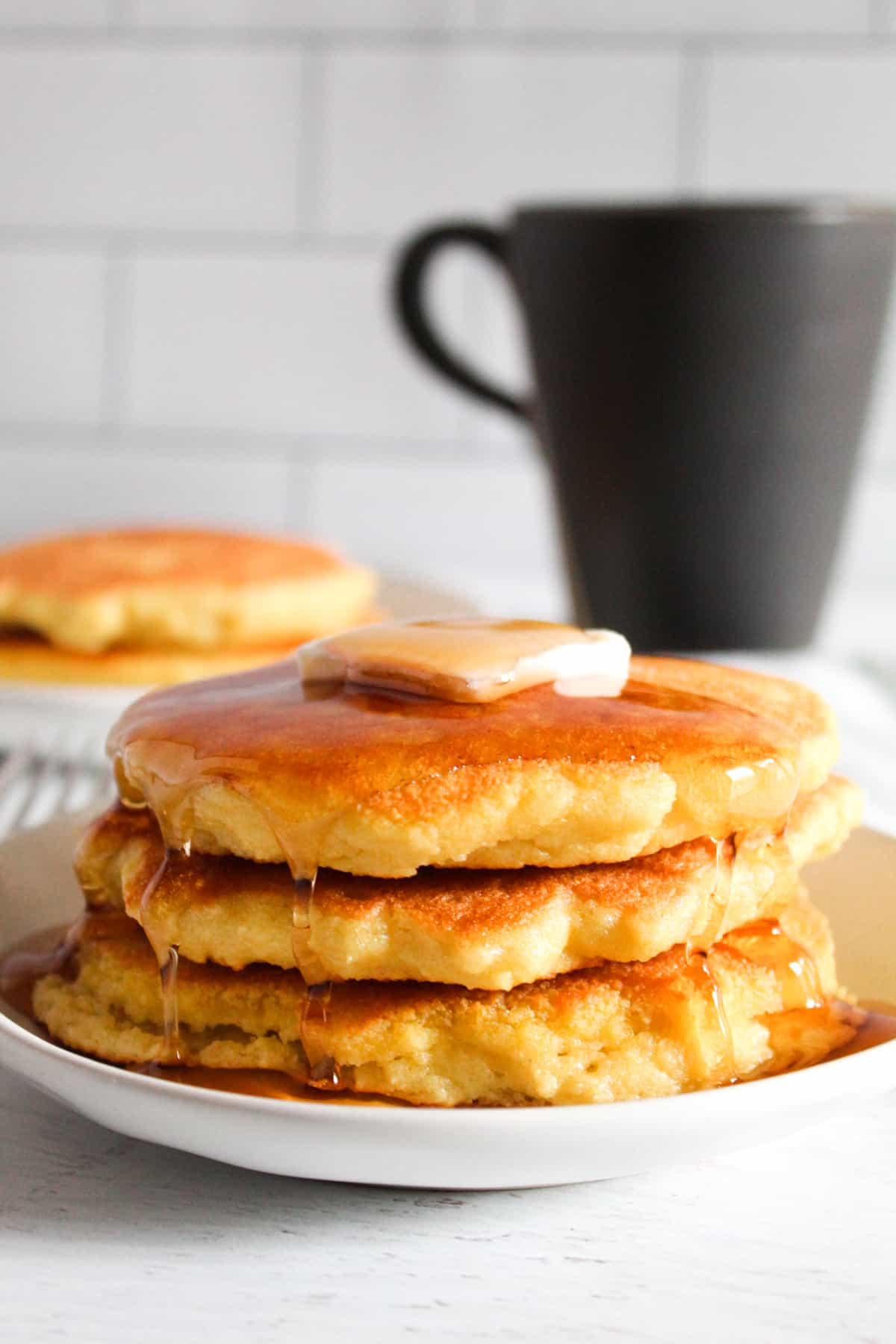
Cook for 5 minutes on each side, or until nice and golden brown. Serve immediately with your favorite toppings or keep the pancakes warm in the oven at 200ºF until ready to enjoy.
Common Pancake Mistakes (And How to Fix Them)
One of the biggest challenges when working with gluten-free recipes is not just having the necessary ingredients, but understanding how they work. Knowing how almond flour differs from wheat flour, or why the recipe uses baking powder versus baking soda, can make a big difference when you run into mishaps in recipes.
Despite our best efforts, we all run into roadblocks once in a while. If one of these common mistakes has happened to you, don’t worry. Understanding how to fix it the next time you try this recipe and other similar recipes can really help improve your baking techniques. If you have more questions or comments about this recipe or gluten-free baking in general, be sure to leave a comment below!
Pancakes Aren’t Fluffy
Gluten-free pancakes rely on leavening agents, like baking powder, for structure and lift to trap air bubbles and help the pancakes rise. First step is to make sure your baking powder is fresh. After opening the can, baking powder should be used within 6 months.
To test for baking powder freshness:
Stir one teaspoon of baking powder into a small glass of warm water. It should bubble immediately. If it does not, it is inactive and should be replaced.
Another common issue that may have happened to your pancake mix to make them turn out flat or dense is that your batter was overmixed. Overmixed pancake batter deflates the air bubbles and makes the batter heavier. Do not overmix! Stir the batter just until combined.
Skipping the resting period is another common mistake that will lead to flat pancakes. Almond flour absorbs liquid slowly. So, resting the batter allows the batter to thicken slowly and properly, resulting in a lighter texture. It also allows the baking powder to activate and produce gases, which help lift the pancakes up while cooking. Do not rush the recipe and skip the rest time. Rest the batter for 10 minutes for the fluffiest pancakes.
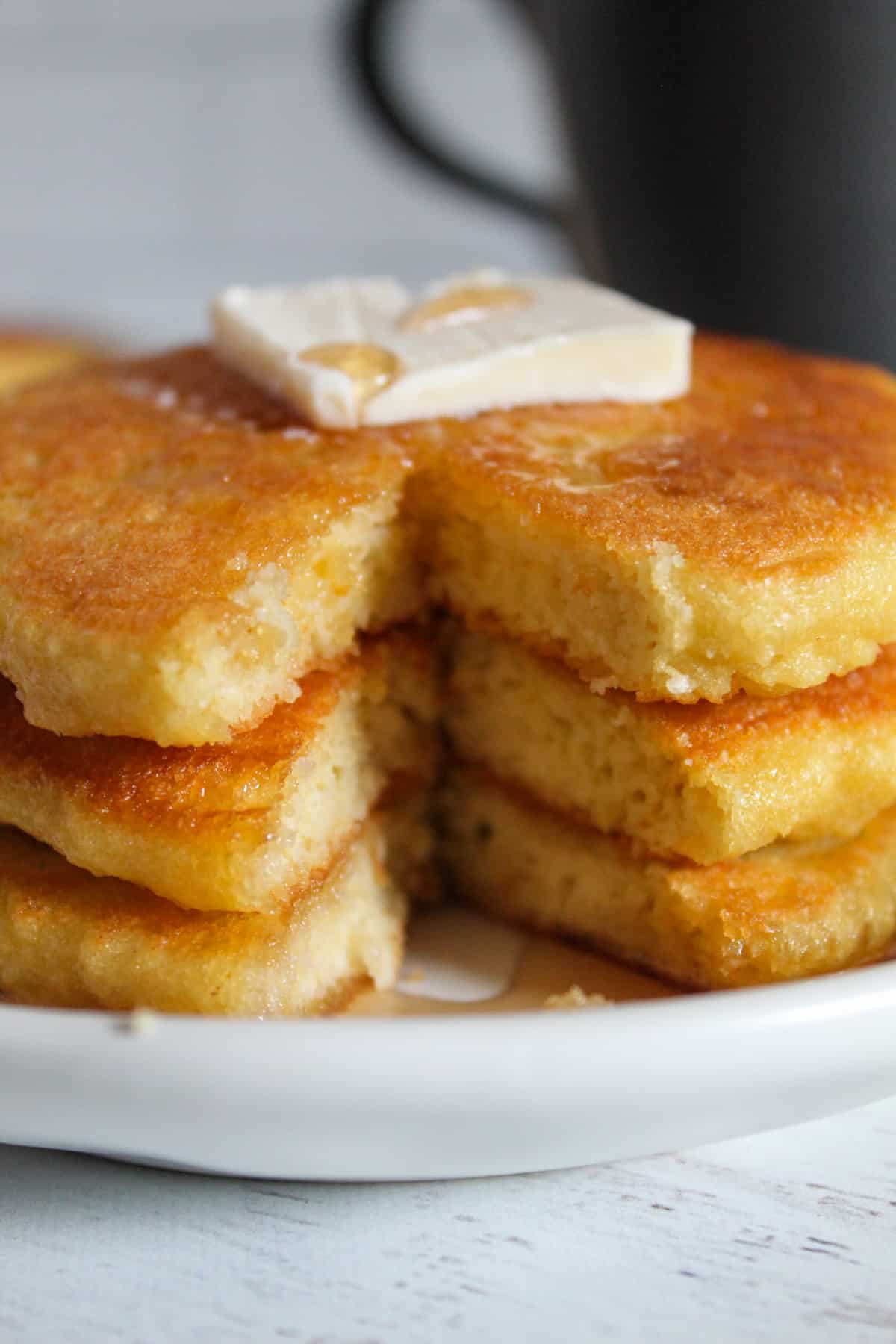
Almond flour pancakes will never be as tall as traditional buttermilk pancakes, but they should still be light and tender, not dense or gummy.
Batter is Too Thin
Almond flour doesn’t absorb liquid in the same way that wheat flour does. If your batter looks runny or spreads too quickly in the pan, the flour hasn’t had enough time to hydrate. Or, there is too much liquid in the batter. The batter should be slightly thick and scoopable, not watery.
To make sure you are using the right amount of almond flour, your best bet is to weigh your flour using a kitchen scale. Too little flour means too thin a batter. This will give you an accurate measurement so you can avoid having too much or too little flour in the batter, which can happen when measuring flour in cups.
Another solution to batter that is too thin is to make sure you do not skip the resting period. This will allow the almond flour to slowly absorb the liquids in the batter and properly hydrate and thicken to the correct consistency. If the batter still seems too thin after resting, add 1 tablespoon of almond flour to the batter at a time until you have a slightly thick mix (see the pictures in the step-by-step instructions to help guide you).
Burnt Pancakes
Almond flour browns much faster than wheat flour because it’s higher in fat and naturally contains sugars. This can make it prone to over-browning. You might think that the heat you use for regular pancakes works, but almond flour requires lower heat and more patience, which is why this recipe calls for a medium-low heat.
To avoid burnt pancakes on the outside that are still undercooked inside, cook on medium-low heat. If your stove runs hot, go lower than you think and cook them over low heat. Using a non-stick skillet or cast-iron pan also helps because these pans distribute heat evenly, so there are no hot spots.
Also, be sure to wait until bubbles appear and the edges start to set before flipping. This will help to make sure that the inside is cooking properly and won’t be undercooked. Finally, adding a little butter or oil to the pan in between pancakes can help with this issue as well.
Tip: Almond flour pancakes should be golden brown, not dark brown. If they’re dark on the outside and wet inside, your heat is too high.
Topping & Serving Inspiration
The great thing about pancakes is that once you have a delicious and reliable recipe, they’re like a blank canvas. They’re completely customizable with topping ideas to make it feel fresh and new each time you enjoy them! A fun weekend breakfast idea is to make a pancake decorating buffet by spreading out all of your options and letting each person personalize their own stack!
The options are endless, but here are a few ideas:
- The classic combo: Butter and maple syrup
- Fresh fruit (strawberries, blueberries, raspberries, banana slices, etc.)
- Whipped cream and sprinkles
- Chocolate chips
- Peanut butter or other nut butters
- Nutella
- Powdered sugar
- Jams and jellies
Get as creative as you want and have some fun with it! Share what your favorite pancake toppings are in the comments below to inspire other home cooks!
Dietary Variations
These almond flour pancakes fit seamlessly into many lifestyles. It’s not just a recipe that’s good for gluten-free diets; it’s a genuinely delicious pancake recipe that happens to be gluten-free. Since they’re already dairy-free and gluten-free, with a few simple substitutions, they can be adapted even more to fit your dietary needs.
Even those who prefer traditional pancakes are often surprised by how flavorful and satisfying almond flour pancakes can be when done right!
Make it Vegan
A simple egg substitute will turn this already dairy-free and grain-free recipe vegan, too! Try a flaxseed egg substitute by mixing 1 tablespoon of ground flax with 3 tablespoons of warm water. Let it rest for about 5 minutes before using it in the recipe as you would an egg.
Keto-Friendly
Almonds and almond flour are low-carb, high-fat, and perfect for the keto diet. To turn this recipe into a keto-friendly version, replace the maple syrup with this 1:1 zero-sugar syrup substitute. It’s made with monk fruit and allulose and is naturally sugar-free!
Almond Flour Pancake FAQs
You asked, and we answered! Below are some of the more common questions surrounding not only almond pancakes but almond flour as well. While almond flour may be a regular pantry staple for some, for others, it is relatively new, and knowing more about the ingredients you use will help you understand more about the science behind gluten-free baking.
What is the Difference Between Almond Flour and Almond Meal?
Almond flour and almond meal are similar, but not the same. While they are both made from almonds, how they are processed is what differentiates them and makes them work differently in the kitchen.
Almond flour is made from blanched almonds, which have had the skins removed. They are finely ground into a soft, light-colored flour. Almond flour has small grains, a powdery texture, and a neutral taste.
Almond meal is made from the whole almond, including the skins. When it is ground, it has a coarser texture, a light brown color, and a slightly bitter taste.
Opt for almond flour for this recipe to give you light and soft pancakes.
Can I Make These Pancakes Vegan?
To make these pancakes vegan, you just need to replace the egg. Because the recipe is made using almond milk, it is already dairy-free. To replace the egg, try one of these egg substitutes, like a flax egg or chia egg. This vegan egg replacer from Bob’s Red Mill is also a great substitute for lots of vegan baking recipes!
How Should Almond Flour Pancakes Be Stored?
Almond flour pancakes store very well, making them perfect for everything from Sunday morning breakfast to weekly meal prep. Always allow the pancakes to cool completely before storing them.
In the fridge, these pancakes will keep for up to 4 days when stored in an airtight container. To keep them from sticking, place a piece of parchment paper between the pancakes.
In the freezer, these pancakes will store well for up to 2 months in an airtight container or freezer-safe bag. After baking, lay the pancakes flat on a baking sheet and place them in the freezer for about an hour, or until frozen solid. Then transfer them to a freezer-safe container to store.
The best way to reheat these pancakes is in a toaster. This will bring back a nice crispy texture to them. Reheating them on a skillet or in the microwave also works well, but they may have a softer texture.
All About Almond Flour Pancakes
The beauty of this recipe is that it’s easy to master and delivers incredibly satisfying results. These gluten-free almond flour pancakes aren’t just a substitute for traditional pancakes; they are their own category of breakfast delight. They’re satisfying without feeling heavy and have a perfectly light flavor and texture.
Whether you’re gluten-free, low-carb, or simply experimenting with new recipes and ingredients, this is a great recipe to add to your cookbook! It proves that you don’t have to sacrifice flavor or texture to eat in a way that works for you. They’re simple enough for weekday mornings and special enough for slow Sundays.
If you’re new to baking with almond flour, remember that a little patience goes a long way. Let the batter rest and keep the heat moderate to transform good pancakes into great ones.
Other Breakfast Recipes You May Like!
If you found this recipe useful, be sure to save it for later or share it with someone who’s looking for a dependable gluten-free breakfast option. And if you’re looking for more breakfast inspiration, check out some other gluten-free breakfast favorites below!
- Coconut Flour Banana Pancakes
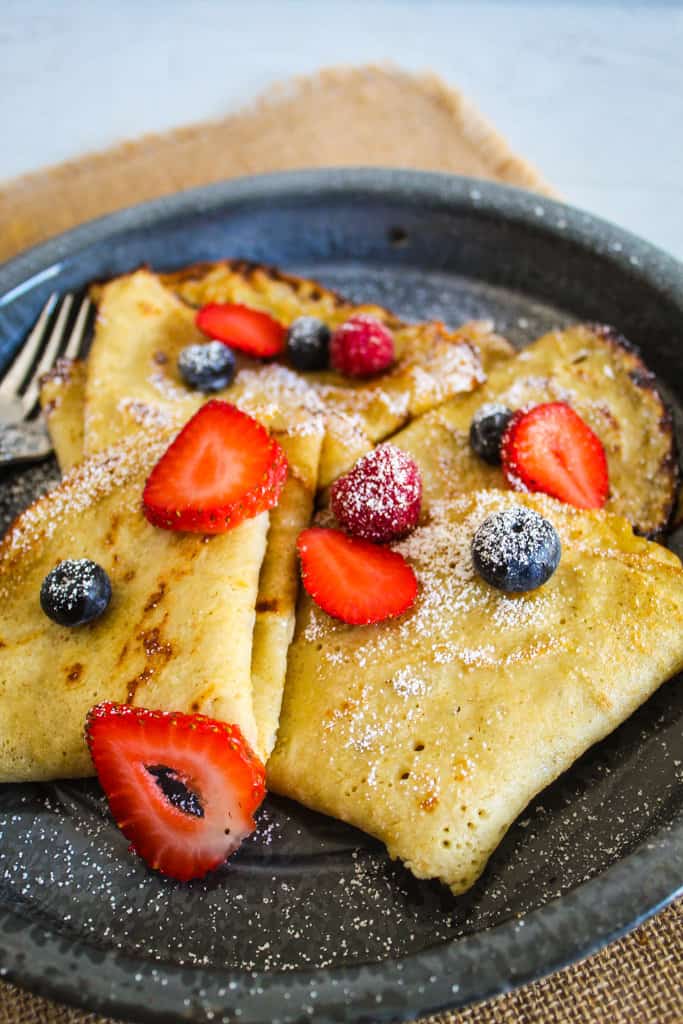
- Almond Flour Crepes
- Soft & Fluffy Cinnamon Rolls
- Oatmeal Apple Muffins
Whether you’re meal-prepping for the week or planning a slow weekend brunch, these breakfast favorites make it easy to start the day on a delicious note.
Get In Touch!
I’d love to know how your almond flour pancakes turn out. Did you stick with the classic version or try a variation? Leave a comment with your favorite toppings or any tweaks you made.