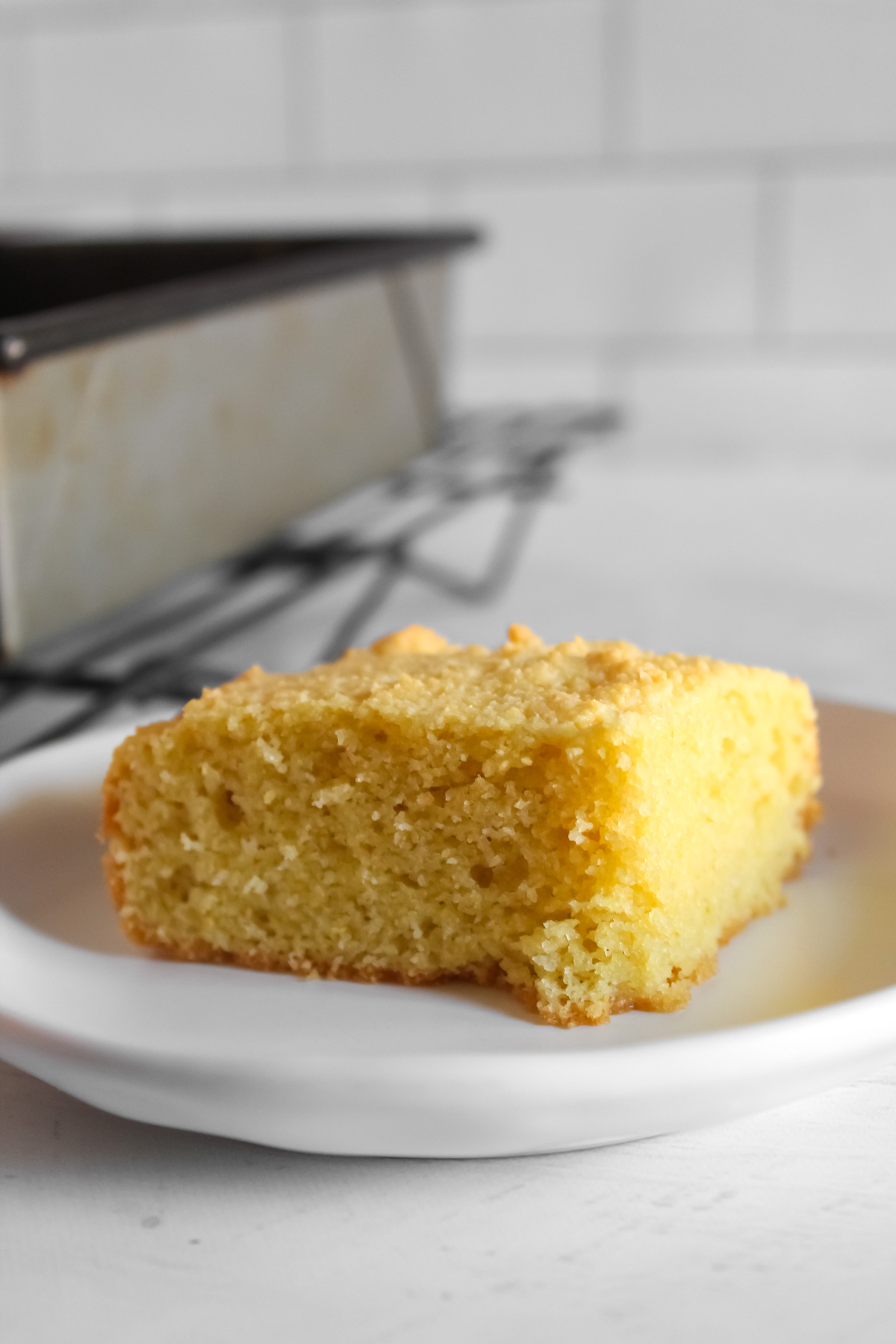
This almond flour cornbread is the perfect gluten-free option when you need a cornbread fix! There’s nothing like a warm slice of cornbread fresh from the oven, with golden edges and a tender crumb. It’s the kind of side dish that turns a simple bowl of chili into a full meal.
But if you’ve ever tried to make traditional cornbread without wheat flour, you know the struggle. It often turns out too dry and crumbly or too dense. This almond flour cornbread recipe delivers that classic cornbread texture and flavor without the heaviness or dryness that often comes with gluten-free substitutes.
Table of Contents
Whether you’re gluten-free by necessity, eating low-carb, or experimenting with grain-free baking, this recipe is a great fit with your lifestyle. Almond flour changes the game because it’s naturally rich in healthy fats and protein, creating a moist, tender crumb that doesn’t rely on wheat for structure. I’m sure you’ll find that this cornbread recipe tastes just as comforting as the original, and maybe even better.
This recipe is designed to work for real kitchens and real schedules. It’s adaptable to many diets, and it pairs well with a variety of meals. Plus, you can dress it up with herbs and cheese or keep it classic and lightly sweet. It even bakes wonderfully into muffins for grab-and-go snacks.
If you’ve struggled with gluten-free baking in the past, you’re not alone. Understanding the steps and ingredients of a recipe is a big way to improve your knowledge so you can bake with confidence again and again. So read on for helpful tips and ingredient info, and let’s make a batch of almond flour cornbread that proves gluten-free baking doesn’t have to be intimidating.
Nutritional Overview
You could try a gluten-free cornbread by using a gluten-free all-purpose flour substitute in a traditional cornbread recipe. But by adapting this recipe to use almond flour, you’re adding a nutrient-rich ingredient into the mix. Refined white flours have very little nutritional value for our bodies, and almond flour is one of the more nutrient-dense flours out there.
Almond Flour Nutrition
In just 1/2 cup of almond flour, it contains:
- 340 calories
- 12 grams of protein
- 30 grams of fat
- 12 grams of carbohydrates
- 4 grams of fiber
This makes almond flour a great substitute when you’re looking for low-carb or healthy, grain-free options.
Key Ingredients
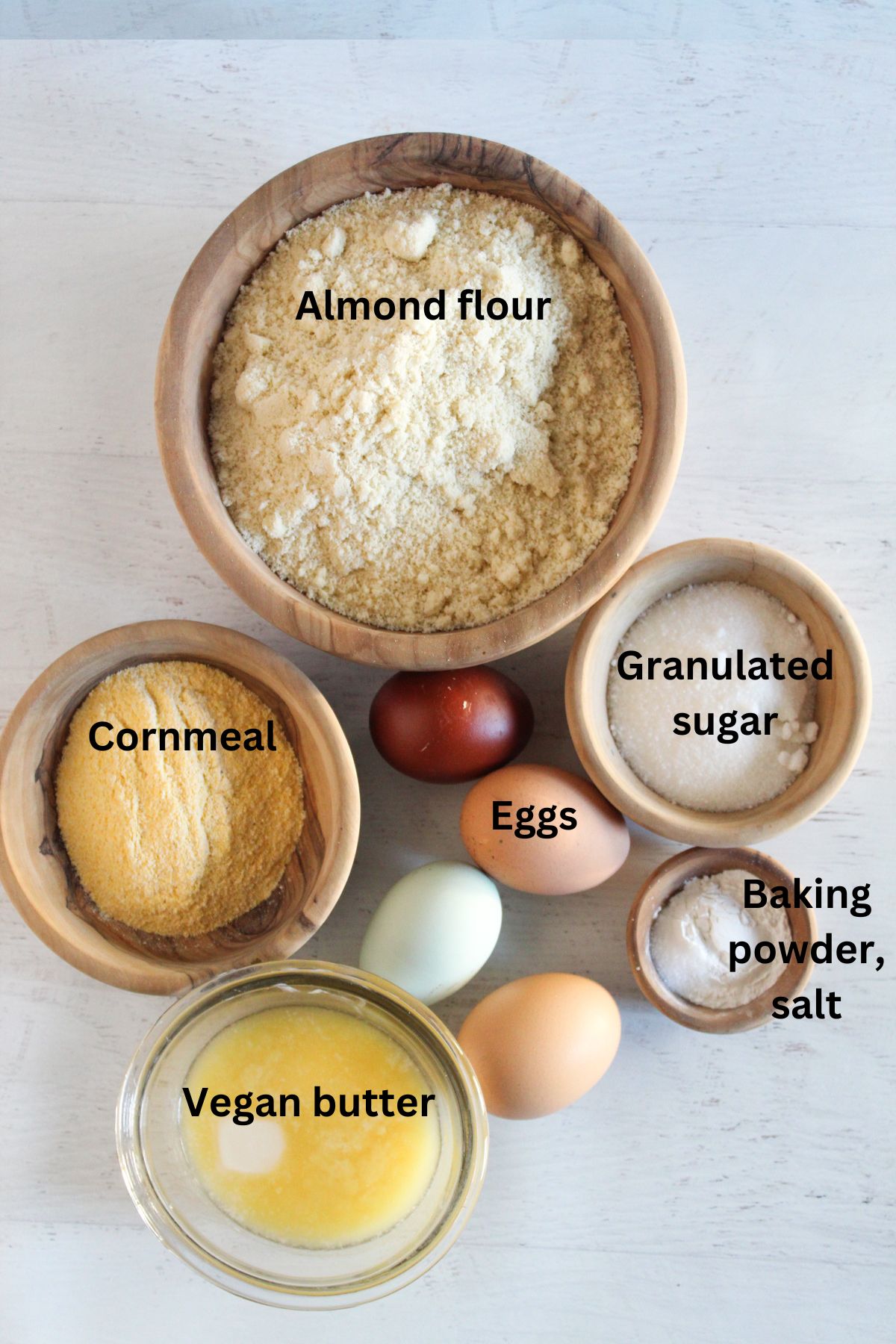
My favorite thing about this sweet cornbread is that you just need a handful of ingredients! And since most gluten-free bakers have these simple ingredients on hand all the time, you can make this easy almond flour cornbread recipe at a moment’s notice! It’s simple enough to throw together at the last minute for the perfect side dish, and it tastes like the real deal but is naturally paleo and gluten-free!
- Eggs: Crucial ingredients because they’ll hold the batter together. Make sure they are at room temperature first.
- Vegan butter: Melt and slightly cool the vegan butter (or regular butter if you prefer) to achieve a tender texture and rich buttery flavor.
- Granulated sugar: You’ll find cornbreads with and without sugar. It adds a wonderfully light sweetness, but feel free to skip it if you prefer an unsweetened version.
- Yellow cornmeal: A must for that classic corn flavor. This isn’t the same as corn flour.
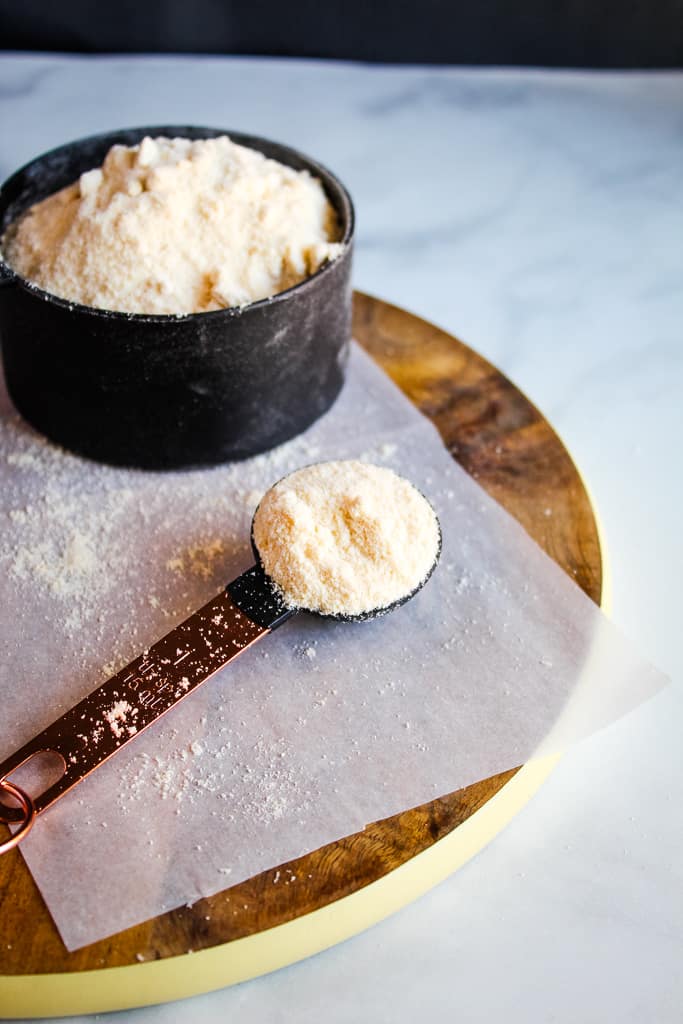
- Almond flour: Be sure to choose blanched almond flour, not almond meal.
- Baking powder: It reacts in the batter to make it light and fluffy. Make sure your baking powder is gluten-free!
- Salt: This helps to balance out the flavors in the cornbread.
Measurements for each ingredient, along with instructions for making this almond flour cornbread, are in the printable recipe card below.

Printable Almond Flour Cornbread Recipe Card
Ingredients
- 4 large eggs, room temperature
- ⅓ cup vegan butter, melted and cooled (76 grams)
- ¼ cup granulated sugar (50 grams)
- ⅓ cup cornmeal (53 grams)
- 2 cups almond flour (200 grams)
- 2 tsp baking powder
- ¼ tsp salt
Instructions
- Preheat the oven to 350°F.
- In a large bowl, add the eggs, vegan butter, and sugar. Whisk until fully combined.
- In a medium bowl, whisk together the cornmeal, almond flour, baking powder, and salt. Add to the bowl with the wet ingredients and mix just enough to incorporate the dry ingredients.
- Line an 8"x8" baking pan with parchment paper. Lightly spray the paper.
- Scrape batter into the baking pan.
- Bake for 25 minutes or until a toothpick inserted into the middle comes out clean.
- Cool on a wire rack for 10 minutes before slicing and serving.
Notes
- For best results, measure ingredients by weight where weight is given.
- Make sure all ingredients are at room temperature.
- Cornbread batter will be thick.
- Cornbread will last for 2 days in an airtight container at room temperature. For longer storage, freeze and defrost pieces in the microwave for 30 seconds to 1 minute.
Nutrition
Did you make and love this recipe? Give it your review and rating below! And make sure to follow me on Instagram, Pinterest, and Facebook , too!
Step-by-Step: Almond Flour Cornbread
For helpful visuals, follow along with these steps, which guide you through this almond flour cornbread recipe with ease.
Step 1
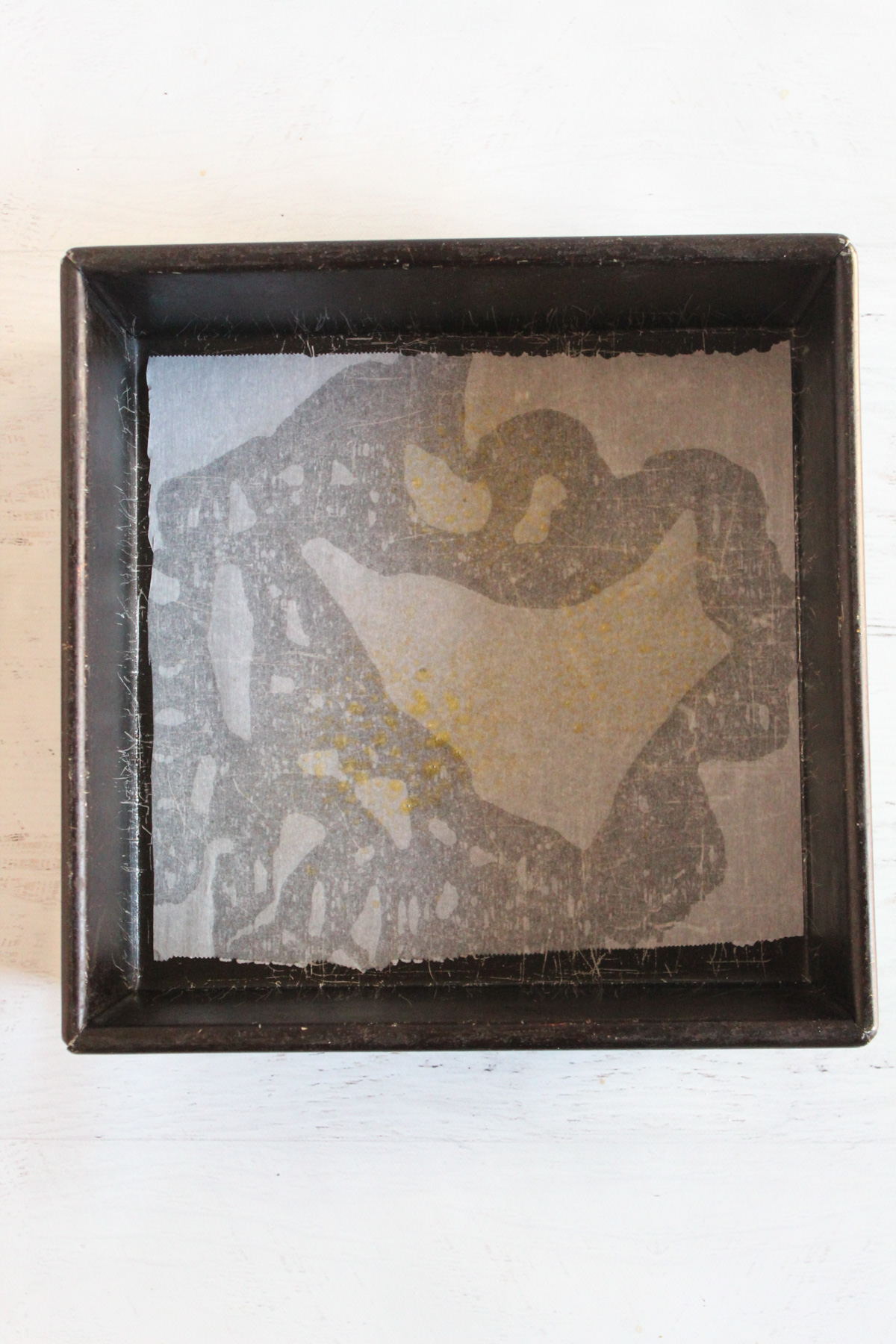
Preheat the oven to 350ºF. Line an 8″x8″ baking pan with parchment paper. Lightly spray the paper with nonstick spray.
Step 2
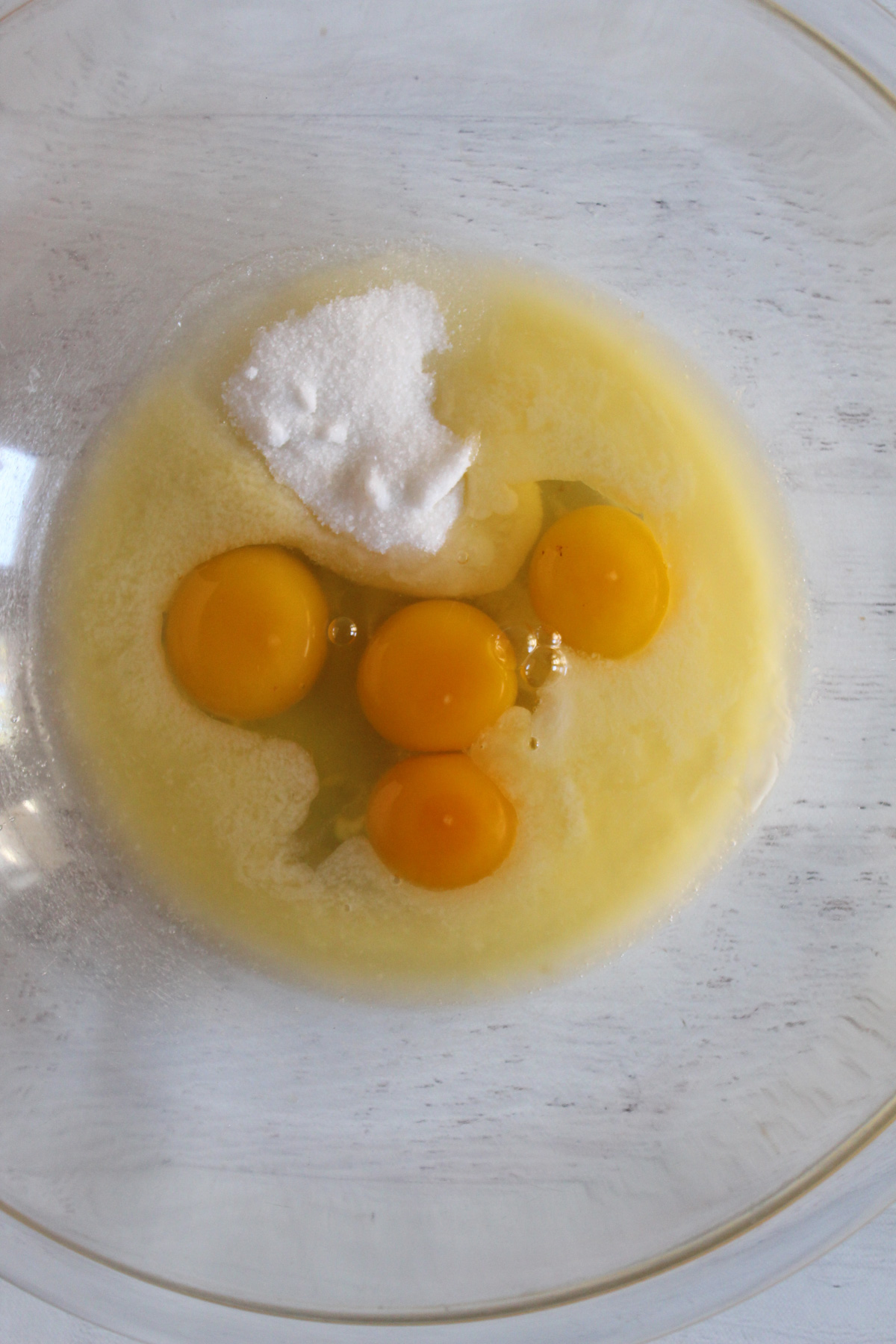
In a large bowl, add the 4 room temperature eggs, 76 grams of melted butter, and 50 grams of granulated sugar. Whisk well to combine.
Step 3
In a medium bowl, combine the 53 grams of cornmeal, 200 grams of almond flour, 2 tsp of baking powder, and 1/4 tsp of salt. Whisk to combine. Add the dry ingredients to the bowl with the wet ingredients. Mix just enough to incorporate the dry ingredients.

Step 4
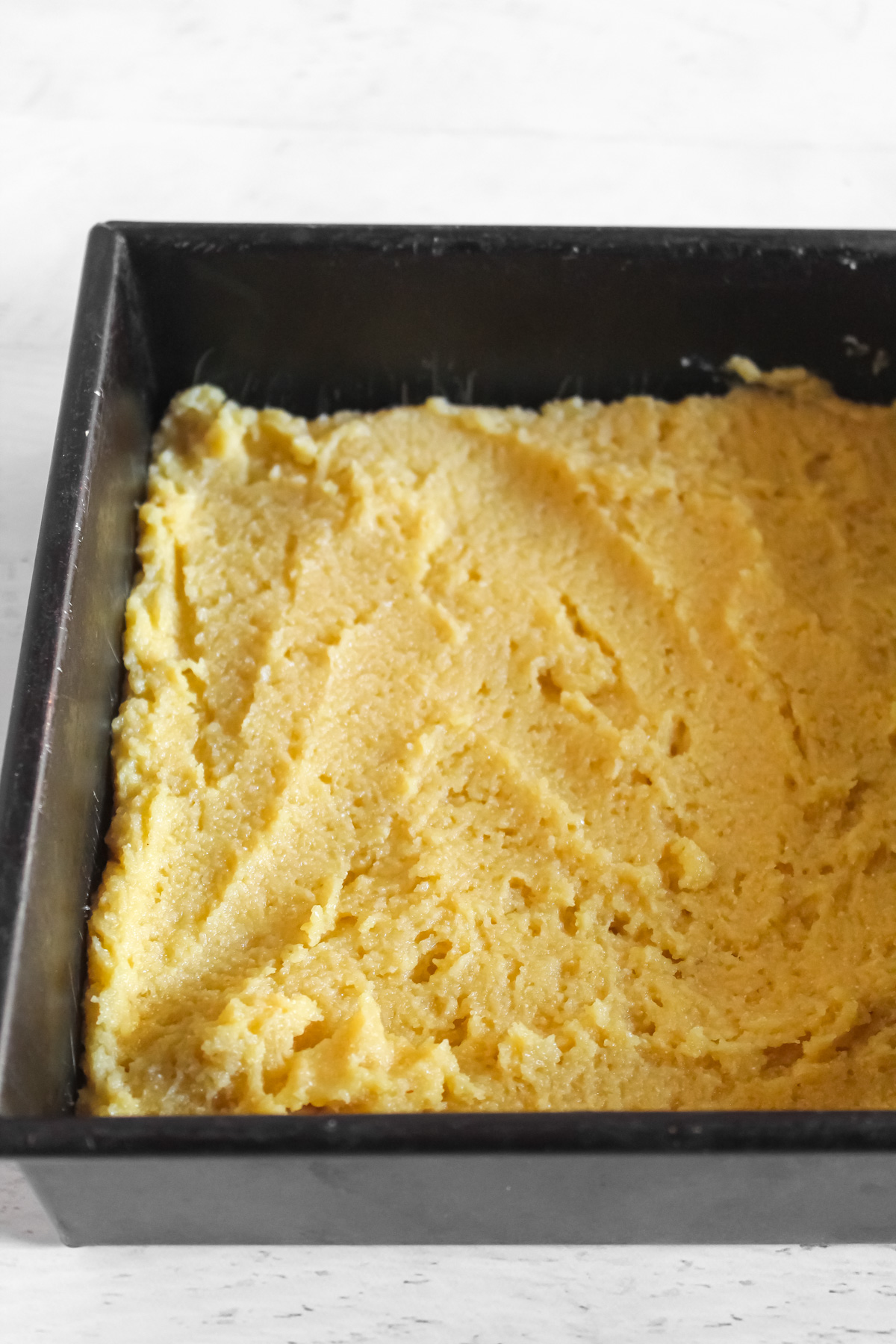
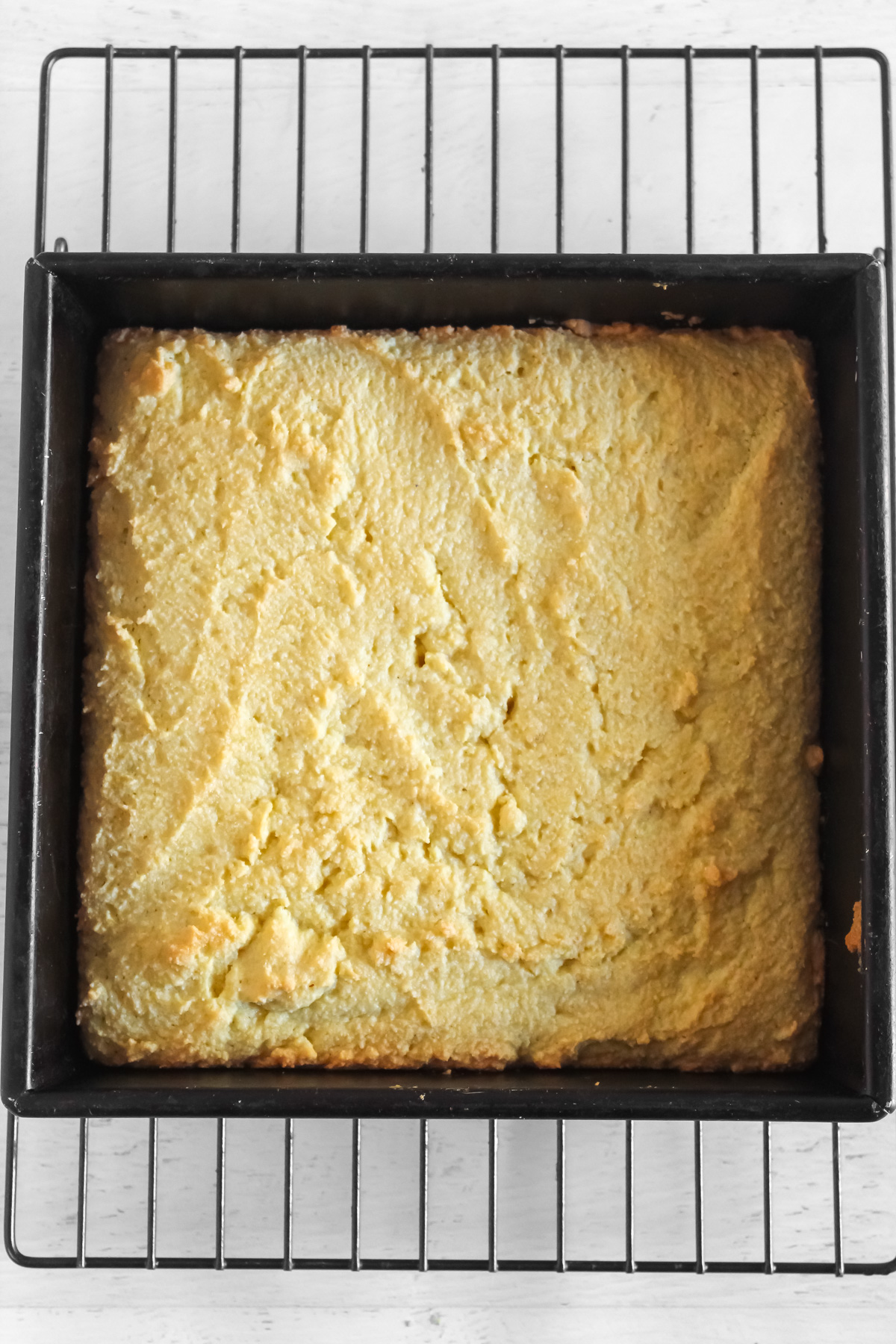
Scrape the batter into the prepared baking pan and bake for 25 minutes, or until a toothpick inserted into the center comes out clean.
Tip: The cornbread batter will be thick. That’s okay! If you have a hard time spreading it in the baking dish, run your spatula under water first. This will help keep it from sticking.
Step 5
Cool on a wire rack for 10-15 minutes before slicing and serving.
Substitutions & Variations
One of the biggest advantages of cornbread is flexibility. And there are a variety of ways you can adapt this cornbread recipe to suit your lifestyle or to change up the flavors and make it your own. Here are some of my favorite suggestions. And be sure to let me know your favorite way to flavor your cornbread in the comments below, to inspire other readers!
Substitutions
Sweetener Options: Swap the granulated sugar for coconut sugar or golden monk fruit as a 1:1 substitute to maintain a similar cornbread texture. You can also skip the sugar entirely for an unsweetened cornbread with a stronger, nuttier, corny flavor.
Butter: You can use vegan butter or regular butter in this recipe. You can also opt for melted coconut oil in a 1:1 swap, which will give this cornbread a slightly softer crumb.
Eggs: Eggs provide a large part of the structure and binding in this recipe, and I wouldn’t suggest swapping them out. A possible substitute is a flax egg, but removing the eggs will significantly alter the cornbread’s outcome.
Flavor Variations
Have fun and change up the flavor of your cornbread to suit the dish you plan to enjoy it with.
Try savory add-ins like shredded cheddar or pepper jack cheese, diced jalapeños, crumbled bacon, or fresh herbs like rosemary or thyme. Gently fold these into the batter before spreading it into the pan.
For a sweeter cornbread, add in a tablespoon or two of honey, fold in some fresh corn kernels (which add nice texture too!), or even mix in a pinch of cinnamon.
Storage Guide
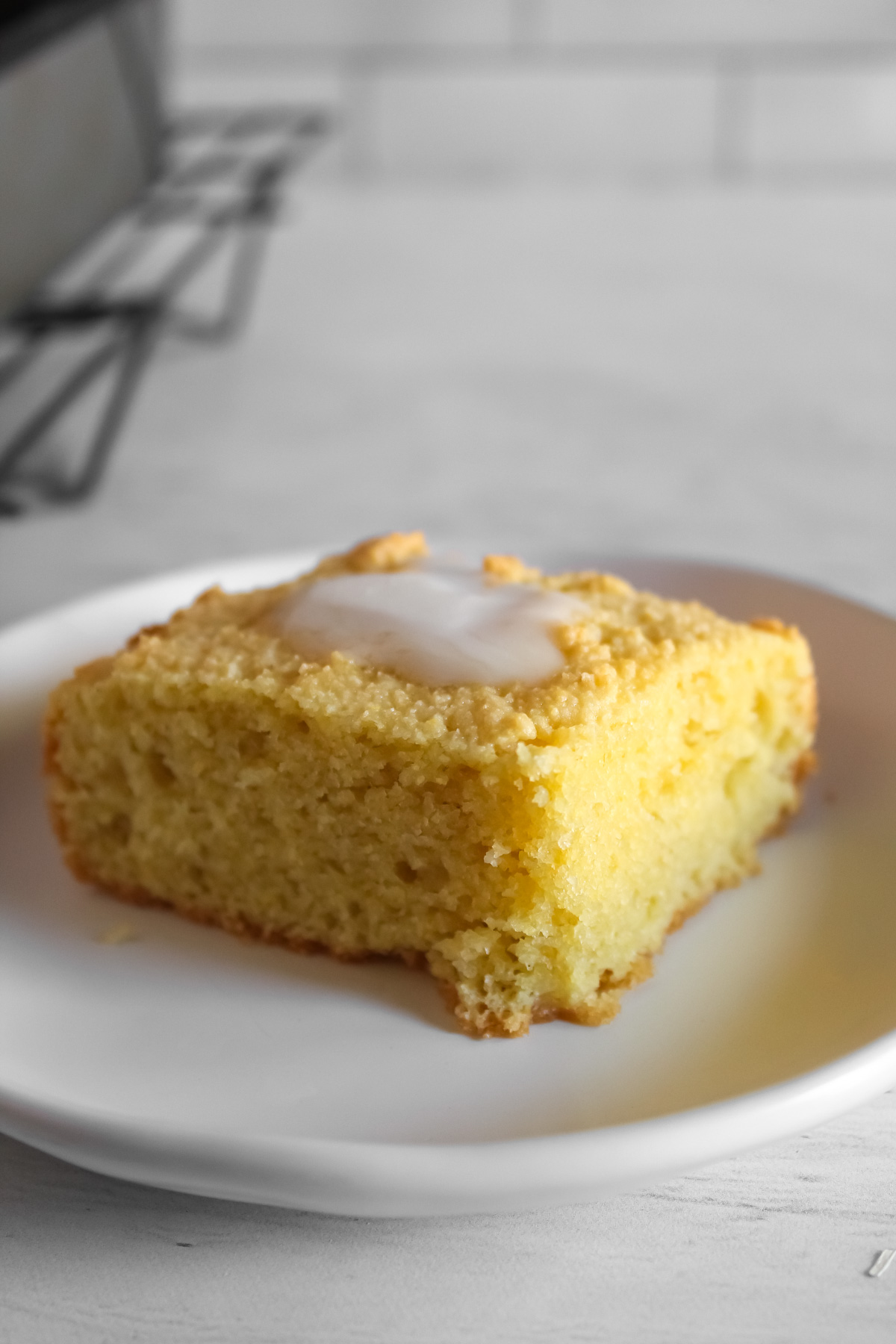
Almond flour cornbread stores differently from traditional wheat cornbread because it contains more fat and moisture. Store it properly to prevent it from getting soggy or drying out too soon.
At room temperature, the cornbread will last for 2 days in an airtight container. Lining the container with a paper towel can help to absorb excess moisture.
For longer storage, wrap the cornbread in plastic wrap and store it in an airtight container in the fridge for up to 5 days. Make sure it cools completely before storing.
To reheat: Microwave the cornbread for 10-15 seconds or warm it in the oven at 300ºF for about 5 minutes.
You can also freeze this cornbread for long-term storage. Freezing is a great way to preserve the cornbread’s moisture! Allow the cornbread to cool completely, then slice it. Place parchment paper between the cornbread slices or wrap them individually in parchment, and place them in a freezer-safe bag. Freeze for up to 3 months.
To reheat from frozen: Microwave the slices for 20-25 seconds or warm them in the oven at 300ºF for about 10 minutes.
Tips & Tricks
Almond flour behaves differently from wheat flour, and understanding these small details about this recipe can make a big difference in the final outcome of your cornbread.
Use Room Temperature Ingredients
For a smooth, cohesive batter, make sure all of your ingredients are at room temperature. Take your eggs out of the fridge about 30 minutes before making the recipe, and let your melted butter cool back down to room temperature before using it. This will allow your ingredients to easily mix.
Use Fine, Blanched Almond Flour
Almond flour is made from skinless, blanched almonds. This gives the flour a fine, white, powdery texture and color. Almond meal is made from whole almonds (including the skin) and has a darker color and a coarser texture. Use fine almond flour for the most consistent crumb and the best texture from your cornbread.
Don’t Overmix
Because there’s no gluten to develop, overmixing won’t make the cornbread tough, as it does with wheat flour, but it can cause uneven rising. Mix just until the dry ingredients are combined with the wet ingredients. No need to overmix.
Avoid Overbaking
Almond flour browns faster than wheat flour due to its higher fat content. If you notice the top browning too quickly, cover it loosely with aluminum foil while it finishes baking. To know when it’s done, the center of the cornbread should feel set and spring back slightly when touched. Inserting a toothpick into the center is a great way to check for doneness, too. The toothpick should come out clean.
Don’t Slice Too Early
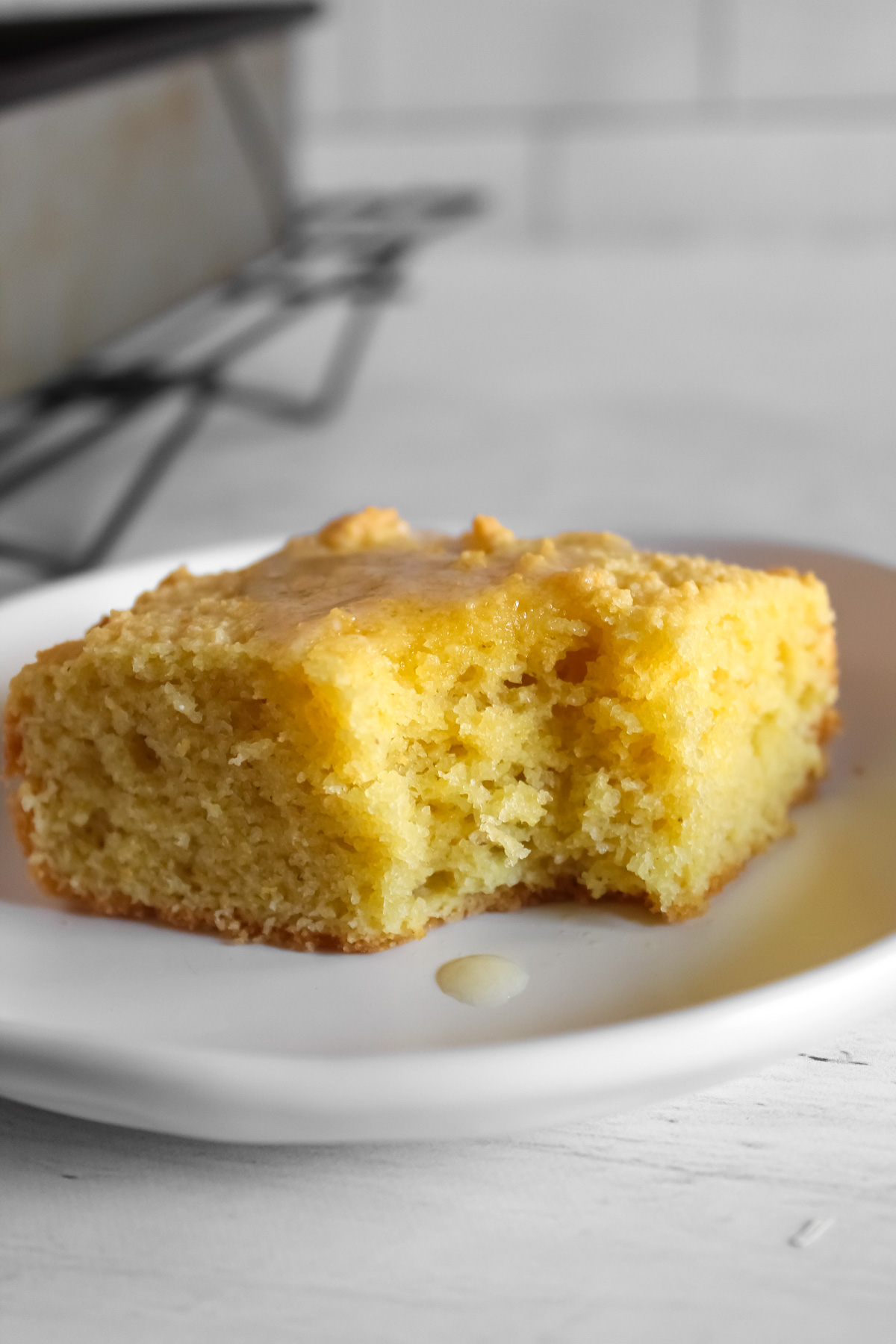
Let the cornbread rest at least 10-15 minutes after baking. This will allow it to set and firm up as it cools, so you can get clean slices. Cutting your cornbread too soon leads to crumbly slices.
Almond Flour Cornbread FAQs
Here are a few commonly asked questions about this almond flour cornbread recipe. I hope they help answer some of your own questions! If not, be sure to leave your questions in the comments section.
Is This Recipe Keto-Friendly?
This recipe isn’t exactly keto-friendly. It’s formulated to be gluten-free, unlike traditional cornbread, by replacing all-purpose flour with almond flour and adjusting other ingredients. It has roughly 16g of net carbs per serving, which is definitely lower than regular cornbread, but not suitable for a keto diet.
You could try adapting it to make it fully keto by using a low-carb sweetener in place of the sugar and increasing the almond flour to replace all or some of the cornmeal. This will change the intended outcome of this recipe, and I have not tested it with these keto substitutes.
Do I Need to Add Dairy to Cornbread?
You can easily make cornbread without dairy, as in this recipe. As written, this recipe is dairy-free, as it uses vegan butter and skips the usual milk, buttermilk, or sour cream. Dairy helps add moisture to the cornbread in this recipe, with a higher egg quantity and a moisture-rich almond flour.
Can I Make This Ahead for Meal Prep?
This recipe is perfect for meal prep, as it stores and reheats well. See the storage guide above for the best way to freeze your cornbread, which makes meal prep super simple. Reheat it to enjoy throughout the week with meals like chili or soups.
Why Is My Cornbread Crumbly?
The most common reasons for a crumbly cornbread include not enough eggs, adding too much almond flour, or slicing your cornbread too early. Almond flour doesn’t bind like wheat flour does, so the eggs are essential for providing structure to this recipe.
To ensure the best cornbread from this recipe, weigh your ingredients where weight measurements are given. Having a kitchen scale is an inexpensive and easy way to get the best results from your baking.
Finally, make sure to let your cornbread cool before slicing. It can be tempting to enjoy a hot slice right out of the oven, but that’s what leads to crumbly cornbread slices! Let it cool for 10-15 minutes to allow the cornbread to set and give you perfect, clean, and delicious slices.
Cornbread: The Best Side
If you’ve made it this far, you’re officially ready to master this almond flour cornbread recipe. Get ready to enjoy this bread that’s sturdy enough to slice up alongside a hearty chili and versatile enough to customize again and again. It’s perfect all year long. Pair it with a barbecue in the summer or bring it to the holiday table to satisfy all diets.
This cozy recipe, adapted from a favorite classic, still gives you that golden color, soft texture, and comforting flavor. It’s made with ingredients that better meet modern dietary needs, whether that’s gluten-free, dairy-free, or grain-free. And it provides you with a more nutrient-dense version than the original.
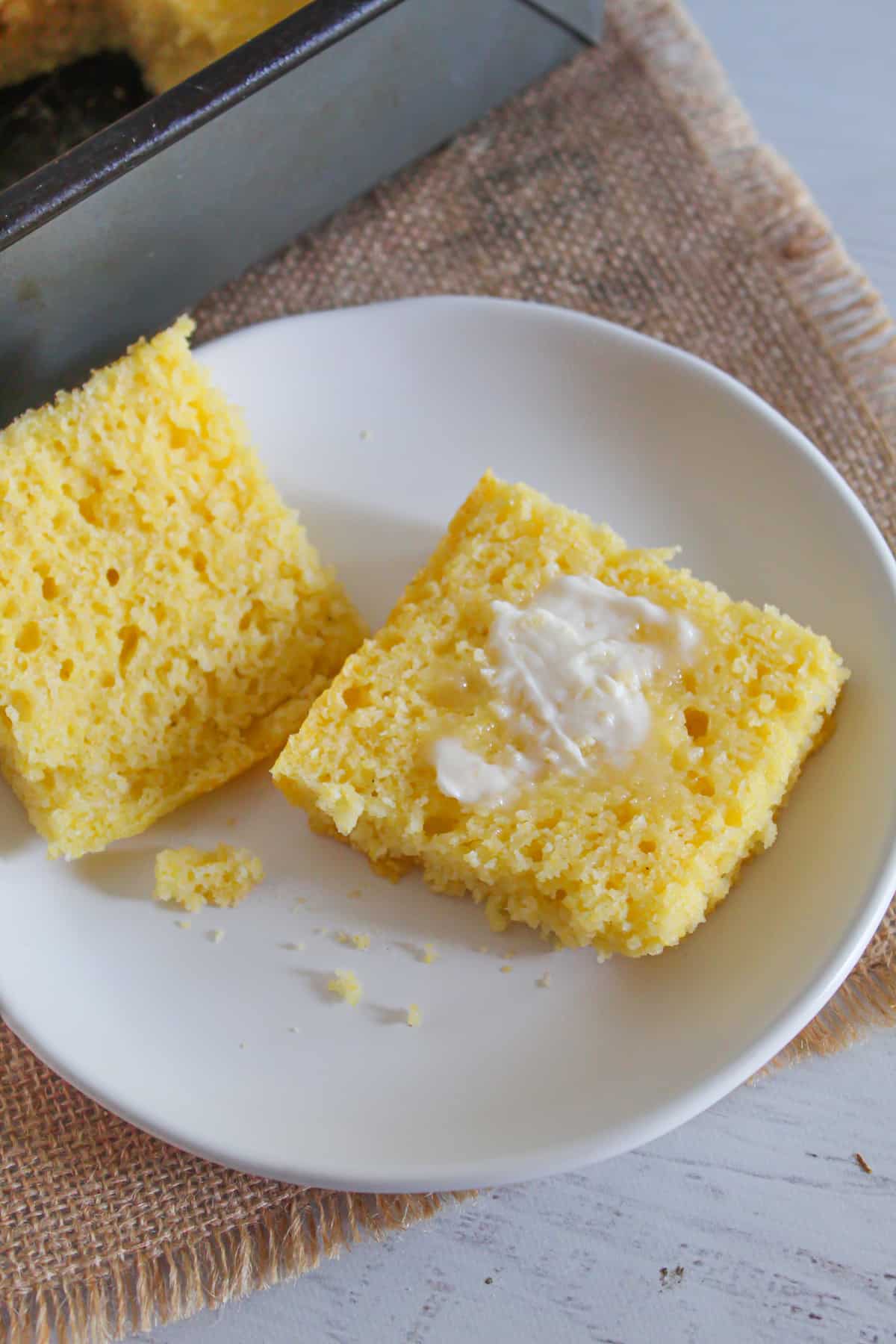
If you make this almond flour cornbread, be sure to share how you customized it. Or, try experimenting the second time around. Add jalapeños and cheddar for a savory twist, bake it into muffins for easy lunches, or drizzle a little honey over a warm slice. Most importantly, have fun with it and enjoy the taste of homemade, good-for-you meals.
Related Recipes
Looking for other quick bread recipes like this almond flour cornbread? Try these:
If this almond flour cornbread disappeared quickly from your kitchen, these other quick breads might be next on your baking list.
Get Connected!
Share your thoughts on this recipe by leaving a comment below! Did you include some fun and flavorful add-ins to your cornbread? And if you found this recipe helpful, save it for later or share it with a friend.