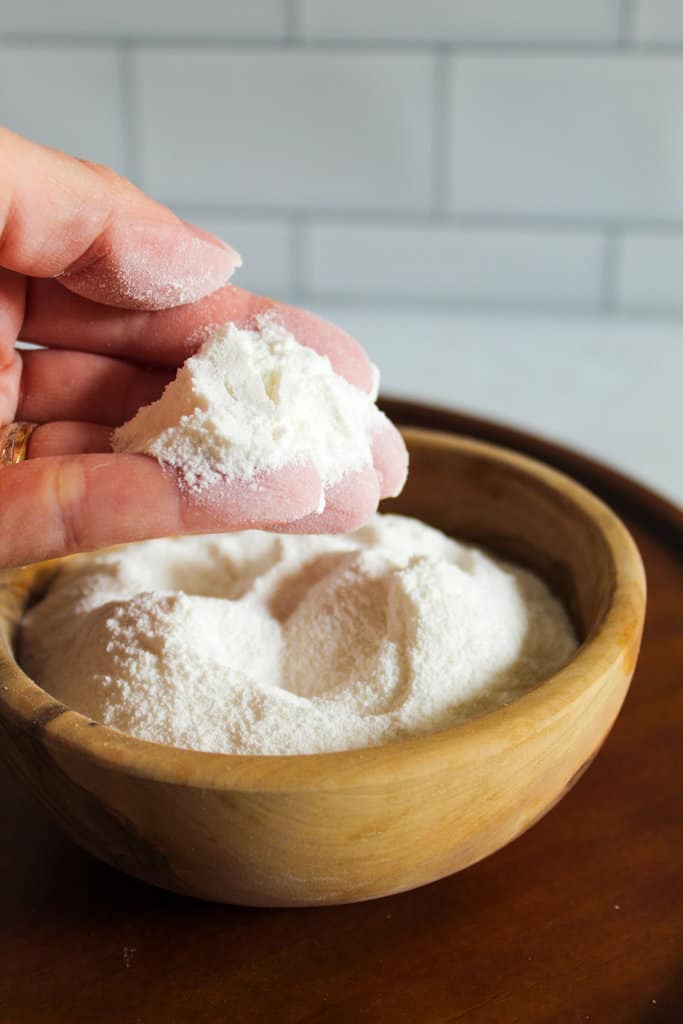
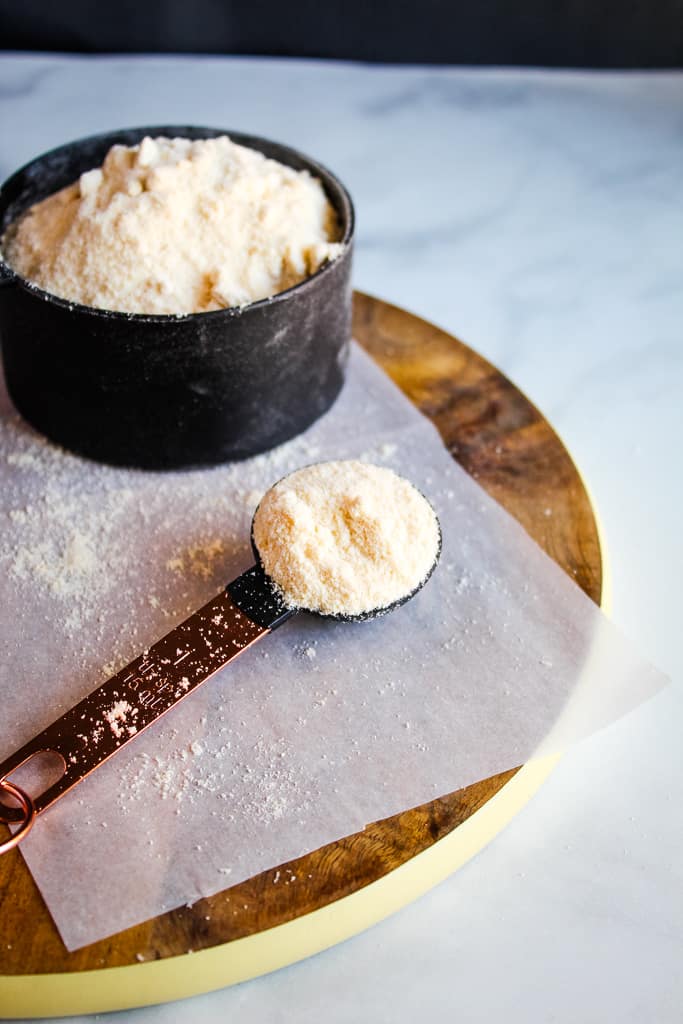
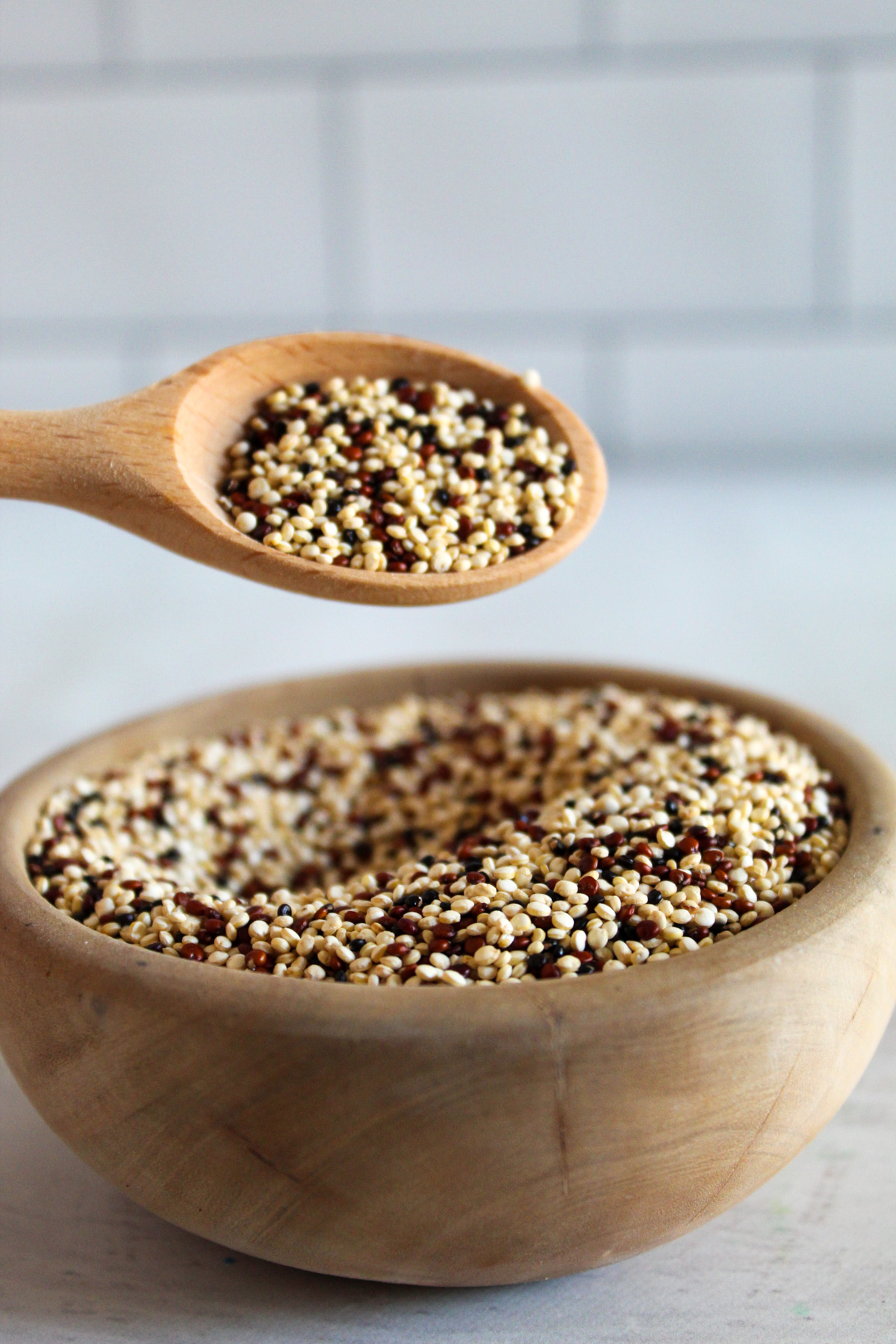
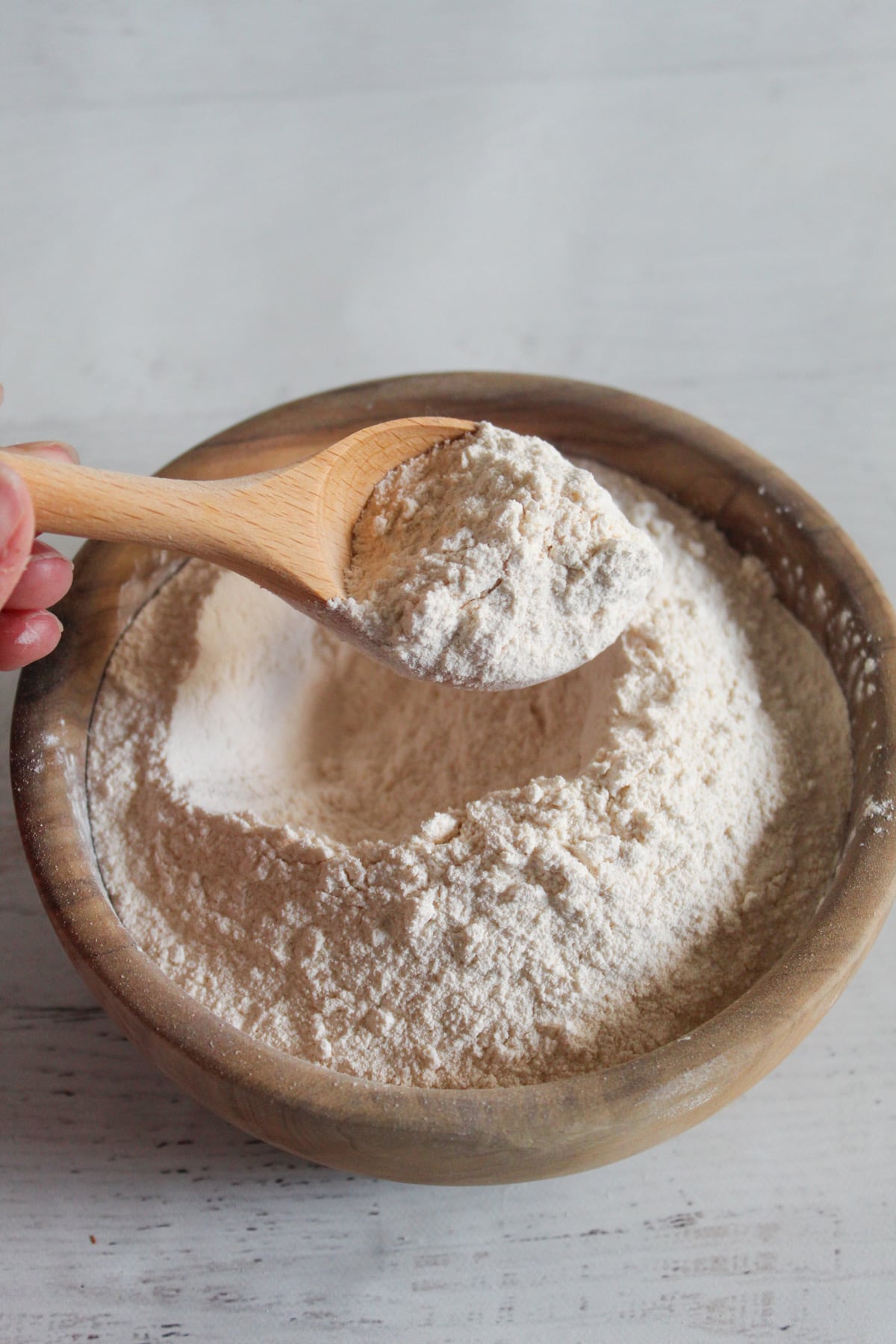
Did you run out of millet flour while baking? No need to panic! With this guide to gluten-free millet flour substitutes, you don’t need to guess about what to use instead and risk baked goods that are too crumbly or too dense.
Some of these flours can replace millet flour at a 1:1 ratio. Others are best used as a partial replacement, but can still save your recipe if you have some, but not all, of the millet flour you need. Most of them can easily be found in the baking aisle of your local grocery store.
Table of Contents
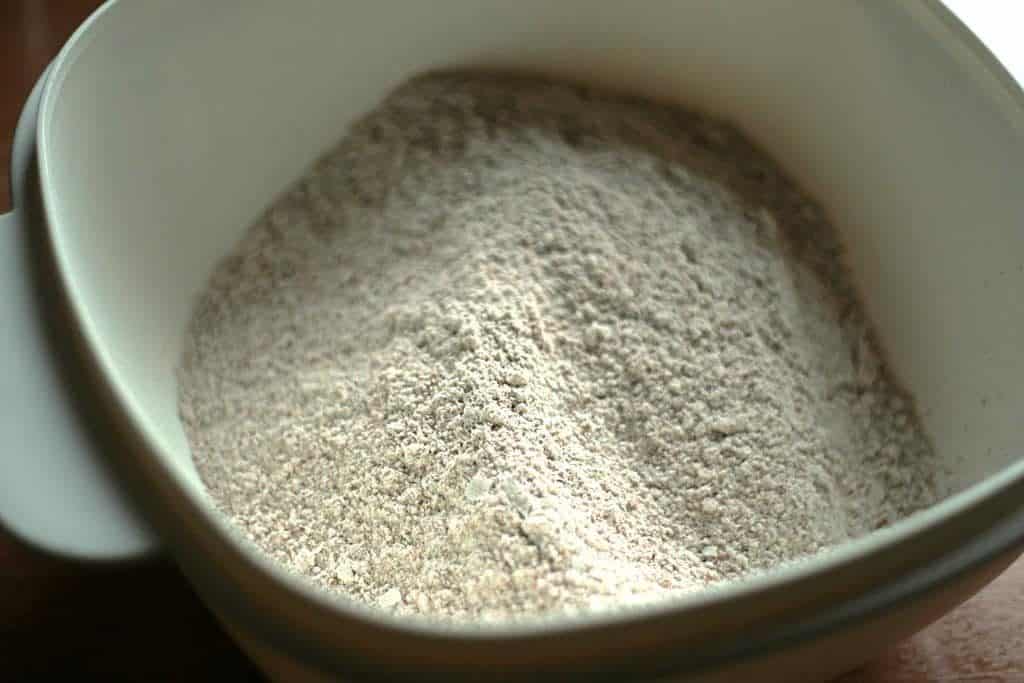
What Is Millet?
Millet is a “cereal grass,” a type of grass that produces edible seeds and is widely cultivated. You may also see cereal grasses referred to as “true grains” that are members of the Poaceae family.
That means millet is one of the gluten-free grains most closely related to wheat and rye. Unlike wheat and rye, though, millet does not produce gluten when mixed with water.
Millet has been cultivated in Asia and Africa for more than 4,000 years. It is still an important crop in developing countries for its ability to withstand changing growing conditions, such as a changing climate and shifts in annual rainfall.
Types of Millet
There are three main types of millet. Each of these types has unique uses and is often grown in different parts of the world.
- Pearl millet, also called bajra in India, grows well in low-fertility soils and low moisture. For this reason, it is an important food crop in India and Africa.
- Broso millet, also called common or broomcorn millet, is a common cereal food in Asia and eastern Europe. It is also often used in livestock feed. You might also see it in birdseed mixes.
- Foxtail millet is often grown for hay in North America and western Europe. Its small, pointed seeds are also a food source in Asia.
Uses for Millet Flour
Millet flour has a light, subtle flavor, making it an ideal gluten-free choice for both sweet and savory recipes. It contributes a delicate, cake-like crumb and a warm, creamy color to baked goods.
Some recipes may call for millet flour alone, while others may combine it with other gluten-free flours. You will often find millet flour used in breads, muffins, cookies, cakes, and more. In addition to its use in baked goods, millet can be cooked as a grain and incorporated into other dishes like salads or soups.
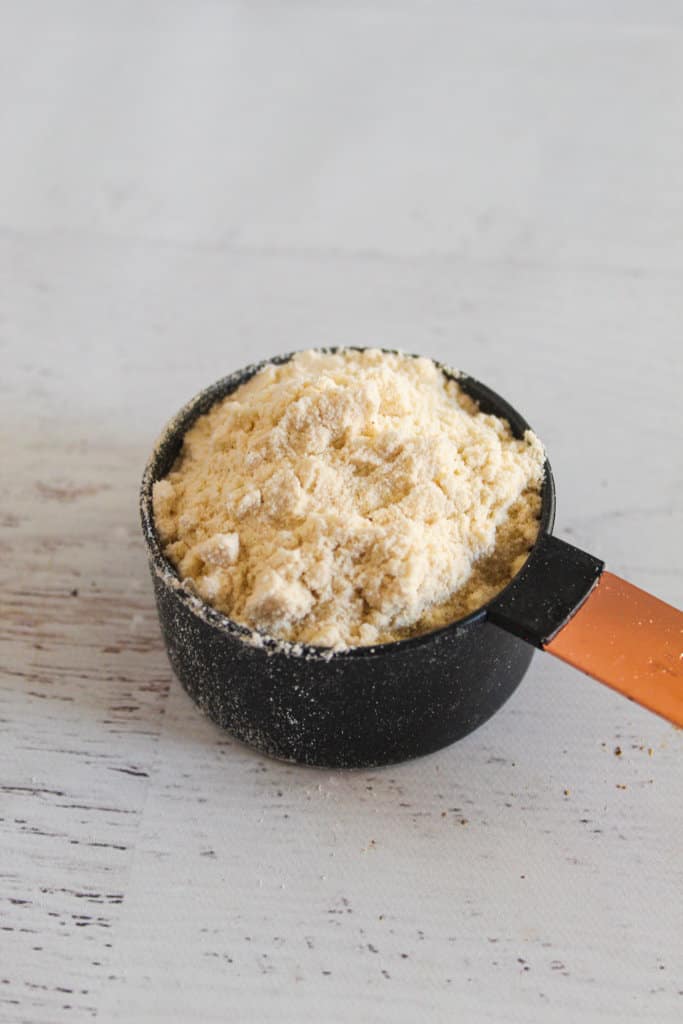
Using Flour Substitutes
Fiber and protein content are the two key factors to consider when determining the best substitutes for millet flour. Choosing flours with comparable amounts of protein and fiber will yield the most similar baking results.
The following gluten-free flours are the best substitutes for millet flour in baking. Because it can be hard to replicate the unique characteristics of millet flour, some substitutes cannot always be used as a replacement in equal amounts. They may need to be used in combination with millet flour to achieve the best results.
The USDA’s FoodData Central is a handy resource for nutritional information on many widely available ingredients, including gluten-free flours. Most of the protein and dietary fiber information I’ll include comes from its website. For reference, millet flour contains 10.8 grams of protein and 3.5 grams of dietary fiber per 100 grams.
The 4 Best Substitutes for Millet Flour
These millet flour substitutes can be used in equal amounts to replace millet flour in your recipe.
1. Sorghum Flour
Sorghum flour makes a great substitute for millet flour due to its mild, sweet flavor and smooth texture. It is an excellent option for various baked goods, including cookies, cakes, muffins, pancakes, and breads. Like millet, sorghum is a naturally gluten-free whole grain with considerable versatility.
Sorghum flour contains 8.27 grams of protein and 8.16 grams of dietary fiber per 100 grams of flour.
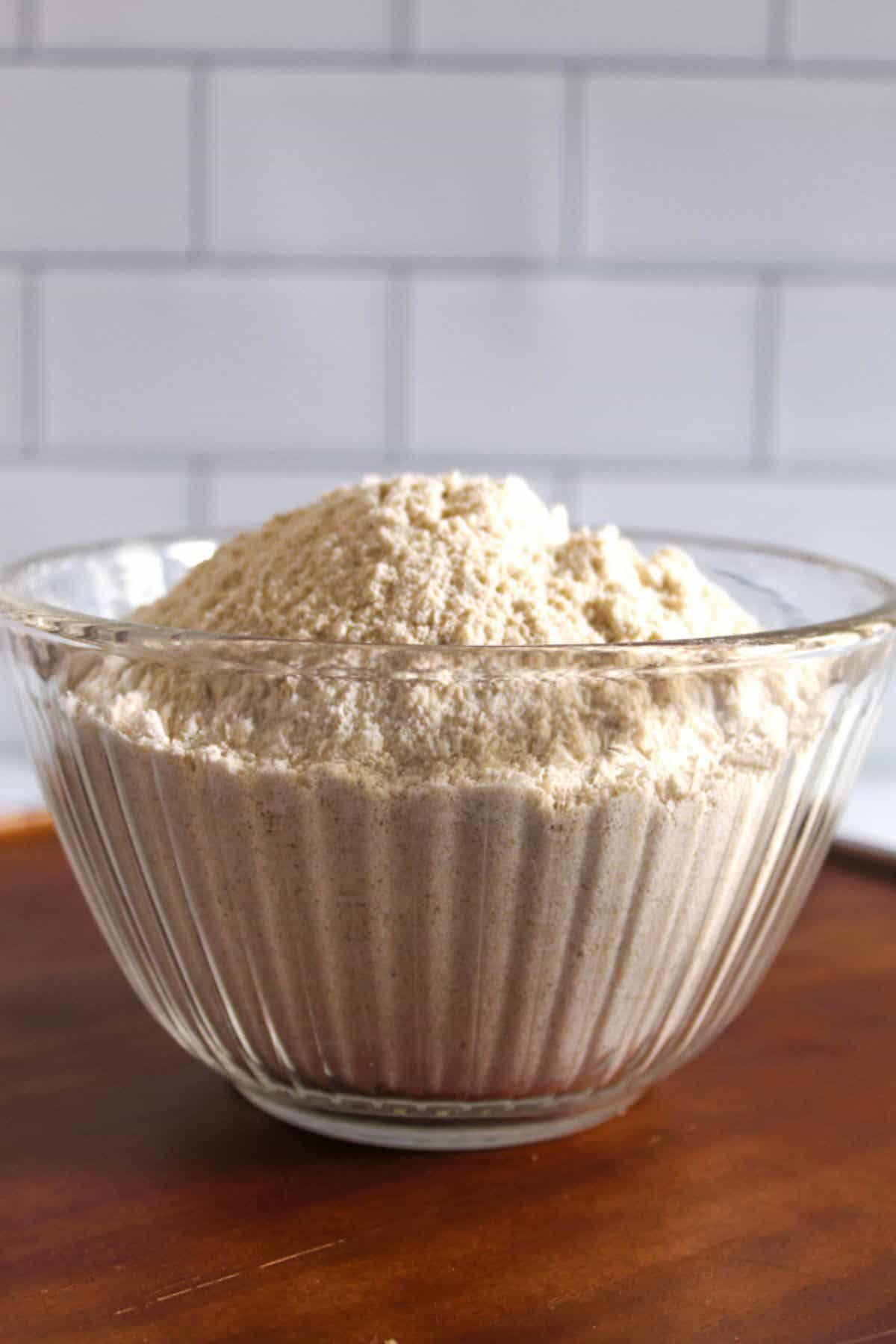
When baking with sorghum flour, keep in mind that the recipe may require more binding agents, such as an additional egg, to keep the finished baked good from becoming too crumbly. (If you don’t want more egg, mix 1 tablespoon of flaxseed meal with 3 tablespoons of water and let the mixture sit long enough to form a gel before adding it.)
2. Buckwheat Flour
Buckwheat flour can be used to replace millet flour in gluten-free baked goods at a 1:1 ratio. Despite the name, buckwheat is actually more closely related to rhubarb and sorrel than wheat. This makes buckwheat a pseudocereal or pseudograin, an edible seed that isn’t a true grain but behaves like one when baked or cooked.
Buckwheat flour contains 8.88 grams of protein and 11.4 grams of dietary fiber per 100 grams.
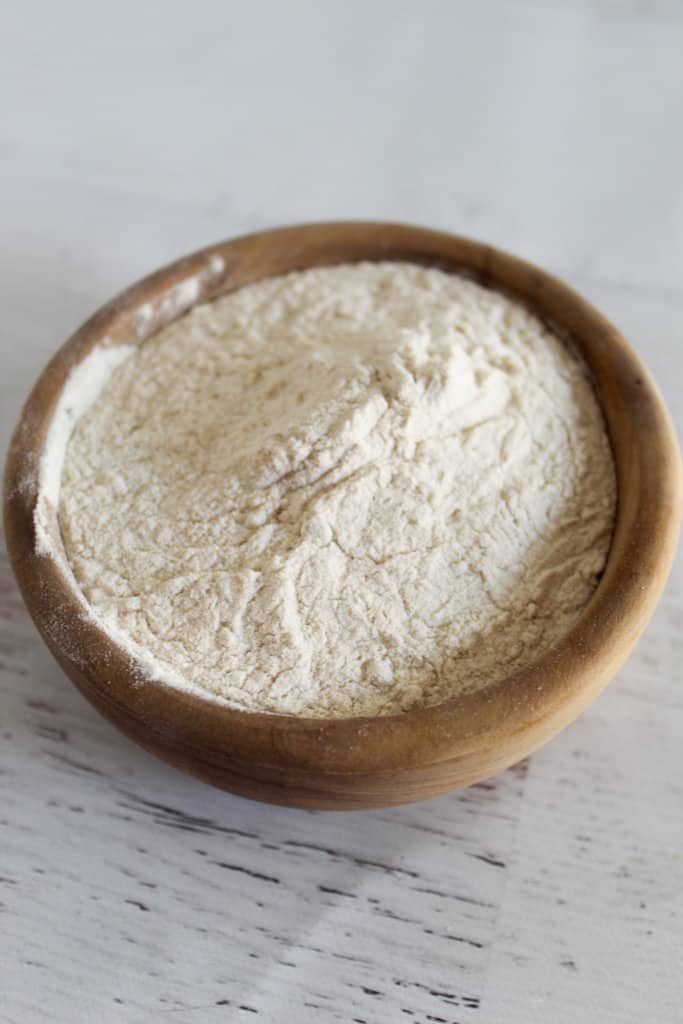
This pseudograin has a nutty, earthy flavor with some similarities to oats. As a whole grain that hasn’t been ground into flour, it can be used like rice, quinoa, or oats. Like millet, buckwheat is often referred to as an ancient grain (despite not being a true grain) because it has been cultivated for thousands of years.
3. Teff Flour
Teff flour can replace millet flour at a 1:1 ratio. It’s a naturally gluten-free, 100% whole-grain flour that’s used in both sweet and savory baked goods. Teff flour has a malty and mildly nutty flavor that pairs well with deep, rich flavors, including chocolate, nuts, caramel, and coffee.
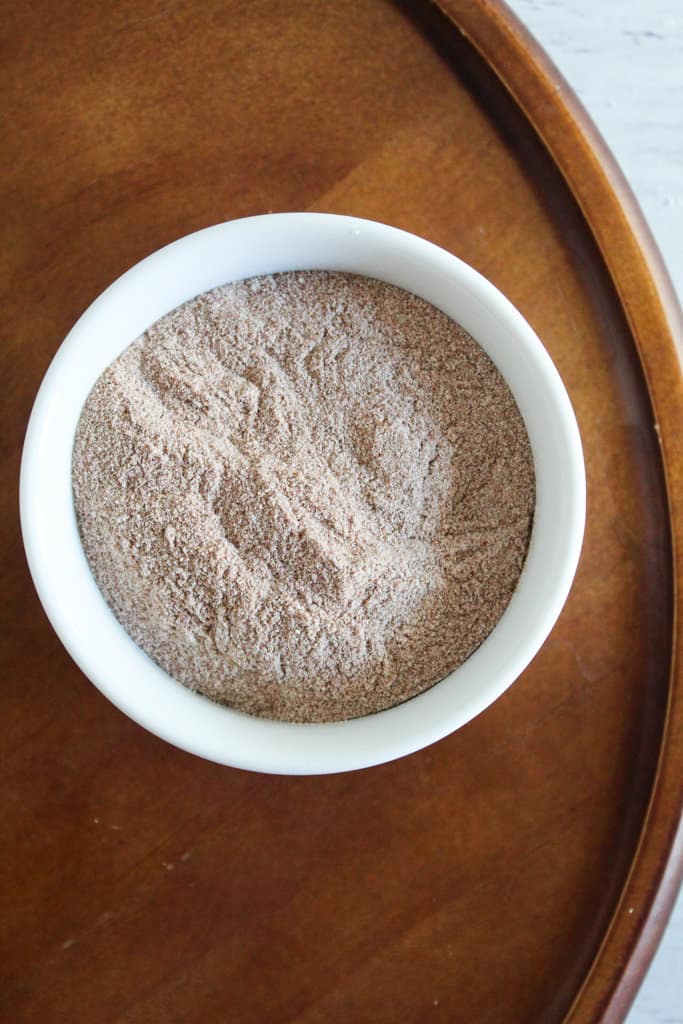
Teff flour typically contains more of the seed’s bran and germ, which boosts its nutritional value. In this case, USDA FoodData Central was very specific about the nutritional value of each major brand of teff flour.
The Bob’s Red Mill brand of teff flour contains 11.4 grams of protein and 5.7 grams of dietary fiber per 100 grams.
4. Amaranth Flour
Whole-grain amaranth flour is another great alternative to millet flour. Amaranth is an ancient grain rich in iron, essential amino acids, and dietary fiber. Like buckwheat, amaranth is classified as a pseudo-grain.
The seeds are milled into a powder that has a fine consistency and a mildly sweet, nutty flavor. Both make it a great flour for gluten-free baking. Amaranth flour is naturally gluten-free and can be used on its own or as part of a flour blend.
Amaranth flour contains 13.2 grams of protein and 9.04 grams of dietary fiber per 100 grams.
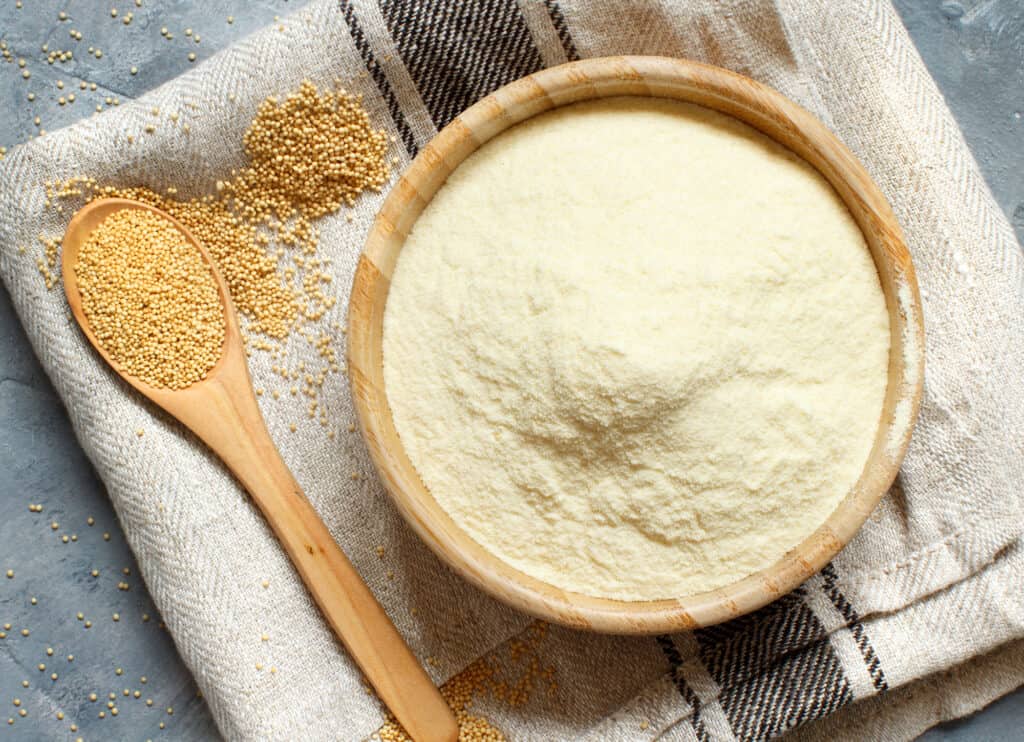
Baking note: Because amaranth flour contains more fiber and protein than many other flours, it is highly absorbent. You may have to adjust the amount of flour or liquids you use. To prevent your baked goods from becoming too dense, you may need to add additional leavening agents such as baking powder, baking soda, or yeast to your recipe.
3 Secondary Substitutes for Millet Flour
These substitutes are best used as a partial replacement for millet flour. For best results, I recommend replacing up to ⅔ of the millet flour with any of these flours. For example, replace 1 cup of millet flour with ⅔ cup of oat flour and ⅓ cup of millet flour.
1. Oat Flour
Whole-grain oat flour is a great secondary substitute for millet flour. It lends a warm, nutty flavor and soft, fluffy texture to baked goods. Like millet flour, it works very well in gluten-free baked goods such as cakes, muffins, cookies, and breads. Oat flour is easy to find in the baking aisle of most grocery stores.
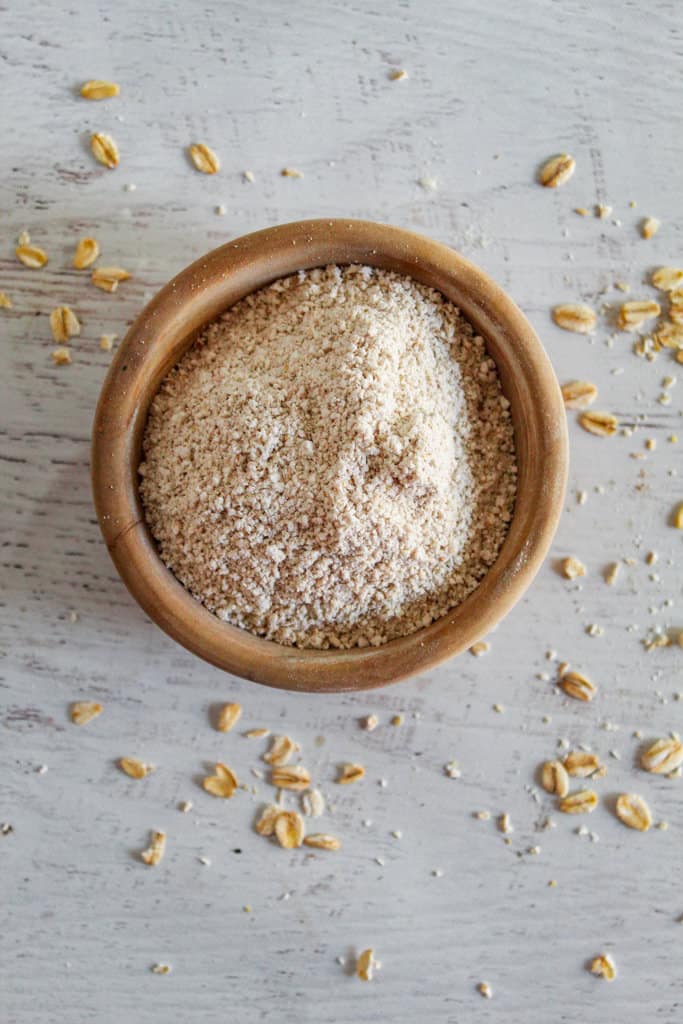
Oat flour contains 13.2 grams of protein and 12.9 grams of dietary fiber per 100 grams.
Like amaranth, oat flour can be highly absorbent, so you will likely have to adjust the liquids in your recipe if you use it as a millet flour substitute. (If you make a lot of oatmeal for breakfast, you probably already have a rough idea of how absorbent oats can be. This is especially true if baked oatmeal is a normal part of your meal prep rotation!)
It’s extremely simple to make at home using a high-speed blender or food processor. For best results, place old-fashioned or steel-cut oats in your blender or food processor and blend until they become a fine powder.
I recommend measuring the oats in grams to ensure that you get the correct amount of oat flour every time. I know I’m a bore for repeating this so often with my gluten-free recipes, but it really is important to measure your dry ingredients in grams rather than cups to make sure you get the correct amount. That way, your gluten-free baked goods will turn out perfect every time.
2. Brown Rice Flour
Brown rice flour is one of my favorite secondary replacements for millet flour because it closely resembles whole-wheat flour while remaining gluten-free. It’s also an important part of the homemade gluten-free flour blend that I use most often.
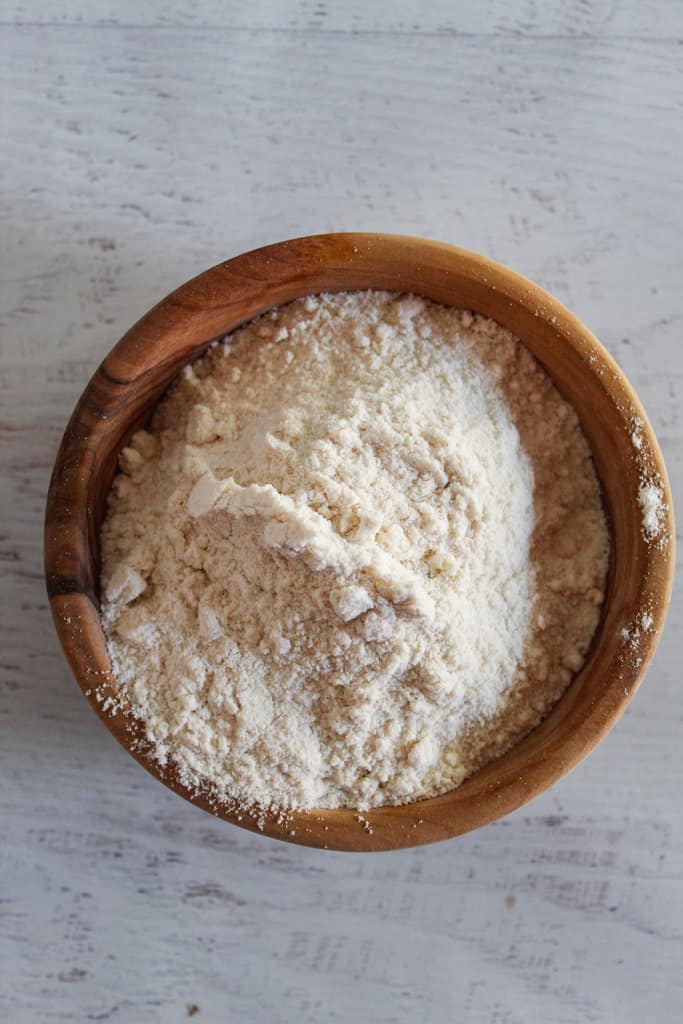
This flour has lower protein and fiber content, so it’s slightly less absorbent than oat flour.
Brown rice flour contains 7.23 grams of protein and 4.6 grams of dietary fiber per 100 grams.
3. Quinoa Flour
Quinoa flour is an exceptionally versatile alternative to millet flour. This flour yields a tender crumb and a mild, nutty, earthy flavor to baked goods.
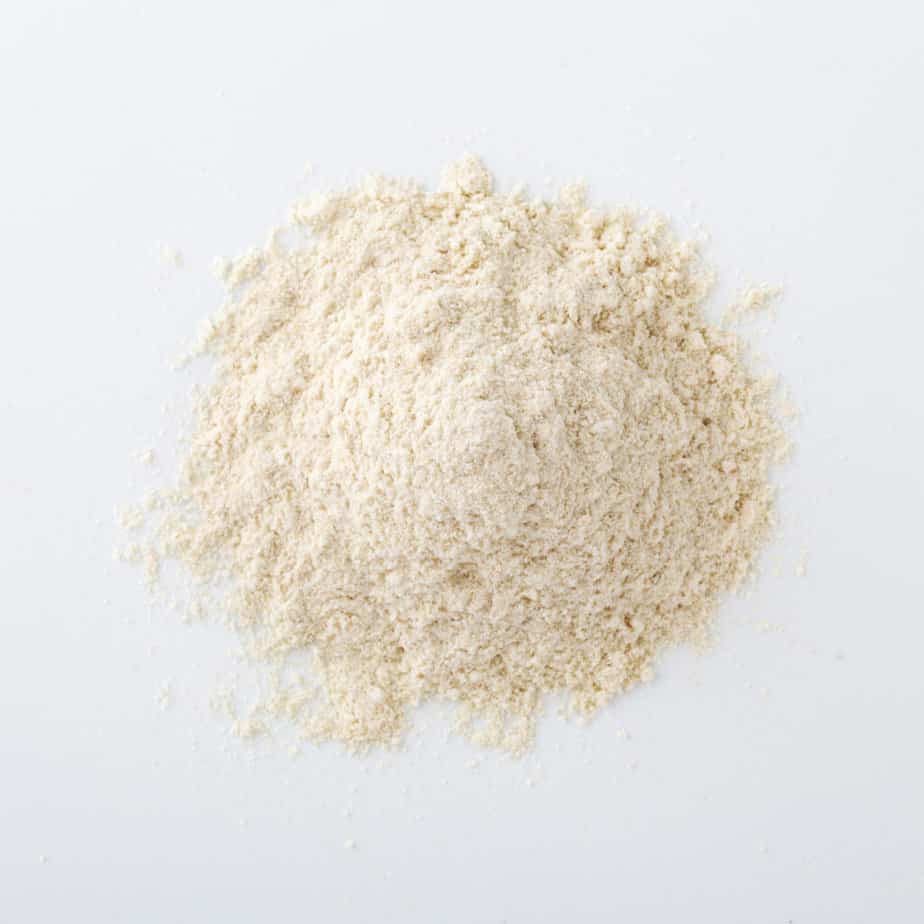
When made with whole-grain quinoa, this flour adds most of the excellent nutrition of this grain.
Quinoa flour contains 11.9 grams of protein and 6.95 grams of fiber per 100 grams.
What is Each Flour Substitute Best Used For?
Here’s a chart with a quick rundown of each substitute and how to use it.
| Flour | Gluten-Free | Flavor | Texture in Baking | Best Uses | 1:1 for Millet Flour? | Notes |
|---|---|---|---|---|---|---|
| Millet Flour | Yes | Mild, slightly sweet, lightly nutty | Light, soft, tender | Muffins, pancakes, flatbreads, cookies, gluten-free blends | — | Good base flour with a mild flavor |
| Sorghum Flour | Yes | Mild, slightly sweet | Soft, tender, similar to millet | Muffins, cakes, pancakes, cookies, bread blends | Usually yes | One of the closest substitutes for millet flour |
| Buckwheat Flour | Yes | Earthy, nutty, bold | Heavier, heartier | Pancakes, rustic breads, waffles, savory bakes | Often yes | Stronger flavor than millet flour |
| Teff Flour | Yes | Nutty, malty, earthy | Dense but soft, adds depth | Muffins, breads, brownies, pancakes | Often yes | Best in recipes where a deeper flavor works well |
| Amaranth Flour | Yes | Nutty, grassy, slightly earthy | Dense, absorbent | Bread blends, muffins, hearty baked goods | Sometimes | Best used in blends for balanced texture |
| Oat Flour | Usually* | Mild, soft, slightly sweet | Tender, soft, delicate | Muffins, pancakes, cookies, quick breads | Sometimes | Can make baked goods softer and less structured |
| Brown Rice Flour | Yes | Mild, nutty | Dry, slightly gritty if used alone | Flour blends, cookies, crackers, breads | Sometimes | Usually better in a blend than by itself |
| Quinoa Flour | Yes | Earthy, grassy, slightly bitter | Dense, hearty | Savory baking, breads, muffins, and protein-rich bakes | Sometimes | Strong flavor, often better mixed with milder flours |
FAQs About Millet Flour and Its Replacements
Still curious? Below, we’ve answered some common questions about millet flour and its replacements. Didn’t see your question covered here? Leave a comment with any other millet flour or substitute questions you have.
Will I have to make adjustments to the recipe if I replace millet flour?
You might, often depending on the impact that replacing the flour will have on the density, “crumbliness,” or moisture retention of the baked good. With sorghum flour, for instance, you might have to adjust the amount of binding agents to keep it from becoming too crumbly.
Why did my recipe turn out dry after replacing millet flour?
Some millet flour replacements, like amaranth flour and oat flour, are more absorbent, so you’ll need to add more liquid to the recipe to keep it from drying out.
Do I need to mix millet flour substitutes with other flours?
It’s actually most common to need a gluten-free flour blend to replace everything that gluten in wheat flour can do. This blend usually consists of flours, starches, and sometimes a gluten replacement like xanthan gum. I’ll usually make my own flour blend when I need one.
Why is it important to use a gluten-free flour?
For most people, it might not make much difference. If someone has celiac disease, however, a gluten-free diet is practically essential. For these individuals, gluten-free recipes allow them to enjoy their favorite baked goods without worrying about symptom flare-ups. Flours labeled “certified gluten-free” provide the best results.
Recipes With Millet Flour
These recipes make excellent use of millet flour and can also work with one of its substitutes.
- Millet Bread
- Soft Millet Cookies
- Buttery Gluten-Free Crescent Roll Recipe
- Gluten-Free English Muffins
Whether you use millet flour or a suitable substitute, these recipes are a great place to start experimenting in the kitchen.
Start Baking With Confidence
Ready to put millet flour or one of its substitutes to the test? Try one in your next recipe and discover which option gives you the texture, flavor, and results you love most.
Tried one of these recipes or have a favorite of your own to share? Tell us about it in the comments below, we’d love to hear what you’re baking.