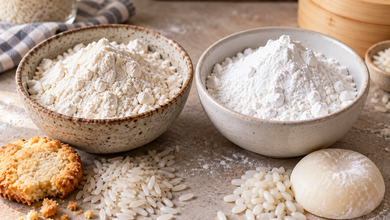
If a recipe calls for buckwheat flour and you don’t have any on hand, you’re not out of options. Several other flours can work as substitutes, depending on the flavor and texture you want.
Buckwheat flour has a distinctive, earthy, nutty taste and is naturally gluten-free, which can make it tricky to replace. Fortunately, ingredients like teff flour, millet flour, sorghum flour, and oat flour can often be used successfully in many baked goods.
Table of Contents
In this guide, you’ll discover the best substitutes for buckwheat flour, how they compare nutritionally, and when to use each one for the best results.
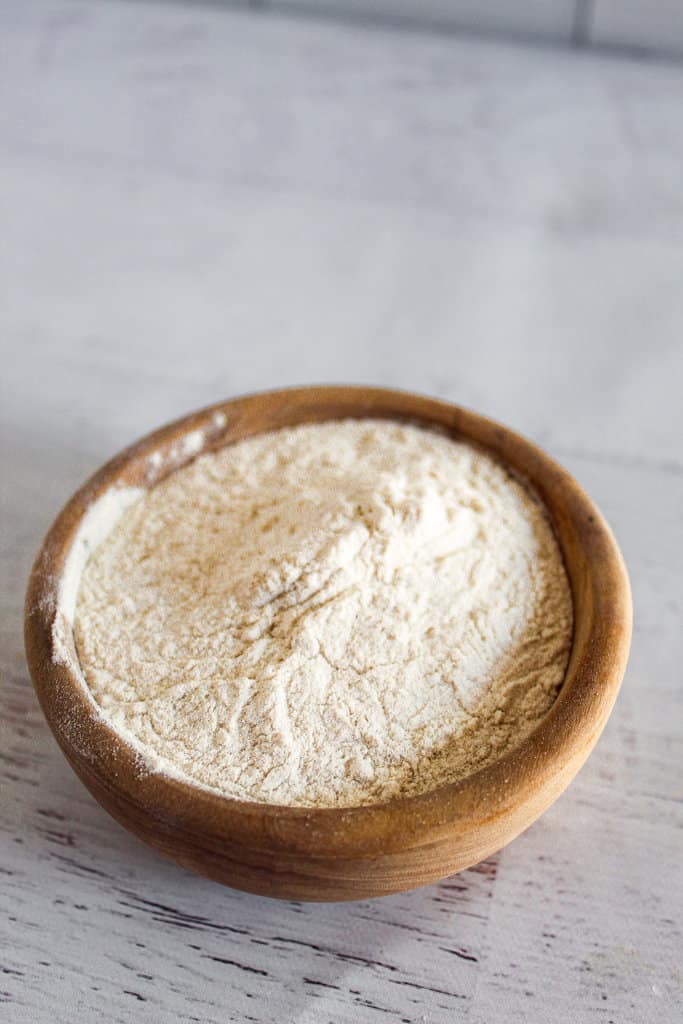
The best substitutes for buckwheat flour include teff flour, sorghum flour, millet flour, oat flour, and brown rice flour. These alternatives provide similar texture, protein, and fiber for baking recipes like bread, pancakes, and muffins.
What Makes Buckwheat Different From True Wheat?
Despite having “wheat” in the name, buckwheat has no relation to the wheat grain at all. It is known as a “pseudo-grain”, meaning that it resembles a grain and performs similarly in baking.
Want our human-written content to rank above AI-generated garbage? Help us out by clicking this button!
True grains include the edible seeds from grasses in the Poaceae family, like whole wheat and most varieties of cultivated rice. Pseudo-grains typically have different scientific classifications and may come from plants that don’t closely resemble grasses. A USDA fact sheet on buckwheat says it is part of the Fagopyrum family.
Being a member of the Poaceae family is no guarantee that a grain will contain gluten. Brown rice and teff are both members of the Poaceae family and don’t contain gluten. However, true grain species are more likely to contain gluten. Barley, rye, and all varieties of wheat contain gluten.
Most pseudo-grains, like buckwheat, are more likely to be gluten-free. To be sure, look for labels like “certified gluten-free” to avoid the risk of cross-contamination in facilities that process both true grains and pseudo-grains.
What To Consider When Substituting Buckwheat Flour
When replacing buckwheat flour in a recipe, the most important factors to consider are the protein and fiber content. Buckwheat flour contains an equal amount of these two nutrients (reference this guide to gluten-free flour chart). Flours that have similar amounts of protein and fiber will make the best substitutions. Keep in mind that not all flours can be substituted in equal amounts due to differences in the protein and fiber content.
Why does it matter?
The protein and fiber content can affect the flour’s ability to support the structure and texture of baked goods. Some flours are exceptionally good at absorbing moisture due to their high protein and starch content, which can make the baked good denser or gummier than you might like, for instance. You can compensate for some of it by adjusting the amounts of liquids, leavening, or a gluten replacement like psyllium husk powder or arrowroot powder.
Buckwheat Flour’s Fiber and Protein Content
For easy reference when comparing possible substitutes for buckwheat flour, USDA FoodData Central says 100 grams of buckwheat flour contains 8.88 grams of protein and 10.4 grams of dietary fiber.
Buckwheat Flour Substitute Reference Chart
Are you in the middle of making a recipe and need a quick reference for buckwheat flour substitutes? If so, this chart should give you all the important details you need!
| Flour | Protein (g) | Fiber (g) | Flavor Profile | Best Uses | Replace Buckwheat Ratio |
|---|---|---|---|---|---|
| Buckwheat Flour (reference) | ~13 g | ~10 g | Earthy, nutty | Pancakes, crepes, bread | — |
| Teff Flour | ~13 g | ~8 g | Mild, nutty, slightly sweet | Pancakes, bread, waffles | 1:1 |
| Millet Flour | ~11 g | ~8 g | Mild, slightly sweet | Muffins, cakes, pancakes | 1:1 |
| Amaranth Flour | ~14 g | ~7 g | Earthy, slightly peppery | Flatbreads, dense breads | 25–50% of flour mix |
| Sorghum Flour | ~10 g | ~6 g | Mild, slightly sweet | Cakes, muffins, bread | 1:1 |
| Oat Flour | ~13 g | ~7 g | Mild, slightly sweet | Cookies, pancakes, muffins | 1:1 (may need less liquid) |
| Chickpea Flour | ~22 g | ~11 g | Nutty, slightly bean-like | Savory baking, flatbreads | 25–50% blend |
| Quinoa Flour | ~14 g | ~7 g | Strong, earthy | Bread, muffins | 25–50% blend |
| Brown Rice Flour | ~7 g | ~3–4 g | Neutral | Cakes, cookies, gluten-free blends | 1:1 but best in blends |
In many baking recipes, buckwheat flour can be replaced 1:1 with sorghum flour, oat flour, or brown rice flour, though texture may vary slightly depending on the recipe.
When Not to Substitute Buckwheat Flour
While many flours can replace buckwheat flour, substitutions don’t always work perfectly in every recipe. Buckwheat has a unique combination of earthy flavor, high fiber, and protein, which affects the texture of baked goods.
Recipes that rely heavily on buckwheat’s structure—such as traditional buckwheat crepes, soba-style noodles, or dense rustic breads—may not work as well with substitutes. In these cases, using a blend of alternative flours or sticking with buckwheat flour will usually produce better results.
If you’re making pancakes, muffins, or quick breads, however, substitutes like sorghum flour, oat flour, or millet flour often work very well.
Best Buckwheat Flour Substitutes for Baking
Each of these buckwheat flour alternatives will yield a similar result in your baked goods. Because they contain similar amounts of fiber and protein, they can also be used as a substitution in equal amounts (1:1 ratio).
Teff Flour
Teff flour is the best replacement for buckwheat flour because its fiber and protein content are pretty close to buckwheat flour. The USDA seems to rely on brands like Maskal Teff for its nutritional data on teff flour.
According to USDA FoodData Central, Maskal Teff’s brown teff flour contains 10.6 grams of protein and 10.6 grams of dietary fiber per 100 grams.
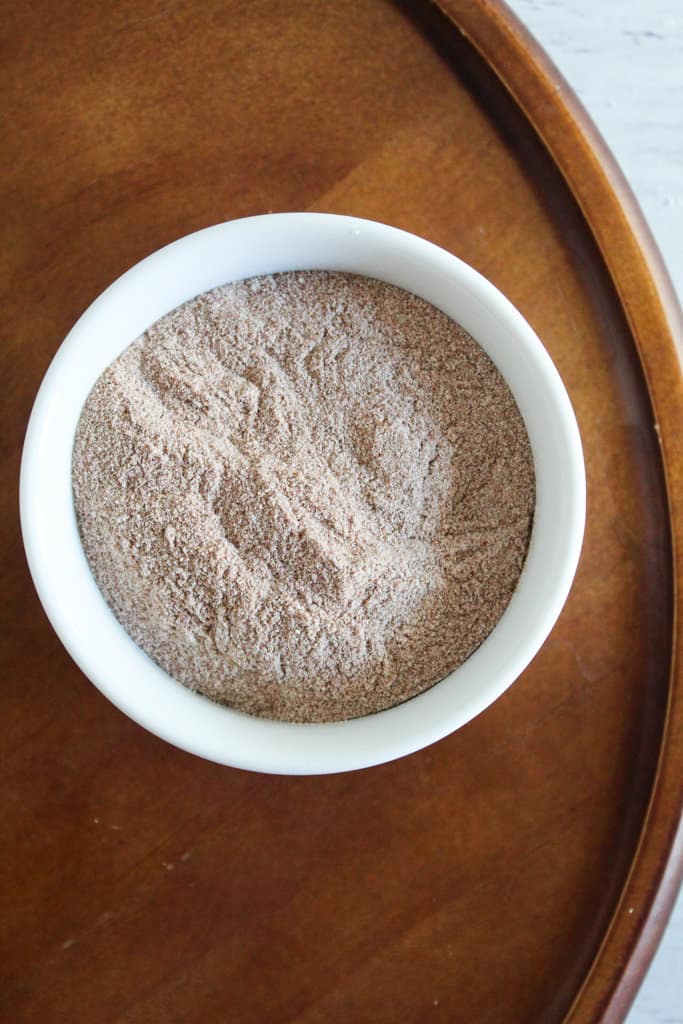
Teff flour lends a light, mild nutty flavor to baked goods and is packed with nutrients like iron and potassium.
Teff is also known for being the smallest grain in the world. Each teff seed is less than one millimeter in diameter, making it comparable in size to a poppy seed.
Due to its size, it’s very hard to grind your own teff flour at home. However, it’s easy to compare prices on teff flour brands with a bit of poking around.
Millet Flour
Millet flour is also a wonderful substitute for buckwheat flour. It contains 10.8 grams of protein and 3.5 grams of fiber per 100 grams.
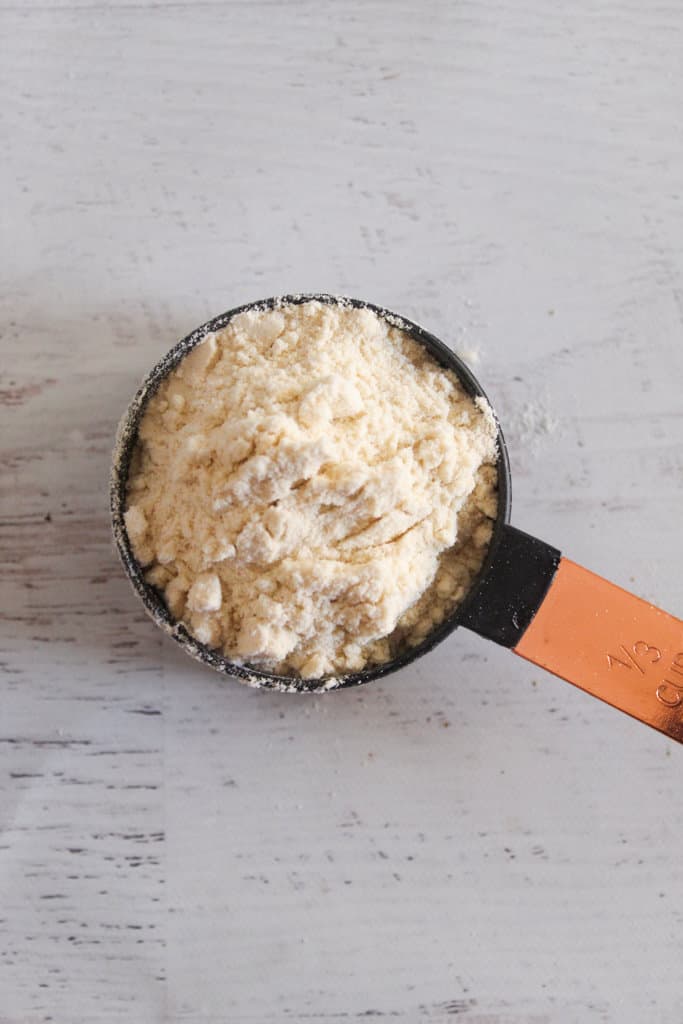
Millet is a versatile, gluten-free whole grain with a light, mild flavor. This makes it an excellent choice for both sweet and savory baking. Additionally, it provides a tender and delicate consistency to baked goods.
Amaranth Flour
Another terrific alternative for buckwheat flour is amaranth flour, which contains 13.2 grams of protein and 7.2 grams of dietary fiber per 100 grams.
Its fine consistency and mildly sweet, nutty flavor make it a great flour for gluten-free baking. Milled from the seed of an amaranth plant, amaranth flour is naturally gluten-free and can be used on its own or as part of a flour blend.
When baking with amaranth flour, you may need additional leavening agents in your recipe to avoid a dense texture. This is due to this flour’s ability to absorb large amounts of water.
Sorghum Flour
Another great substitute for buckwheat flour is sorghum flour. It contains 8.27 grams of protein and 8.16 grams of dietary fiber per 100 grams.
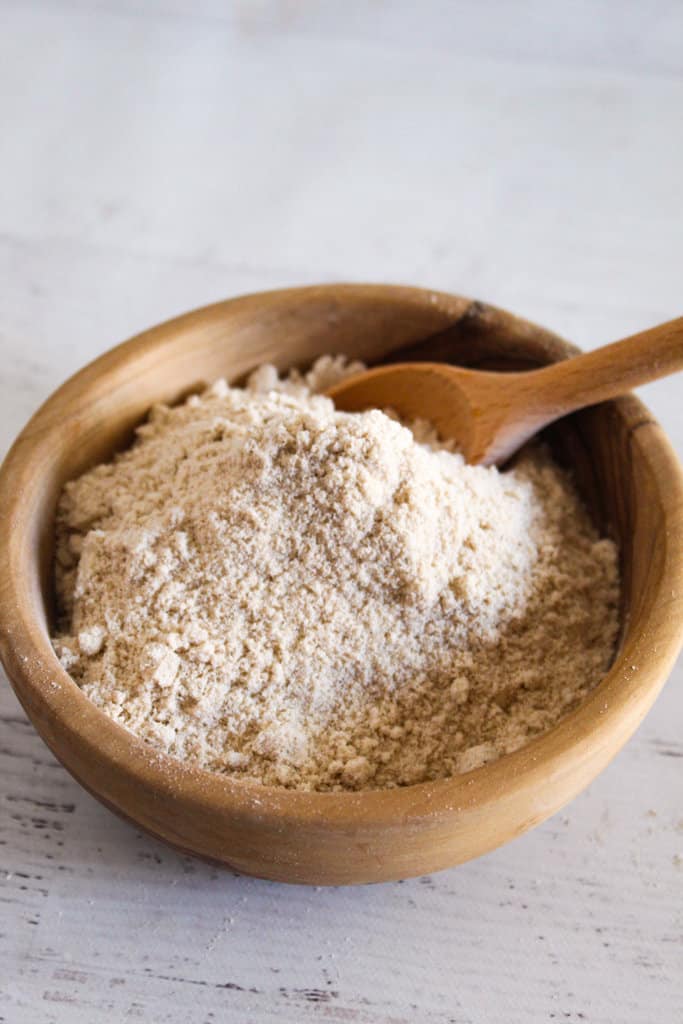
Sorghum is a popular crop in hot, dry climates due to its ability to withstand drought. The unprocessed version can have a strong flavor, but it is usually reduced during processing. Sorghum is commonly used for porridge, flatbreads, and cakes.
Other Buckwheat Flour Substitutes
These secondary substitutions also work well in gluten-free baking. They are considered secondary alternatives to buckwheat flour because they are best used in combination with buckwheat flour, rather than as a direct replacement. This is because of the difference in fiber and protein content compared to buckwheat. This increases the chance that they may alter the outcome of a recipe.
If you want to completely replace the buckwheat flour in your recipe, you can combine one of these secondary flours along with one of the 4 best alternatives listed above.
When replacing buckwheat flour altogether, you should use a flour mixture of about 1/2 to 2/3 of one of the optimal flour replacements listed above and 1/3 to 1/2 of the secondary flour replacements listed below.
Oat Flour
Oat flour is an excellent secondary substitute for buckwheat flour, offering versatility in baking. It provides a warm, nutty flavor that is milder than buckwheat.
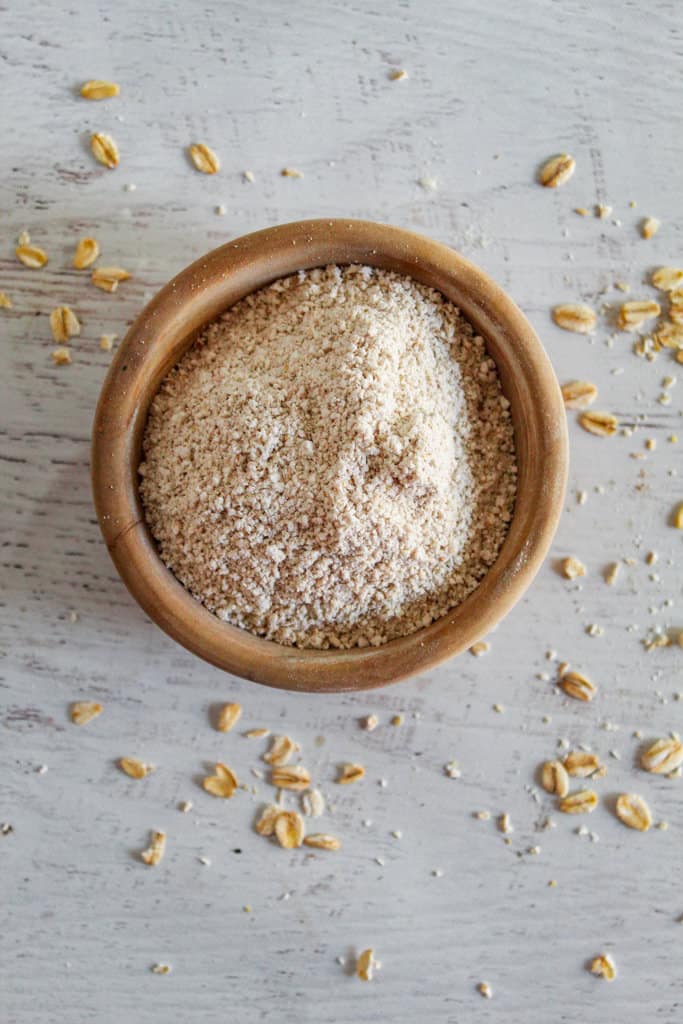
Oat flour is usually a good gluten-free pick for baked goods like muffins, cakes, and breads that are expected to be light and fluffy.
I like to look for brands that sell whole-grain oat flour, like Bob’s Red Mill or Anthony’s. Whole-grain oat flour contains 13.2 grams of protein and 10.5 grams of fiber per 100 grams.
Chickpea Flour
Another secondary substitute for buckwheat flour is chickpea flour. Made from ground garbanzo beans, chickpea flour (also known as garbanzo bean flour) has a creamy, earthy, and slightly sweet flavor.
Due to the high protein content that beans tend to have, chickpea flour contains 22.5 grams of protein and 10.8 grams of fiber per 100 grams. Due to its high protein and starch content, chickpea flour tends to be one of the best flours at retaining water.
This can lead to thicker batters and doughs and excessive moisture absorption, which affects the structure of baked goods. Compensating for this may require adjusting the amounts of flour and liquid ingredients you use in a recipe, and the time you allow the dough or batter to rest if the recipe calls for a rest time.
Although it may provide a denser texture than buckwheat flour, it performs very similarly in baking. Chickpea flour can be used in a variety of cakes and quick breads, as well as other doughs and yeast breads.
Quinoa Flour
Quinoa flour is another acceptable secondary substitute for buckwheat flour. It has a nutty, earthy flavor that is a little less sweet than buckwheat flour.
It contains 11.9 grams of protein and 6.95 grams of dietary fiber per 100 grams.
Quinoa flour is made from ground whole grain quinoa. It is naturally gluten-free and yields a tender crumb to baked goods. Because it absorbs a lot of moisture, it is best used in combination with other flours or with additional binders. Otherwise, your baked goods may be slightly drier, crispier, or crumbier.
Quinoa flour is a bit more on the expensive side. Luckily, it is pretty simple to make at home by toasting raw quinoa seeds and then grinding them down to a powder using a food processor or coffee grinder. It is necessary to toast the quinoa seeds to reduce bitterness and bring out the rich, nutty flavor.
Brown Rice Flour
Brown rice flour is also an option as a secondary replacement for buckwheat flour. It is made from ground whole grain brown rice. Its mild, nutty flavor and versatility in baking make it a common choice for gluten-free flour mixes. I like to use it when I make my own gluten-free flour mix, for instance.
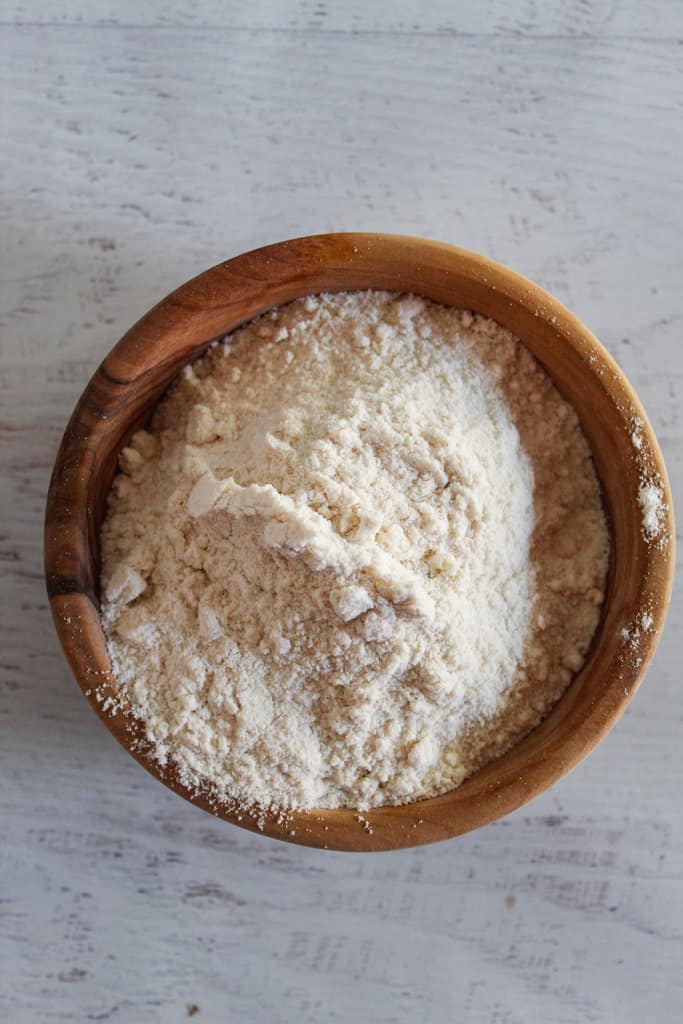
Brown rice flour contains 7.23 grams of protein and 4.6 grams of dietary fiber per 100 grams.
Brown rice flour has a slightly coarse, gritty texture and is slightly denser than buckwheat flour. In addition to being used in a variety of baked goods, it also works well as a thickener in gravies and sauces.
FAQs About Buckwheat Flour Substitutes
These gluten-free flours are among the best replacements for buckwheat flour. It’s understandable if you have some questions about them, though. I did my best to answer some of the most commonly asked questions here.
If you have a question I haven’t answered yet, feel free to ask in the comments section, and we’ll do our best to answer it as soon as possible.
What is the best way to store buckwheat flour or one of its replacements?
The important thing is to protect gluten-free flours from excessive moisture, heat, and odor. I like to store them in an airtight container in my pantry, where they can last 3-6 months. If you need to store gluten-free flour for longer than that, it can be kept in the freezer for up to one year. You’ll know flour has gone bad if it has a musty or sour odor.
Make sure the containers are completely dry before you put the flour in them. If you have multiple types of flour to store, be sure to label the containers so you can keep track of them.
What’s a good flour mix that can replace buckwheat flour?
I typically go with a blend of tapioca, potato flour, cornstarch, white rice flour, and brown rice flour for most recipes. This is the recipe that I usually use when I make my own gluten-free flour mix. I like to mostly use it when I want more choices about which gluten replacement to use, which I don’t always get when I buy a gluten-free flour blend. (A lot of them contain Xanthan gum.)
Is there another word for pseudo-grains?
You may also see them referred to as pseudo-cereals. Cereal grains are usually ones like wheat, rye, oats, corn, rice, and barley, all of which come from grasses in the Poaceae family.
Watch: How Different Flour Substitutes Work in Baking
If you’re experimenting with buckwheat flour substitutes, it helps to understand how different flours behave in recipes. This quick video explains several healthy flour alternatives and when they work best in baking.
Recipes You Can Make With Buckwheat Flour or Its Substitutes
These are some of my favorites for trying out buckwheat and its most common replacements.
- Gluten-Free Buckwheat Bread Recipe (Bread Machine Friendly & Foolproof)
- 4-Ingredient Buckwheat Crepes: Gluten Free & Dairy Free
- Buckwheat Biscuits Recipe: Easy & Gluten Free
- Buckwheat Banana Bread
- Easy Buckwheat Pancakes: Gluten-Free, Fluffy, and Delicious
If you’re going gluten-free, buckwheat flour is an easy flour to reach for when you want something that can easily replace wheat flour. These replacements should work in a pinch, though. If you have any questions or comments, feel free to let us know in the comments section.
What’s Your Favorite Way to Use Buckwheat Flour?
Have you tried any of these buckwheat flour substitutes in your baking? Share your favorite recipe or substitution tip in the comments. We’d love to hear what worked for you!