Almond-flour brownies often turn out oily, grainy, or dry. Little mistakes, like overbaking or using the wrong grind, can ruin the texture.
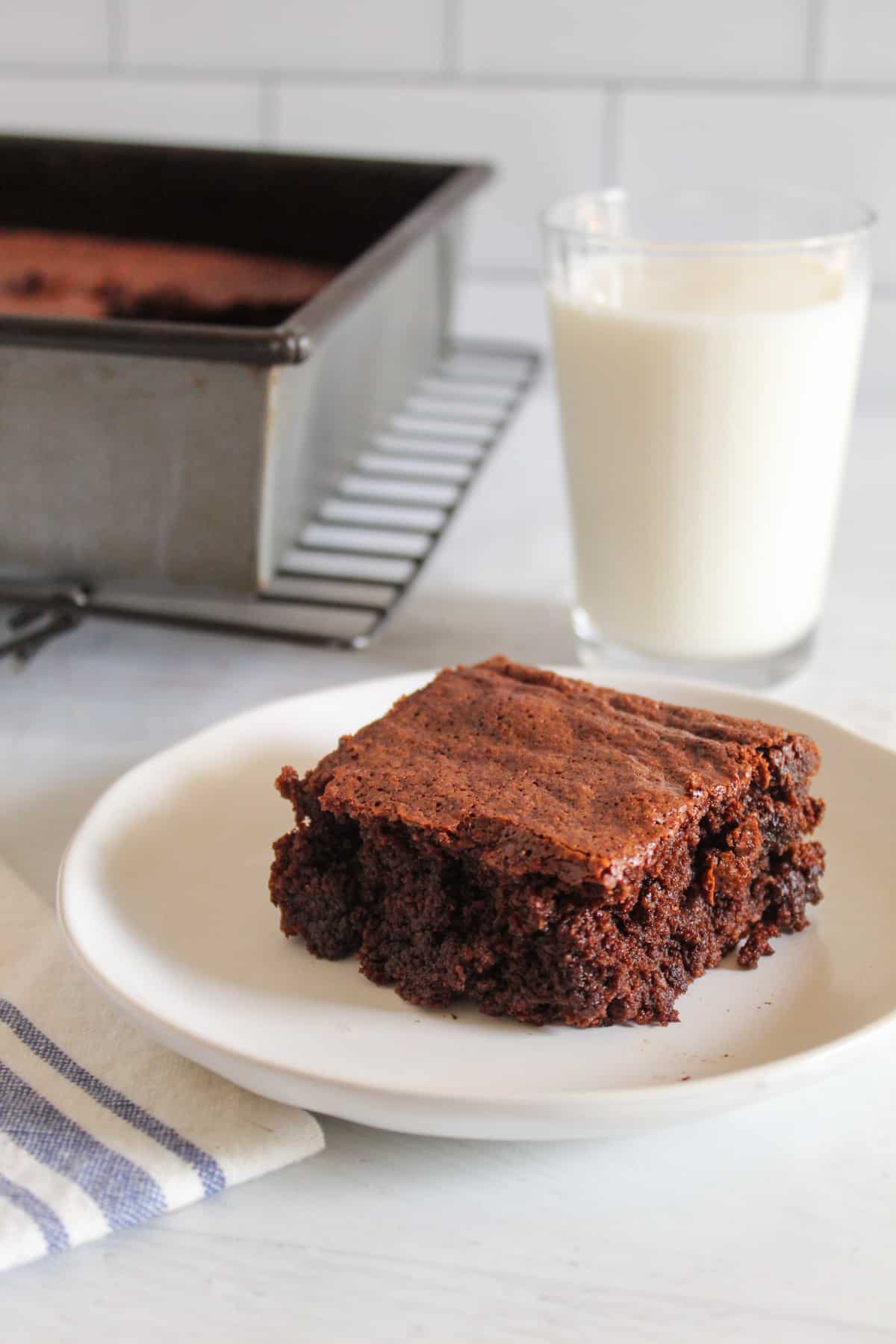
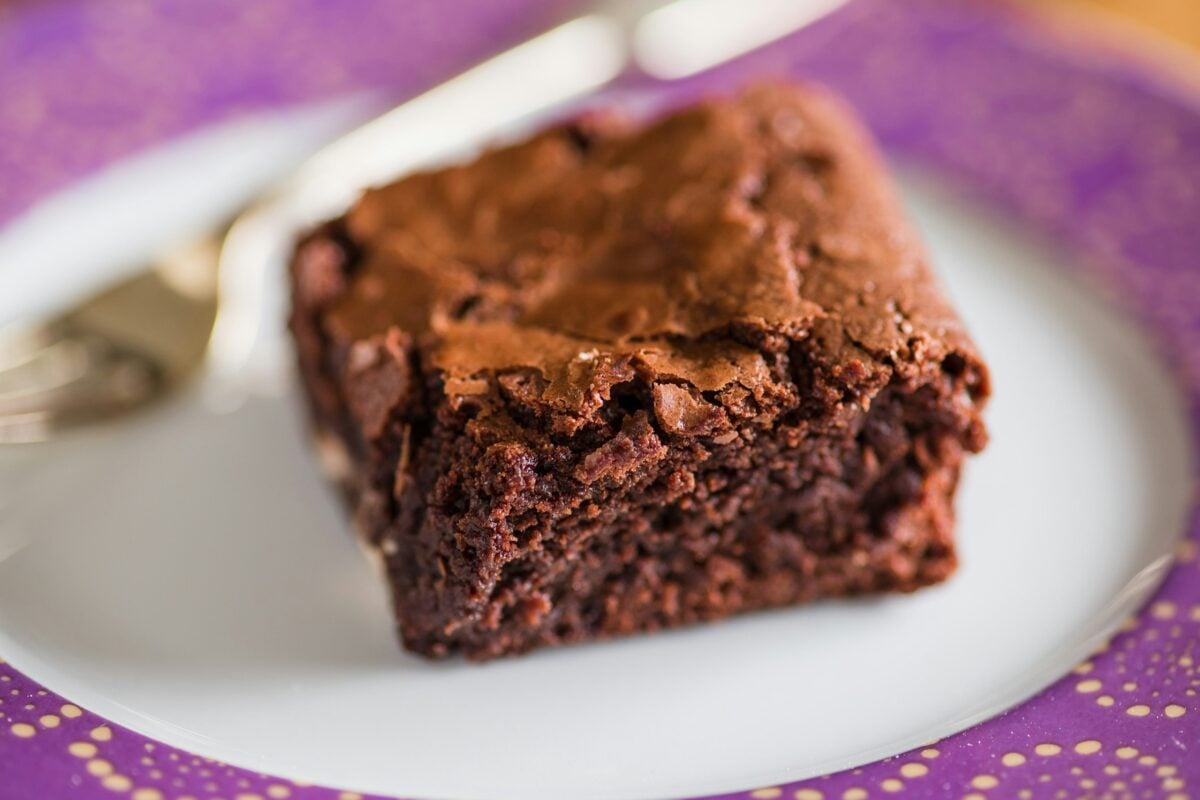
This recipe fixes that issue by providing brownies with a crackly top and a fudgy center, without the grit or excess oil. The method is built for consistency, letting you focus less on uncertainty and more on reliable results.
Table of Contents
It’s designed for gluten-free, low-carb, or anyone baking with almond flour, seeking consistent results. If you’ve tried recipes like our Moist Almond Flour Coffee Cake Recipe, you’ll find this approach follows the same principle: controlled moisture, balanced structure, and repeatable outcomes.
Now, let’s look at how it works in practice.
Quick Recipe Snapshot
Below is precisely what to anticipate before you start making these brownies:
| Detail | Info |
|---|---|
| Prep time | 10–15 minutes |
| Bake time | 22–35 minutes |
| Texture | Fudgy by default (adjust bake time for cakey) |
| Difficulty | Easy |
| Diet | Gluten-free |
| Calories | 230 |
Quick Ingredient Scan List
Before exploring the measurements and substitutions, here’s a quick look at the core ingredients—setting the stage before moving deeper into the details:
- Almond flour
- Cocoa powder or melted chocolate
- Eggs
- Butter or oil
- Sweetener
Ingredient Breakdown
Each ingredient has a specific role. In this section, you’ll understand what each one does and why it matters to the recipe’s success.
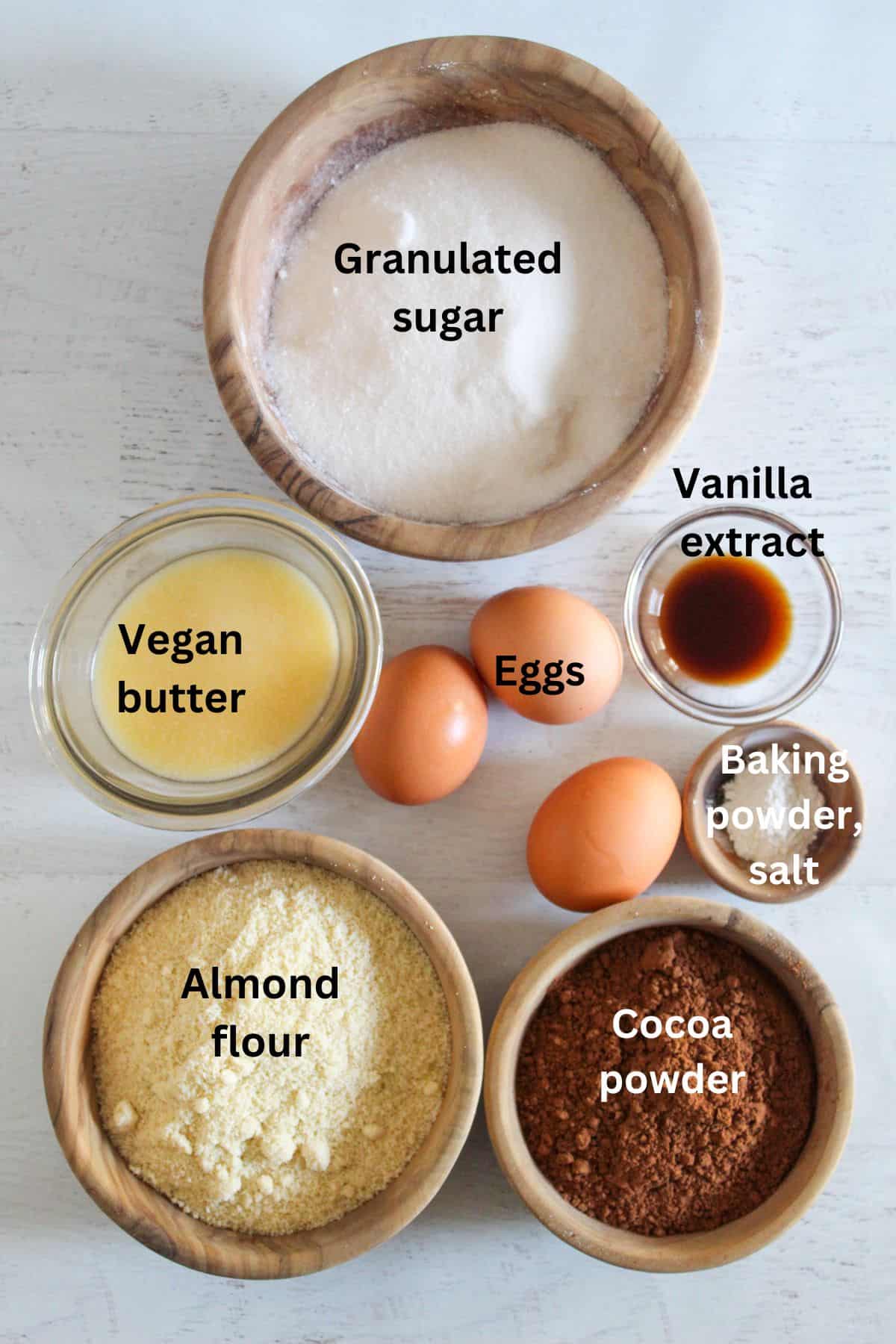
Almond Flour
Provides structure and moisture. Use finely ground almond flour only. Because almond meal creates a grainy texture, it should not be used.
Cocoa Powder
Adds chocolate flavor and balances richness. Use unsweetened cocoa for consistent results.
Eggs
They bind the batter and provide structure. Egg substitutes will produce a softer result.
Sweetener
Adds sweetness and affects texture. It creates a crackly top and slight chew.
Butter
Adds richness and supports a soft texture. Other fats may slightly change flavor.
Supporting Ingredients
- Vanilla extract enhances flavor (no substitute)
- Baking powder adds light structure (no substitute)
- Salt balances sweetness and sharpens flavor
You’ll see this approach applied in other recipes, such as our Almond Flour Chocolate Cupcakes, demonstrating the same dependable structure.
Printable Almond Flour Brownies Recipe Card
Ingredients
- 5 Tablespoons vegan butter melted
- 1½ cups granulated sugar about 300grams
- ¾ cups unsweetened cocoa powder about 64grams
- 1½ teaspoons vanilla extract
- 3 large eggs
- 1½ cups almond flour about 145grams
- 1 teaspoon baking powder
- ½ teaspoon salt
Instructions
- Preheat the oven to 350°F (175°C). Then spray an 8-inch baking pan with cooking spray.
- In a large bowl, add melted butter, sugar, cocoa powder, vanilla extract, and eggs. Then, mix until fully combined (about 30 seconds).
- Add almond flour, baking powder, and salt.
- Mix until fully combined, making the batter thick.
- Spread batter evenly into the prepared pan.
- Bake for 32-35 minutes, or until a toothpick inserted into the center of the brownies comes out with no wet batter.
- Let the brownies cool for 1 hour before slicing.
Notes
Doneness Cues
- The toothpick inserted in the center should have no wet batter.
- Edges will be set, center slightly soft.
- The top should look dry, not glossy.
Notes (Mistakes + Tips)
- Do not substitute almond flour, as doing so alters the structure.
- Do not replace all sugar, as that will impact texture.
- The batter is thick, so use a sturdy spoon.
- Let it cool fully to prevent crumbling.
- Weigh ingredients for accuracy.
Success Tips
- Use finely ground almond flour (in an airtight container).
- Do not overmix.
- Do not overbake because it leads to dryness.
- Cooling time is required for the structure.
Storage
- Room Temperature: Up to 2 days (airtight container).
- Freezer: Wrap individually and store up to 2 months.
- Reheat: Microwave for 10–15 seconds.
Calories & Nutritional Estimate (Per 1 serving)
- Calories: ~230 kcal
- Carbohydrates: ~28–32g
- Fat: ~10–14g
- Protein: ~3–5g
Nutrition
Did you make and love this recipe? Give it your review and rating below! And make sure to follow me on Instagram, Pinterest, and Facebook , too!
Why These Brownies Work
The result comes from the characteristics of almond flour in baking.
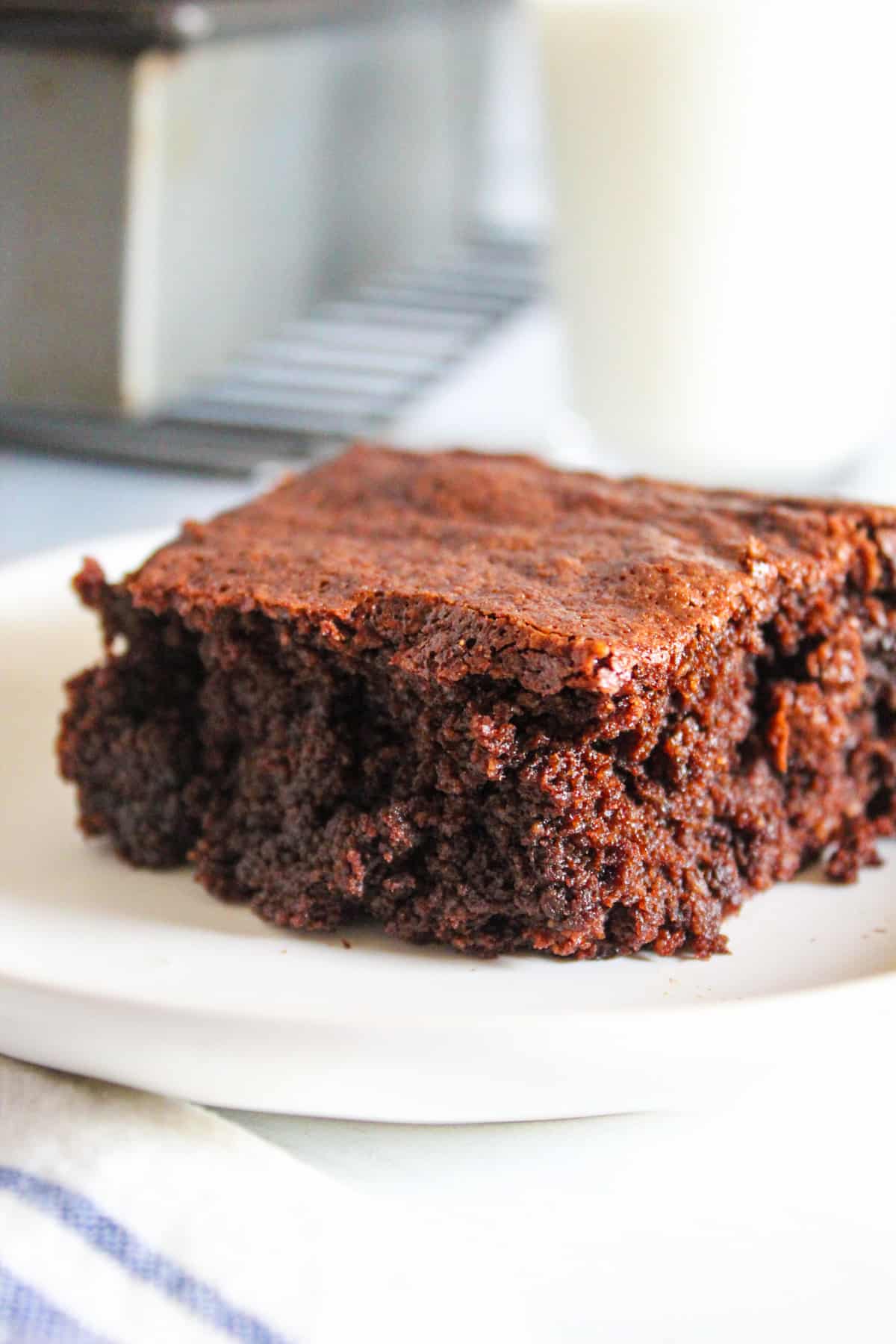
High Fat Content Means Better Moisture
Naturally, almond flour contains more fat than standard flour. This fat retains moisture during baking, keeping these brownies fluffy and fudgy rather than drying out.
No Gluten Gives Rise to Softer Crumb
In the absence of gluten, the crumb remains fluffy and slightly dense instead of firm or chewy. This shifts the texture toward fudgy rather than cakey.
More Moisture, Less Structure
Compared to wheat brownies, these hold less structure but more moisture. That trade-off produces a softer, more consistent texture throughout.
Prevents Common Gluten-Free Issues
Several gluten-free recipes turn out dry or crumbly. Almond flour avoids this by keeping the batter stable and evenly hydrated.
How to Make These Brownies (Step-by-Step)
To get consistent results, it’s important to follow each step in order. Even small shortcuts or rushed steps can affect the final texture.
Essential Kitchen Tools You Need for This Recipe
Before you begin, having the right tools ready will make the process smoother and more precise. With these assembled, you’re set for success as you tackle the following instructions.
- 8-Inch Square Baking Pan: Controls thickness and bake time
- Stainless Steel Mixing Bowl Set: For combining ingredients evenly
- Silicone Spatula Set: For mixing thick batter and scraping
- Measuring Cups and Spoons Set: Ensures accurate ratios
- Oven Thermometer: Keeps temperature at 350°F
Now, follow these step-by-step instructions for reliable results:
Step 1: Preheat and Prepare the Pan
Preheat your oven to 350°F (175°C). At the same time, lightly grease an 8-inch baking pan.
This step matters because an evenly coated pan prevents sticking and helps the brownies release cleanly after baking.
Step 2: Mix the Wet Base
Next, add melted butter, sugar, cocoa powder, vanilla extract, and eggs to a bowl. Then, mix until smooth and fully combined.

You’ll know it’s ready when the mixture looks glossy, with no visible dry cocoa pockets.

Step 3: Add Dry Ingredients
Once the wet base is smooth, add the almond flour, baking powder, and salt directly into the same bowl.
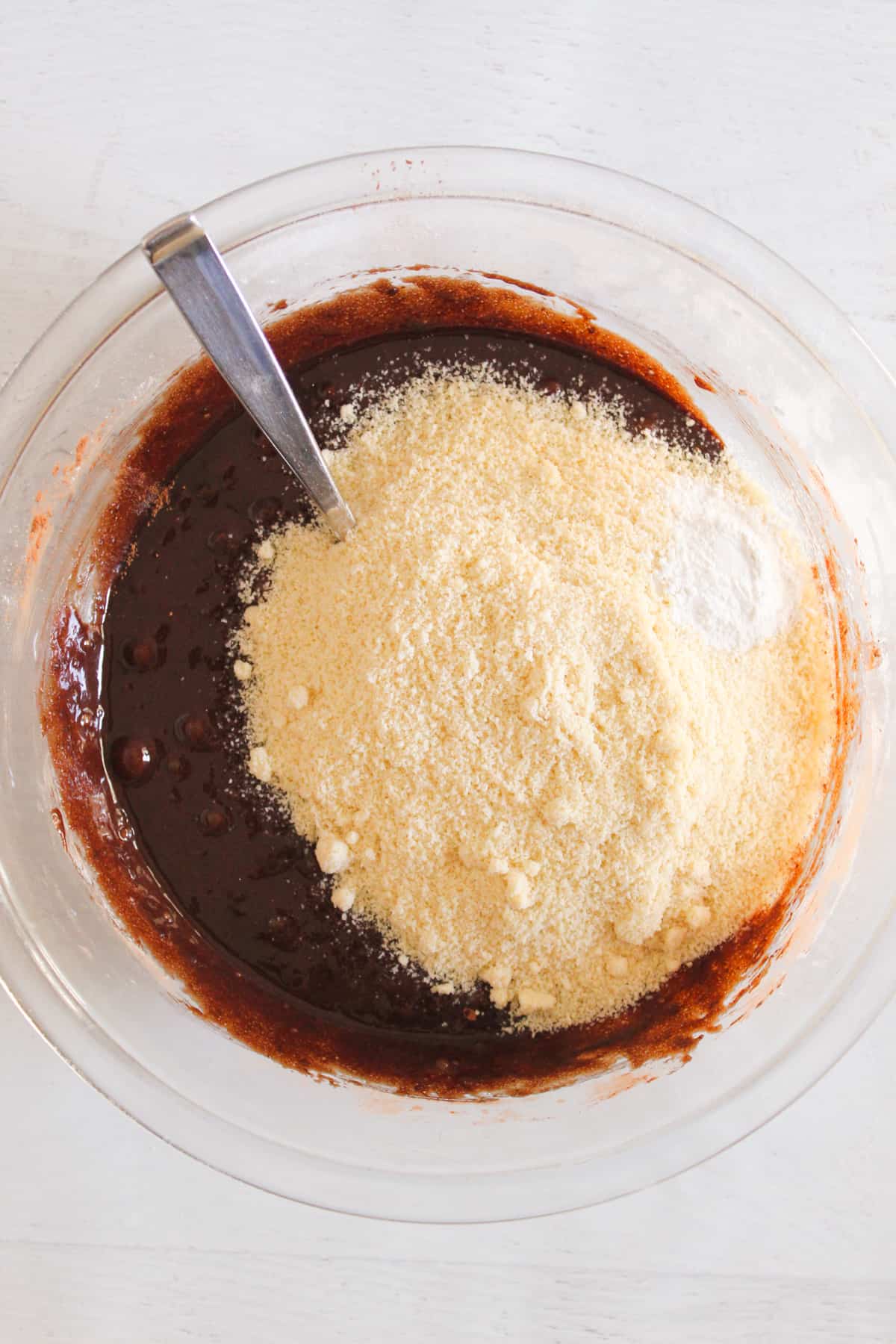
Before mixing, make sure the dry ingredients are evenly distributed on top and free of clumps.
Step 4: Form the Batter
Now, mix everything together until a thick, uniform batter forms.
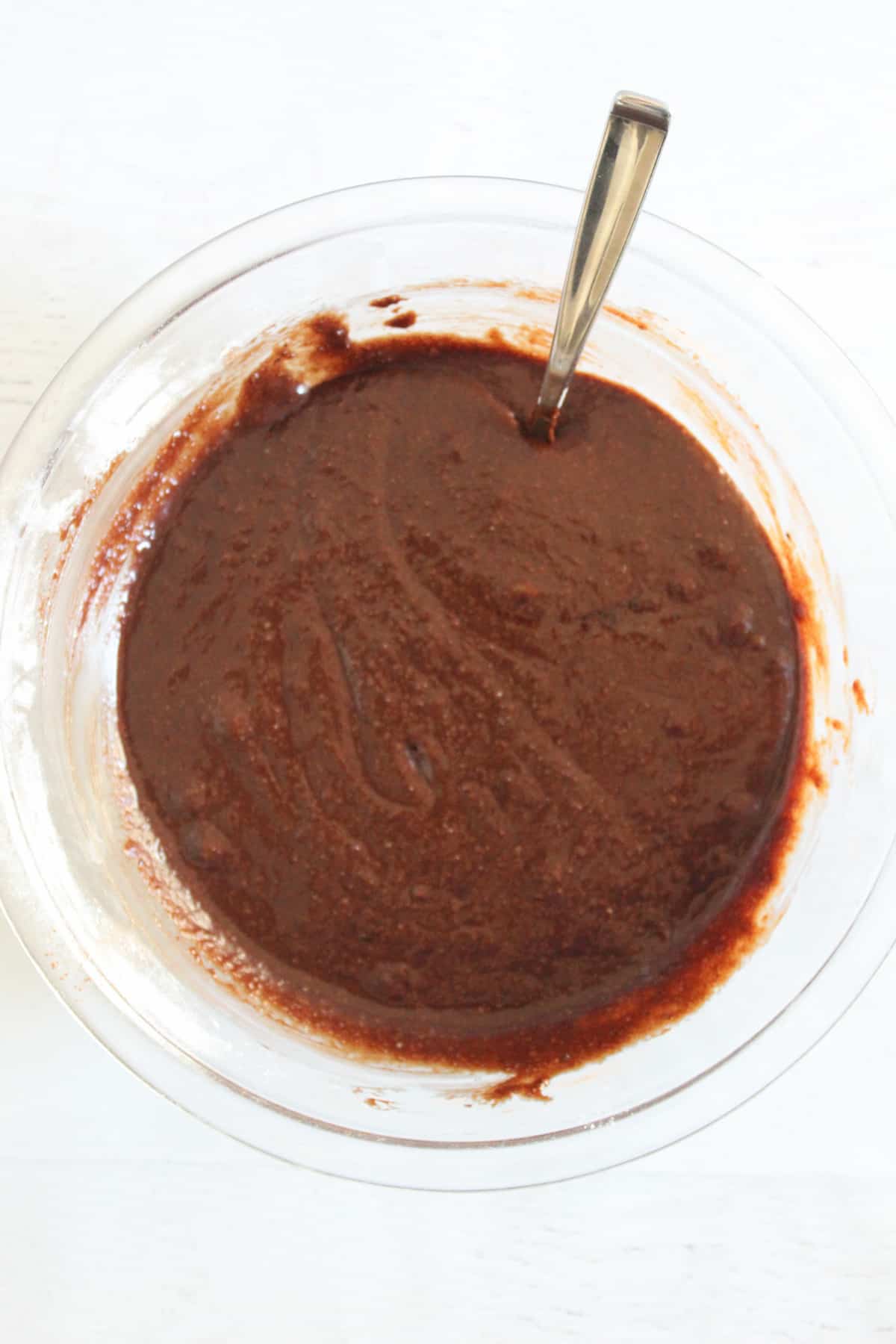
At this stage, the batter should feel dense rather than runny. This thickness is essential for achieving a fudgy texture.
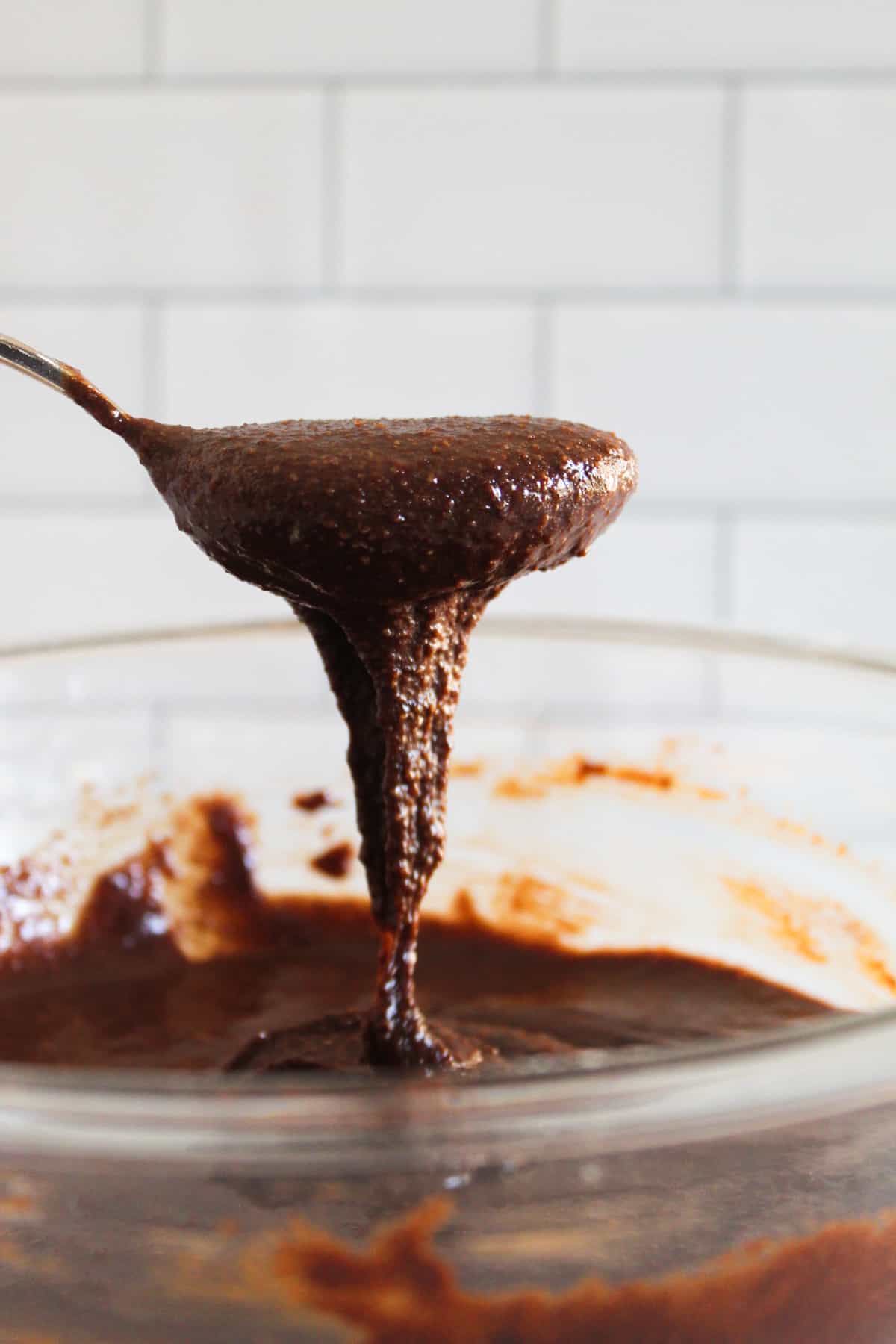
Step 5: Spread Evenly
Transfer the batter into your prepared pan and spread it out evenly.
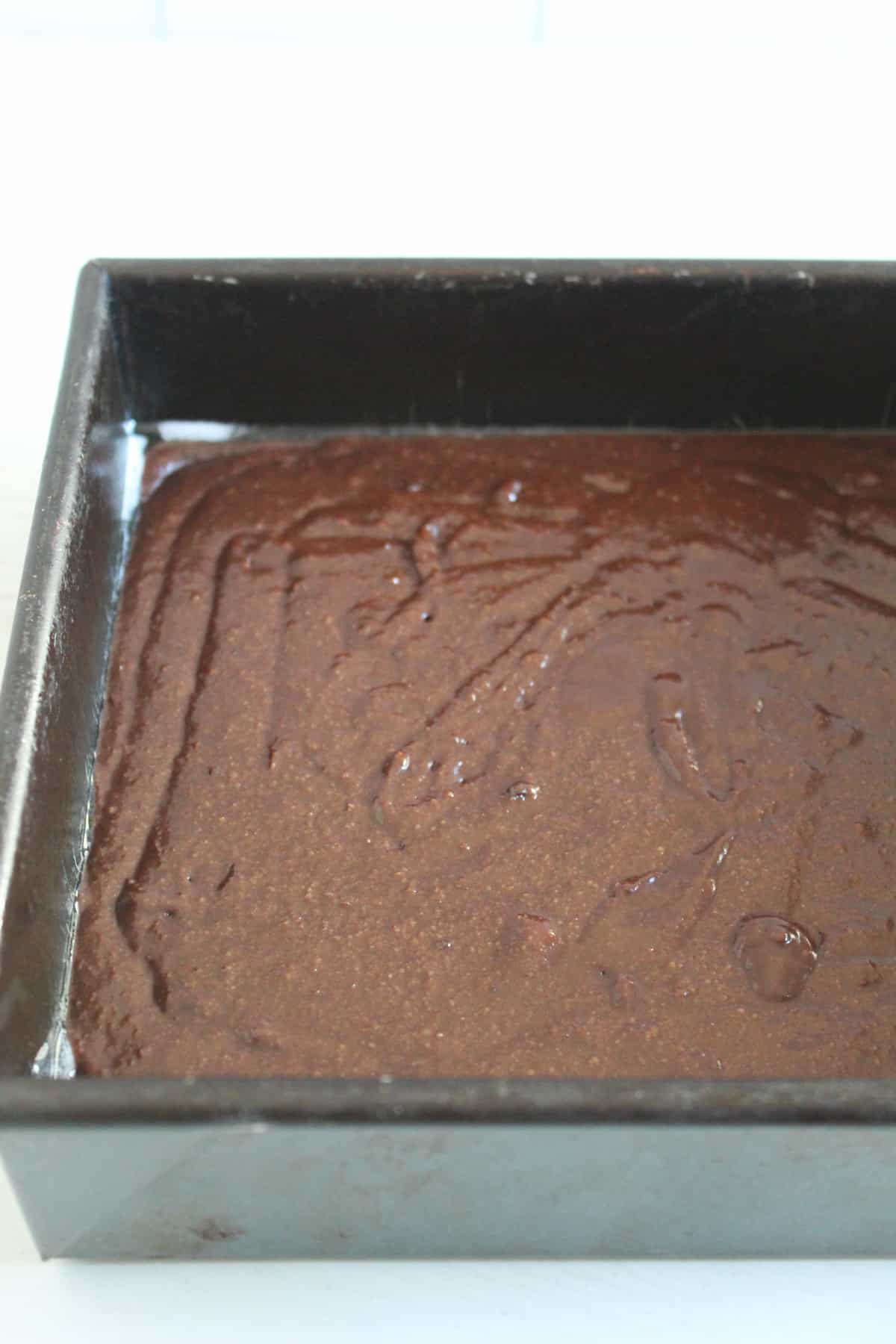
Because the batter is thick, it may resist spreading slightly. Use a spatula to smooth the top for even baking.
Step 6: Bake and Cool
Finally, bake for 32–35 minutes at 350°F. Remove the brownies when a toothpick inserted into the center comes out clean (a few moist crumbs are fine).
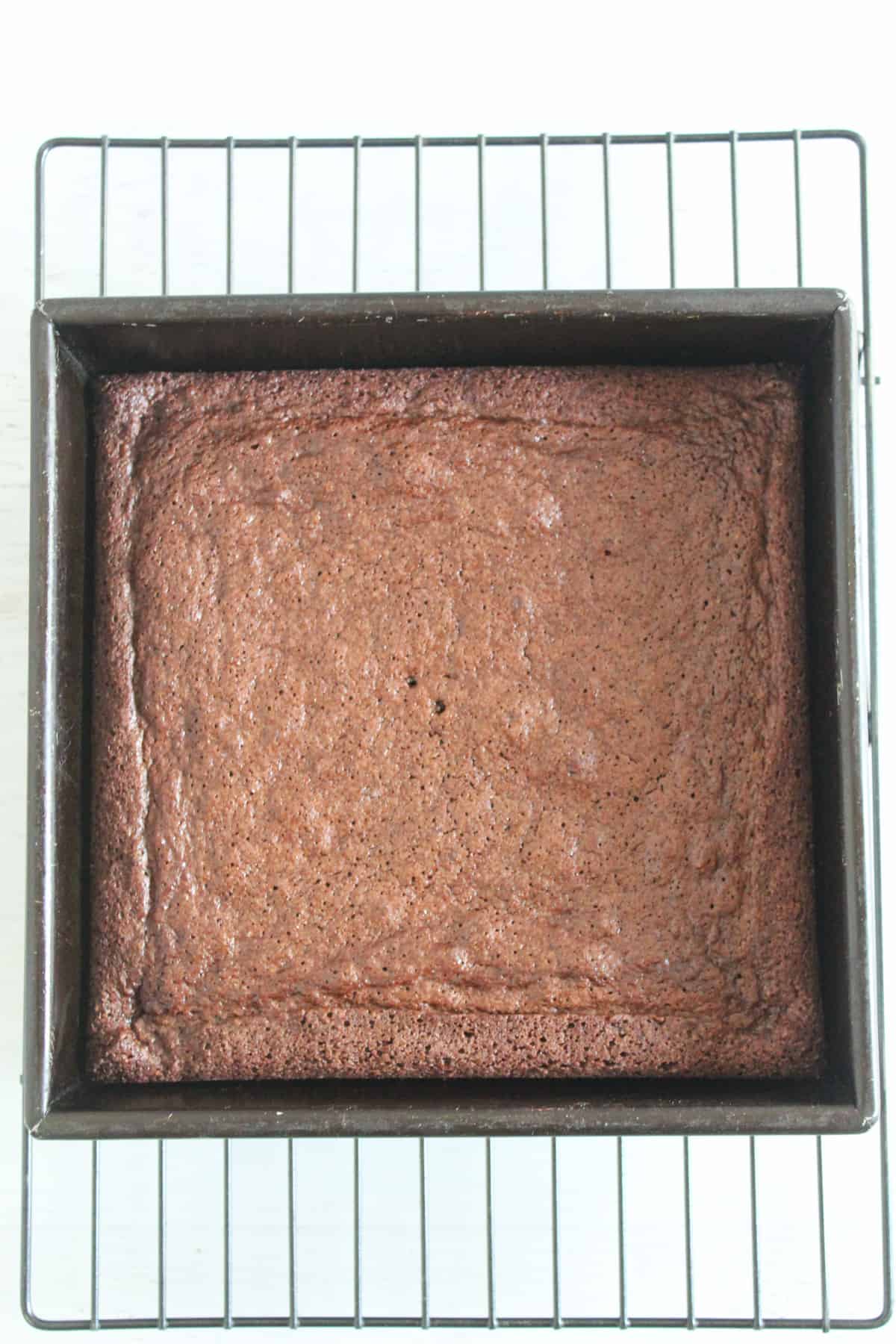
After baking, let them cool for at least 1 hour before slicing. The edges will set first while the center remains soft, and the structure will firm up as they cool.
Fudgy vs Cake Almond Flour Brownies
This is why your brownies don’t meet your expectations: small changes in timing and ratios can completely shift the texture.
Fudgy Almond Flour Brownies
Fudgy brownies come from higher moisture and shorter bake time. In this recipe, that means pulling the brownies out closer to the lower end of the bake range. The center should still be slightly soft when removed from the oven.
Also, extra fat pushes the texture toward fudgy. Almond flour already contains natural fat, and when combined with butter, it produces a dense, rich consistency. The result is a soft interior that firms up slightly as it cools but stays moist.
Cakey Almond Flour Brownies
Cakey brownies require more structure and longer baking. Leaving the brownies in the oven closer to the full bake time reduces moisture and sets the crumb more firmly.
The texture becomes lighter and more stable, with less density in the center. Eggs and baking powder play a bigger role here, helping the brownies hold shape rather than stay soft.
What Controls the Final Texture
- Baking for less time keeps the center soft and fudgy.
- Baking for longer makes the brownies firmer and more cake-like.
- Using more fat gives a richer, softer texture.
- Using less fat makes the brownies firmer and more structured.
This same balance shows up in recipes like our Tasty Almond Flour Blueberry Muffins.
Common Mistakes You Can Make With This Recipe and How to Fix Them
Most issues with this recipe stem from minor timing, ingredient, or ratio mishaps. Fix these, and the results become consistent.
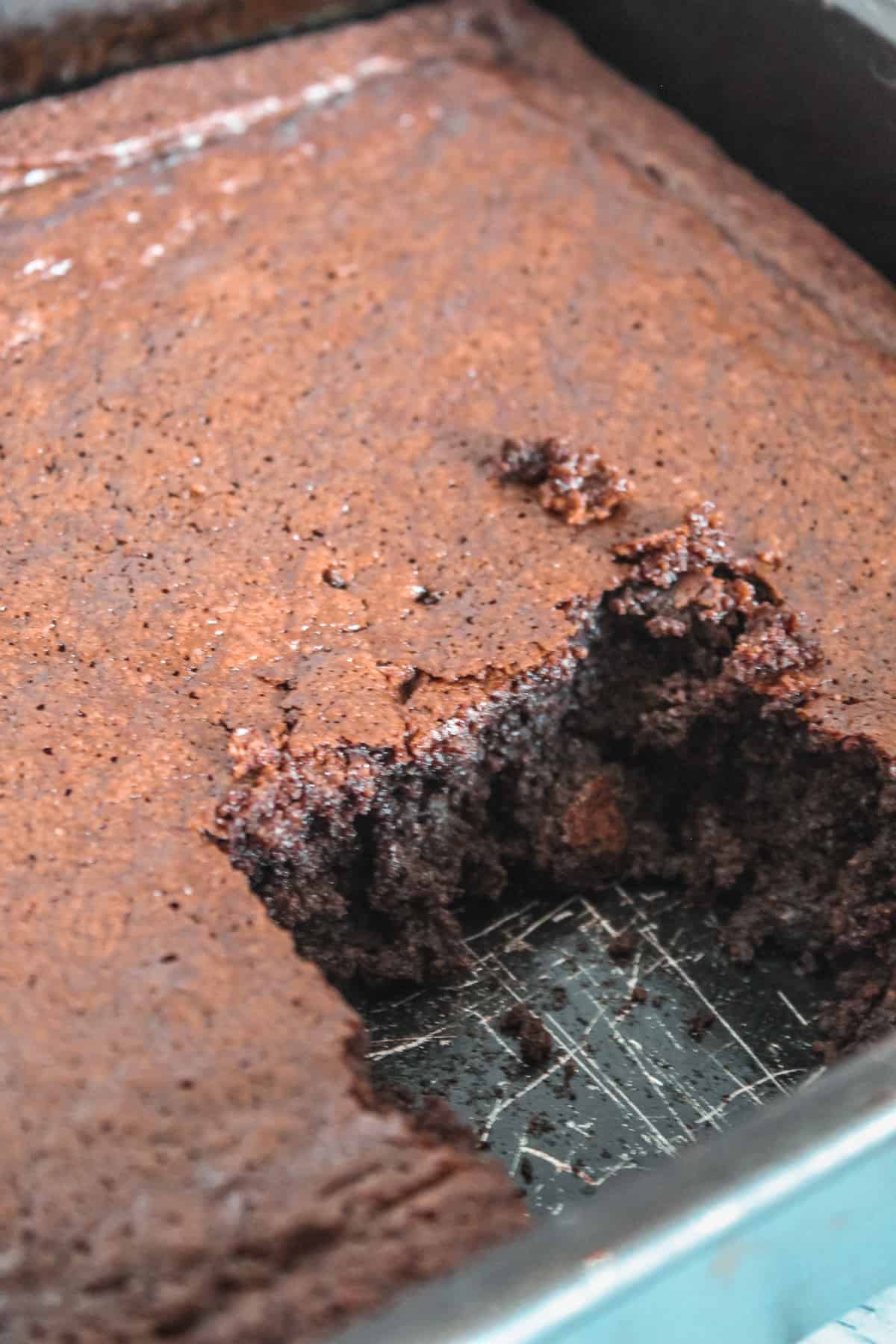
Overbaking
This is the most common problem. Almond flour holds moisture well, but once overbaked, that moisture is lost, leaving you with dry, crumbly brownies.
To fix this, remove the batter from the oven when the center is just set and a toothpick comes out clean. However, a few moist crumbs are fine.
Underbaking
If your brownies come out too soft or fall apart, they are probably underbaked. The center hasn’t had enough time to set properly.
Resolve this by baking closer to the full time range and allowing proper cooling. Structure develops as the brownies cool.
Wrong Almond Flour
Should you choose almond meal over finely ground almond flour, you will end up with a rough, grainy texture. Also, the batter won’t bind smoothly.
Therefore, always use finely ground almond flour. It should feel soft and powdery, not coarse.
Fat Imbalance
Too much butter or incorrect ratios can cause excess oil to separate during baking. This creates a greasy surface and heavy texture.
On that note, stick to the exact measurements. Almond flour already contains fat, so adding too much extra fat disrupts the balance.
Cutting Too Early
Slicing before the brownies cool completely causes them to break apart. They haven’t set yet. Therefore, let them cool for at least 1 hour before cutting.
Different Ways to Make Your Brownies
Once you understand the base method, you can start adjusting the recipe while still maintaining structure and texture. The key is making controlled swaps without disrupting the balance.
Keto Brownies
To make a keto version, substitute the granulated sugar with a low-carb sweetener like erythritol or a monk fruit blend.
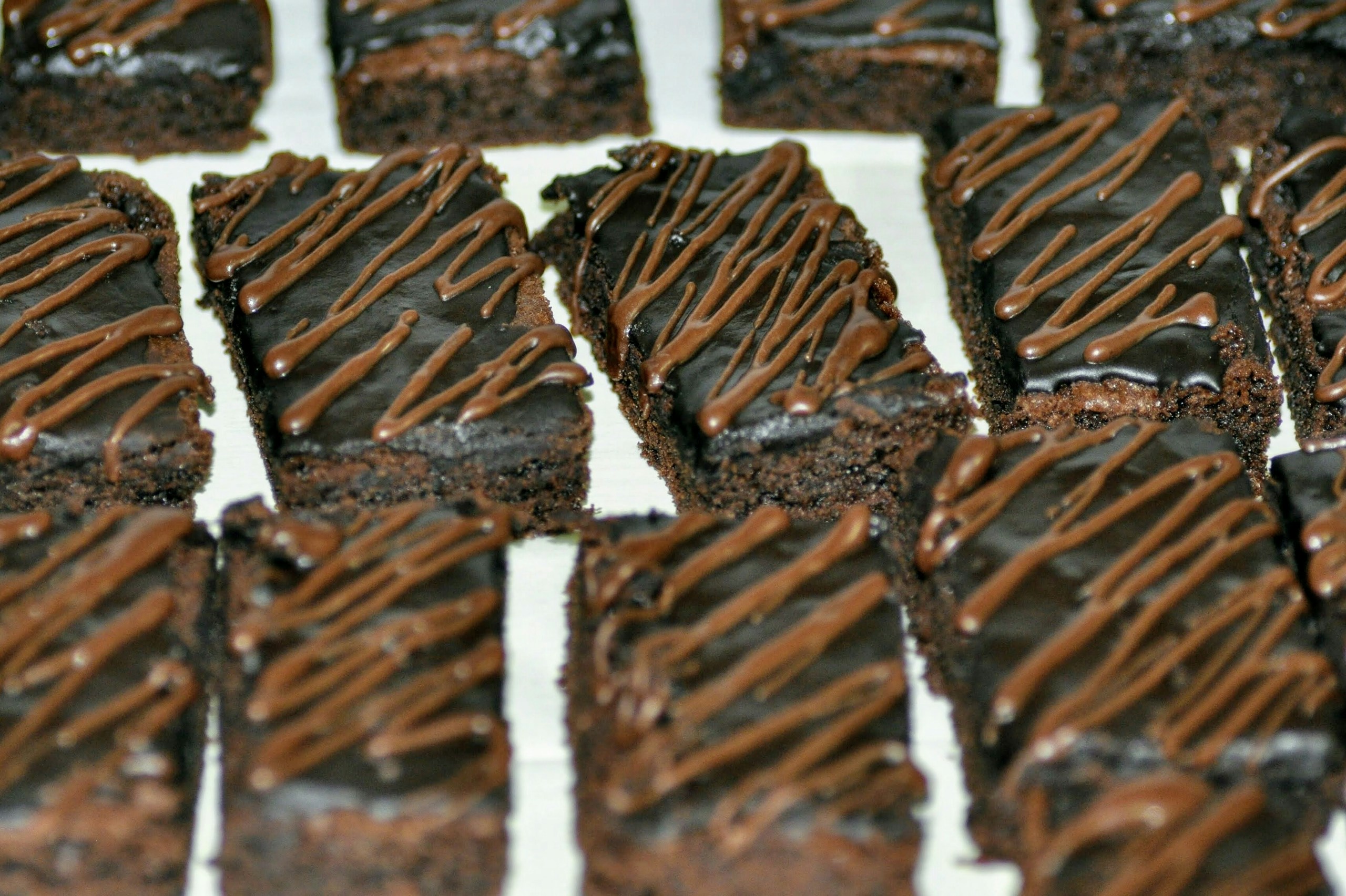
However, keep in mind that these sweeteners don’t behave exactly like sugar. As a result, the texture may be slightly less chewy, and the top may not develop the same crackly finish.
To maintain consistency, avoid changing the almond flour or egg ratios.
Dairy-Free Version
Replace butter with a plant-based alternative or a neutral oil to maintain the same fat balance while eliminating dairy. The texture remains fluffy and fudgy, but the flavor may be slightly lighter depending on the fat used.
Sugar-Free Brownies
For a completely sugar-free version, use a granulated sugar substitute designed specifically for baking.
At the same time, avoid liquid sweeteners, as they can throw off the moisture balance and make the batter too wet. Maintaining a stable dry-to-wet ratio is essential for proper structure.
Chocolate Chip Brownies
Fold in chocolate chips before baking for extra texture and pockets of melted chocolate. This does not affect the structure but increases richness. Also, adjust the sweetness slightly if using sweetened chips.
Nut-Free Alternative
Almond flour is essential to this recipe, so it cannot be replaced directly without altering the structure. For a nut-free option, use a different recipe made with wheat- or seed-based flour instead.
These same controlled swaps are used in recipes like our Spiced Gluten-Free Pumpkin Chocolate Chip Cookies.
What to Serve With Your Brownies
Once your brownies are baked and set, what you pair them with can change the whole experience.
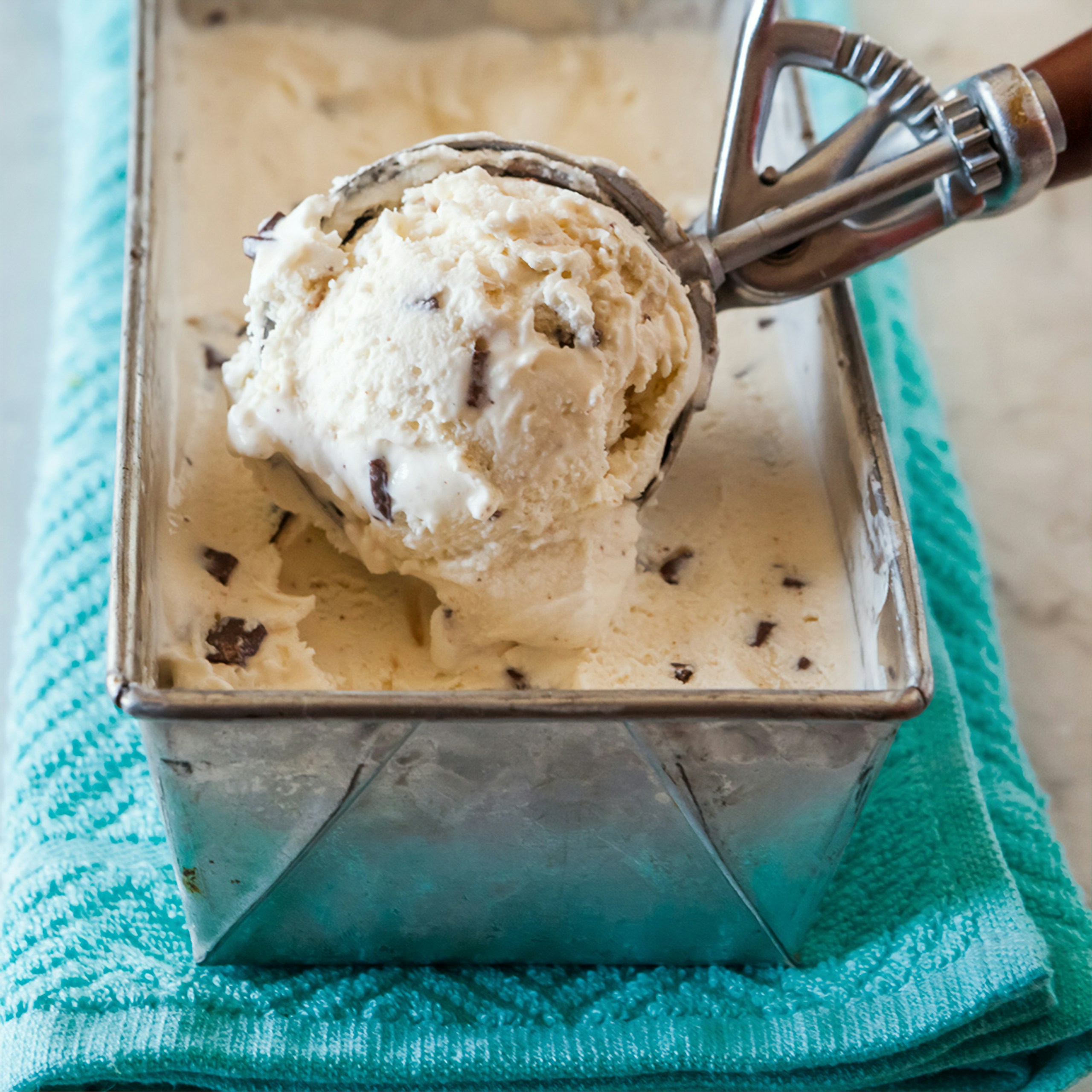
Ice Cream
Serve brownies warm with a scoop of vanilla ice cream. The contrast between hot and cold produces a softer texture and adds creaminess. This is one of the most common pairings because it balances the richness of the brownies.
Whipped Cream
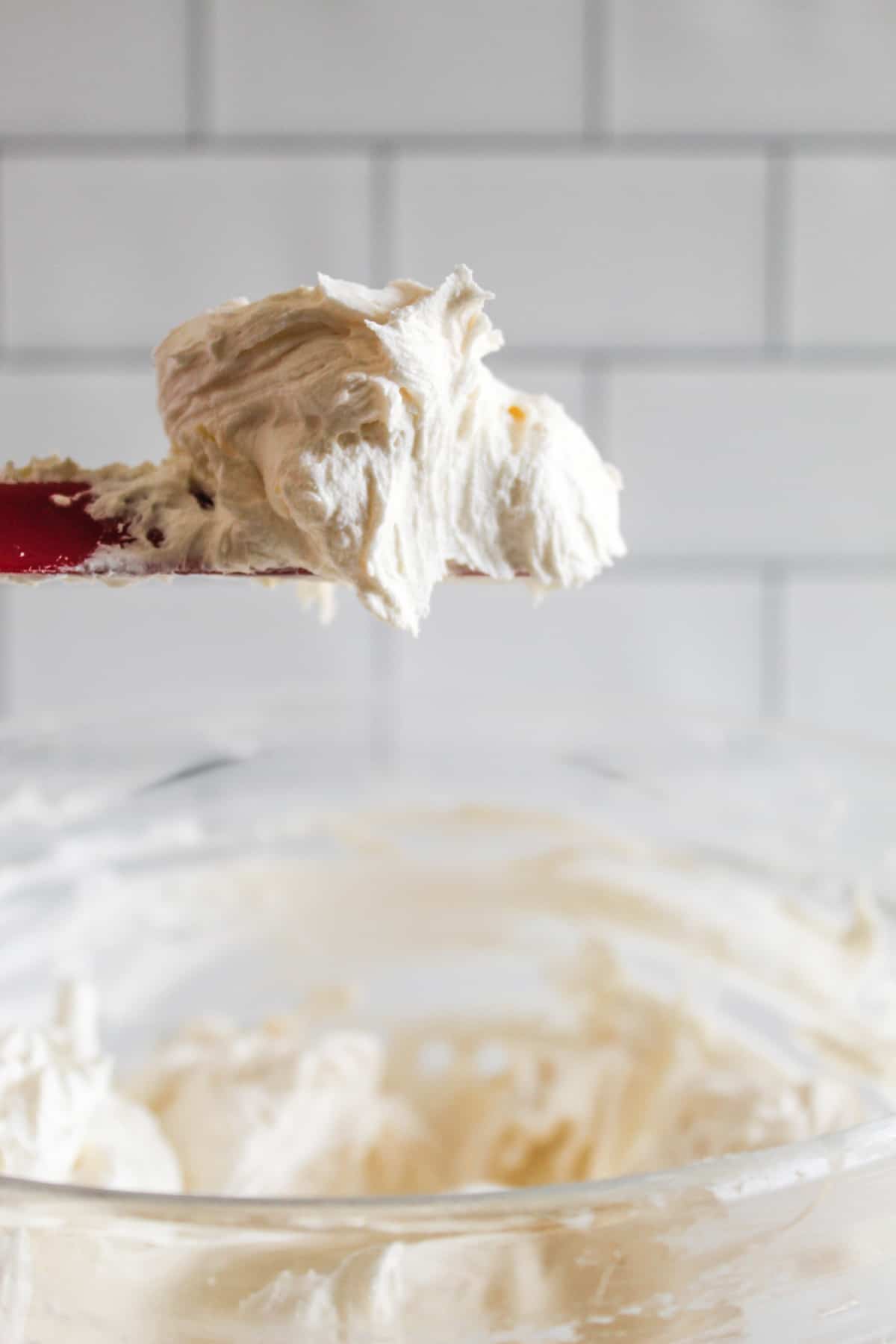
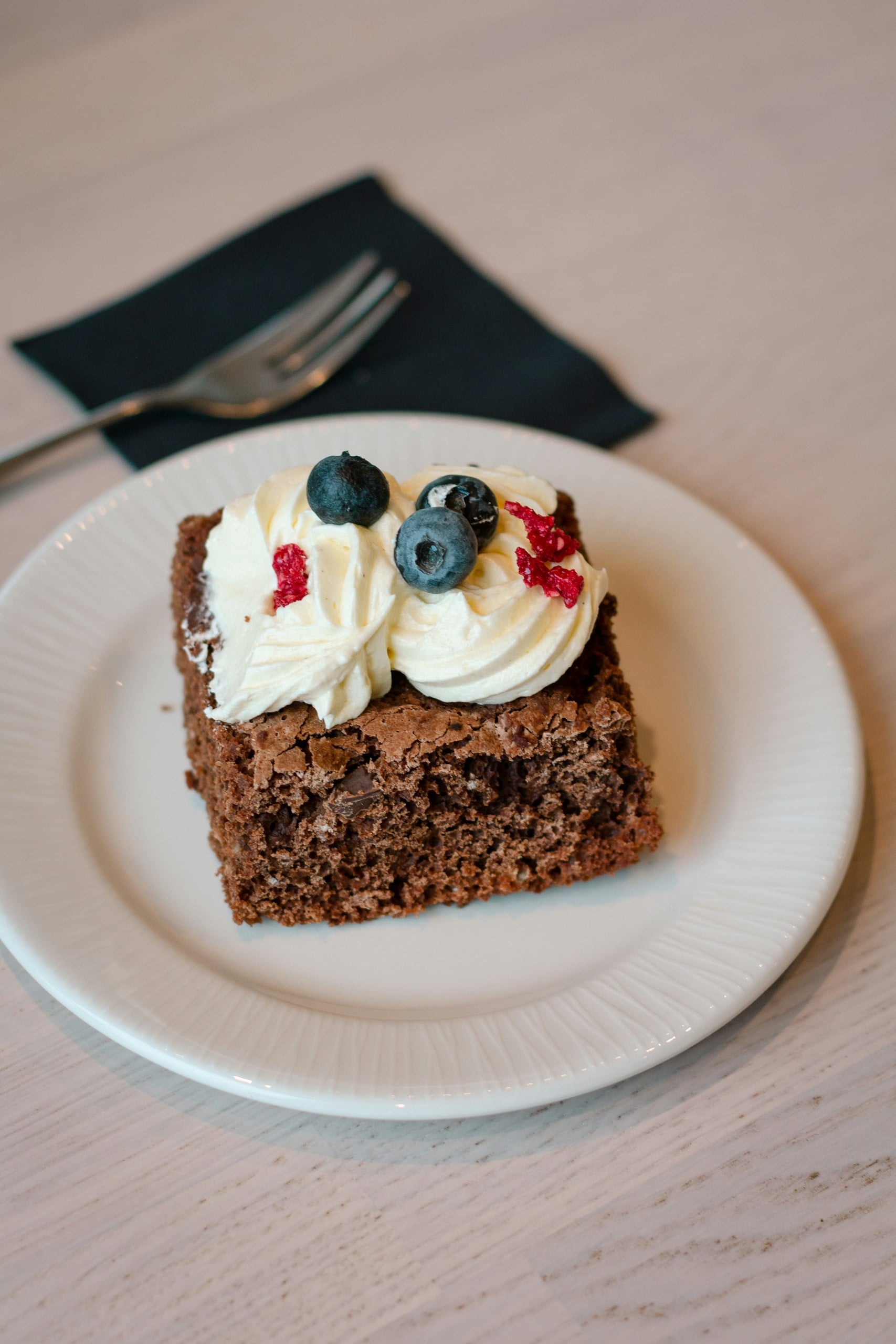
Whipped cream keeps things lighter. It adds softness without making the dessert too heavy. You can also flavor it slightly or pair it with toppings like our Lemon Buttercream Frosting for a different finish.
Berries
Fresh berries cut through the richness. Strawberries, raspberries, or blueberries add acidity and keep the dessert from feeling too dense. They also add texture contrast without changing the base flavor.
Simple Combinations That Work
- Warm brownies + ice cream
- Brownies + whipped cream + berries
- Brownies + fruit only (lighter option)
Storage, Freezing & Reheating
Once your brownies have cooled and set, storing them properly helps maintain their texture.
Storage (Fridge)
Place brownies in an airtight container and refrigerate for up to 5 days to maintain structure and prevent them from becoming too soft. But let them sit at room temperature for a few minutes before eating for a better texture.
Freezing
If you need to store them longer, freezing is the best option. Wrap individual brownie pieces tightly to prevent moisture loss and stop them from sticking together.
This way, they can be stored in the freezer for up to 2 months without compromising quality. When ready to eat, thaw them at room temperature, then reheat.
Reheating
Once thawed (or taken from the fridge), reheating helps restore that soft, fudgy texture. Microwave a brownie for 10–15 seconds until the center feels warm and slightly soft.
Be careful not to overheat, as this can dry them out rather than improve the texture.
Nutritional Benefits This Recipe Offers
Beyond taste and texture, these brownies provide a more balanced alternative to traditional recipes by using almond flour, which is rich in healthy fats, protein, and fiber. This combination helps improve satiety, reduce blood sugar spikes, and support heart health. Research from the National Center for Biotechnology Information highlights the nutrient density of almonds, including their role in providing antioxidants and essential micronutrients.
Who Is This For
If you’re choosing what you bake based on how it affects your body or the ingredients you use, this is where this recipe fits.
Gluten-Free Diets
Since almond flour contains no gluten, these brownies are naturally gluten-free while still maintaining structure and texture.
Low-Carb or Blood Sugar–Conscious Eating
Almond flour has fewer carbohydrates than traditional flour. These brownies are a better option for you if you’re managing blood sugar or minimizing carb intake.
Higher-Protein Baking
Compared to traditional flour, almond flour provides more protein. This makes the brownies more satisfying and helps keep you full longer.
Clean Ingredient Baking
Finally, this recipe uses simple, recognizable ingredients. As a result, it’s a good fit if you prefer less processed, more controlled baking.
Almond Flour Brownies FAQs
Now that you understand how the recipe works, here are answers to the most common questions that affect your results. And if you don’t see your question here, drop it in the comments.
Can I Replace Flour with Almond Flour in Brownies?
No, almond flour behaves differently from regular flour, so a direct substitution won’t work.
Why Are My Brownies Oily?
Usually, this happens when there’s too much fat or the ratios are off. Stick to the exact measurements to prevent oil separation.
How Do I Make Them Fudgy?
For a fudgier texture, reduce the bake time slightly and maintain a balanced fat ratio.
Can I Use Coconut Flour?
No, coconut flour absorbs far more liquid and requires a completely different recipe.
Are They Gluten-Free?
Yes, since almond flour contains no gluten, these brownies are naturally gluten-free.
Do They Taste Like Almonds?
Only slightly does the chocolate flavor remain dominant.
Why Do They Fall Apart?
This usually happens if they’re underbaked or sliced too early. Let them cool completely before cutting.
Can I Make Them Without Eggs?
Yes, but keep in mind that the texture will be softer and less structured.
What Pan Size Works Best?
An 8-inch pan works best for proper thickness and even baking.
How Do I Get A Crackly Top?
Use granulated sugar and mix it thoroughly with the wet ingredients to create that signature crust.
Why Are My Brownies Dry?
Overbaking is the most common cause. Remove them when the center is just set.
Can I Make Them Less Sweet?
Yes, you can slightly reduce the sugar, but avoid large changes to maintain texture.
Related Recipes You’ll Love
Would you like to keep using the same techniques as in this recipe? The recipes below follow a similar approach.
- Healthy Almond Flour Banana Muffins That Taste Like a Treat
- Almond Flour Blackberry Muffins
- Cassava Flour Pancakes: Gluten-Free
Once you get the hang of baking with alternative flours, it opens up a whole new lineup of recipes like these.
Tell Us How Yours Went
If something feels off, it’s usually one variable. It’s either time, ratios, or flour type. Adjust that, and the next batch improves.
Did yours turn out fudgy or cakey? Leave a comment and share what worked, what didn’t, or what you adjusted. Your insight can help other home bakers.