Home cooks often wonder whether to use xanthan gum or cornstarch to thicken sauces, gravies, or gluten-free baked goods. While both can thicken liquids, they work in very different ways.
This guide outlines how xanthan gum and cornstarch differ in origin, how they interact with recipes, and when one is preferable over the other. Clear distinctions will help you create the exact texture you want.
Table of Contents
Next, you’ll find straightforward substitution ratios, practical tips for using each thickener, and common mistakes to avoid. For more on thickeners, see Xanthan Gum vs Arrowroot: Best Tips, Substitutes & More.
By following this guide, you’ll know which thickener to use and how to use it, ensuring your sauces, gravies, and baked goods turn out perfectly every time.
Quick Answer: Xanthan Gum vs Cornstarch
Cornstarch and xanthan gum both thicken recipes, but in different ways.
- Xanthan gum, used in gluten-free baking and cold sauces, thickens without heat.
- Cornstarch, on the other hand, requires heat to create the classic texture of gravies and stir-fry sauces.
For structure and stabilization, xanthan gum is often best; for classic cooked sauces, cornstarch works better.
Xanthan Gum vs Cornstarch: Quick Comparison
If you’re deciding which one to use, this chart breaks down the key differences between xanthan gum and cornstarch.
| Feature | Xanthan Gum | Cornstarch |
|---|---|---|
| Type | Fermented polysaccharide gum | Plant starch |
| Thickening Power | Very strong | Moderate |
| Heat Required | No | Yes |
| Texture | Gel-like, elastic | Smooth, glossy |
| Appearance | Slightly translucent | Opaque |
| Best Uses | Gluten-free baking, emulsions | Sauces, gravies, stir-fries |
- Xanthan gum is so concentrated that just a tiny amount can change a liquid’s consistency, which is why recipes require only a small amount.
- Cornstarch, however, thickens when heated, creating the smooth, glossy texture commonly used in sauces and gravies.
Transitioning from thickening to baking, if you’re experimenting with other baking roles for this ingredient, you may also wonder whether xanthan gum can substitute for baking powder. It’s a common question when adapting gluten-free recipes.
What Is Xanthan Gum?
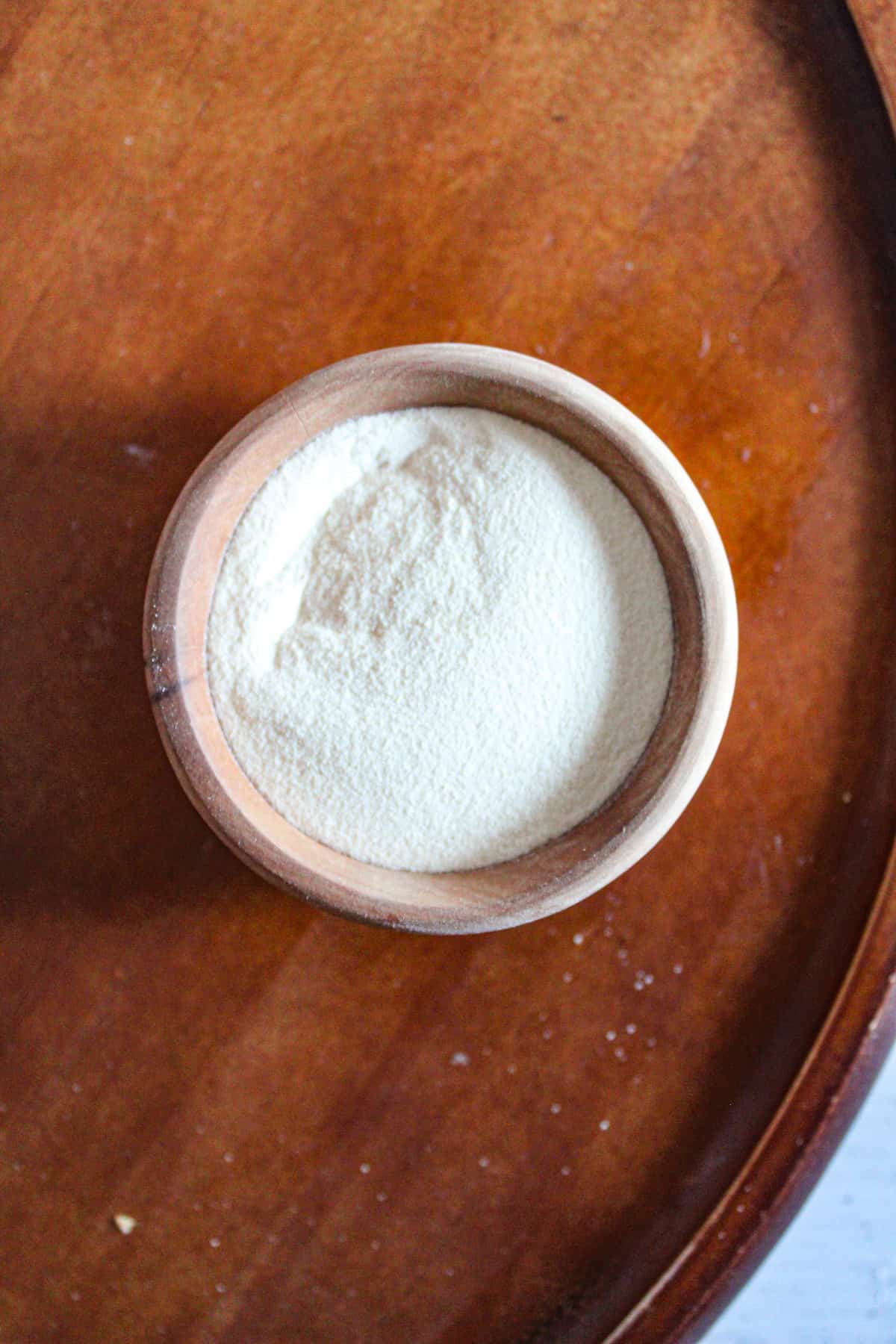
Xanthan gum is produced by fermenting sugar with a bacterium called Xanthomonas campestris. During this process, bacteria convert sugar into long molecules called polysaccharides. The polysaccharides are then dried and ground into a fine powder that easily dissolves in liquids.
Because of its unique molecular structure, xanthan gum serves as an excellent thickener and stabilizer in many foods. It significantly increases the thickness of liquids.
Why It’s Used in Gluten-Free Baking
Gluten-free baking is one of the most common uses of xanthan gum. If you remove wheat flour from recipes, your baked goods won’t have the elasticity and structure that gluten provides. Xanthan gum helps mimic that structure, giving your doughs and batters better cohesion and stability.
Key Properties of Xanthan Gum
Xanthan gum has several properties that make it valuable in cooking and baking:
- It thickens without heat, which is why it works in cold foods and sauces.
- It forms viscous gels even at low concentrations.
- It stabilizes mixtures, preventing ingredients from separating.
As a result of these characteristics, xanthan gum can improve texture and consistency in many recipes.
Common Foods That Use Xanthan Gum
You’ll often find xanthan gum used in recipes such as:
- Gluten-free bread and baked goods.
- Salad dressings and vinaigrettes.
- Ice cream and frozen desserts.
If you run out while baking, you may want to learn How to Make Substitutions for Xanthan Gum in Baking to keep your recipe working without compromising texture.
What Is Cornstarch?
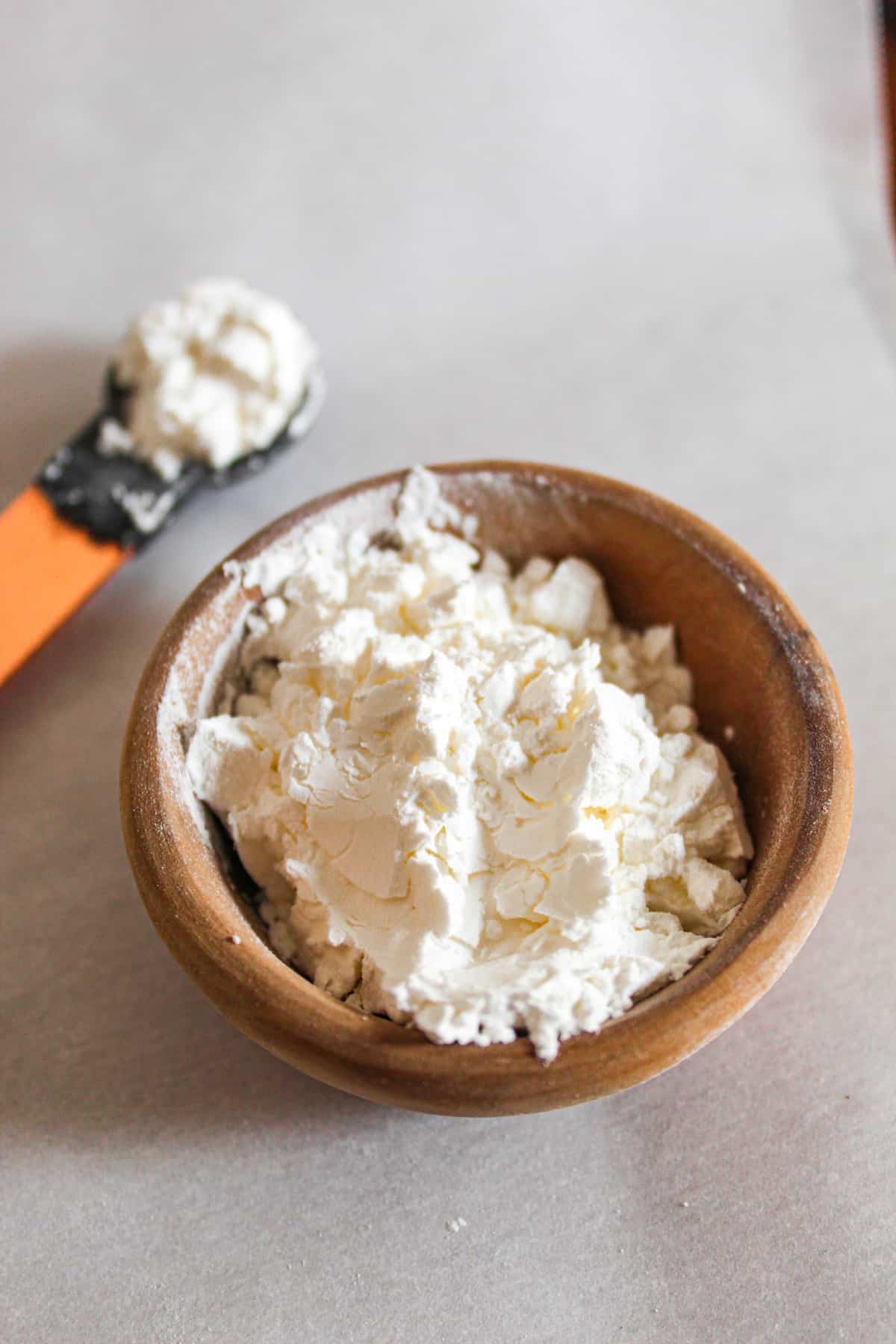
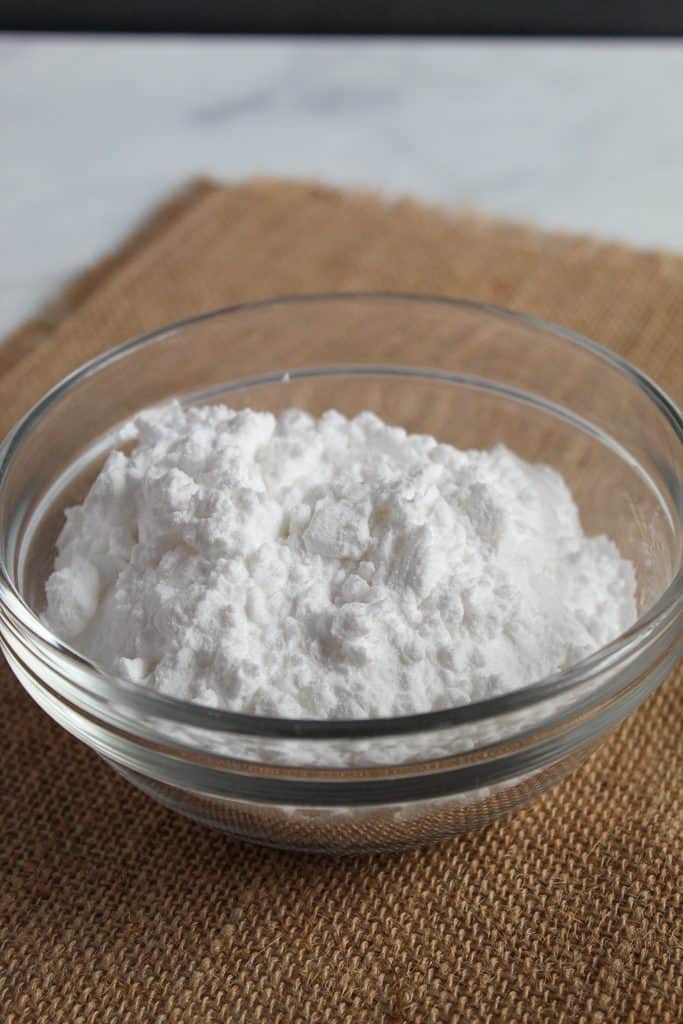
Cornstarch is a fine white powder derived from the starchy endosperm of corn kernels. It is pure starch, processed and dried, and widely used in cooking and baking.
With its neutral flavor and easy dissolving, cornstarch is one of the most common thickening agents in kitchens worldwide.
How Cornstarch Thickens Recipes
Unlike some thickeners, cornstarch requires heat to activate. When you mix it with liquid and heat it, the starch granules absorb water and swell. This process, known as gelatinization, causes the liquid to thicken.
As the starch molecules expand and form a network, they trap water in the mixture. And this creates the thicker consistency used in many sauces and desserts.
Key Properties of Cornstarch
Cornstarch thickens only after being heated.
- It thickens through starch gelatinization.
- It produces smooth, glossy sauces.
- It has a neutral taste that doesn’t affect flavor.
These properties make it especially useful for hot dishes where a smooth texture is important.
Common Recipes That Use Cornstarch
Cornstarch is commonly used to thicken dishes such as:
- Gravies and pan sauces
- Pie fillings
- Stir-fry sauces
- Puddings and custards
If you want to compare cornstarch with other starch-based thickeners, see Cornstarch vs Tapioca vs Arrowroot.
How Each Thickener Works (The Science)
Although both ingredients are used to thicken recipes, xanthan gum and cornstarch work through completely different scientific processes. Understanding how each one interacts with water helps explain why they behave differently in sauces, batters, and baked goods.
How Xanthan Gum Thickens Liquids
Xanthan gum is made of long polysaccharide chains that disperse when you mix it into liquid. These chains interact with surrounding water molecules, forming a loose network that slows the liquid’s movement, creating a thicker consistency.
Due to xanthan gum’s high concentration, only a small amount is required to noticeably thicken liquids.
Research published in the National Center for Biotechnology Information indicates that xanthan gum binds water efficiently and improves the stability of mixtures. As the polysaccharide network forms, it stabilizes liquids and prevents ingredients from separating.
Are you experimenting with alternatives? You can also explore Best Xanthan Gum Substitutes in Gluten-Free Baking to see other ingredients that can provide a similar structure.
Watch Xanthan Gum in Action
If you want to see how xanthan gum behaves in a recipe, this video offers a closer look at how it helps with texture, structure, and consistency.
How Cornstarch Thickens Sauces
Cornstarch thickens in an entirely different manner. It contains microscopic starch granules that absorb water when mixed into a liquid. When you heat the mixture, these granules swell and begin to break down, releasing starch molecules into the surrounding liquid.
This process is known as gelatinization. During gelatinization, starch granules absorb water, expand, and lose their crystalline structure, thereby increasing viscosity and thickening the liquid.
The starch network becomes more structured as the sauce cools, which explains why your cornstarch-thickened sauces usually thicken slightly after cooking. This heat-activated thickening process is what gives gravies, puddings, and stir-fry sauces their smooth, glossy consistency.
These two thickeners behave very differently in recipes because they rely on completely different mechanisms. And that’s important when you’re deciding which one to use.
Watch Cornstarch in Action
To see how cornstarch thickens and changes texture in cooking and baking, watch this video for a simple visual example.
Texture Differences: Xanthan Gum vs Cornstarch
The texture each thickener creates is one of the biggest differences between cornstarch and xanthan gum. Even when both ingredients are used to thicken a liquid, you will notice differences in the final mouthfeel and appearance.
Cornstarch Texture
Cornstarch produces a smooth, glossy texture commonly associated with classic sauces and gravies. When heated, starch granules absorb water, thickening the liquid and creating a sauce that feels silky and cohesive.
A slightly opaque appearance is another characteristic of cornstarch-thickened foods. This visual finish is often desirable in gravies, pie fillings, and stir-fry sauces, where a shiny coating helps the sauce cling to the food.
Due to its smooth texture, many chefs prefer cornstarch for hot sauces that need a glossy, cohesive finish.
Xanthan Gum Texture
Xanthan gum creates a very different texture. It forms a thicker, gel-like consistency rather than a silky sauce, because, even at very low concentrations, its long polysaccharide chains bind water and increase viscosity.
What you get in the end is often slightly stretchy or elastic, which helps stabilize mixtures and prevent ingredients from separating. This thicker structure is particularly helpful in recipes where binding is important.
Why Chefs Use Them Differently
These texture differences explain why each thickener is used in specific types of recipes.
- Cornstarch is preferred in sauces because it produces the familiar smooth, glossy finish that works well in gravies and stir-fries.
- However, xanthan gum is commonly used in gluten-free baking because it provides the structure and elasticity that gluten normally supplies in doughs and batters.
If you’re experimenting with alternative thickeners for baking or cooking, you can also explore Best Gluten-Free Thickeners for Soups, Sauces, and Baking to see how different ingredients compare.
Best Uses for Xanthan Gum
Xanthan gum, because of its strong thickening and stabilizing ability, works best in recipes where structure and consistency are important. Unlike many starches, it can thicken liquids even in very small amounts and helps ingredients stay evenly mixed.
Below are some of the most common and effective uses.
1. Gluten-Free Baking
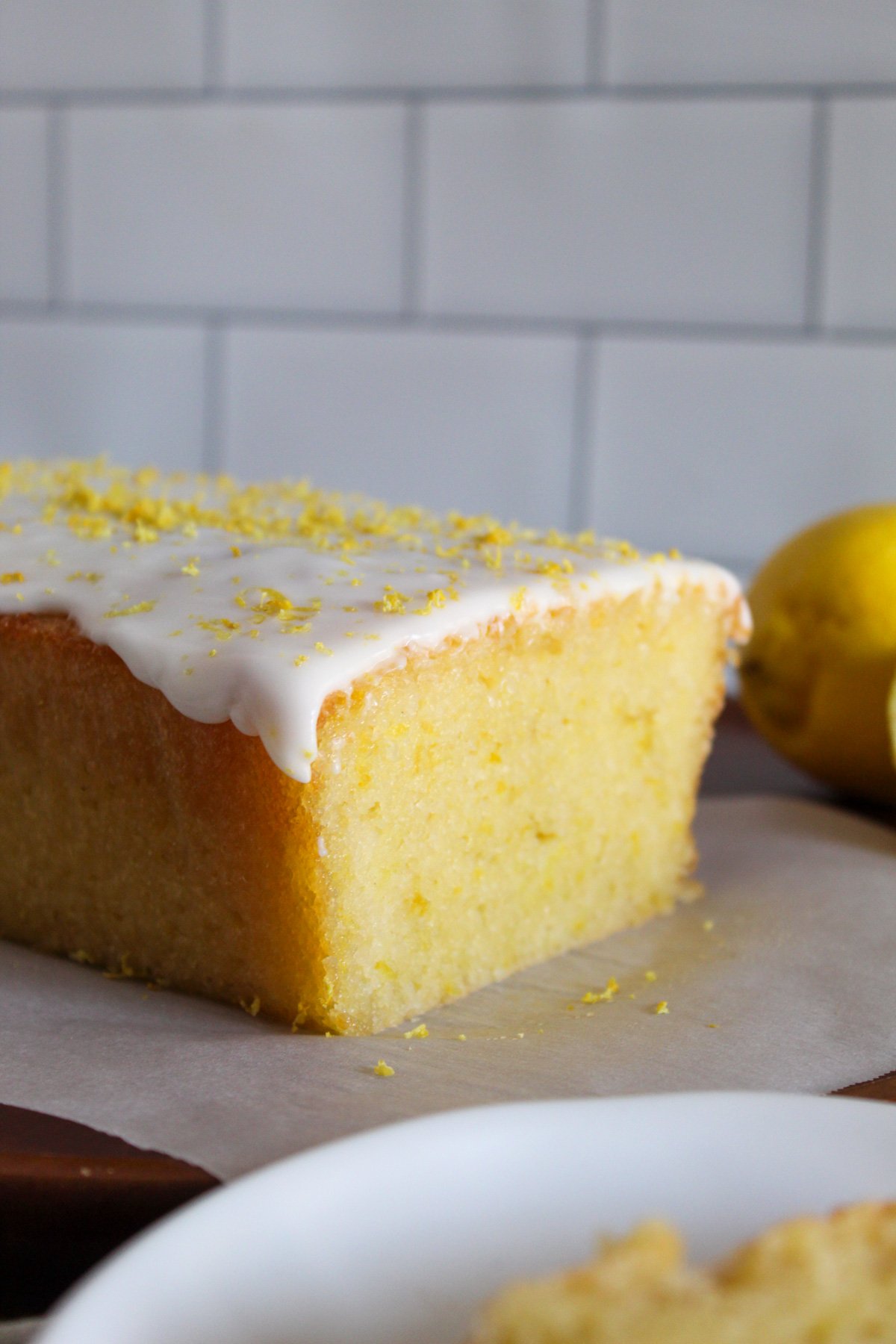
Xanthan gum is a common ingredient in gluten-free baking because it helps replace the structure gluten normally provides. It binds ingredients together so doughs and batters hold their shape rather than crumbling. Many gluten-free breads, cakes, and muffins rely on this binding effect to improve texture.
2. Salad Dressings
Xanthan gum acts as a stabilizer in vinaigrettes and creamy dressings. It keeps oil and water mixed so the dressing stays smooth rather than separating after sitting.
3. Ice Cream
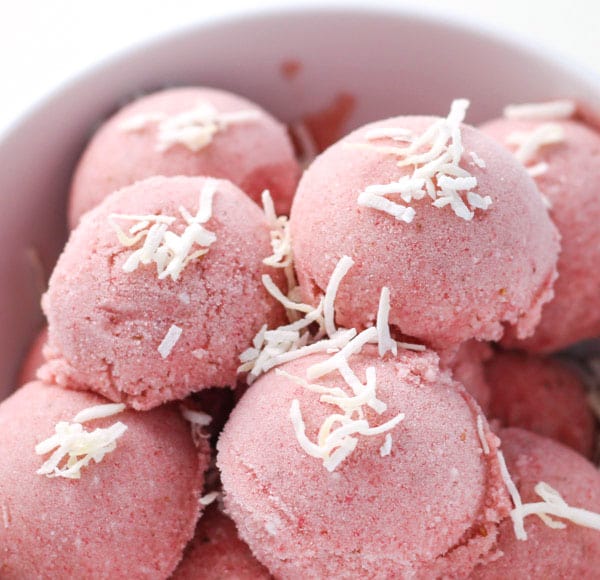
A small amount of xanthan gum improves the texture of frozen desserts. It prevents large ice crystals from forming, which keeps ice cream smoother and creamier.
4. Emulsified Sauces
Xanthan gum is effective in sauces that combine ingredients that normally separate, such as oil and water. It creates a stable mixture that keeps the sauce evenly blended.
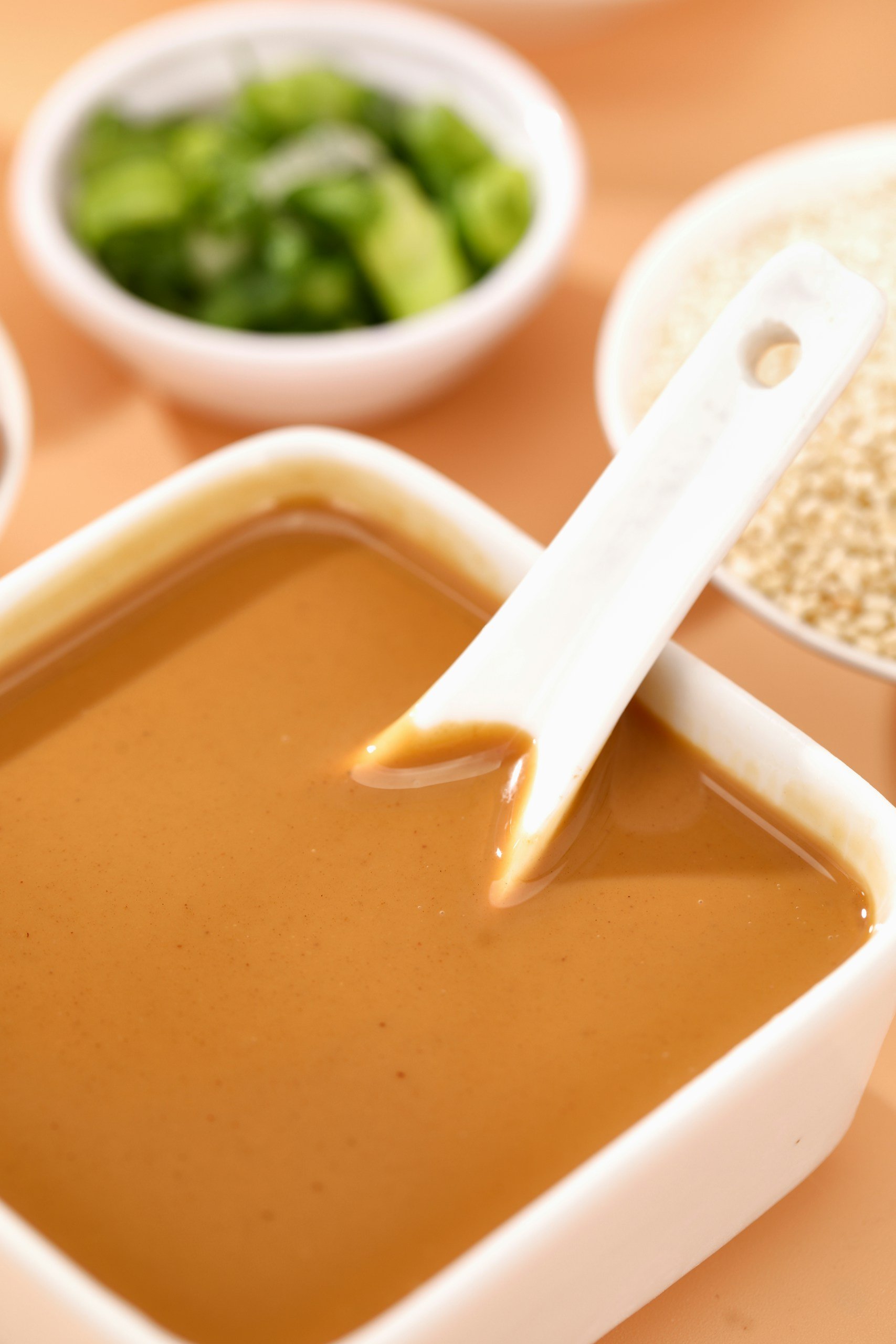
5. Keto Cooking
Because xanthan gum contains very few digestible carbohydrates, it is commonly used as a thickener in keto recipes.
Best Uses for Cornstarch
Cornstarch is a very reliable starch-based thickener in everyday cooking. These are some of the most common ways to use cornstarch in the kitchen.
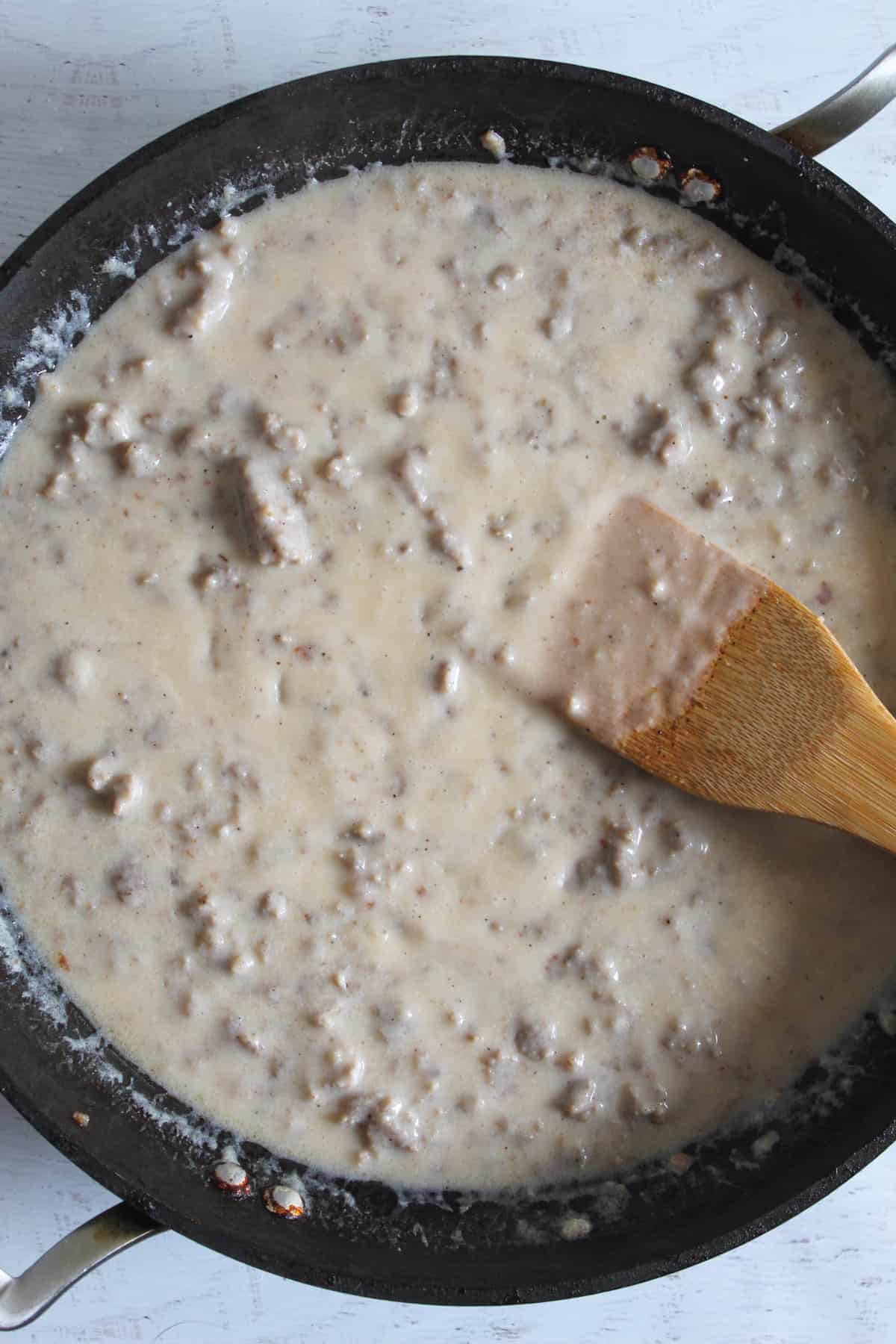
1. Gravies
Cornstarch is a classic thickener for gravies. If you add it as a slurry near the end of cooking, it’ll thicken quickly and produce a smooth sauce that coats meat and vegetables evenly.
2. Stir-Fry Sauces
Cornstarch is widely used in stir-fry cooking because it creates a silky sauce texture that helps sauces cling to ingredients without altering flavor.
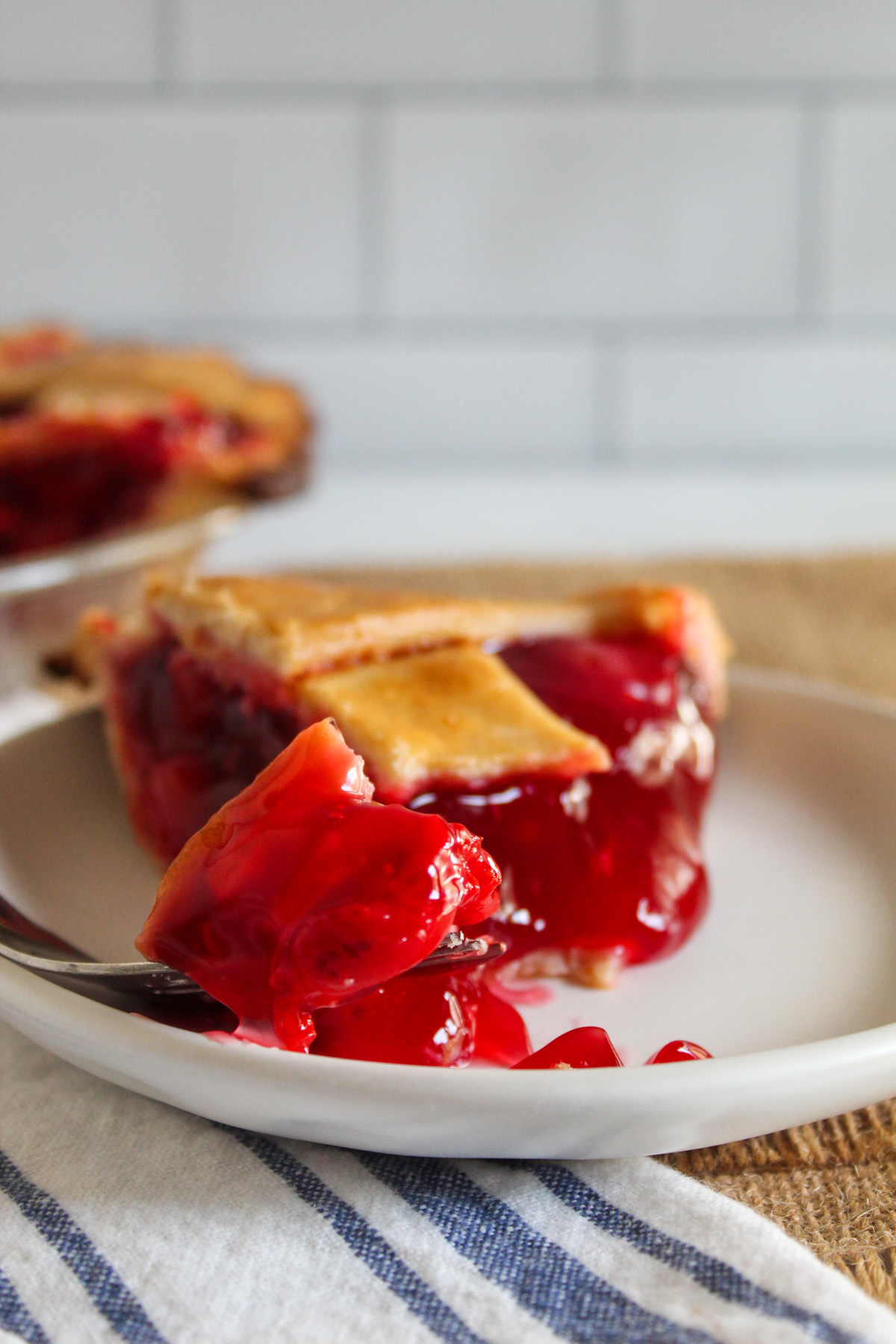
3. Pie Fillings
Fruit pies often rely on cornstarch to stabilize fruit juices as they cook. The starch thickens the liquid released by the fruit, preventing the filling from becoming watery.
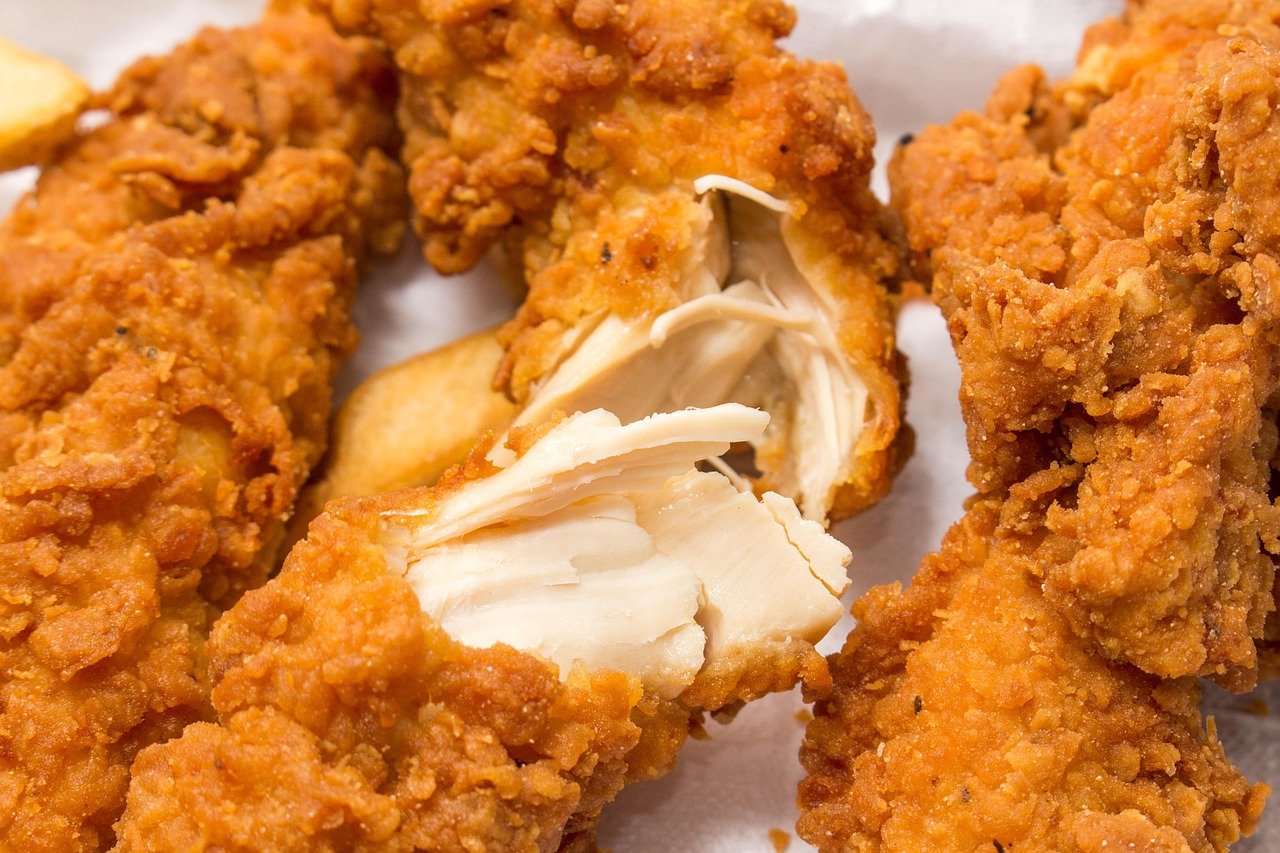
4. Frying Coatings
Cornstarch is also used in batters and coatings for fried foods. It creates a light, crispy crust because the starch forms a thin layer that becomes crisp when heated.
5. Custards and Puddings
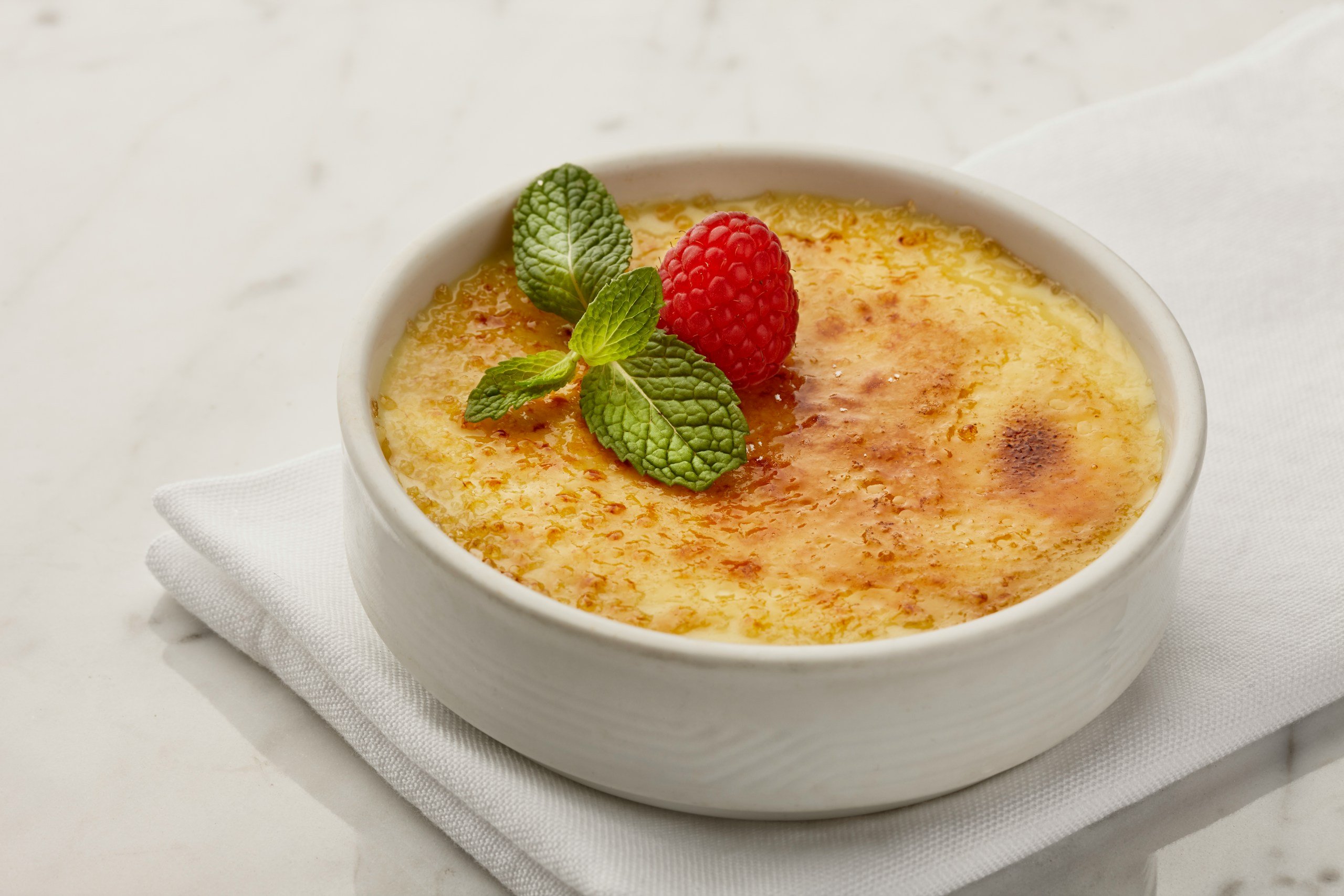
Many custards and puddings use cornstarch as the main thickener. As you heat the mixture, the starch forms a gel, giving these desserts their smooth, creamy texture.
Xanthan Gum to Cornstarch Ratio (Substitution Guide)
Sometimes a recipe calls for a thickener you don’t have on hand. In such situations, knowing the ratio of xanthan gum to cornstarch makes recipe adjustments easier without affecting texture too much.
Substitution Ratios
| If the Recipe Calls For | Replace With | Ratio |
|---|---|---|
| 1 tbsp cornstarch | Xanthan gum | 1/8 tsp |
| 1 tsp xanthan gum | Cornstarch | ~1 tbsp |
Xanthan gum works in very small quantities compared with most starches. As a result, you should start with tiny amounts when replacing cornstarch. Gradually increase the amount until the desired consistency is reached.
Pro Tip: Adding too much xanthan gum can quickly create a slimy or overly thick texture, which is difficult to fix once it forms.
Would you like to compare similar baking stabilizers? You may also want to read Guar Gum vs Xanthan Gum to understand how these two common binders behave in recipes.
4 Common Thickening Mistakes
Little technique mistakes can quickly affect the texture of sauces, batters, and baked goods. But knowing the most common problems when working with xanthan gum and cornstarch can help you avoid such mistakes.
1. Using Too Much Xanthan Gum
Xanthan gum thickens quickly, so adding too much can create a heavy or slimy consistency before you know it. Even a small extra pinch can make sauces or batters feel overly thick and elastic.
Solution:
Start with ¼ teaspoon or less and increase gradually if needed. It’s much easier to add a little more xanthan gum than to fix a mixture that has become too thick.
2. Adding Cornstarch Directly to Hot Liquid
Cornstarch clumps when you add it directly to hot liquid. The outer layer of the starch gelatinizes immediately, trapping the dry powder and forming lumps that are difficult to dissolve.
Solution:
Always mix cornstarch with a small amount of cold water first to create a cornstarch slurry, then stir it into the hot liquid.
3. Not Heating Cornstarch Enough
Cornstarch thickens only after its starch granules absorb water and swell. The thickening process won’t fully activate if the mixture isn’t heated enough.
Solution:
Bring the liquid to a full simmer while stirring so the starch can properly thicken the sauce.
4. Overheating Cornstarch Sauces
If you cook a cornstarch-thickened sauce for too long, the starch structure might break down. In such situations, the sauce may become thin again.
Solution:
Once the sauce thickens, reduce the heat and avoid prolonged boiling to maintain the desired consistency.
Which Thickener Is Healthier?
When comparing xanthan gum vs. cornstarch, the health differences are relatively small. And that’s because both ingredients are typically used in very small amounts. Still, they come from different nutritional categories, which explains why they behave differently in recipes and diets.
Xanthan Gum
Xanthan gum is often regarded as a soluble fiber-like compound. It is made from fermented sugars and functions primarily as a stabilizer and thickener in food. Xanthan gum interacts with gut bacteria and behaves similarly to certain fermentable fibers in the digestive system.
Due to xanthan gum’s extreme thickening ability, recipes usually require only very small quantities, often less than a teaspoon for an entire dish. This means its nutritional impact is generally minimal in most recipes.
Cornstarch
On the other hand, cornstarch is basically a pure carbohydrate derived from corn. Nutritional data from the USDA FoodData system shows that cornstarch is mostly starch, with little to no fiber, protein, or fat.
A typical tablespoon provides around 30 calories and about 7 grams of carbohydrates. This is why cornstarch is considered a calorie-dense thickener compared with xanthan gum.
Cornstarch is mainly starch, so when you use it in larger amounts, it can raise the carbohydrate content of your recipes.
Which is the Best One for You?
In terms of nutrition, neither ingredient is typically consumed in large quantities. Research reviews in food science journals, such as MDPI, also classify xanthan gum as a safe food additive widely used for texture and stability in foods.
Therefore, both thickeners are safe when used in moderation, and the choice between them usually comes down to recipe function rather than health concerns.
Special Diet Considerations
Different dietary needs also influence whether xanthan gum or cornstarch is ideal for a recipe. Because these ingredients have different nutritional profiles, they fit differently into certain diets.

Gluten-Free Diet
Xanthan gum is commonly used in gluten-free baking because it replaces the binding structure normally provided by gluten. It improves elasticity and holds doughs and batters together, which is why it’s included as a key ingredient in many gluten-free bread and cake recipes.
Keto Diet
Cornstarch is usually avoided in keto recipes because it is almost entirely carbohydrate. Even small amounts can increase a dish’s carb count, making it less suitable for very low-carb meal plans.
Vegan Diet
Both xanthan gum and cornstarch are plant-based ingredients, which is why they’re suitable for vegan cooking and baking. They are commonly used to thicken sauces, stabilize mixtures, and improve texture without the need for animal products.
Low-Carb Cooking
In low-carb recipes, xanthan gum is usually the preferred thickener. Because it works in very small amounts, it adds minimal carbohydrates while still providing the desired consistency.
If you’re experimenting with gluten-free ingredients in baking, you may also find Best Flaxseed Substitutes for Gluten-Free Baking. It’s helpful when adapting recipes for different dietary needs.
Can You Use Xanthan Gum and Cornstarch Together?
Most recipes require cooks to choose between xanthan gum and cornstarch. However, you can combine both to fine-tune the texture and stability of sauces. Take advantage of each ingredient’s different thickening properties by using this technique.
Why Some Chefs Combine Them
Cornstarch creates a smooth, glossy finish, which is ideal for many hot sauces. Xanthan gum, however, stabilizes mixtures and maintains thickness. If you use them together in small amounts, xanthan gum can help sauces stay consistent and prevent ingredients from separating.
What This Combination Improves
Using both thickeners can help achieve several texture benefits:
- Stabilizes sauces so they hold their consistency longer
- Prevents separation in mixtures containing oil and liquid
- Adjusts texture by balancing smoothness and viscosity
Where This Technique Is Used
This approach is used in restaurant sauces at times. Restaurants use it because maintaining a stable texture is important during service. You can also find it in certain processed foods, where multiple thickeners are combined to create a consistent texture.
Although most home recipes rely on a single thickener, combining xanthan gum and cornstarch can provide greater control over a dish’s final consistency.
Xanthan Gum vs Cornstarch: Which One Should You Choose?
To choose between xanthan gum and cornstarch, consider the recipe type and the texture you want to achieve. Both ingredients thicken liquids, but they perform best in very different cooking situations. Knowing their strengths makes it easier to pick the right one for each dish.
Use Xanthan Gum If You Need
Xanthan gum is ideal in recipes that require stability or structure rather than a traditional sauce texture.
- Gluten-free baking structure to help doughs and batters hold together
- Emulsification in dressings and sauces, where oil and liquid need to stay mixed
- Keto thickening, since only a little is required, and it adds very few carbohydrates.
Use Cornstarch If You Need
Cornstarch is best for hot dishes where a smooth, classic sauce texture matters.
- Gravy that thickens quickly and coats food evenly
- Stir-fry sauces that need a glossy finish and good cling
- Glossy texture in sauces, pie fillings, and puddings
Frequently Asked Questions
Do you still have practical questions on xanthan gum vs. cornstarch in recipes? Below are some of the most common questions about how these thickeners work and when to use each one.
Can Xanthan Gum Replace Cornstarch?
Yes, xanthan gum can replace cornstarch, but very little is required because it thickens more strongly.
Which Thickener Works Better for Sauces?
Cornstarch usually works better for sauces because it creates a smooth, glossy texture.
Can Cornstarch Thicken Cold Liquids?
No, cornstarch must be heated for the starch granules to swell and thicken the liquid.
Can Xanthan Gum Thicken Hot Liquids?
Yes, xanthan gum thickens both hot and cold liquids without requiring heat.
Why Does Xanthan Gum Make Sauces Slimy?
This happens when you use too much. Xanthan gum is very strong, so even small excess amounts can create a gummy texture.
Is Xanthan Gum Safe to Eat?
Yes, xanthan gum is widely approved as a food additive and considered safe for normal consumption.
Does Cornstarch Work in Gluten-Free Baking?
Cornstarch can be used in gluten-free flour blends, but it does not provide the same binding structure as xanthan gum.
How Much Xanthan Gum Equals Cornstarch?
A common guideline is ⅛ teaspoon of xanthan gum for about 1 tablespoon of cornstarch, depending on the recipe and the thickness you want to achieve. Always start with tiny amounts and increase gradually until the desired thickness is reached.
Can You Freeze Sauces Thickened With Cornstarch?
Sometimes. Cornstarch sauces may separate or thin slightly after freezing and reheating.
Which Thickener Works Best for Keto Recipes?
Xanthan gum is usually preferred because it thickens with very small amounts and adds minimal carbohydrates.
The Bottom Line
Cornstarch and xanthan gum may both help improve texture, but they do very different jobs. Cornstarch is best for thickening liquids like sauces, gravies, and pie fillings, while xanthan gum is better for adding structure and binding in gluten-free baking.
The best one to use depends on the recipe. Once you understand how each works, it becomes much easier to choose the right thickener for the texture you want.
Related Baking Guides
If you want to learn more about how different thickeners and binders work in gluten-free recipes, these guides can help you build a stronger baking toolkit.
- Best Gluten-Free Thickeners for Soups, Sauces, and Baking – Explore several gluten-free options to thicken soups, sauces, and baked goods.
- How to Make a Gluten-Free Cake Light and Fluffy – Understand how binders like xanthan gum help improve structure and texture in gluten-free cakes.
- Best Sorghum Flour Substitutes for Gluten-Free Baking – Explore grain-based alternatives that can help maintain texture and structure in gluten-free recipes.
- Chia Seeds vs Psyllium Husk in Gluten-Free Baking – Learn how these two popular binders help add structure and elasticity to gluten-free recipes.
Whether you’re troubleshooting a recipe or experimenting with substitutions, these guides can help you bake with more confidence. The more you understand thickeners, binders, and flour swaps, the easier it becomes to get consistent results in gluten-free recipes.
Tried Cornstarch or Xanthan Gum?
Have you tried using xanthan gum or cornstarch in your cooking or baking? Share your experience, tips, or questions in the comments. We’d love to hear what worked for you.