Arrowroot vs xanthan gum is where most substitutions fall flat. You replace one with the other, and your sauce turns runny or your gluten-free bake crumbles.
The reason is simple: their characteristics differ. Using the wrong one or the wrong ratio leads to texture failure.
Table of Contents
With that key difference in mind, this guide offers a clear comparison, precise substitution ratios, and practical results. Are you comparing thickeners more broadly? Read Xanthan Gum vs Cornstarch.
Quick Answer
Xanthan gum vs arrowroot is basically down to how each thickener behaves in your recipe.
- Use arrowroot for sauces, gravies, and clear thickening.
- Use xanthan gum for baking and structure.
Best Use Table
| Use Cases | Best Option |
|---|---|
| Sauces | Arrowroot |
| Baking | Xanthan gum |
| Gluten-free structure | Xanthan gum |
| Clear glaze | Arrowroot |
Xanthan Gum vs Arrowroot: Side-by-Side Comparison
We’ve provided a clear comparison table below to help you choose the right ingredient.
| Feature | Xanthan Gum | Arrowroot |
|---|---|---|
| Type | Gum | Starch |
| Best use | Baking | Sauces |
| Texture | Thick, elastic | Smooth, light |
| Heat stability | High | Medium |
| Clarity | Cloudy | Clear |
Xanthan gum adds structure and elasticity, making it essential in gluten-free (GF) baking, where it helps hold dough together and prevent crumbling. Arrowroot, however, produces a smooth, glossy finish, making it ideal for sauces and gravies that require a clean, light texture.
Heat is another key factor. Arrowroot can lose its thickening power if overheated, which is why sauces sometimes turn soupy. Whereas xanthan gum doesn’t rely on heat to thicken, so it stays stable and consistent even with extended cooking.
What Is Xanthan Gum?
You’ve seen the comparison, now you need to really grasp what xanthan gum actually is and why it behaves so differently.
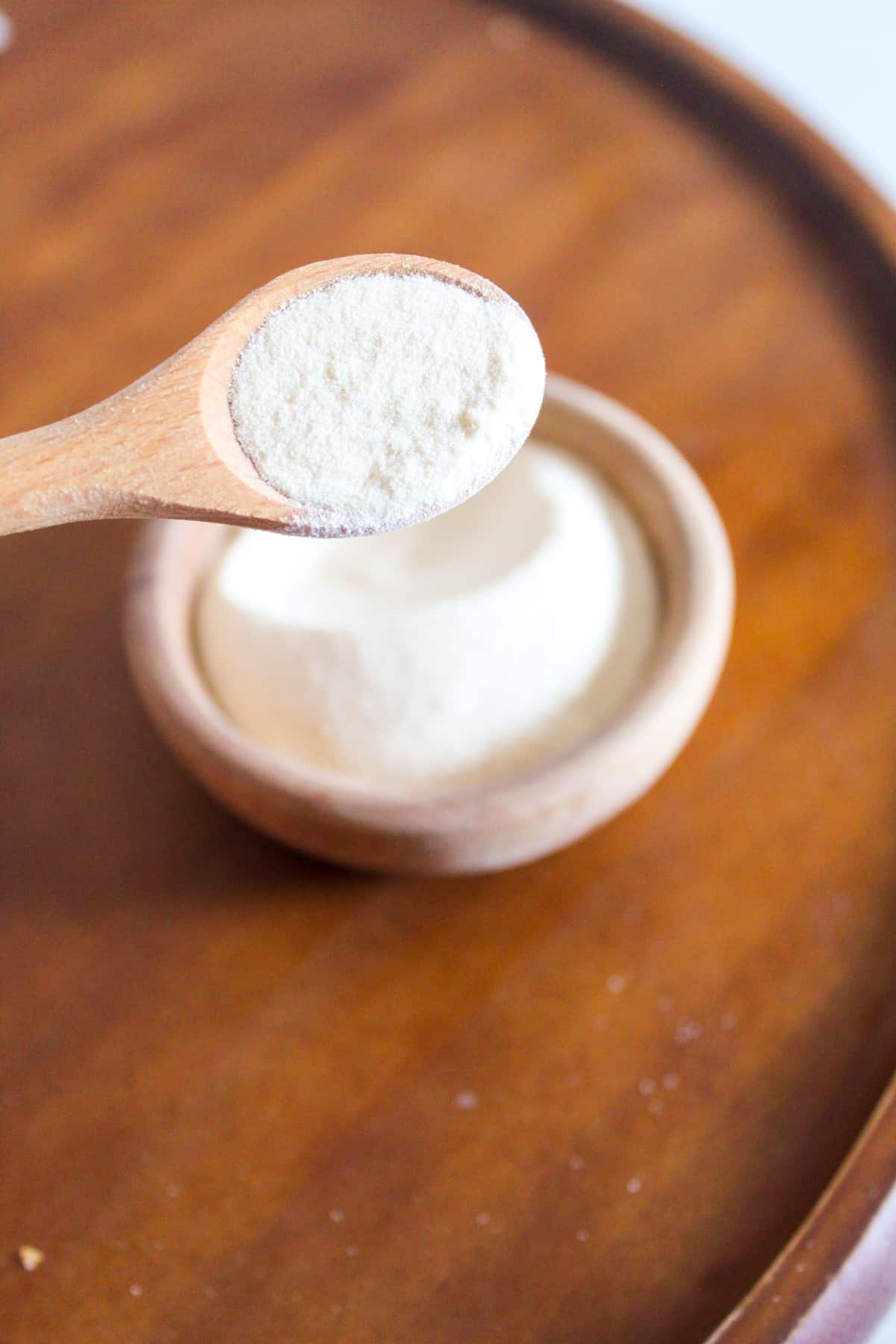
Xanthan gum is a fermented polysaccharide, a type of carbohydrate created when sugars are fermented by bacteria (Xanthomonas campestris). The outcome is a fine powder that thickens and stabilizes liquids almost immediately, even in very small amounts.
What makes this gum effective is its ability to build structure and binding. It binds ingredients together, prevents separation, and imparts elasticity to mixtures. This is why it replaces gluten in baking and keeps sauces and dressings stable without breaking.
Best Use Cases
These are the best uses for it:
- Xanthan gum provides structure in gluten-free baking, preventing the dough from crumbling.
- In terms of emulsification, it keeps liquids like oil and water from separating.
If you’re unsure how it compares to other baking functions, see Is Xanthan Gum a Substitute for Baking Powder?
What Is Arrowroot Powder?
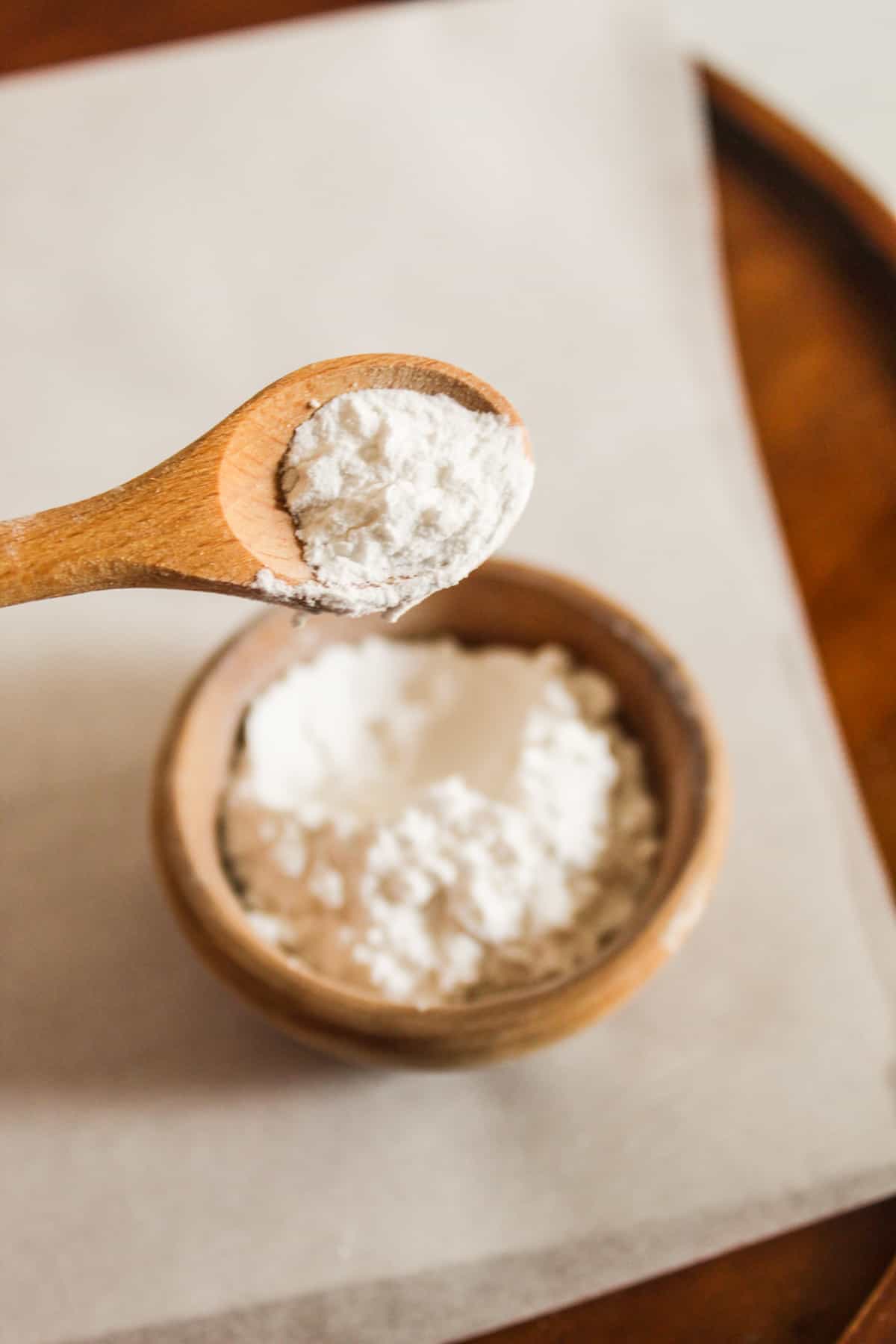
Arrowroot powder is a natural starch extracted from the roots of tropical plants. It’s processed into a fine, white powder that dissolves easily and thickens liquids without changing flavor.
Why is it so effective? The answer is its ability to provide light, smooth thickening. It produces a clean texture without heaviness, which is why it’s preferred in recipes where clarity and consistency matter.
Best Use Cases
These are the best ways to use it:
- Sauces: thickens without making them heavy.
- Gravies: creates a smooth, lump-free finish.
- Clear glazes: maintain a glossy, transparent look.
Should you need alternatives, go through The Ultimate Guide to Arrowroot Powder Substitutes for the best replacements and how they compare.
When Is the Best Moment to Use Each Ingredient?
At this point, the difference becomes practical. The right choice depends on whether your recipe needs structure or a light finish.
When to Use Xanthan Gum
Use xanthan gum in the following scenarios:
- Gluten-Free Baking: Your dough needs structure to hold together.
- Dough Binding: ingredients won’t stay combined.
- Preventing Separation: liquids keep splitting.
Micro-Scenarios:
These are common situations where xanthan gum fixes texture and stability issues.
- If your gluten-free bread crumbles when sliced, xanthan gum can help bind it.
- If your batter looks smooth but won’t hold shape, xanthan gum will give it elasticity.
- If your sauce separates after sitting, xanthan gum will stabilize it.
When to Use Arrowroot
Use arrowroot for the following cases:
- Thickening Sauces: You want a smooth, light finish.
- Making Clear Glazes: appearance needs to stay glossy.
- Frying Coatings: you want a crisp, clean texture.
Micro-Scenarios:
These examples show where arrowroot improves texture and appearance.
- If your sauce feels heavy or cloudy, arrowroot will keep it light and clear.
- If your glaze looks dull instead of shiny, arrowroot will restore clarity.
- If your fried coating turns dense, arrowroot will create a lighter, crisp finish.
Best Substitute for Arrowroot Powder
When arrowroot powder isn’t available, choosing the right substitute becomes essential to maintaining the texture of your recipe. However, not all alternatives behave the same way.
Each option thickens differently, reacts to heat and acidity differently, and can noticeably affect the final result. Because of this, selecting the right substitute depends on what you’re making and the consistency you want to achieve.
Here are the most reliable substitutes and how they compare:
1. Cornstarch
Cornstarch is the most common substitute and works well for sauces, soups, and gravies that need dependable thickening.
In most cases, it performs reliably in everyday cooking. However, it may struggle in acidic dishes or after freezing, where the texture can break down.
Compared to arrowroot, it creates a thicker, slightly heavier consistency and lacks the same glossy finish.
2. Tapioca Starch
Tapioca starch is often the closest match to arrowroot. It works especially well in sauces, pie fillings, and recipes where a smooth, glossy texture is important.
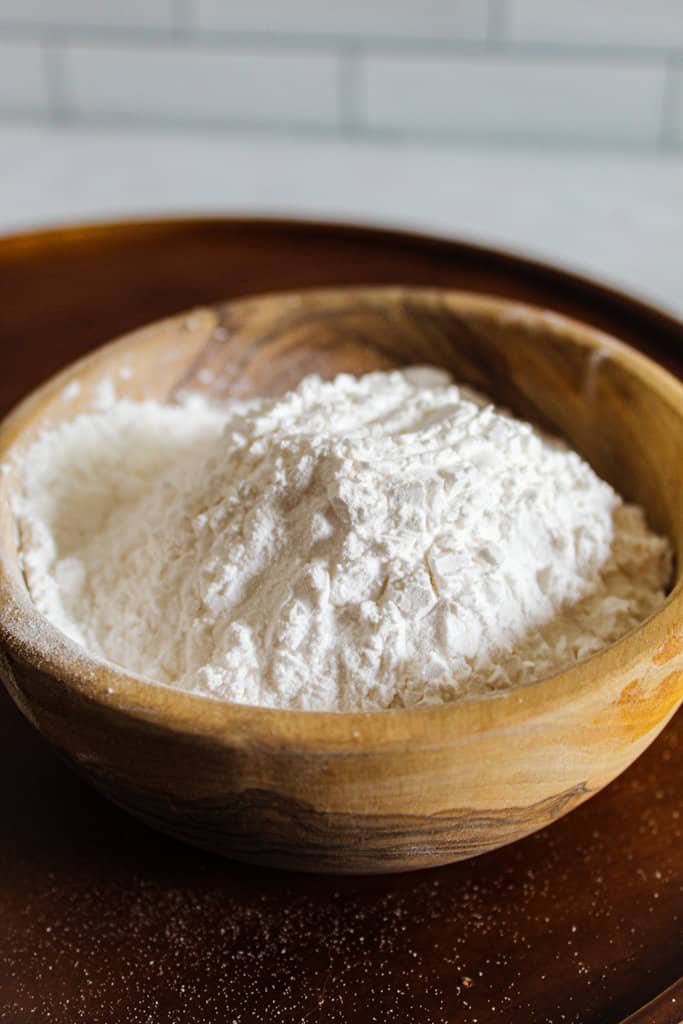
That said, it needs to be used carefully. If overused, it can become overly stretchy or sticky.
The final result is smooth with slight elasticity, making it similar to arrowroot but a bit less neutral in texture.
3. Xanthan Gum
Xanthan gum is best used when structure and stability are required, particularly in gluten-free baking. It works in very small amounts but does not behave like arrowroot in sauces.
If used incorrectly, it can create a slimy or overly thick texture. Rather than a light finish, it creates a dense, gel-like consistency.
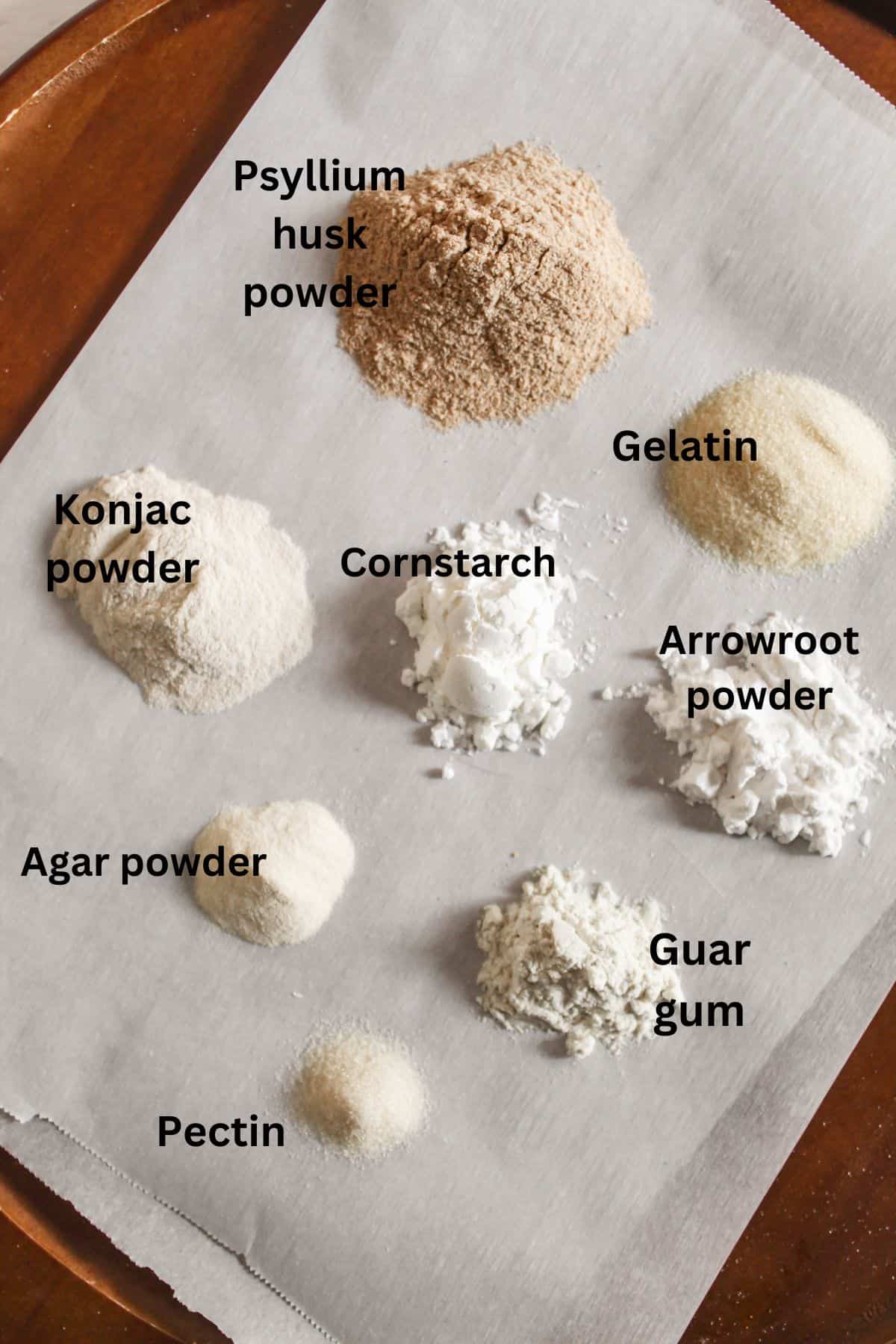
4. Psyllium Husk
Psyllium husk works well in baking, where binding and moisture retention are important. It is especially useful in dough-based recipes.
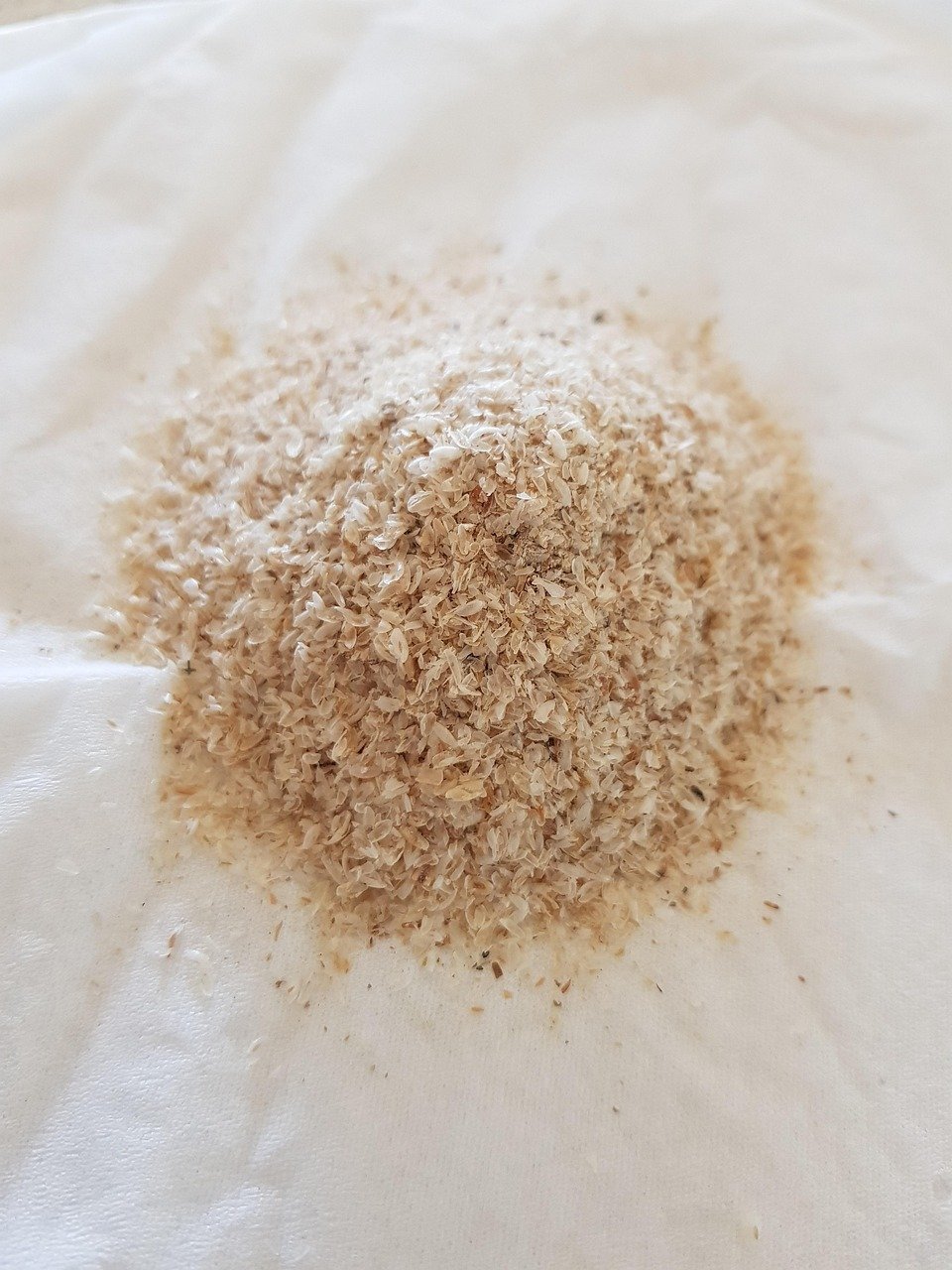
However, it is not suitable for sauces or clear liquids.
The texture it creates is dense and slightly fibrous, which can noticeably change the final result compared to arrowroot.
Do you need a broader comparison of how these thickeners perform? Read Cornstarch vs Tapioca vs Arrowroot: Differences, Substitutes & When to Use Each.
How to Substitute Xanthan Gum for Arrowroot
Among these options, xanthan gum requires special attention due to its high concentration. Even small measurement errors can significantly affect texture.
Exact Ratio
- ¼ teaspoon xanthan gum = 1 tablespoon arrowroot
Arrowroot is a starch, so it requires a larger quantity to thicken. In contrast, xanthan gum forms a network that thickens and binds almost instantly, which is why only a small amount is needed.
Because of this difference, the biggest risk is overuse. Even slightly too much xanthan gum can make a sauce or mixture thick, sticky, or slimy rather than smooth.
To avoid this, start with a smaller amount, mix thoroughly, and only add more if needed. Once it thickens, it’s very difficult to reverse.
Comprehensive Substitution Chart
Now, you’ve seen how each option behaves. Study this quick-reference guide below to choose a substitute for arrowroot powder without second-guessing ratios.
| Replace Arrowroot With | Ratio |
|---|---|
| Xanthan gum | ¼ tsp per 1 tbsp |
| Cornstarch | 1:1 |
| Tapioca Starch | 1:1 |
Xanthan Gum vs Arrowroot: How They Behave With Heat
Heat is where these two ingredients diverge most in performance, not just in theory, but in how your recipe holds up during cooking.
Arrowroot
Arrowroot thickens instantly at lower temperatures, but it becomes unstable when exposed to prolonged heat. As cooking continues, the starch structure breaks down, potentially reversing the thickening effect.
If your sauce turned thin, it was likely overheated after thickening or kept on the heat too long.
Xanthan Gum
Xanthan gum does not need heat to activate. It thickens on contact with liquid and remains stable over a wide temperature range, making it more predictable in recipes that require extended cooking or reheating.
Real Cooking Examples You Can Learn From
The differences become clearer when applied to real situations. Each example below focuses on a specific outcome rather than repeating general use cases.
Example 1: Sauce
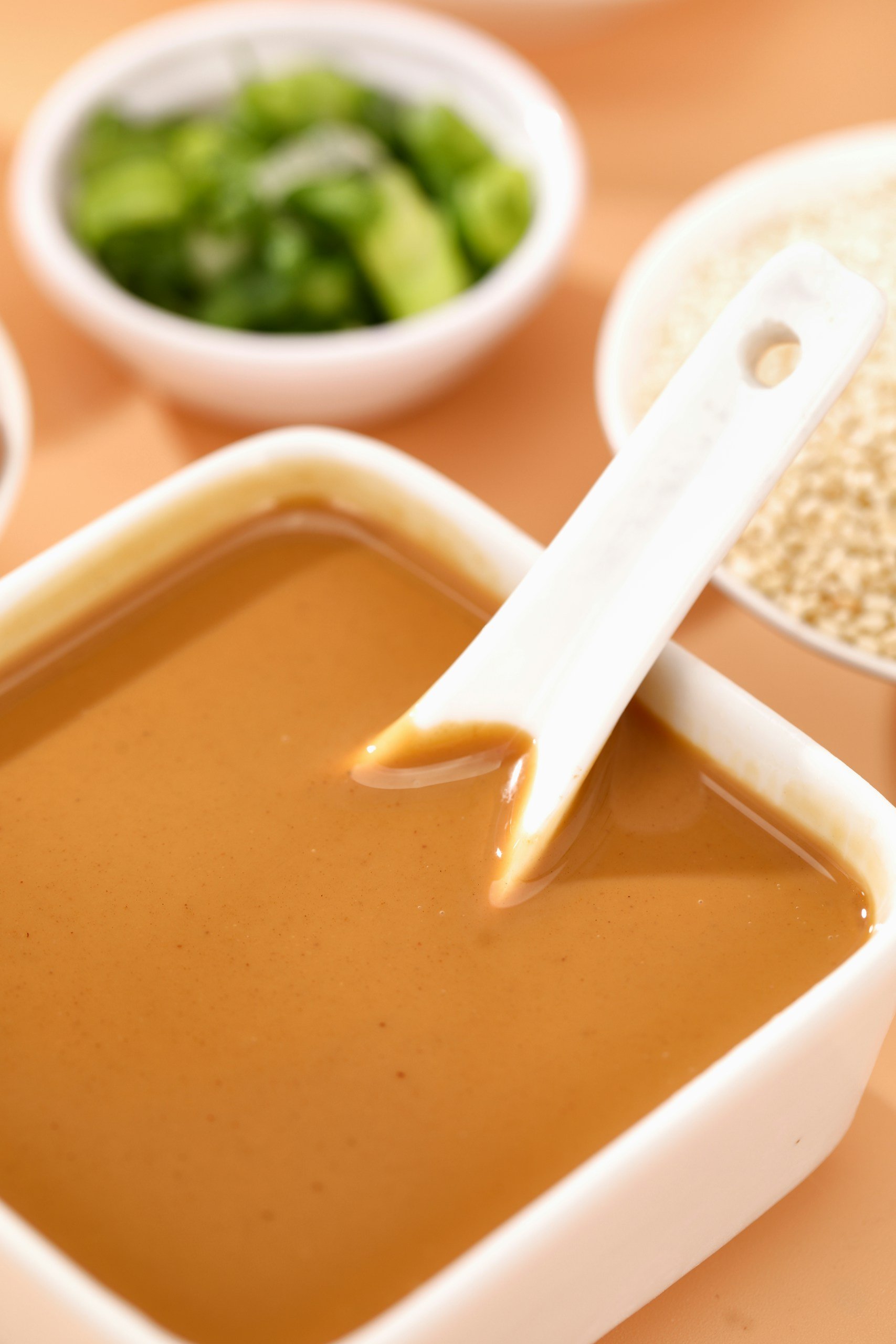
You need a sauce that stays smooth and visually clean after cooking. Arrowroot works best here because it thickens without cloudiness and maintains a light consistency when handled correctly.
- Result: Clean finish, no heaviness.
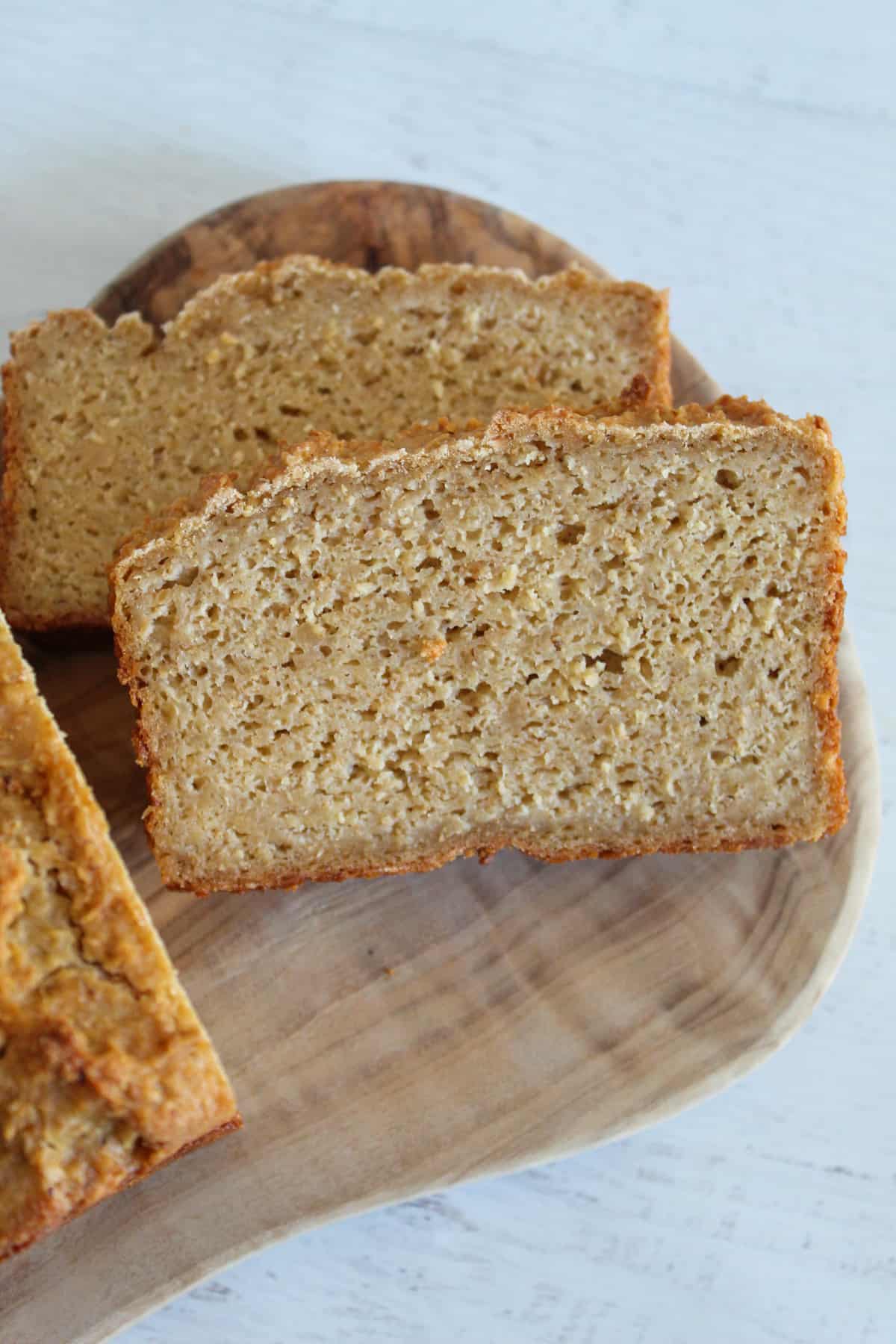
Example 2: Gluten-Free Bread
You’re working with a dough that lacks gluten and needs internal support to hold shape. Xanthan gum provides a network that binds ingredients together and prevents collapse during baking, just like it does in our Traditional Gluten-Free Easter Bread.
- Outcome: Stable structure, reduced crumbling.
Example 3: Frying
You want a coating that crisps instantly without becoming dense. Arrowroot (or cornstarch) forms a light outer layer that fries cleanly and avoids heaviness.
- Result: Crisp texture, no excess density

Common Mistakes That Could Occur When Choosing Between Arrowroot and Xanthan Gum
Little mistakes can ruin the final result, no matter how well you understand the concept of choosing between the two ingredients. Most texture issues occur because these thickeners are used incorrectly, not because of the ingredients themselves.
- Using Too Much Xanthan Gum: Xanthan gum is highly concentrated. Adding even a slight excess can turn a smooth sauce or batter into something thick, sticky, and unpleasant. Begin small and adjust gradually.
- Boiling Arrowroot Too Long: Arrowroot doesn’t hold up under prolonged heat. If it’s cooked too long or at too high a temperature, it breaks down and loses its thickening ability, often turning your sauce watery.
- Wrong Ratios: Replacing thickeners without adjusting quantities leads to inconsistent results. Too much or too little changes everything from thickness to stability, especially when substituting between starches and gums.
Nutritional Benefits of Xanthan Gum and Arrowroot
Functionality aside, the comparison between arrowroot and xanthan gum also comes down to how each ingredient supports digestion, metabolism, and overall dietary needs.

Xanthan Gum: Functional Fiber With Stability Benefits
Xanthan gum isn’t used in large amounts for nutrition, but it plays a functional role in how food behaves in the body. It acts similarly to soluble fiber by forming a gel-like structure, which can slow digestion and improve texture consistency.
Research from the National Center for Biotechnology Information shows that xanthan gum has a strong water-binding capacity, helping retain moisture and stabilize baked goods. It is also widely recognized as safe for consumption, including in specialized diets.
Key Functional Benefits:
- Supports digestive regulation through a fiber-like effect
- May help stabilize blood sugar by slowing absorption
- Improves texture and consistency without adding calories
Arrowroot: Easily Digestible, Nutrient-Supporting Starch
Arrowroot offers more direct nutritional value. It is a highly digestible starch that supports gut health and gentle energy release.
Research from the National Center for Biotechnology Information indicates that arrowroot contains prebiotic compounds that promote beneficial gut bacteria and improve mineral absorption. It also provides carbohydrates for energy, along with trace minerals like potassium, calcium, and iron.
Additional insights from Harvard Health Publishing highlight its low glycemic impact and resistant starch content, which may support digestive health and weight management.
Key Nutritional Benefits:
- Supports gut health (prebiotic effects).
- Easily digestible (gentle on the stomach).
- Provides steady energy from carbohydrates.
- May help regulate blood sugar.
Who They Are Best For
Now, let’s look into the kind of individuals these ingredients are ideal for.
Xanthan Gum Is Best For:
Xanthan gum is ideal for people who need structure without adding extra starch or calories.
- Those on a gluten-free diet.
- People managing blood sugar levels.
- Recipes requiring stability without bulk.
- Individuals needing controlled texture (e.g., thickened liquids).
Arrowroot Is Best For:
Arrowroot suits those who need a gentle, digestible carbohydrate source.
- People with sensitive digestion or gut issues.
- Infants or individuals needing easy-to-digest foods.
- Those on gluten-free diets.
- Anyone looking for a natural starch with a light texture.
Frequently Asked Questions
The questions below are what we often get asked about xanthan gum vs arrowroot and choosing the right thickener. Don’t see yours? Ask in the comments.
Can I Substitute Xanthan Gum for Arrowroot?
Yes, but not directly. Xanthan gum is much stronger, so you need far less. Use small amounts and adjust carefully to avoid a thick or slimy texture.
What Is the Best Substitute for Arrowroot Powder?
The best substitute for arrowroot powder depends on the recipe. Cornstarch and tapioca starch work best for sauces, while xanthan gum is better for structure in baking.
Is Arrowroot Better Than Cornstarch?
Arrowroot is lighter and creates a clearer finish, while cornstarch is thicker and more stable at high heat. The better option depends on the texture you want.
Why Is Xanthan Gum Used in Baking?
Xanthan gum is used to provide structure and binding, especially in gluten-free baking, where there is no gluten to hold ingredients together.
Does Arrowroot Thicken Like Cornstarch?
Yes, but it produces a smoother and more transparent result. It also thickens at lower temperatures but becomes less stable with prolonged exposure to heat.
Is Xanthan Gum Healthy?
Xanthan gum is generally safe and used in very small amounts. It can act like soluble fiber, helping with texture and digestion.
Can I Use Flour Instead of Arrowroot?
You can, but the result will be different. Flour creates a heavier, more opaque texture and requires cooking to remove the raw taste.
What Thickener Works Best for Sauces?
Arrowroot works best for light, clear sauces, while cornstarch is better for thicker, more stable sauces.
Does Xanthan Gum Need Heat?
No, it doesn’t. Xanthan gum thickens instantly without heat, making it more stable over a wider temperature range.
Why Did My Sauce Turn Runny?
This usually happens when the arrowroot is overheated or used incorrectly. It can break down at high or prolonged heat, causing the sauce to thin.
Similar Recipes & Guides
Now that you understand arrowroot vs xanthan gum and how to use each one, you’ll probably come across related substitution questions in other recipes. The guides below help you make the right swaps without guessing and keep your results consistent.
- If you’re working with alternative flours in gluten-free baking, start with Best Sorghum Flour Substitutes for Gluten-Free Baking and Coconut Flour Substitutes (Best Swaps + Conversion Guide) for reliable replacements that won’t affect texture.
- For seed-based binders and structure, see Best Flaxseed Substitutes for Gluten-Free Baking, Chia Seeds Substitute: 10 Best Chia Seed Alternatives for Every Recipe, and Chia Seeds vs Psyllium Husk (Complete Baking & Nutrition Guide) to understand how each option affects moisture and binding.
- If you’re comparing thickeners more broadly, Xanthan Gum vs. Cornstarch: Which Thickener Works Best? and Substitute for Corn Flour: Complete Guide with 7 Tested Options break down how different starches perform in sauces and baking.
- And if you need plant-based gelling alternatives, Top 10 Agar Agar Substitutes for Cooking & Baking offers more options to achieve the right consistency.
Use these related guides as a quick reference whenever you need a substitute, so you can choose confidently and get the texture, structure, and consistency your recipe needs.
What Are You Trying to Substitute?
Now that you’ve seen how each substitute works in practice, try them out and share your results in the comments. Did your sauce turn out too thin? Or did your gluten-free bake hold together or fall apart?
If you ran into any issues along the way, drop your questions, troubleshooting challenges, or personal results below. We’ll help you fix what didn’t work and guide you toward better results next time.