Gluten-free baking gets much easier when you understand what the ingredients actually do. Why did your gluten-free bread collapse? Why are your cookies falling apart? Do you need xanthan gum? Is potato flour the same as potato starch? Can you replace rice flour with almond flour? And is buckwheat really gluten-free?
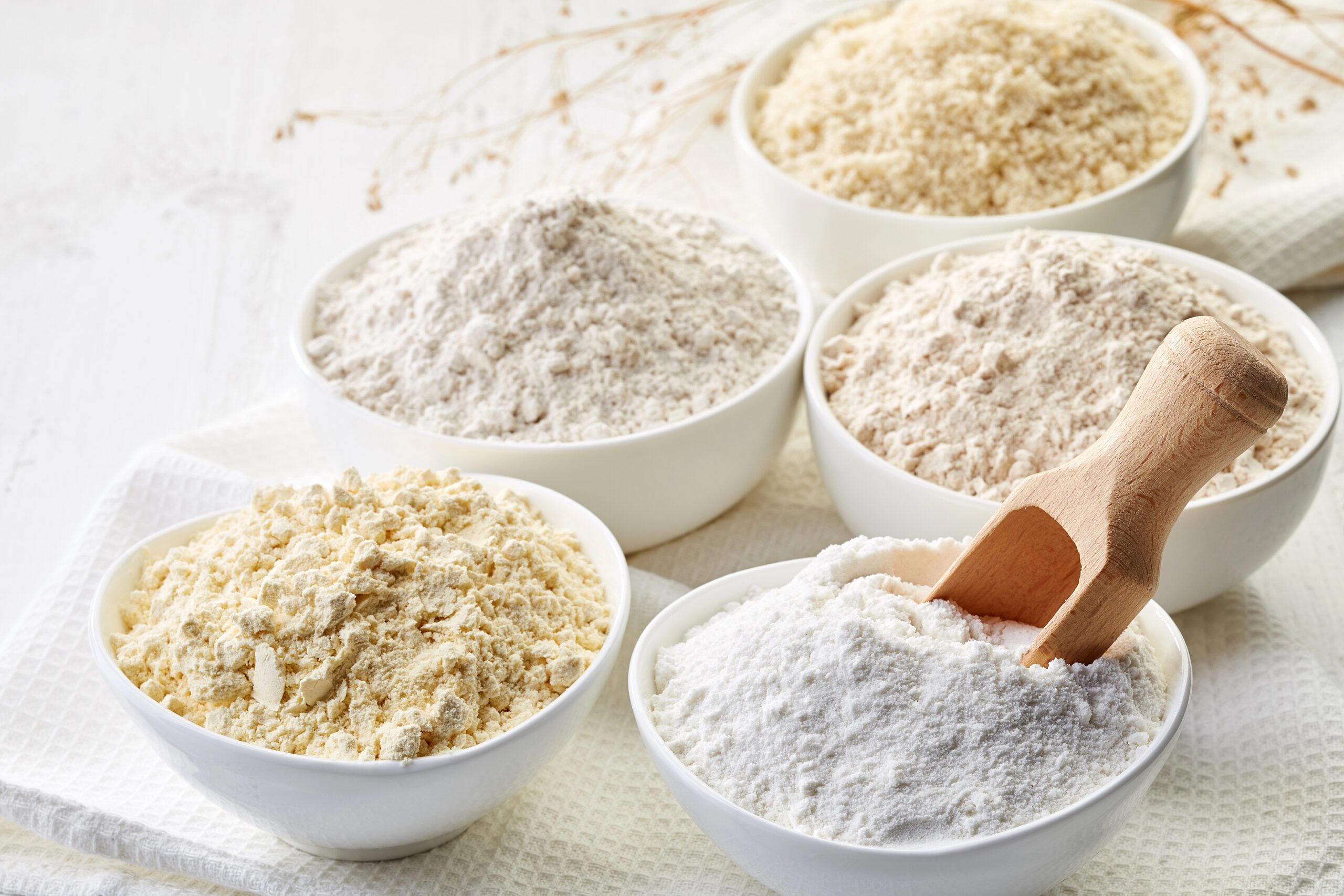
Wheat flour naturally contains gluten, a protein network that gives dough elasticity, structure, and the ability to trap gas as baked goods rise. Without gluten, gluten-free baking relies on the right combination of flours, starches, binders, eggs, gums, and other ingredients to provide structure, texture, and stability.
Table of Contents
This guide explains 50 essential gluten-free baking terms, including what each ingredient or technique means, what it does, and where you’re most likely to encounter it. You’ll also learn how common gluten-free ingredients differ, which substitutions work, and how to troubleshoot problems such as crumbly cookies, dense bread, and collapsed baked goods.
What Does Gluten Do in Baking?
Gluten is a group of proteins found naturally in wheat, barley, and rye. When wheat flour is hydrated and mixed, these proteins form an elastic network that gives dough structure and allows it to stretch while retaining the carbon dioxide produced by yeast.
That structure is especially important in bread. The dough needs to expand as yeast produces carbon dioxide without letting those gas bubbles escape. Without enough structural support, the loaf can become dense or collapse. Gluten-free bread therefore relies on other ingredients to provide some of these functions.
Xanthan gum, psyllium husk, guar gum, eggs, starches, and carefully balanced flour blends can all contribute structure, binding, elasticity, or moisture retention. However, because gluten-free flours do not function exactly like wheat flour, simply substituting one for the other rarely works.
You can see how these ingredients work together in recipes such as these Easy 8-Ingredient Gluten-Free Lemon Cranberry Muffins and these 5 Gluten-Free Holiday Treats Disappear in Under an Hour, where choosing the right combination of gluten-free ingredients helps create the intended texture and structure.
Starches, Binders, and Other Structure Builders
Starches and binders play different roles in gluten-free baking. Tapioca starch can contribute chewiness and elasticity. Potato starch can influence moisture and texture. Arrowroot is commonly used for thickening. Binders such as xanthan gum, psyllium, guar gum, chia, and flax can help hold gluten-free mixtures together.
Tapioca Flour vs. Tapioca Starch
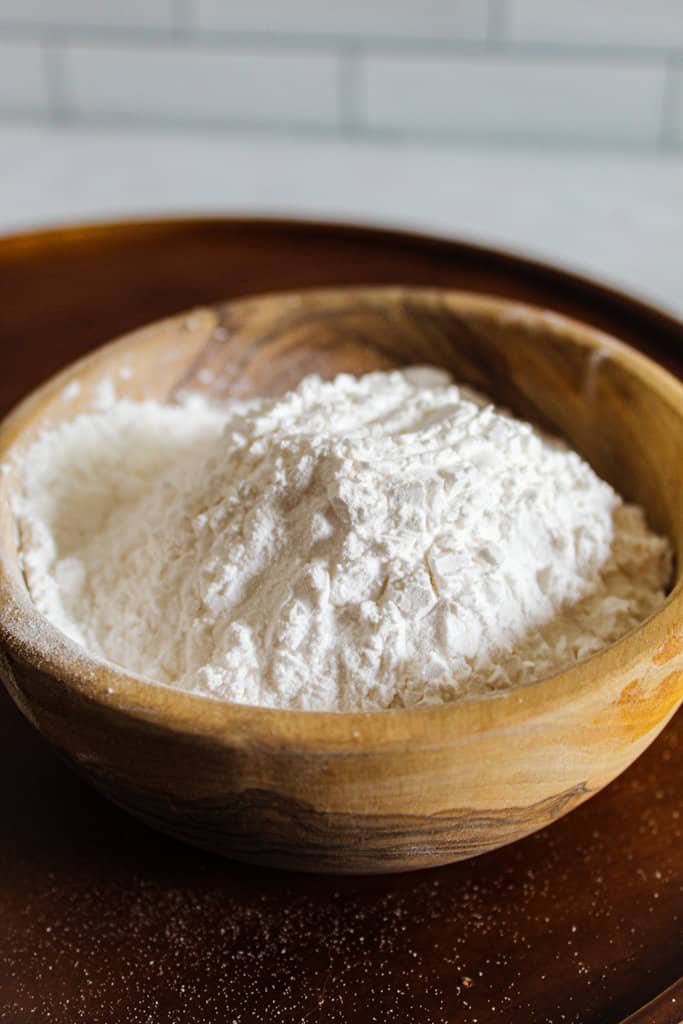
- In most baking recipes, tapioca flour and tapioca starch refer to the same cassava-derived ingredient. Don’t confuse either with cassava flour, which is made from the whole cassava root and behaves differently.
Potato Starch vs. Potato Flour
- These are not interchangeable. Potato starch is extracted starch. Potato flour is made from whole cooked, dried potatoes and contains more than just starch. It also has a stronger potato flavor and behaves differently in recipes. Using one in place of the other can change moisture, texture, and structure.
Do You Actually Need Xanthan Gum?
Sometimes, you do. Xanthan gum helps gluten-free doughs and batters bind, retain moisture, and develop elasticity and structure. It can be particularly useful in recipes that need to stretch or hold gas, such as bread and pizza dough.
But more isn’t better. Too much xanthan gum can produce a sticky or gummy texture. Some gluten-free flour blends already contain it, so check the ingredient list before adding more.
And xanthan gum isn’t your only option. For specific substitution options, see Best Xanthan Gum Substitutes in Gluten-Free Baking.
The 50 Gluten-Free Baking Terms A–Z
You’ve seen how the main ingredients work together. Use this glossary when a recipe calls for something unfamiliar, or you need to check whether an ingredient is suitable for gluten-free baking.
1) Acacia Gum: Acacia gum comes from the acacia tree and provides soluble fiber. It can thicken, stabilize, and bind ingredients in some gluten-free recipes.
2) Agar-Agar: Agar-agar comes from seaweed and sets liquids into a firm gel. Bakers commonly use it in desserts, fillings, and plant-based recipes.
3) Agave: Agave syrup provides a liquid form of sweetness. Because it adds both sugar and liquid, replacing granulated sugar with agave can change a recipe’s moisture and texture.
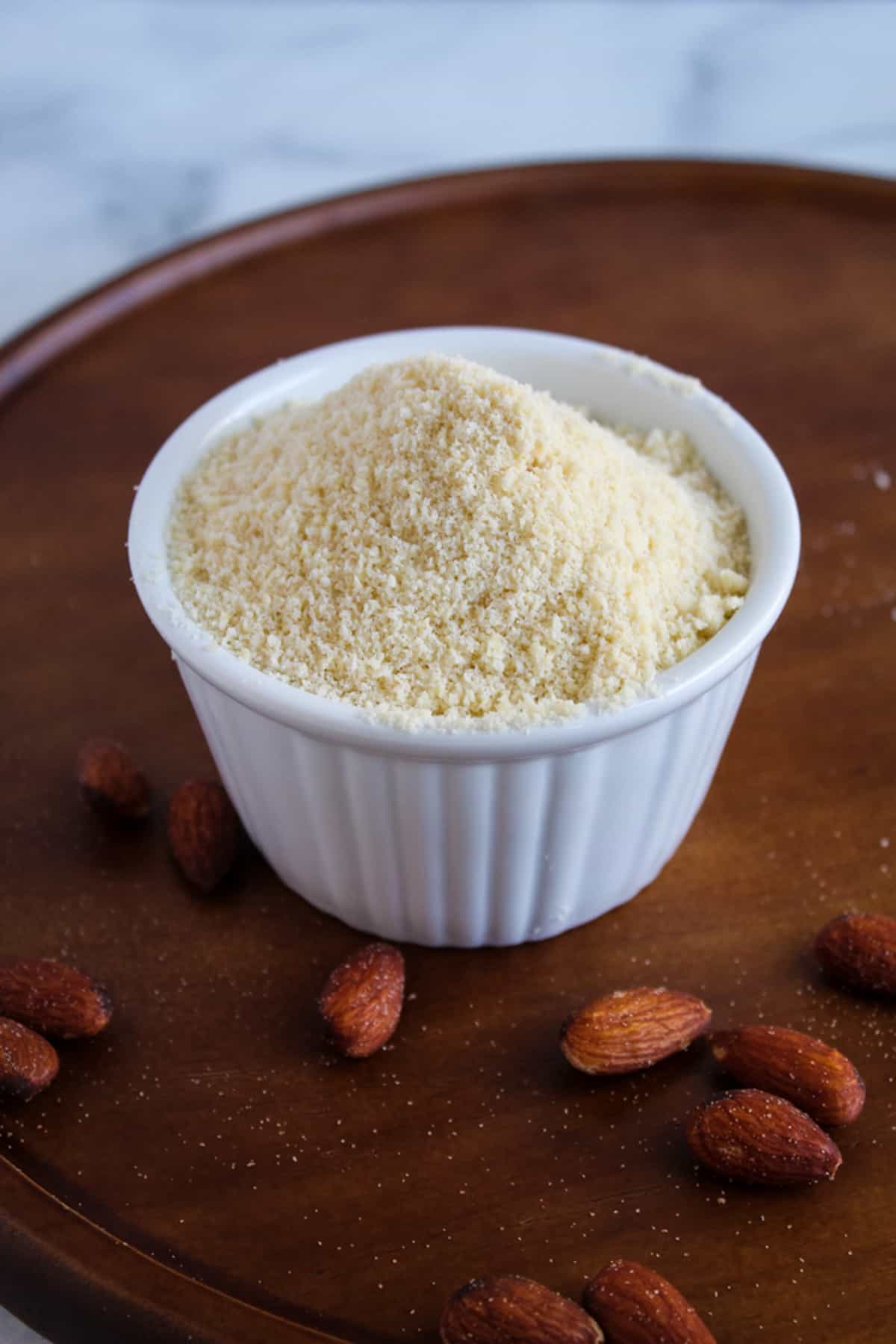
4) Almond Flour: Almond flour is finely ground almonds, usually blanched. Its fat content contributes moisture, tenderness, and nutty flavor to cakes, cookies, and muffins. If you’re unsure how it differs from the coarser, often skin-on almond meal, see Are Almond Flour and Almond Meal the Same? for a closer comparison.
5) Amaranth Flour: Amaranth flour comes from ground amaranth seeds. It has an earthy flavor and generally works best alongside other gluten-free flours.
6) Arrowroot Powder: Arrowroot powder provides starch that primarily thickens mixtures. It can also improve the texture of some gluten-free baked goods.
7) Ascorbic Acid: Ascorbic acid (vitamin C) acts as a dough conditioner in bread making. It strengthens dough and helps it retain gas. Specialized bread production uses it more often than everyday gluten-free baking.
8) Baking Powder: Baking powder acts as a chemical leavener that releases carbon dioxide when activated. It helps cakes, muffins, biscuits, and quick breads rise.
9) Baking Sheet: A baking sheet is a flat pan used for cookies, biscuits, and other baked goods. Its material and thickness can affect browning and baking time.
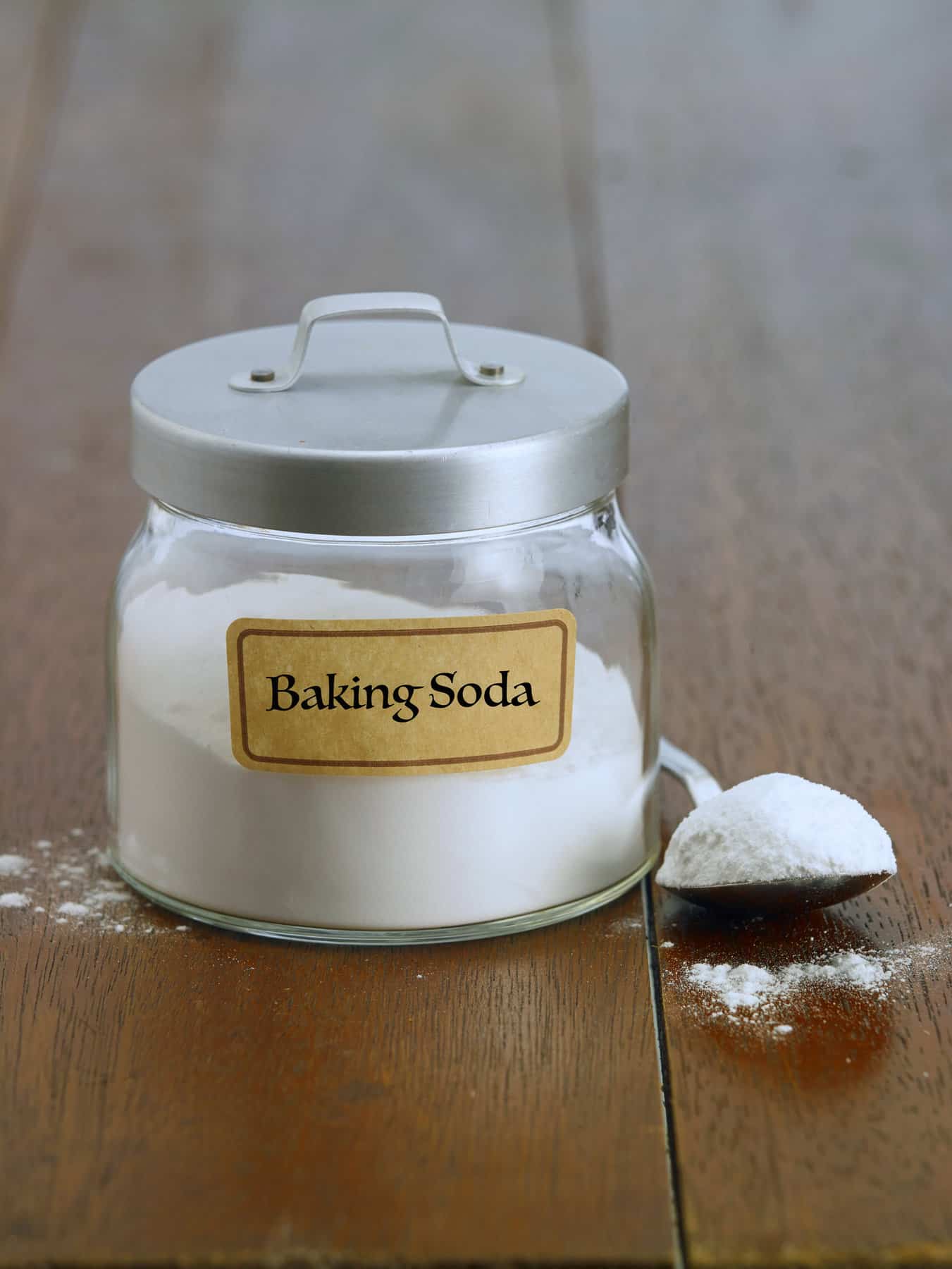
10) Baking Soda: Baking soda contains sodium bicarbonate. Unlike baking powder, it needs an acidic ingredient to produce carbon dioxide.
11) Benching: Benching gives dough a short resting period during bread preparation. This rest allows the dough to relax before shaping or another stage of baking.
12) Binders: Binders hold gluten-free ingredients together. They play an especially important role because gluten-free dough does not naturally develop the elastic network that wheat dough forms.
13) Bread Pan: A bread pan supports the dough during baking. This can be especially useful for gluten-free bread, which often lacks the structural strength of wheat dough.
14) Buckwheat Flour: Buckwheat flour comes from buckwheat rather than wheat. Despite its name, buckwheat naturally contains no gluten and has an earthy, nutty flavor.
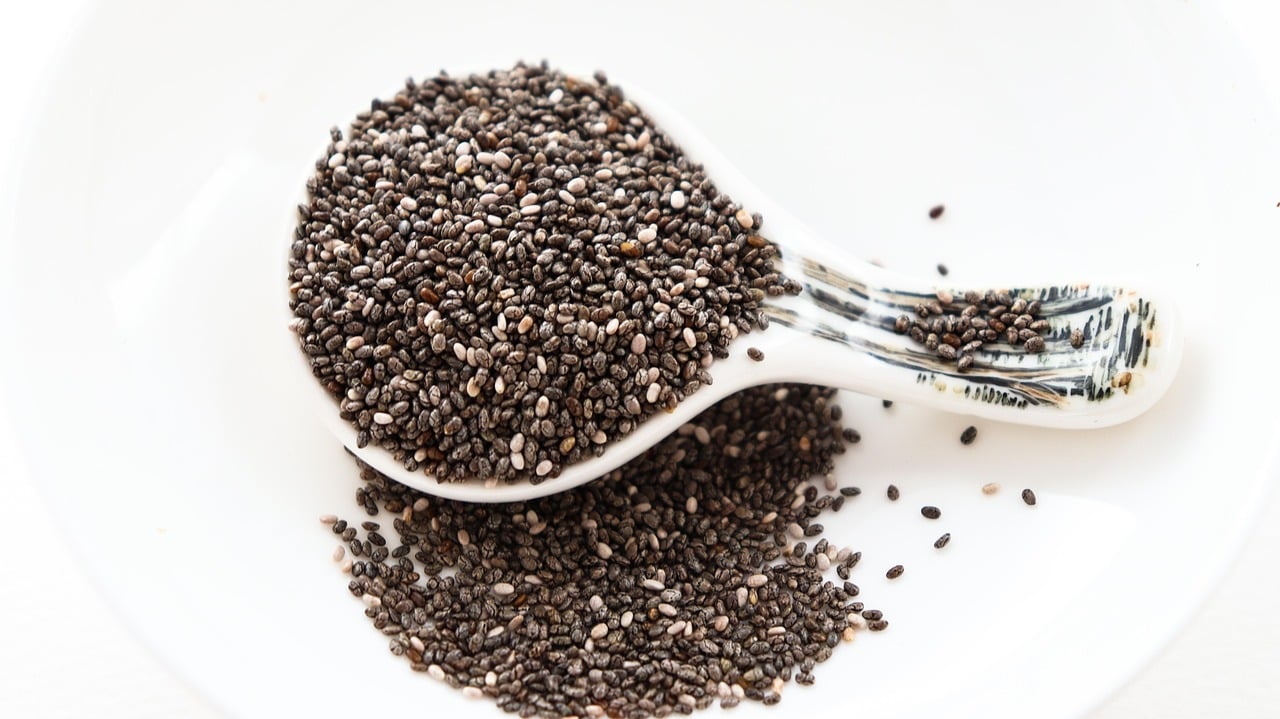
15) Chia Seeds: Chia seeds absorb liquid and form a gel. That gel can help bind gluten-free mixtures and provide structure in some egg-free recipes.
16) Coconut Flour: Coconut flour absorbs a large amount of liquid and generally requires considerably more liquid than many other gluten-free flours. It does not usually work as a simple 1:1 substitute for another flour.
17) Corn Flour: Corn flour consists of finely ground corn, although the term refers to different products in different regions. Check the product label and recipe before substituting it for another corn product.
18) Cornmeal: Cornmeal consists of coarsely ground corn and adds corn flavor and texture to foods such as cornbread.
19) Cream of Tartar: Cream of tartar is an acidic powder. It can react with baking soda to produce carbon dioxide and can also help stabilize whipped egg whites.
20) Fava Bean Flour: Fava bean flour comes from ground fava beans and can add protein and structure to gluten-free flour blends. Larger amounts can produce a noticeable flavor.
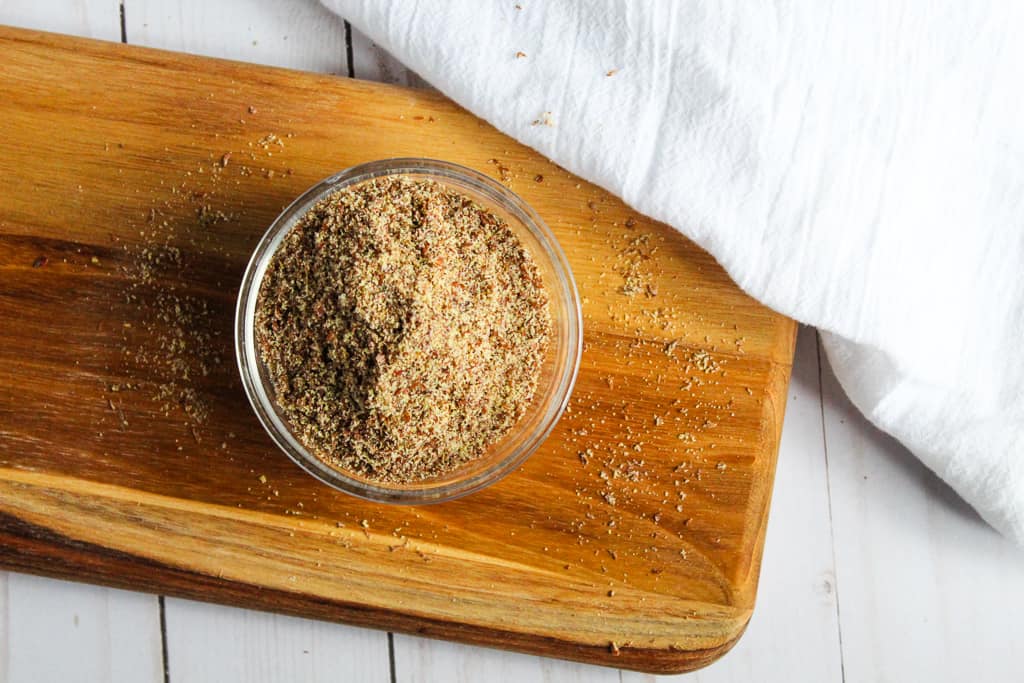
21) Flaxseed Meal: Flaxseed meal forms a gel when hydrated, allowing it to bind ingredients. It is also commonly used as an egg substitute in some recipes.
22) Garbanzo/Chickpea Flour: Garbanzo or chickpea flour comes from ground chickpeas. It adds protein and a distinctive bean flavor, making it useful in savory recipes and some flour blends.
23) Gelatin: Gelatin provides an animal-derived protein that thickens mixtures and forms gels. It can add stability to desserts, fillings, and other preparations.
24) Ghee: Ghee consists of clarified butter with most of its water and milk solids removed. It contributes concentrated butterfat and flavor but is not suitable for vegan recipes.
25) Gluten: Gluten refers to a group of proteins that naturally occur in wheat, barley, and rye. These proteins form an elastic network that gives traditional wheat dough structure and helps it retain gas.
26) Guar Gum: Guar gum comes from plants and acts as a thickener and stabilizer. It can help bind gluten-free ingredients, although it does not behave exactly like xanthan gum.
27) Hazelnut Meal: Hazelnut meal consists of ground hazelnuts. It adds fat, moisture, and nutty flavor to baked goods.
28) Hemp Flour: Hemp flour adds protein, fiber, and a distinctive flavor. It generally works better in a flour blend than as a direct replacement for wheat flour.
29) Kosher Salt: Kosher salt typically has coarse grains and enhances flavor. Salt can also affect dough and yeast activity, so measure it accurately.
30) Millet Flour: Millet flour has a mild flavor and works well in breads, cakes, muffins, and flour blends. It generally needs other ingredients to provide additional structure.
31) Pecan Meal: Pecan meal is made from ground pecans. It contributes fat, moisture, flavor, and a richer texture to baked goods.
32) Pectin: Pectin comes from plants and forms gels. Bakers commonly use it in jams, jellies, and fruit fillings.
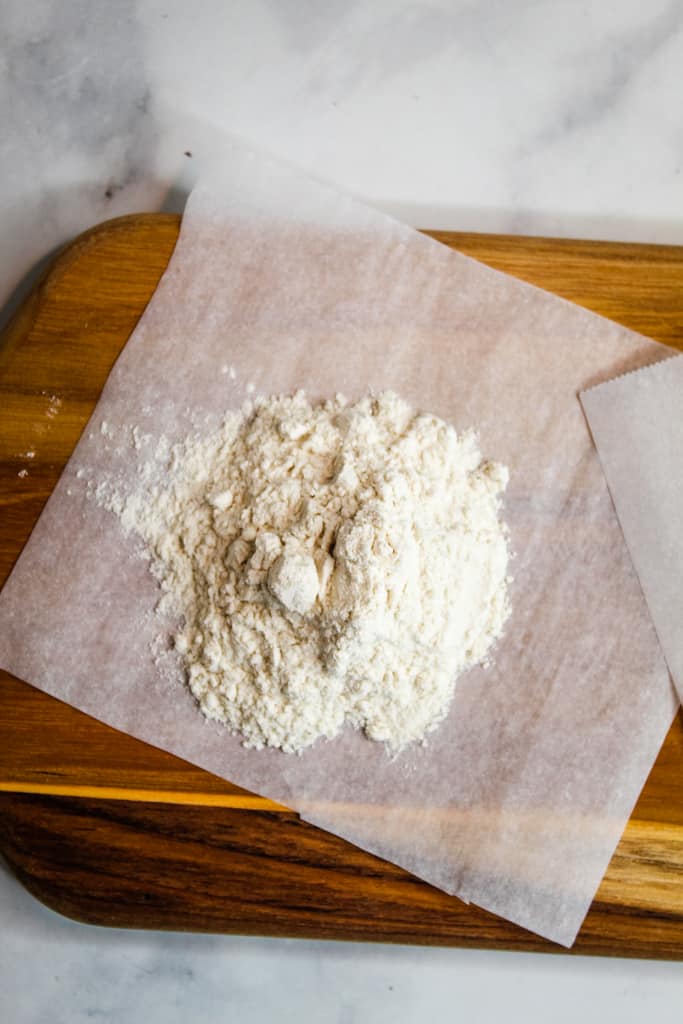
33) Potato Flour: Potato flour comes from whole potatoes that manufacturers cook, dry, and grind. It has a stronger potato flavor and behaves differently from potato starch.
34) Potato Starch: Potato starch is extracted from potatoes. Bakers primarily use it to influence texture and moisture.
35) Proofing: Proofing gives yeast dough time to ferment and rise. During fermentation, yeast produces carbon dioxide, which causes the dough to expand.
36) Psyllium Seed Husk: Psyllium husk absorbs water and forms a gel, giving gluten-free dough additional structure. It is particularly useful in gluten-free bread.
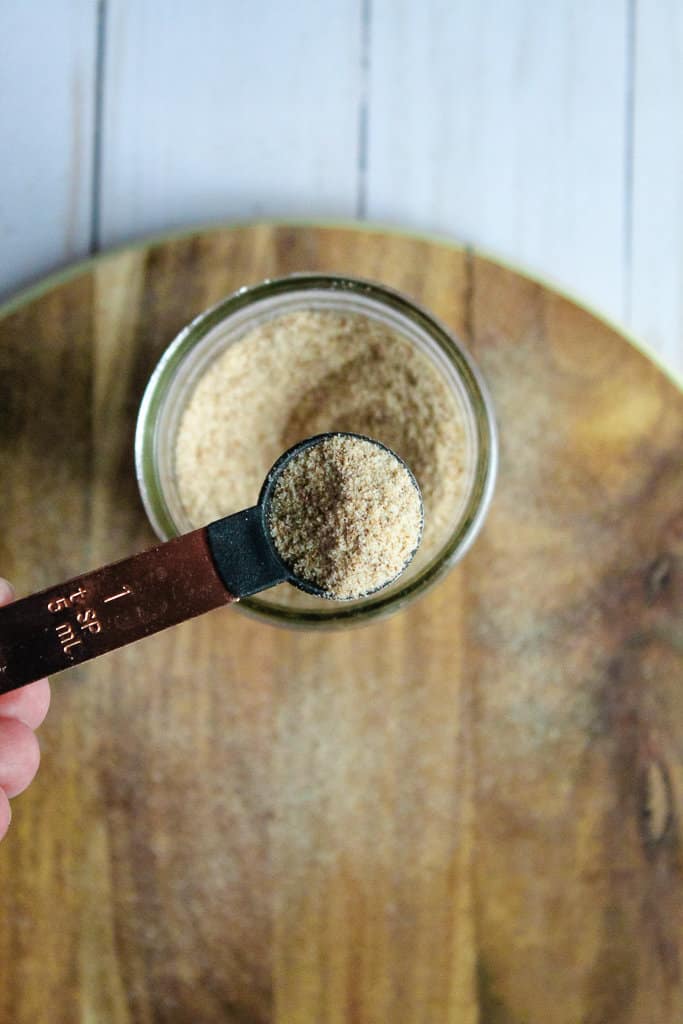
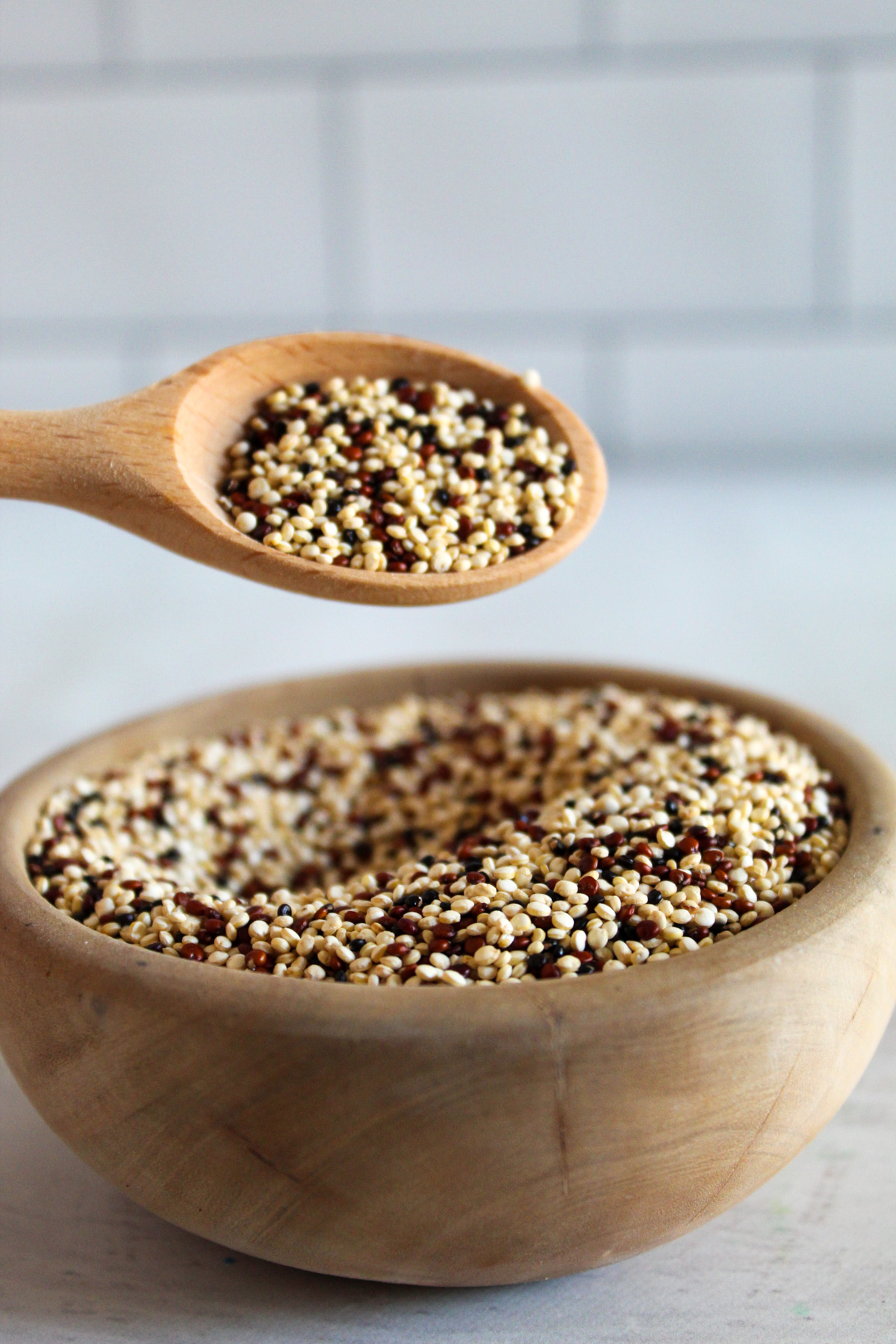
37) Quinoa Flour: Quinoa flour has a nutty flavor and contributes protein to baked goods. Its stronger flavor often makes it more suitable as part of a flour blend.
38) Rice Bran: Rice bran is the outer layer of the rice grain removed during milling. It adds fiber, nutrients, and a mild grain flavor.
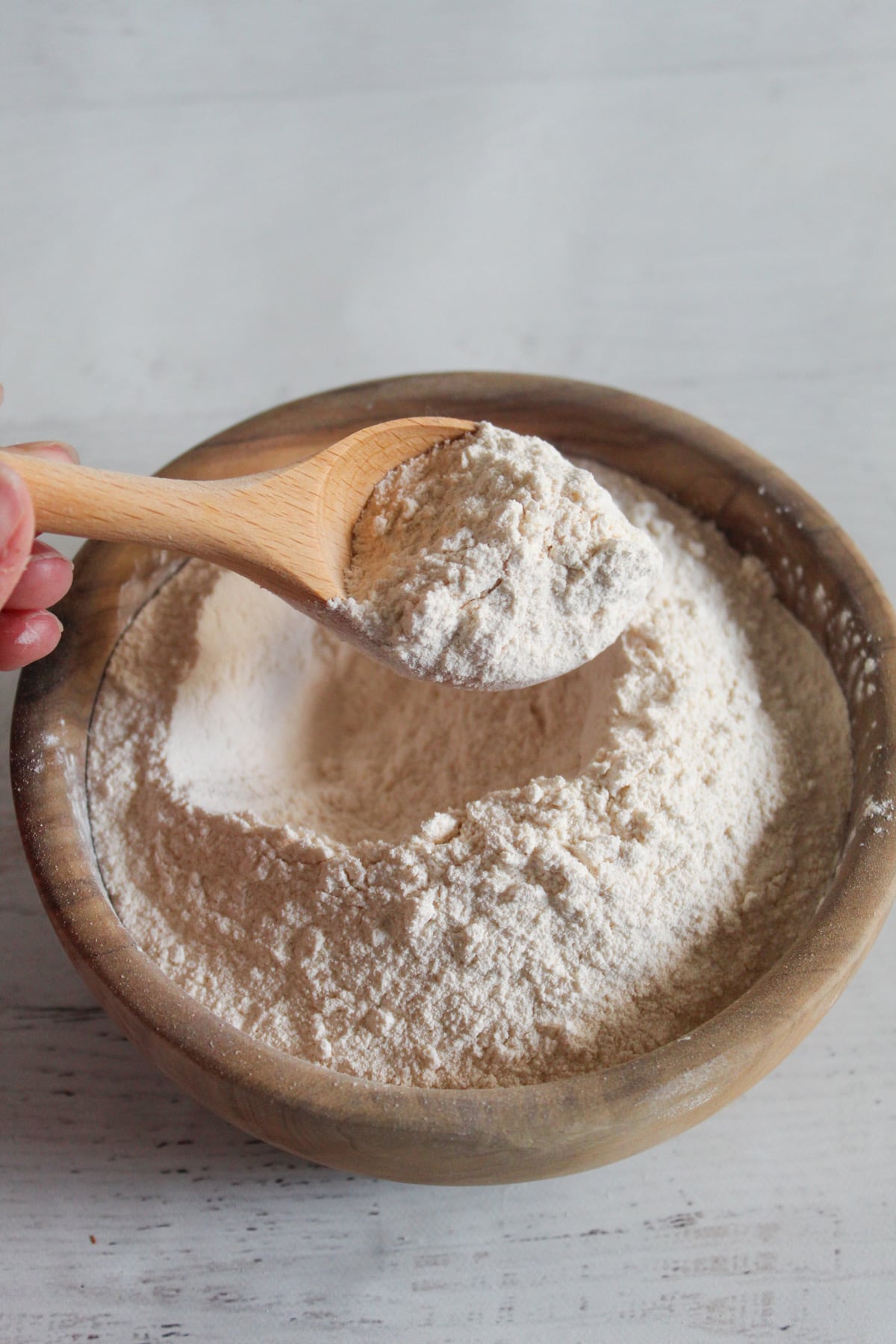
39) Rice Flour: Rice flour has a mild flavor and is widely used in gluten-free baking. Used alone, it can produce a fragile or gritty texture, so it is often combined with other flours and starches.
40) Rye Flour: Rye flour comes from rye grain and contains gluten. It does not suit a gluten-free diet.
41) Scant: Scant means slightly less than the stated measurement. For example, a scant cup contains slightly less than one full cup.
42) Skim Milk Powder: Skim milk powder comes from dried skim milk. It adds milk solids, protein, and dairy flavor without adding as much liquid as regular milk.
43) Sorghum: Sorghum is a naturally gluten-free grain with a mild flavor. Bakers commonly use sorghum flour in gluten-free breads, muffins, cakes, and flour blends.
44) Soy Flour: Soy flour comes from ground soybeans. It adds protein and nutty flavor and most commonly serves as one component of a flour blend.
45) Spelt Flour: Spelt is a type of wheat, so spelt flour contains gluten and is not gluten-free.
46) Sweet Rice Flour: Sweet rice flour comes from glutinous short-grain rice. It becomes sticky and chewy when hydrated. “Glutinous” refers to texture, not gluten content.
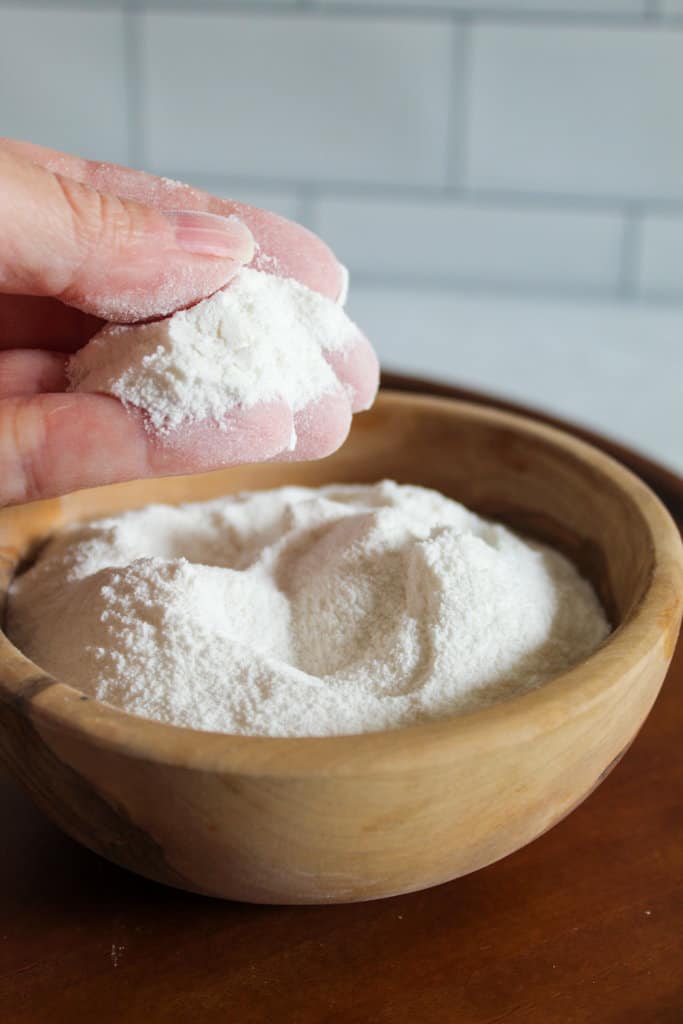
47) Tapioca Flour: Tapioca flour is a cassava-derived starch. It can add chewiness, lightness, and elasticity to gluten-free baked goods.
48) Teff Flour: Teff flour comes from teff, a naturally gluten-free grain. Its earthy flavor works well in breads, crackers, pancakes, and flour blends.
49) Unleavened: Unleavened describes food made without a leavening agent intended to produce a rise. The term does not mean gluten-free.
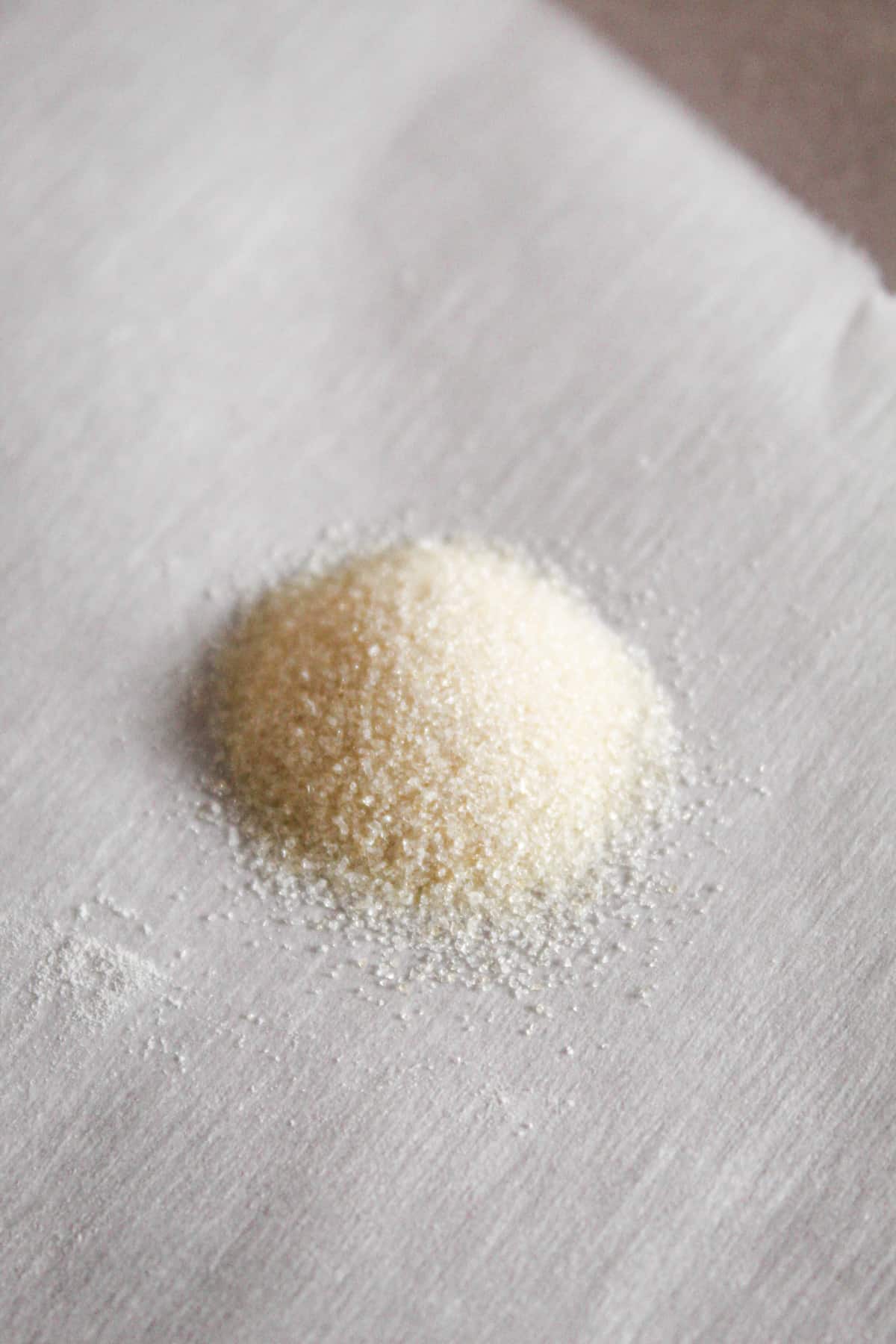
50) Xanthan Gum: Xanthan gum is a thickening and stabilizing ingredient that helps gluten-free doughs and batters bind, retain moisture, and develop structure and elasticity.
Gluten-Free Flours: How Each One Behaves in Baking
There isn’t one gluten-free flour that behaves exactly like wheat flour. Rice flour has a mild flavor and is widely used in gluten-free baking. Almond flour contributes fat, moisture, and tenderness.
Sorghum and millet provide mild grain flavors, while buckwheat and teff have more pronounced earthy flavors. Coconut flour is particularly absorbent and usually requires a recipe specifically formulated for it.

That’s why gluten-free recipes frequently use flour blends. Combining flours and starches lets the recipe balance flavor, moisture, tenderness, and structure, rather than asking one ingredient to do everything. Our gluten-free bread flour blend, for example, combines rice flour with tapioca, cornstarch, and potato flour rather than relying on a single flour.
A flour blend also isn’t necessarily the same as a measure-for-measure replacement flour. Some commercial replacement flours are formulated specifically for 1:1 substitution in non-yeasted recipes and may already contain xanthan gum.
Hence, don’t substitute gluten-free flours by volume simply because they look similar. Their fat, fiber, protein, starch, and moisture properties can vary widely.
If you’re unsure whether you’ve measured your flour correctly, see How to Measure Gluten-Free Flour.
What Is Actually Gluten-Free?
Naturally gluten-free ingredients include rice, potatoes, corn, quinoa, buckwheat, sorghum, millet, teff, nuts, seeds, legumes, and cassava. However, naturally gluten-free doesn’t always mean safe from cross-contact.
A naturally gluten-free grain can come into contact with wheat, barley, or rye during processing, storage, preparation, or serving. This is particularly important for people with celiac disease.
What About Oats?
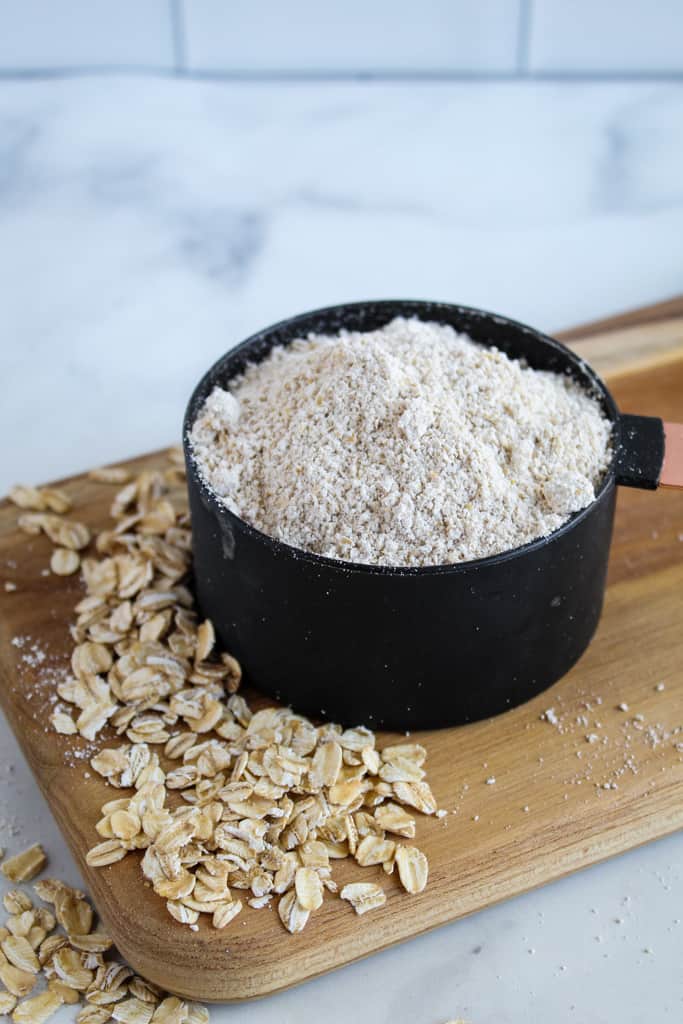
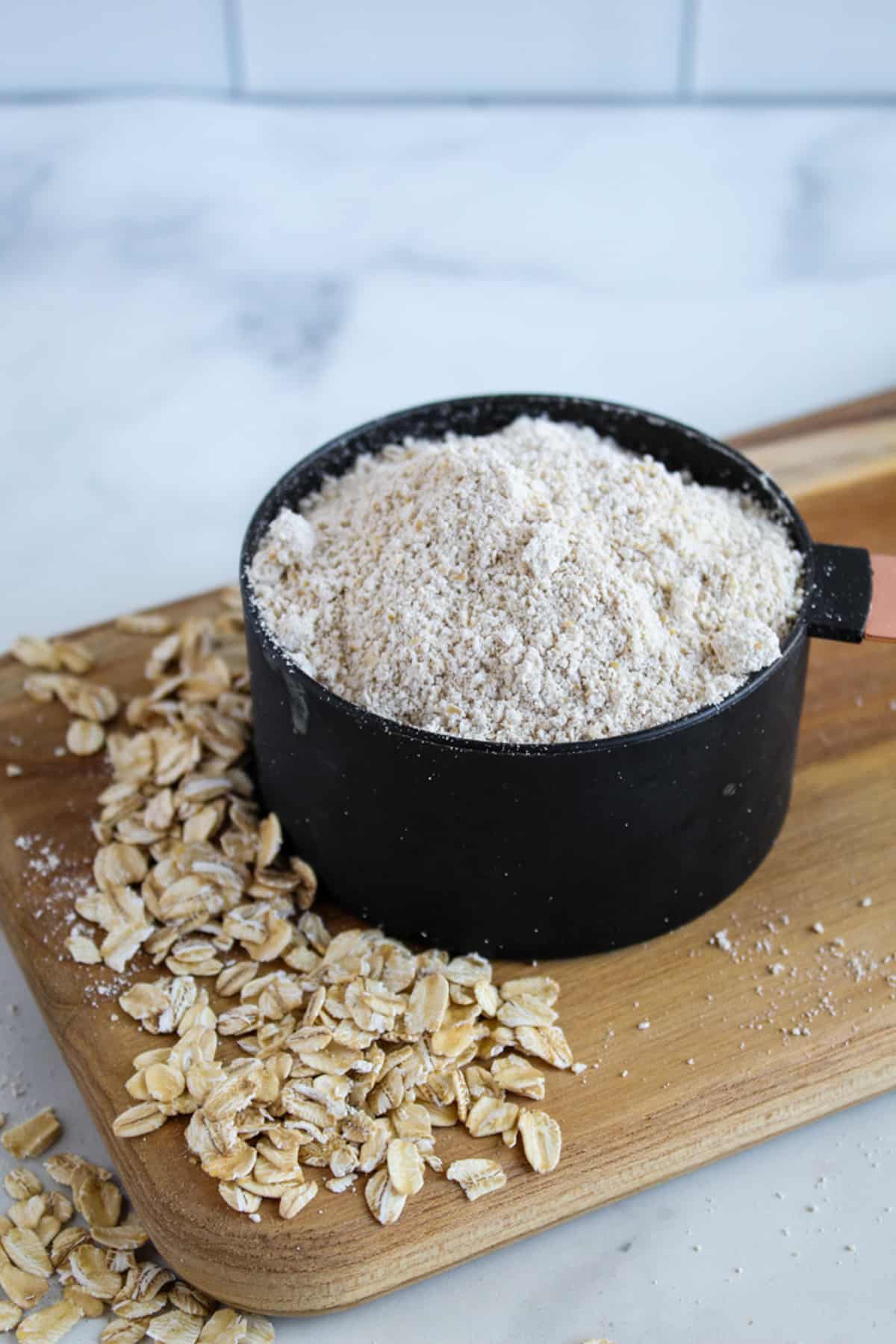
Oats themselves don’t contain gluten, but cross-contact with wheat, barley, or rye can occur during processing. If you have celiac disease, choose oats specifically labeled gluten-free and follow the advice of your healthcare professional.
What Does “Gluten-Free” Mean on a Label?
In the United States, the FDA’s gluten-free labeling standard requires the food to contain less than 20 parts per million (ppm) of gluten.
For a practical example of using gluten-free ingredients in a dessert, see Easy Gluten-Free Bread Pudding with Warm Caramel Sauce.
Gluten-Free Baking Substitutions: Can You Swap It?
A substitute needs to perform the same job as the original ingredient. Two ingredients may look similar but contribute different amounts of starch, fat, liquid, fiber, or binding power.
| If You’re Out Of | Possible Alternative | Important Caveat |
|---|---|---|
| Xanthan Gum | Guar gum, psyllium, chia, flax | Not universal 1:1 substitutions |
| Potato Starch | Tapioca starch or cornstarch | Texture may change |
| Almond flour | Another nut flour | Fat and moisture can differ |
| Rice flour | Another grain flour | Texture and liquid balance can change |
| Sweet rice flour | Tapioca starch in some applications | Final texture will differ |
| Arrowroot | Tapioca starch or cornstarch | Recipe-dependent |
Can I Substitute Gluten-Free Flour 1:1 for Wheat Flour?
Not automatically. Rice flour, almond flour, coconut flour, buckwheat flour, and other gluten-free flours behave differently. You shouldn’t directly substitute them for wheat flour in the same volume.
A formulated measure-for-measure flour is different. Some products are specifically designed for 1:1 replacement in non-yeasted recipes. Yeasted breads are more challenging because the flour substitute must provide sufficient structure to support fermentation and rising.
Do you want to see how starch substitutions affect an actual recipe? Gluten-Free Cherry Pie Recipe (With Foolproof Cherry Pie Filling) compares cornstarch, tapioca starch, arrowroot, and potato starch, and how each affects the filling.
Gluten-Free Baking Problems? Start Here
Use these tips to solve gluten-free baking problems.
1. Gummy Bread: Too much liquid, insufficient baking, too much binder, or an unsuitable flour blend can contribute to gumminess. Cutting into the loaf while it’s still hot can also make the crumb appear gummy because it hasn’t finished setting. Our flaxseed bread recipe specifically recommends allowing gluten-free bread to cool fully before slicing to avoid a gummy texture.
2. Bread Collapses: Look at structure first. Excess liquid, overproofing, insufficient binder, or an unsuitable flour blend can leave the dough unable to support the gas produced during fermentation.
3. Crumbling Cookies: The recipe may lack enough binding or moisture. Too little binder, an imbalanced flour mixture, or overbaking can produce fragile cookies.
4. Dense Cake: Check the flour measurement and leavener first. Too much flour, insufficient leavening, or an unsuitable flour blend can all contribute to a dense result.
5. Bread Won’t Rise: Check the yeast and proofing conditions, then consider the dough’s structure. Gluten-free bread needs another way to retain the carbon dioxide produced by yeast, which is why the right flour blend and binder are important.
Frequently Asked Questions About Gluten-Free Baking Terms
Still have a gluten-free baking terms question that hasn’t been answered above? These cover practical issues that come up when you start adapting gluten-free recipes. If your question isn’t here, leave it in the comments so we can consider it for a future update.
Does Gluten-Free Baking Require Separate Baking Equipment?
Not necessarily, but cross-contact matters when baking for someone with celiac disease. Gluten can transfer through shared utensils, surfaces, equipment, and preparation areas.
Why Does Gluten-Free Dough Look Wetter Than Wheat Dough?
Gluten-free dough doesn’t develop the same elastic network as wheat dough. Some recipes also deliberately use higher hydration because starches and binders absorb water as the dough rests.
Should I Weigh Gluten-Free Flour?
Weighing is generally more consistent than measuring by volume because different gluten-free flours have different densities.
Can I Convert Any Wheat Recipe to Gluten-Free?
You can often adapt non-yeasted recipes such as cookies, cakes, and muffins more easily. However, yeasted breads are more complicated because you need to replace wheat flour with ingredients that provide enough structure for fermentation and rising.
Why Does Gluten-Free Bread Sometimes Need More Liquid?
Gluten-free flours, starches, and binders absorb water differently from wheat flour. Psyllium, for example, forms a gel when hydrated, so the required amount depends heavily on the formula.
Why Should Gluten-Free Bread Cool Before Slicing?
The crumb continues to set as the loaf cools. Cutting too early can make the interior appear wet or gummy.
Is Gluten-Free Baking Automatically Healthier?
“Gluten-free” describes gluten content, not overall nutritional quality. A gluten-free food can still be high in sugar, fat, calories, or refined starch.
Can Gluten-Free Flour Blends Contain Xanthan Gum?
Some blends already contain xanthan gum while others don’t. Therefore, check the ingredient list before adding more.
Why Do Gluten-Free Baked Goods Sometimes Dry Out Quickly?
The flour blend, starches, fats, liquids, binders, and storage conditions all affect moisture retention. Changing one ingredient can therefore change how quickly the finished bake loses moisture.
More Gluten-Free Baking Guides
Once you know what the ingredients do, the next challenge is knowing what to do when a recipe calls for an ingredient you don’t have or when the result doesn’t behave as expected.
- How to Make Gluten-Free Bread without Xanthan Gum: Learn how to build structure in gluten-free bread without relying on xanthan gum.
- Xanthan Gum vs. Cornstarch: Which Thickener Works Best? Compare how these two ingredients behave and when each makes more sense.
- Is Xanthan Gum a Substitute for Baking Powder? Understand why xanthan gum and baking powder perform completely different jobs in a recipe.
- Xanthan Gum Substitute: Best Gluten-Free Alternatives: Explore alternatives such as psyllium, guar gum, chia, and flax when xanthan gum isn’t an option.
Keep these guides handy as you experiment—understanding how ingredients behave makes it much easier to troubleshoot, substitute, and get better results the next time you bake.
Share Your Gluten-Free Baking Wins (and Fails)
What have you learned from gluten-free baking? Maybe you found a flour blend that finally works, discovered a better xanthan gum substitute, or figured out why your bread kept turning out gummy.
Share your experience in the comments. Your tips, substitutions, and lessons learned could help another gluten-free baker avoid the same mistakes and may even give us ideas for future guides.