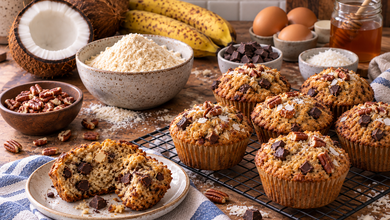
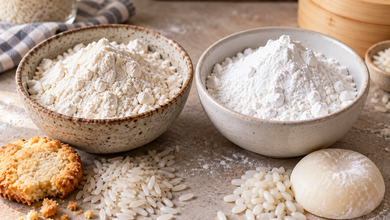
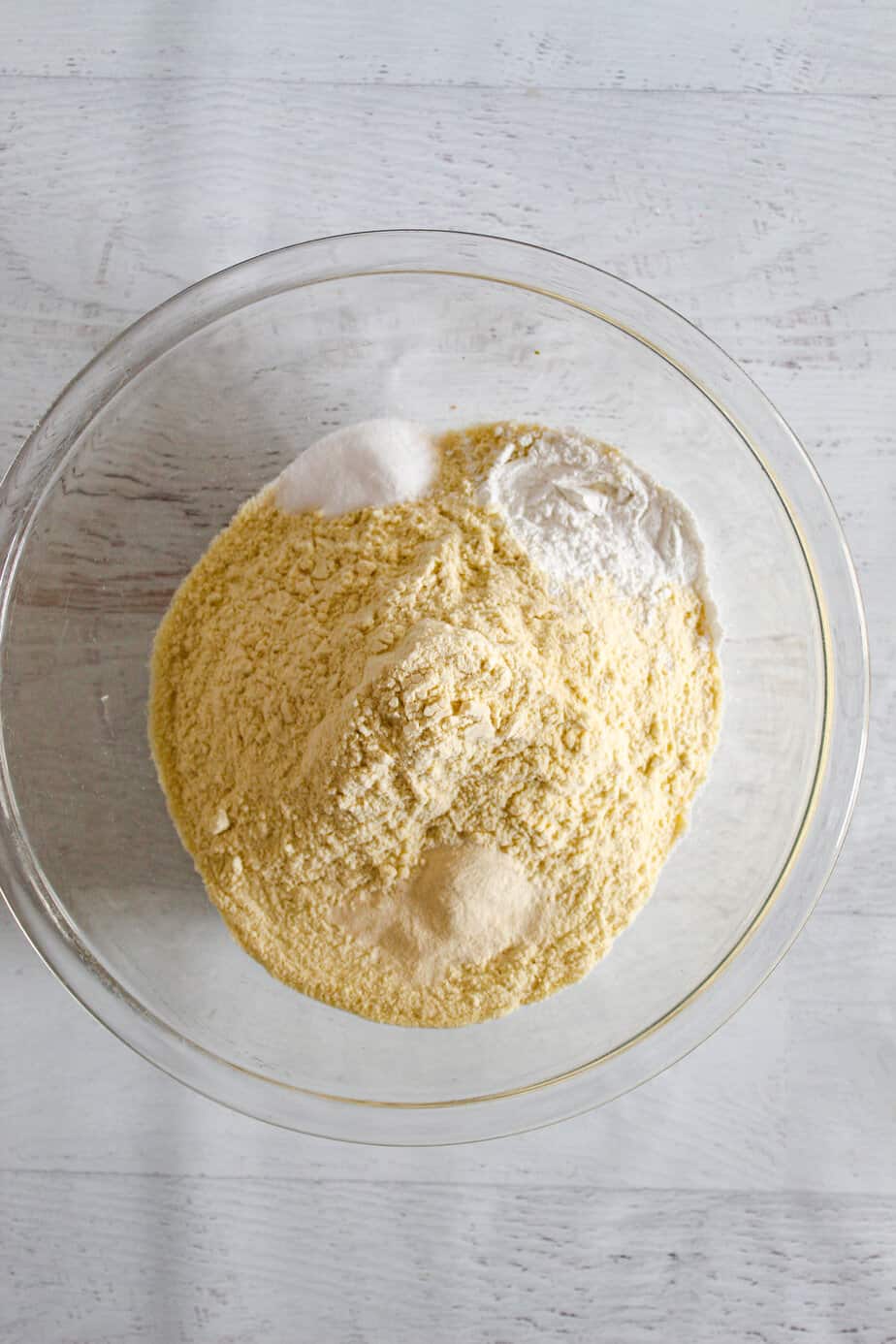
Each almond-flour substitute has different properties. Using the wrong one would turn your bake dry, dense, or greasy.
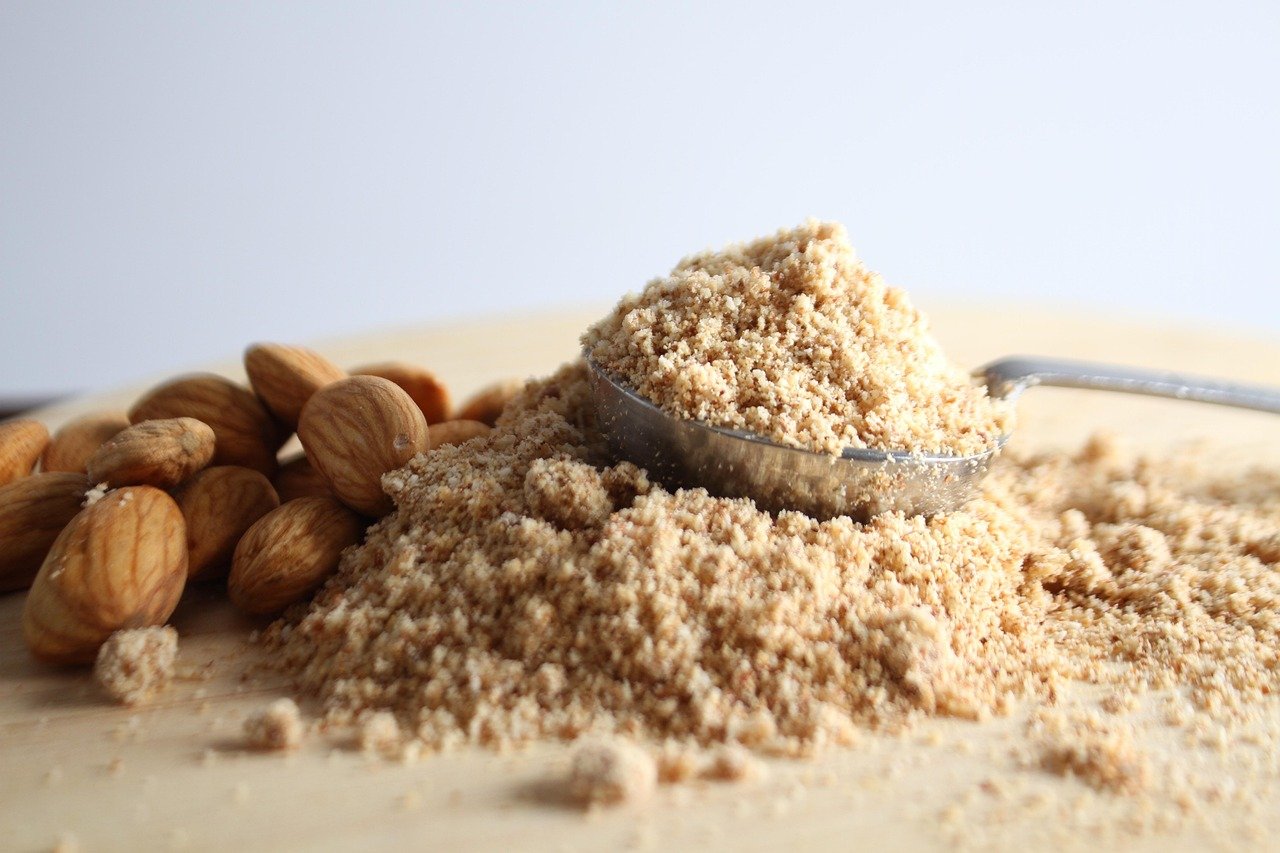
Almond flour has distinct characteristics due to its high fat content and lack of gluten. So replacing it requires the right flour and the right ratio. Even small differences, as explained in Almond Meal vs Almond Flour: Similarities and Differences, can affect texture, structure, and moisture.
Table of Contents
To help you choose confidently, this guide not only lists the best options but also explains how and when to use them, ensuring consistent results as you move through your baking projects.
Quick Answer: Best Almond Flour Substitutes
The best almond flour substitute depends on your recipe, but a few options consistently work well with the right ratios:
- Oat Flour: Use 1:1 for cookies and cakes (light texture)
- All-Purpose Flour: Use 1:1 for general baking (contains gluten)
- Coconut Flour: Use 1:¼ and increase liquids (very absorbent)
- Sunflower Seed Flour: Use 1:1 for a nut-free alternative
Almond Flour Substitute Ratio Chart
Use the chart below to choose the right substitute for your recipe and prevent common texture issues.
| Substitute | Ratio | Best For | Notes |
|---|---|---|---|
| Oat flour | 1:1 | Cookies, cakes | Mild flavor |
| Coconut flour | 1:¼ | Dense baking | Absorbs liquid |
| All-purpose flour | 1:1 | Bread, general baking | Contains gluten |
| Sunflower flour | 1:1 | Nut-free baking | Slight color change |
The ratios in the above table provide a reliable starting point; however, your results may differ based on the moisture and structure needs of your recipe.
Want our human-written content to rank above AI-generated garbage? Help us out by clicking this button!
What Is the Best Almond Flour Substitute?
Oat flour is the best almond flour substitute for most recipes because it delivers a similar texture, and it works in a 1:1 ratio. It performs especially well in cookies and cakes where a soft crumb is needed.
Other substitutes work better depending on the outcome you want:
- Coconut flour works best for dense, low-carb baking.
- All-purpose flour provides a stronger structure and rise.
- Sunflower seed flour is the best nut-free alternative.
The right choice comes down to what your recipe needs. Use gluten-free options for softer, more delicate bakes, and regular flour when structure and stability are the priority.
12 Best Almond Flour Substitutes
Each option below performs differently, so selecting the right almond flour substitute depends on whether your recipe needs softness, structure, or a balance of moisture.
Oat Flour
Oat flour is one of the closest matches to almond flour, with a mild flavor and soft texture. It works best in cookies, muffins, and cakes where tenderness matters.
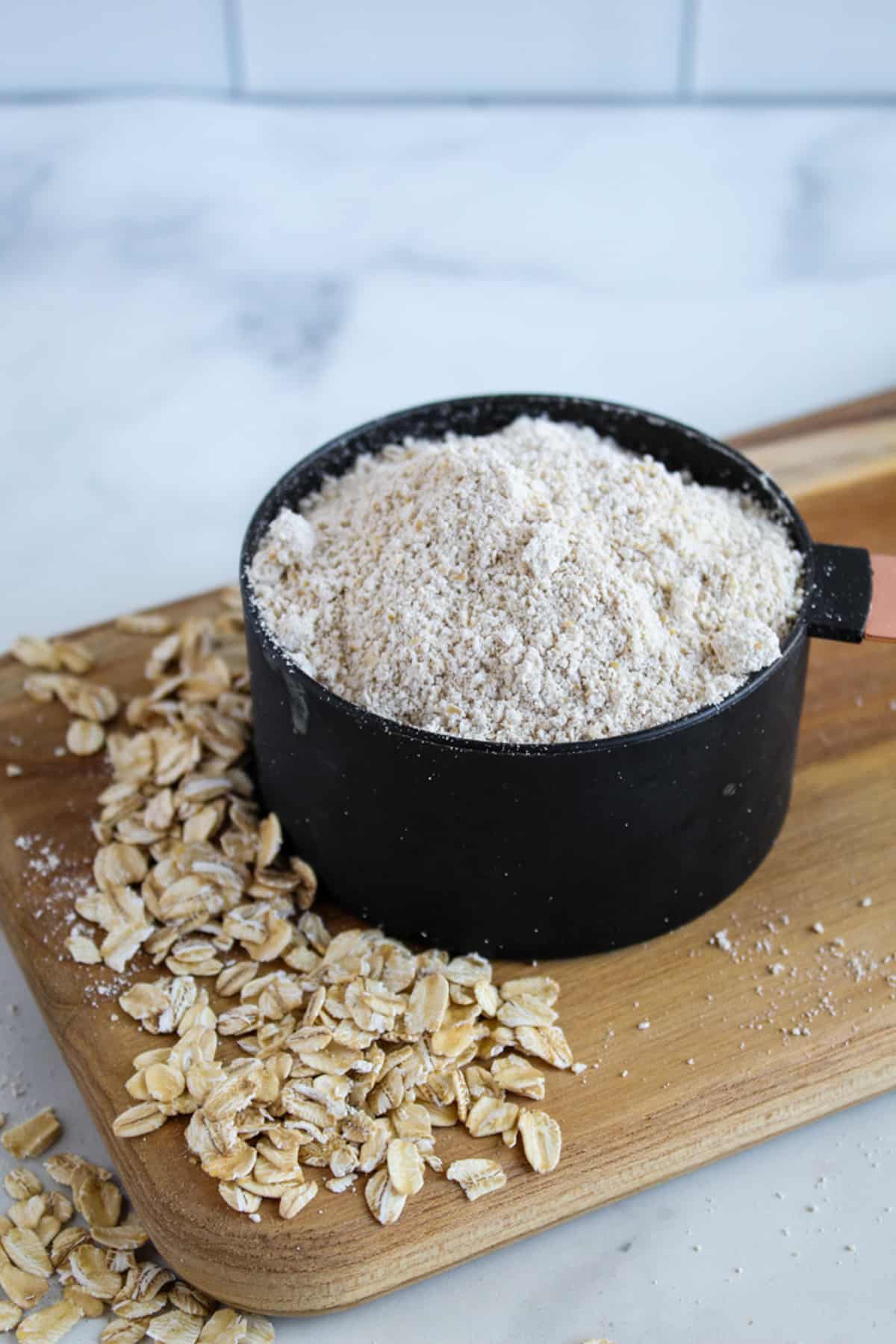
This flour creates a light, slightly fluffy crumb but with less richness than almond flour. Use a 1:1 ratio for most recipes. However, avoid it in recipes that require a strong structure, such as bread.
Do you need a deeper breakdown? See Oat Flour vs Almond Flour: Substitutes, Pro Tips, and More.
Coconut Flour
Coconut flour is highly absorbent and behaves very differently from most flours. It works best in dense or low-carb baking where structure comes from eggs.
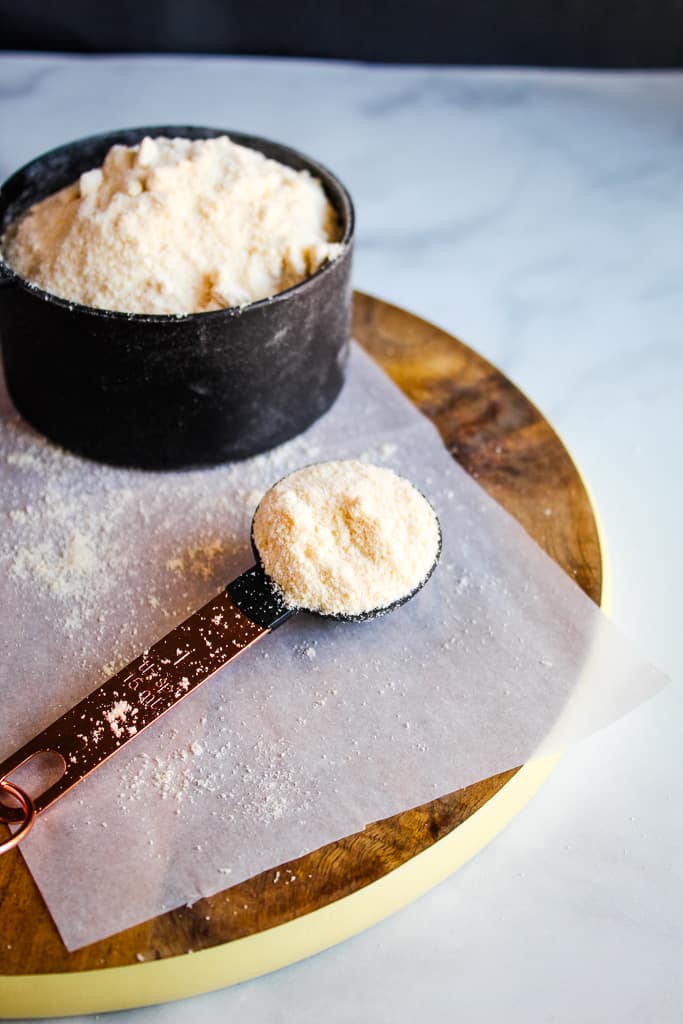
Also, it can create a dry, compact texture if not balanced with enough liquid, so use a 1:¼ ratio and increase the liquids or eggs. But avoid using it as a direct 1:1 substitute.
All-Purpose Flour
All-purpose flour provides structure because it contains gluten. It’s best for bread, cakes, and recipes that need rise and stability.
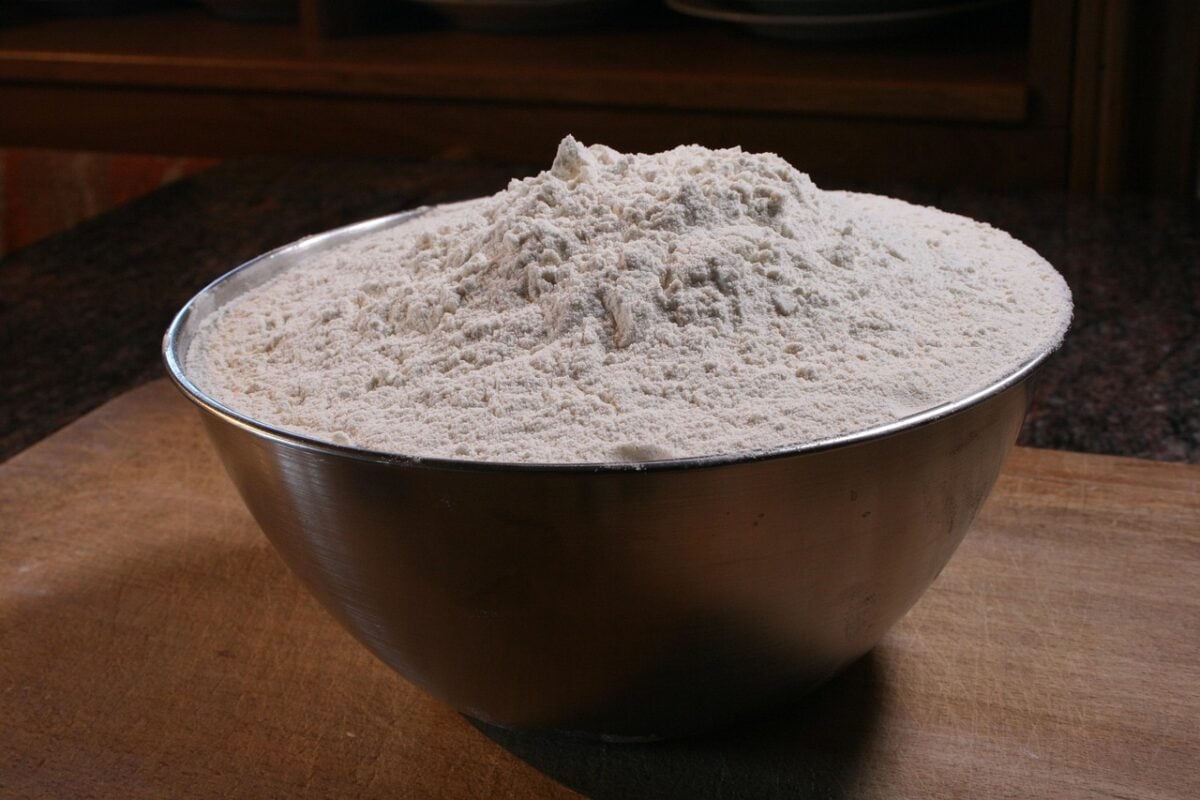
This option produces a lighter, more structured result than almond flour. Therefore, use about 1:1, adjusting liquids slightly, and avoid it if you need a gluten-free option.
Sunflower Seed Flour
Sunflower seed flour is a reliable nut-free option with a similar fat profile. It is ideal for cookies and general baking.
With this option, your bake will have a slightly dense texture with a mild nutty taste. Hence, use a 1:1 ratio, but avoid it when appearance matters, as it can cause a green tint during baking.
Cashew Flour
Cashew flour is softer and creamier than most nut flours. It is most effective in cakes and delicate baked goods.
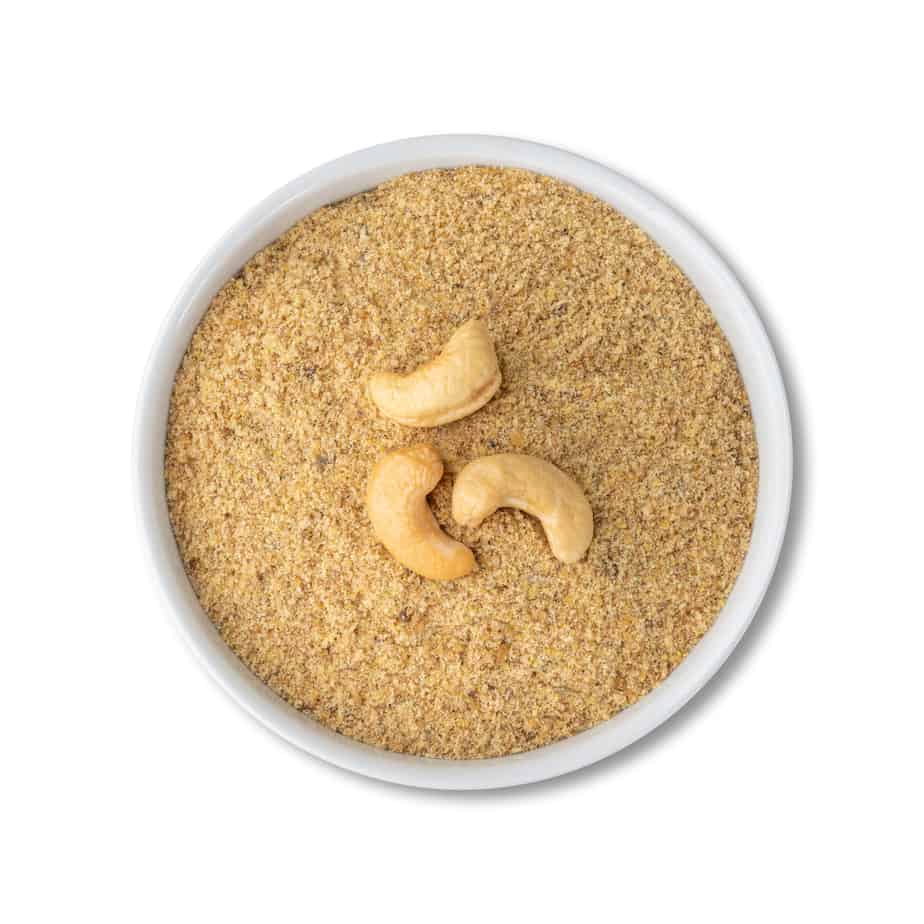
This option is ideal for such bakes because it produces a moist, rich texture similar to almond flour. 1:1 is the right ratio here. However, you must avoid it in recipes that require a neutral flavor.
Rice Flour
Rice flour is a gluten-free option often used in combination with other flours. Use it for light baking and crisp textures because it creates a slightly gritty or dry result on its own.
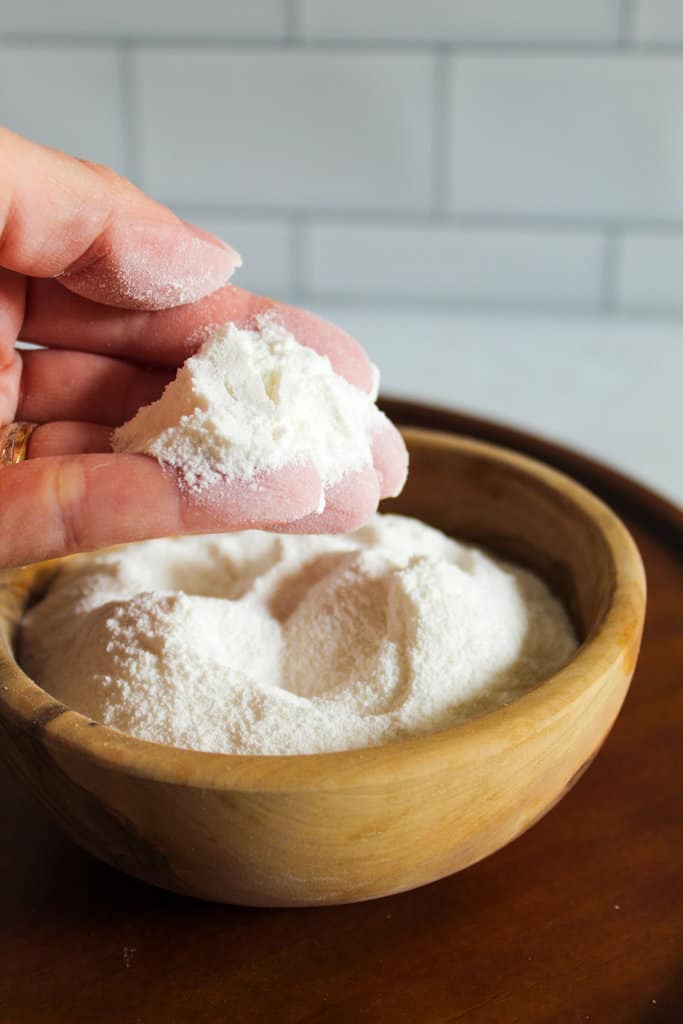
Also, use a ratio close to 1:1, but combine with other flours for better results. Note that it is not ideal for recipes that require moisture.
Tapioca Flour
Tapioca flour is a starch that adds elasticity and chewiness. It is most effective when used as part of a flour blend, rather than alone.
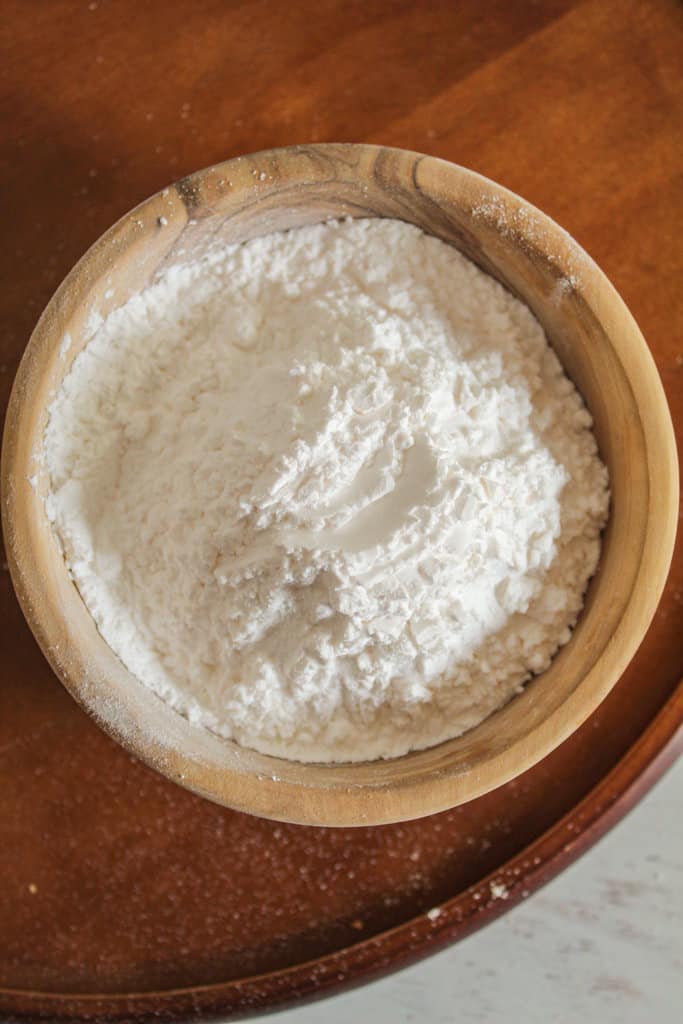
As a starch, it creates a stretchy, slightly chewy texture. Use up to 1:1 when combined with other flours. However, don’t use it alone for structure-heavy recipes.
Cassava Flour
Cassava flour is a whole-root flour with a neutral taste and wheat-like behavior, and it works well in bread, tortillas, and structured baking.
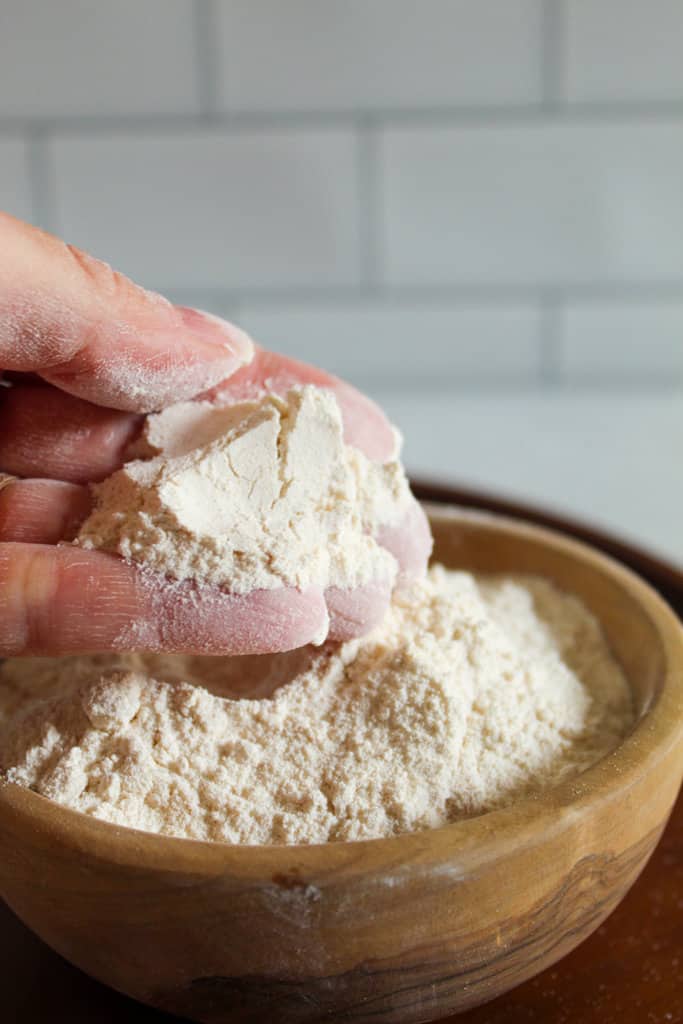
If you want a soft but stable structure, this is the option to go for. It requires a 1:1 ratio in most recipes, but don’t overuse it in light cakes, where it can feel heavy.
Should you need more details, read Cassava vs Almond Flour (Complete Guide + Best Uses Explained).
Chickpea Flour
Chickpea flour is high in protein and commonly used in savory recipes. Choose it for your flatbreads and dense baked goods because it produces a firm, slightly heavy texture.
Use around 1:1, and adjust liquid as required. However, don’t use it in sweet recipes unless the flavor is masked.
Hazelnut Flour
Hazelnut flour has a strong, nutty flavor that pairs well with chocolate-based recipes.

It works best in desserts and pastries because it creates a moist, dense texture similar to almond flour. A 1:1 ratio is ideal, but avoid it if you want a neutral taste.
Flaxseed Meal
Flaxseed meal is often used as a binder in baking. It works best in vegan recipes or as part of a blend.
This option produces a dense, slightly heavy texture, so use about a ½:1 ratio due to its density. Note that it doesn’t do well in recipes that need a light, airy crumb.
Arrowroot Flour
Arrowroot flour is a starch used mainly for thickening and light baking blends, so it works best in combination with other flours.
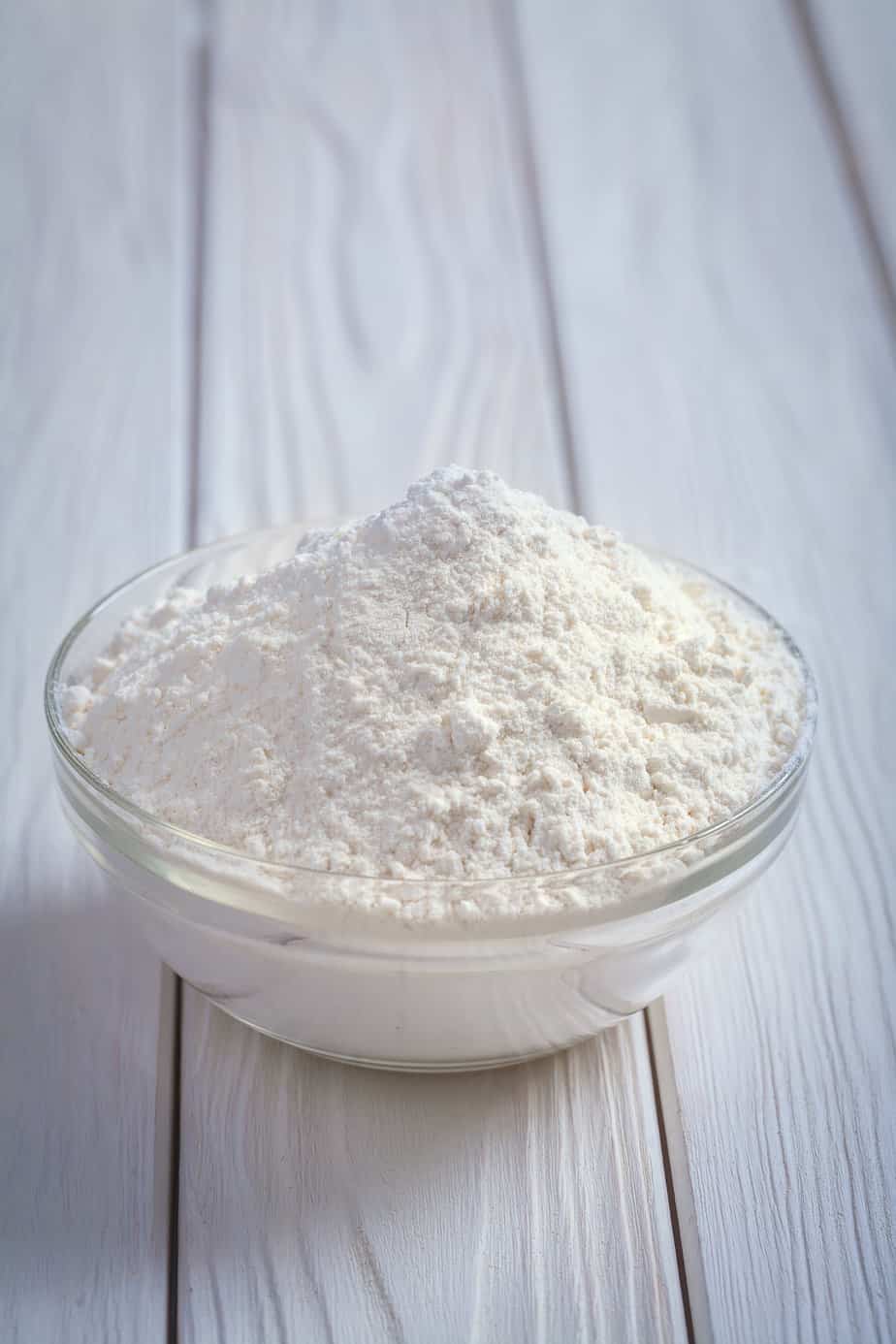
This flour produces a smooth, slightly glossy texture. Use up to 1:1 in blends, but do not use it alone as a full substitute.
Almond Flour vs. Almond Meal
Before you replace almond meal with almond flour, it’s important to understand how they differ. Although they’re often used interchangeably, small differences in texture and composition can noticeably affect your results.
Texture: Fine vs Coarse
Almond flour is finely ground, which gives it a soft, smooth consistency that blends easily into batters. However, almond meal is coarser, resulting in a more textured, slightly heavier finish.
This difference becomes obvious in delicate recipes like cakes, where almond flour produces a lighter crumb.
Skin Presence
Almond flour is made from blanched almonds with the skins removed, resulting in a lighter color and cleaner texture. On the other hand, almond meal includes the skins, giving it a darker appearance and a more rustic feel.
This can affect both the look and mouthfeel of your final bake.
Fat Content and Consistency
Both contain natural fats from almonds, but almond flour distributes fat more evenly due to its finer grind. This helps create smoother batters and more consistent baking results.
In contrast, almond meal can feel slightly uneven, especially in softer baked goods.
When to Substitute One for the Other
In most cases, you can replace almond meal with almond flour using a 1:1 ratio. However, almond flour works better for light, delicate recipes; meanwhile, almond meal suits denser or rustic bakes.
If texture matters, almond flour is usually the safer choice.
Baking Impact
Swapping between the two changes the final texture. Almond meal can make baked goods denser and slightly grainy, whereas almond flour produces a softer, more refined result.
You can see this difference clearly in recipes like our Moist Almond Flour Coffee Cake Recipe.
Watch: Almond Flour Substitutes (Texture, Ratios & Results Explained)
If you want to see how different almond flour substitutes actually perform, this quick video breaks down the key differences in texture, moisture, and structure.
Pay close attention to how each substitute behaves during mixing and baking. Small differences in absorption and structure can significantly affect your final results.
How Almond Flour Works in Baking
Almond flour behaves differently from traditional flours, which is why substitutions require adjustment.
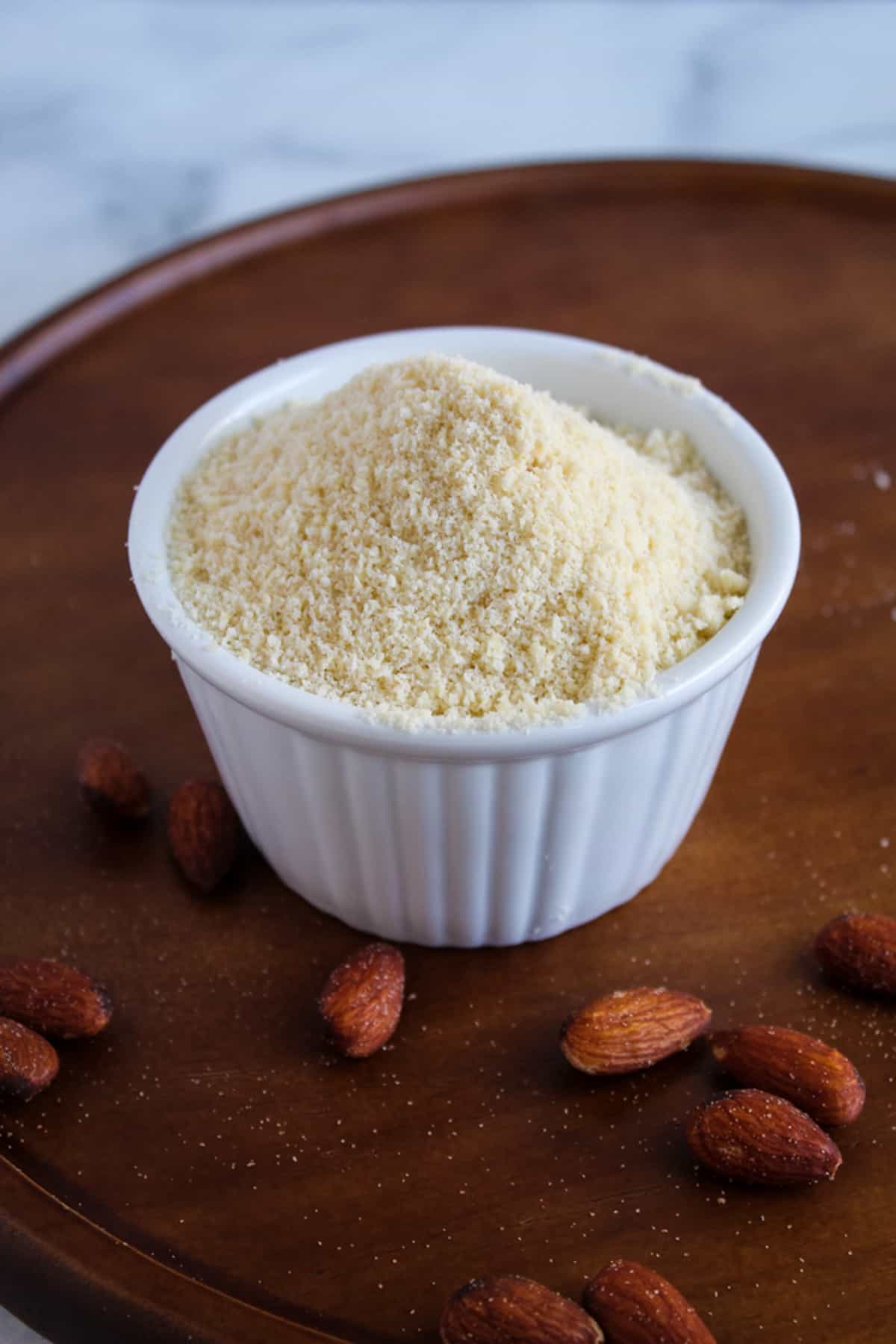
High Fat Means More Moisture
Naturally, this flour has high fat content, which helps retain moisture during baking. This is why recipes made with it turn out fluffy and rich rather than dry.
However, if you don’t swap it properly, that same moisture can become a problem, leading to greasy or undercooked results.
The Absence of Gluten Produces Weak Structure
Unlike wheat flour, almond flour contains no gluten. This means it lacks the protein network required to hold baked goods together.
As a result, recipes rely more on eggs or binders for structure, especially in cakes and muffins.
Dense Crumb Effect
Due to its fat content and lack of gluten, this flour produces a denser crumb. It doesn’t rise as much as traditional flour, so baked goods tend to be more compact.
You can see this balance of moisture and structure in recipes like our Tasty Almond Flour Blueberry Muffins.
Best Substitute By Recipe Type
The right almond flour substitute depends on what you’re baking. Different recipes require different textures, structure levels, and moisture balance.
Cookies
The goal for cookies is a soft center with slight structure. Oat flour and cashew flour are ideal swaps because they produce a tender texture without making the dough overly dense.

They can both be used in a 1:1 ratio and hold shape properly in most cookie recipes. Our Soft Almond Flour Peanut Butter Cookies show how texture matters in recipes.
Cakes
A balance of softness and framework is crucial in cakes. Cashew flour adds moisture and richness, while all-purpose flour provides stability and lift.
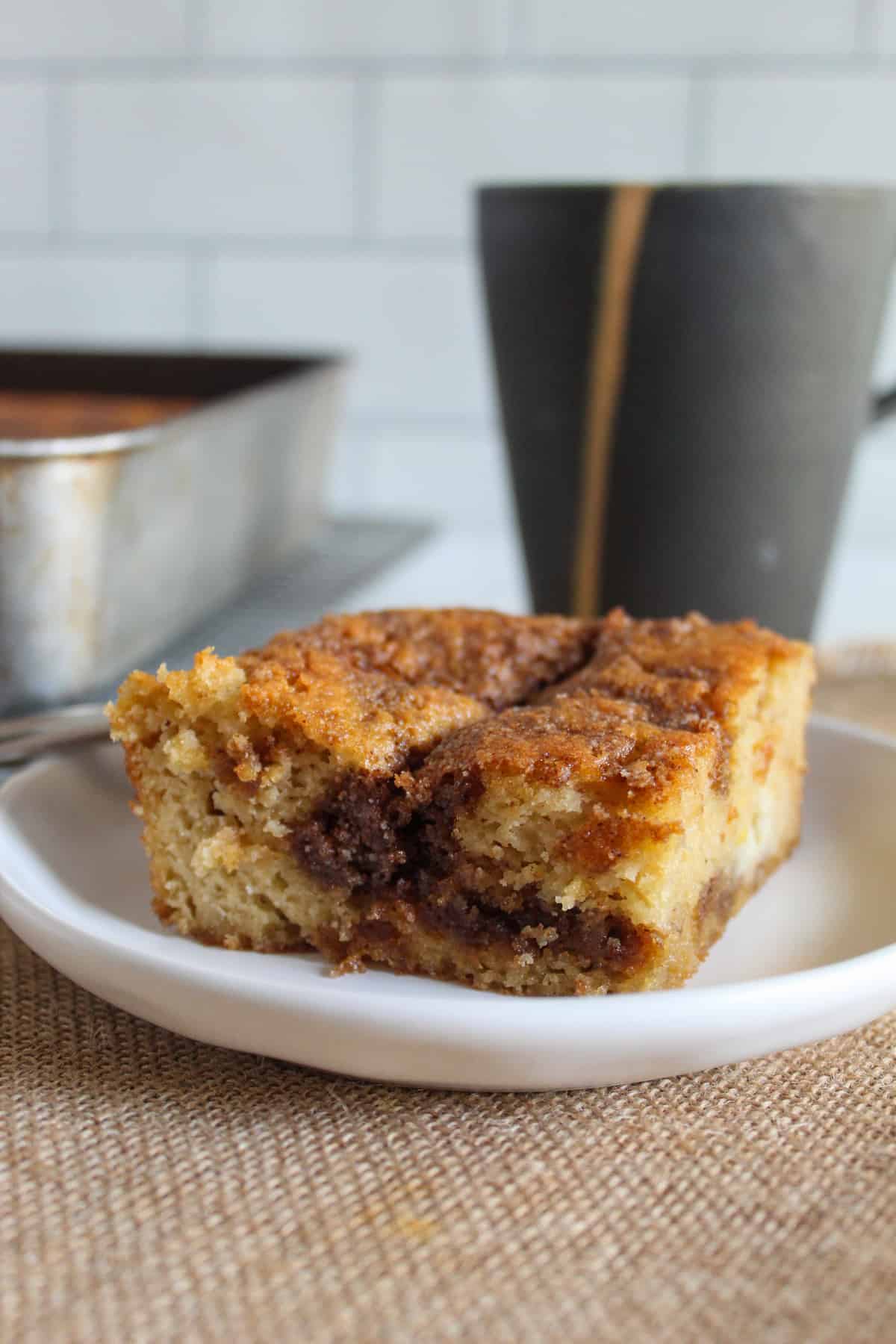
If you want a softer crumb, use cashew flour; for a more structured rise, use all-purpose flour. This balance is key in recipes like our Dairy-Free & Gluten-Free Almond Flour Cornbread.
Bread
Strong framework and elasticity are crucial for bread, and that’s something almond flour lacks. The best options are cassava flour and all-purpose flour because they offer better binding and support.
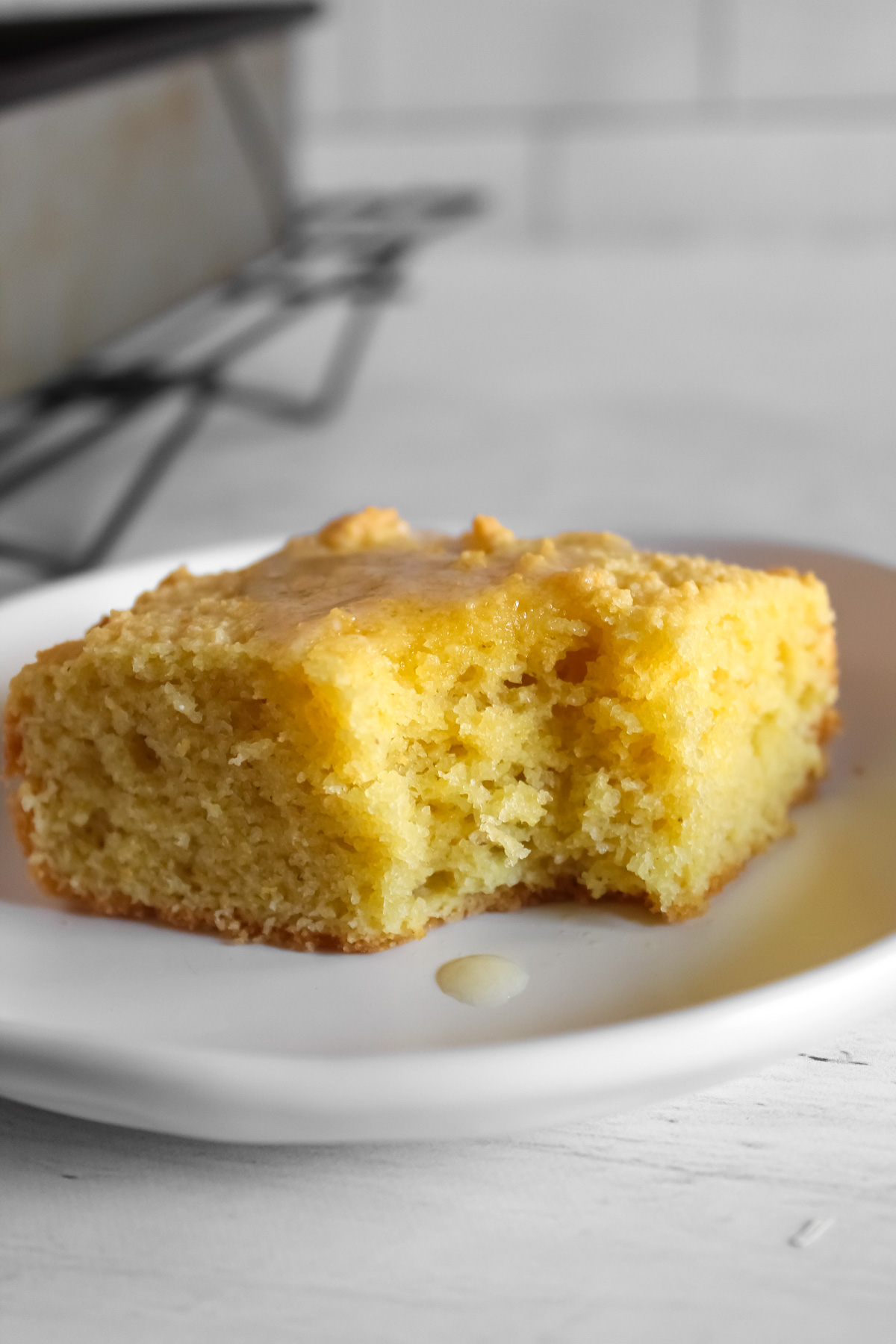
In most cases, you can substitute one for the other in equal amounts, depending on the recipe. Cassava is particularly useful for grain-free baking with a more bread-like texture.
Gluten-Free Baking
Structure and balance are very important for gluten-free recipes, and that’s where rice flour and sunflower flour shine. They both work well because they offer stability without gluten.
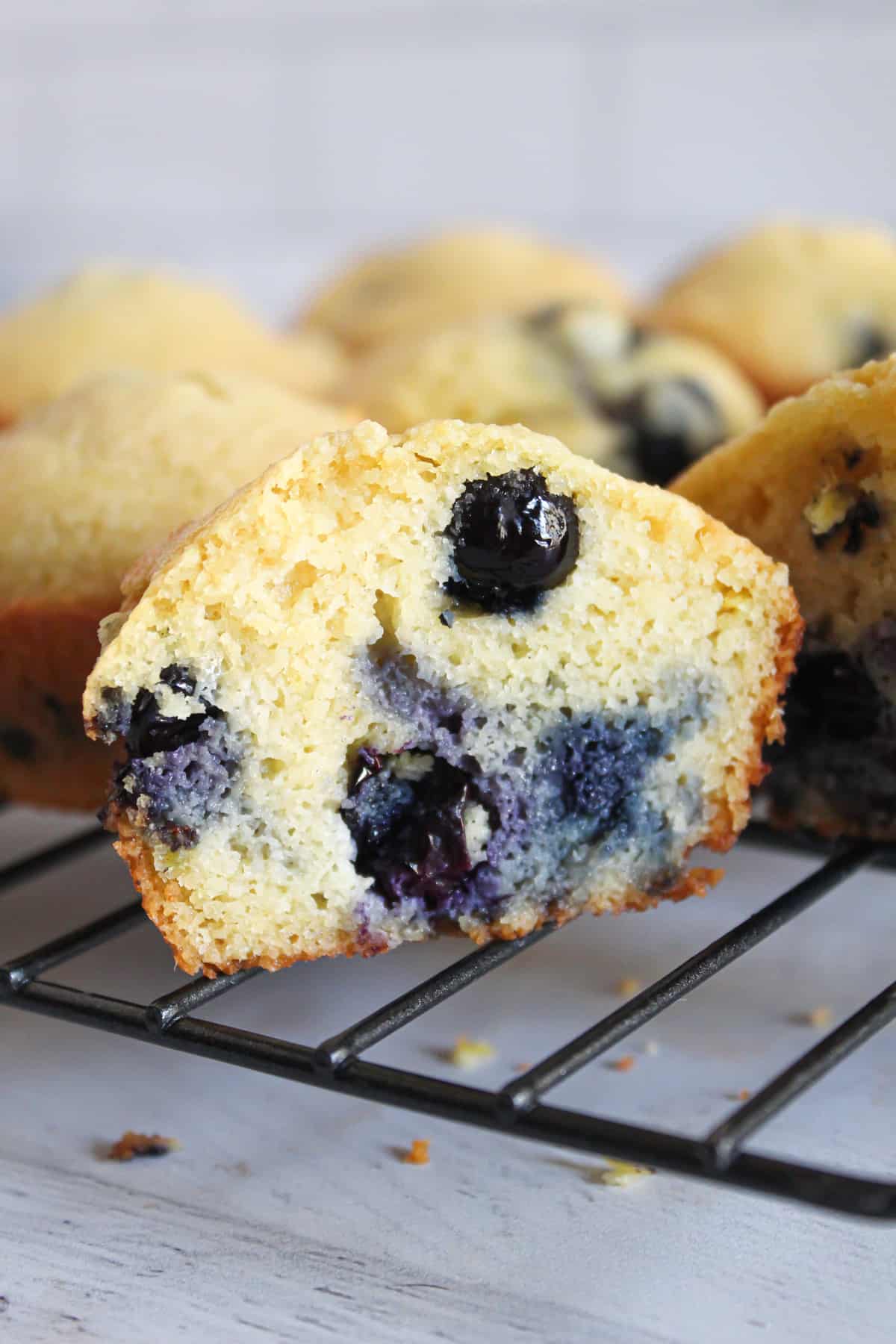
Rice flour offers lightness, whereas sunflower flour adds richness and moisture. This combination helps maintain texture in recipes like our Healthy Almond Flour Banana Muffins.
Gluten-Free vs. Regular Flour Substitutes
Before choosing an almond-flour alternative, first determine if you need a gluten-free option. This decision directly affects texture, framework, and how your recipe turns out.
Gluten-Free Options
Gluten-free swaps include oat flour (certified), coconut flour, rice flour, cassava flour, and sunflower seed flour.
These options are great for soft baked goods, but they don’t have gluten’s binding strength. Therefore, they usually require more eggs or combinations to improve structure.
Contains Gluten
Traditional alternatives such as all-purpose flour contain gluten, which provides elasticity and strength. This is why they are best for bread, cakes, and recipes that require a stable rise and defined framework.
Who Should Use What
Are you avoiding gluten or making grain-free recipes? Then you should use gluten-free options. Choose standard flour if you prioritize framework and consistency.
When Almond Flour Substitutes Fail
Most substitutions go wrong here. Even the best almond flour substitute can fail if you don’t get the right balance of the ratio, framework, or moisture.
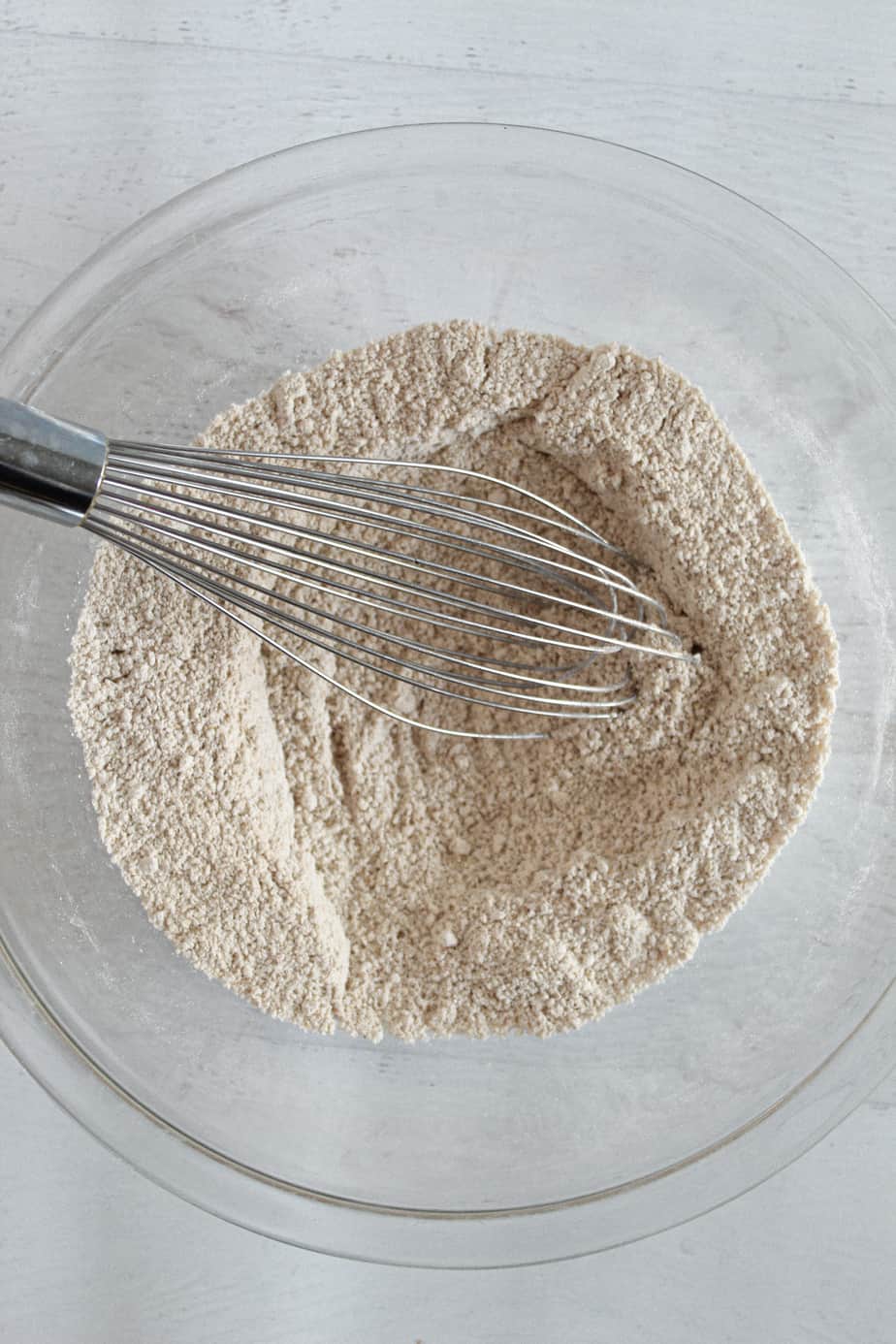
Dry Texture
Several substitutes soak in liquid differently, particularly coconut or rice flour. If the ratio isn’t adjusted, the batter loses moisture and bakes out dry.
Dense Baking
Almond flour has no gluten, so replacing it without adding support results in heavy, compact products. Substitutes without binding support won’t rise well.
Too Wet or Greasy
Almond flour is high in fat, and some swaps are not. Not properly rebalancing fats and liquids can lead to greasy or undercooked results.
Spreading Issues
Cookies and cakes may spread too much when the substitute lacks binding power. Without enough structure, the batter cannot hold its shape during baking.
Pro Tips for Successful Substitution
Using the appropriate replacement for almond flour is just part of the procedure; how you adjust the recipe determines if it actually works.
Adjust Liquids
Different flours soak in liquid differently. Coconut flour, for example, requires more moisture, whereas all-purpose flour may need less.
Therefore, always adjust liquids slightly based on how thick or dry your batter looks.
Combine Flours
Single substitutes don’t always give balanced results. Combining flours, like rice flour with tapioca or oat flour with coconut, can improve texture and structure. This combination more closely mimics the fat and density of almond flour.
Add Binders
Because almond flour has no gluten, many substitutes require additional binding. Eggs, xanthan gum, or psyllium husk can help hold everything together. This is especially important for cookies, cakes, and bread.
Test Small Batches
Substitutions aren’t always predictable. Testing a small batch first helps you adjust before committing to a full recipe. This reduces waste and improves consistency when using any almond flour substitute.
What You Lose When You Swap Almond Flour
Almond flour is not just another dry ingredient you can casually trade out. It quietly does a lot of heavy lifting in a recipe, which is why swaps do not always behave the way you expect.
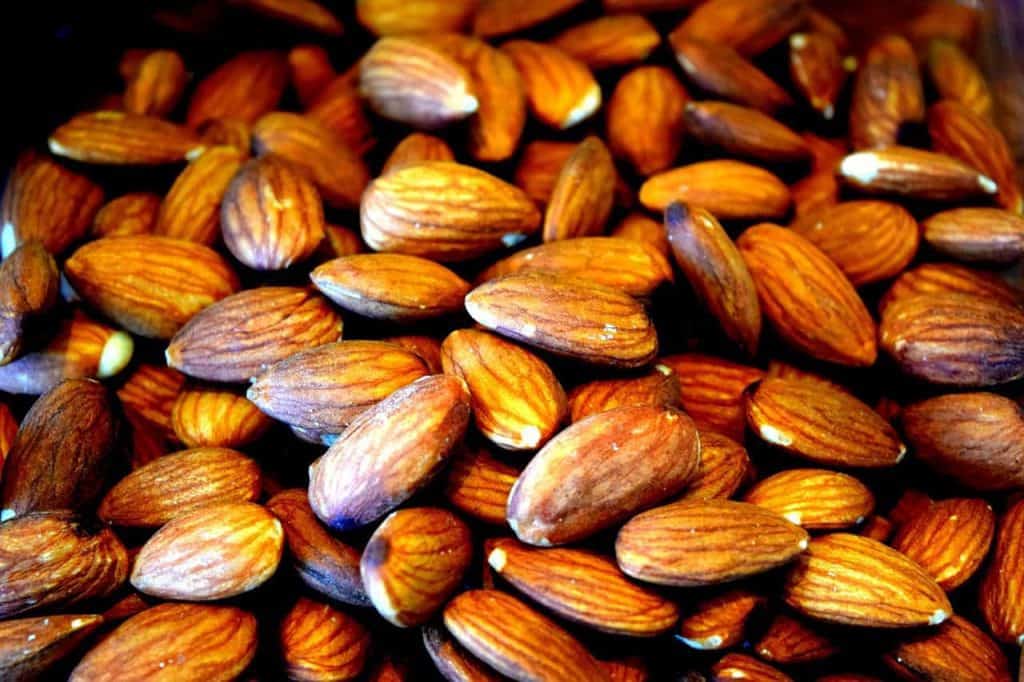
Here is what changes when you take it out.
Moisture and That Soft, Tender Bite
Almond flour is naturally high in fat, which helps keep baked goods moist without needing a lot of added oil or butter. When you swap it out, especially for something like oat flour or all-purpose flour, your cookies may turn a little crumbly, or your cake may lean dry.
What to watch for: dry edges, crumbly texture, or baked goods that stale faster.
Quick fix: add a little more fat, such as butter, oil, or yogurt, or use a small splash of liquid to loosen the batter.
Structure Changes
Almond flour has no gluten, which means it creates a softer, more delicate structure. If you swap in a gluten-containing flour, your recipe may end up with more bounce, chew, or firmness than intended.
What to watch for: cakes that feel more like bread, cookies that puff instead of spread, or a firmer crumb.
Quick fix: avoid overmixing and consider blending flours to soften the final texture.
Less Density and Richness
Almond flour creates that signature dense, slightly fudgy texture, especially in brownies, bars, and flourless-style cakes. Many substitutes are lighter, which can change the entire feel of the final bake.
What to watch for: an airier texture, a less satisfying bite, or a missing richness.
Quick fix: pair your substitute with something that adds weight, such as an extra egg yolk, a little more fat, or a richer flour like cashew or hazelnut flour.
Flavor Depth
Almond flour brings a subtle, naturally sweet, nutty flavor that makes baked goods taste richer. When you remove it, the recipe can taste a little flat, especially if the substitute has a more neutral flavor.
What to watch for: bland flavor, less richness, or that hard-to-place “something is missing” taste.
Quick fix: add vanilla, a pinch of salt, cinnamon, citrus zest, or a small amount of another flavorful flour.
Binding Balance
Because almond flour lacks gluten, recipes that use it often rely on eggs or other binders to hold everything together. When you swap flours, that balance can shift quickly.
What to watch for: batter that looks too loose or too stiff, or baked goods that fall apart after cooling.
Quick fix: add a binder such as an extra egg, flax egg, chia egg, or a small amount of xanthan gum when needed.
Spread and Baking Behavior
Almond flour tends to behave differently in the oven because of its fat content. When you swap it out, cookies may not spread the same way, cakes may bake up drier, and bars may lose some of that soft center.
What to watch for: cookies that do not spread, cookies that spread too much, uneven texture, or drier edges.
Quick fix: chill cookie dough before baking, adjust fat slightly, and check baked goods a few minutes early until you know how the substitute behaves.
Swapping almond flour is not just a one-for-one trade. It is more like changing the personality of your recipe. Once you know what almond flour contributes, you can tweak your substitute to get much closer to the texture, flavor, and moisture you actually wanted.
Frequently Asked Questions
Here are some common questions from home bakers about choosing and using almond flour alternatives. If you don’t see yours, ask in the comments.
Can I Substitute Almond Flour In Recipes Without Eggs?
Yes, but you’ll need to adjust for structure. Almond flour relies on eggs for binding, so when replacing it in egg-free recipes, use flours with a stronger natural structure, like all-purpose or cassava flour. You may also need additional binders such as flax eggs or psyllium husk to prevent crumbling.
Why Does My Batter Look Different After Using A Substitute?
Because different flours absorb liquids and fats at varying rates, the consistency of your recipe may change. A thicker batter usually means the flour is more absorbent, while a thinner one suggests less absorption. Adjust liquids gradually until the texture matches what the recipe expects.
Can I Use the Same Substitute for Every Recipe?
No, each recipe has different requirements for moisture, structure, and texture. A substitute that works well in cookies may fail in bread or cake, so it’s important to match the flour to the recipe type rather than using a single universal option.
Do I Need to Change Baking Temperature When Using A Substitute?
Usually no, but some substitutes brown faster or retain more moisture. It’s better to keep the same temperature and monitor closely, checking for doneness slightly earlier or later, depending on the flour used.
How Do I Improve the Texture When Using Substitutes?
Texture improves when you balance structure and moisture. Combining flours, adjusting liquids, and adding binders can help create a result closer to almond flour. Small adjustments make a significant difference in the outcome.
Can Almond Flour Substitutes Affect Flavor Significantly?
Yes, some substitutes, like chickpea or hazelnut flour, can impart strong flavors that alter the taste of your recipe. Neutral options like oat or rice flour are better when you want the original flavor profile to remain unchanged.
What Is the Biggest Mistake When Using An Almond Flour Substitute?
The biggest mistake is assuming all flours behave the same. Ignoring differences in absorption, fat content, and structure often leads to poor results. Choosing the right substitute and adjusting the recipe accordingly is key to success.
Related Recipes To Try
Are you exploring more ways to work with alternative flours or refine your baking results? These guides and recipes will help you go further:
- Learn how nut-based flours compare in detail with Hazelnut Flour vs Almond Flour: Baking Tips & Substitutes.
- Try a practical recipe that showcases almond flour in action: the Almond Flour Tortilla Recipe (Soft, Flexible & Keto-Friendly).
- Discover more gluten-free options in Best Sorghum Flour Substitutes for Gluten-Free Baking.
- Expand your substitutions further with Coconut Flour Substitutes (Best Swaps + Conversion Guide).
- Understand how other pantry staples compare in Can You Substitute Cornmeal for Flour? 7 Flour Alternatives.
Try one next, bookmark the others for later, and keep building your baking swap toolbox one flour at a time.
Now It’s Your Turn
Which substitute worked for you? What recipe are you trying to fix? Share with us in the comments.
If something didn’t turn out right, adjust one variable at a time and test again. Small changes make the biggest difference in baking.