One wrong chia seeds substitute can ruin your recipe, turning your pudding runny, your smoothie gritty, or your baked goods dense and dry.
But here’s the good news: the right swap can give you the same texture, structure, and results without anyone noticing the difference. The trick is knowing which substitute actually works for your specific recipe.
Table of Contents
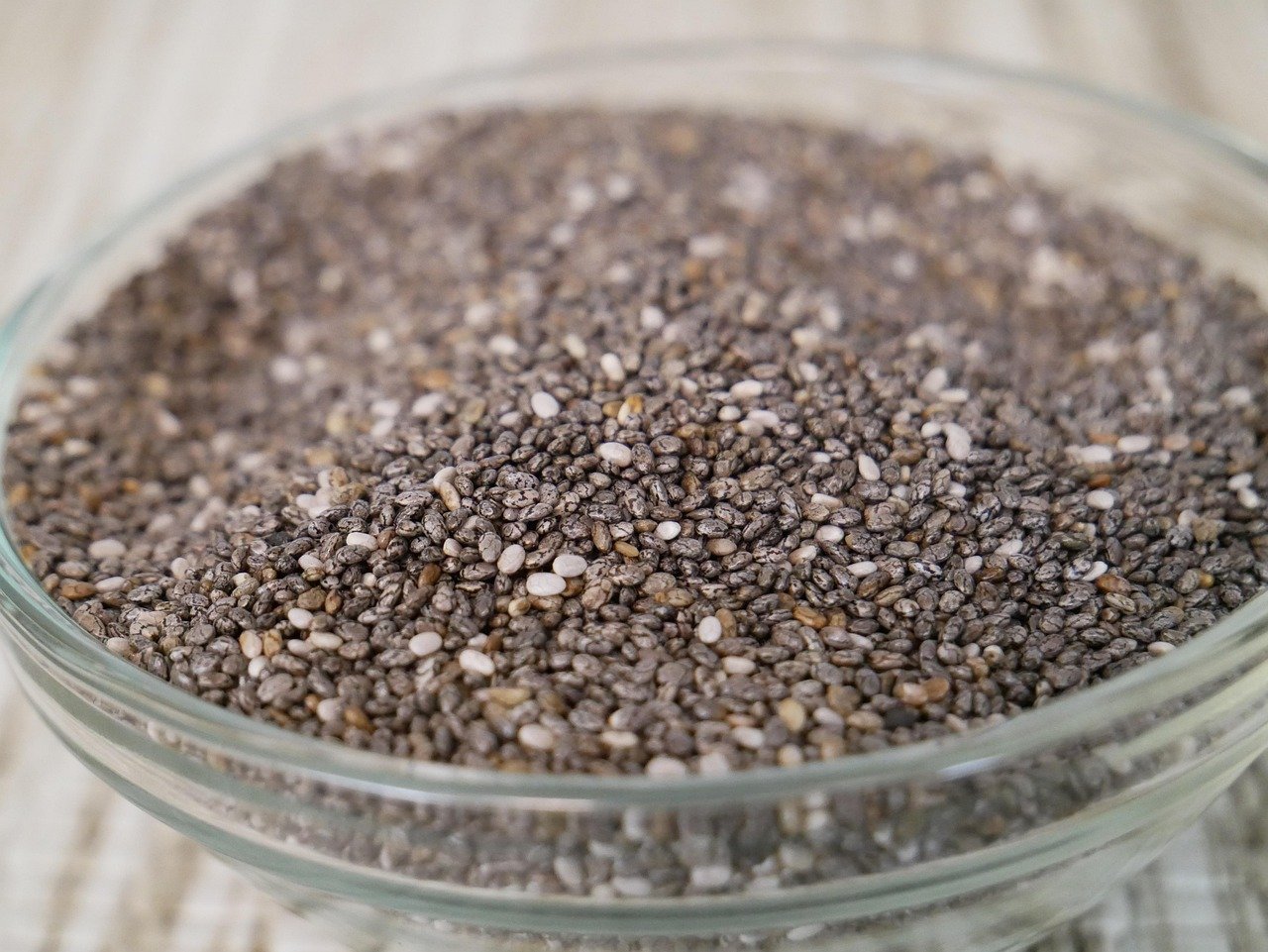
Now that you understand the impact of the right and wrong substitutes, this guide will explore the best chia seed alternatives, including specific ratios and recommended uses for different recipes.
You can also review our comparison of Chia Seeds vs Psyllium Husk in Gluten-Free Baking if you bake gluten-free doughs and batters.
Quick Chia Seeds Substitute Chart (Best Alternatives at a Glance)
Do you need to quickly substitute chia seeds? The table below provides a clear reference for the most effective alternatives, how to use them, and what to look out for regarding texture. Use it to confidently compare the appropriate ingredient to your recipe.
Chia Seed Replacement Guide
| Substitute | Best Use | Substitution Ratio | Thickening Ability |
|---|---|---|---|
| Flax seeds | Baking, egg replacement | 1:1 | High |
| Hemp seeds | Smoothies | 1:1 | Low |
| Basil seeds | Pudding & drinks | 1:1 | High |
| Psyllium husk | Baking binder | Small amount | Very high |
| Oat bran | Thickening | 1:1 | Moderate |
| Tapioca pearls | Pudding | 1:1 | High |
Why Recipes Use Chia Seeds in the First Place
You need to understand the roles chia seeds play in a recipe before choosing the right alternative. These replacements are used for certain functions that can affect your recipe’s texture, structure, and nutrition.
Thickening Agent
Chia seeds suck in liquid and create a gel that adds body and consistency. This behavior makes it handy in puddings, smoothies, jams, and sauces.
Vegan Egg Replacement
When you mix chia seeds with water, they form a gel that binds, a characteristic it shares with eggs. That’s the reason they are common in:
- muffins
- pancakes
- cookies
In baking recipes like our Tender Lemon Chia Seed Muffins, chia seeds help hold ingredients together and improve structure.
Nutritional Boost
Many people add chia seeds to their food to boost its nutritional value. That’s because they offer the following:
- fiber
- omega-3 fatty acids
- plant protein
This is the main reason they are often used in baked goods, smoothies, and breakfast bowls.
Texture and Crunch
When you use them whole, chia seeds produce a slight crunch or a soft gel texture based on how you prepare them. They are popularly used in:
- granola
- baked goods
- breakfast bowls
Once you learn these roles, it becomes an easy task to pick the appropriate replacement. Some substitutes work best for thickening, but others serve as binding agents or add nutrition.
Having understood the role of chia seeds, let’s explore the best substitutes to replicate their benefits in your favorite recipes.
10 Best Chia Seeds Substitute: Why it Works
The best chia seed substitute depends on the role the ingredient plays in your recipe. Therefore, some alternatives work better for binding, while others are better for texture or nutrition.
1. Flax Seeds (Best Overall Substitute)
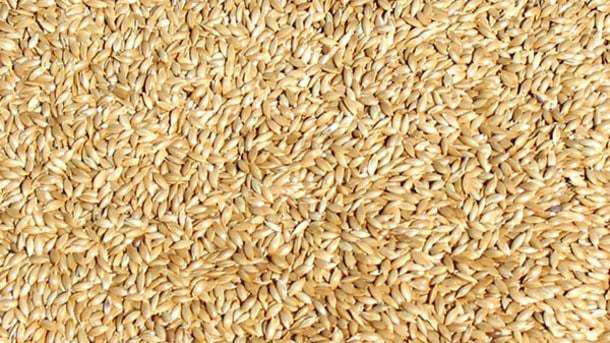
Flax seeds are one of the closest matches to chia seeds. Because they form a gel when mixed with water and offer a similar nutritional profile, they are highly effective for both binding and thickening.
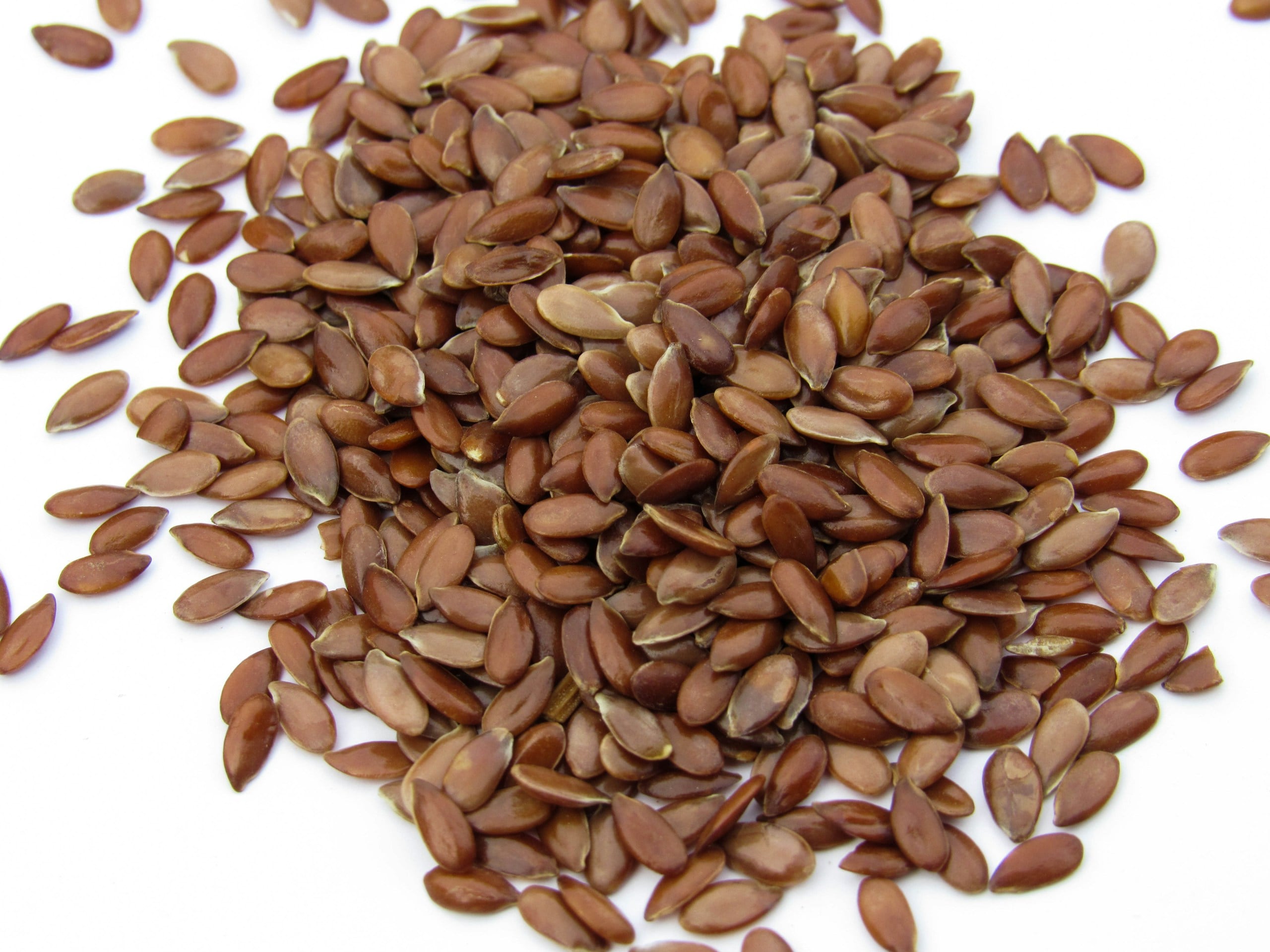
Substitution Ratio:
1 tablespoon of chia seeds → 1 tablespoon of ground flax + 2.5 tablespoons water
Best Used In:
Flax seeds work particularly well in muffins, pancakes, cookies, and other vegan baked goods. As a result, they help maintain structure and retain moisture, making them a reliable replacement for chia seeds.
Tip: For more baking swaps, see Best Flaxseed Substitutes for Gluten-Free Baking.
2. Basil Seeds
Basil seeds behave very similarly to chia seeds. They absorb liquid quickly and form a gel, making them a strong option.
Substitution Ratio:
1:1 in most recipes
Best Used In:
Basil seeds are excellent in puddings, drinks, and desserts. Consequently, they are perfect when the gel-like texture of chia is essential for the final dish.
3. Hemp Seeds
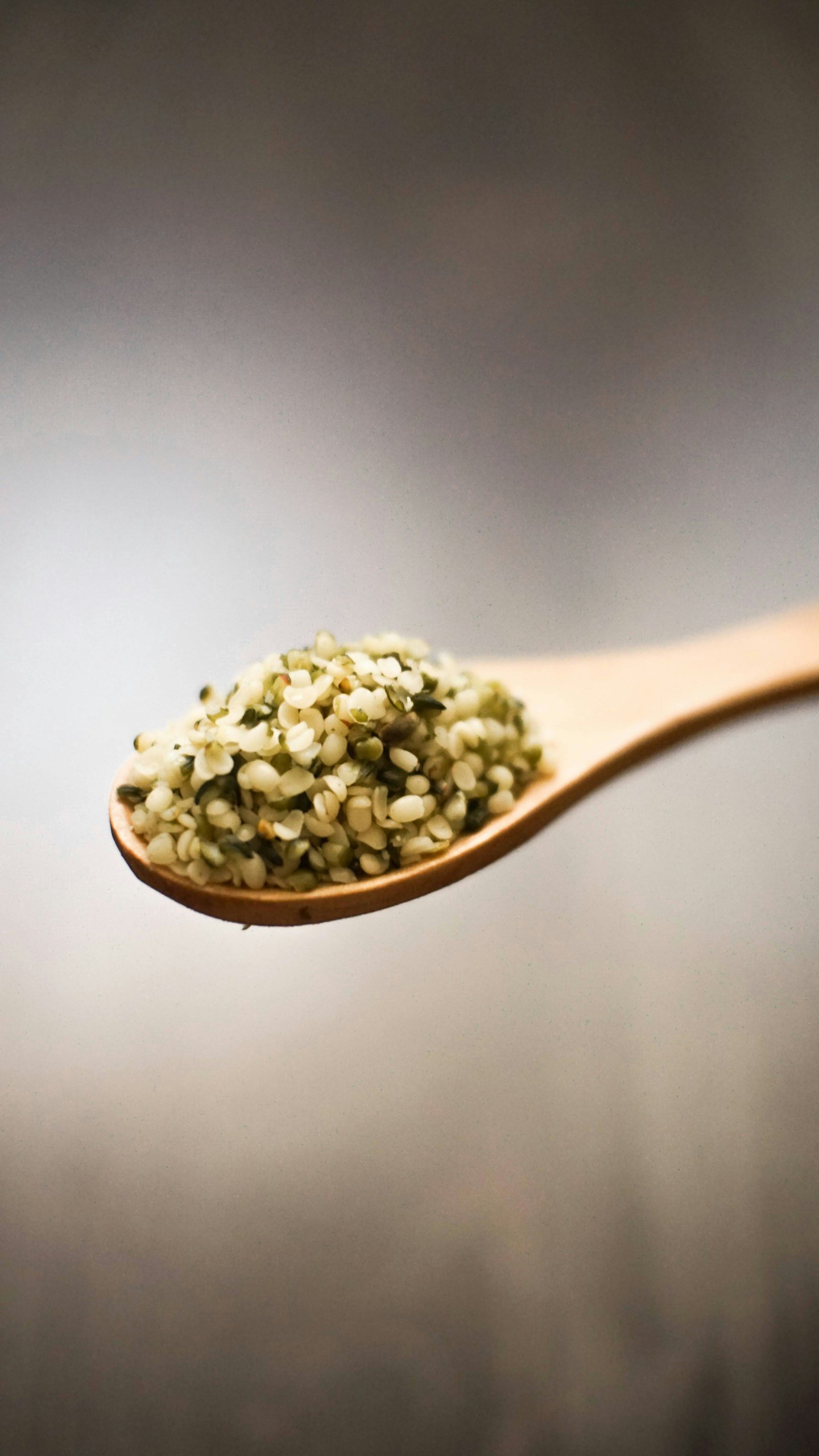
Hemp seeds provide a nutritional boost, especially healthy fats and protein.
Limitations:
However, they do not form a gel. Therefore, they are unsuitable for binding or thickening purposes.
Best Used In:
Hemp seeds are ideal for smoothies, oatmeal, and yogurt bowls. In these cases, they contribute nutrition without altering the dish’s texture.
4. Psyllium Husk
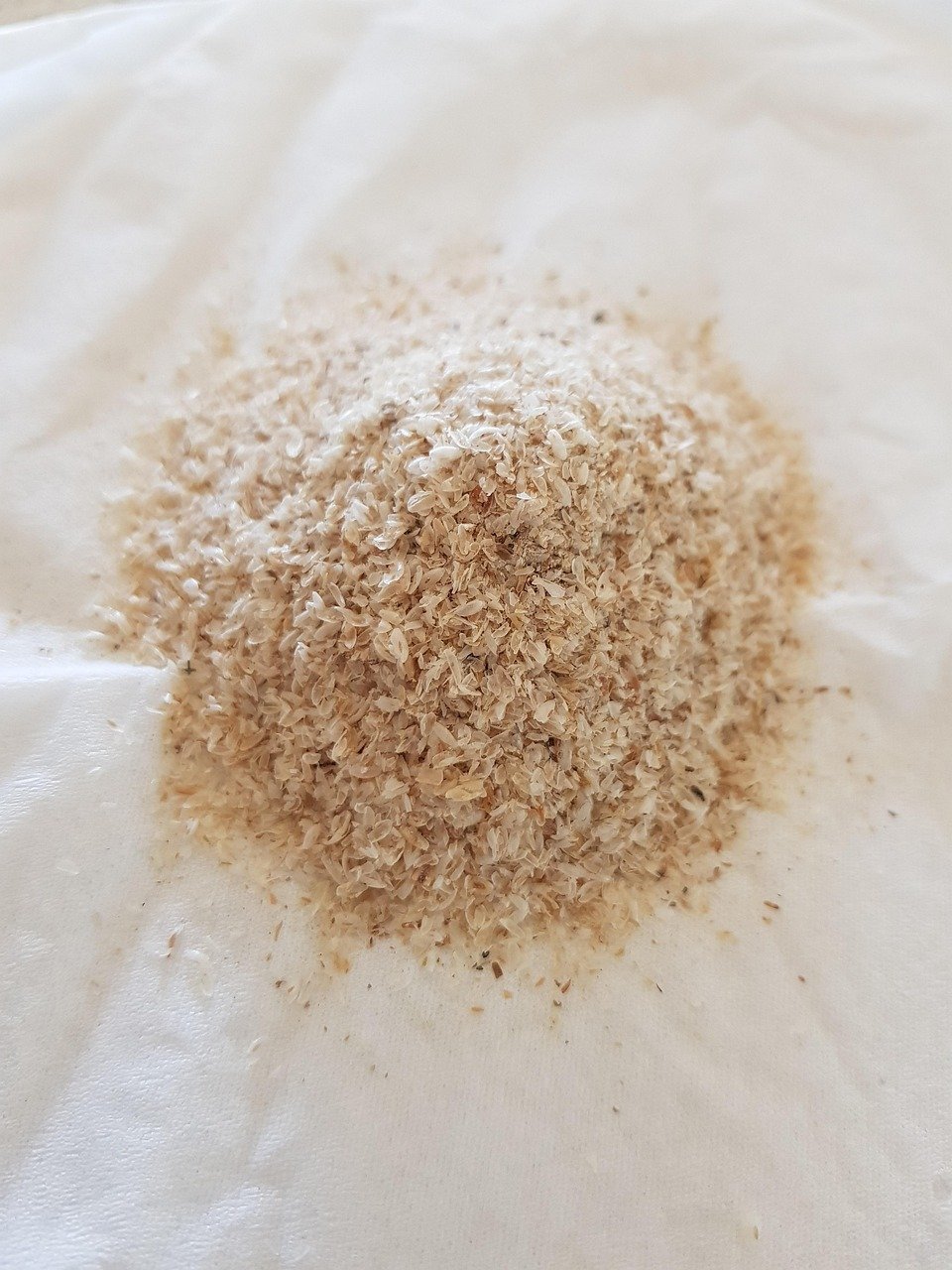
Psyllium husk is a powerful thickening agent. Due to its strong gel-forming ability, it works exceptionally well in gluten-free baking to provide structure.
Substitution Ratio:
½ teaspoon psyllium husk per 1 tablespoon chia seeds
Best Used In:
Gluten-free breads and other baked goods require a binding agent. As a result, your dough or batter maintains shape and texture during baking.
Tip: Explore more options in the 6 Best Substitutes for Psyllium Husk Powder of chia seeds.
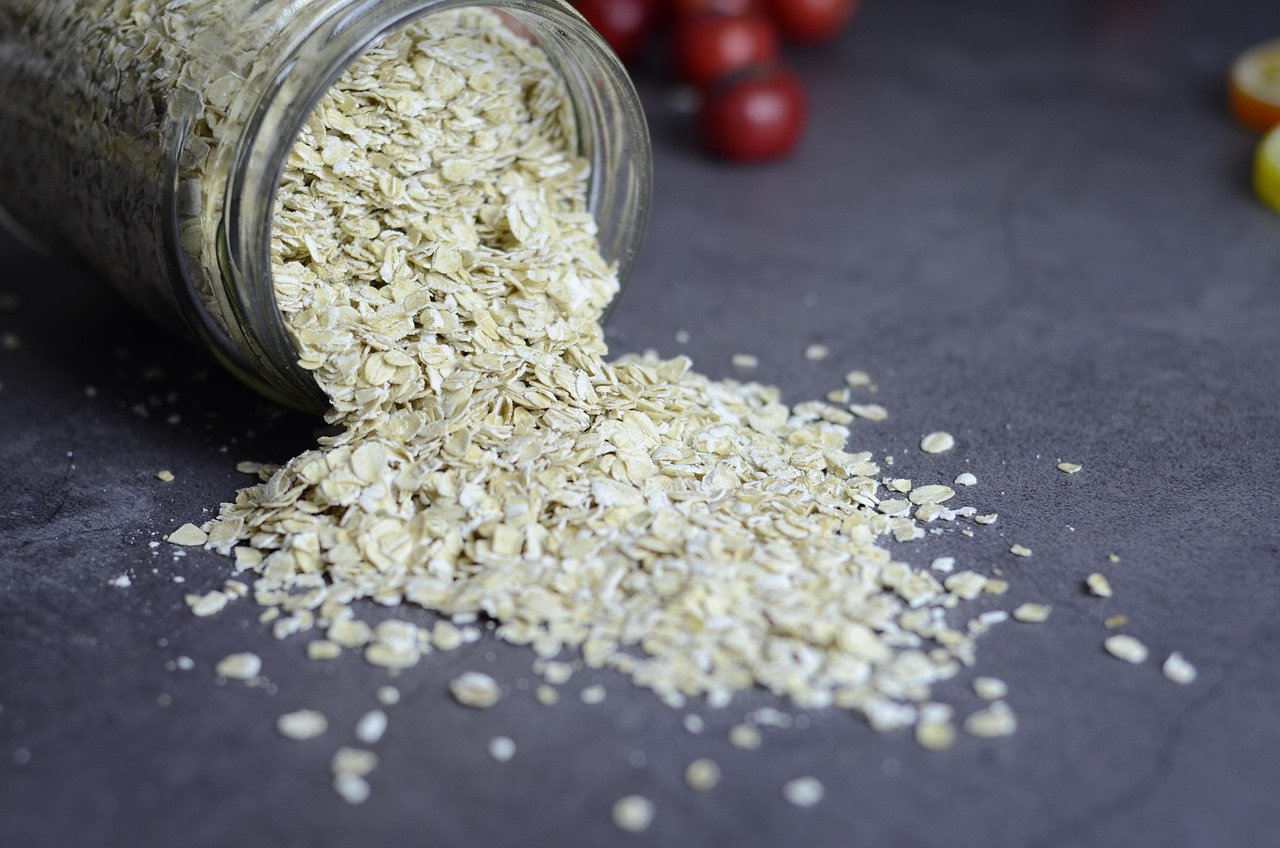
5. Oat Bran
Oat bran absorbs liquid efficiently and adds fiber, slightly thickening mixtures and improving texture.
Best Used In:
Baked goods and smoothies. Thus, oat bran works well when you want a mild thickening effect while boosting fiber content.
6. Tapioca Pearls
When cooked, tapioca pearls create a pudding-like texture. Because of this, they are a strong substitute for chia seeds in desserts that require a thick, gel-like consistency.
Best Used In:
Puddings and dessert toppings. Consequently, they mimic the soft, spoonable texture of chia seeds.
7. Ground Chia Alternatives (Mixed Seeds)
A mixture of flax, hemp, and sesame seeds can imitate several benefits of chia seeds, including mild thickening and nutritional content.
Best Used In:
Smoothies and yogurt bowls. In this case, the blend provides a nutritional boost while maintaining a pleasant texture.
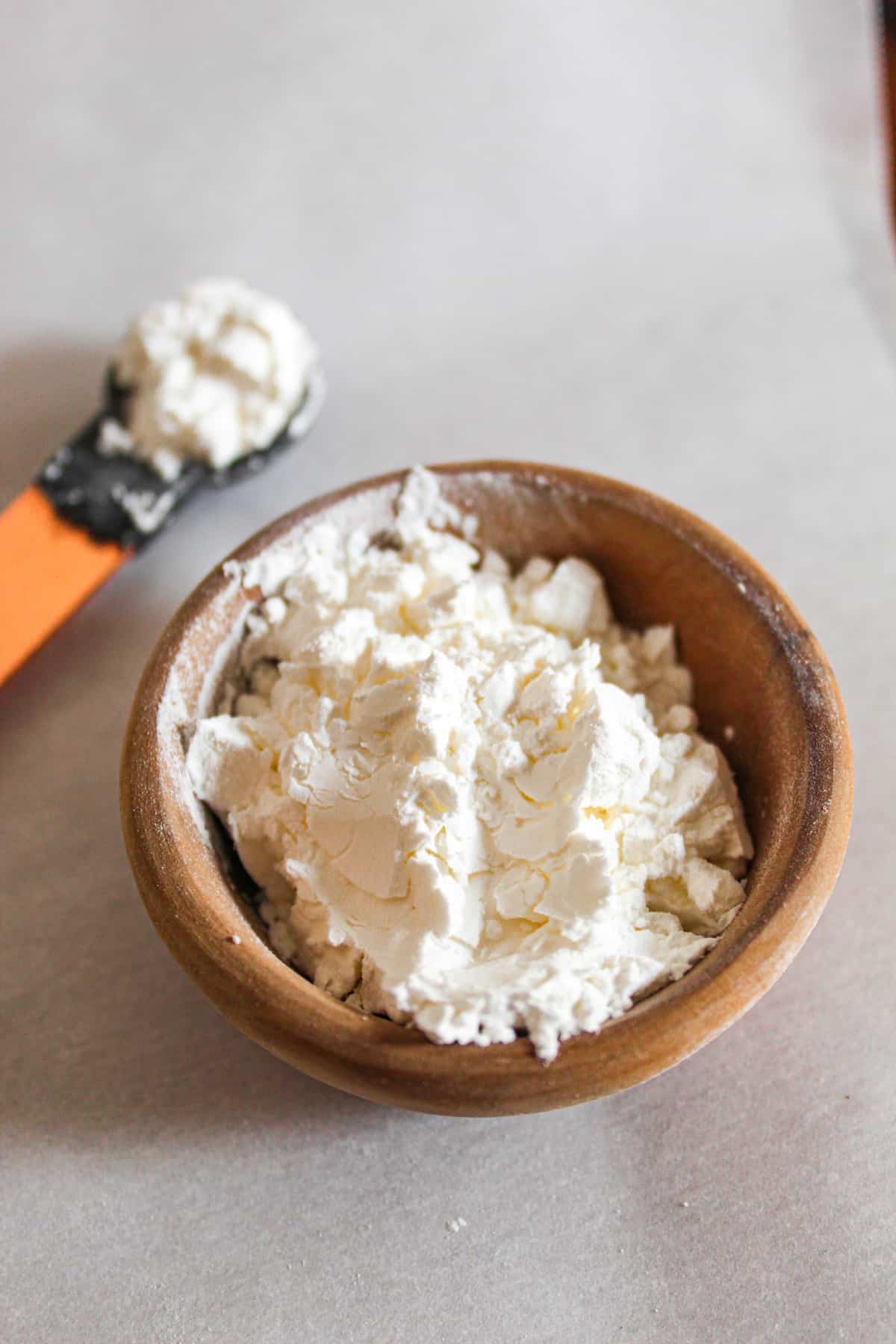
8. Cornstarch
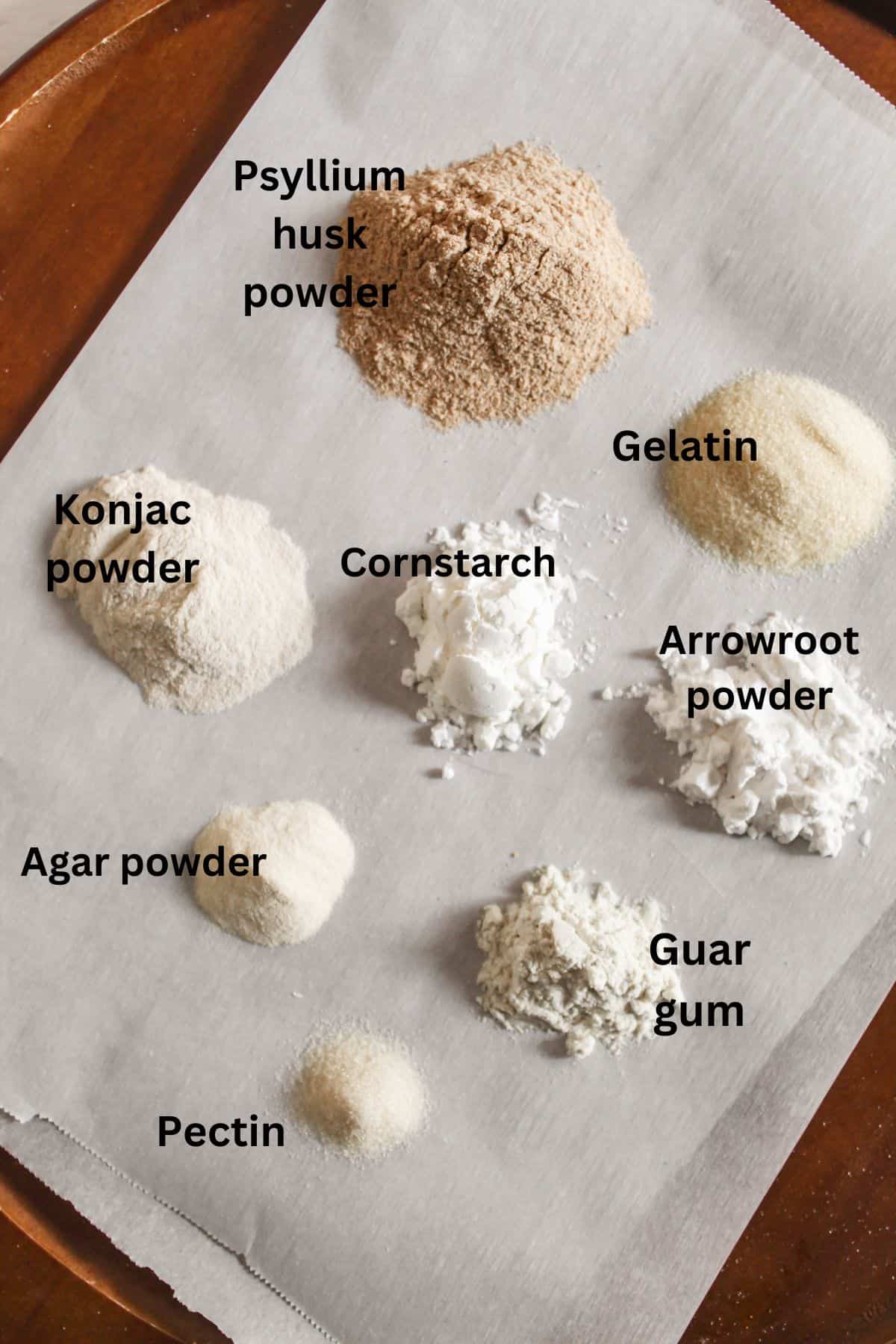
Cornstarch thickens liquids quickly and consistently. Therefore, it is ideal to use chia seeds solely as a thickening agent.
Best Used In:
Sauces, jams, and puddings. As a result, you get reliable thickening without altering the dish’s flavor.
9. Arrowroot Powder
Arrowroot powder functions similarly to cornstarch but produces a lighter, clearer texture. Additionally, it is gluten-free and neutral in flavor, making it versatile for many recipes.
Best Used In:
Puddings and fruit fillings. Thus, arrowroot provides consistent thickening while keeping sauces smooth and visually appealing.
For more comparisons, see: Xanthan Gum vs Arrowroot: Best Tips, Substitutes & More.
10. Quinoa (Cooked)
Cooked quinoa adds texture and nutritional value, though it does not thicken or bind like chia.
Best Used In:
Salads, breakfast bowls, and recipes where texture is more important than thickening. Therefore, it’s a useful alternative when you want added nutrition and a chewy consistency.
Best Chia Seeds Substitute by Recipe Type
Not every chia seed substitute works the same way in every recipe. Use the quick breakdown below to pick the right option according to how chia seeds are used.
For Baking
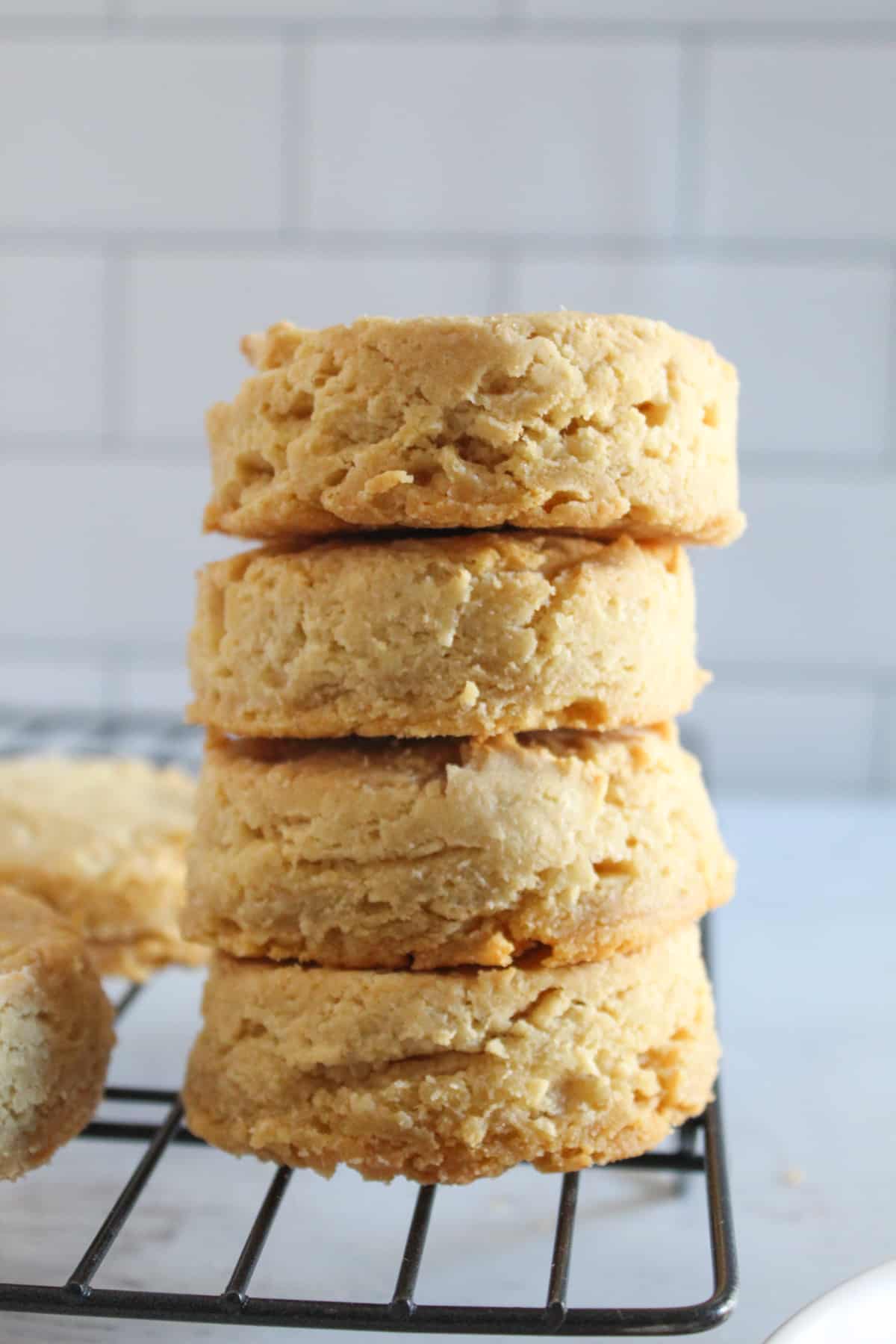
When replacing chia seeds in baking, you need ingredients that provide both binding and structure. Since chia seeds help hold ingredients together and retain moisture, especially in gluten-free recipes, choosing the wrong substitute can affect your results.
Therefore, the best options for baking are:
- Flax seeds
- Psyllium husk
- Oat bran
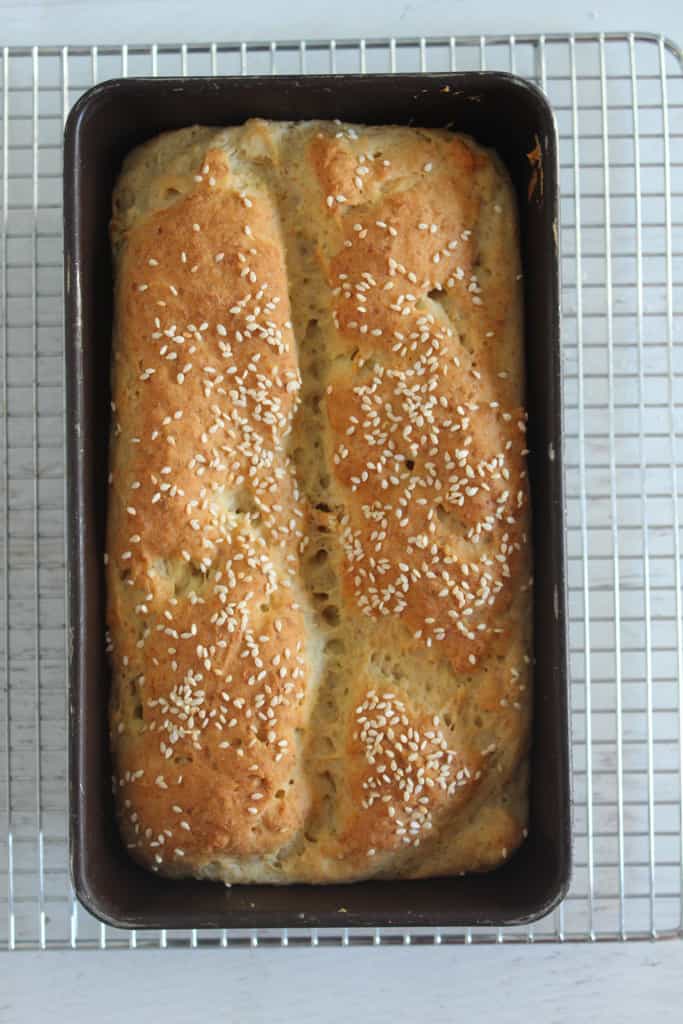
These ingredients maintain structure and moisture, ensuring your muffins, breads, and other baked goods turn out perfectly, such as our Hearty Chia Seed Bread.
For Smoothies
In smoothies, chia seeds are primarily used for nutrition and light thickening. However, you don’t always need a gel-forming substitute.
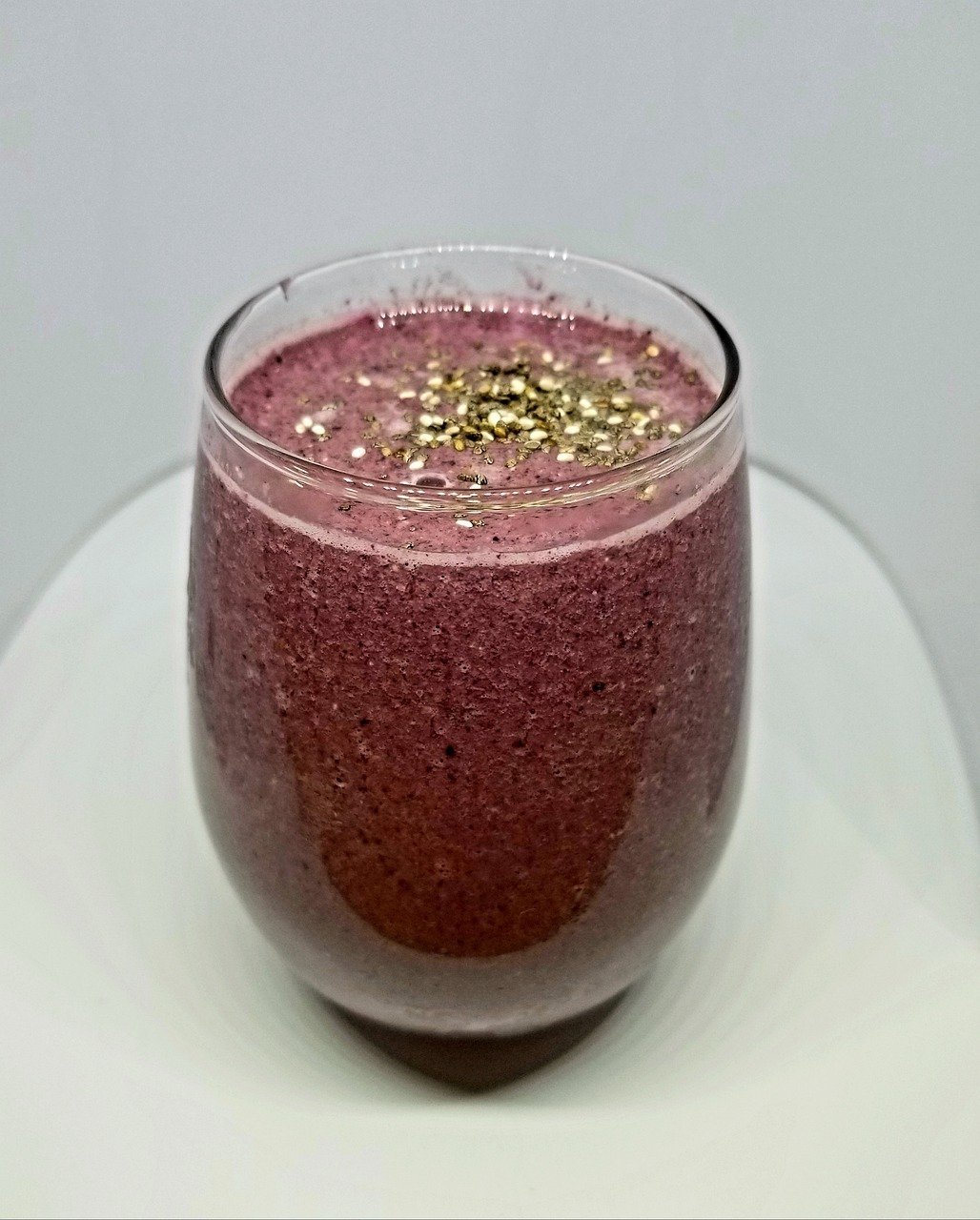
Consequently, the top choices for smoothies include:
- Hemp seeds
- Ground flax
These blend easily while keeping your smoothie creamy, smooth, and nutrient-rich.
For Chia Pudding
Chia pudding relies on the gel texture created when seeds absorb liquid and expand. Without the right substitute, your pudding can turn runny or too thin.
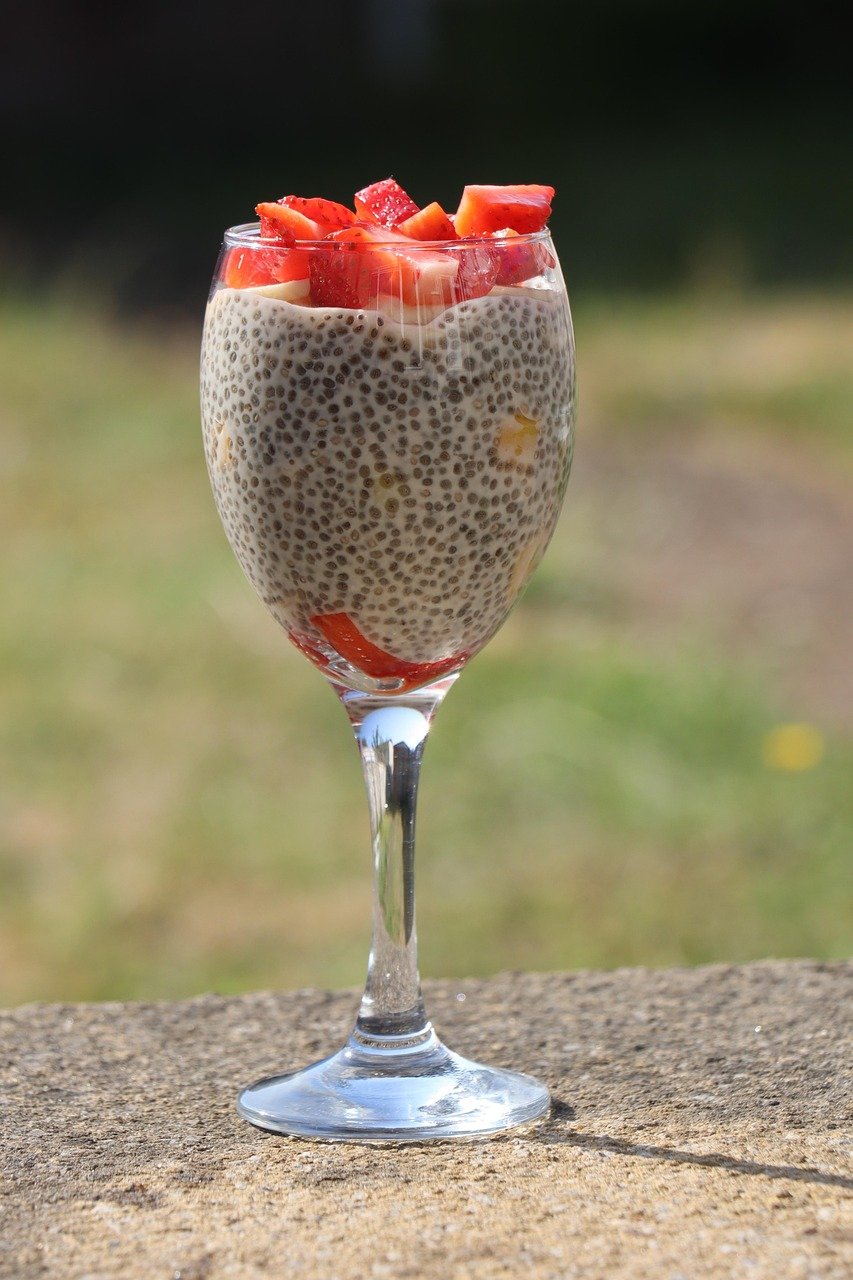
Thus, the ideal options for chia pudding are:
- Basil seeds
- Tapioca pearls
Both produce a thick, spoonable texture similar to traditional chia pudding.
For Thickening
If you are using chia seeds purely as a thickener, it’s important to select ingredients that excel in this role. Otherwise, sauces, jams, or fillings may not set properly.
For consistent thickening, use:
- Cornstarch
- Arrowroot powder
These alternatives offer consistent thickening for sauces, jams, and fillings without affecting flavor.
Matching the substitute to the recipe ensures the final texture and consistency stay as close as possible to the original.
After understanding which substitutes work, it’s also important to recognize those that don’t perform as well.
Substitutes That Don’t Work Well
A common mistake people make is choosing the wrong chia seed substitute. Some replacements may look similar but may not achieve the same outcome.
Sesame Seeds
People usually mistake sesame seeds as a good alternative because they are small and nutrient-dense. But they don’t soak in liquid or form a gel.
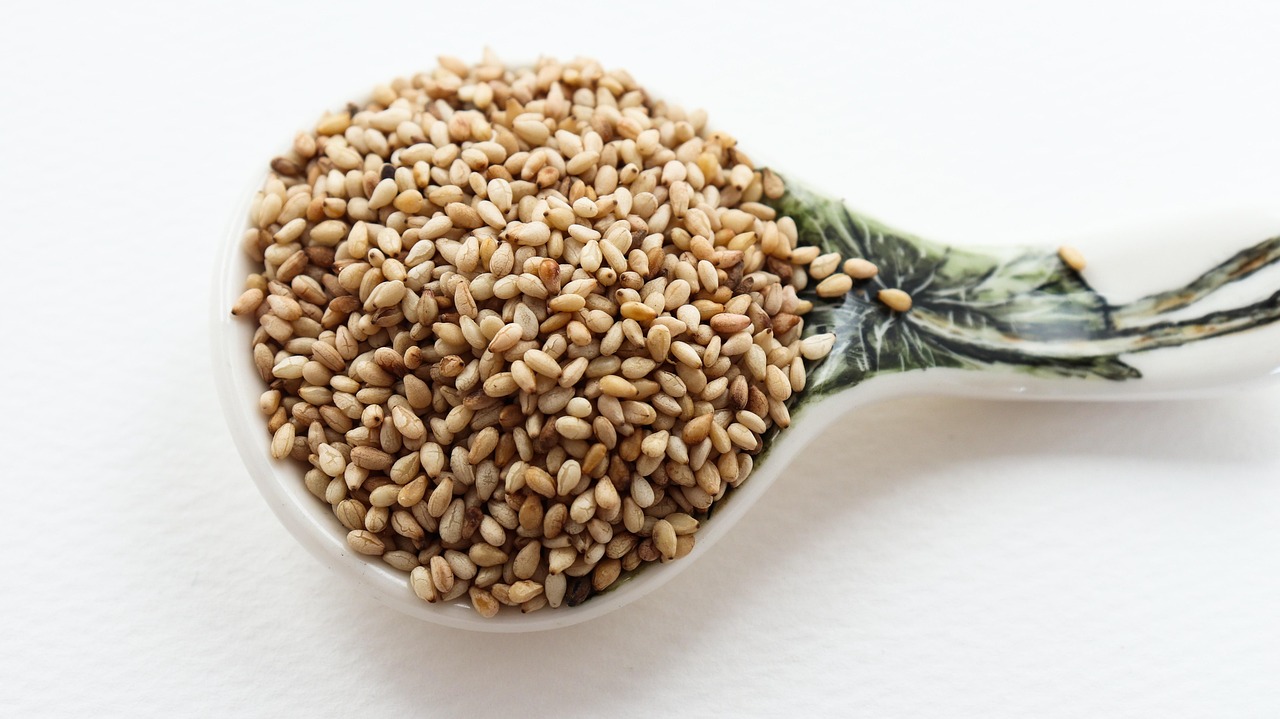
This means:
- no thickening ability
- no binding function
They work for flavor or crunch, but they don’t make effective replacements.
Sunflower Seeds
Sunflower seeds also fall short as a replacement.
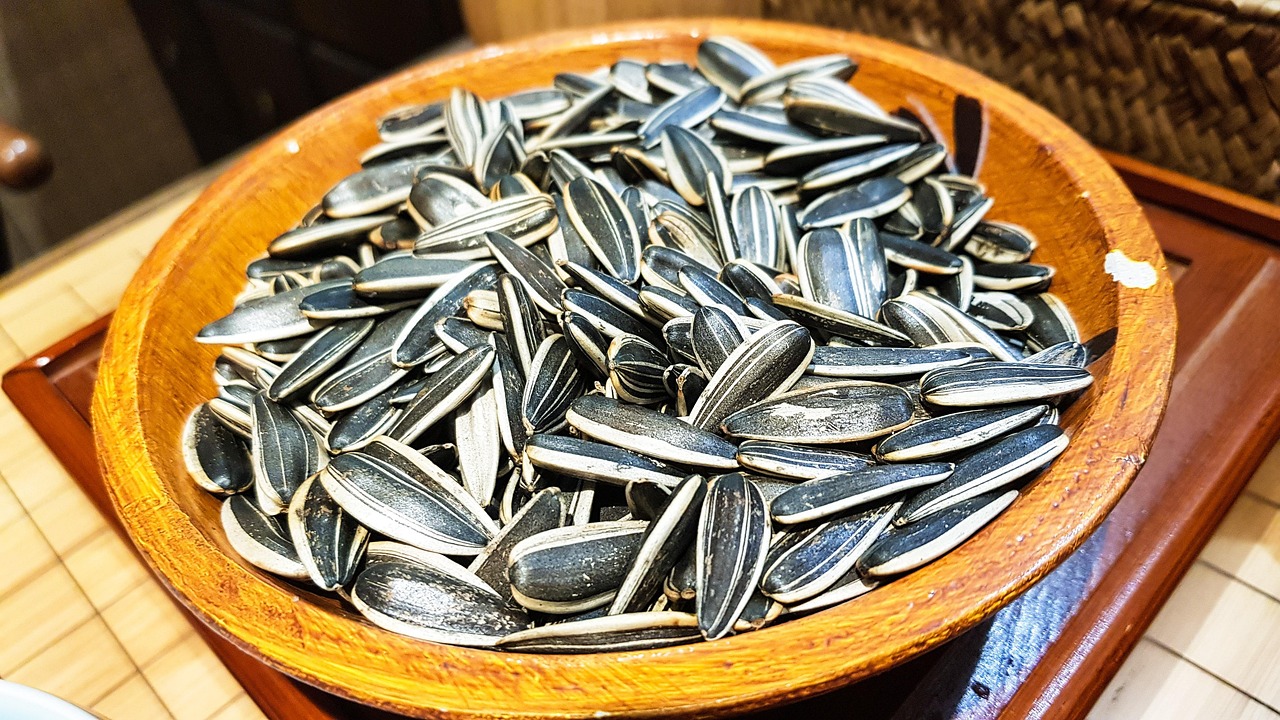
Below are reasons they don’t work:
- strong, noticeable flavor
- does not gel or thicken
Instead of blending into the recipe, they can overpower the taste and fail to provide the structure chia seeds offer.
Quinoa (Raw)
Another poor substitute is raw quinoa.
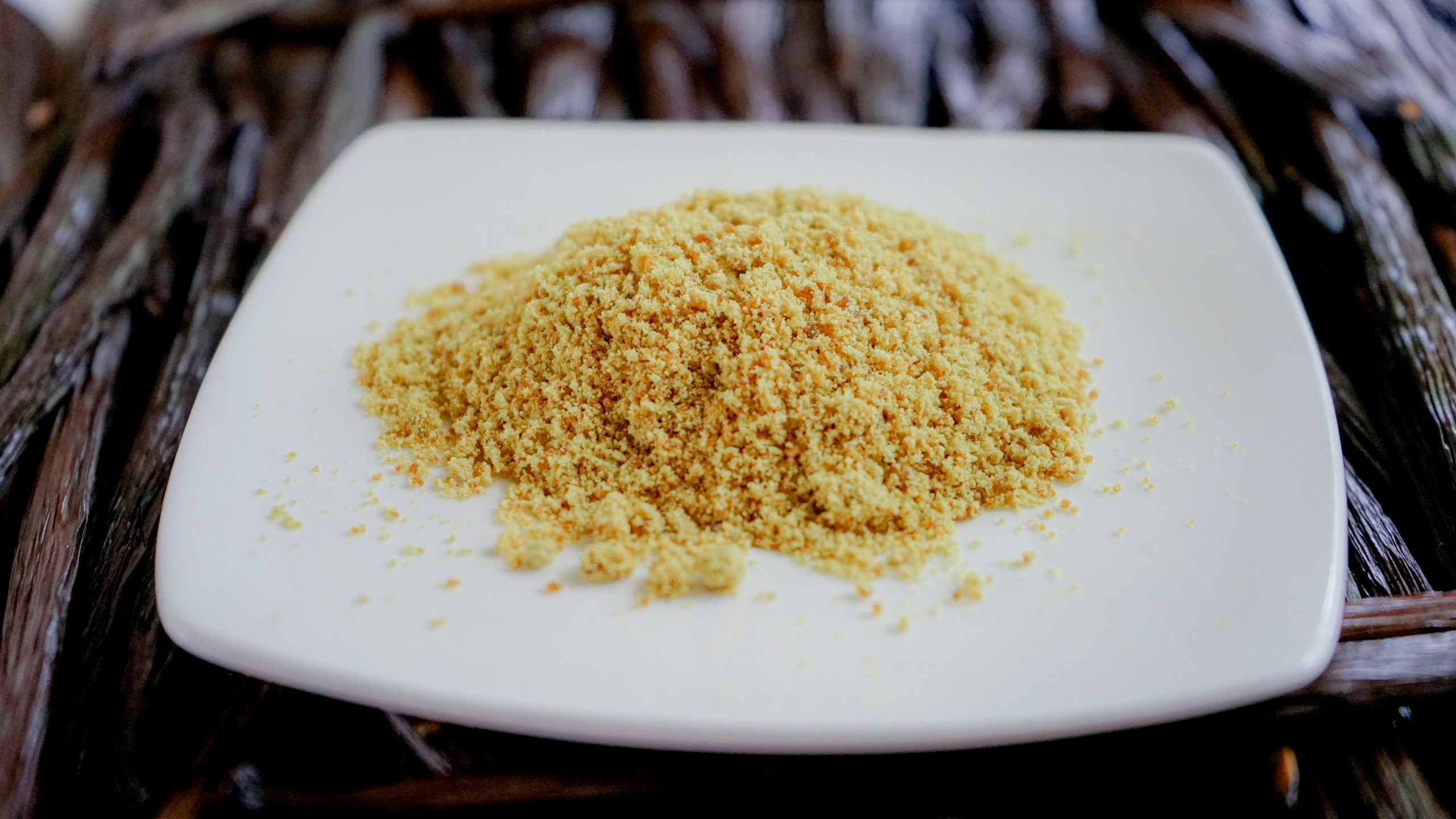
A major issue is:
- texture mismatch
Unlike chia seeds, quinoa does not absorb liquid to form a gel. It remains firm and grainy, which can disrupt the consistency of recipes like puddings or smoothies.
Knowing these limitations can help you evade substitutions that are similar in appearance but don’t perform the same function. The key is always to match the role chia seeds play in the recipe, not just the ingredient itself.
We’ll look at the nutritional comparison of these seeds in the next section.
Nutrition Comparison: Chia Seeds vs Popular Substitutes
Several alternatives can match chia seeds’ texture or function, but their fiber, protein, and omega-3 content can vary significantly.
Nutrition Comparison Table
| Ingredient | Fiber | Protein | Omega-3 |
|---|---|---|---|
| Chia seeds | Very High | Moderate | High |
| Flax seeds | High | Moderate | High |
| Hemp seeds | Moderate | High | Moderate |
| Basil seeds | High | Moderate | Low |
Chia seeds are among the topmost nutrient-dense plant foods, as they provide high dietary fiber, omega-3 fatty acids (ALA), and plant protein. Studies show that they contain 18-30% fiber and substantial amounts of omega-3 fatty acids. As a result, they are good for digestion and heart health.
Also, Harvard Health research explains the role of chia seeds in boosting cardiovascular health and supporting balanced nutrition.
- Similarly, flax seeds have high nutritional value. They are rich in omega-3 fatty acids, as over 50% of their fat content is ALA. Also, they produce high fiber levels, which explains why they are a strong replacement for heart health and digestive support.
- Hemp seeds are outstanding for their protein content. They offer approximately 10g of protein per 30g serving alongside essential fatty acids. They are a valuable source of protein and essential fatty acids, particularly for plant-based diets.
- Basil seeds provide fiber and some micronutrients, but they don’t contain as much omega-3 as chia or flax. They are best for texture, not as nutritional substitutes.
Who Should Use Each Option
- Use chia or flax seeds for high fiber and omega-3 fatty acids to support heart health, digestion, and overall nutrition.
- Use hemp seeds if you need more plant-based protein, especially for muscle support or higher-protein diets.
- Use basil seeds if your goal is texture (such as pudding) rather than nutritional equivalence.
What Does This Mean for You?
If your priority is nutrition, the closest match to chia seeds is flax seeds. More protein? Hemp seeds are a better option. However, if you want simple thickening without caring for omega-3 content, basil seeds can be effective.
Practical Examples of Replacing Chia Seeds in Recipes
Even with the perfect substitute in mind, knowing how to use it in real recipes can make all the difference. By applying these practical swaps, you can ensure your dishes achieve the right texture, consistency, and flavor every time. Below, we show step-by-step examples for smoothies, baking, puddings, and thickening, so you can confidently replace chia seeds.
Example 1: Smoothie
Original: 1 tbsp chia seeds
Replacement: 1 tbsp hemp seeds
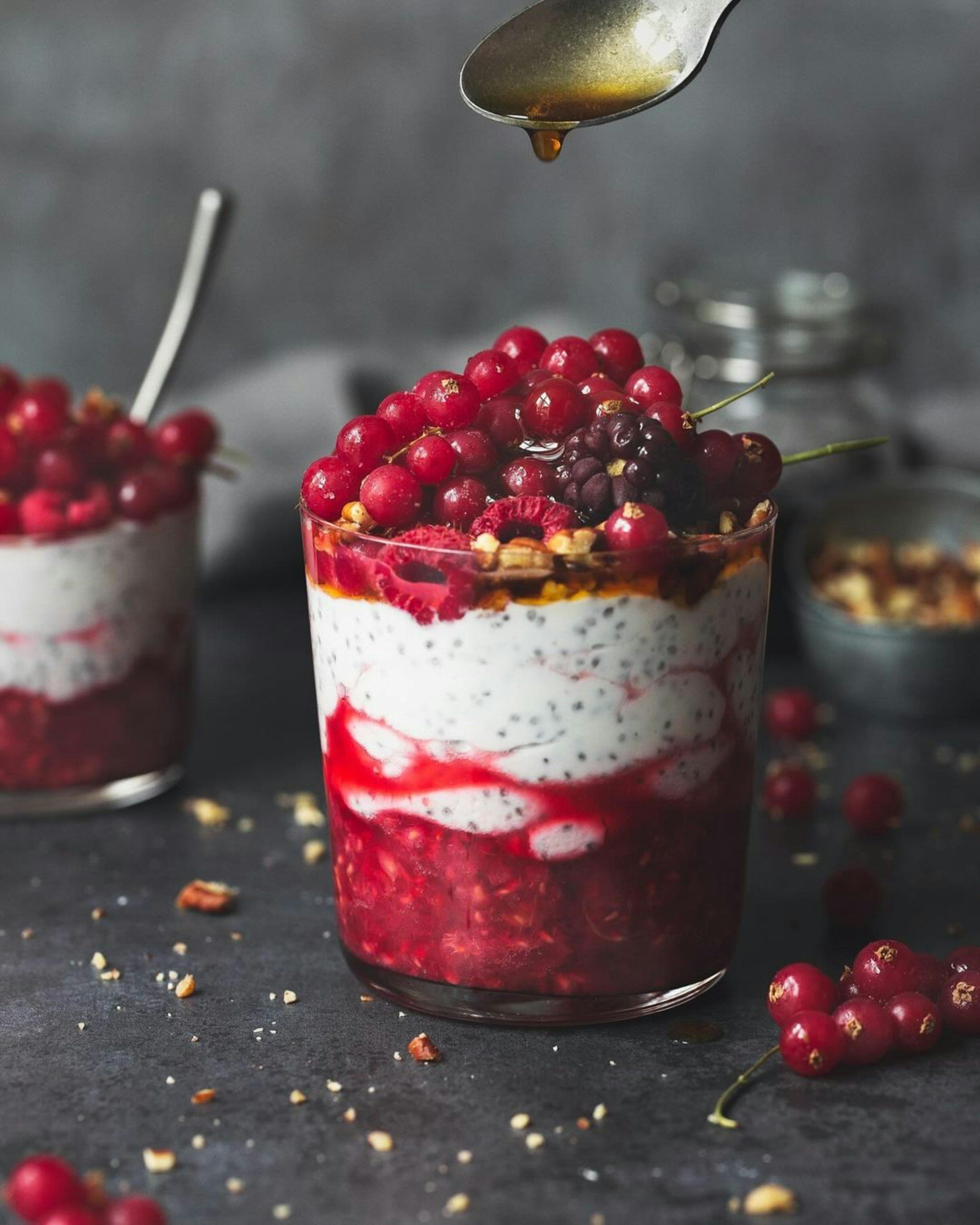
If you’re making a smoothie, replacing chia seeds is simple. For instance, 1 tablespoon of chia seeds can be substituted with 1 tablespoon of hemp seeds. This works because hemp seeds provide similar nutrition without thickening the drink excessively.
As a result, your smoothie remains creamy and easy to drink while still being nutrient-rich.
Example 2: Vegan Egg
Original: 1 tbsp chia seeds + 2.5 tbsp water
Replacement: 1 tbsp flaxseed + 2.5 tbsp water
In recipes where chia seeds act as a binding agent, you can replace 1 tablespoon of chia seeds mixed with 2.5 tablespoons of water with 1 tablespoon of ground flaxseed mixed with 2.5 tablespoons of water. Because flax forms a similar gel, this substitution ensures your muffins, pancakes, or cookies hold together properly.
Therefore, baked goods maintain their structure and moisture without compromising texture.
Example 3: Chia Pudding
Original: 3 tbsp chia seeds
Replacement: 3 tbsp basil seeds
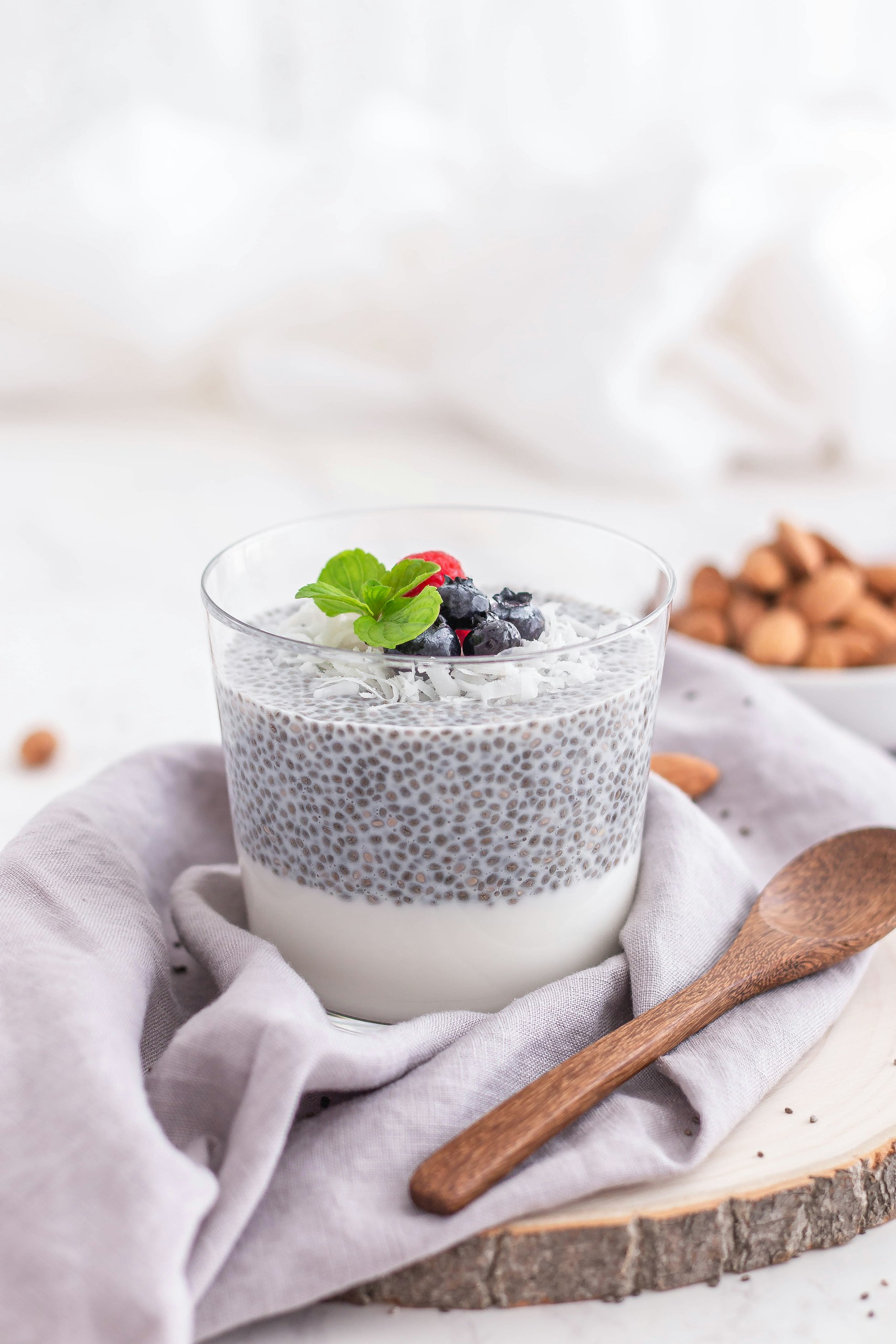
When making chia pudding, the gel-like texture is essential. In this case, 3 tablespoons of chia seeds can be swapped for 3 tablespoons of basil seeds. Since basil seeds absorb liquid and form a gel similar to pudding, the pudding becomes thick and spoonable.
As a result, your dessert looks and feels just like the original.
Example 4: Thickening Sauces
Original: Chia seeds are used for thickening
Replacement: Cornstarch or arrowroot powder
If your goal is purely thickening, you can replace chia seeds with cornstarch or arrowroot powder. For example, 1 tablespoon of chia seeds can be substituted with 1 tablespoon of cornstarch mixed into a liquid. Because these starches thicken reliably, you achieve smooth sauces, jams, or fillings without altering flavor.
Therefore, consistency is maintained, and results are predictable.
Common Chia Seeds Substitute Issues and How to Fix Them
Results can vary depending on the recipe, even if you choose the right chia seed substitute. However, small adjustments can quickly fix most issues.
Substitute Didn’t Thicken
Did your mixture turn out watery? It’s probably because the substitute you used doesn’t have strong thickening properties. In this case, switching to psyllium or flax can help. Both absorb liquid effectively and create a thicker consistency, making them better suited for recipes that rely on structure.
Smoothie Too Thick
On the other hand, some substitutes can make your smoothie too thick, especially after blending. To fix this, reduce the amount of seeds you’re using and gradually add more liquid until you reach the desired consistency. This helps restore a smoother texture without affecting the overall flavor.
Baking Too Dense
If your baked goods come out dense or heavy, the issue is usually poor binding. Using ground flax instead of whole seeds can solve this, as it distributes more evenly and forms a better gel.
Are you unsure of which form to use? See Flax Seed vs Flax Meal – What’s the Difference? for a clear breakdown.
These quick fixes will make it easier for you to adjust your recipe and get consistent results whenever you replace chia seeds.
Quick Decision Guide: Which Substitute Should You Use?
If you focus on the things your recipe needs most, picking the right chia seed substitute will be easy. To make fast and accurate decisions, use the quick guide below:
- Use flaxseeds as a vegan egg replacement.
- Use hemp seeds for nutrition without thickening.
- Use basil seeds if you’re making pudding.
- Use psyllium husk if you’re baking gluten-free bread.
Frequently Asked Questions About Chia Seeds Substitutes
Do you still have questions about choosing the right chia seed substitute? These quick answers cover the most common scenarios you might run into.
What Is the Best Substitute for Chia Seeds?
Flax seeds are a match for texture and nutrition.
Can I Replace Chia Seeds with Flax Seeds?
Yes, use the same ratio with added water for binding.
What Replaces Chia Seeds in Pudding?
Basil seeds or tapioca pearls work best because they produce a similar thick, gel-like texture.
Can I Skip Chia Seeds in a Recipe?
It depends on the recipe. If you’re using chia seeds for thickening or binding, you’ll need a substitute. If they’re only added for nutrition, you can skip them.
What Replaces Chia Seeds in Smoothies?
Hemp seeds or ground flax are good options. They provide nutrition without drastically changing texture.
Are Basil Seeds the Same as Chia Seeds?
No, they behave similarly in liquids, but they come from different plants and have slightly different nutritional profiles.
Can chia seeds be replaced in baking?
Yes, flax seeds and psyllium husk are the best choices because they help bind ingredients and improve structure.
What Is the Healthiest Chia Seed Substitute?
Flax seeds are the closest match nutritionally, especially for fiber and omega-3 content.
Can Oats Replace Chia Seeds?
Oats can add thickness and fiber, but they don’t form a gel, so they won’t work as a binding substitute.
Can I Replace Chia Seeds with Gelatin?
Yes, for thickening purposes. However, gelatin is not plant-based, so it’s not suitable for vegan recipes.
How to Choose the Best Chia Seed Substitute
It doesn’t have to be complicated to find the right chia seed substitute. Several ingredients can effectively replace chia seeds.
The key is to match the substitute to the role chia seeds play in your recipe. Among all the options, flaxseed is usually the most versatile for the reasons covered above.
For the best results, start with the recommended ratios, then adjust based on your recipe’s texture and function. The goal is not to guess, but to swap with purpose.
More Baking Substitution Guides
Since you’re exploring a chia seed substitute, it’s often advisable to learn other ingredient replacements used in baking. We’ve put together guides from our database to make adjusting recipes easier for you.
- See egg substitutes for baking for egg-free baking. It covers multiple options and how they perform in different recipes.
- Do you need help replacing flour? Go through the baking help section, with detailed guides on flour swaps and texture adjustments, including flour substitutes.
- Are you looking to swap fats in recipes? This guide to dairy alternatives explains common butter replacements and how they affect moisture and structure.
- For a simple egg-free option, learn how to use applesauce in baking with exact ratios and tips: applesauce egg replacement.
With these guides on hand, making smart baking swaps gets a whole lot easier and a lot less like kitchen roulette.
Tried a Chia Seed Swap? Share It Below
Have you given any chia seed substitute a trial? Did it work perfectly or not? Share your experience in the comments and let others know what worked for you.