If you’ve ever stood in the baking aisle of your local grocery store, wondering whether to get flaxseed or flax meal, you’re not alone. They look similar. They come from the same plant. The differences lie in how they behave during baking and how your body digests them.
The choice impacts nutrition absorption, the texture of your baked goods, shelf life, and digestive benefits.
Table of Contents
Which one is better? It can depend on what you do with it. Flax meal is most often used as an egg replacement in baking. Flaxseed makes an attractive topper. So you can use both, depending on which recipe you’re following.
In this guide, we break down the differences between flaxseed and flax meal that matter for your baking and nutritional needs. That way, you can choose the right one for your needs every time.

Quick Facts About The Differences Between Flaxseed and Flax Meal
First off, here’s a quick rundown of the differences between flaxseed and flax meal that you need to know before you put one in your cart. That way, you can grab and go if you already have a good idea of what you want to do with it.
| Feature | Flax Seeds | Flax Meal |
|---|---|---|
| Texture | Whole | Ground |
| Shelf Life | Longer | Shorter |
| Nutrient Absorption | Lower (unless chewed) | Higher |
| Best For | Toppings | Baking & egg replacement |
What are Flax Seeds?
Flax seeds are the small, round seeds of the flax plant. The whole version is notorious for being crunchy and hard to chew (and hard to digest). However, the ground version is quite useful for baking and is highly nutritious.

Scholars believe that flax is one of the first crops to be cultivated. Interestingly, food was only one of its early uses. Flaxseed has also long been used to make linens, paint, blue dye, linoleum, and wood varnish. The recycling industry will also add flax fiber to recycled paper to enhance its strength.
Health Benefits
According to Oregon State University, flaxseed is popular as an animal feed and an ingredient in baked goods for its nutritional value.
The main focus is often on fiber, as flax contains 40% fiber (both soluble and insoluble). These can help improve digestive health, regulate blood sugar levels, reduce insulin sensitivity, reduce high blood pressure, and reduce low-density lipoprotein (the bad stuff). Consuming extra dietary fiber can help you feel full for longer and genuinely support your overall health.
Flax also contains lignans, which are phytoestrogens that may reduce the risk of certain cancers and help relieve menopausal symptoms.
If you’re curious, flaxseed oil is also known as linseed oil when used in paints, varnishes, linoleum, and wood treatments. Don’t let that scare you off, though. Flaxseed oil is a good source of a valuable Omega-3 fatty acid called alpha-linolenic acid (ALA).
According to the National Institute of Health (NIH), Omega-3 fats like the ones in fish oil and seed oils can help reduce cholesterol levels, improve heart health, support eye health, and more. Polyunsaturated fats (PUFAs) are a key part of the Mediterranean diet, which is one of the main reasons dietitians say it is good for heart health. Since flaxseeds are plant-based, they’re a healthy and affordable way to add more Omega-3s to any diet.
Watch: Flaxseed Health Benefits Explained
Want a quick overview of why flaxseed is often praised for its nutritional value? In this short Mayo Clinic video, dietitian nutritionist Katherine Zeratsky explains how flaxseed provides healthy fats, vitamins, minerals, and fiber, and why even a small amount can be a smart addition to your diet.
Nutrition Information for Flaxseed
Fortunately, you don’t need to eat a lot of flaxseeds to reap their benefits. Just 1-2 tablespoons per day can make a difference.
Plus, flaxseeds pack a punch without many calories. Just one tablespoon of ground flaxseeds has:
- 37.4 calories
- 1.28 g protein
- 3 grams of fat
- 2 grams of carbohydrates
- 2 grams of dietary fiber
You may see different types of flaxseeds at your store, like brown or golden flaxseeds. Both are healthy, brown flaxseeds have more of the polyunsaturated fats (ALAs) and antioxidant properties that you may be looking for.
Uses for Flax Seeds and Flaxseed Meal
When should you use flaxseed and when should you use flaxseed meal? It often depends on what your goals for using flax are! The main thing to know is:
- Use whole flaxseeds for toppings and anything you want to add a bit of crunch to. I like to sprinkle a little on salads and the top of bread dough before baking for a nice decorative touch.
- Use flaxseed meal to support the texture of baked goods, especially if you are making a gluten-free version or are replacing the eggs in a recipe.
- A tablespoon of flaxseed meal is also good in smoothies.
- Bonus: Use flaxseed oil to replace the oils in salad dressing or a drizzle over roasted vegetables or meat. (Avoid using flaxseed oil for high-heat cooking, though. Many cooking-related applications require an oil with a high smoke point, which flaxseed oil doesn’t have.)

What is Flaxseed Meal?
Clearly, flaxseeds can be a powerful way to improve your health, but there’s one problem: digestibility. Their outer shell is so fibrous that it can easily pass through your digestive tract without breaking down. This means you can’t access all those essential fatty acids and lignans, which defeats the purpose!
To get the most nutritional benefit from flax seeds, they should first be ground into flaxseed meal, and research shows that freshly ground flaxseeds have the highest concentrations of ALA and lignans.
If you have to buy some already ground and see some labeled as flax meal, it’s the same thing as flaxseed meal.
How to Make Flaxseed Meal
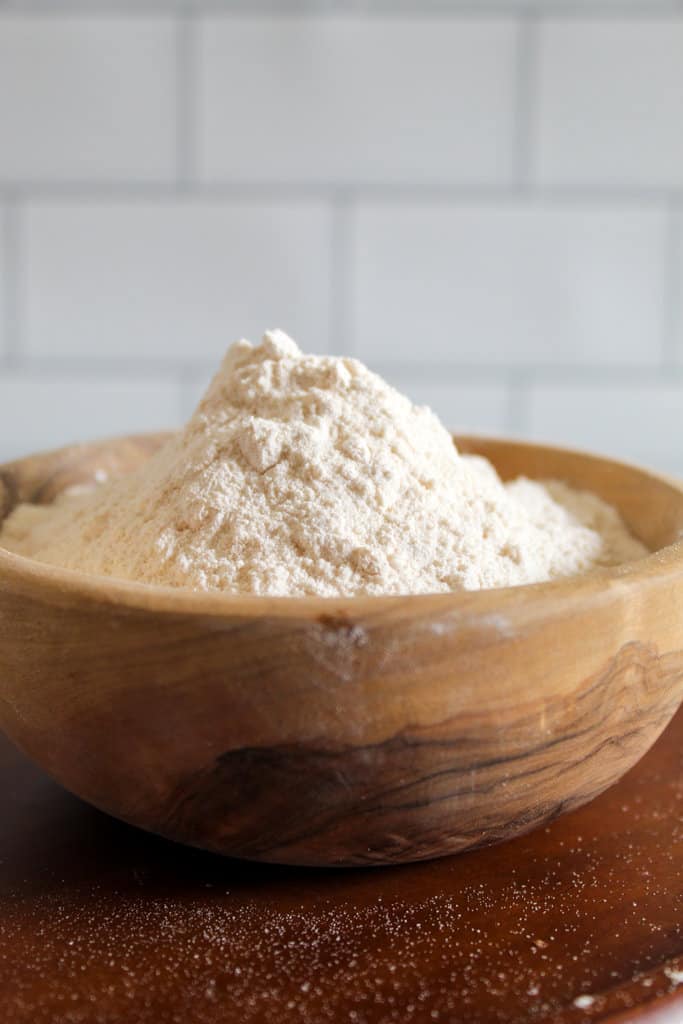
If you can’t get fresh flaxseed meal at your local grocery store, you can buy a bag of whole flaxseeds and grind them at home. You can use either raw or heat-processed flax seeds, and you’ll need a coffee grinder or a food processor to pulverize the seeds quickly and easily.
Once your flax seeds are ground, they’ll start to oxidize and go bad faster, so only grind what you need.
How To Use Flax Meal as an Egg Replacement
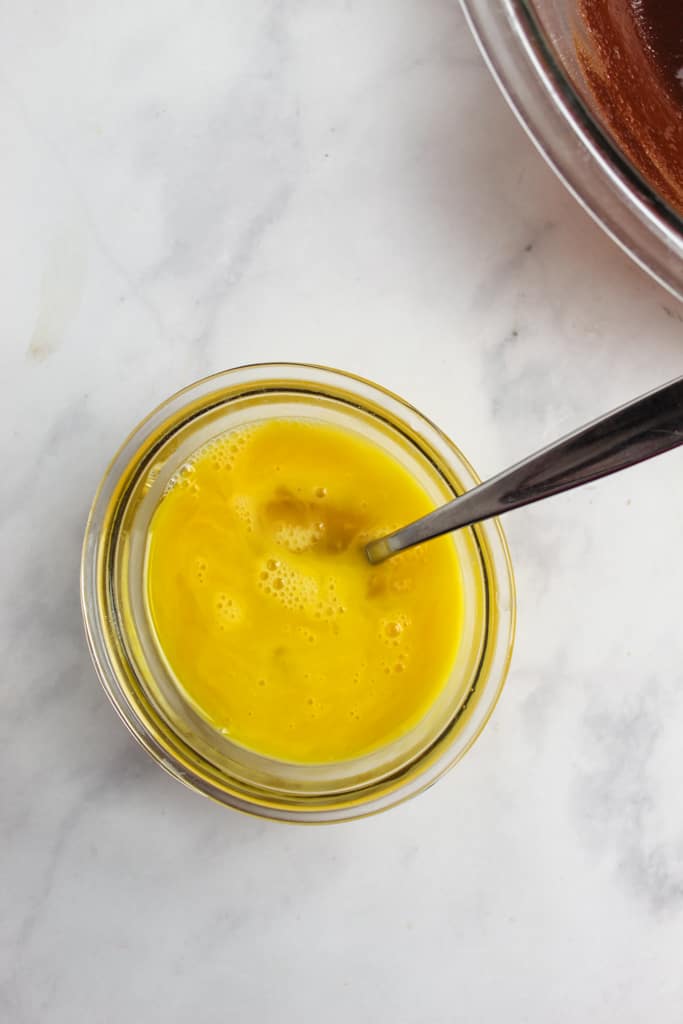
Finally, what you likely want to really know: How to use flax meal as an egg replacement. It’s super easy. For each egg you want to replace, mix one tablespoon of flax meal with three tablespoons of water and let the mixture form a gel.
If you ever run into a bind and run out of flaxseed meal for your egg replacements, chia seed meal works too. Here’s a rundown of suitable flaxseed alternatives. Just keep in mind that each alternative is best for a very specific purpose.
Storing Flax Seeds & Powder
- Whole flaxseeds can be kept at room temperature for 4-20 months.
- Flaxseed meal should be used within a few weeks or months.
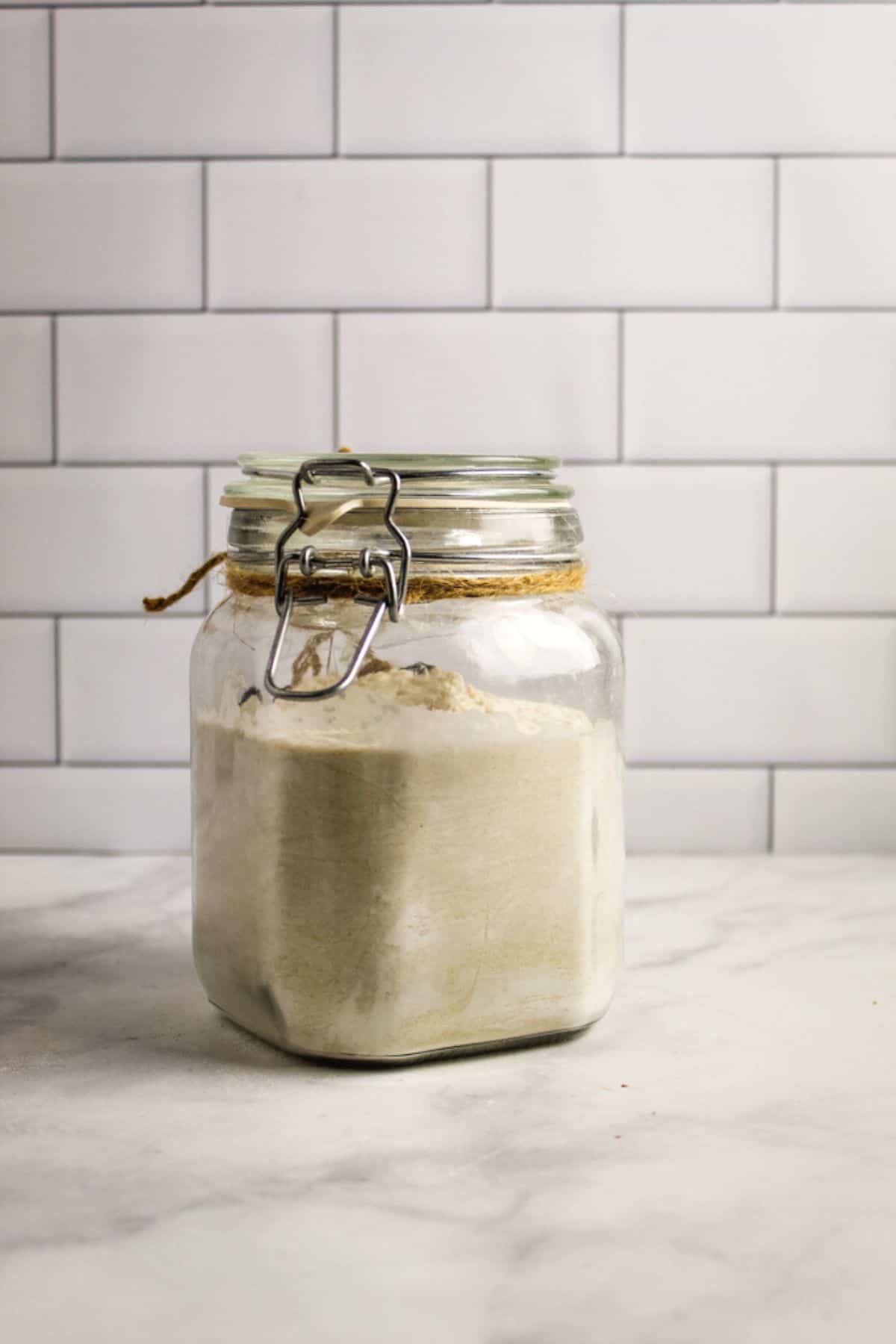
One easy option is to keep a bag of whole flaxseed in your fridge, then grind what you need for a few weeks at a time. Store the freshly ground flax powder in a jar or other airtight container in the fridge to use as needed.
Best for Baking
For most of your baking needs, it’s best to use flaxseed meal, ideally freshly ground. Either purchase freshly ground flax meal at the store or keep a stash of whole flaxseeds on hand to grind as needed.

On occasion, you will see people top their loaves of sandwich bread with whole flax seeds, chia seeds, and other seeds, but remember that you can’t access the benefits of flaxseeds as well unless they are ground into a powder. Using the whole seeds is generally just a fun decorative touch.
Some people try to mix whole flaxseeds into the batter or dough when baking. Really, the only reason to do this is to add a nice crunch to your baked goods. If you want to get the full nutritional benefits of flax seeds and get the texture exactly right, flaxseed meal is the way to go.
Flaxseed FAQs
Of course, we still get questions about flax seeds and flaxseed meal. Here are a few of the most common questions. If you have a question about flax seeds that we haven’t thought of, feel free to let us know in the comments section.
Why are whole flax seeds so hard to digest?
Whole flaxseeds have a hard outer coating that is hard to chew and hard for the digestive system to break down. Before humans started cultivating it (which is believed to be around 3,000 B.C.E.), flax may have evolved this way to encourage the spread of its seeds. Grinding it into flaxseed meal breaks down the coating, making the nutrients easier to access.
Where did the cultivation of flax originate?
The cultivation of flax may have originated in the Middle East and Mediterranean, which explains why it is so often featured in Mediterranean cuisine.
Where is most flaxseed grown now?
Canada and some northern U.S. States like Montana, the Dakotas, and Minnesota actually grow a lot of the flax that is used for flaxseed. That’s because flax actually grows best in cool temperate climates.
Fun Fact: Flax was introduced to North America by settlers seeking to use its fiber to make durable clothing. It is still used for linens, such as premium bedsheets and tablecloths.
Does grinding flaxseed for flax meal destroy the nutrients?
It generally doesn’t destroy the nutrients. The main thing to remember is that flax meal has a shorter shelf life than whole flaxseed, so it should be used soon after it is made.
Is golden flaxseed different from brown flaxseed?
They aren’t very different nutritionally. Brown flaxseed just has a little more polyunsaturated fats (ALAs) and antioxidants. The main noticeable difference is their appearance.
Can flax meal help with weight loss?
Flax meal can help by providing fiber that supports digestion and helps regulate appetite. It works best as part of a balanced diet.
Some Recipes To Try With Flaxseed or Flax Meal
Want to try baking with flaxseed or flax meal? Here are some handy recipes to try!
Whether you’re new to baking with flax or already love it, these recipes are a delicious place to begin.
Have You Tried Baking With Flaxseed or Flax Meal?
Have you tried flaxseed or flaxseed meal in your baking? Be sure to let us know what you think in the comments section!