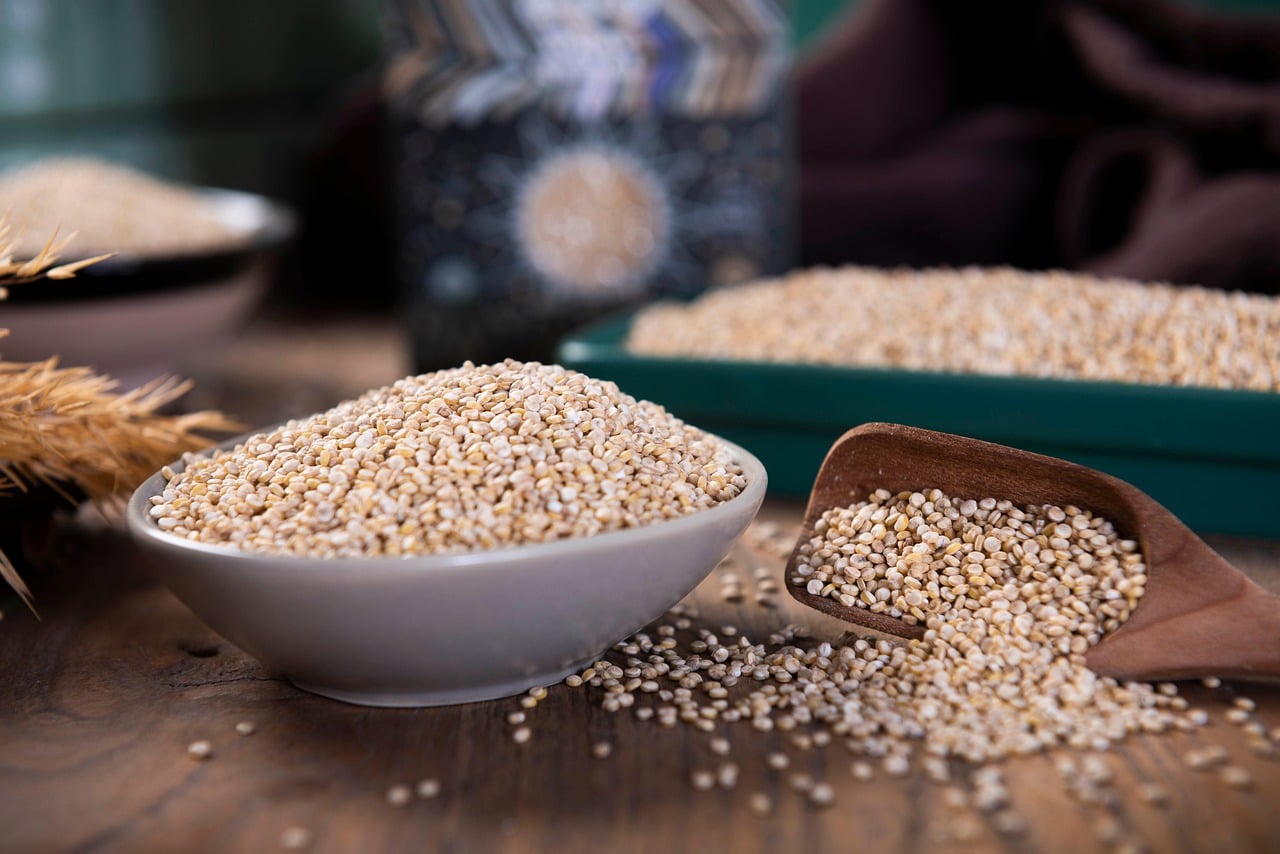
The best quinoa substitutes depend on what you’re replacing and what you want to preserve, such as texture, flavor, nutrition, or cooking time. Rice is an easy everyday option, while amaranth, millet, buckwheat, sorghum, and other alternatives can work better for specific recipes and dietary needs.
Before making the swap, check whether your recipe calls for cooked quinoa or quinoa flour. Cooked quinoa is mainly used for its texture, bulk, and mild flavor, while quinoa flour plays a different role in baking.
Table of Contents
Quinoa Substitutes at a Glance
For most recipes, rice or millet are the easiest quinoa substitutes—but the best choice depends on what you want to preserve: texture, flavor, nutrition, or cooking time.
Use this table to find the closest starting point for your recipe.
| Substitute | Best For | Texture | Flavor | Cooking Approach | GF? | 1:1? |
|---|---|---|---|---|---|---|
| Rice | Bowls, salads, sides | Fluffy | Mild | Similar | Yes | Often, cooked |
| Amaranth | Bowls, porridge | Soft/creamy | Nutty | Similar, softer | Yes | Sometimes |
| Millet | Salads, sides | Soft/fluffy | Mild, nutty | Similar | Yes | Often, cooked |
| Buckwheat | Salads, savory dishes | Tender/firm | Earthy/nutty | Similar | Yes | Recipe-dependent |
| Teff | Porridge, hearty dishes | Soft | Earthy | More liquid | Yes | No |
| Sorghum | Bowls, salads | Firm/chewy | Mild/nutty | Longer cooking | Yes | No |
| Oats | Breakfast, baking | Soft/creamy | Mild | Different | Yes | No |
| GF couscous | Fast sides | Small/fluffy | Mild | Very fast | Only labeled GF | No |
| Polenta | Side dishes | Creamy | Corn-forward | Different | Yes | No |
| Cauliflower rice | Low-carb meals | Tender | Mild | Different | Yes | No |
People with celiac disease should choose appropriately labeled gluten-free oats because oats can come across gluten during harvesting and processing.
Want our human-written content to rank above AI-generated garbage? Help us out by clicking this button!
A 1:1 substitution does not mean identical cooking behavior. It generally means the same volume of a cooked ingredient can replace another cooked ingredient in a particular preparation. It does not mean the ingredients require the same liquid or cooking time.
If You Need Quinoa Because…
The best substitute also depends on what you are trying to preserve in the finished dish.
- A similar small-grain appearance: Try millet or amaranth, depending on whether you want fluffy or creamy.
- A mild everyday starch: Choose rice.
- Something fluffy: Try millet or rice.
- An earthy, nutty flavor: Choose buckwheat or teff.
- More chew: Try sorghum.
- A gluten-free option: Rice, millet, amaranth, buckwheat, teff, or sorghum are good starting points.
- More protein: Try amaranth or combine a grain with a legume.
- Breakfast: Oats or amaranth work particularly well.
- A salad: Try millet, rice, buckwheat, or sorghum.
- Soup: Rice, millet, sorghum, or amaranth can work depending on the cooking method.
- A lower-carb meal base: Use cauliflower rice.
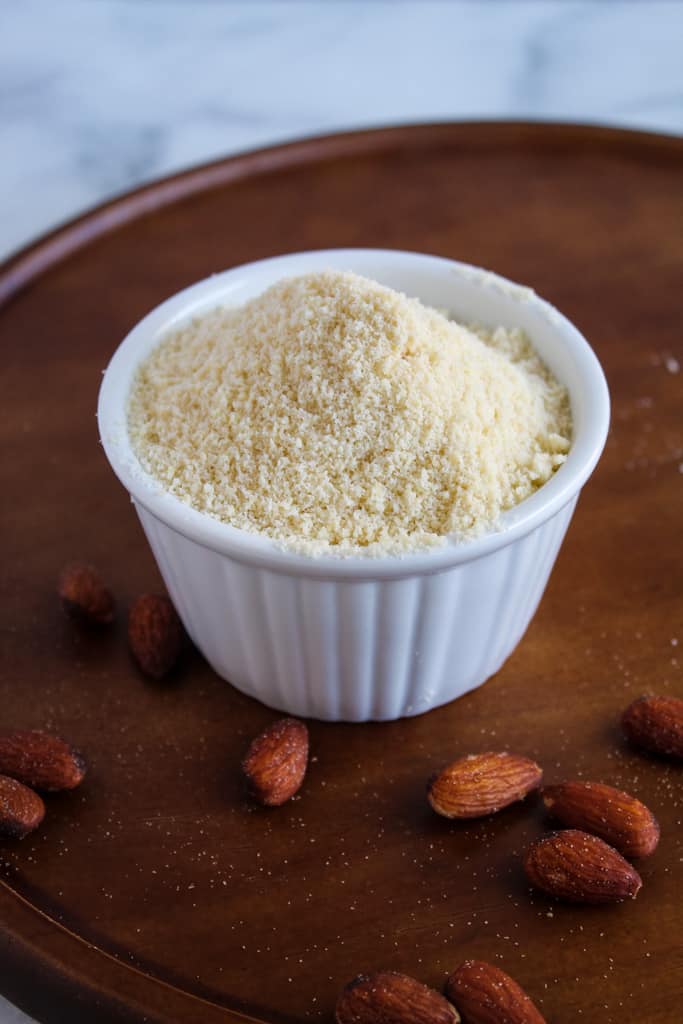
- Quinoa flour: Consider brown rice, oat, teff, amaranth, or almond flour depending on the recipe.
Cooked Quinoa vs. Quinoa Flour: They Are Not the Same Substitution
Before choosing an alternative, check what your recipe actually calls for. Cooked quinoa is used as a grain-like ingredient in salads, bowls, soups, side dishes, breakfast, and baked goods. You’re mainly replacing its bulk, texture, flavor, and moisture.
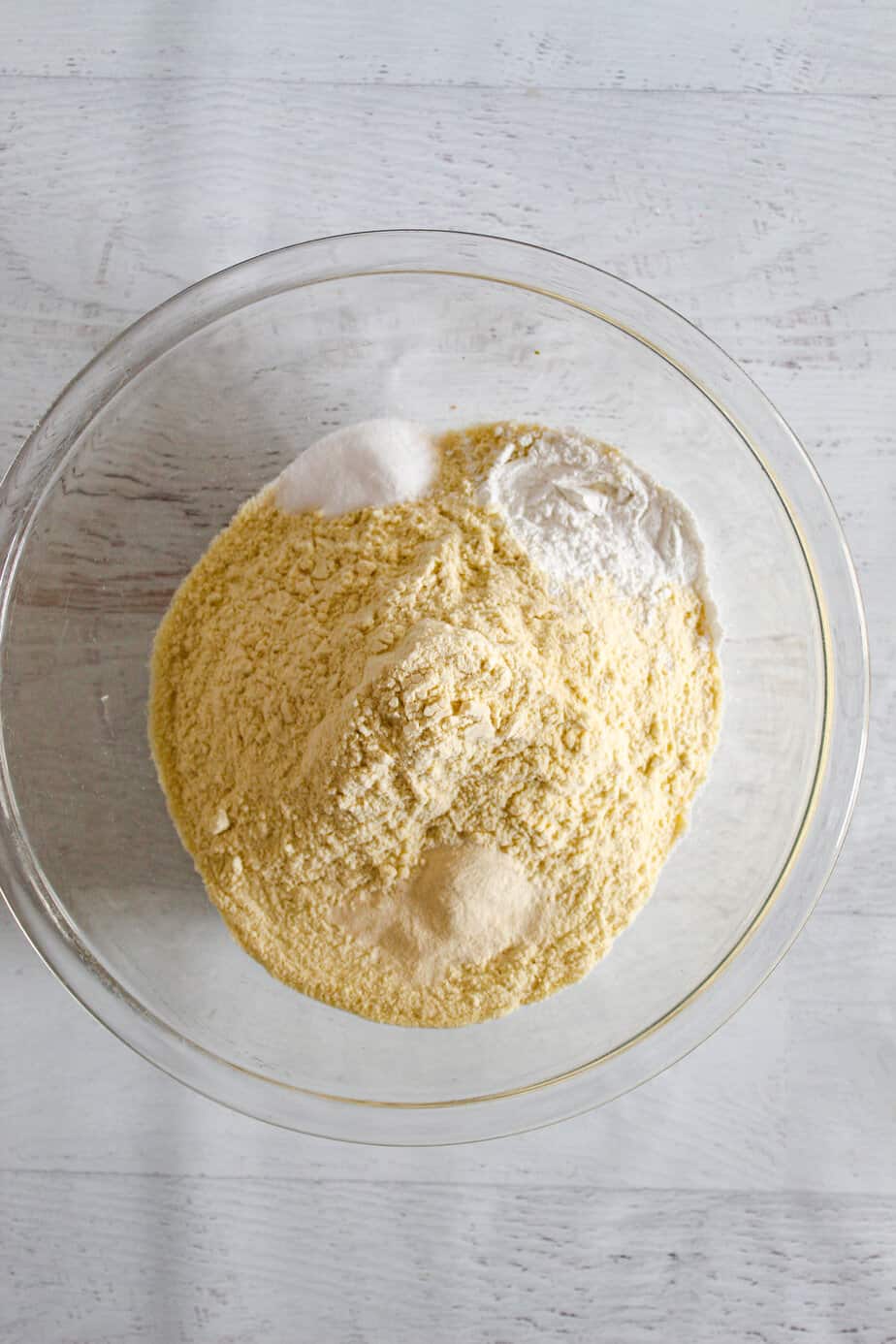
Quinoa flour is quinoa milled into flour. It behaves as a baking ingredient and contributes differently to structure, hydration, texture, and flavor.
You can’t substitute cooked quinoa for quinoa flour, and you can’t automatically replace flour with cooked quinoa. If your recipe calls for quinoa flour, skip to the quinoa flour substitution section below. The 10 cooked-quinoa substitutes in this article are not automatically flour substitutes.
If your recipe calls for quinoa flour, skip to the quinoa flour substitution section below. The 10 cooked-quinoa substitutes in this guide are not automatically flour substitutes.
For another question about gluten-free ingredient substitutions, see 10 Best Gluten-Free Thickeners for Soups, Sauces and Baking.
What Is Quinoa?
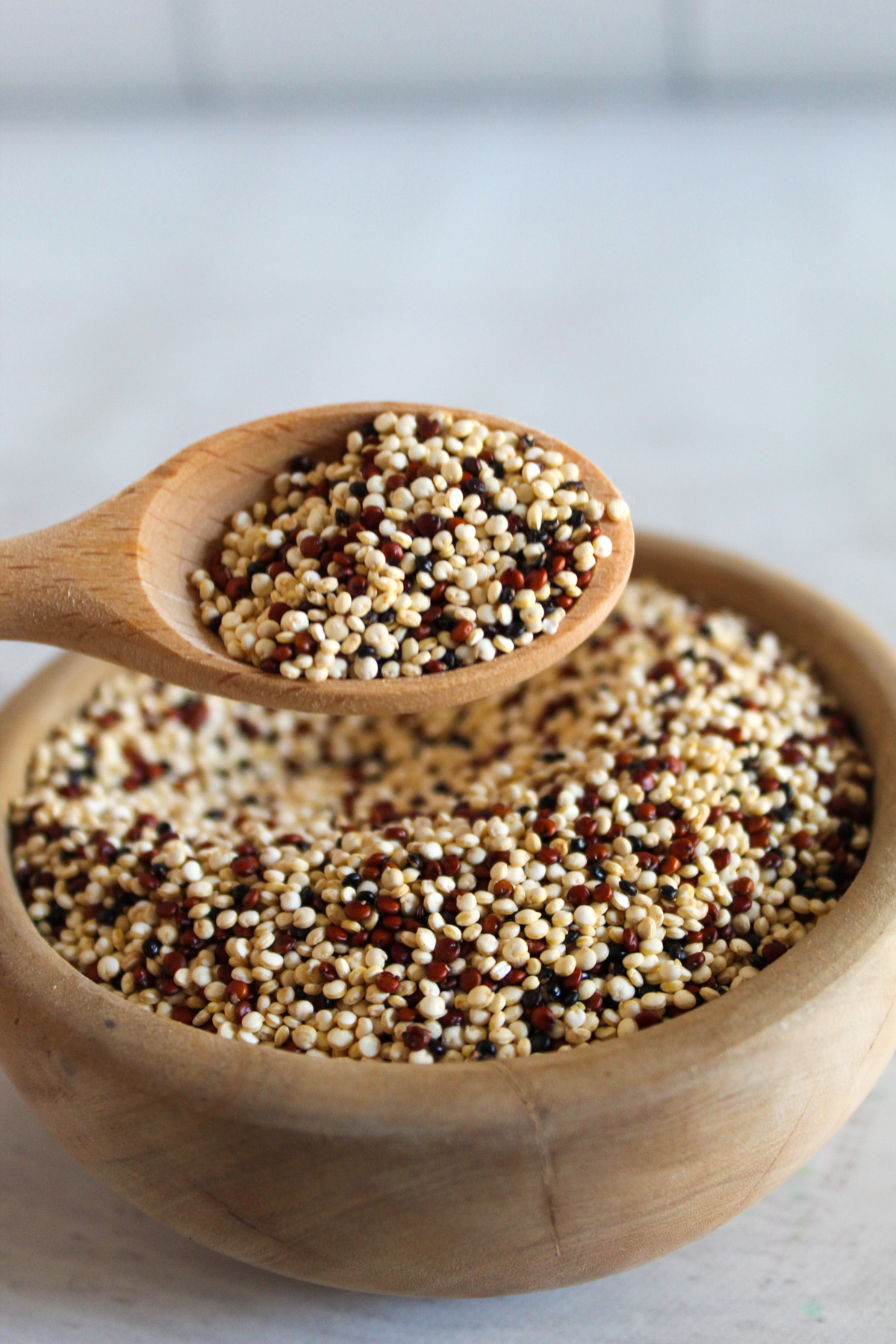
Quinoa is an edible seed commonly prepared and served like a grain. Once cooked, it becomes small, fluffy, and mildly nutty, making it useful in salads, bowls, soups, side dishes, and breakfast.
It is naturally gluten-free and provides protein and fiber. Harvard lists about 8 grams of protein and 5 grams of fiber per cup of cooked quinoa and notes that it’s a complete plant protein containing all nine essential amino acids.
Those are the main properties a substitute may need to replace.
Are you looking for a way to use quinoa in baking? Our Delicious Apple Quinoa Muffins are a good place to start.
10 Best Substitutes for Cooked Quinoa
The best substitute for quinoa depends on what it needs to do. Let’s look into how these replacements function.
1. Rice
Rice is the easiest everyday substitute when you want mild flavor and a familiar fluffy texture. White rice is light and fluffy, brown rice is chewier, and wild rice is firmer and more distinctive. Use rice in grain bowls, salads, side dishes, stuffed vegetables, and soups.
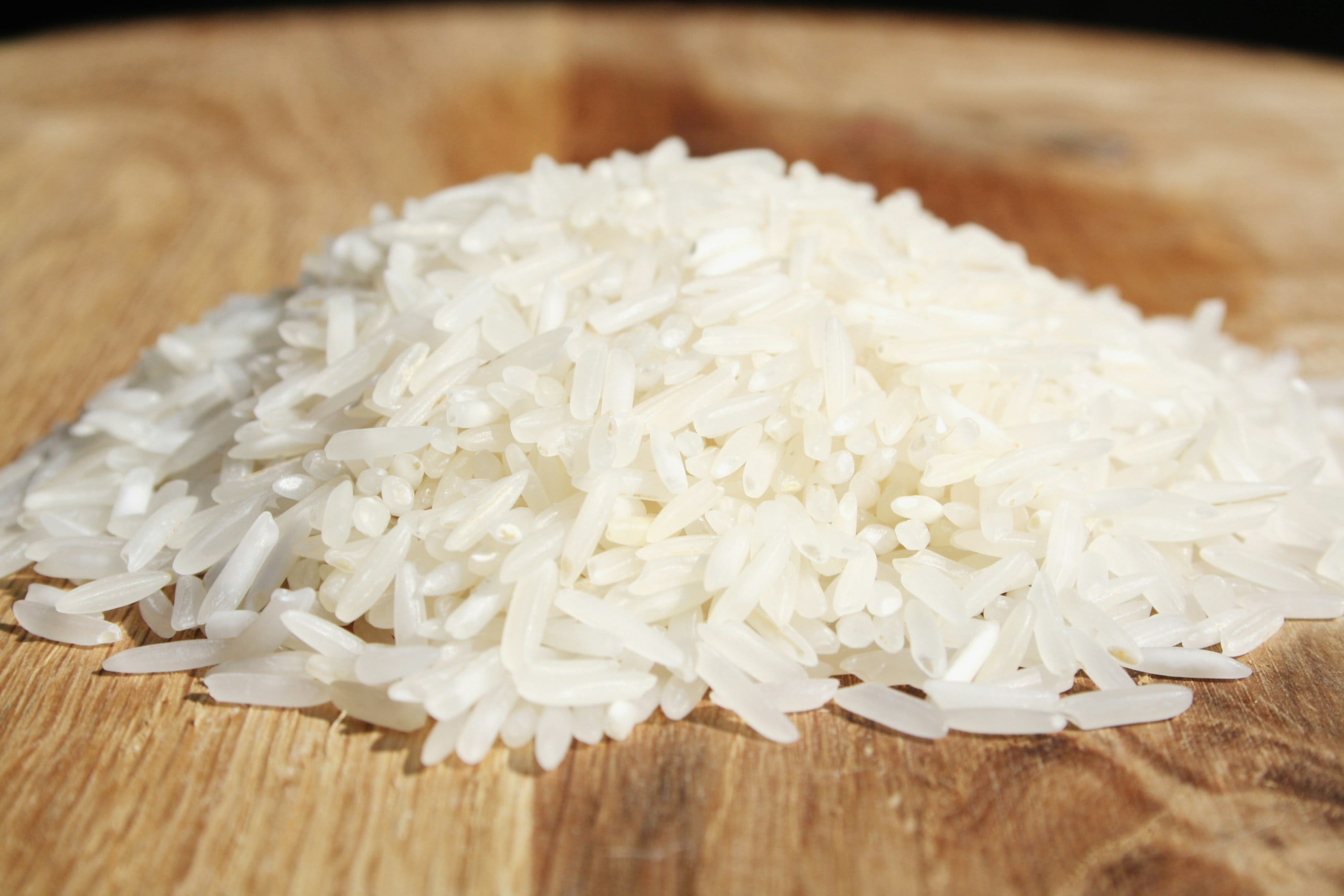
For cooked quinoa, start with a similar volume of cooked rice. For dry quinoa, don’t automatically use the same liquid. Quinoa is commonly cooked with 2 parts liquid to 1 part dry quinoa, while rice requirements vary by variety and method.
Rice is naturally gluten-free, although packaged products may be contaminated with gluten through cross-contact.
2. Amaranth
Amaranth is one of the closest choices when you want another tiny seed prepared like a grain. It has a nutty flavor and develops a much softer, creamier texture than quinoa. Use it in porridge, bowls, soups, savory sides, and mixed-grain dishes.
It can replace cooked quinoa by volume in some preparations, but it isn’t a universal 1:1 swap because the texture changes. The Whole Grains Council lists about 2 cups of liquid and 15–20 minutes of cooking for 1 cup of amaranth. Amaranth is naturally gluten-free.
3. Millet
Millet is naturally gluten-free and is useful when you want a mild grain that won’t overpower the rest of the dish. It can be soft and fluffy or creamier depending on how it is cooked. Use it in salads, bowls, side dishes, breakfast, and stuffing.
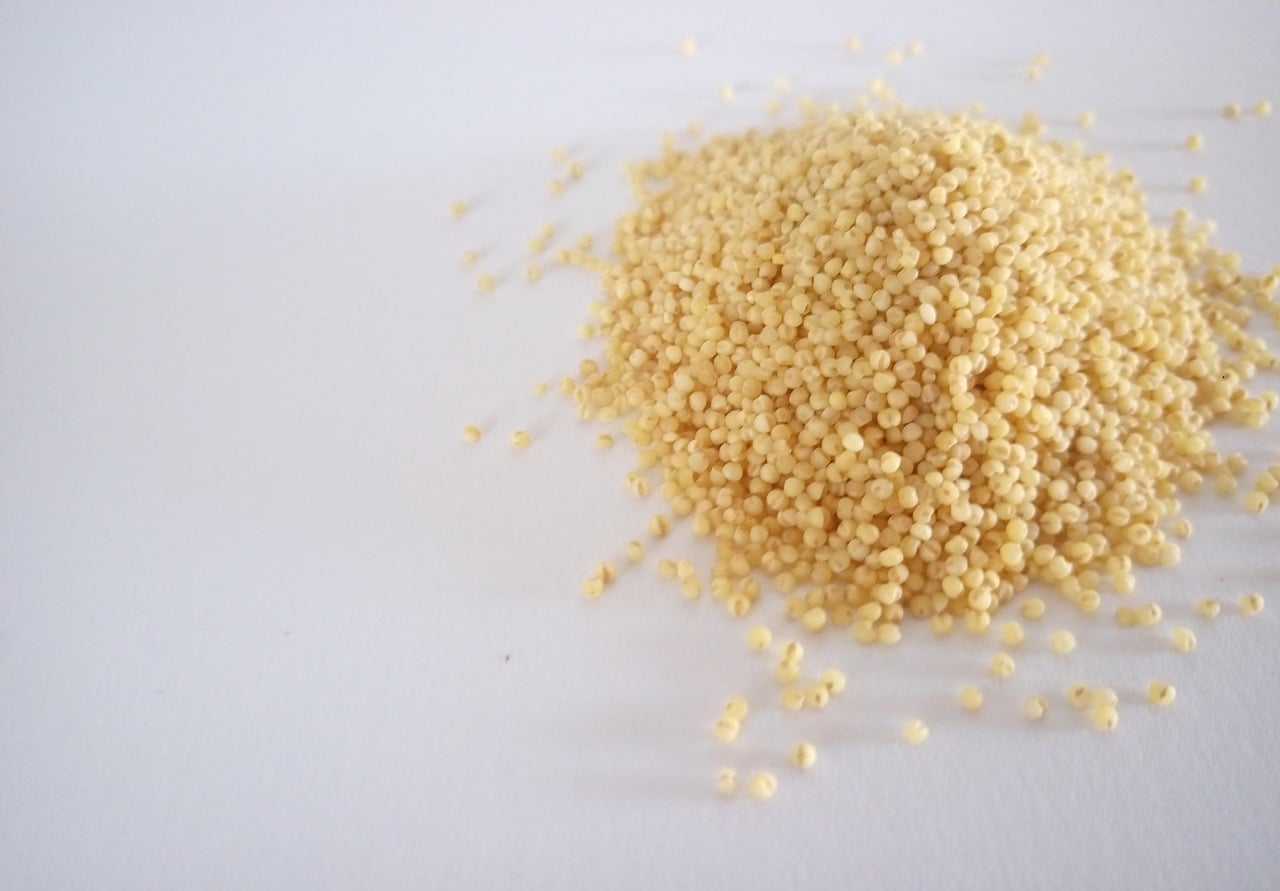
For cooked quinoa, start with a similar volume of cooked millet. Millet takes longer to cook, however: about 2½ cups of liquid and 25–35 minutes for 1 cup of hulled millet.
4. Buckwheat
Buckwheat works well in salads and savory dishes when you want a stronger flavor. Despite its name, buckwheat is not wheat. Buckwheat groats are naturally gluten-free and have a tender-to-firm texture with an earthy, nutty flavor.
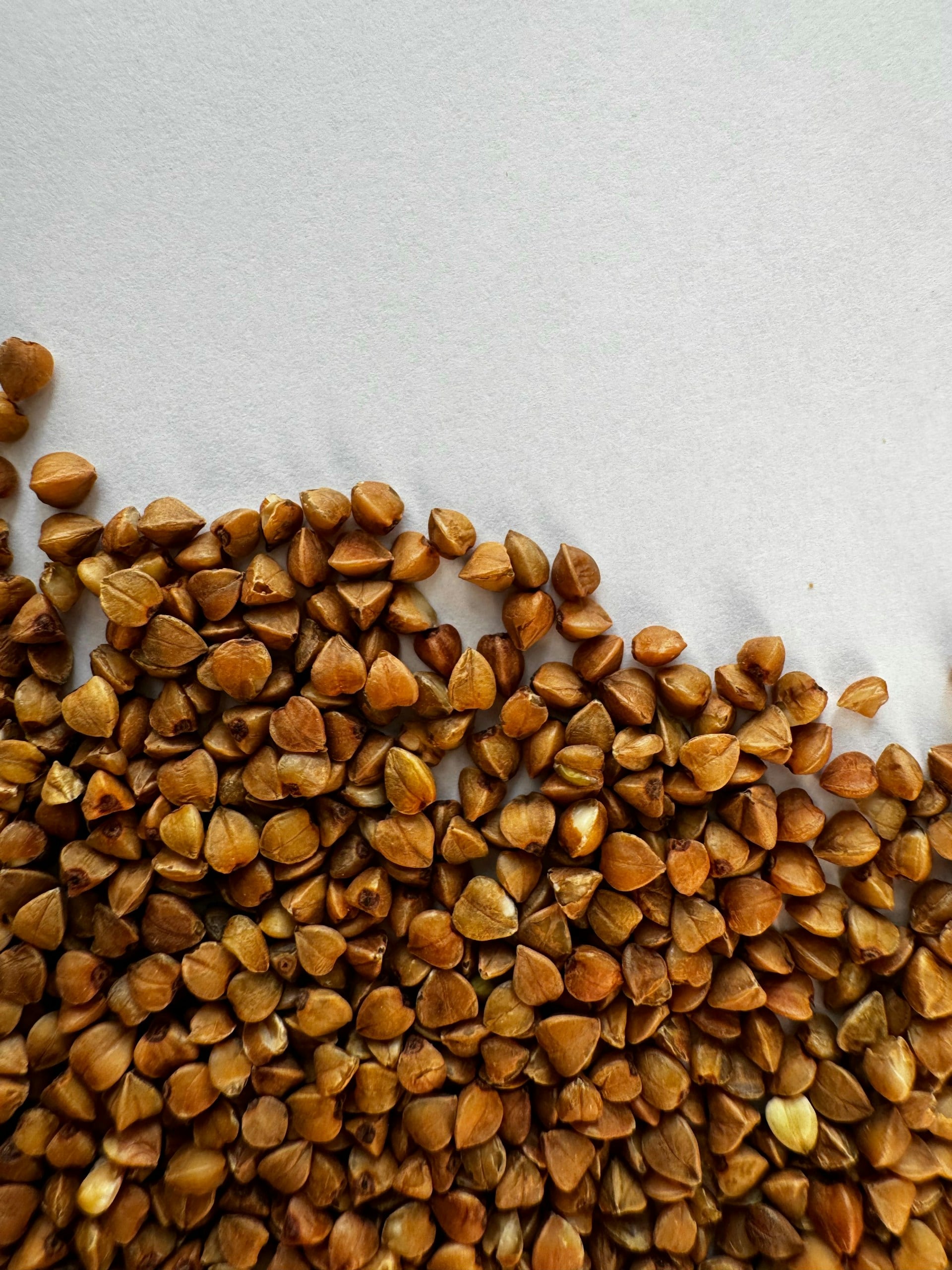
Use cooked buckwheat in a similar volume to cooked quinoa when the recipe can handle its stronger flavor. The Whole Grains Council lists about 2 cups of liquid and 20 minutes of cooking for 1 cup. For a milder result, choose rice or millet.
5. Teff
Teff is a good choice when a soft, earthy result works better than quinoa’s distinct grains. This naturally gluten-free, tiny grain becomes soft and almost creamy when cooked, making it useful for porridge and hearty dishes.
For baking, see The 4 Closest Teff Flour Substitutes for Texture and Nutrition.
6. Sorghum
Sorghum is a good option when you want a firm, chewy grain for salads, bowls, and hearty dishes.
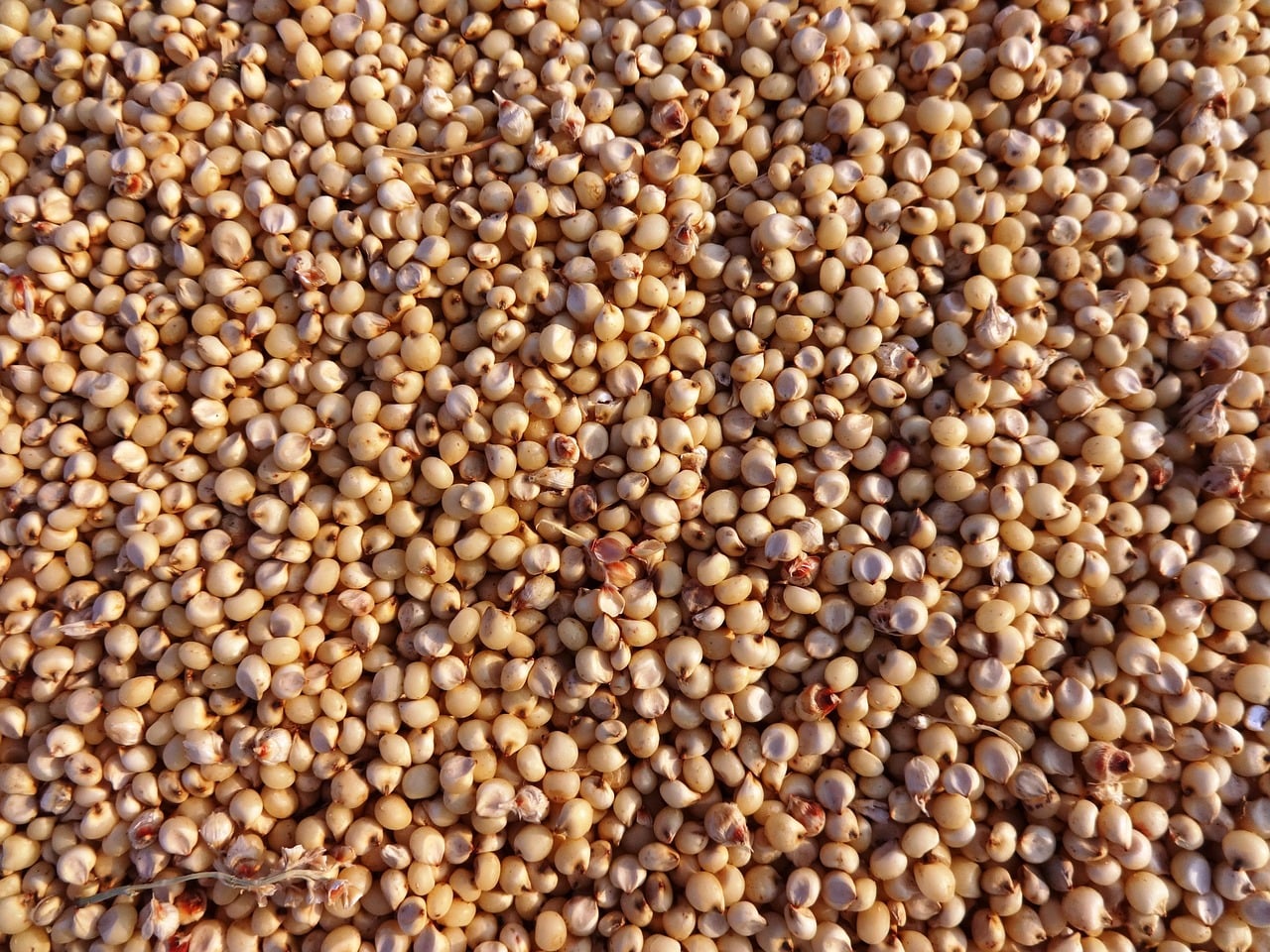
This naturally gluten-free grain has a mild and slightly nutty flavor, but it takes considerably longer to cook than quinoa. Cook it separately before substituting it for cooked quinoa rather than expecting dry sorghum to cook in a quinoa recipe on the same schedule.
If you need a flour substitute instead, see 9 Best Sorghum Flour Substitutes (With 1:1 Baking Guide).
7. Oats
Oats make the most sense when quinoa is being used for breakfast or as a soft addition to baked goods.
Use them to make oatmeal, breakfast bowls, muffins, cookies, and quick breads. Because different types of oats cook differently, you cannot always substitute them for quinoa in a 1:1 ratio.
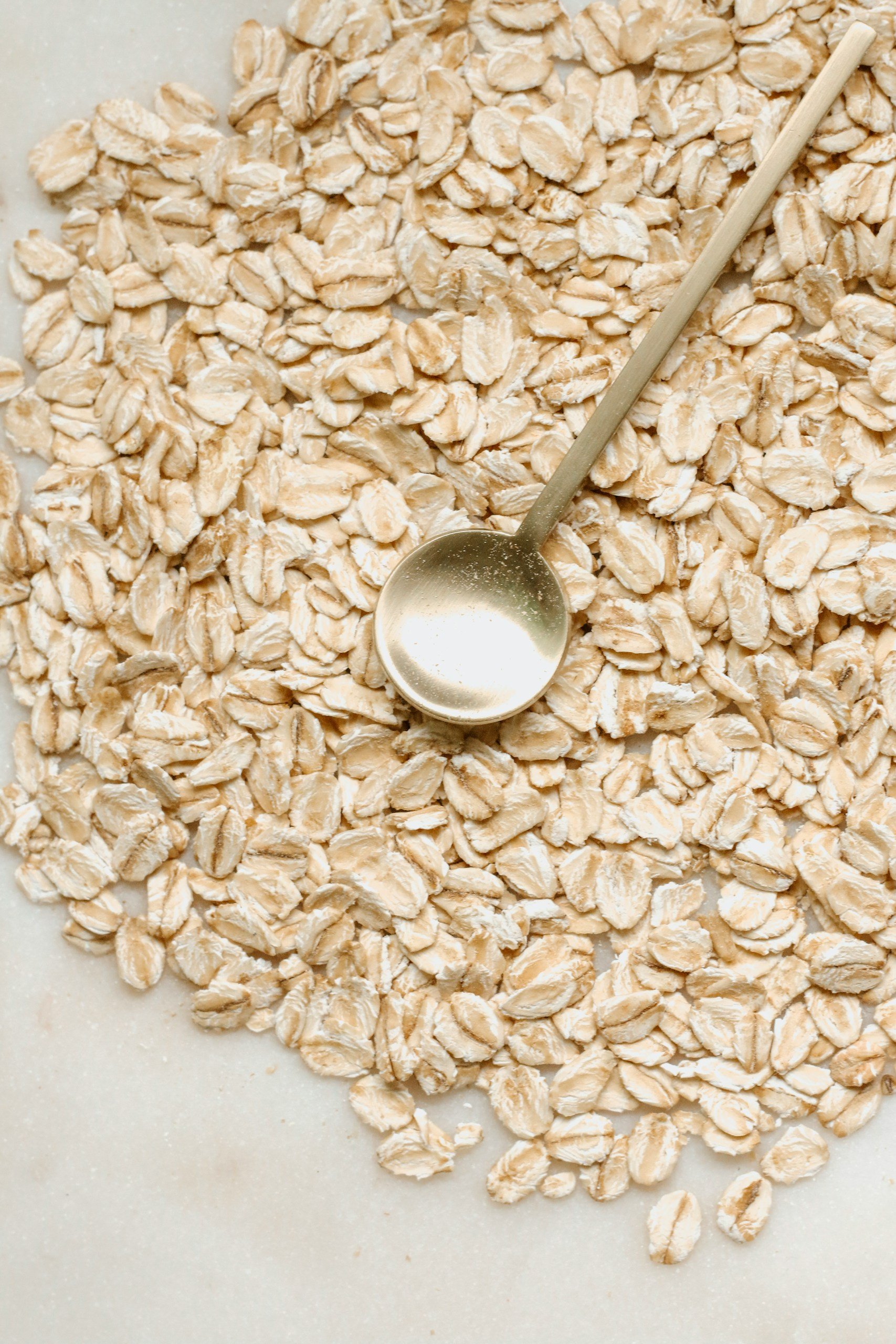
For celiac disease, choose oats specifically labeled gluten-free. Oats don’t contain gluten, but they can come into contact with wheat, barley, or rye during growing, transportation, and processing.
8. Gluten-Free Couscous
Couscous is an obvious alternative because its small, fluffy pieces work well in salads and side dishes. The catch is that traditional couscous is made from wheat and contains gluten.
If you’re using gluten-free couscous, follow the package directions. It works well when speed matters, but it isn’t nutritionally equivalent to quinoa.
9. Cornmeal or Polenta
Cornmeal and polenta are functional substitutes rather than grain-for-grain replacements. Cooked polenta is creamy and corn-forward, making it a great standalone side.
Its cooking method is completely different from quinoa. So, don’t add dry cornmeal directly to a quinoa recipe and expect the same result.
10. Cauliflower Rice
Cauliflower rice works when quinoa’s main role is to provide a mild meal base rather than a specific grain texture. It is tender, mild, and useful in bowls, stuffed vegetables, stir-fries, and side dishes.
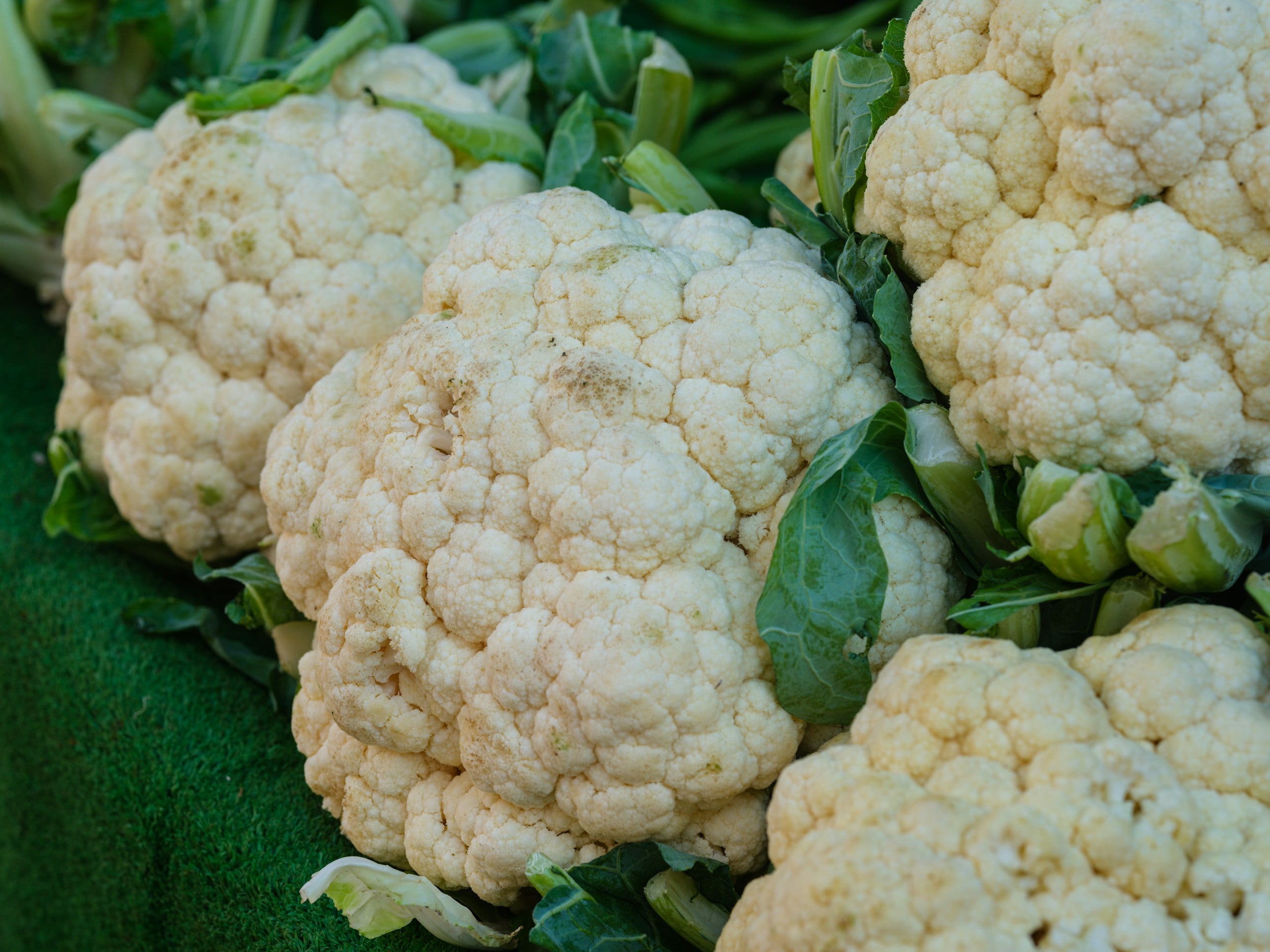
Note that it does not absorb liquid like quinoa. Because it contains more water and cooks much faster, don’t add it to a soup or casserole using quinoa’s original liquid and cooking time.
Think of it as a vegetable-based replacement for quinoa’s role, not a structural grain substitute.
Quinoa Substitutes by Recipe
The best substitute changes with the recipe because cooking method and texture matter as much as flavor.
What Is the Best Substitute for Quinoa in a Salad?
Start with millet, brown rice, buckwheat, sorghum, or amaranth. Cold salads benefit from grains and seeds that hold their shape after cooling. Millet is mild, brown rice is firmer, buckwheat is earthier, sorghum is chewier, and amaranth is softer. However, bulgur is wheat-based, so it isn’t suitable for a gluten-free salad.
What Is the Best Substitute for Quinoa in a Soup?
Rice, millet, sorghum, and amaranth can all work, but consider whether the substitute will cook directly in the broth. Quinoa uses about 2 cups of liquid per cup of dry grain, compared with about 2½ cups for millet and 4 cups for sorghum.
If you’re making quick soups, rice or millet may be easier. For more chew, use sorghum and allow additional cooking time, or cook it separately.
What Is the Best Substitute for Quinoa in a Buddha Bowl?
Brown rice, wild rice, millet, sorghum, and buckwheat all work well. Since the grain is usually cooked separately, select one primarily for its texture: use rice for a sturdy base, millet for softer grains, sorghum for a chewier texture, or buckwheat for an earthier flavor.
What Is the Best Quinoa Alternative for Breakfast?
Oats are the easiest choice for quinoa porridge. Amaranth also becomes soft and creamy, while millet provides a lighter, fluffier grain texture.
What Is the Best Substitute for Quinoa in Baking?
First, determine whether the recipe uses cooked quinoa or quinoa flour. If the recipe calls for cooked quinoa as an add-in, possible alternatives include oats, cooked millet, cooked rice, or another suitable grain or seed.
However, if the recipe uses quinoa flour, do not substitute cooked quinoa. Choose another flour based on the recipe’s structure, moisture, fat, protein, flavor, and binding requirements.
For another seed-based baking substitution, see Chia Seeds Substitute: 10 Best Chia Seed Alternatives for Every Recipe.
Best Gluten-Free Quinoa Substitutes
The Celiac Disease Foundation lists amaranth, buckwheat groats, corn, gluten-free oats, millet, quinoa, rice, sorghum, and teff among naturally gluten-free foods.
Naturally Gluten-Free Options
Rice offers mild flavor and a fluffy texture, making it the most familiar everyday substitute.
Amaranth provides tiny seeds and a softer texture, while millet offers a mild, fluffy grain. Buckwheat brings an earthy, nutty flavor, and teff provides a soft texture with an earthy flavor.
Sorghum is useful when you want a firmer, chewier grain. Corn or polenta provides a creamy, corn-forward side, while cauliflower rice provides a tender, vegetable-based alternative.
These ingredients are naturally gluten-free, but that does not automatically mean every packaged version is free from gluten cross-contact.
Not Automatically Gluten-Free
Do not treat conventional couscous, bulgur, barley, farro, freekeh, and KAMUT/Khorasan wheat as gluten-free substitutes.
For another gluten-free flour comparison, see Hazelnut Flour VS Almond Flour: Baking Tips & Substitutes.
Gluten-Free Does Not Always Mean Cross-Contact-Free
Naturally gluten-free grains can become contaminated with gluten during harvesting, transportation, processing, or manufacturing. Therefore, avoid bulk-bin grains when cross-contact is a concern.
Oats deserve particular attention because they can be grown, processed, and transported alongside wheat, barley, and rye. Choose appropriately labeled gluten-free oats when needed.
In the U.S., the FDA defines a “gluten-free” food as containing less than 20 parts per million (ppm) of gluten, including unavoidable gluten from cross-contact.
Best High-Protein Quinoa Substitutes
Quinoa provides about 8 grams of protein and 5 grams of fiber per cup when cooked, and it’s a complete plant protein. If you’re replacing quinoa for nutritional reasons, however, the best choice depends on whether you want similar texture, higher protein, or both.
Amaranth is one of the closest seed-based options. It provides protein and fiber and has a small, grain-like texture, though it becomes softer and creamier than cooked quinoa.
Buckwheat, millet, and sorghum offer grain-like alternatives with different protein, fiber, flavor, and texture profiles. Choose them when maintaining quinoa’s role in a salad, bowl, or side dish matters more than maximizing protein.
If protein is your main priority, legumes may be a better choice. Lentils, chickpeas, and beans can provide substantial protein and fiber, but their larger or softer textures won’t closely reproduce quinoa’s small, fluffy grains.
For breakfast, you can also combine oats with nuts, seeds, or yogurt to boost protein while keeping a soft, familiar texture.
In other words, choose amaranth for a similar seed-based ingredient, buckwheat or millet when texture matters, or legumes when maximizing protein matters more than matching quinoa’s texture.
Do you want another example of why nutritional similarity doesn’t always equal functional similarity? See Coconut Flour Substitutes (Best Swaps + Conversion Guide).
Best Low-Carb Quinoa Substitutes
Cauliflower rice is the most practical choice when you want a lower-carbohydrate meal base. It has a mild flavor, cooks quickly, and works well in bowls, stir-fries, stuffed vegetables, and side dishes.
However, it isn’t a true grain replacement. Cauliflower has different water content, texture, and cooking behavior than quinoa, so you shouldn’t substitute it into a liquid-based recipe without adjusting the method.
Riced broccoli, finely chopped vegetables, and shredded cabbage can fill a similar vegetable-based role. For another rice-related substitution question, see Rice Flour vs Sweet Rice Flour.
Can You Substitute Quinoa 1:1?
Sometimes, but not universally. “1:1” can mean three different things:
- Volume-for-volume: 1 cup cooked quinoa for 1 cup cooked substitute
- Dry-for-dry: 1 cup dry quinoa for 1 cup dry substitute
- Functional replacement: the substitute performs the same job in the finished recipe
These ingredients aren’t interchangeable. A cooked quinoa salad is one of the easiest situations for a volume-for-volume swap. However, dry substitutions are more complicated because different grains absorb varying amounts of liquid and expand at different rates.
Quinoa is typically cooked with 2 cups of liquid for every cup of dry grain, yielding about 3 cups of cooked quinoa.
Simple 1:1 substitutions include using cooked quinoa in salads, grain bowls, as a topping, or as a side dish. On the other hand, riskier 1:1 situations include soups, casseroles, one-pot meals, recipes where quinoa absorbs a fixed amount of liquid, baking, and any recipe using dry quinoa.
The safest rule is simple: for cooked quinoa, a cooked substitute is usually easier; however, for dry quinoa, a dry substitute requires a cooking adjustment.
Looking for flour substitutions? Read Oat Flour vs Almond Flour: Substitutes, Pro Tips, and More.
Quinoa Substitution Cooking Guide
Cooking requirements can vary significantly between quinoa and its substitutes. Use these figures as starting points, not fixed substitution rules, especially when replacing dry quinoa in soups, casseroles, or one-pot meals.
| Substitute | Liquid per 1 Cup Dry | Approx. Cooking Time | Texture / Notes |
|---|---|---|---|
| Quinoa | 2 cups | 12–15 minutes | Light and fluffy |
| Millet | 2½ cups | 25–35 minutes | Soft and fluffy; can become creamy |
| Amaranth | 2 cups | 15–20 minutes | Soft and creamy |
| Teff | 3 cups | About 20 minutes | Soft and creamy |
| Sorghum | 4 cups | 25–40 minutes | Firm and chewy |
| Buckwheat | 2 cups | About 20 minutes | Tender to firm; varies by variety and method |
| Rice | Varies | Varies | Follow the package directions for the specific variety |
| Oats | Varies | Varies | Depends on whether you use rolled, quick, or steel-cut oats |
| Gluten-Free Couscous | Varies | Usually a few minutes | Follow package directions; cooks much faster than quinoa |
| Cauliflower Rice | Not applicable | A few minutes | Behaves like a vegetable rather than a grain |
Note: These are general guidelines, not universal rules. Grain variety, processing, cooking method, and desired texture can affect liquid requirements and cooking times. When replacing cooked quinoa, use a similar volume of a cooked substitute when appropriate. When replacing dry quinoa, adjust the liquid and cooking time to match the substitute rather than copying quinoa’s cooking method.
For another example of why ingredient function matters, see Xanthan Gum vs Arrowroot: Key Differences and Best Substitutes.
What Can You Substitute for Quinoa Flour?
This section is for quinoa flour. The cooked quinoa substitutes above are a different category. Choose a flour based on what the recipe needs rather than simply choosing another gluten-free flour.
- Brown Rice Flour: Brown rice flour is a good starting point for mild flavor and general-purpose gluten-free baking.
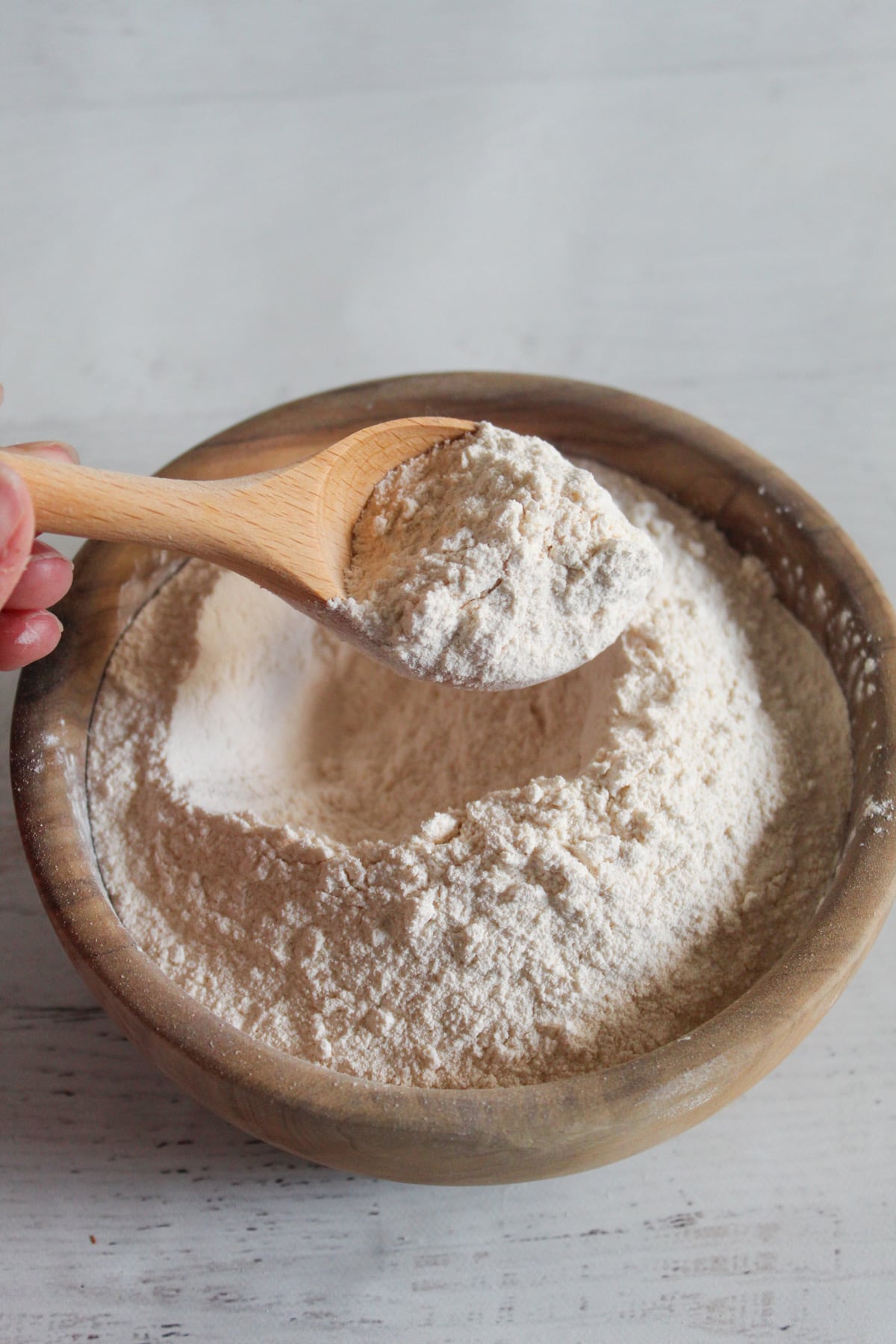
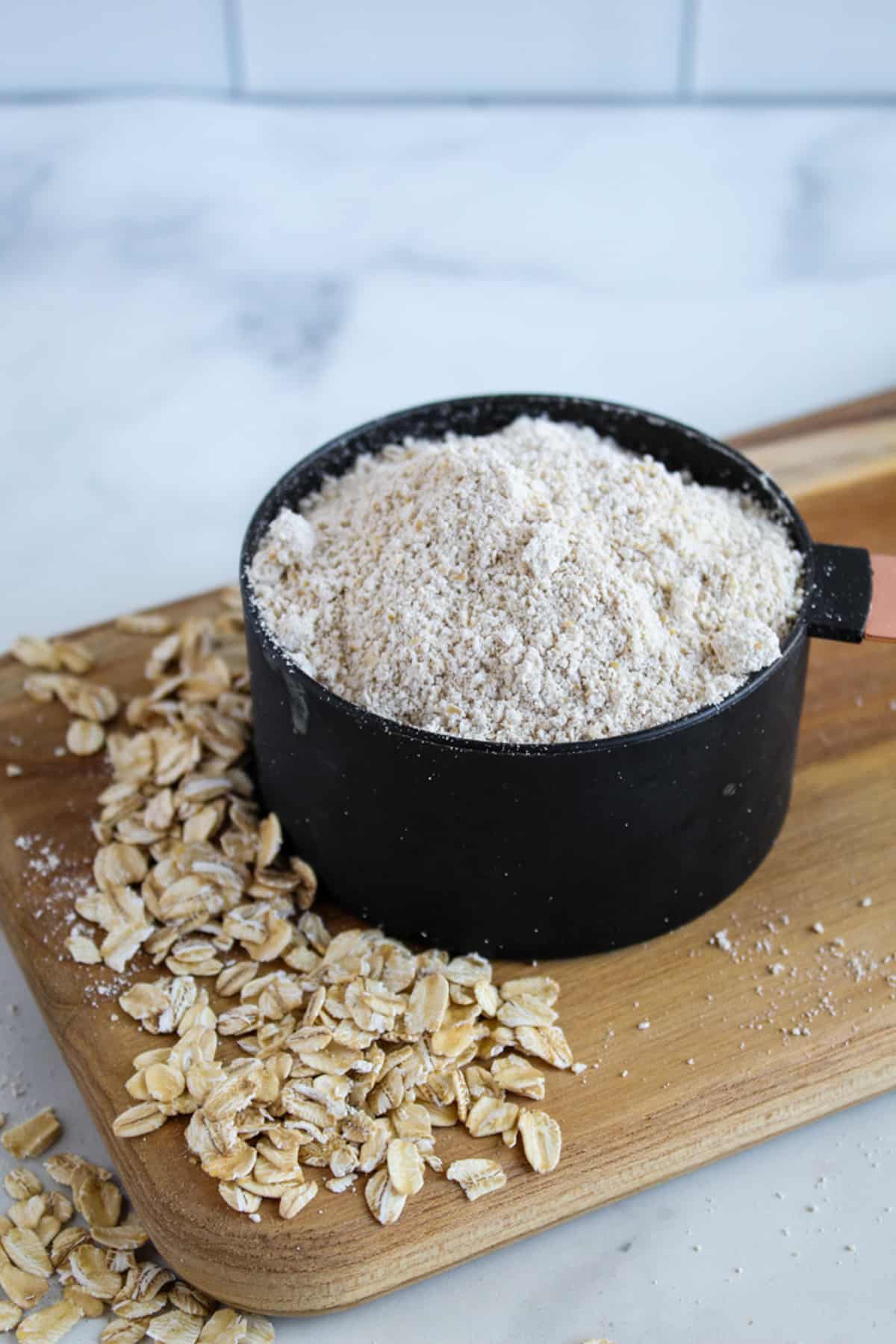
- Oat Flour: Oat flour works well for soft, tender baked goods such as muffins, cookies, pancakes, and quick breads. It absorbs moisture differently from quinoa flour, so don’t assume every recipe will work as a simple 1:1 swap.
- Teff Flour: Teff flour suits hearty baked goods where an earthy, nutty flavor works. It is useful in rustic breads, crackers, pancakes, and muffins, but may be too strong for delicate cakes.
- Amaranth Flour: Amaranth flour works well in nutty, dense gluten-free bakes such as crackers, flatbreads, tortillas, and hearty breads. Its absorption can affect texture, so a 1:1 measurement in one recipe does not guarantee the same result in another.
- Almond Flour: Almond flour is useful when you want a moist, rich, nutty result. It is not a universal 1:1 substitute for grain flours because its higher fat content can change moisture, richness, crumb, and structure.
Note that a ‘1:1’ flour substitution means you can use the same measured amount in a particular recipe. It does not guarantee identical baking performance.
Quinoa Substitutes to Use With Caution
Conventional couscous, bulgur, farro, barley, and KAMUT/Khorasan wheat can work in recipes where gluten isn’t a concern, but they’re not suitable gluten-free alternatives because they contain gluten.
Cornmeal or polenta and cauliflower rice can work in specific applications, but their texture and cooking behavior differ substantially from quinoa. Use them when you want to replace quinoa’s role in the dish rather than recreate its texture.
Lentils and Chickpeas: When Protein and Texture Matter More Than Similarity
Lentils and chickpeas aren’t direct substitutes for quinoa, but they may be better options when you want more bulk, protein, fiber, and heartiness than quinoa’s light, fluffy texture. They work particularly well in salads, soups, bowls, and meal-prep dishes.
Chickpeas work in grain bowls, salads, stuffed vegetables, soups, and hearty meals. Their larger, firmer texture changes the dish more noticeably.
If maximum protein matters more than similar texture, legumes are worth considering. Lentils and chickpeas are also protein- and fiber-rich foods.
5 Common Quinoa Substitute Mistakes
Finding a quinoa substitute is usually easy. Choosing one that behaves correctly in the recipe is the tricky part. Before you make the swap, watch out for these five common mistakes.
1. Choosing Based Only on Nutrition: A nutritionally similar ingredient can still produce the wrong texture. Lentils, for example, provide more protein and fiber than quinoa but won’t recreate its light, fluffy grains. Choose based on the recipe’s function first.
2. Assuming Every Substitute Is 1:1: A cup of cooked quinoa can often be replaced with a similar volume of cooked rice or millet. That doesn’t mean you can automatically replace one cup of dry quinoa with one cup of another dry grain. Think volume for volume when the ingredients are already cooked.
3. Using the Same Amount of Liquid: Quinoa is typically cooked with 2 parts liquid to 1 part dry grain, while other grains may need different ratios. If the substitute cooks directly in soup, a casserole, or a one-pot meal, check its own cooking requirements.
4. Choosing a Gluten-Containing Substitute: Couscous, bulgur, farro, barley, and freekeh can work in the right dishes but aren’t suitable as gluten-free substitutes. Check the dietary requirements before choosing them.
5. Replacing Cooked Quinoa With Flour: Cooked quinoa and quinoa flour perform different jobs. Cooked quinoa contributes bulk, moisture, and texture. Meanwhile, quinoa flour contributes to the structure and composition of a batter or dough.
Frequently Asked Questions About Quinoa Substitutes
The best choice depends on what you’re making, but these are the questions that come up most often when replacing quinoa. If you don’t find yours here, drop it in the comments.
What is the Best Substitute for Quinoa?
There isn’t one universal answer. Rice, amaranth, and millet are the three best general-purpose starting points. Choose rice for a mild, familiar starch, amaranth for a small seed with a softer texture, or millet for a mild, versatile grain.
Can I Substitute Rice for Quinoa?
Of course, especially when using cooked quinoa as a side, bowl base, or salad ingredient. Use a similar volume of cooked rice. For dry substitutions, check the rice variety’s liquid and cooking requirements rather than automatically using quinoa’s 2:1 ratio.
Can I Substitute Quinoa with Rice 1:1?
You can substitute cooked rice for cooked quinoa by volume in many salads, bowls, and side dishes. Dry-for-dry substitution is less predictable because rice and quinoa absorb different amounts of liquid and produce different amounts of cooked grain.
More Gluten-Free Substitution Guides
These guides can help when your substitution question moves from quinoa into gluten-free baking.
- Need an oat flour substitute? Read All About Oat Flour (Complete Guide + Substitutes).
- Out of brown rice flour? See our Top 5 Brown Rice Flour Substitutes and How To Use Them.
- Looking for almond flour alternatives? Go through our guide on Almond Flour Substitute (Best Alternatives & How to Use Them).
- Want to make your own gluten-free flour? See How to Grind Your Own Gluten-Free Flour.
Keep these guides handy for the next time a missing ingredient threatens to derail your gluten-free baking plans.
Have You Tried One of These Quinoa Substitutes?
If you’ve tried one of these swaps, share your results in the comments.
What recipe were you making? Which quinoa substitute did you use? Did you change the amount of liquid? How did the texture turn out? Would you recommend that substitute to another reader?
Your experience may help someone else choose the right swap for their recipe.