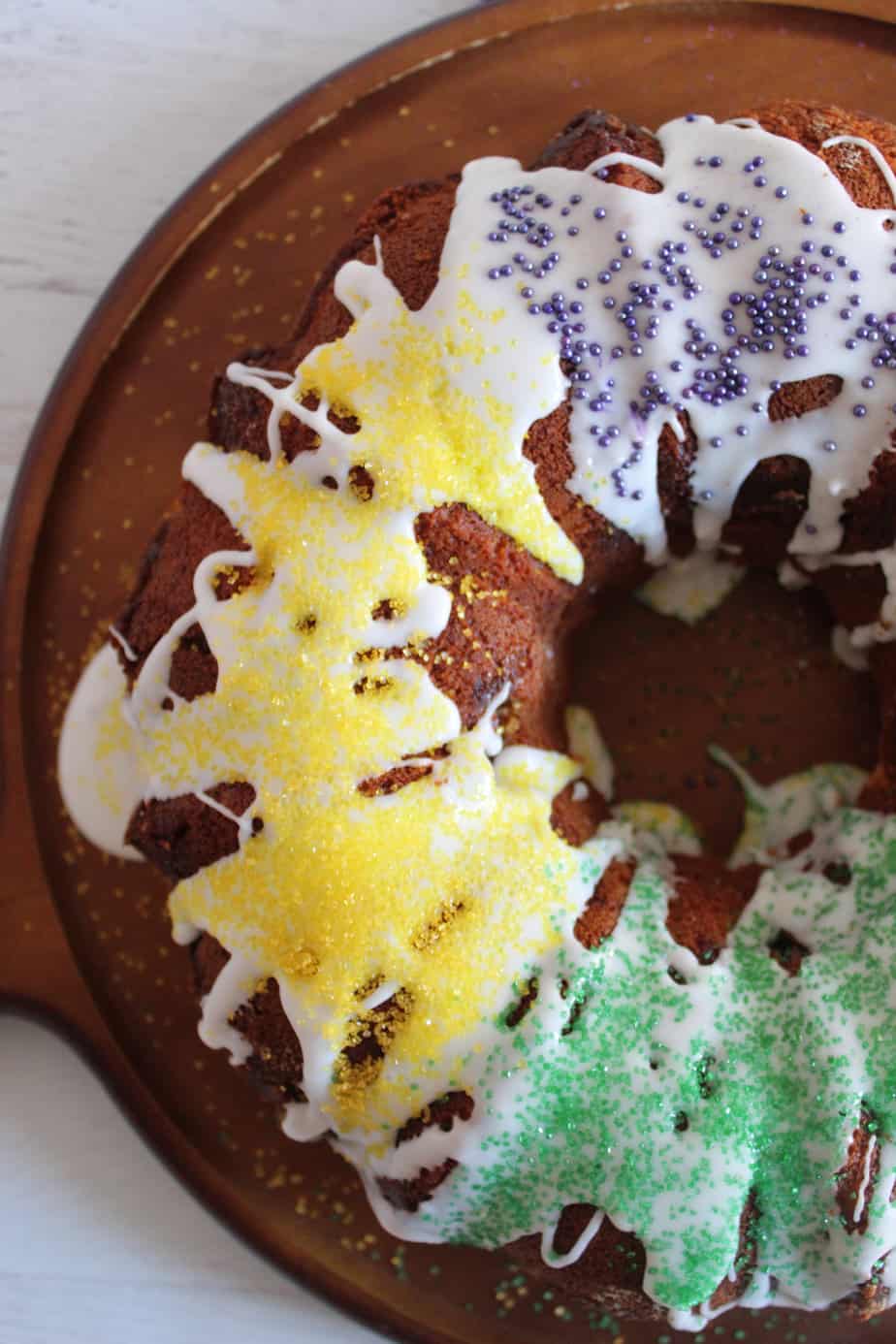
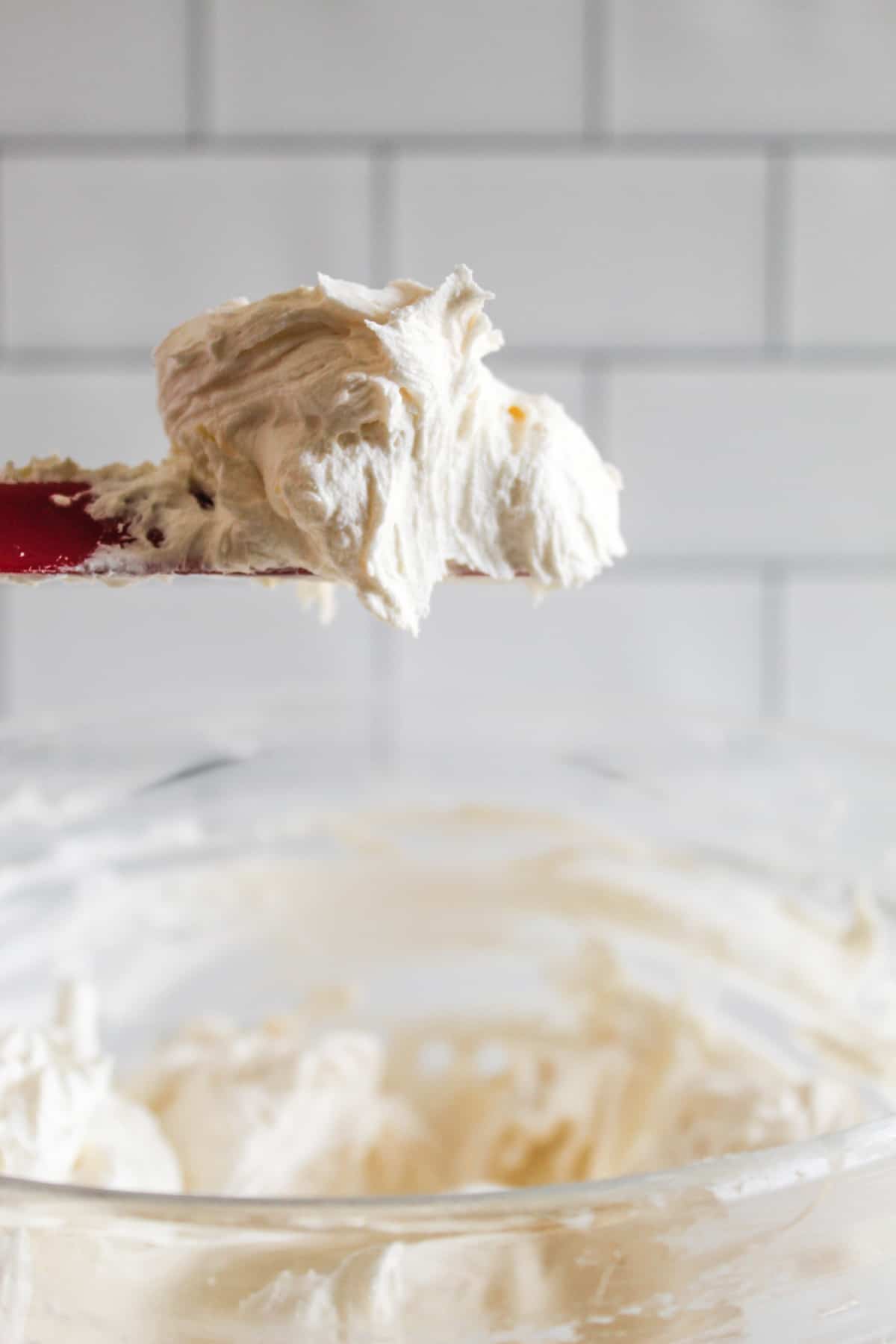
Looking for a delicious, easy frosting you can count on for cakes and cookies? I was, too.
After trying a few that didn’t quite hit the mark, I decided to make my own so I could get the flavor and texture just right. This buttercream is smooth, creamy, and easy to work with, and it happens to be gluten-free, so everyone can enjoy it.
Table of Contents
I used it on some of my favorite holiday cookies last Christmas, and more than a few people told me they might have loved the frosting even more than the cookies themselves.
Why This Recipe for Gluten-Free Buttercream Frosting?
Fun Fact: Buttercream is typically gluten-free by nature since it’s made with butter, powdered sugar, and flavorings, none of which contain wheat. However, it’s still important to check labels on ingredients like powdered sugar and vanilla extract to ensure there’s no risk of cross-contamination, especially if you’re baking for someone with celiac disease or gluten sensitivity.
This recipe is actually super easy to make. It’s really just a lot of mixing ingredients together! This is why I sometimes like to haul out my handheld mixer for heavy-duty mixing jobs. I don’t want to be tempted to quit just because I’m tired of stirring things by hand.
However, the mixing is the worst part, which means you don’t have to be a pro chef to make this buttercream frosting. It’s also a great way to impress your friends with your baking skills.
Tools Needed to Make Gluten-Free Buttercream Frosting
Having these tools on hand before you begin will make your life easier!
- Hand-held mixer: For mixing up the frosting
- Spatula: Preferably one a rubber one that has a firm handle
- Sifter: This hand crank version is one of the best investments you’ll make!
Ingredients Quick Scan for Buttercream Recipe
- 1/2 cup unsalted butter
- 210 grams (2 cups) powdered sugar
- 1 tsp vanilla extract
- 2-3 Tbsp milk
Why These Ingredients?
Each ingredient in this recipe plays an important role in creating a smooth, balanced buttercream. Here’s a closer look at why these simple staples work so well together.
Unsalted Butter
1/2 cup unsalted butter
This blends with the powdered sugar to help provide the creamy texture for this frosting.
Powdered Sugar
210 grams powdered sugar
This provides all the sweetness for the frosting. The sugar already being powdered, plus the sifting during the process of making the frosting, helps with the texture.
Tip: Be sure to check the ingredients of the powdered sugar! We’re going for gluten-free, and sometimes the powdered sugar brand will try to sneak something that has gluten in it into the powdered sugar.
Vanilla Extract
1 tsp vanilla extract
Vanilla adds to the flavor of this frosting.
Milk
2-3 tablespoons milk
Milk adds the necessary liquid to get the right consistency.
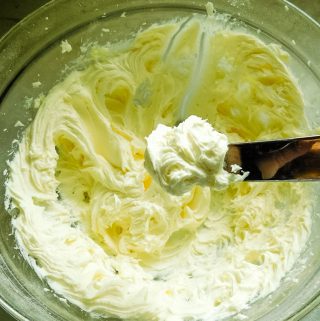
Printable Gluten-Free Buttercream Frosting Recipe Card
Ingredients
- 1/2 cup unsalted butter or use vegan butter, softened
- 210 grams powdered sugar about 2 cups
- 1 teaspoon pure vanilla extract
- 3 Tablespoons milk divided
Instructions
- In a large mixing bowl, cream the butter until it starts to look creamy.
- Gradually sift one cup of powdered sugar at a team until it is fully incorporated.
- Once all sugar is incorporated, mix in the vanilla extract.
- Gradually add 2-3 tablespoons of milk until the frosting is the consistency you want.
- Mix your preferred food coloring into the frosting.
- Spread frosting on your favorite cakes and cookies.
Notes
- Use a deep bowl to prevent powdered sugar from dusting up over the bowl. Use a paper towel to block any remaining powdered sugar.
- For thinner consistency, add more milk. A bit thicker, use less.
- Food coloring can be added to create different colors, however, it can make the frosting too thin. Look for coloring that is gel-based like Wilton food coloring.
- For a cinnamon buttercream, add 1 teaspoon ground cinnamon after adding the vanilla and milk.
Nutrition
How to Make Smooth, Creamy Buttercream Frosting
Making buttercream is all about proper mixing and timing. Follow these steps for the best texture and consistency.
Step One: Bring ingredients to room temperature.
This first step is the easiest, but also the most important. Bringing your ingredients to room temperature actually makes them easier to work with.
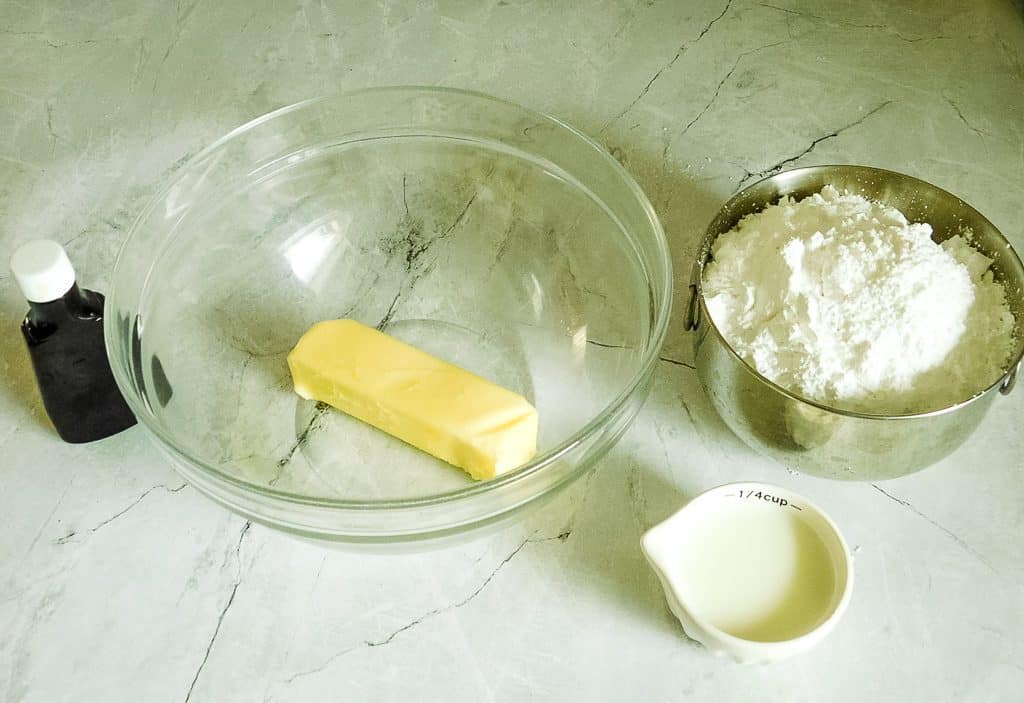
The butter needs to be soft enough to be easily dented, but not runny or melted. Powdered sugar needs to be at room temperature.
Step Two: Combine Butter and Powdered Sugar
Mixing this frosting is where the most work comes in – well, it’s the most work for the mixer! Add butter to a medium-sized mixing bowl. Break it up a bit with your handheld mixer on low speed.
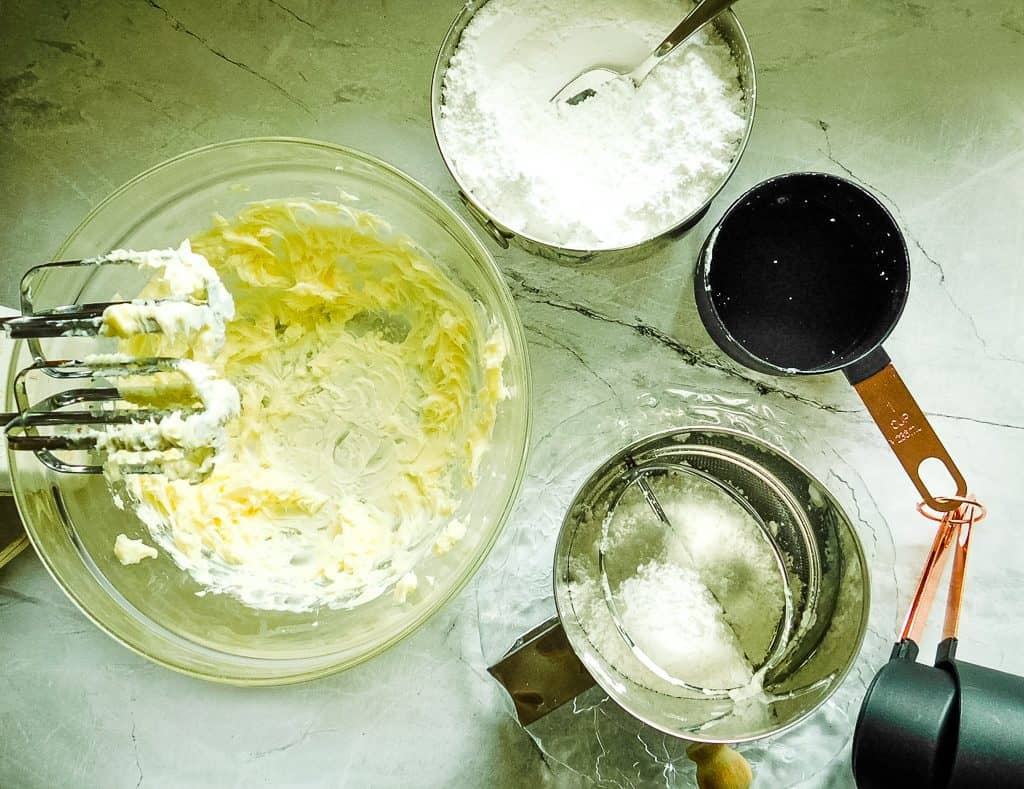
Gradually sift in 1 cup of sifted powdered sugar at a time. Make sure each cup of sugar is thoroughly mixed in before starting to add the next cup.
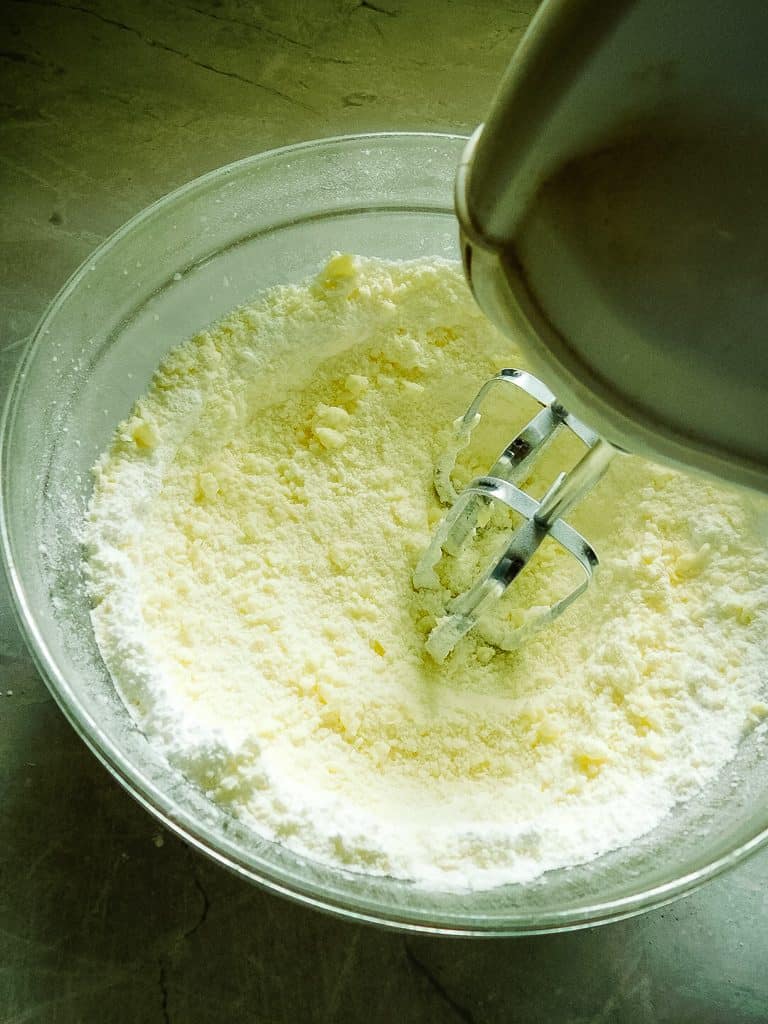
Note: if powdered sugar is flying out of the bowl, you may be adding it too fast. You could try draping a paper towel over the bowl and continue mixing. It will lessen as you go. Then just slow down on adding the remaining powdered sugar.
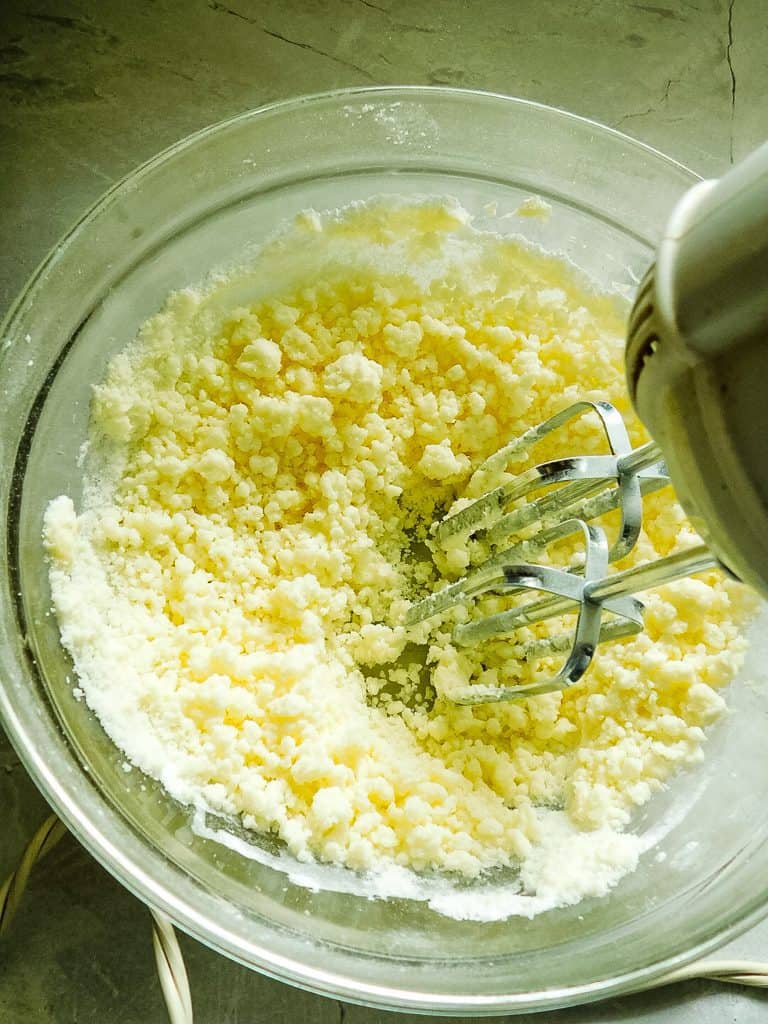
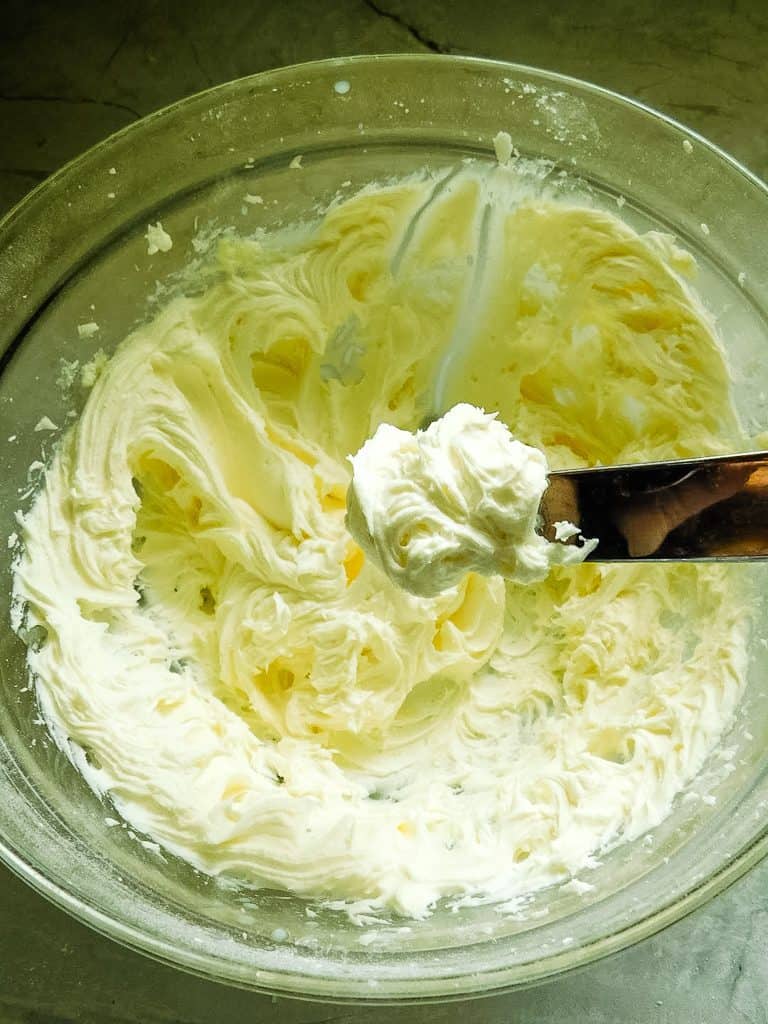
After about 5 minutes of mixing time, you’ll end up with a fully incorporated mix of butter and sugar.
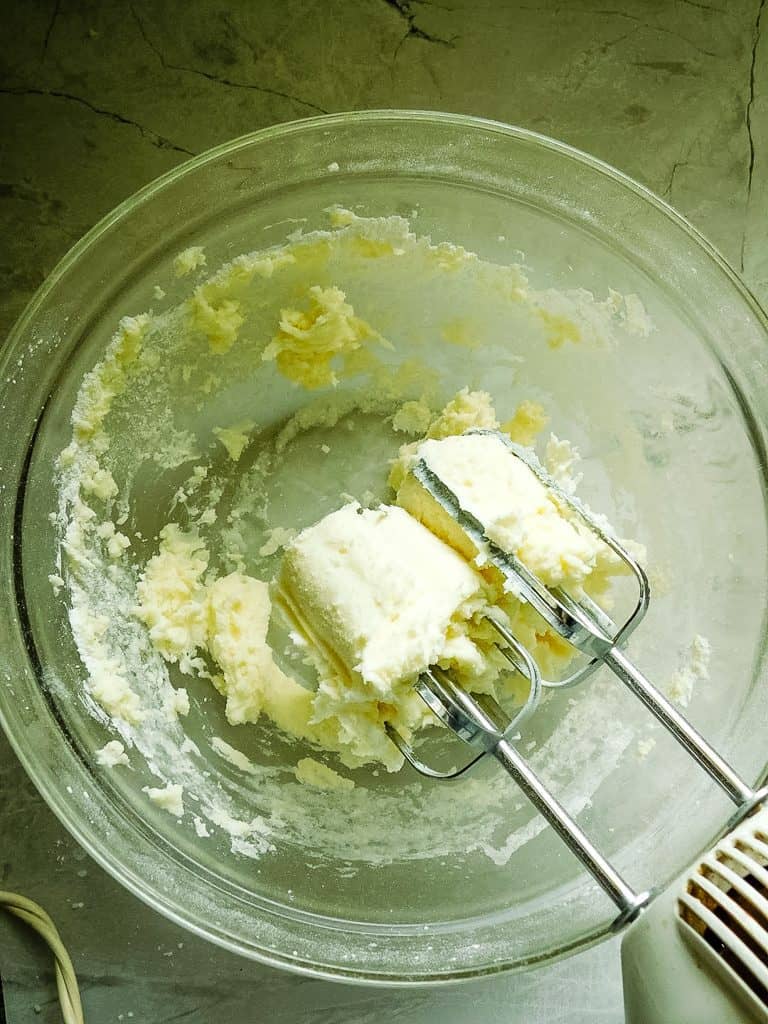
As you can see in the picture below, a lot of it may be stuck in the beaters. Scrape them out with a spatula, and also scrape down the sides of the bowl.
Step Three: Add Vanilla Extract and Milk
Mix in vanilla extract until fully incorporated.
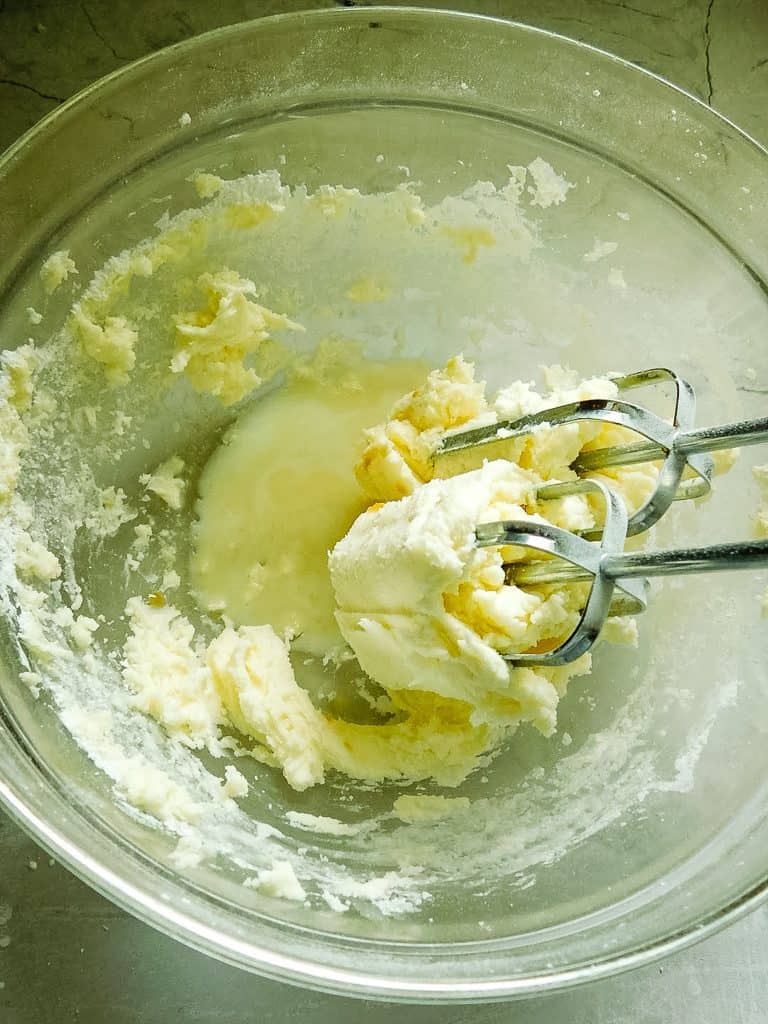
Gradually mix in 2 to 3 tablespoons of milk until the frosting is the consistency you want. Be sure to scrape down the bowl as needed. If successful, it should actually start looking like frosting.
Step Four: Add food coloring as desired.
I often like to color it with a theme of some sort. Holidays are common! I’ve done green for Saint Patrick’s Day a lot.
Bright colors are easy to achieve with this buttercream frosting. I recommend using a gel-based food coloring like Wilton icing colors. They don’t impact the consistency as food coloring can, and the color is easier to control. Start with just a small dot of color and mix it into the frosting. Wait a few minutes to check the color before adding more. (The color will intensify.)
Step Five: Add frosting to your already-baked and cooled cakes and cookies.
I know it’s easy to be impatient! It’s important to wait until your cakes and cookies are baked and cooled before frosting them so the frosting will behave correctly. That’s why I like to make this frosting while they are still baking or resting on a cooling rack.
Nutrition Information for Gluten-Free Buttercream Frosting
This nutrition information is approximate, based on the recipe as shown, and assumes you plan on spreading it over at least 16 cookies. (Your mileage may vary; some do more, some do less.) If you want a more detailed breakdown of nutrition information, please visit USDA’s FoodData Central.
- Servings: 16
- Calories: 101
- Total Fat: 2.9 grams
- Saturated Fat: 1.8 grams
- Cholesterol: 8 milligrams
- Sodium: 28 milligrams
- Total Carbohydrates: 14.8 grams
- Dietary Fiber: 0 grams
- Total Sugars: 14.5 grams
- Protein: 0.6 grams
Substitutes for Buttercream Frosting
Want to go completely dairy-free? It’s possible to use vegan butter instead of butter. You could also try oat milk or coconut milk to still get that creamy texture without the dairy. Coconut milk may give it a slight coconut flavor, which is great if you like coconut!
Variations for Chocolate Buttercream Frosting
The best part about a simple buttercream? You can turn it into something completely new with just a small tweak.
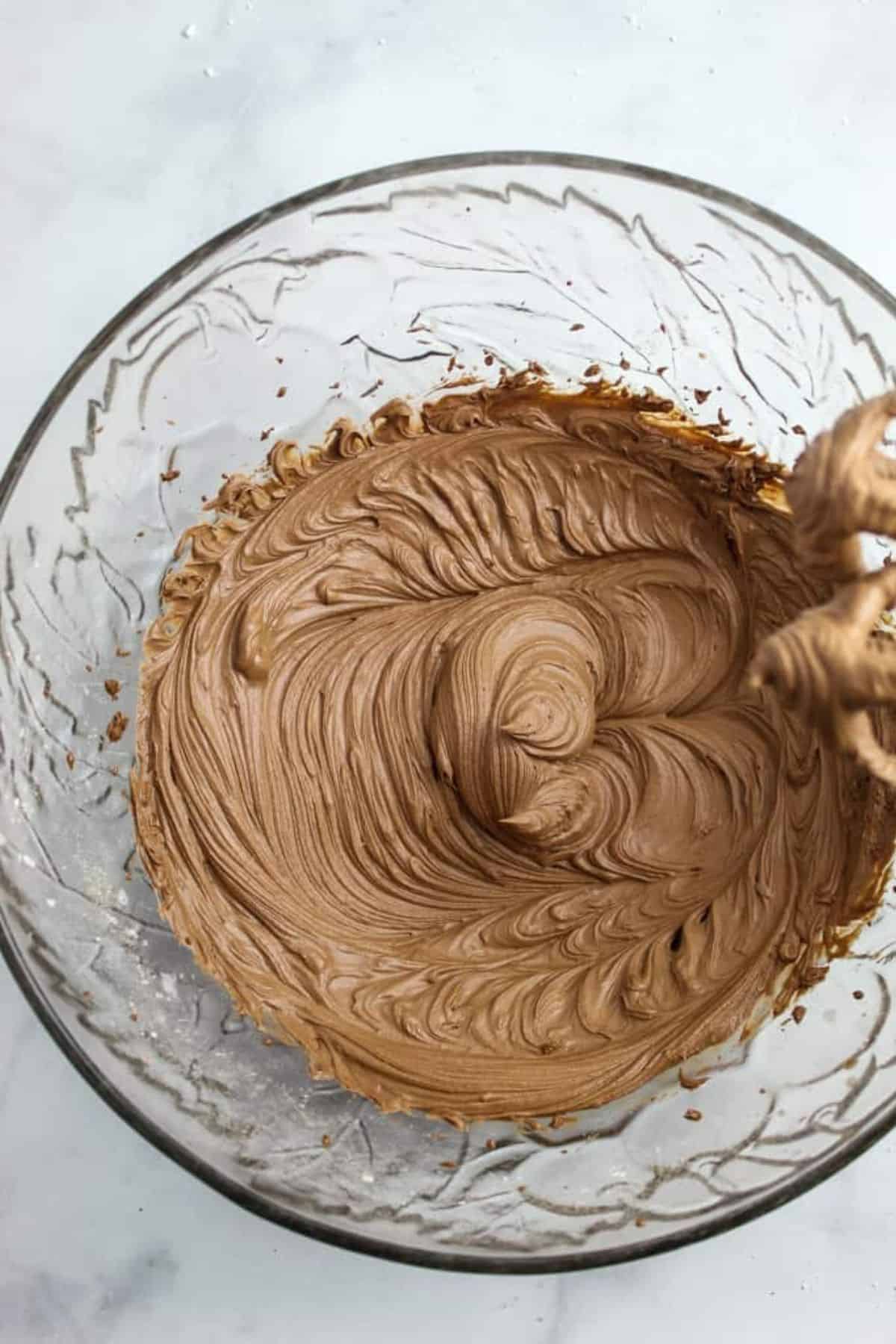
- Chocolate Buttercream: Add 1/2 cup unsweetened cocoa powder and 1-2 additional tablespoons of milk.
- Mocha Buttercream: Add one tablespoon of instant espresso powder dissolved in one tablespoon of water and 1/4 cup of cocoa powder. Goes great on chocolate cupcakes!
- Berry Buttercream: Add 2 tablespoons of your favorite berry puree. But be careful not to add too much because that can make your frosting runny.
- Lemon Buttercream: Add 1 tsp lemon zest and 1 tbsp fresh lemon juice. Check out this Lemon Buttercream Frosting for a refreshing variation that’s especially good on pound cake and cupcakes.
- Nutty Buttercream: Add one tsp almond extract or 2 tbsp nut butter.
Your Buttercream Questions, Answered
Buttercream is simple, but small details can make a difference. These quick answers will help you get the best results every time. If you don’t see your question, feel free to drop it in the comments section below.
How do I store buttercream frosting?
If you are using it right away, just drape a wet paper towel over the bowl until you’re finished making your cake or cookies.
If using it later on: Scrape it into a plastic container and store it in the refrigerator. It will keep in the fridge for up to a week.
Does buttercream need to be refrigerated after frosting a cake?
If the cake will be served within 1–2 days and your kitchen isn’t too warm, it can stay at room temperature. Otherwise, refrigerate and allow it to come to room temp before serving. Try this tasty lemon cake for a delicious combination.
Why didn’t the butter and sugar blend smoothly?
One common explanation is that the butter wasn’t at room temperature when they were blended together. This can be solved by letting the butter sit on the counter until it is soft before you start.
Another possibility is that the powdered sugar wasn’t properly sifted in. This is important because the sifting process adds air to the powdered sugar.
I think it’s too sweet. How can I fix it?
Often, dialing back on the sugar will help. While it does call for unsalted butter, sometimes adding the scantiest pinch of salt or a splash of lemon juice will help cut the sweetness.
Is this buttercream good for piping?
Yes, it holds its shape well for piping borders and simple decorations. For intricate designs in warm weather, you may need to chill it slightly.
What Does This Frosting Go Well With?
This buttercream is especially delicious on classic sugar cookies, but it’s just as good on simple vanilla cakes or lightly flavored fruit cakes. Its smooth texture makes it easy to spread, swirl, or pipe, whether you’re decorating holiday cookies or frosting a layered cake.
If you’re looking for ideas, try it with:
- Soft Almond Flour Sugar Cookies
- Flourless Vanilla Cake Recipe: Gluten Free & Dairy-Free
- Best Gluten Free Lemon Pound Cake Recipe: Dairy Free
Each of these pairs beautifully with the creamy sweetness of this buttercream.
Tried It? I’d Love to Hear From You
Have you tried this recipe or one of the variations here? Please let us know what you think in the comments below!