Most “healthy” muffins are either dry, bland, or secretly loaded with sugar.
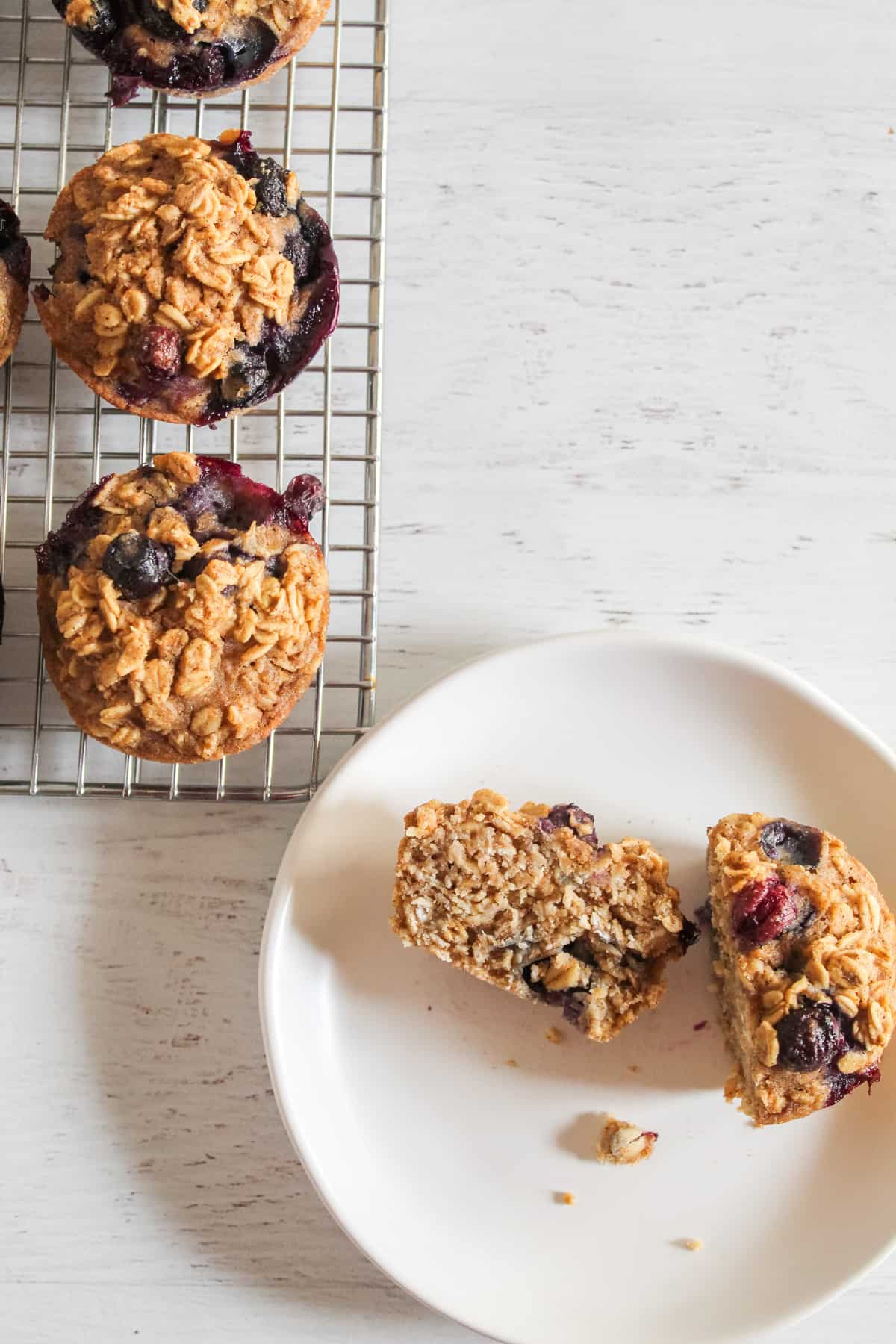
These heart-healthy gluten-free blueberry oatmeal muffins break that rule.
Table of Contents
Made with fiber-rich oats, antioxidant-packed blueberries, and naturally sweetened with maple syrup, they’re soft, moist, and genuinely satisfying, without refined flour or dairy.
Whether you’re managing cholesterol, eating gluten-free, or just want a nourishing breakfast that actually tastes good, this is the muffin recipe you’ll come back to again and again.
Why These Blueberry Oatmeal Muffins Work
Finding a gluten-free snack that’s actually worth eating can feel impossible. Too many options crumble apart, taste flat, or rely on highly processed ingredients that leave you hungry an hour later. These blueberry oatmeal muffins solve all of that.
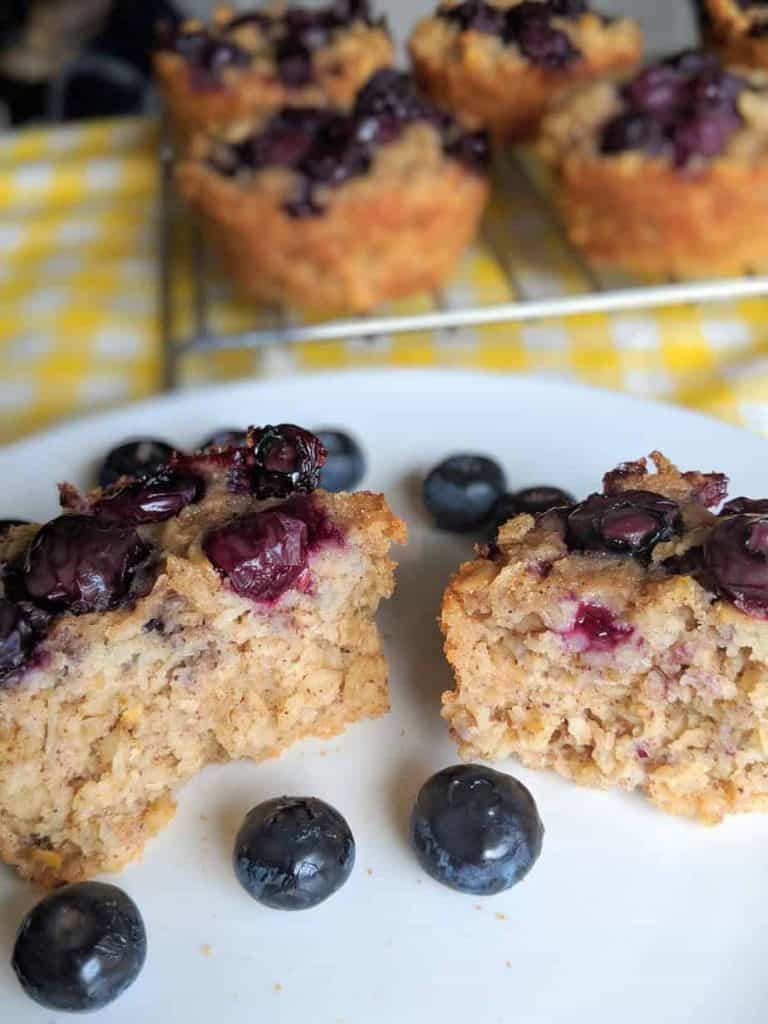
They’re hearty without being heavy, naturally sweet without refined sugar, and satisfying in a way most gluten-free baked goods aren’t. Thanks to the combination of whole oats, oat flour, and juicy blueberries, these muffins have a tender, moist texture that holds together beautifully, even days later.
Here’s why they’ve become a go-to recipe:
- Quick and approachable: Just 15 minutes of hands-on prep
- Light on added fat: Only 2 tablespoons of coconut oil for the entire batch
- Naturally sweet and flavorful: Bursting with fresh blueberries
- Freezer-friendly: Perfect for meal prep and busy weeks
Whether you need a filling breakfast muffin, an afternoon snack, or something lightly sweet after dinner, these muffins fit the moment without tasting like a compromise.
Nutrition Snapshot (Per Muffin)
Based on 1 of 12 muffins. Values are estimates and will vary depending on ingredient brands and substitutions.
- Calories: ~145
- Fiber: ~4 g
- Protein: ~4 g
- Total Carbohydrates: ~21 g
- Total Sugar: ~7 g
- Added Sugar: ~4 g
- Total Fat: ~5 g
- Saturated Fat: ~2 g
- Cholesterol: 0 mg
- Sodium: ~120 mg
Why These Numbers Matter
- Fiber: Supports heart health and satiety, primarily from whole-grain oats and blueberries.
- Moderate sugar: Sweetened naturally with maple syrup, with no refined white sugar.
- No cholesterol: Uses plant-based fats and almond milk instead of butter or dairy.
- Balanced macros: A mix of carbohydrates, fiber, fat, and protein supports steady energy.
Nutrition estimates calculated using standard ingredient databases. For medical or dietary guidance, consult a qualified healthcare professional.
Who These Muffins Are For
These blueberry oatmeal muffins were developed with everyday health goals and practical lifestyles in mind. They are not just gluten-free for the sake of labels, but intentionally structured to support balanced nutrition and ease of preparation.
- Busy mornings and meal prep routines: These muffins are quick to prepare, store well, and freeze without losing texture. Balanced breakfasts that include fiber and complex carbohydrates are widely recommended for sustained energy and satiety, especially for people managing busy schedules.
- Cholesterol-conscious eaters: Made with whole-grain oats and plant-based fats, these muffins align with dietary patterns commonly recommended for heart health. Oats contain beta-glucan, a soluble fiber that has been shown to support healthy cholesterol levels when consumed regularly. This is consistent with guidance from the Harvard T.H. Chan School of Public Health and the National Heart, Lung, and Blood Institute.
- Gluten-sensitive households: This recipe uses certified gluten-free oats and oat flour, making it suitable for those avoiding gluten for medical or personal reasons. The focus on whole-food ingredients reflects recommendations from organizations such as the Celiac Disease Foundation, which emphasizes careful ingredient selection in gluten-free cooking.
- Anyone seeking better-for-you baking: Naturally sweetened with maple syrup and free from refined flour, these muffins fit well into a balanced eating pattern. The American Heart Association recommends limiting added sugars and emphasizing whole grains as part of an overall heart-conscious diet.
Ingredient Breakdown and Why Each One Matters
What makes these blueberry oatmeal muffins work isn’t a long or complicated ingredient list. It’s how a handful of whole-food ingredients interact once they’re mixed, rested, and baked.
Oats provide structure and slow-digesting fiber, oat flour helps bind everything together without gluten, and blueberries contribute both sweetness and moisture as they soften in the oven. Each ingredient has a specific role, which is why substitutions need to be thoughtful rather than random.
Below, you’ll find the ingredients along with substitution options and tips to help you get the best texture and flavor every time.
Ingredients You’ll Need
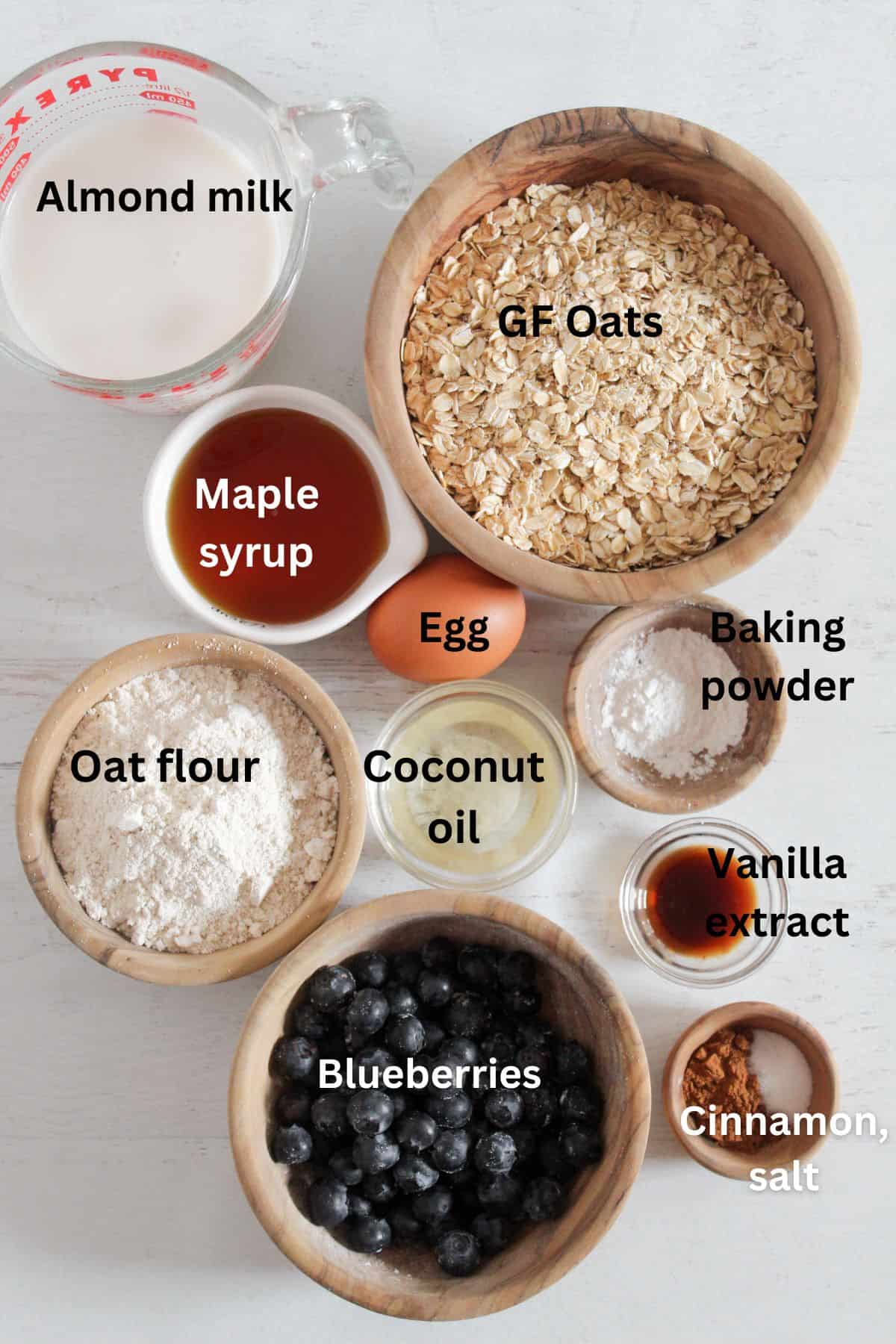
These blueberry oatmeal muffins rely on simple, whole-food ingredients, but each one plays a specific structural role. Because this recipe is gluten-free and refined-sugar-free, balance matters more than quantity.
The ingredients below work together to create muffins that are moist, cohesive, and filling rather than dry or crumbly. Use the list as written for best results, especially if this is your first time making the recipe.
Ingredient List
- 200 g gluten-free oats
- 75 g oat flour
- 1 tsp baking powder
- 1 tsp cinnamon
- 1/8 tsp salt
- 1 cup almond milk
- 1 egg
- 1/3 cup maple syrup
- 2 Tbsp coconut oil, melted
- 1 tsp vanilla extract
- 150 g blueberries
Gluten-free oats
If you are gluten-sensitive, using certified gluten-free oats is important to avoid cross-contamination. Oats form the backbone of this recipe, providing structure, moisture retention, and long-lasting satiety. I used Bob’s Red Mill in this recipe.
Oat flour
Adds tenderness and helps bind the muffins. Amaranth flour or almond flour works well as a substitute, though almond flour will produce a slightly richer, more delicate crumb.
Baking powder
Provides lift without making the muffins airy. Because oats are dense, balanced leavening is key. Use a certified gluten-free brand. I recommend Clabber Girl brand because it’s certified gluten-free.
Cinnamon
Adds warmth and depth. Feel free to omit if you prefer a pure blueberry flavor. Simply Organic is the brand that I reach for. But any high-quality ground cinnamon will work. This can be omitted, so no need to substitute it if you are not a fan of cinnamon.
Salt
Essential for balancing sweetness and enhancing blueberry flavor. Morton’s salt is the one I use. Any quality salt will work well, though.
Almond milk
Keeps the muffins dairy-free while adding moisture. I used the Silk brand of unsweetened almond milk in this recipe.
Egg
Binds the batter and supports the structure. For egg-free baking, a liquid egg substitute works best here. I used an organic brown egg in the recipe.
Maple syrup
Provides sweetness and moisture. The 365 brand was used in the recipe. Just make sure it’s pure maple, not maple-flavored syrup.
Coconut oil
Adds tenderness without heaviness. I used the 365 brand of coconut oil in this recipe.
Vanilla extract
Rounds out the sweetness and enhances the blueberry flavor. Use pure vanilla for the best results. The brand is not as important as the quality of vanilla extract. I like the Simply Organic brand, but any quality brand will work.
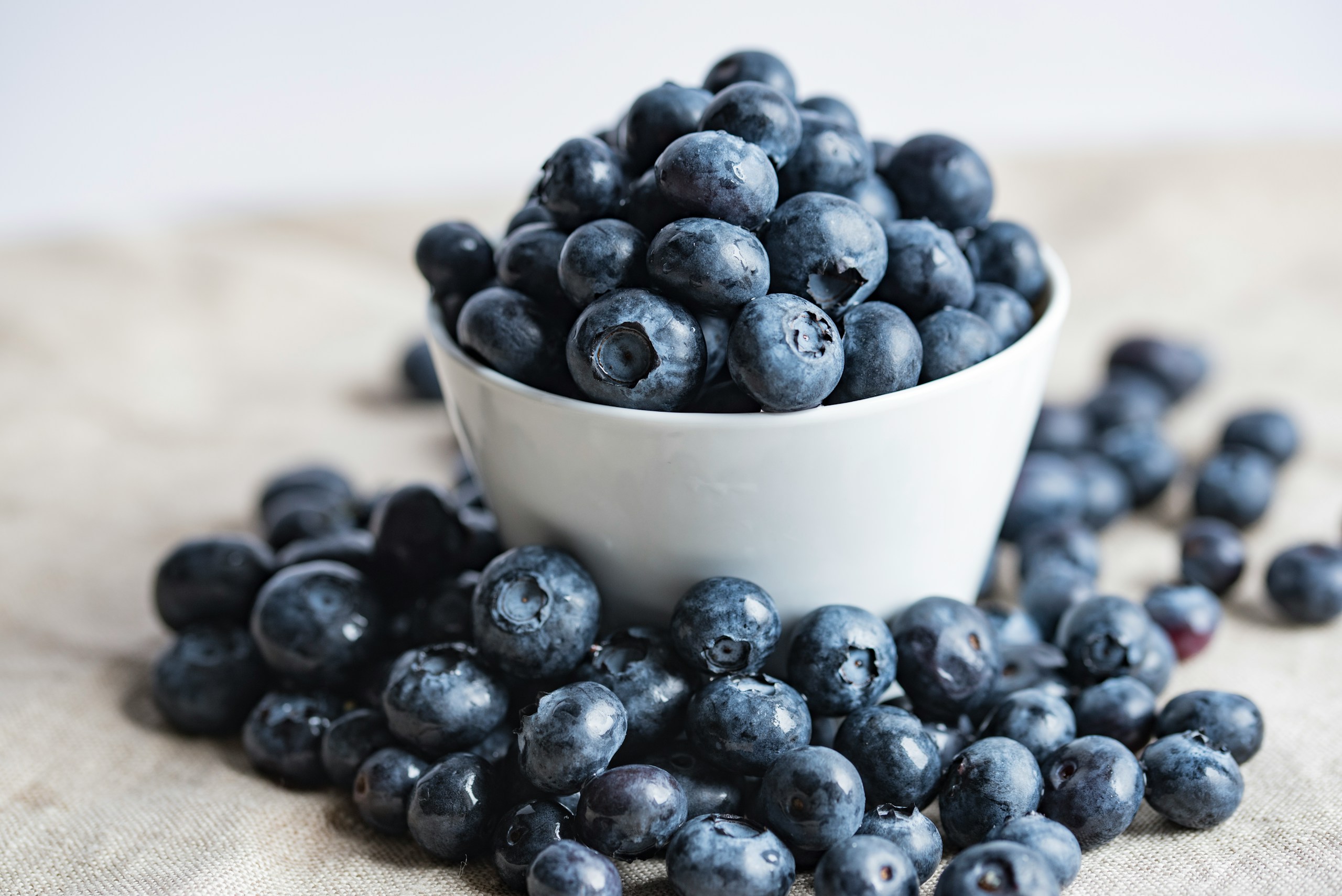
Blueberries
Fresh blueberries are ideal. Frozen can work, but may add extra moisture and color bleed. If you’d like to use something else, some cranberries or blackberries would work well!
Measurements for each ingredient and instructions for making the muffins are in the recipe card below.
Note About High-Quality Ingredients
Using the right ingredients makes a noticeable difference here. Certified gluten-free oats ensure safety, while pure maple syrup provides clean sweetness without additives. Because this recipe relies on simple ingredients, quality directly affects both flavor and texture.
Ingredient Substitutions That Actually Work
This recipe is flexible, but because it’s gluten-free and relies heavily on oats, substitutions work best when they respect moisture balance, fat content, and structure. Use the suggestions below to adapt the muffins without compromising their texture or flavor.
Oats & Oat Flour
- Gluten-free oats are essential to the structure of these muffins. They provide body and moisture retention.
- If you need to replace oat flour, amaranth flour, or almond flour are the best options. Almond flour will produce a softer, more delicate crumb, while amaranth flour keeps the muffins hearty.
- There is no direct substitute for the whole oats in this recipe. Removing them will fundamentally change the outcome.
Milk Options
- Almond milk works well for a neutral flavor and light texture.
- Coconut milk or oat milk may be substituted at a 1:1 ratio.
- Avoid heavily sweetened or thickened plant milks, which can alter moisture levels.
Egg-Free Option
- A liquid egg replacement works best in this recipe, as it provides binding without drying the batter.
- If using a powdered egg replacer, follow package directions carefully to maintain proper hydration.
- If you want an egg-free option with blueberries, try this baked blueberry donut recipe.
Sweeteners
- Pure maple syrup is ideal for both sweetness and moisture.
- Honey may be substituted, though it will slightly darken the muffins and deepen the flavor.
- Avoid granulated sweeteners, which will dry out the batter.
Fats
- Coconut oil provides tenderness without heaviness.
- Melted butter or a neutral vegetable oil may be used as a 1:1 substitute.
- Avoid reducing the fat, as it plays a key role in keeping the muffins moist.
Fruit Variations
- Fresh blueberries yield the best texture.
- Frozen blueberries can be used, but they may increase moisture and color bleed.
- Cranberries or blackberries also work well, though tart fruits may require a touch more sweetener.
Substitution Tip from the Test Kitchen
If you’re making more than one substitution, change only one variable at a time. Gluten-free batters are sensitive to moisture shifts, and multiple swaps can quickly throw off the balance.
Tools That Help These Muffins Turn Out Well
These blueberry oatmeal muffins do not require specialty equipment, but a few basic tools can improve consistency and make gluten-free baking easier.
Muffin Pan
A sturdy muffin pan promotes even heat distribution and consistent rise. Thin or lightweight pans can lead to uneven browning or underbaked centers, which is more noticeable in oat-based batters.
Nonstick or Silicone Muffin Liners
Gluten-free muffins are more likely to stick. Nonstick parchment or silicone liners help the muffins release cleanly and maintain their structure once cooled.
Mixing Bowls
Using separate bowls for dry and wet ingredients helps ensure even mixing and prevents overworking the batter.
Whisk and Rubber Spatula
A whisk helps evenly distribute baking powder and spices, while a rubber spatula is ideal for folding in blueberries without crushing them.
Portion Scoop or Measuring Cup
Evenly portioning the batter helps all muffins bake at the same rate, which improves texture and avoids overbaking.
Cooling Rack
Transferring the muffins to a cooling rack prevents trapped steam, which can make the bottoms soggy.
Heart-Healthy Blueberry Oatmeal Muffins (Gluten-Free & Dairy-Free) Recipe Card
Ingredients
- 200 grams gluten free oats about 2 cups
- 75 grams oat flour about 1/2 cup
- 1 teaspoon baking powder
- 1 teaspoon ground cinnamon
- 1/8 teaspoon salt
- 1 cup almond milk
- 1 egg
- 1/3 cup maple syrup
- 2 Tablespoons coconut oil melted
- 1 teaspoon pure vanilla extract
- 150 grams fresh blueberries about 1 cup
Instructions
- In a large bowl, combine the gluten-free oats, oat flour, baking powder, cinnamon, and salt. Stir until evenly distributed so the muffins bake uniformly.
- In a small bowl or measuring cup, whisk together the almond milk, egg, maple syrup, melted coconut oil, and vanilla extract until smooth.
- Pour the wet ingredients into the dry ingredients and stir gently for about 30 seconds, just until no dry spots remain. The batter should be thick and spoonable.
- Using a rubber spatula, gently fold in the blueberries. Mix just until distributed to avoid crushing the berries.
- Let the batter rest for 30 minutes. This allows the oats and oat flour to hydrate, resulting in a moister and better-structured muffin.
- Preheat the oven to 375°F (190°C), then allow a few extra minutes after the preheat beep so the oven reaches temperature. Consistent heat helps the muffins set at the right pace: too cool and they turn gummy, too hot and they brown before the centers cook through.Spray a 12-cup muffin tin with nonstick spray. Fill each cup about ¾ full with batter
- Bake for 25–30 minutes, until the tops are set and a toothpick inserted into the center comes out clean or with just a few moist crumbs. Bake for 25 – 30 minutes or until a toothpick tests clean.
- Let the muffins cool in the pan for 5 minutes, then transfer them to a wire rack to finish cooling. This helps the crumb set before serving.
Notes
- Make sure ingredients are at room temperature.
- Use certified gluten free oats like Bob’s Red Mill brand.
- Instead of the oat flour, use amaranth flour or almond flour.
- Honey may be substituted for the maple syrup.
- Melted butter or vegetable oil may be substituted for the coconut oil.
- Spray the baking pan with cooking spray to prevent sticking.
- Test the muffins for doneness with a toothpick.
- These muffins store well at room temperature in a plastic bag for up to 2 days.
- Freeze them for longer storage. Defrost in the microwave for 30 seconds – 1 minute.
Nutrition
Step-by-Step Instructions for Reliable Muffins
Once your ingredients are gathered and any substitutions are decided, you’re ready to mix the batter. The steps below are simple, but timing and texture matter, especially when working with oats in gluten-free baking.
Step One: Mix the Dry Ingredients – Preparing the Oat Base
In a large bowl, combine the gluten-free oats, oat flour, baking powder, cinnamon, and salt. Stir until evenly distributed so the muffins bake uniformly.
Step Two: Whisk the Wet Ingredients – Building the Batter
In a small bowl or measuring cup, whisk together the almond milk, egg, maple syrup,
melted coconut oi,l and vanilla extract until smooth.
Step Three: Combining Wet and Dry for Proper Texture
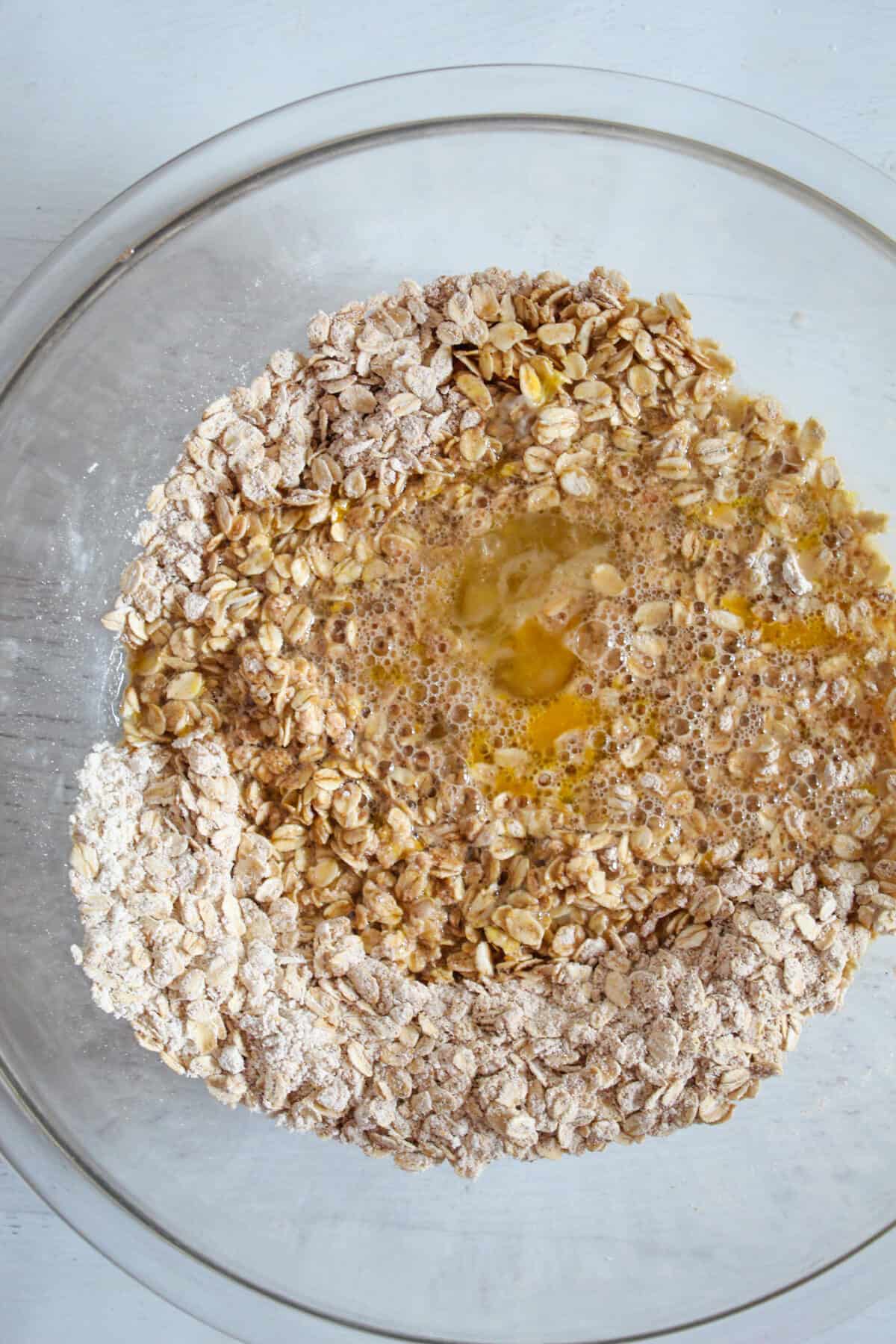
Pour the wet ingredients into the dry ingredients and stir gently for about 30 seconds, just until no dry spots remain. The batter should be thick and spoonable.
Step Four: Folding in Blueberries Without Bleeding
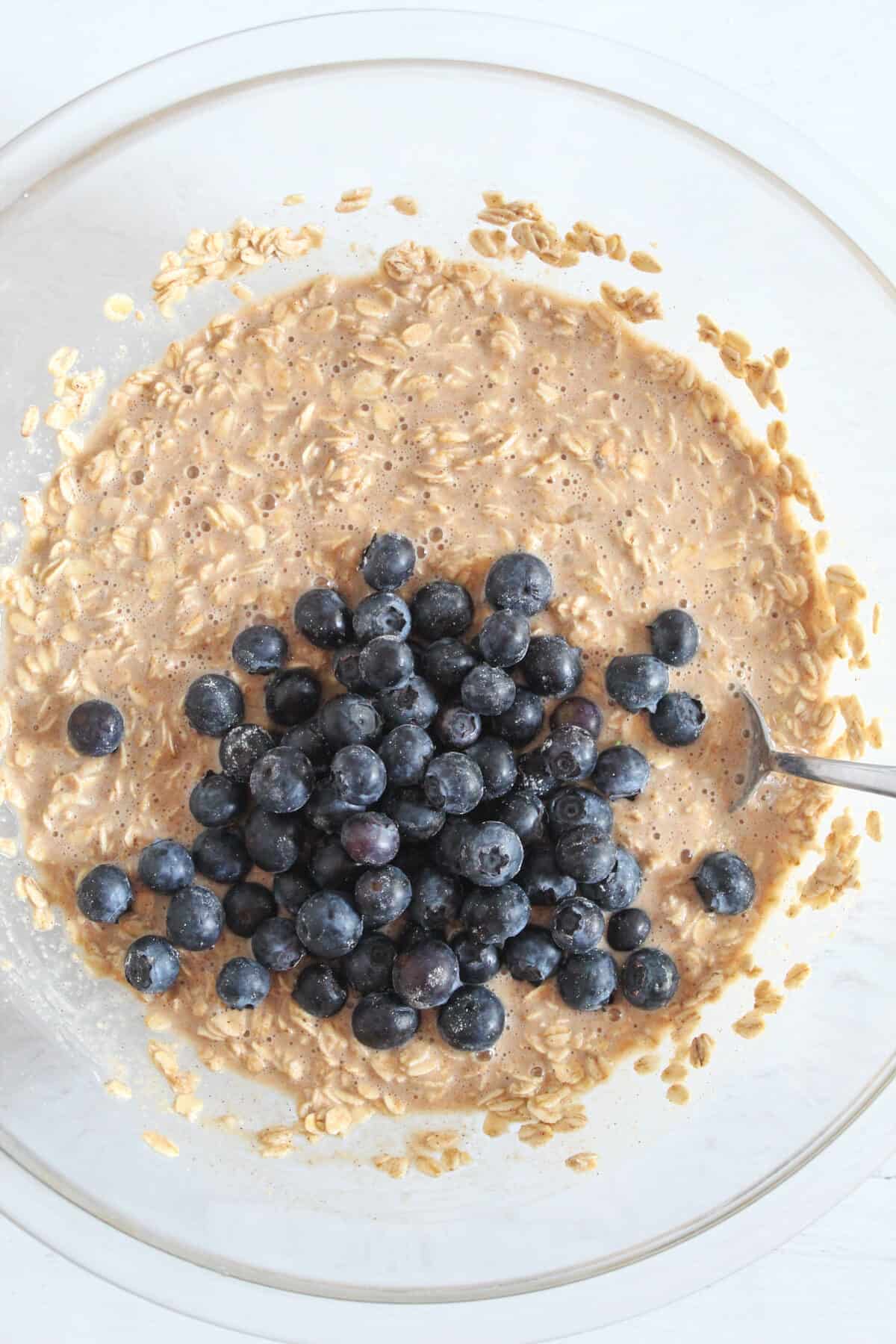
Using a rubber spatula, gently fold in the blueberries. Mix just until distributed to avoid crushing the berries.
Step Five: Rest the Batter for Better Structure
Let the batter rest for 30 minutes. This allows the oats and oat flour to hydrate, resulting in a moister and better-structured muffin.
Why soaking or resting oats improves texture
Oats act like tiny sponges. Over time, they absorb liquid and soften, creating a moist, cohesive “baked oatmeal” texture rather than a dry, crumbly muffin. Even before the official rest, evenly mixing the oat base helps ensure consistent hydration.
Step Six: Fill the Muffin Tin for Even Baking
Preheat the oven to 375°F (190°C), then allow a few extra minutes after the preheat beep so the oven reaches temperature. Consistent heat helps the muffins set at the right pace: too cool and they turn gummy, too hot and they brown before the centers cook through.
Spray a 12-cup muffin tin with nonstick spray. Fill each cup about ¾ full with batter.
Step Seven: Baking Until Set, Not Dry
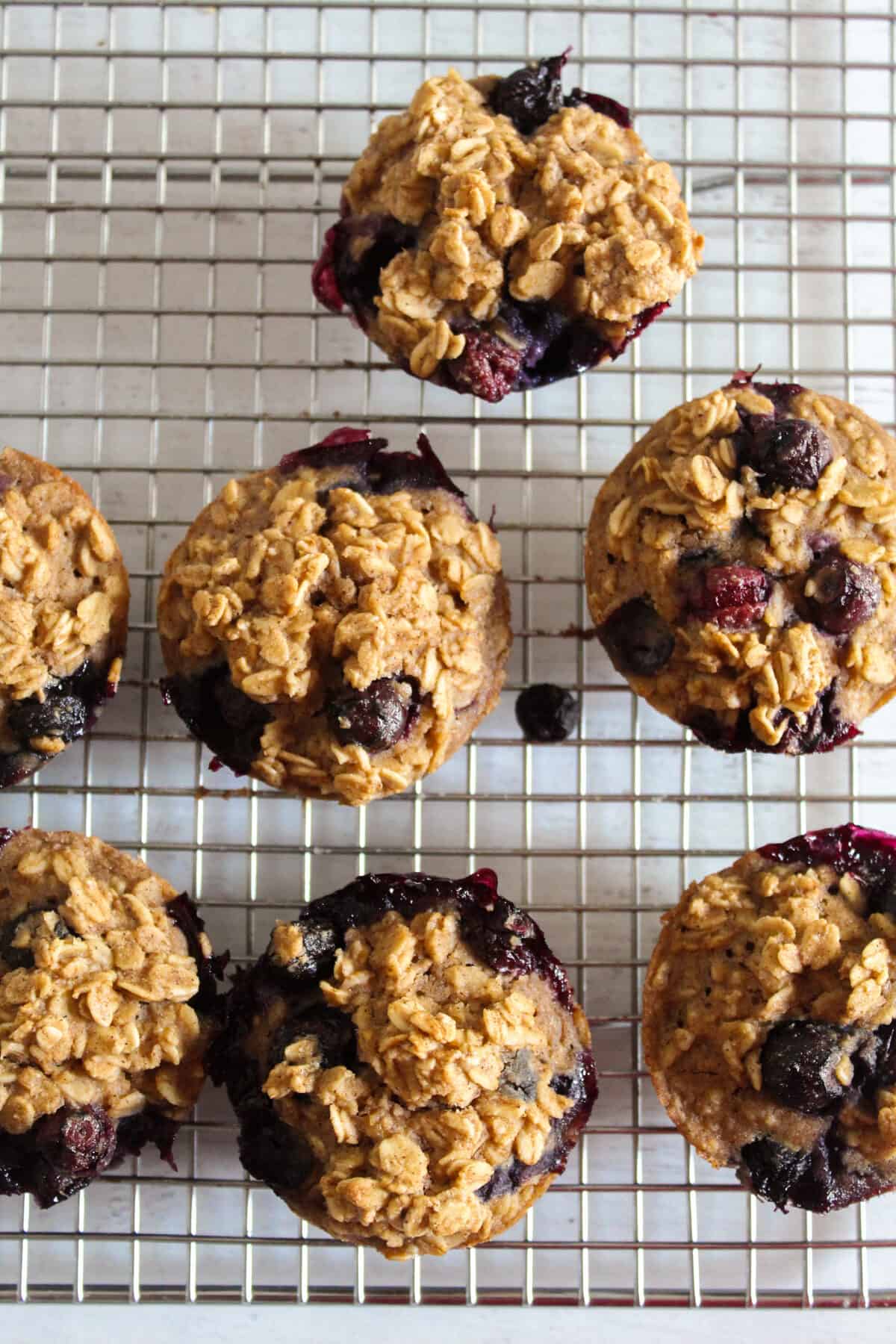
Bake for 25–30 minutes, until the tops are set and a toothpick inserted into the center comes out clean or with just a few moist crumbs.
Visual doneness cues beyond a toothpick
- The tops look set and no longer shiny.
- The edges are lightly golden, and the muffins hold their dome.
- A toothpick comes out clean or with a few moist crumbs (not wet batter).
Why does cooling time affect crumb structure?
Cool the muffins in the pan for 5 minutes, then transfer to a wire rack. This short rest lets the steam redistribute and the crumb finish setting, so the muffins hold together instead of crumbling.
Step Eight: Cooling and Serving for Best Texture
Let the muffins cool in the pan for 5 minutes, then transfer them to a wire rack to finish cooling. This helps the crumb set before serving.
4 Pro Baker Tips for Better Blueberry Oatmeal Muffins
Once the muffins are in the oven, the small details start to matter. These pro baker tips focus on the most common points where gluten-free oat muffins can go off track, from texture issues to sticking and storage. A few adjustments here can make the difference between “good” muffins and consistently great ones.
1. Let the Batter Rest
The 30-minute rest time is essential in this recipe. Oats and oat flour need time to absorb liquid, and that hydration is what creates a moist, cohesive muffin instead of a dry or crumbly one. Skipping this step is the most common cause of poor texture.
2. Use Room Temperature Ingredients
Cold ingredients don’t blend evenly, especially in gluten-free batters. Let the egg, milk, and maple syrup come to room temperature so the batter mixes smoothly and bakes evenly. This small step has a big impact on the final texture.
3. Measure by Weight for Accuracy
When weight measurements are provided, use them. Gluten-free baking is sensitive to small changes in hydration, and measuring ingredients by weight is far more accurate than using cups. A digital scale helps ensure consistent results every time.
4. Prepare the Muffin Tin Well
Generously spray the muffin tin with nonstick cooking spray. These muffins are moist and studded with blueberries, which makes them more likely to stick if the pan isn’t properly prepared.
Storage and Freezing Tips for Fresh-Tasting Muffins
These blueberry oatmeal muffins are designed to hold moisture well, which makes them ideal for make-ahead breakfasts and snacks. Proper storage keeps the texture tender rather than dry.
Best Storage for Moisture Retention
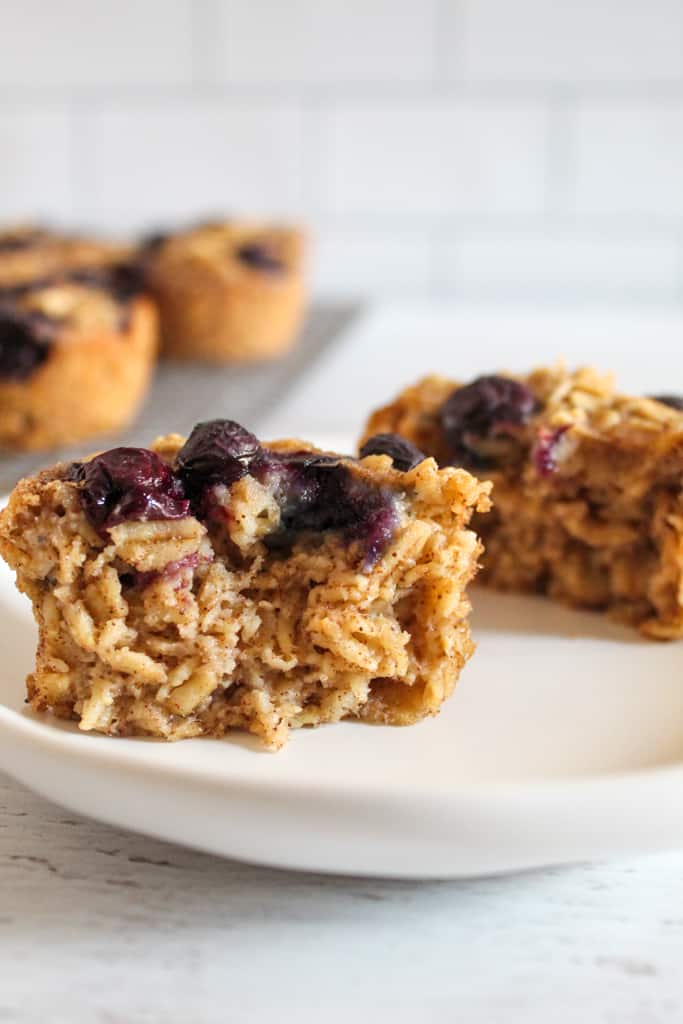
Store the muffins in a sealed container or plastic bag at room temperature for up to 2 days. Lining the container with a paper towel helps absorb excess moisture while keeping the muffins from becoming soggy.
Freezing Without Texture Loss
For longer storage, freeze the muffins in a well-sealed freezer bag. Once frozen, they’ll keep well for up to 3 months. Freezing works especially well for oat-based muffins because the oats retain moisture when thawed.
Reheating for Fresh-Baked Results
To reheat, microwave a frozen muffin for 30–60 seconds, or let it thaw at room temperature. A brief warm-up reactivates the moisture in the oats and brings back that just-baked texture.
If you want more gluten-free muffin ideas, check out these one-bowl almond-flour banana muffins, gluten-free apple muffins, tender lemon chia muffins, and almond-flour blackberry muffins.
Frequently Asked Questions About Blueberry Oatmeal Muffins
If you’re baking these muffins for the first time or adapting them to your pantry, the questions below address the most common concerns. These answers are based on reader feedback and repeat testing, so you can bake with confidence. Don’t see yours? Just drop it in the comments! Happy baking!
Can I make these without oats?
Oats are a core ingredient in this recipe and can’t be substituted directly. Removing them would change both the structure and texture of the muffins. If you’re looking for a blueberry muffin without oats, we recommend this lemon blueberry muffin recipe or these blueberry scones.
Can I use fruit other than blueberries?
Yes. Cranberries or blackberries work well in this recipe. Keep in mind that more tart fruits may slightly change the sweetness level.
Why did my muffins turn out heavy?
These muffins are intentionally hearty. Because they’re made primarily with oats, they’re closer in texture to baked oatmeal than light, bakery-style muffins. That density is what makes them filling and satisfying.
Why These Muffins Fit a Heart-Healthy Eating Pattern
These blueberry oatmeal muffins are designed around ingredients commonly associated with heart-conscious eating patterns. Rather than relying on refined flour or added fats, the recipe emphasizes whole grains, fiber-rich foods, and naturally occurring sweetness.
Fiber, Beta-Glucans, and Heart Health
Oats are a key ingredient in this recipe and are naturally rich in beta-glucan, a type of soluble fiber. Beta-glucan has been studied for its role in supporting healthy cholesterol levels when consumed regularly as part of a balanced diet.
Dietary guidance from the Harvard T.H. Chan School of Public Health and the National Heart, Lung, and Blood Institute highlights the importance of soluble fiber and whole grains in heart-focused nutrition.
Blueberries and Antioxidant Benefits
Blueberries contribute naturally occurring antioxidants, including anthocyanins. Research has examined the potential role of these compounds in supporting cardiovascular health as part of an overall dietary pattern.
Nutrient and antioxidant data published by the U.S. Department of Agriculture support the inclusion of berries as a regular component of a balanced diet.
Lower Saturated Fat and No Dietary Cholesterol
These muffins contain no dietary cholesterol and rely on plant-based fats instead of butter or cream. Diets lower in saturated fat are commonly recommended for individuals focused on heart health.
The American Heart Association emphasizes limiting saturated fat and prioritizing unsaturated fats as part of heart-conscious eating.
How This Recipe Fits Into a Balanced Diet
While no single food determines heart health, recipes built around whole grains, fruit, and moderate sweetness can support healthier eating habits overall. These muffins are intended to complement a balanced diet that includes a variety of nutrient-dense foods.
More Heart-Healthy Blueberry Recipes
If blueberries are a regular part of your baking, there are plenty of other gluten-free recipes that highlight their natural sweetness. For breakfast or brunch, these gluten-free blueberry pancakes are light, fluffy, and easy to make, while this gluten-free blueberry cake offers a simple, tender option that works just as well for dessert.
For something warm and comforting, the gluten-free blueberry cobbler is naturally dairy-free and perfect for serving straight from the oven. And if you’re in the mood for a baked treat that feels indulgent without being heavy, these gluten-free baked blueberry donuts are egg-free, gum-free, and a great lighter alternative to fried donuts.
Did you try these blueberry oatmeal muffins or make your own variation? I’d love to hear how they turned out. Please leave a comment below and share any swaps or additions you used. Your experience helps other readers bake with confidence.
Did you make and love this recipe? Give it your review and rating below! And make sure to follow me on Instagram, Pinterest, and Facebook , too!