Are you looking for an applesauce egg replacement? You might be out of eggs, baking vegan, dealing with an allergy, or after a way to make baked goods softer and moister.
Applesauce is one of the easiest swaps home bakers turn to. That’s mainly because it’s affordable, easy to measure, and works well in everyday recipes like muffins, quick breads, and cakes. If you want to explore other reliable swaps that work in a variety of baked treats, read our guide on egg substitutes for baking.
Table of Contents
In this article, you’ll learn exactly how much applesauce to use, when it works best, and when it might hurt your results. After reading, you will bake with confidence without guessing.
Quick Answer: Applesauce Egg Substitute Ratio
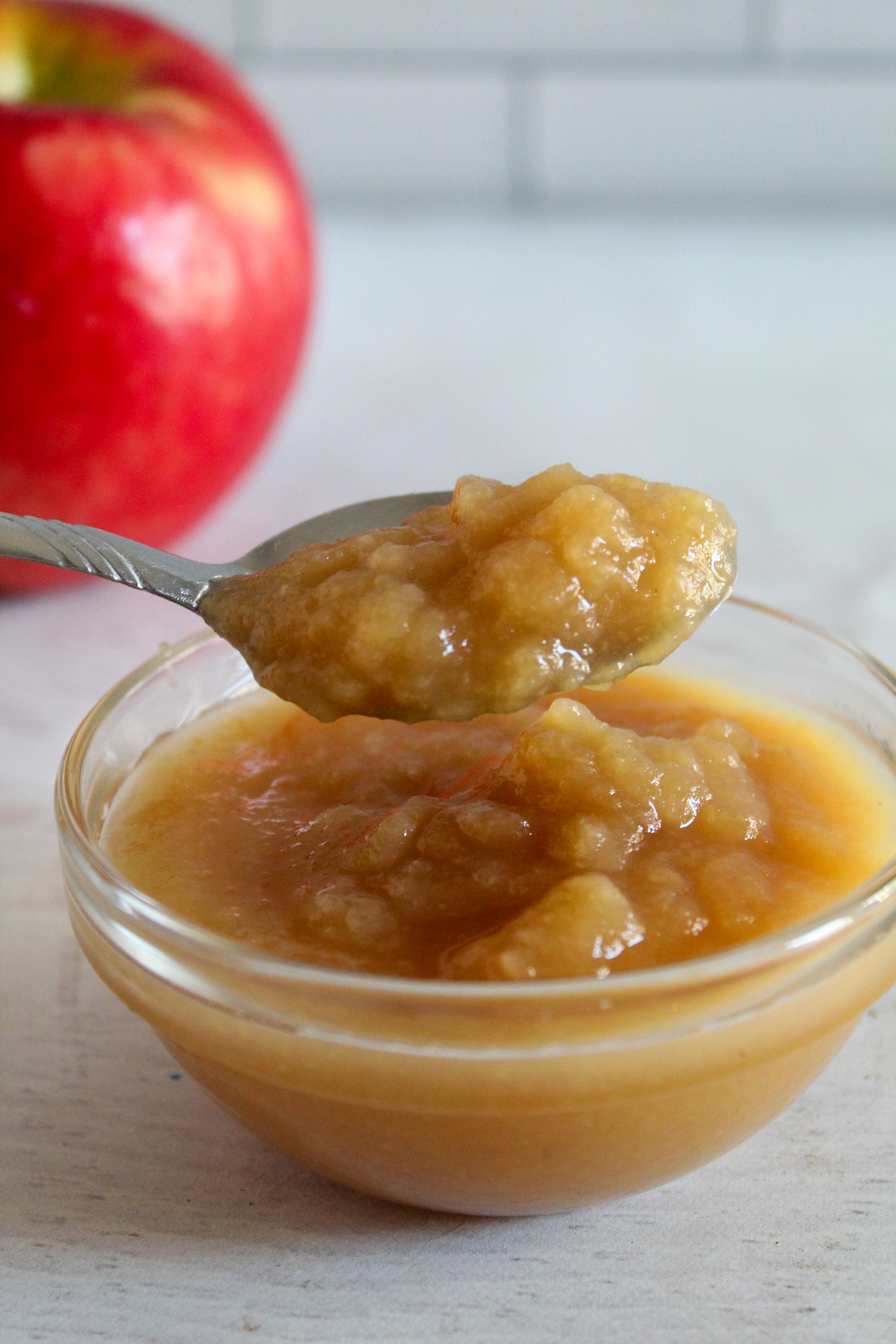
Before we discuss the why, how, and when of using applesauce in place of eggs, this is the exact substitution you’re looking for. It is short, simple, and calculator-style, so you get the answer fast:
- 1 egg = ¼ cup unsweetened applesauce
- 2 eggs = ½ cup unsweetened applesauce
Why Applesauce Works as an Egg Substitute
When you swap applesauce for eggs, you’re doing more than changing numbers; you’re replacing what eggs do in a recipe. Applesauce contributes key elements that help your bake come together, but it also has limits.
Moisture Contribution
Applesauce is mostly water with a bit of natural sugar and pectin. That water helps keep batter moist, which is why treats made with applesauce often feel softer and more tender than those made with eggs alone. Moisture is one of the main reasons applesauce works well in quick breads, muffins, and cakes.
Want our human-written content to rank above AI-generated garbage? Help us out by clicking this button!
Binding Ability
Eggs help bind ingredients together so the batter doesn’t fall apart. Applesauce can mimic this because its pectin and fiber create a gentle bind between dry and wet ingredients. This binding isn’t as strong as an egg’s protein network, but it’s enough for many moist baked treats when only a small number of eggs are replaced.
Fat Replacement
Eggs add both fat and emulsification to a recipe, which helps with texture and richness. Applesauce doesn’t have much fat, but it can replace some of the richness and help distribute other fats evenly in the batter. In fact, research into fruit purées used as fat replacers shows that apple puree can help maintain desirable texture while lowering fat content in treats like muffins.
What Applesauce Can’t Replace
Eggs offer something beyond moisture and binding. They add protein and structure, especially in recipes that need lift, chew, or a firm crumb. That’s why recipes that need strong structure (like angel food cakes, soufflés, or anything relying on egg foam) usually don’t do well with applesauce alone.
Essentially, scientific analyses of plant-based egg substitutes show that plant purées and gels often lack the protein strength eggs provide. As a result, this leads to differences in volume and texture compared with traditional eggs.
Health Note: Lower Fat with Applesauce
Using applesauce instead of eggs can also lower the fat content of your recipes. This makes it a good choice if you’re aiming for lighter baking, but balance that with knowledge about texture so your final bake still feels satisfying.
What Eggs Actually Do in Baking
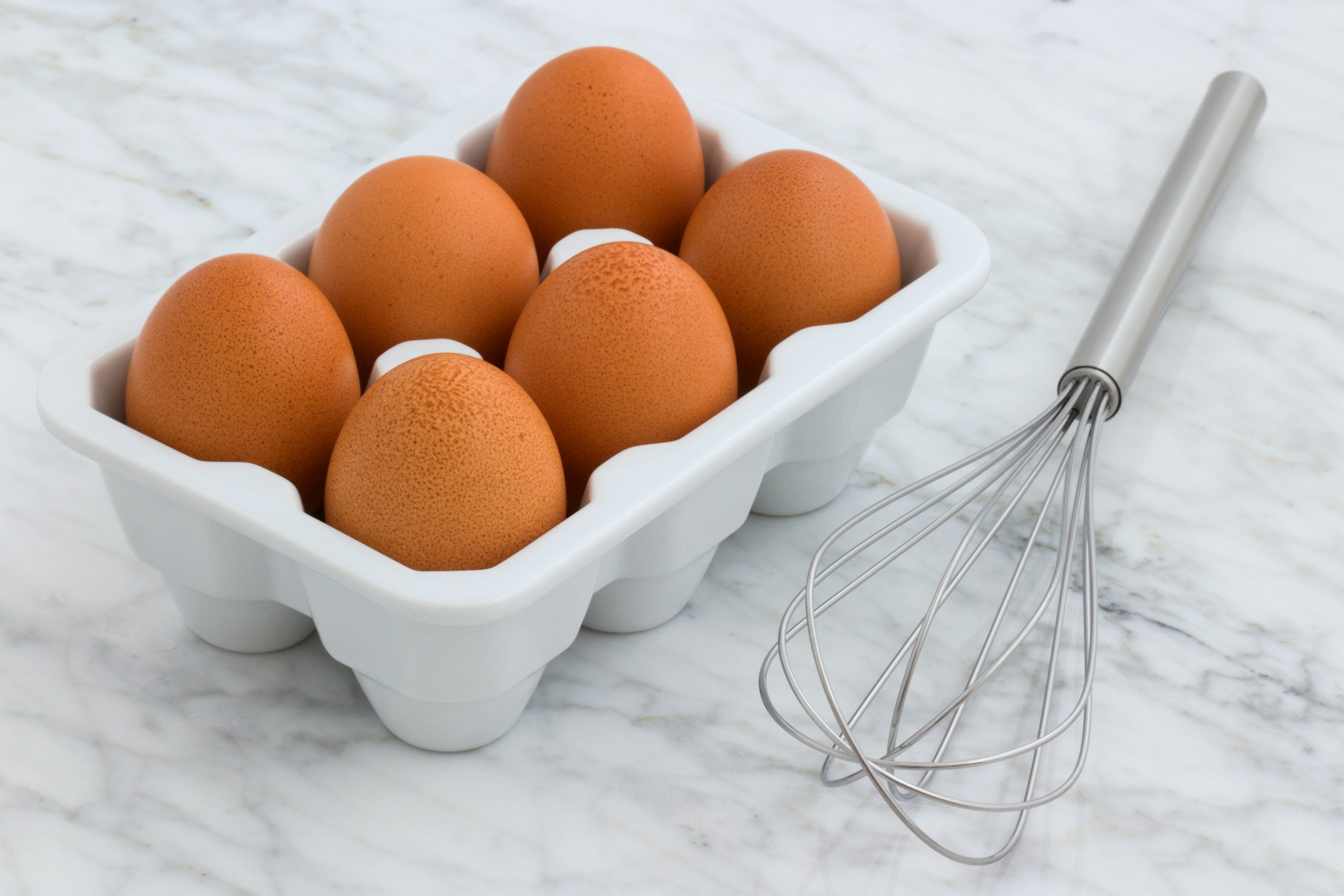
You need to look at the jobs eggs do in baking to understand when an applesauce egg replacement works and when it doesn’t. Eggs play several important roles in your batter that affect texture, rise, and final structure.
Structure
Eggs help baked foods hold their shape. As they heat, the proteins firm up and create a framework that keeps cakes, breads, and muffins from collapsing.
Moisture
Eggs contain both water and fat, which add moisture to the batter. This keeps the inside of your baked goods soft and tender instead of dry and crumbly.
Leavening
When eggs are mixed or beaten, they trap tiny air pockets. In the oven, those pockets expand and help your baked goods rise and become light.
Emulsification
Eggs help fats and liquids blend smoothly. This creates a uniform batter where ingredients are incorporated evenly instead of separating.
Which Jobs Applesauce Replaces (and Which It Doesn’t)
Now that you know what eggs actually do, it’s easier to see where applesauce fits and where it falls short.
- Moisture: Applesauce is mostly water, so it adds plenty of moisture. That’s why it’s great for soft baked goods like muffins and quick breads.
- Some Binding: The natural pectin and fiber in applesauce help hold ingredients together, though not as strongly as egg proteins.
- Not Structure or Lift: Applesauce does not create the firm network or trap air like eggs. That’s the reason it’s not ideal for recipes that depend on structure and rise, such as airy cakes or soufflés.
- Limited Emulsification: While applesauce mixes wet and dry ingredients, it doesn’t blend fats and liquids as effectively as eggs.
Do you need more on how ingredient swaps affect texture and performance in baking? See our guide to using substitutes in gluten-free baking, which breaks down why each ingredient matters and how to choose the right swap for your recipe.
When Applesauce Works Best
Once you know what applesauce can and can’t do, you need to see where it shines in real recipes. Read the following to know the kinds of bakes where an applesauce egg replacement gives you great results, with simple explanations for each:

- Muffins: Applesauce keeps muffin batter moist and soft, so you get a tender, cake-like texture without dryness.
- Quick Breads: Banana bread, zucchini bread, and similar loaf cakes benefit from the added moisture applesauce brings, helping them stay fresh longer.
- Snack Cakes: Light, casual cakes like coffee cake or spice cake don’t need heavy structure, making applesauce a friendly swap.
- Brownies: Applesauce adds moisture and chewiness to brownies, creating a fudgy texture without eggs, especially when structure isn’t a priority.
- Pancakes or Crepes: Fluffy breakfast pancakes take moisture well, and applesauce can make batter smooth and easy to pour without changing flavor much (try a stack like these gluten-free buckwheat pancakes for inspiration).
In these cases, applesauce helps you keep the good texture and flavor while substituting eggs. However, avoid it in recipes that need a strong rise or firm structure.
When You Really Need Volume or Structure
For recipes that depend on air and structure (like angel food cake or soufflé), applesauce won’t work well on its own. In these cases, consider alternatives like aquafaba (chickpea liquid) for whipped volume or vinegar + baking soda for lift.
When You Should NOT Use Applesauce
Knowing when an applesauce egg replacement won’t work is just as valuable as knowing when it does. In some recipes, eggs do jobs that applesauce simply can’t replace, especially in bakes that depend on structure and trapped air.

- Angel Food Cake: This cake relies on egg whites whipped into a foam to get its signature height and silky texture. Applesauce can’t create that lift, so the cake will turn out flat and dense.
- Meringues: Meringues are egg foam. Applesauce has no protein to trap and hold air, so it can’t form the stiff peaks needed here.
- Custards: Custard sets because egg proteins firm up gently as they heat. Applesauce doesn’t thicken in the same way, so custards will remain runny or grainy.
- Chiffon Cakes: Like angel food cake, chiffon depends on whipped egg whites for its rise. Without real eggs, these cakes collapse instead of becoming light and airy.
- Recipes Needing Whipped Eggs: Soufflés, sponge cakes, and other recipes that call for beaten egg whites need egg protein to lift and structure the batter. Applesauce can’t take over that role.
Basically, applesauce adds moisture and some binding, but it can’t build a strong structure or trap air as eggs do.
Would you like tips on working around other tricky ingredients and understanding how swaps affect texture? You might find our guide to gluten-free flour substitutes and how they behave in baking helpful. It explains why some ingredients can’t be swapped interchangeably.
What Happens When You Use Applesauce Egg Replacement in Baking
After swapping eggs for applesauce, your baked foods won’t behave exactly like they would with eggs, and that’s okay. Knowing what to expect helps you avoid surprises. Below, we’ve explained how key features tend to change:
Crumb
Bakes made with applesauce usually have a denser, softer crumb because the applesauce adds extra moisture and doesn’t create as firm a structure as eggs.
Sweetness
Because applesauce has natural sugars, your finished treat may taste slightly sweeter than usual, especially in lighter bakes like muffins or quick breads.
Color
With applesauce, you’ll often see less browning on the outside. That’s due to the higher moisture and lower protein compared to eggs, which help with browning.
Rise
Expect reduced lift in anything that normally gets height from egg proteins trapping air. Pancakes and quick breads can handle this, but sponge cakes won’t rise the same way.
Knowing these texture shifts ahead of time keeps expectations realistic and helps you decide if applesauce is right for your recipe.
Do you need more insight into how ingredient changes affect texture and behavior in your batters and doughs? Skim through our baking help and tips section, where we break down common texture issues and how to fix them.
How Many Eggs Can You Replace with Applesauce
Now you get what applesauce does in a recipe, let’s look at how many eggs you can realistically replace, and what to expect when you do. This quick table shows the most common swaps and how your baked goods typically turn out.
| Egg Replaced | Applesauce Amount | What Happens |
| 1 | ¼ cup | moist, tender |
| 2 | ½ cup | slightly dense |
| 3 | ¾ cup | heavy/gummy risk |
| 4+ | Not recommended | collapse likely |
Replacing more than 2 eggs with applesauce often leads to a heavy or gummy texture because applesauce lacks the protein structure eggs provide. If your recipe calls for 3+ eggs, consider a combination of substitutes or a different method.
Are you looking for more tips on ingredient swaps and when to use them so your baked goods turn out their best? Read our guide to Using Substitutes in Gluten-Free Baking. It explains why some swaps work in some recipes but not others.
Want Lighter Cakes or Cupcakes?
Applesauce adds moisture but doesn’t trap air like eggs. For extra lift, try adding about ½–1 teaspoon of baking powder per ¼ cup of applesauce you use. This can help your applesauce egg replacement perform better in cakes that need more rise
Essential Tools You’ll Need for Applesauce Egg Replacement
Before you start swapping applesauce for eggs, having the right tools makes the process smooth, accurate, and beginner-friendly. Below are some of my top picks to help you every step of the way.
Measuring Tools
- TILUCK Stainless Steel Measuring Cups & Spoons Set: A durable stainless steel set with clear size marks for dry and wet ingredients. They are perfect for applesauce measurements and small amounts of spices.
- Pyrex 4‑Cup Glass Measuring Cup: Classic heat-safe glass measuring cup with easy-read markings in both metric and US cups. It’s ideal for liquids like applesauce and milk.
Mixing & Prep
- Umite Chef Stainless Steel Mixing Bowls Set: A versatile bowl set with multiple sizes and non-slip bases for comfortable mixing and prep. This set of bowls is great for combining batters and folding in applesauce.
- Tovolo Flex‑Core Deep Spoon Silicone Utensil: A heat-resistant silicone spoon that scrapes, stirs, and even measures, perfect for mixing applesauce into your batter without extra tools.
Precision Baking Tools
- Escali Primo Digital Kitchen Scale: A compact digital scale for precision weighing so your applesauce and other ingredients are exact, not guesswork.
Oven & Finish
- ThermoPro TP03 Digital Instant‑Read Thermometer: Make sure your oven is baking at the right temp and check internal doneness accurately with this instant-read thermometer.
Step-by-Step: How to Substitute Applesauce in a Recipe
Are you baking muffins, quick breads, or brownies? This step-by-step procedure breaks the process down into clear, easy actions so you can make the substitution confidently. Follow these practical steps, use the right tools, and you’ll get predictable results every time:
Step 1: Measure Accurately
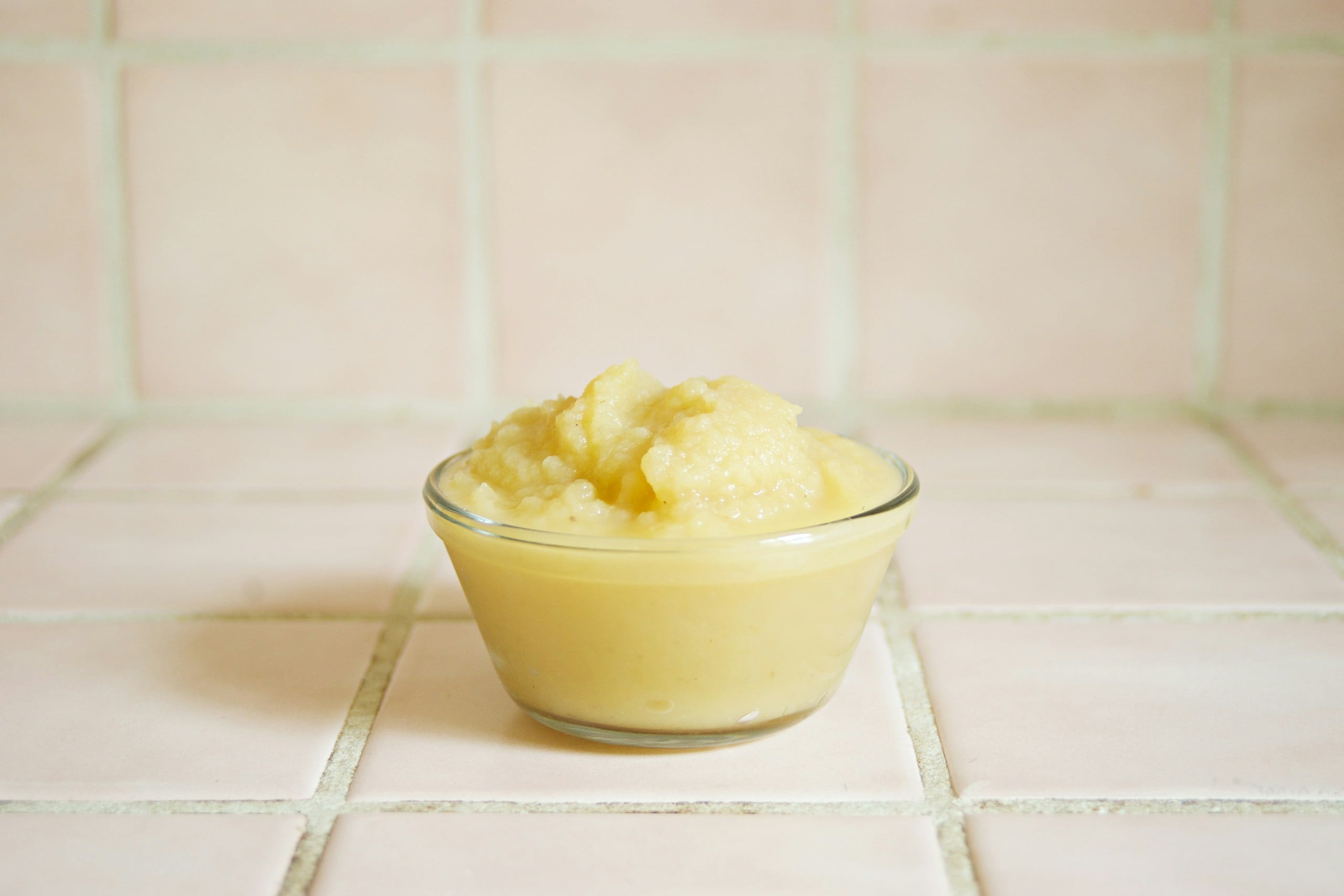
Use your measuring cups and spoons to get the exact applesauce amount (¼ cup for 1 egg, ½ cup for 2 eggs). Accurate measures are critical for consistent texture.
Step 2: Reduce Other Liquids Slightly
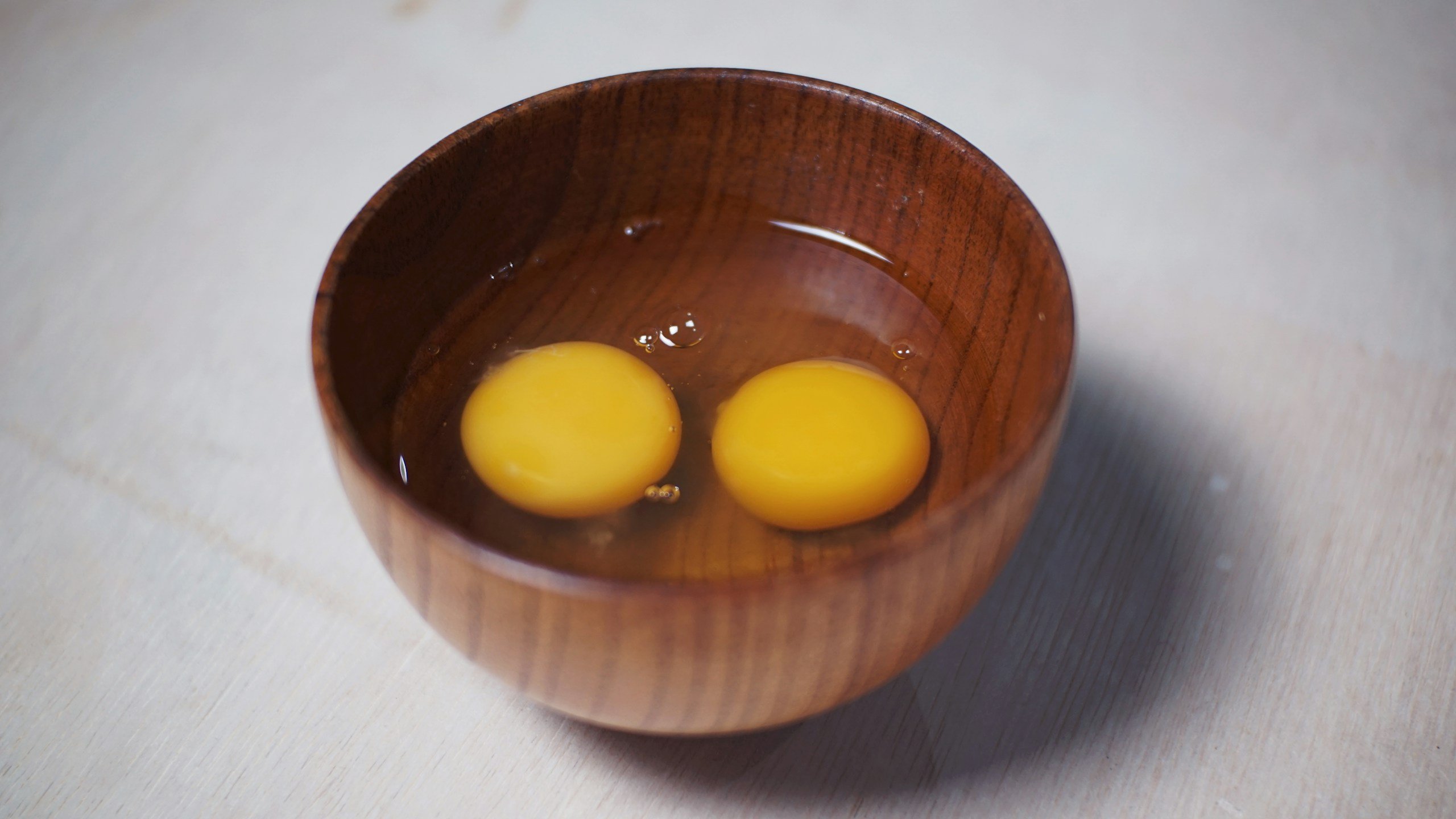
Applesauce adds moisture. Cut back on other liquids (like milk or water) by about 1–2 tablespoons per egg replaced to prevent overly wet batter.
Step 3: Mix Gently
Combine wet ingredients (including applesauce) in your mixing bowl first. Then add dry ingredients and stir with your silicone spoon until just combined, but avoid overmixing.
Step 4: Adjust Bake Time
Because applesauce can make batter more moist, the baking time may shift. Use your oven thermometer to confirm accurate oven heat and begin checking doneness a few minutes before the recipe’s stated time.
Step 5: Check Doneness Cues
Look for classic signals: spring-back on top, a clean toothpick or thermometer reading showing the center is set. That tells you your applesauce-substituted bake is ready.
Unsweetened vs Sweetened Applesauce
When you’re using an applesauce egg replacement, the type of applesauce you choose can change the way your baked goods turn out. Understanding this helps you keep flavor and texture predictable.

Why Unsweetened Is Preferred
Most baking recipes already call for a specific amount of sugar. Sweetened applesauce adds extra sweetness that’s not part of the plan, which can make muffins or cakes taste overly sweet. Using unsweetened applesauce keeps the flavor balanced and your results closer to what the recipe intended.
Sugar Adjustments
If you do use sweetened applesauce because it’s all you have, simply cut back on the added sugar in the recipe. A good rule is if you’re using sweets, reduce sugar by 1–2 tbsp per egg. This keeps the sweetness level where it should be without throwing off the texture.
Flavor Impact
Even unsweetened applesauce brings a mild fruit note. That can be pleasant in pancakes, muffins, and quick breads, but may not always fit delicate cakes where a clean taste is key. Think of applesauce as adding moisture with a hint of flavor rather than masking your recipe’s original taste.
Should you need more helpful advice on ingredient swaps and what works where, read our Top 10 Gluten Free Baking Tips. It’s full of practical guidance for getting texture and flavor right when changing up ingredients.
Applesauce vs Other Egg Substitutes
You now understand how applesauce performs on its own. At this point, it’s helpful to see it side-by-side with other common egg substitutes. This quick comparison helps you choose the best option for your recipe with clarity.
| Substitute | Best for | Texture | Flavor |
| Applesauce | muffins/cakes | Moist | Neutral |
| Flax egg | structure-focused bakes | slightly chewy | Nutty |
| Banana | brownies, quick breads | Dense | banana flavor |
| Yogurt | Cake | Tender | slight tang |
This table highlights the strengths and trade-offs of each option. For example, applesauce egg replacement keeps things moist with minimal flavor change. Meanwhile, a flax egg adds structure but brings a nutty note.
Quick Fixes for Common Issues When You Use Applesauce Egg Replacement in Baking
Even with a good applesauce egg replacement, things don’t always go perfectly the first time. If you run into problems, below is how to diagnose them.
Too Dense
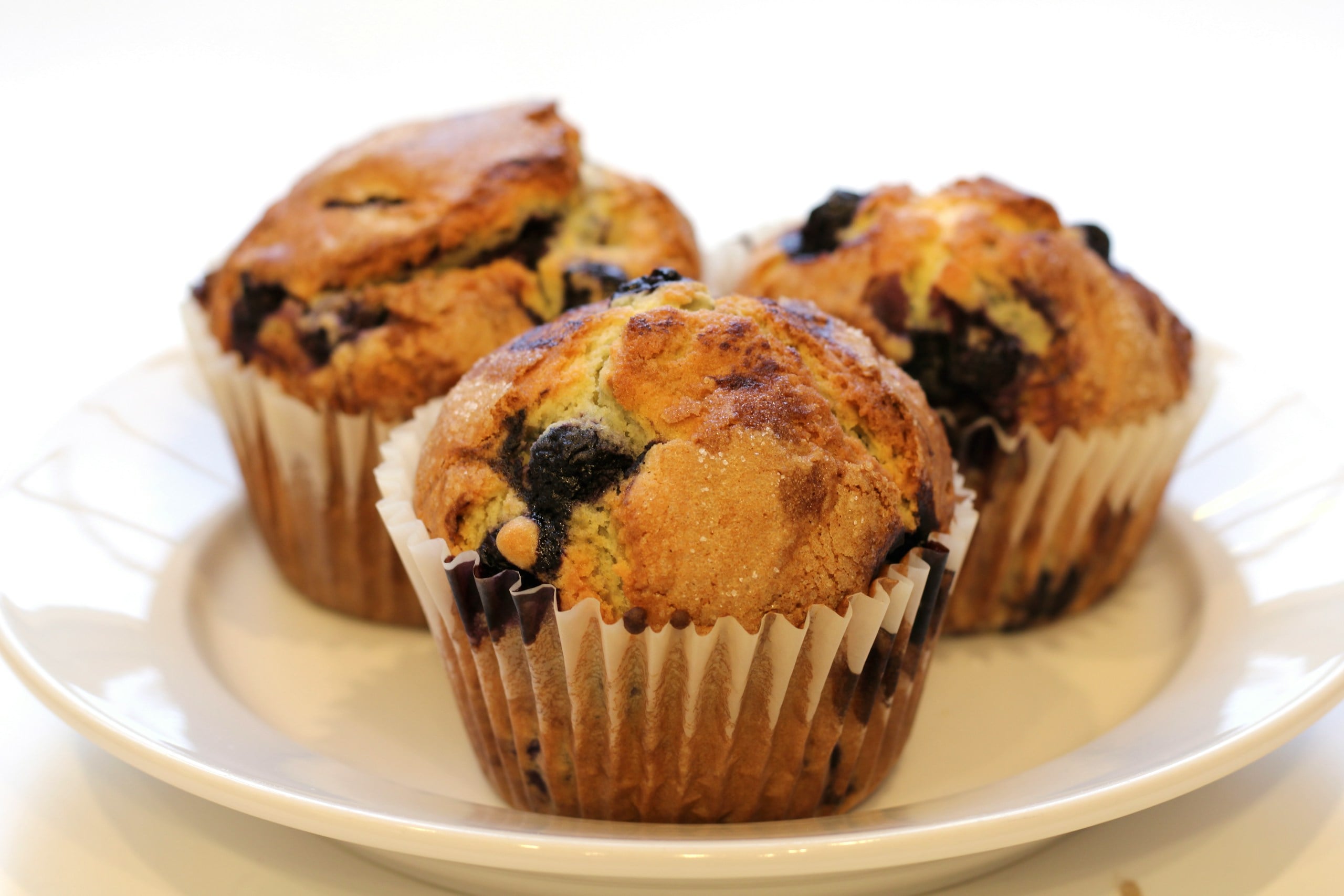
If your baked treats turn out heavy instead of light, it’s usually because applesauce doesn’t trap air the way eggs do. Overmixing after you add the dry ingredients can also squash the tiny air bubbles the leavening produces.
To fix this, mix gently and stop as soon as the ingredients come together. You can also experiment with adding a bit more leavening or pairing applesauce with another lift-friendly swap.
Gummy Center
A gummy or underdone center usually means the batter held too much moisture or didn’t bake long enough. Applesauce keeps things moist, so rely on doneness cues rather than the clock. Insert a toothpick or use an instant-read thermometer, and if it’s still wet in the middle, give it a few more minutes.
Didn’t Rise
When your bake doesn’t rise as expected, it’s often because there wasn’t enough structure and air in the batter. Applesauce adds moisture, but not the protein network eggs do. For recipes where rise matters, combine applesauce with additional leavening (like baking powder), or try a substitute that adds structure.
Too Wet
If the batter feels too runny after adding applesauce, that’s a sign of excess liquid. Applesauce naturally adds water, so simply reduce other liquids (like milk or water) slightly. Use about 1–2 tablespoons per egg replaced, and mix until the dry ingredients are just incorporated.
Pale Color
A pale bake isn’t a failure; it’s usually because applesauce doesn’t brown the same way eggs do. The Maillard reaction (browning) depends on protein and sugar, and applesauce has less protein than eggs. If a deeper color matters, try placing your pan a little higher in the oven or adding a touch more sugar to encourage browning.
Frequently Asked Questions About Applesauce Egg Replacement
By now, you’ve seen how applesauce can stand in for eggs and where it works best. But chances are you still have a few quick questions before you bake. Below are the most common questions people search for about applesauce egg replacement, and clear, simple answers you can use right away. Feel free to drop your questions in the comments below.
Can Adding Baking Powder Help When I Substitute Applesauce for Eggs?
Yes, adding a small amount of baking powder (about ½–1 tsp per ¼ cup applesauce) can help create lift and a lighter texture, especially in cakes and cupcakes.
Is Applesauce A Good Substitute If My Recipe Needs A Lot of Eggs?
Generally no. Applesauce works best for replacing 1–2 eggs. Beyond that, it can make baked goods too dense or gummy because it can’t replace egg protein for structure.
What If My Batter Needs To Rise A Lot?
Applesauce doesn’t trap air like eggs. For high-rise recipes, use alternatives like aquafaba for structure, or combine leaveners (like baking powder) to improve lift.
Does Substituting Applesauce Affect the Calorie or Fat Content?
Yes, applesauce is lower in fat than eggs, so using it as an applesauce egg replacement often reduces overall fat and calories in baked goods.
Quick Reference Chart
In this section is a simple, bookmark-ready table you can keep handy when you need a quick look at how to use applesauce egg replacement in your baking. It shows how many eggs you can swap, how much applesauce to use, which baked goods it works best in, and what to expect so you get great results fast.
| Eggs Replaced | Applesauce Amount | Best Recipes | Notes |
|---|---|---|---|
| 1 | ¼ cup | Muffins, quick breads | Moist and tender, mild flavor |
| 2 | ½ cup | Cakes, brownies | Slightly dense, still moist |
| 3 | ¾ cup | Dense desserts | Risk of gummy/heavy texture |
| 4+ | Not recommended | — | Likely collapse, not enough structure |
Related Baking Substitutions
Do you want to explore even more ways to swap ingredients and keep your baking flexible and foolproof? These are some helpful internal resources you can follow next:
- If you’re looking beyond applesauce for egg swaps, check out our complete guide to vegan egg substitutes that walks through dozens of options and how they perform in different recipes.
- Would you like to know ingredients that replace dairy like milk, buttermilk, or butter? Our How to Make the Best Dairy-Free Buttermilk Substitute guide discusses easy swaps and what they do in your batter or dough.
- If your baking is gluten-free or you just want smarter swap strategies, browse our baking help & tips archive for flour swaps and texture fixes.
Mastering substitutions gives you full control over your baking, so you can adjust recipes without sacrificing flavor or texture.
Let’s Hear From You!
Baking is all about results, experiments, and sharing what you learn. If you tried this applesauce egg replacement in your own kitchen, we want to hear how it turned out in the comment section.
Did your muffins stay moist? Did your cake texture change? Or do you have a go-to swap we didn’t mention? Share your baking results, questions, or substitution experiences below. Your tips might help the next baker!
Tell us what you baked and how it turned out.