Let’s be honest.
Most gluten-free cornbread dressing turns into one of two things:
Dry crumbles… or soggy pudding.
Table of Contents
And when you’re hosting, whether it’s Thanksgiving, Christmas dinner, Easter brunch, a cozy Sunday family meal, or a Friendsgiving potluck, that’s a gamble you don’t want to take.
Holiday tables already come with enough pressure. You’re timing the oven, juggling side dishes, and hoping everything lands hot and delicious at the same time. The last thing you need is a gluten-free dressing that falls apart, turns gummy, or sits untouched on the buffet.
This gluten-free cornbread dressing was designed differently. It’s perfectly moist but scoopable. Savory, balanced, and structured, not mushy. It delivers that classic Southern holiday flavor everyone expects, but it’s completely gluten-free and reliable every single time.
Want our human-written content to rank above AI-generated garbage? Help us out by clicking this button!
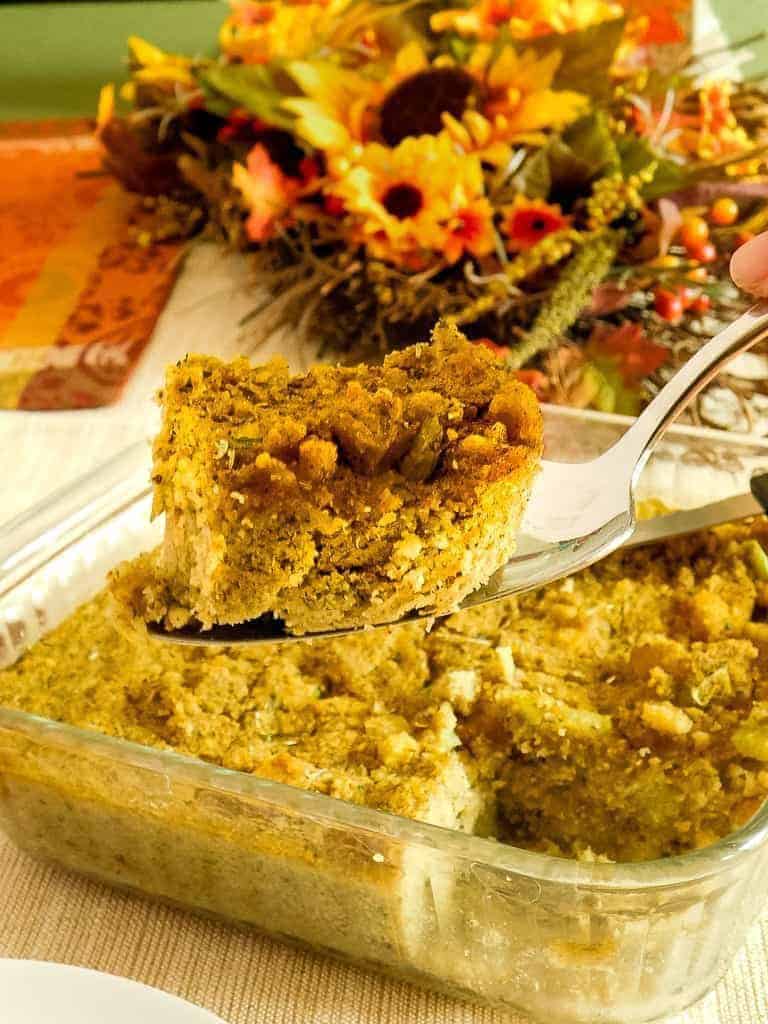
In this guide, you’ll learn exactly what makes gluten-free dressing succeed every time, with clear tips for moisture control, texture cues you can trust, and foolproof make-ahead and storage advice.
Why This Gluten-Free Cornbread Dressing Works Every Time
Gluten-free cornbread dressing isn’t an ordinary, simple swap of flours. The absence of gluten basically changes how the base behaves in the dressing, which is why moisture balance and texture are critical to get right.
In traditional wheat-based recipes, gluten proteins form a cohesive, elastic network when hydrated and mixed. This network traps air, provides structure, and helps the dish hold its shape as it bakes and cools.
On the other hand, in gluten-free batters and doughs, that key structural protein network is absent, so nothing naturally ties the ingredients together in the same way.
Because there’s no gluten structure:
- The mixture crumbles faster and is less cohesive than a wheat-based dough, which can make it fall apart if not properly balanced.
- Gluten-free flours and starches have different hydration characteristics, so they absorb liquid differently, often requiring more water or broth to achieve the same moistness.
- Without the elasticity gluten provides, gluten-free mixtures lean toward a batter-like consistency rather than a stretchy dough, making the interplay between liquid and dry ingredients especially important.
Because of these differences in structure and hydration behavior, moisture balance is critical. Too little liquid and the dressing will be dry and crumbly; however, too much will make it gummy. Getting this balance right, along with the right mix of binders (like eggs) and fats, is what makes a gluten-free dressing succeed in both texture and flavor.
Quick Ingredient Snapshot
Making this gluten-free cornbread dressing requires a handful of simple, flavor-building ingredients:
- Gluten-free cornbread cubes
- Eggs
- Broth (vegetable or chicken)
- Onion + celery
- Herbs & seasonings (sage, rosemary, parsley, salt, pepper)
- Butter or oil
The full measurements and detailed ingredient notes are in the recipe card below.
Ingredients & Substitutions
Preparing consistent, flavorful gluten-free cornbread dressing is about what you use and why you use it. Below is a breakdown of key components, seasonings, and smart alternatives so you avoid common texture and flavor mistakes that often plague gluten-free holiday sides.
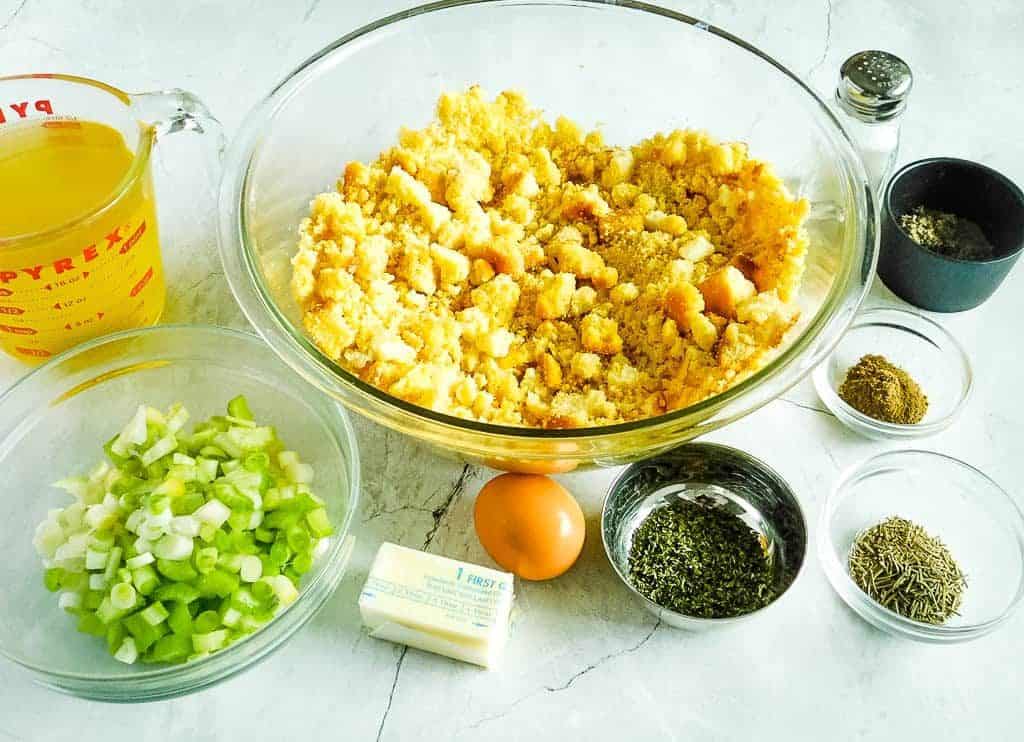
Each key ingredient plays a specific role in building flavor and structure, so understanding why they matter is essential to getting the texture just right.
Gluten-Free Cornbread Cubes
Cornbread is the foundation of dressing. It soaks up broth and seasonings, but gluten-free cornbread absorbs liquid differently, so the texture depends heavily on balance.
If you want your dressing to turn out perfectly every time, it begins with the cornbread. Here’s how to make gluten-free cornbread with the right moisture and crumb for baking into savory dishes.
Eggs
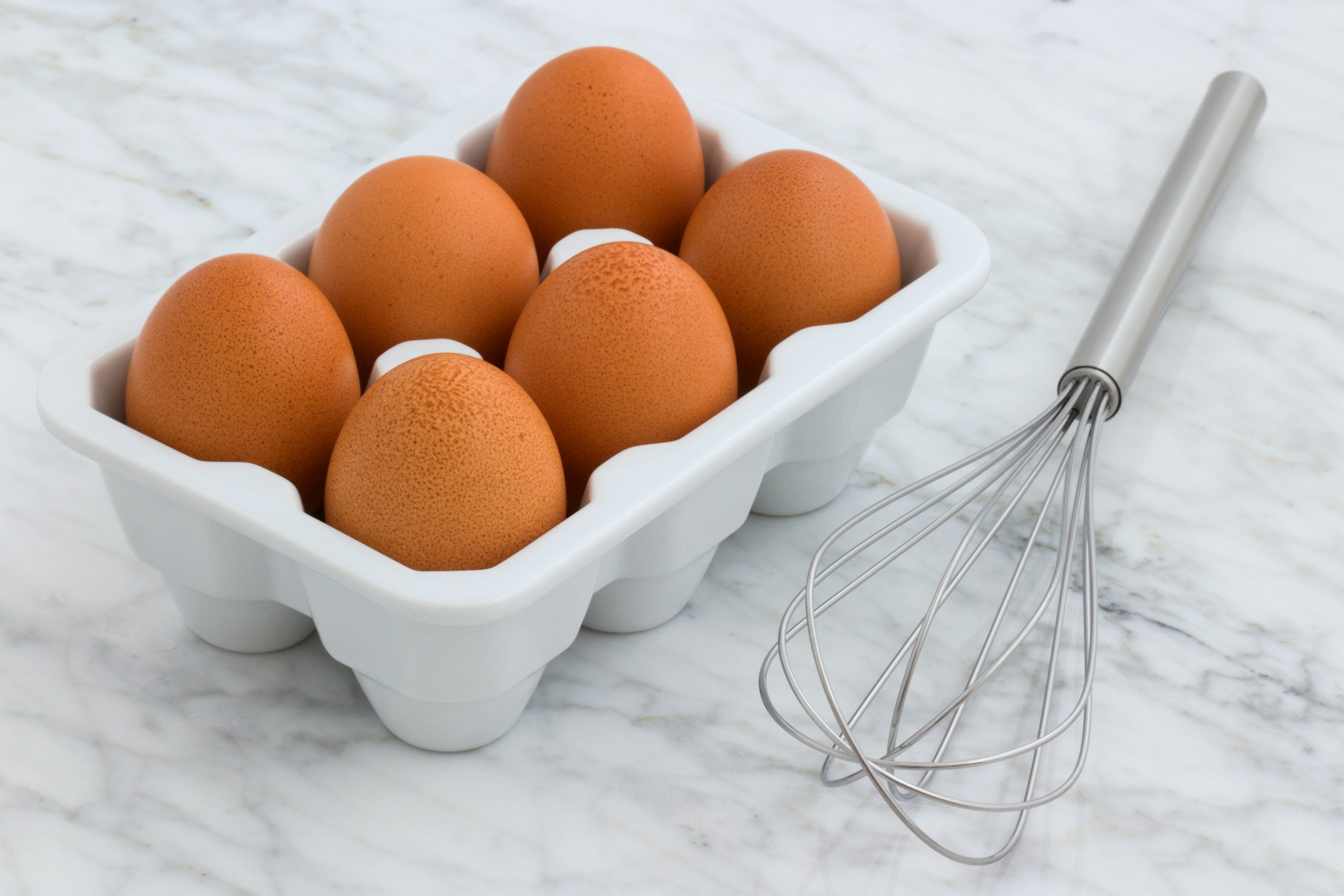
Because gluten-free cornbread lacks the structural network wheat provides, eggs are essential for holding the dressing together so it doesn’t fall apart when served.
Broth
The right amount of broth keeps the dressing moist without turning it gummy. Using low-sodium chicken or vegetable broth helps control seasoning and enriches the overall profile.
Fat (Butter or Oil)
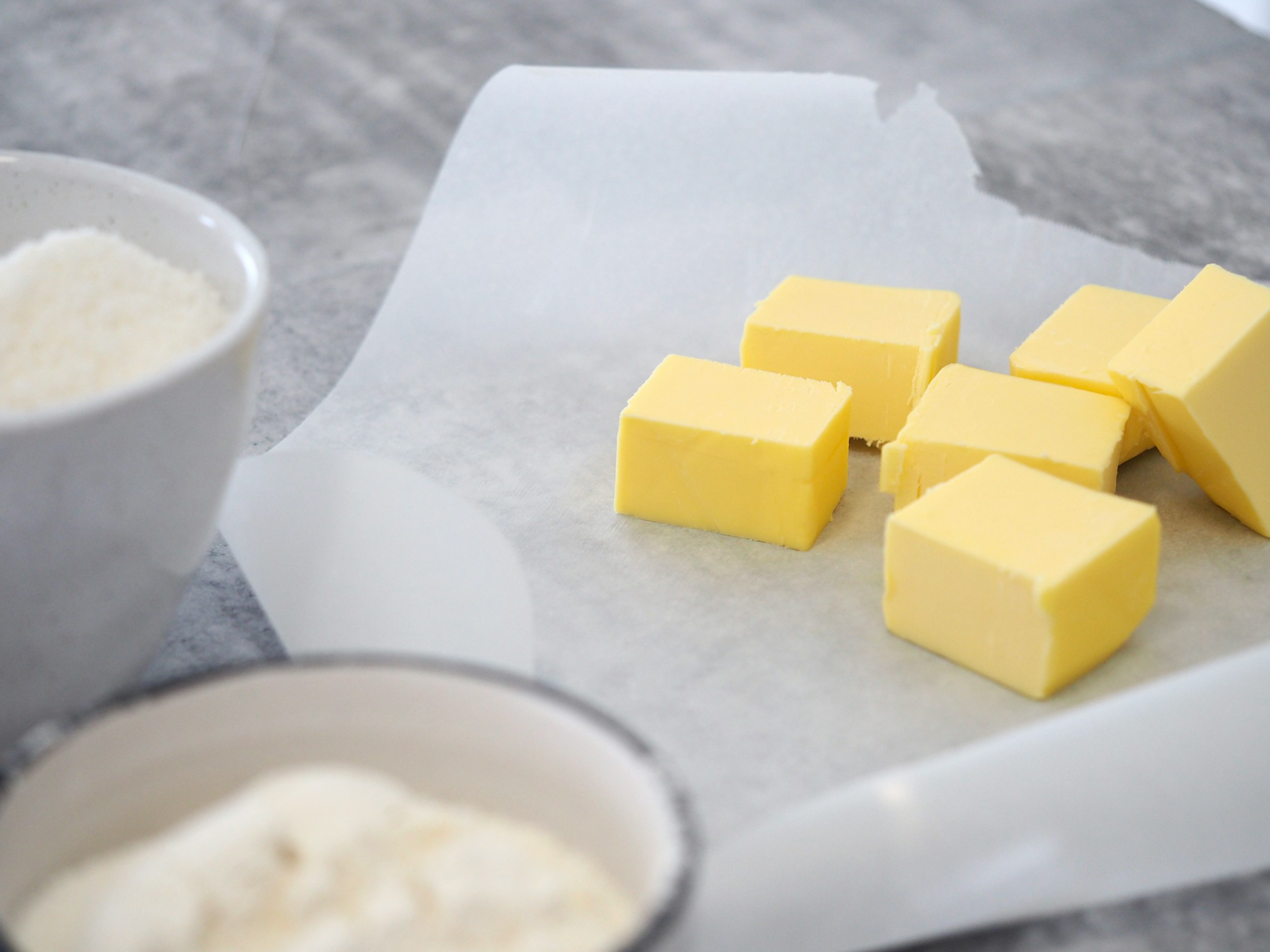
Fat coats the cornbread cubes and aromatics, helping them absorb liquid evenly. In addition, it enriches mouthfeel and prevents a dry final dish, which is a common issue in gluten-free versions.
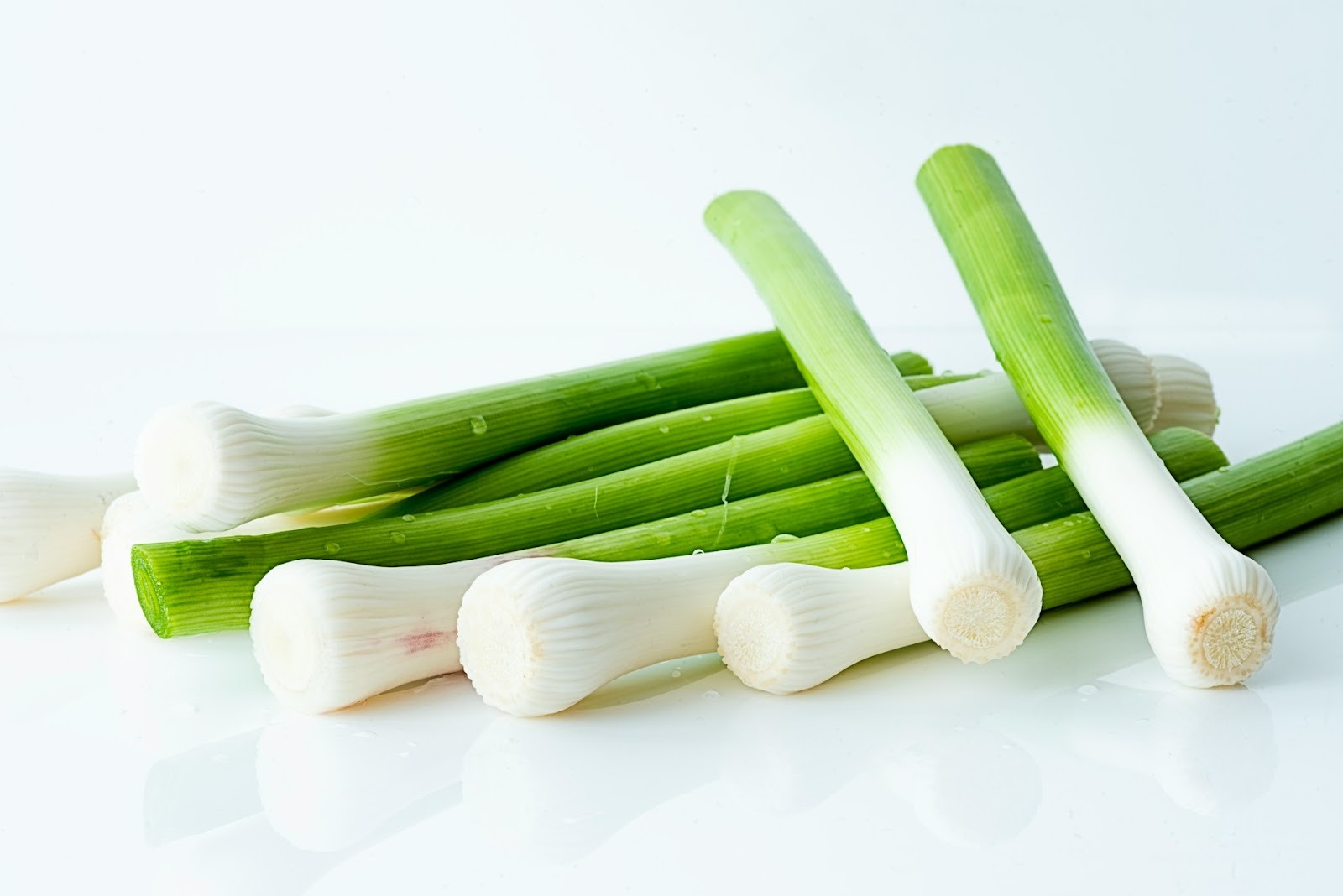
Aromatics (Onion + Celery)
Sautéed onions and celery add savory complexity and aroma, balancing the starchiness of the cornbread. Undercooked aromatics can cause raw onion bites or flat flavor.
Herbs & Seasonings (Classic Flavor Lift)
Seasonings are what elevate this from “just bread and broth” to a lovely holiday side; they’re worth getting right.
- Sage: Earthy warmth that’s traditional in dressing
- Thyme + Rosemary: Herbal brightness and complexity
- Parsley: Fresh lift
- Salt & Black Pepper: Essential seasoning backbone
- Optional Paprika or Poultry Seasoning: Subtle warmth and nuance
Smart Substitutions
Even with a basic ingredient list, you may need to adapt based on dietary needs or what you have on hand. These swaps keep the texture and flavor intact without derailing the recipe.
Dairy-Free Swaps
- Use neutral oil (like avocado or light olive oil) instead of butter for sautéing and richness.
- Use unsweetened dairy-free buttery spreads instead of butter, and make sure the spread doesn’t contain added water or sweeteners.
Egg Alternatives (If Viable)
- A flaxseed egg (1 tbsp ground flax + 3 tbsp warm water, rested) can help bind, but egg substitutes won’t provide quite the same lift or structure as real eggs in this dressing.
- Silken tofu blended with a bit of baking powder sometimes helps with structure, but test for your specific mix.
Broth Options
- Chicken, turkey, or vegetable broth all add moisture and flavor.
- If you need richer depth, a low-sodium bone broth works well.
- Avoid overly salty broth; it’s hard to fix over-seasoning once the dressing is mixed.
Seasoning Adjustments
- If you don’t have fresh herbs, dried herbs are fine. Just use about one-third the amount of dried vs fresh.
- Poultry seasoning can replace individual sage/thyme/rosemary blends in a pinch, but start lighter and taste.
No Substitute Note
Gluten-free cornbread cubes are essential. Using straight GF sandwich bread changes the texture and moisture absorption. While you can mix in some bread in a pinch, the result will be noticeably different.
Do you need more insights into how gluten-free ingredients interact and why substitution choices matter? Our printable guide to gluten-free baking covers tips and troubleshooting that are useful when adjusting recipes such as this.
Gluten-Free Cornbread Dressing Printable Recipe Card
Ingredients
- 3 tbsp butter or oil
- 2 ribs celery diced
- 1 large onions chopped
- 1 tsp sage fresh
- 1 tsp fresh parsley chopped
- 1 tsp salt
- 3 large egg slightly beaten
- 3 cups vegetable or gluten-free broth
- ½ tsp ground black pepper
- 1 Tbsp. thyme fresh
- 3 cloves garlic minced
- 8 cups gluten-free cornbread cubed and dried (day-old or even oven-dried)
Instructions
- Preheat your oven to 350 F. Grease an 8" x 8" glass baking dish with butter or spray with cooking spray. Set aside.
- Heat a large sauté pan over medium heat. Melt the butter in the pan and add the onions and celery. Cook until the onions are softened and translucent, about 5-7 minutes.
- Remove from heat and let cool slightly.
- In a large bowl, add the dried cornbread crumbles, seasonings, salt and the sautéed aromatics. Combine until mixed.
- Add in the eggs and 1 cup of the broth. Mix well and let stand for 1 -2 minutes, until the mixture has absorbed the broth.
- Mix in another 1 cup of broth and let the mixture sit for another 1 – 2 minutes.
- If needed, add the last 1 cup of broth. The mixture should look very wet and a bit soupy.
- Place the stuffing mixture into the prepared baking dish.
- Bake for about 30-35 minutes or until it’s golden brown on top. Start checking at 30 minutes.
- A knife inserted in the top should feel slightly crusty.
- Let it rest for 10 minutes before serving so the dressing firms up and holds shape.
Notes
- Dry the Cornbread: Use cornbread baked at least a day before or oven-dry the cubes at low heat to prevent mushiness.
- Broth Control: Add broth gradually because too much liquid will make the dressing gummy. Meanwhile, too little liquid will make it dry.
- Herb Balance: Fresh herbs will brighten the dish. If you choose to use dried, reduce the quantity slightly.
- Texture Clues: The mixture should be moist and cohesive, not wet or soupy, before baking.
Nutrition Estimate (Per Serving, Approximate)
Nutrition can vary widely based on brands and ingredient choices. The following is a reasonable estimate based on similar published gluten-free cornbread dressing recipes and nutrition data:- Calories: ~280–320 kcal per serving
- Total Fat: ~14–18 g
- Saturated Fat: ~5–8 g
- Cholesterol: ~80–110 mg
- Sodium: ~700–900 mg
- Carbohydrates: ~30–40 g
- Fiber: ~2–4 g
- Sugar: ~3–7 g
- Protein: ~8–12 g
Nutrition
Quick Baking Success Checklist
Before sliding your gluten-free cornbread dressing into the oven, take 30 seconds to double-check these small details. These quick checks prevent almost every common texture mistake.
- Cornbread cubes are day-old, air-dried, or lightly toasted
- Aromatics are fully softened, not raw
- Broth added gradually, not all at once
- Mixture looks moist and cohesive, never soupy
- Pan isn’t overfilled (leave room for airflow)
- Rest time planned for at least 10 minutes after baking
If all six look right, your dressing is set up for a moist, scoopable texture instead of dry or gummy results.
The Right Cornbread Makes All the Difference
Choosing the right gluten-free cornbread base is a big determinant of success for this cornbread dressing. The texture, sweetness level, and dryness of the cornbread all influence how the dressing absorbs liquid and holds together.

Homemade vs Store-Bought
Although store-bought gluten-free cornbread or boxed mixes can work in a pinch, most commercially available options are too sweet or cake-like for savory dressing. Sweet cornbread can clash with savory herbs and broth, leaving the final dish tasting off-balance.
For this reason, many cooks prefer to make homemade gluten-free cornbread that’s lightly seasoned and not overly sweet. That’s because it yields a sturdier base that absorbs broth without becoming mushy.
However, if you do choose a store-bought option, look for one with minimal sugar and a savory profile, or consider using a gluten-free cornbread mix designed for savory applications.
Sweet vs. Savory Cornbread for Dressing (What Works Best?)
The debate between sweet and savory cornbread is especially important for dressing. Sweet cornbread, like many boxed mixes, was originally made as a standalone side rather than a base for a savory casserole. In the context of dressing, sweetness can compete with herbs, broth, and aromatics instead of complementing them.
Meanwhile, savory cornbread (whether homemade or selected from a specialty gluten-free brand) keeps the dressing’s flavor profile cohesive and prevents the sweetness from distracting from the herbs and broth.
How Dry Should It Be?
For gluten-free cornbread dressing, the cornbread should be dry and firm enough to hold its shape when soaked with broth. Fresh, soft cornbread tends to get soggy too quickly, which leads to a gummy texture instead of the tender, cohesive bite you want.
To achieve the best dryness, do the following:
- Let the homemade cornbread cool completely after baking.
- Ideally, cube it and let it air-dry overnight.
- Or briefly toast the cubes in a low oven until they’re lightly firm but not rock hard.
This helps the cubes absorb the right amount of broth without collapsing into mush.
Why Day-Old or Toasted Works Best
Whether you bake your own cornbread or use a savory gluten-free store version, let it age for a day to improve texture. Toasting the cubes also helps them dry enough to absorb broth without turning mushy.
Fresh, moist cornbread absorbs broth too quickly and can become pasty. However, day-old or pre-toasted cubes absorb more broth evenly and contribute to a balanced final texture.
How This Recipe Prevents Dry or Mushy Dressing
This gluten-free cornbread dressing succeeds where many others fall short because it gets the texture and structure right from the start. Instead of guessing, this recipe is built around proven functional elements that create a moist, cohesive, flavorful side every time.
- Balanced Liquid Ratio: Combining just the right amount of broth with the dried cornbread cubes ensures the dressing is tender without turning gummy. However, adding too much or too little liquid is the most common mistake in gluten-free dressings.
- Eggs for Structure: Eggs act as a binder in the absence of gluten, helping the mixture hold together and slice cleanly once baked. Recipes that skip this often turn out soggy or crumbly rather than cohesive.
- Pre-Toasted Cubes: Drying or toasting cornbread cubes before assembly helps them absorb liquid evenly and prevents mushy pockets. This simple prep step dramatically improves texture.
- Resting Time: Allowing the baked dressing to rest helps it finish setting up so it holds shape when served, reducing loss on the platter and boosting mouthfeel.
Step-by-Step Instructions
The goal of these instructions isn’t just to tell you what to do. It’s to show you what to look for, so you can recognize proper textures, smells, and visual cues at every stage of the process.
Each step below gives simple actions paired with sensory cues so you can confidently work through the recipe. You’ll recognize the right texture, smell, and doneness at key moments.
Step 1: Prep the Cornbread
Start by cutting your gluten-free cornbread into bite-sized cubes (about ½–¾-inch). Spread them in a single layer on a baking sheet and let them air-dry or toast briefly in the oven until they feel firm and slightly dry to the touch.
The cubes should be dry but not hard as rocks, so they’ll absorb broth evenly without turning mushy later.
Step 2: Sauté Aromatics
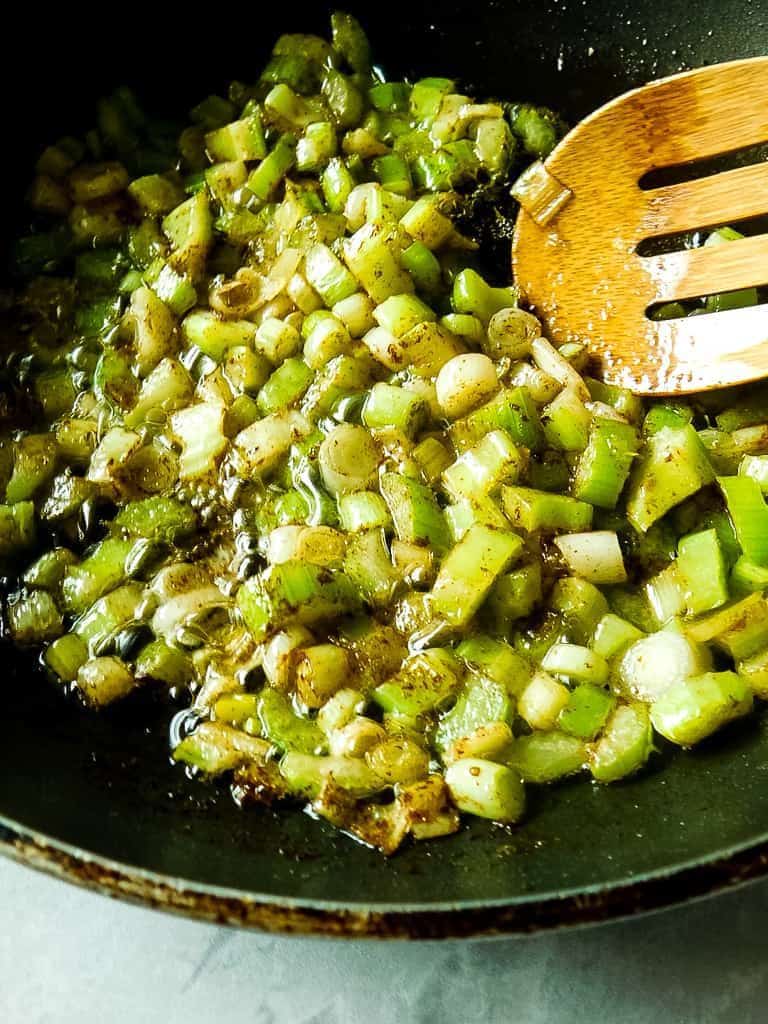
Heat butter or oil in a skillet over medium heat until shimmering. Then, add the chopped onion and celery.
Watch and smell for the following cues:
- The vegetables should soften and become translucent after about 5–7 minutes.
- You’ll notice a rich, savory aroma as the onion and celery cook.
- If the aromatics start browning too fast, lower the heat, because you want them tender, not charred.
These softened aromatics build the base flavor for the dressing.
Step 3: Mix
In a large bowl, combine the pre-toasted cornbread cubes and the sautéed aromatics.
Now add:
- Beaten eggs
- Seasoned broth
- Herbs and spices
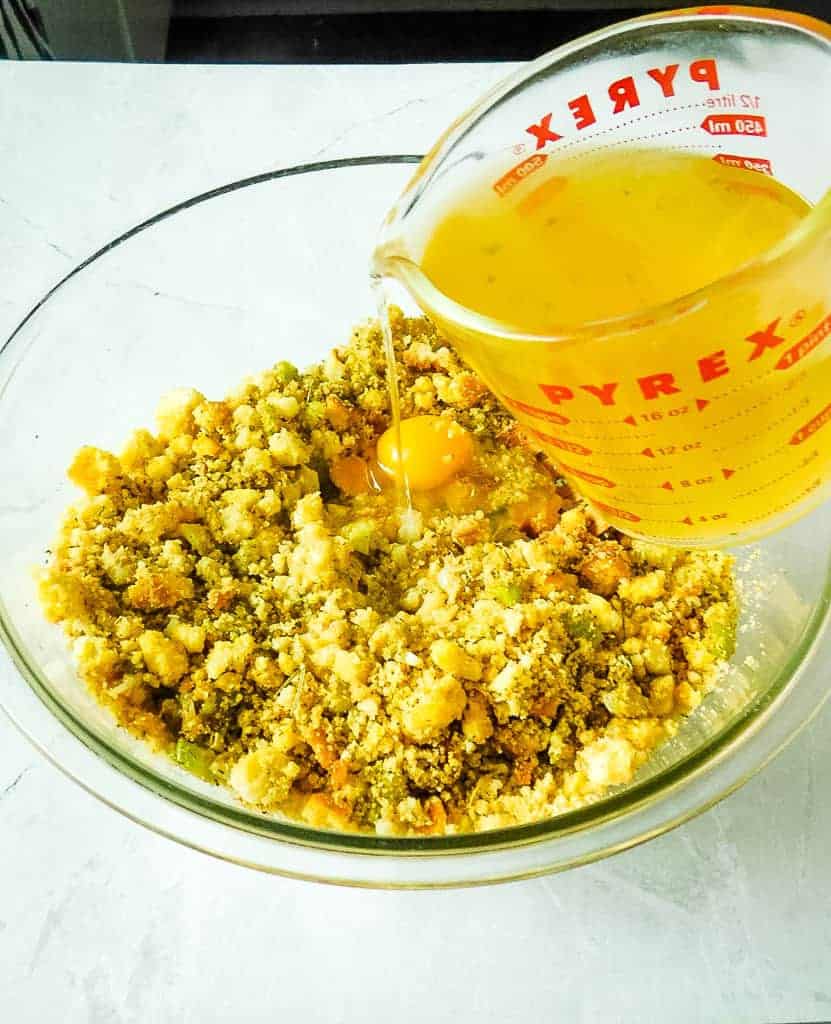
The mixture should be moist and cohesive, like a well-hydrated batter that holds together when you press it gently.
If it looks too dry, add a splash more broth.
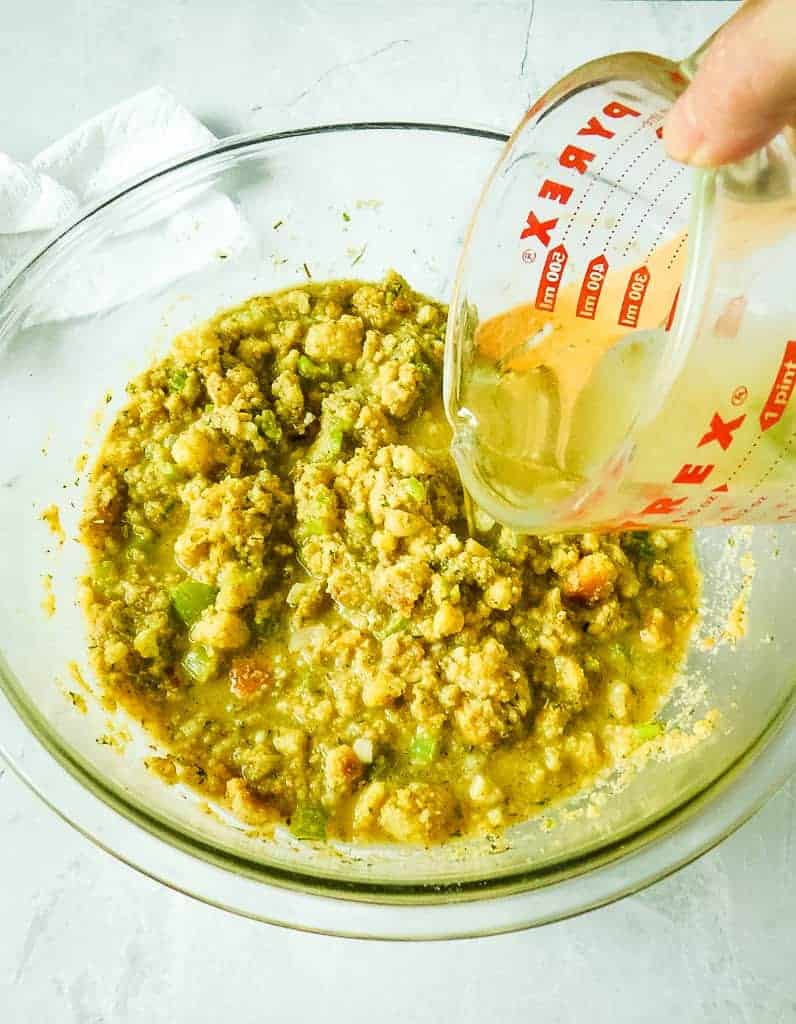
But if it looks too wet or soupy, it will become gummy; on that note, add a few more dry cubes.
You’re aiming for a texture that’s fully but evenly moistened, not swimming in liquid.
Step 4: Bake
Transfer the moistened mixture to your prepared baking dish.
Pay attention to the following baking cues:
- Pan Size: A standard rectangular or square casserole dish (about 9×13 in) works well for even baking.
- Temperature: Bake at 350 °F (175 °C).
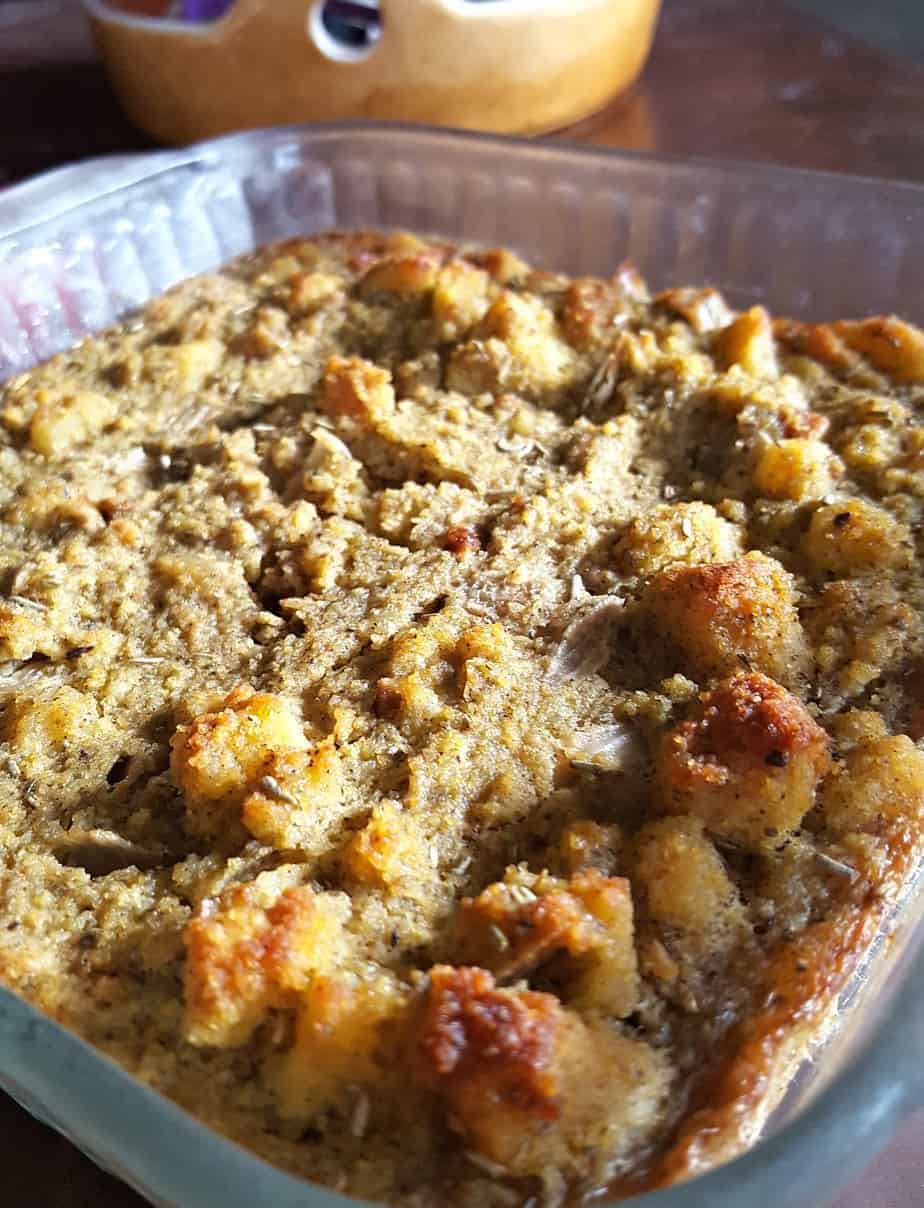
- Center-Set Cues: The center should look set and spring back lightly when you touch it.
- Edge Browning: Edges should be lightly golden, not burnt.
What you should aim for is a tender interior with a slightly crisp top and edges. This is a visual cue that the moisture balance and structure are right.
A non-stick bread loaf or casserole dish can make transferring and serving easier, and promote even heat distribution.
Step 5: Rest
When the dressing comes out of the oven, resist the urge to dig in immediately.
These are the reasons why letting the dressing rest matters:
- Resting for about 10 minutes lets the interior finish setting up.
- It improves sliceability and mouthfeel because the dressing holds together better and isn’t liquid-like in the center.
This is the final finishing touch as it lets steam redistribute, proteins firm up, and flavors settle.
The Best Baking Dish for Cornbread Dressing
The pan you use directly affects texture. Too shallow and the dressing dries out; too deep and the center can stay gummy.
- Glass or Ceramic: Most forgiving, even heating, golden edges
- Metal: Browns faster, crispier top (watch closely)
- Deep Casserole Dishes: hold moisture better
- Very Shallow Pans: Dry out quickly
A standard 9×13-inch casserole dish about 2 inches deep gives the best balance of moist interior and lightly crisp edges. Greasing well also helps clean slices and makes serving easier.
What Proper Texture Looks Like
Knowing how gluten-free cornbread dressing should feel and look helps you avoid common pitfalls and better judge doneness as it bakes.
Moist but Scoopable
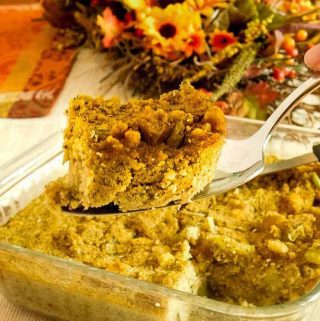
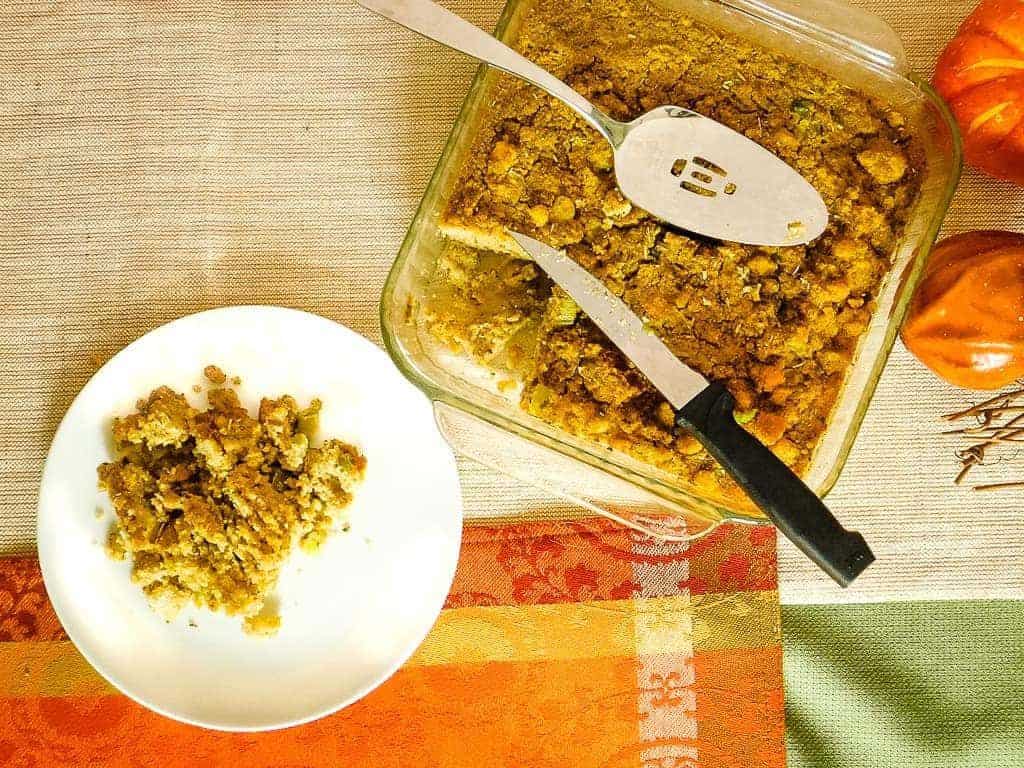
A good gluten-free dressing should be tender and evenly hydrated, not dry or crumbly. When you scoop a portion, it should hold together without falling apart. That’s a sign the liquid ratio and binder worked well.
Not Pudding-Like
This side should never be soupy or wobbly like pudding. If it looks too wet in the center or pools liquid when cut, it needs more baking time. Edges that turn lightly golden and a springy center are visual cues that it’s almost ready.
How It Firms as It Cools
Allow the dressing to rest for about 10 minutes after baking. As it cools, steam redistributes, and the texture sets up so the dish holds its shape and slices cleanly when served.
For detailed troubleshooting on gluten-free texture, we have a guide that offers practical tips for getting the right crumb and moisture balance.
How to Customize This Dressing for Any Occasion
Once you’ve mastered the basic gluten-free cornbread dressing, you can customize it to your taste or meal context. These variations add flavor and versatility without derailing texture or moistness.
Sausage Cornbread Dressing
Add cooked, crumbled sausage to the mix before baking for a hearty, savory boost that pairs beautifully with herbs and broth. This classic protein add-in turns the dressing into a more substantial side.
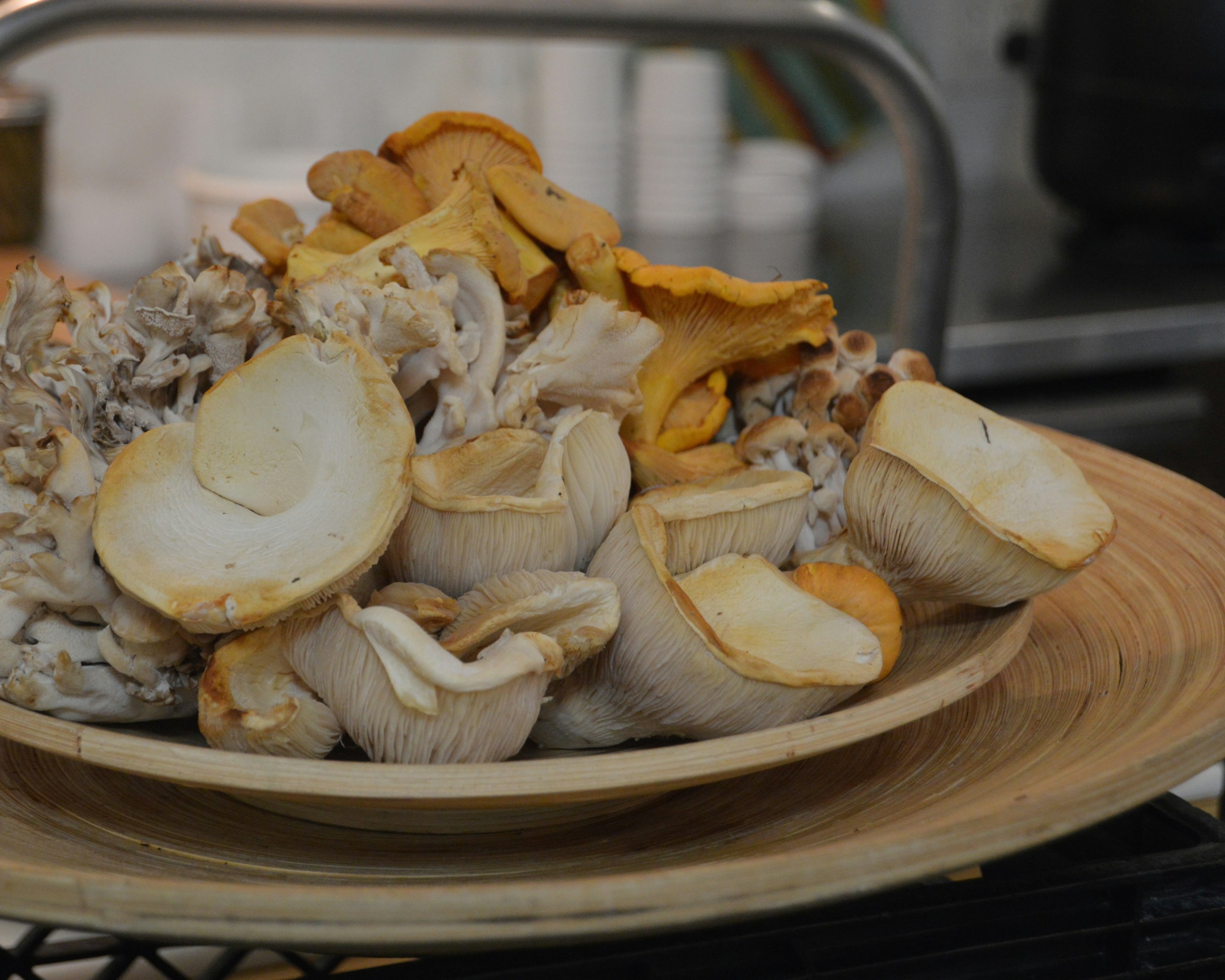
Mushroom & Herb Vegetarian
Sautéed mushrooms, fennel, or additional herbs like rosemary and thyme make a flavorful vegetarian twist that deepens umami while staying plant-forward.
Dairy-Free Version
Swap butter for oil or a dairy-free spread, and ensure the broth you use is dairy-free to keep the dressing suitable for dairy-sensitive diets.
Southern-Style & Extra Savory
Boost the flavor with extra sage, black pepper, or even a splash of poultry seasoning for a Southern-inspired profile that complements roasted turkey or chicken.
Make-Ahead, Storage & Freezing Guide
Planning ahead can save you stress on busy meal days, and gluten-free cornbread dressing is especially well-suited to be made ahead, stored, and even frozen with good results when done right.
Make-Ahead Timeline (Stress-Free Plan)
If you’re cooking for a holiday or gathering, spreading out the prep makes everything easier.
1–2 Days Before
- Bake or buy gluten-free cornbread
- Cube and dry overnight
Night Before
- Chop vegetables
- Sauté aromatics
- Assemble dressing
- Cover and refrigerate
Bake Day
- Add a splash of extra broth if needed
- Bake fresh
- Rest 10 minutes before serving
Make 1 Day Ahead
Assemble the dressing up to a day before baking and cover it tightly in the refrigerator. This lets the flavors meld and saves time on the day you need it most; then simply bake when ready to serve.
Fridge Storage
Once baked and cooled, transfer leftovers to an airtight container. Properly stored, it will keep safely in the refrigerator for 3–5 days.
Reheat Method
To revive refrigerated dressing, cover with foil and heat in a 325 °F oven until warmed through, for about 15–25 minutes. Uncover it for the last few minutes if you want a crispier top to restore texture rather than steaming it soggy.
Freezing Tips for Gluten-Free Texture
Cool the dressing completely before freezing in airtight bags or containers. Proper freezing slows microbial growth and extends shelf life. Meanwhile, quick freezing helps minimize ice-crystal damage that can affect texture in gluten-free foods. Thaw it overnight in the refrigerator before reheating for best results.
How Much Cornbread Dressing Per Person? (Serving Guide)
Next, make sure you’re baking enough. Gluten-Free Cornbread Dressing is a holiday side that people always go back for, so underestimating portions is common.
Plan for ¾–1 cup per person, depending on the size of your spread.
| Guests | Serving Needed | Pan Size |
|---|---|---|
| 4-6 | 1 batch | 9×9 |
| 8-10 | 1½ batches | 9×13 |
| 12-15 | 2 batches | Two pans |
| 18-20 | 3 batches | Larger roaster |
Frequently Asked Questions
Here are quick answers to common questions about gluten-free cornbread dressing to help you avoid mistakes and cook with confidence. Making this for a special gathering and want to double-check something? Ask in the comments, I’m here to help it turn out perfectly.
Can I make This Ahead?
Yes, you can assemble the unbaked dressing and refrigerate it for up to 24 hours before baking. Cover it tightly so it doesn’t dry out.
Can I Use Boxed Gluten-Free cornbread?
You can, but choose one with minimal sugar and savory notes; overly sweet boxed cornbread can clash with the savory herbs and broth.
Why Is Mine Crumbly?
Crumbly dressing usually means not enough moisture or binder. Try adding a bit more broth or another beaten egg
Is There A Slow Cooker Option?
Yes, you can cook gluten-free cornbread dressing in a slow cooker on low for several hours, but it won’t brown unless finished under a broiler.
What’s the Difference Between Dressing and Stuffing?
Technically, stuffing is cooked inside the bird, while dressing is baked separately; the recipes are otherwise similar.
This is technically a “dressing,” not stuffing, because it’s baked outside the bird. Cooking stuffing inside poultry can increase food safety risks unless the center reaches 165°F. Baking it separately gives you better texture control and is safer for hosting.
How Do I Keep It Moist?
Dry cornbread cubes and gradual broth addition help ensure moisture without sogginess. Therefore, add liquid a little at a time while mixing.
Related Sides & Gluten-Free Favorites
Serve your gluten-free cornbread dressing with other crowd-pleasing sides to complete any holiday or family meal:
- Best Gluten-Free Cornbread: A tender, fluffy cornbread recipe that makes the perfect base for dressing and any meal.
- Flourless Gluten-Free Cornbread: Try this unique, flour-free cornbread variation for a different texture alongside savory sides.
- Almond Flour Cornbread: A flavorful gluten-free quick bread that works beautifully as a side or bread course.
- Gluten-Free Stuffing with Sausage: For a heartier holiday plate, this cornbread-based stuffing adds savory protein and aromatics.
- 5 Gluten-Free Bread Recipes Collection: Explore a variety of gluten-free breads that pair well with sides and mains.
Your Turn: How Did It Go?
We’d love to hear about your experience making this gluten-free cornbread dressing!
- Did you use sweet or savory cornbread?
- Did you prepare ahead?
- How moist did yours turn out?
Your comments help other cooks understand what to expect and how to tweak the recipe for their own kitchens.