Gluten-free French toast casserole sounds easy—until it comes out soggy in the middle, dry on top, or so eggy that nobody reaches for seconds.
This version fixes the usual problems before they happen. Sturdy gluten-free French bread is dried, soaked overnight in a cinnamon-vanilla custard, then baked over a buttery brown sugar layer that turns lightly caramelized on the bottom while the top gets golden and crisp.
Table of Contents
Prep it the night before, let the fridge do the hard work, and bake it fresh in the morning. It’s dairy-free, gluten-free, make-ahead friendly, and perfect for Christmas morning, Easter brunch, overnight guests, or any weekend when flipping individual slices of French toast sounds like too much work.
Why You’ll Love This Recipe
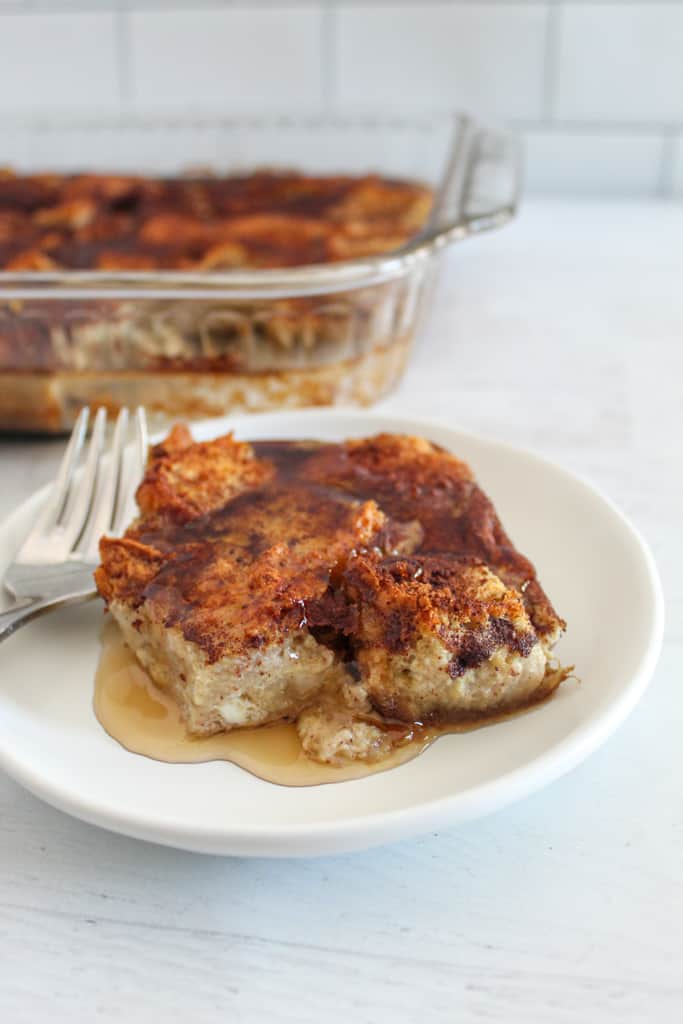
This gluten-free French toast casserole gives you all the cozy flavor of classic French toast without standing at the stove flipping slices one by one. Prep it the night before, let the bread soak up the cinnamon-vanilla custard, and bake it fresh in the morning.
- Easy to make ahead: Assemble it the night before for a low-stress breakfast or brunch.
- Soft, custardy center: The overnight soak gives the bread time to absorb the custard evenly.
- Golden, sweet topping: The top bakes up warm and cinnamon-sugary, while the brown sugar layer adds a lightly caramelized bottom.
- Gluten-free and dairy-free: It tastes rich and cozy without regular bread or dairy.
- Great for holidays: Perfect for Christmas morning, Easter brunch, overnight guests, or a slow weekend breakfast.
- No soggy texture: Sturdy gluten-free bread helps the casserole hold its shape instead of turning mushy.
Ingredients You’ll Need
- French Bread
- Vegan Butter
- Brown Sugar
- Almond Milk
- Eggs
- Pure Vanilla Extract
- Ground Cinnamon
- (Optional Add-Ins) Chopped Pecans and Diced Apple
Ingredient Notes
Why these ingredients? Well, first, you might have noticed something if you’ve been paying attention so far: The recipe as written is dairy-free! Each ingredient adds something to the recipe that helps this gluten-free French toast turn out perfectly. So let’s take a closer look.
Gluten-Free French Bread
9.5 ounces of gluten-free French bread
French bread forms the base of this French toast casserole. It has a sturdy, crusty exterior that doesn’t crumble easily, with a soft interior that holds up well to soaking in the egg mixture.
One nice thing about this recipe is that it works just as well with slightly older bread! So if you have some leftover French bread from another recipe, go ahead and use that. Just make sure it’s not moldy, and you’ll usually be fine.
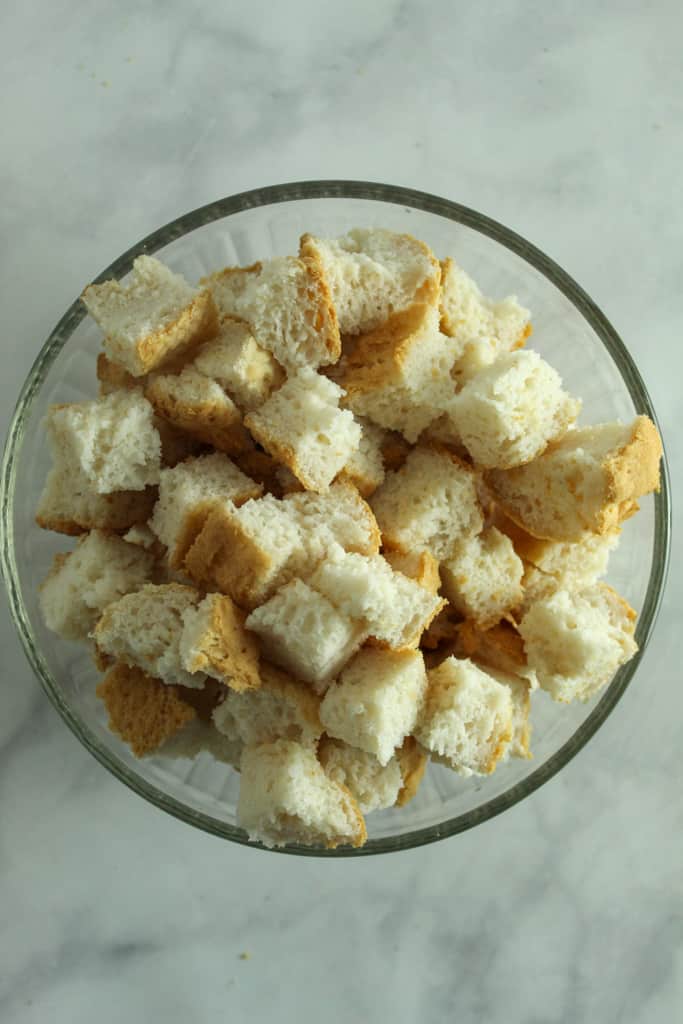
Gluten-free French bread will usually be in the baked goods aisle or bakery section of the grocery store. It can be a little hard to find sometimes, though, so I’ll often make my own.
Quick Tip: Use Sturdy Gluten-Free Bread
For the best texture, use a sturdy gluten-free French bread, baguette-style loaf, or artisan-style bread. Soft gluten-free sandwich bread can break down too much once it soaks in the custard, so it should be dried well before using. Slightly stale or oven-dried bread absorbs the custard more evenly and helps prevent a soggy casserole.
Vegan Butter
1/2 cup vegan butter
Vegan butter adds fat and a rich buttery flavor that makes this French toast casserole taste like an indulgence. Don’t let “fat” intimidate you. Vegan butter is usually made with a vegetable oil, so it’ll typically contain healthier fats than dairy butter.
Vegan butter is often labeled as “plant-based butter.” You’ll usually find it near the dairy butter in the grocery store. I prefer to get it in stick form when I can, so I’ll usually grab a four-pack of Country Crock plant butter sticks whenever I need vegan butter.
Brown Sugar
210 grams (about 1 cup) of brown sugar for the butter-sugar mix
1 tablespoon brown sugar for topping
I like to use brown sugar instead of granulated sugar in a recipe like this because the molasses in brown sugar adds a light caramel-like flavor to the sugar’s sweetness. Dark brown sugar tends to have a stronger molasses flavor than light brown sugar. If the grocery store doesn’t have my usual brand in the bakery aisle, I’ll usually check the ingredient list for exactly two ingredients: sugar and molasses.
Almond Milk
2 cups almond milk
Almond milk adds a creamy and mildly nutty flavor to this French toast casserole. I mostly like to use almond milk because it’s the closest non-dairy alternative to dairy milk.
Eggs
6 eggs
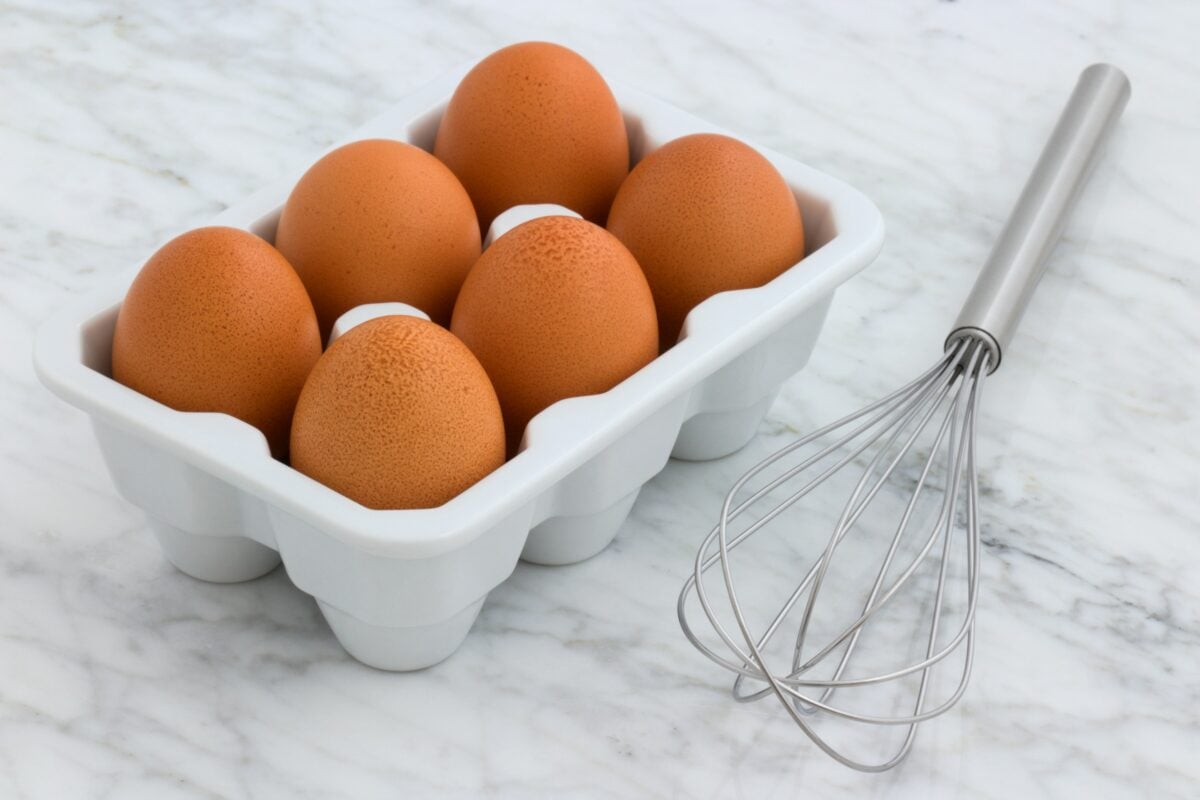
It’s difficult to make proper French toast without eggs! Here, the eggs form the base of the custard we’ll make to pour over the bread. It doesn’t need to be a perfect custard, but the eggs will give it the smooth, creamy texture that custard is known for.
Pure Vanilla Extract
2 teaspoons pure vanilla extract
Vanilla extract is a common addition to sweet dishes for its smooth, mellow flavor profile that enhances the flavor of selections like this French toast casserole. If you have to choose among different types of genuine vanilla extract, go with Madagascar Bourbon vanilla extract, which is a popular addition to custards for its creamier flavor and velvety after-tone.
Ground Cinnamon
2 teaspoons ground cinnamon
Cinnamon adds a mild sweet-spicy flavor to this French toast casserole.
Chopped Pecans and Diced Apple (Optional Add-Ins)
1/4 cup each chopped pecans and diced apple
These are very much optional, but they can add a nice nutty crunch and fruit flavor to the French toast casserole. For the diced apples, I recommend using a good baking apple, such as Granny Smith or Bramley, which have a firmer flesh that holds together well when baked.
Printable Easy Gluten-Free French Toast Casserole Recipe Card
Ingredients
- 9.5 ounces of French bread, about 1 1/4 loaves of gluten-free French bread
- 1/2 cup vegan butter
- 210 grams brown sugar, about 1 cup
- 2 cups almond milk
- 6 eggs
- 2 teaspoons pure vanilla extract
- 2 teaspoons ground cinnamon, divided
- 1 tablespoon brown sugar
- 1/4-1/2 cup optional add-ins like chopped pecans and diced fresh apple
Instructions
- Cut the bread into 1" cubes and arrange on a baking sheet to dry. To do this quickly, preheat the oven to 300°F and bake for 15 minutes, until they are dry but not “toasted”.
- Melt the butter in a saucepan. Add 210 grams of brown sugar and stir until dissolved.
- Butter the bottom and sides of a 9X13" glass baking dish.
- Pour the butter and brown sugar mixture into the baking dish. Make sure it evenly covers the bottom of the dish.
- Spread the dried French bread cubes in a single layer over the butter-and-brown sugar mixture.
- Add eggs, almond milk, 1 teaspoon cinnamon, and vanilla extract to a medium bowl. Use a hand mixer to combine them thoroughly.
- Pour the custard evenly over the bread. You’ll want all the bread coated with custard, so don’t pour too quickly! Tap the bread down gently as needed to make sure it’s all coated.
- Cover the casserole dish with plastic wrap. Place it in the refrigerator to chill for 6-8 hours. I prefer to chill it overnight.
- Remove the casserole from the refrigerator and let it sit on the counter for 30 minutes to warm up. Don't skip this step, or your glass dish could shatter from the sudden temperature changes!
- While the casserole warms up, preheat the oven to 400 degrees Fahrenheit (204 degrees Celsius).
- Mix 1 teaspoon of cinnamon and 1 tablespoon of brown sugar in a small bowl to make the topping.
- Sprinkle the cinnamon-sugar topping evenly over the casserole. Spread chopped nuts and apple over the top of the casserole, if using.
- Cover the casserole with aluminum foil. Bake for 25 minutes. Remove the foil and bake for an additional 15 minutes. The casserole is done when a food thermometer inserted into the center reads 160 degrees Fahrenheit (71 degrees Celsius).
- The neat part about this French toast casserole is that it doesn’t require any cooling time. You can serve it warm with your favorite additional toppings, such as more fresh fruit, nuts, powdered sugar, or maple syrup.
Nutrition
Equipment You Need
Getting these things out in advance will make the process much smoother. You’ll probably already have most of these if you do a lot of gluten-free baking!
- Digital Food Scale
- Baking Sheet
- 9″ x 13″ Glass Baking Dish
- Small Sturdy Saucepan
- Medium Mixing Bowl
- Small Mixing Bowl
- Hand Mixer with Beaters
- Plastic Wrap
- Rubber Spatula
- Food Thermometer
Why a food thermometer? Eggs are tricky to do in the oven at times! They can look done on the surface, but still be raw in the middle. The food thermometer is the best way to ensure that they finish cooking. According to FDA guidelines, eggs are done cooking when they reach an internal temperature of 160 degrees Fahrenheit.
Method for Making French Toast Casserole
Let’s get started making this French toast casserole. Don’t let the total time (7 hours) intimidate you. That just means you can chill it overnight next to your overnight oats!
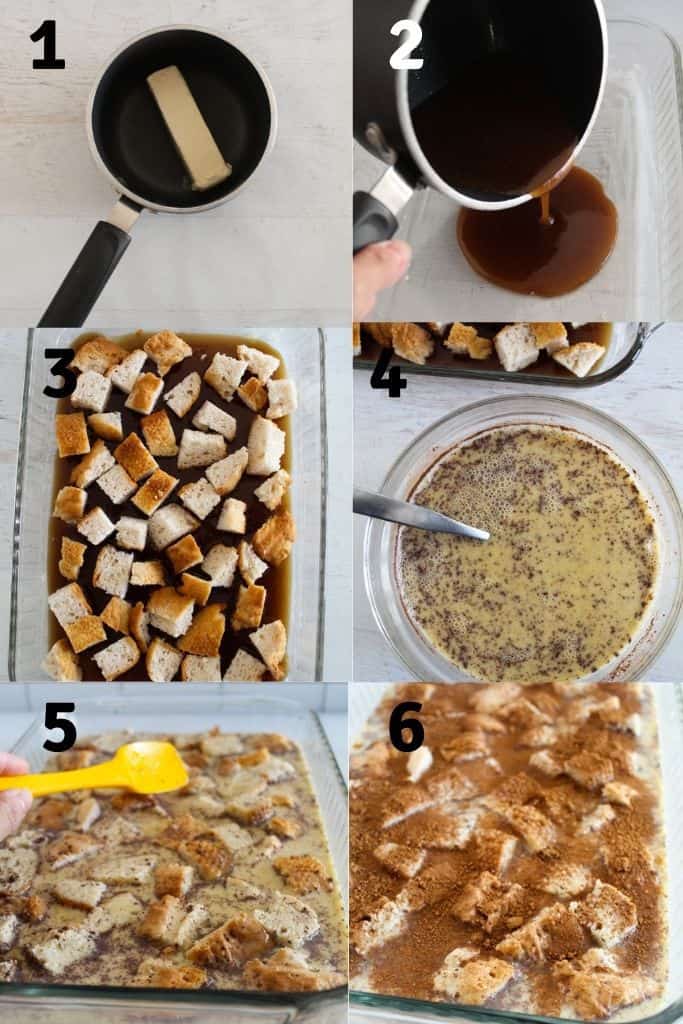
Step One: Prep the Bread
You’ll just need to dry out the bread like you would for your favorite stuffing recipe. I’ll cut it into 1-inch cubes and spread them in a single layer on a baking sheet. Then you have two options for drying it. You could just leave them on the counter for a day. Naturally, that’s the slow method.
To speed up the drying process, preheat the oven to 300°F and bake for 15 minutes, until they are dry but not “toasted”. Then they are ready to use!
Step Two: Combine Butter and Brown Sugar in a Saucepan
Melt the butter in a saucepan. Add 210 grams of brown sugar and stir until dissolved.
Step Three: Prepare 9X13 Baking Dish
Coat the bottom and sides of the 9X13 baking dish with softened butter.
Step Four: Add Butter Mixture to Baking Dish
Pour the butter and brown sugar mixture into the baking dish. Make sure it evenly covers the bottom of the dish.
Step Five: Add Dried French Bread Cubes
Spread the dried French bread cubes in a single layer over the butter and brown sugar mixture.
Step Six: Make Custard
Add eggs, almond milk, 1 teaspoon cinnamon, and vanilla extract to a medium bowl. Use a hand mixer to combine them thoroughly.
Step Seven: Add Custard to Casserole Dish
Pour the custard evenly over the bread. You’ll want all the bread coated with custard, so don’t pour too quickly! Tap the bread down gently as needed to make sure it’s all coated.
Step Eight: Chill Casserole
Cover the casserole dish with plastic wrap. Place it in the refrigerator to chill for 6-8 hours. I prefer to chill it overnight.
Step Nine: Remove Casserole from Refrigerator
Remove the casserole from the refrigerator and let it sit on the counter for 30 minutes to warm up.
Step Ten: Preheat Oven
While the casserole warms up, preheat the oven to 400 degrees Fahrenheit (204 degrees Celsius).
Step Eleven: Make Cinnamon-Sugar Topping
Mix 1 teaspoon of cinnamon and 1 tablespoon of brown sugar in a small bowl to make the topping.
Step Twelve: Sprinkle Topping and Optional Add-Ins Over Casserole
Sprinkle the cinnamon-sugar topping evenly over the casserole. Spread chopped nuts and apple over the top of the casserole, if using.
Step Thirteen: Bake French Toast Casserole
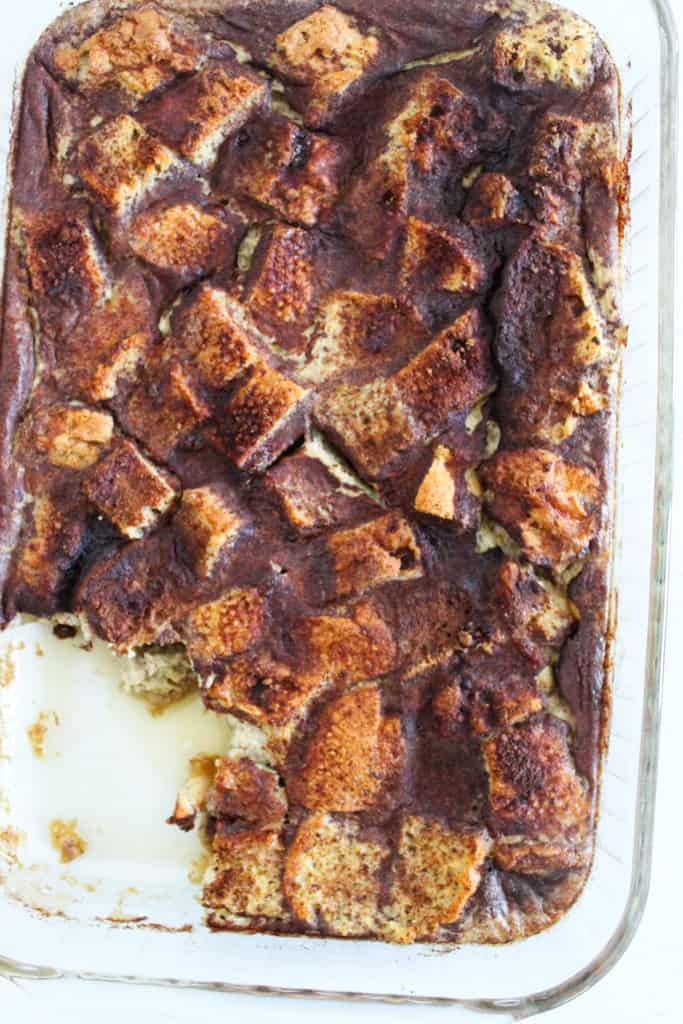
Cover the casserole with aluminum foil. Bake for 25 minutes. Remove the foil and bake for an additional 15 minutes. The casserole is done when a food thermometer inserted into the center reads 160 degrees Fahrenheit (71 degrees Celsius).
Step Fourteen: Serve Warm
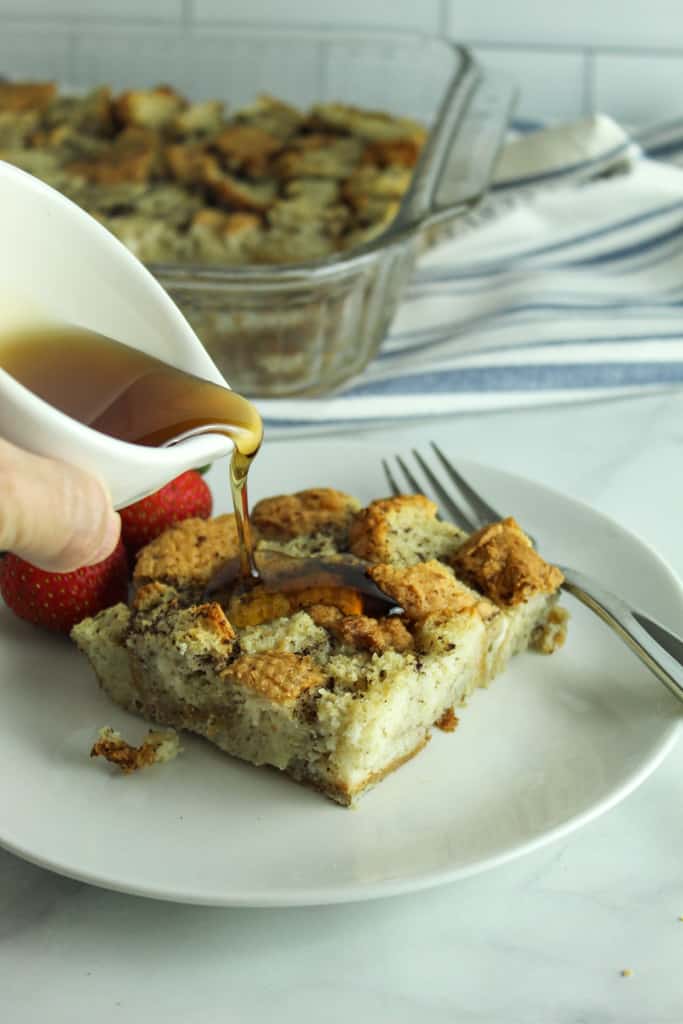
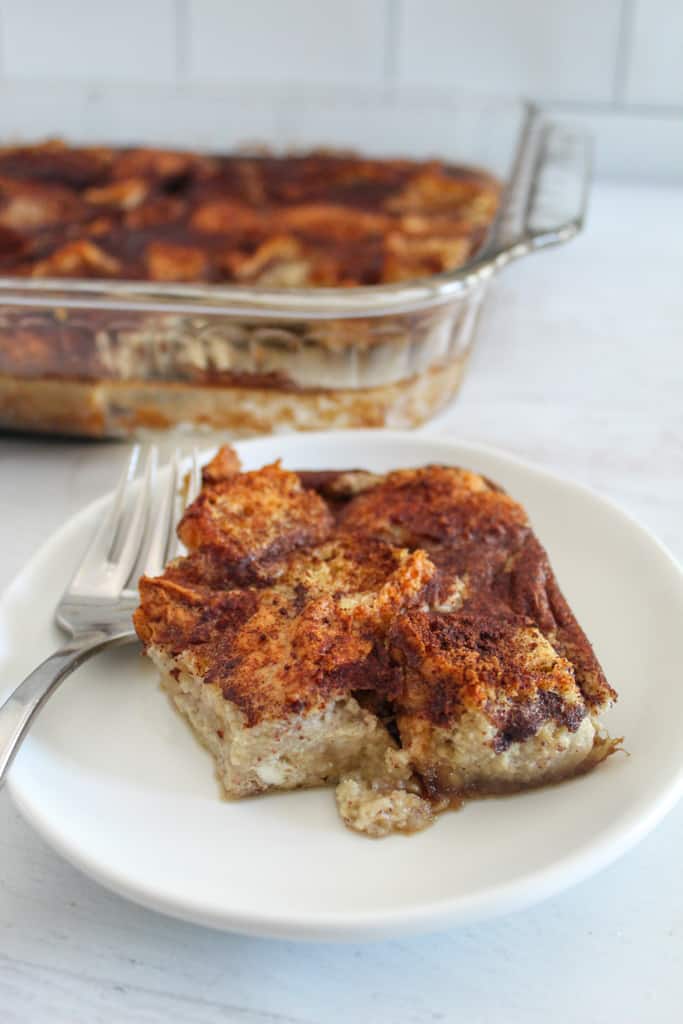
The neat part about this French toast casserole is that it doesn’t require any cooling time. You can serve it warm with your favorite additional toppings, such as more fresh fruit, nuts, powdered sugar, or maple syrup.
Baking Pro Tips
The recipe itself isn’t complicated, but you may need to be meticulous with some steps when making it. Here are a few tips for the best results.
Measure by Weight
It’s normal for gluten-free baking to require measuring some dry ingredients by weight. Why so finicky? Well, the point of some of them is usually to soak up the liquid ingredients. Add too much, and the recipe could end up too dry. Add too little, and baked goods often come out too soggy or gummy. Measuring in grams or ounces is usually more accurate than measuring in cups, which helps ensure we add the correct amount.
(As you might have guessed, the bread we’re going to use for this French toast casserole will do most of the soaking up. So we’ll measure that one in ounces!)
Soak it Overnight
What I like about recipes like this is that they’re excellent “make-ahead” breakfast recipes, where you can do part of the work the night before and then keep them in the fridge overnight. Then get it out of the fridge, preheat the oven while it sits on the counter, and bake it in the morning.
In this case, the chill time lets the bread soak up the egg mixture. The recipe calls for chilling it for 6-8 hours, which means it’s easy to just pop it in the fridge overnight so it can soak.
Avoid a Broken Glass Dish – Let It Warm Up!
I know it’s tempting to just take it out of the fridge and stick it in the oven first thing in the morning. However, this is one area where you totally want to be patient! Glass dishes don’t handle sudden temperature changes very well, so let it sit on your counter for at least half an hour after you take it out of the fridge and before you put it in the oven.
(This gives you more time to get some of your usual morning routine out of the way. Let your oven preheat and make the cinnamon-sugar topping while you’re waiting, too.)
Substitutions for Gluten-Free French Toast Casserole
Oat milk, cashew milk, and macadamia milk can replace almond milk. Canned coconut milk might work, too, but it will give the custard a richer, slight coconut flavor and can make it thicker. Dairy milk would work too; just make sure it has a similar fat content to almond milk.
I used homemade French bread for this recipe. Baguettes are pretty much the same thing. Most breads with a similar density and flavor profile would work for this French toast casserole.
Dairy butter can replace the vegan butter if you don’t mind that it won’t be dairy-free.
For a recipe like this, there’s no real replacement for the eggs. You’ll want the whole eggs to get the full custard-like texture and flavor of the egg-milk mix.
Troubleshooting Common Problems With French Toast Casserole
I will admit that it took me a few tries to get the hang of this breakfast casserole! Here’s how you solve common issues with this casserole.
| Problem | Likely cause | Fix |
|---|---|---|
| The casserole is soggy | Bread is too fresh or too soft | Dry cubes in a 300°F oven first |
| Tastes eggy | The casserole didn’t get enough chill time for the egg to soak into the bread. | Refrigerate at least 6 hours, ideally overnight |
| Top browns too fast | The oven runs hot, or the foil was removed early | Keep covered longer; remove the foil only during the last 15 minutes of baking time. The oven may need calibration. |
| The center is wet | Not baked fully | Bake until a food thermometer inserted into the center reads 160°F |
FAQ About French Toast Casserole
While I don’t think this French toast casserole is terribly tricky, we do sometimes get questions! I did my best to answer some of the most common questions here. If you think of one I haven’t answered yet, feel free to ask in the comments section, and I’ll do my best to answer as soon as possible.
What type of bread is best in this recipe?
I use homemade French bread loaves in this recipe (which is a great, anytime bread, by the way) and cut them into 1-inch chunks. Then let it sit out for a day to dry out. Don’t want to wait a day for it to dry out? See my tip below with a quicker method!
I highly recommend using either a French bread or another bread you can slice thick. Regular store-bought sandwich bread isn’t particularly ideal, but bread with a density similar to French bread works quite well.
For best results, choose bread that is:
- Sturdy enough to cube without crumbling
- Mild in flavor
- Slightly dry or stale
- Certified gluten-free, especially when serving someone with celiac disease or gluten sensitivity
Can I cut the recipe in half?
Sure! To cut it down to make 6 servings, simply cut the ingredients in half. Use an 8-inch casserole dish, but everything else is the same for refrigeration time and baking time.
Can it be baked immediately, or can it be refrigerated?
Baking it immediately after assembling the butter mix, bread, and egg mixture will make it turn out too eggy. Refrigerating it for at least six hours or overnight gives the bread time to absorb the egg mixture, letting the flavors mix together more completely, cutting the “eggy” flavor.
How many cups of bread is 9.5 ounces?
It largely depends on how dense the bread is! I’ve made enough different types of bread to know they can all come out differently in terms of density. My favorite recipe for millet bread is great for sandwiches because it isn’t quite as dense, but it wouldn’t be as suitable for this French bread casserole, since it isn’t dense enough to handle this amount of egg mixture. So I’ll go with this French bread recipe when I want to make my own.
This is also a major reason I measure many dry ingredients by weight. Even when you’re careful about measuring in cups, the variation in density makes it easy to get too much or too little sometimes.
What’s the best way to store this casserole?
Having leftover French toast casserole will be rare if you’re making it for a crowd. If you do, the best way to store it is to cover it with foil or a casserole lid and refrigerate. To warm it up, just microwave the slices for 30 seconds to a minute.
More Delicious Gluten-Free Breakfast Recipes!
Want more variety in your breakfast? I do have a few breakfast recipes that I like to rotate through whenever I want something different!
- Easy Almond Flour Crepes
- Gluten-Free Air Fryer Donuts
- Gluten-Free Cinnamon Rolls Without Yeast
- Perfect Rice Flour Pancakes
- Gluten Free Lemon Poppy Seed Muffins
- Vegan Pumpkin Muffins
- Cranberry Orange Scones
Whether you’re planning a holiday brunch or just need a cozy weekend breakfast, these gluten-free favorites are perfect for keeping your mornings delicious and stress-free.
Made This for Brunch? Tell Me What You Think!
Did you try this recipe? Did you love it, hate it, or come up with your own variation? Feel free to let us know what you think in the comments section, and don’t forget to rate this recipe!