Most gluten-free chocolate chip muffins have one frustrating flaw: they look bakery-worthy, then turn dry, gritty, or crumbly after the first bite. These muffins are designed to avoid that problem.
A reverse-creaming method, almond flour, and a 30-minute batter rest help create soft centers, tall muffin tops, and a tender crumb with chocolate in every bite. They are dairy-free as written and make 15 muffins, so you will have enough for breakfast, lunchboxes, or the freezer.
Table of Contents
You will spend about 20 minutes mixing the batter, then let it rest while the oven heats. For the most reliable result, use the specified flour blend and weigh the ingredients. This recipe contains eggs and almonds; for strict gluten-free needs, choose ingredients labeled gluten-free and avoid cross-contact.
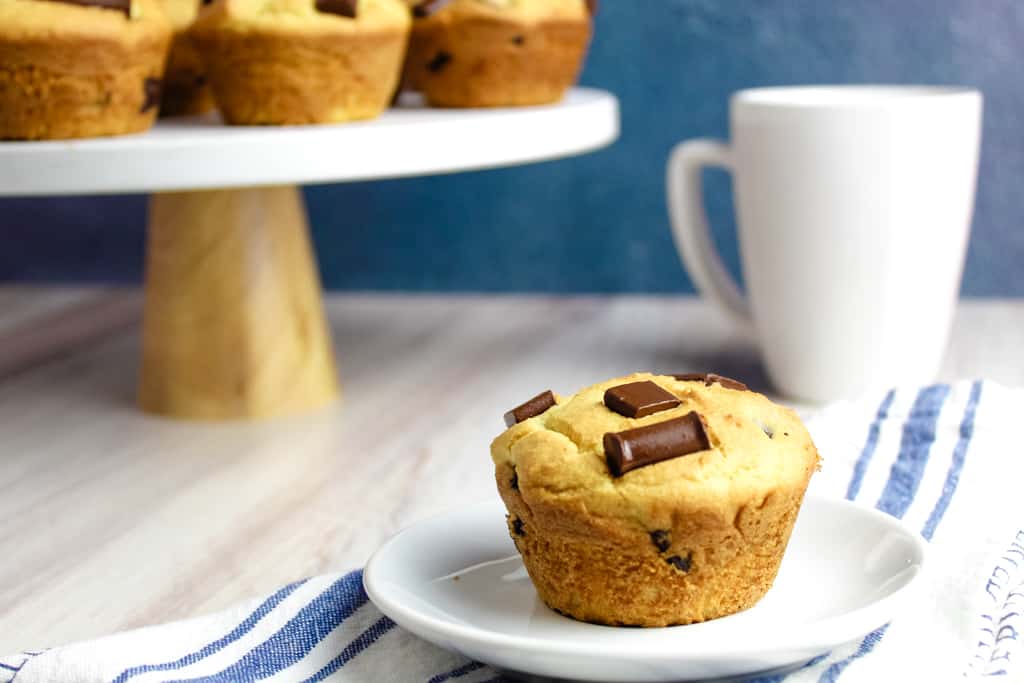
Why You’ll Love These Gluten-Free Chocolate Chip Muffins
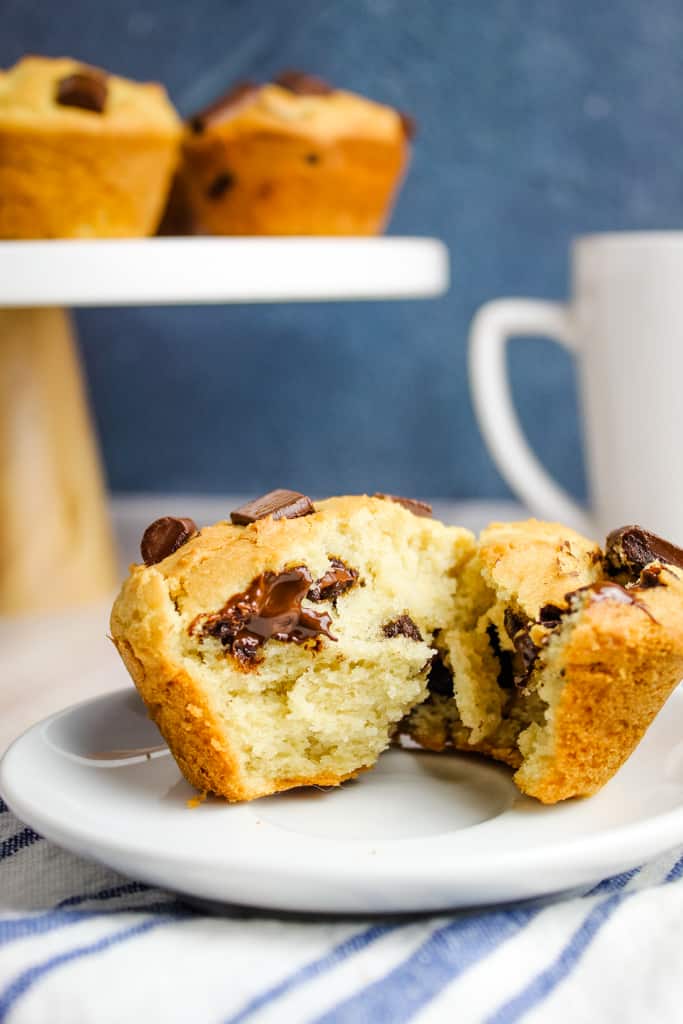
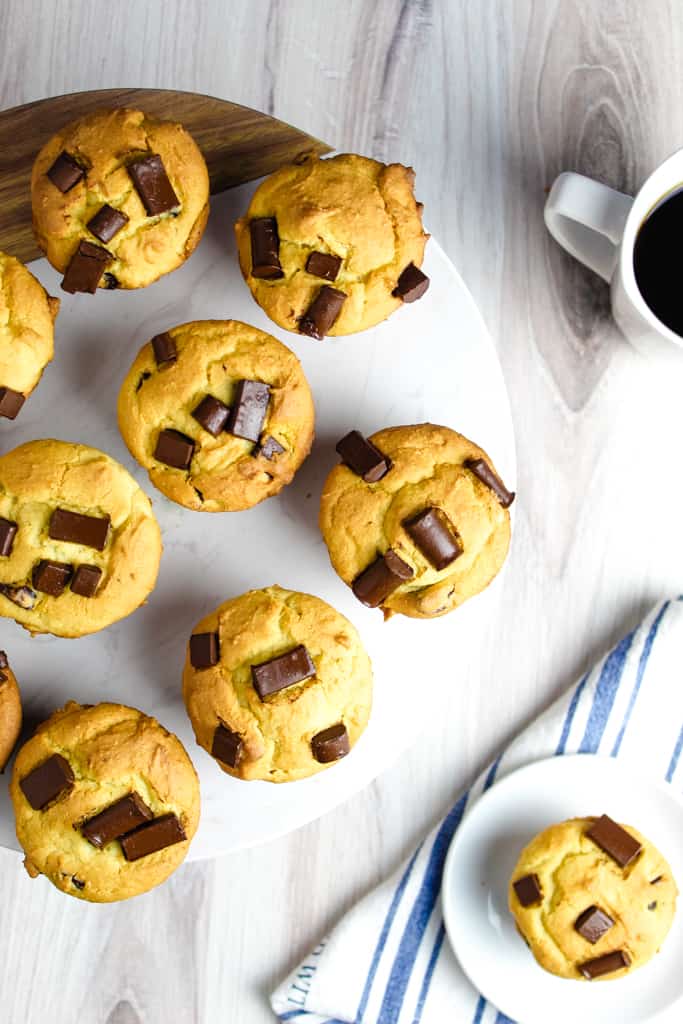
These gluten-free chocolate chip muffins are soft, tender, and loaded with melty chocolate in every bite. They are dairy-free as written, easy enough for a weekend bake, and satisfying enough for breakfast, lunchboxes, or an afternoon treat.
- Soft, moist, and never gritty: A blend of gluten-free flour and almond flour gives these muffins the structure they need while keeping the crumb tender and rich.
- Tall bakery-style tops: Generously filling the muffin cups helps these muffins bake up with full, domed tops.
- A better gluten-free texture: The reverse-creaming method coats the dry ingredients with butter first, creating a finer, more even crumb.
- The batter rest is worth it: Letting the batter rest for 30 minutes gives the gluten-free flours time to absorb moisture, helping prevent dry or crumbly muffins.
- Dairy-free without sacrificing flavor: Dairy-free butter, almond milk, and dairy-free sour cream keep the muffins rich and tender.
- Perfect for make-ahead breakfasts: Enjoy them warm from the oven, keep them on the counter for a few days, or freeze them for later.
Ingredient List for Gluten-Free Chocolate Chip Muffins
- Gluten-Free Flour Mix
- Almond Flour
- Brown Sugar
- Baking Powder
- Baking Soda
- Xanthan Gum
- Salt
- Dairy-Free Butter
- Almond Milk
- Sour Cream
- Large Eggs
- Pure Vanilla Extract
- Apple Cider Vinegar
- Dairy-Free Chocolate Chips or Chocolate Chunks
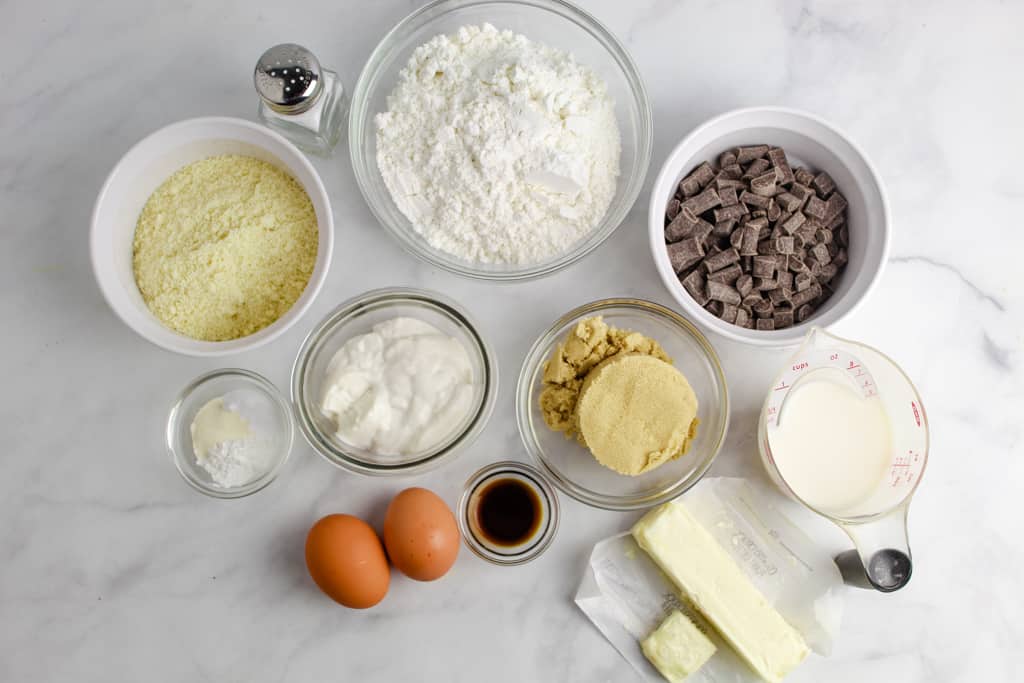
Key Ingredient Roles
Each ingredient helps create soft, fluffy gluten-free muffins with a tender crumb.
- Gluten-Free Flour Mix — 280g (about 2½ cups)
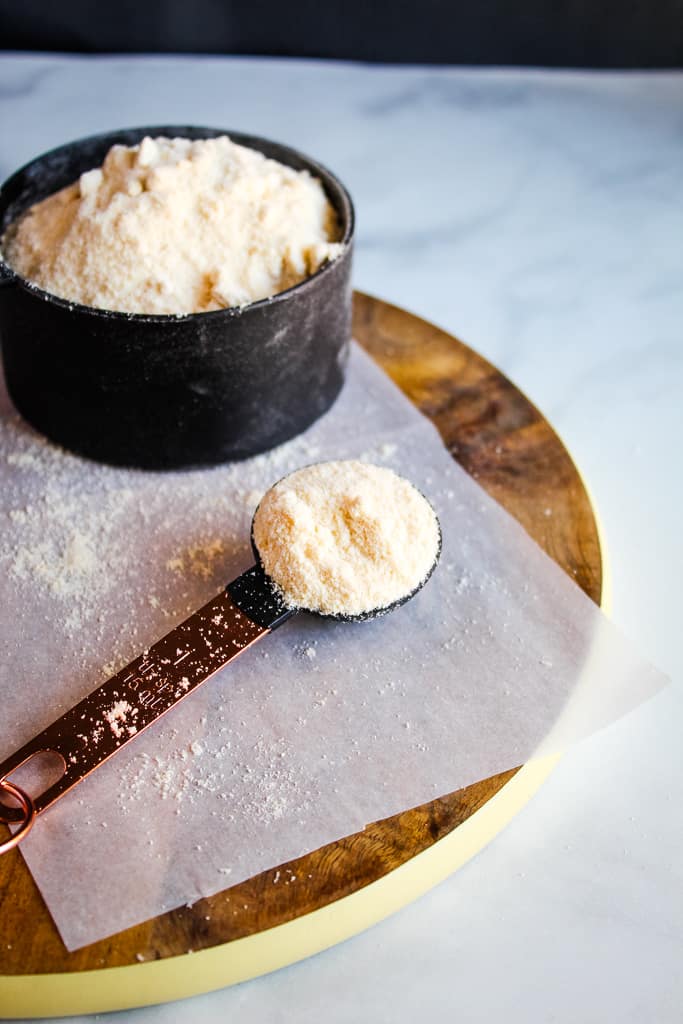
Use a blend without xanthan gum, since this recipe adds it separately. I use my homemade mix of white rice flour, brown rice flour, tapioca starch, cornstarch, and potato flour for a reliable structure. - Almond Flour — 80g (about ¾ cup)
Adds protein, fat, and moisture to support a tender, less crumbly texture. This recipe contains almonds. - Brown Sugar — 150g (about ⅔ cup)
Adds sweetness, moisture, and a light molasses flavor that works especially well with chocolate. - Baking Powder + Baking Soda — 2 tsp + ½ tsp
These work together to create lift, helping the muffins bake up light with nicely domed tops. - Xanthan Gum — ½ tsp
Essential when using a flour blend without xanthan gum. It provides the binding and elasticity that gluten would normally supply. - Salt — ¼ tsp
Balances the sweetness and sharpens the chocolate flavor. - Dairy-Free Butter — 9 tbsp
Adds richness and helps create a soft crumb. I like Country Crock Plant Butter sticks because they soften well and are easy to bake with. - Almond Milk — 4.5 oz (about ⅔ cup)
Adds moisture and a subtle nutty flavor. Use unsweetened almond milk for the most consistent result. - Dairy-Free Sour Cream — 140g (about ⅔ cup)
Keeps the muffins moist and gives them a richer, more tender texture. - Large Eggs — 2
Provide structure, binding, and moisture so the muffins hold together instead of crumbling. - Pure Vanilla Extract — 1½ tsp
Adds warmth and depth. I recommend Madagascar vanilla extract for its classic sweet, floral flavor. - Apple Cider Vinegar — 1 tsp
Activates the baking soda for extra lift. Measure carefully so its flavor does not come through. - Dairy-Free Chocolate Chips or Chunks — 1 cup, plus more for topping
The main event. I like Enjoy Life semi-sweet chocolate chunks for a dairy-free option with generous pockets of melted chocolate.
Helpful Equipment
- Digital Food Scale
- Stand Mixer with Paddle Attachment
- Small Mixing Bowl
- Rubber Spatula
- Two Muffin Tins
- Measuring Cups and Spoons
- Toothpicks
- Wire Cooling Rack
Before You Bake: For the best texture, use the recommended gluten-free flour blend and weigh the ingredients when possible. This recipe uses a flour blend without xanthan gum because xanthan gum is added separately. The muffins are dairy-free as written, but they contain eggs and almonds.

Printable Gluten Free Chocolate Chip Muffins Recipe Card
Ingredients
- 280 grams gluten-free flour mix, about 2 ½ cups
- 80 grams almond flour, about ¾ cup
- 150 grams brown sugar, about 2/3 cup
- 2 teaspoons baking powder
- ½ teaspoon baking soda
- ½ teaspoon xanthan gum
- ¼ teaspoon salt
- 9 tablespoons dairy-free butter, softened
- 4.5 ounces almond milk, about 2/3 cup
- 140 grams dairy-free sour cream, about 2/3 cup
- 2 eggs
- 1 ½ teaspoons pure vanilla extract
- 1 teaspoon apple cider vinegar
- 1 cup dairy-free chocolate chips or chocolate chunks, semi-sweet
- Extra chocolate chunks for the tops
Instructions
- Add the gluten-free flour mix, almond flour, brown sugar, baking powder, baking soda, xanthan gum, and salt to the bowl of the stand mixer. Mix with the paddle attachment for 30 seconds until combined.
- Add the softened butter and mix for 45 seconds, occasionally scraping down the sides of the bowl, until the mixture looks crumbly.
- In a small bowl or measuring cup, stir together the almond milk, sour cream, eggs, vanilla extract, and apple cider vinegar until evenly combined.
- With the mixer on low, slowly add the wet ingredient mixture to the dry ingredients until lightly combined
- Scrape down the bowl and turn the speed up to medium. Mix for 2 minutes.
- Lightly fold in the chocolate chips or chunks until evenly distributed through the batter.
- Set batter aside to rest for 30 minutes. This lets the flour absorb moisture more completely, so the muffins don’t dry out too much during baking. The baking powder and baking soda can also begin forming the carbon dioxide bubbles that give the muffins a fluffier texture.
- While the batter is resting, preheat your oven to 375 degrees Fahrenheit (190 degrees Celsius). Spray the insides of all 12 cups of one muffin tin and 3 cups of a second muffin tin with cooking spray.
- When the muffin batter has finished resting, begin portioning it into the 15 prepared muffin cups. The muffin batter should be roughly evenly distributed between the cups. Lightly sprinkle extra chocolate chips over the top of the muffins, lightly pressing them into the batter.
- Bake muffins for 20-22 minutes until a toothpick inserted into the center of a muffin comes out clean.
- Cool the muffins for about 10 minutes in the muffin tins, then transfer them to the cooling racks to finish cooling. This gives the muffin centers time to finish setting.
- You can eat the muffins right away or store them in an airtight container on the kitchen counter for up to 3 days.
Notes
Nutrition
How to Make Gluten-Free Chocolate Chip Muffins
These gluten-free chocolate chip muffins come together in a few simple steps. Give the batter time to rest before baking for softer, fluffier muffins with a tender crumb.
- In the bowl of a stand mixer, combine the gluten-free flour mix, almond flour, brown sugar, baking powder, baking soda, xanthan gum, and salt. Mix with the paddle attachment for 30 seconds.
- Add the softened dairy-free butter. Mix for about 45 seconds, scraping down the bowl as needed, until the mixture looks crumbly.
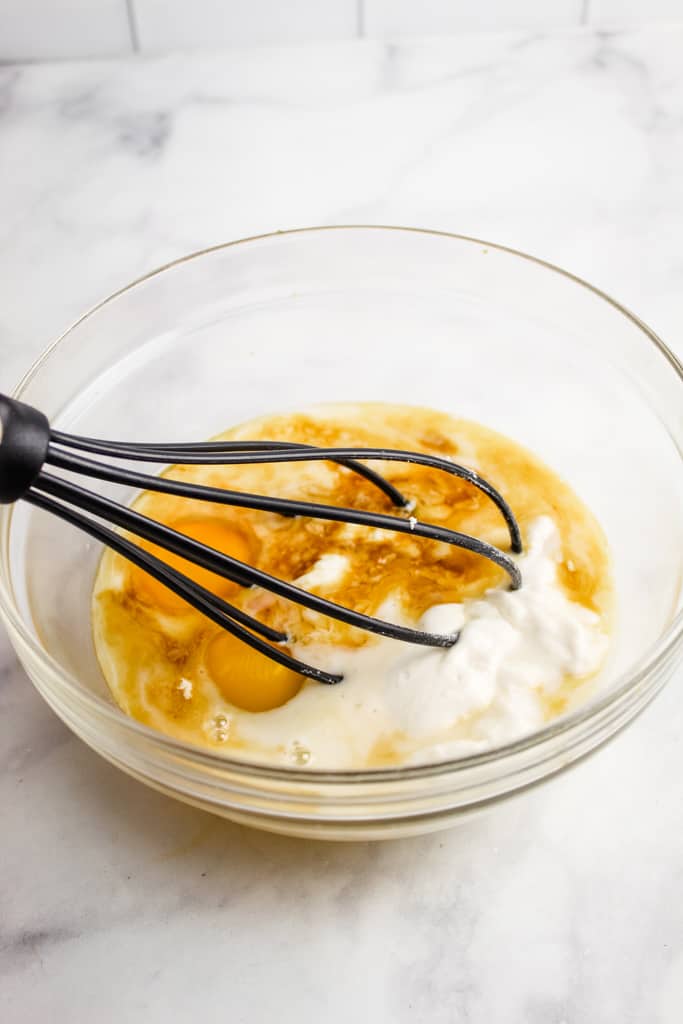
- In a separate bowl, whisk together the almond milk, dairy-free sour cream, eggs, vanilla extract, and apple cider vinegar.
- With the mixer on low, gradually add the wet ingredients to the dry ingredients. Scrape down the bowl, then mix on medium speed for 2 minutes.
- Fold in the chocolate chips or chunks until evenly distributed throughout the batter.
- Let the batter rest for 30 minutes. Meanwhile, preheat the oven to 375°F (190°C) and grease 15 muffin cups.
- Divide the batter evenly among the prepared muffin cups. Top with extra chocolate chips or chunks, lightly pressing them into the batter.
- Bake for 20–22 minutes, until a toothpick inserted into the center comes out clean.
- Cool the muffins in the pan for 10 minutes, then transfer them to a wire rack to finish cooling.
- Enjoy warm or store in an airtight container at room temperature for up to 3 days.
5 Tips for the Best Gluten-Free Chocolate Chip Muffins
- Use room-temperature eggs, sour cream, and almond milk so the batter mixes smoothly.
- Do not skip the 30-minute batter rest. It helps the gluten-free flour hydrate for a softer, less gritty texture.
- Fill the muffin cups generously for taller muffin tops.
- Use a kitchen scale when possible, especially for the gluten-free flour mix and almond flour.
- Let the muffins cool in the pan for 10 minutes before removing them so they have time to set.
Storage and Freezing
Store cooled muffins in an airtight container at room temperature for up to 3 days. For longer storage, freeze them in a freezer-safe container or bag for up to 3 months. Thaw at room temperature or warm one muffin in the microwave for about 20–30 seconds.
Substitutions for These Gluten-Free Chocolate Chip Muffins
Need to make a swap? These substitutions can help you adjust the recipe for dietary needs or ingredients you have on hand. For the most reliable soft, fluffy texture, use the original ingredients when possible and change only one or two ingredients at a time.
Psyllium husk powder and ground chia seeds can replace the xanthan gum at a 1:1 ratio. For more information on xanthan gum replacements, feel free to check out our 10 Best Xanthan Gum Replacements.
For each egg you would like to replace, mix one tablespoon of ground chia seeds or flaxseed meal with three tablespoons of water. Let the mixture sit for a few minutes until it forms a gel.
Dairy-based milk, butter, and sour cream can replace the dairy-free options if you don’t mind that this recipe won’t be dairy-free.
For a little variety, stir 1/2 cup chopped pecans into the batter with the chocolate chips.
Troubleshooting Gluten-Free Chocolate Chip Muffins
Small changes in mixing, resting, and bake time can make a big difference with gluten-free muffins. Here are the most common issues and how to fix them.
Dense, Heavy, or Flat Muffins
Use room-temperature ingredients, mix for the full 2 minutes after adding the wet ingredients, and let the batter rest for 30 minutes. Fill each muffin cup nearly to the top, and make sure your baking powder and baking soda are fresh.
Gummy Centers
Bake until a toothpick comes out clean or with a few moist crumbs, not wet batter. Too much liquid or storing the muffins before they are fully cool can also create a gummy texture.
Dry or Crumbly Muffins
Weigh the flour instead of measuring by cups, avoid overbaking, and use the recommended flour blend whenever possible. Different gluten-free flour blends absorb moisture differently.
Muffins Stick to the Pan or Fall Apart
Spray each muffin cup well and let the muffins cool in the pan for 10 minutes before removing them. Muffins that are slightly underbaked are more likely to break apart.
Chocolate Chips Sink to the Bottom
Rest the batter before baking so the gluten-free flour can fully hydrate. Regular or mini chocolate chips work better than very large, heavy chunks.
Large Tunnels or Holes Inside
Avoid overmixing after adding the wet ingredients. Fold in the chocolate gently, then tap the filled muffin pan lightly on the counter once or twice to settle the batter.
Muffins Brown Too Quickly or Stay Pale
Bake on the center rack and fully preheat the oven to 375°F. If your oven runs hot or you use a dark metal pan, begin checking early. Pale tops may need another minute or two in the oven.
Bitter, Metallic, or Bland Flavor
Measure the baking powder and baking soda carefully, and mix the dry ingredients well before adding the butter. Do not skip the salt or vanilla, and use good-quality semi-sweet dairy-free chocolate chips or chunks.
Muffins Become Too Moist After Storage
Let the muffins cool completely before sealing them in an airtight container. Trapped steam can soften the tops and make the centers feel damp. Warm stored muffins briefly before serving, if needed.
Muffins Have a Gritty Texture
Gluten-free flours need time to absorb moisture. Let the batter rest for the full 30 minutes, use a finely milled gluten-free flour blend, and avoid replacing the recommended blend with a single flour such as rice flour.
FAQ for Gluten-Free Chocolate Chip Muffins
Do you have any questions about these gluten-free chocolate chip muffins? I did my best to answer some of the most commonly asked questions here. If you think of one we haven’t answered yet, feel free to ask in the comments section, and we’ll answer as soon as possible.
Can I make mini muffins?
I’ve done that before! Just use a couple of mini muffin tins. The baking time will be shorter, so you’ll have to start checking them sooner.
I would like jumbo muffins like the ones at Sam’s Club. Is there a muffin tin with cups big enough?
I found a jumbo muffin tin on Amazon that should work! You will likely have to adjust the baking time to suit, and not getting the top too brown will be the tricky part.
Can I freeze them?
They can be frozen if you place them in a freezer-safe resealable bag or an airtight container. Thaw them out on the counter overnight before using.
I have a friend whose digestive system reacted badly to Xanthan gum. Can I leave it out?
It happens! Xanthan gum is a common replacement for the gluten in wheat flour. However, you can replace it with an alternative, such as psyllium husk powder or ground chia seeds, if you have to.
More Gluten-Free Muffins
Ready to bake another batch? These gluten-free muffin recipes are great for easy breakfasts, lunchboxes, afternoon snacks, and filling the freezer.
- Almond Flour Blueberry Muffins
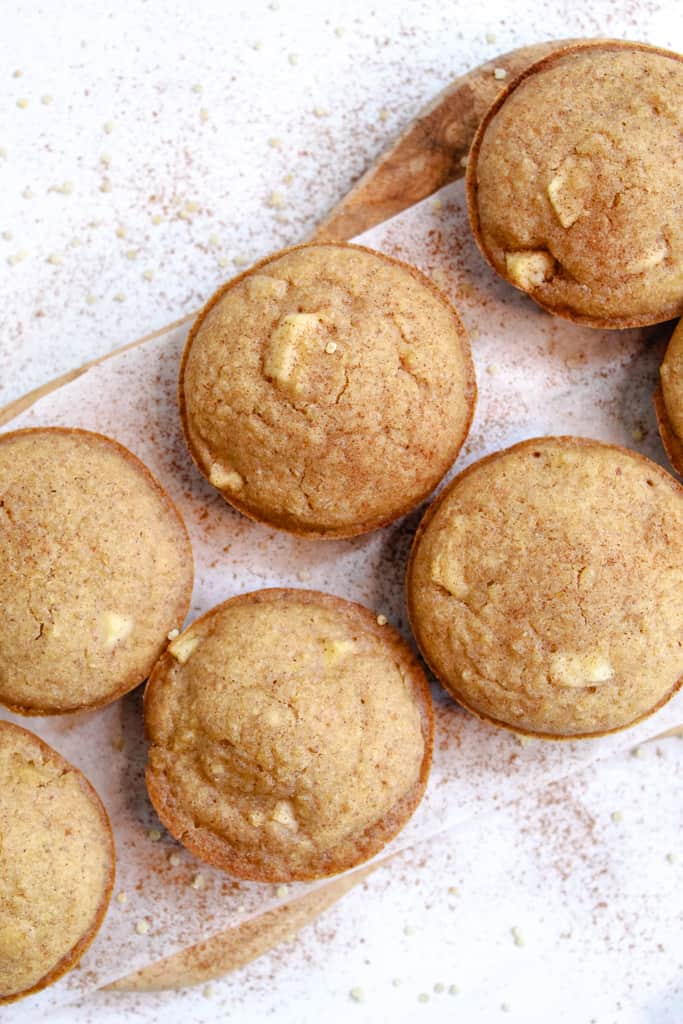
- Gluten-Free Oatmeal Apple Muffins
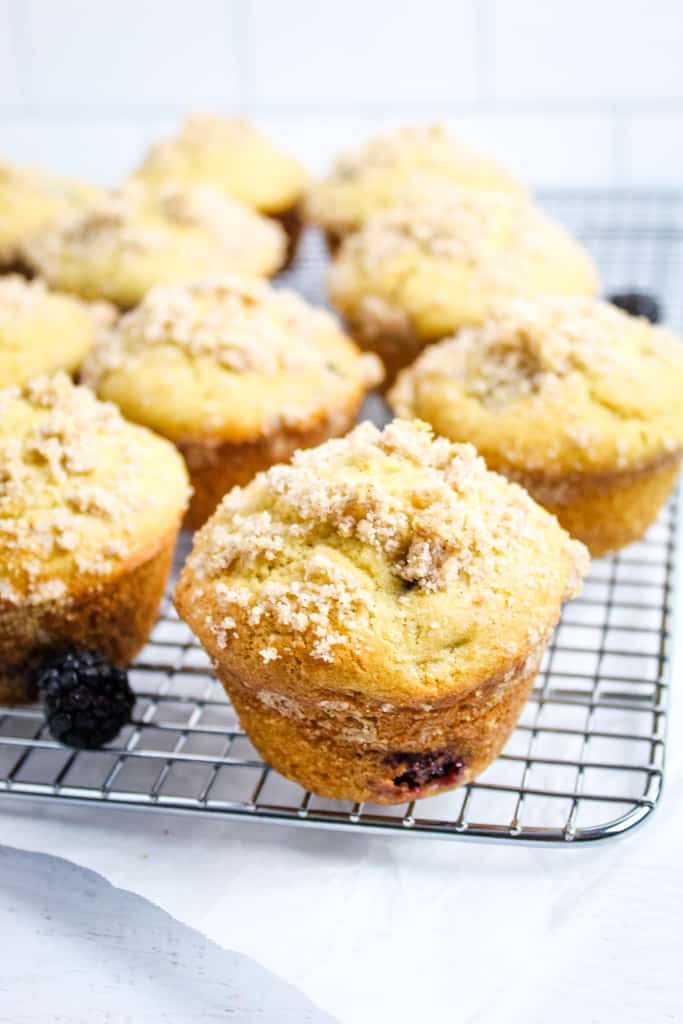
- Soft Gluten-Free Blackberry Muffins with Irresistible Crumb Topping
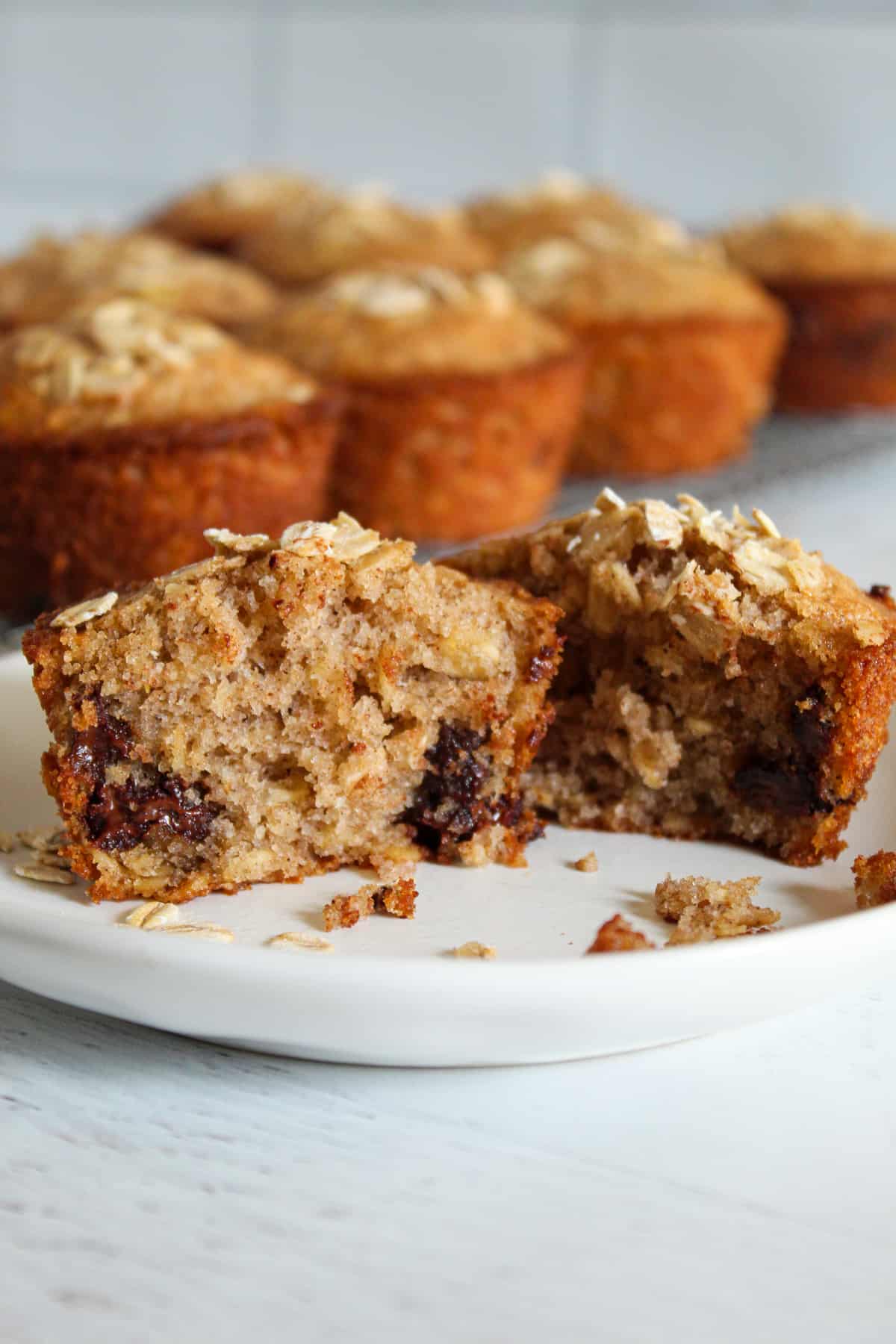
- Almond Flour Banana Muffins That Are Actually Fluffy
- Tender Lemon Chia Seed Muffins
From fruity classics to cozy bakery-style treats, there is a muffin here for every craving.
How Did They Come Out?
Did you like these muffins? Be sure to let us know what you thought in the comments section, and don’t forget to rate this recipe!