Instead of being soft and fluffy, gluten-free hot cross buns often turn out dense, dry, or under- or over-risen. That’s because gluten-free dough behaves differently, making texture harder to control.
This recipe is designed to fix that. You’ll get buns that are soft, well-risen, and light, without the usual heaviness or gummy texture.
Table of Contents
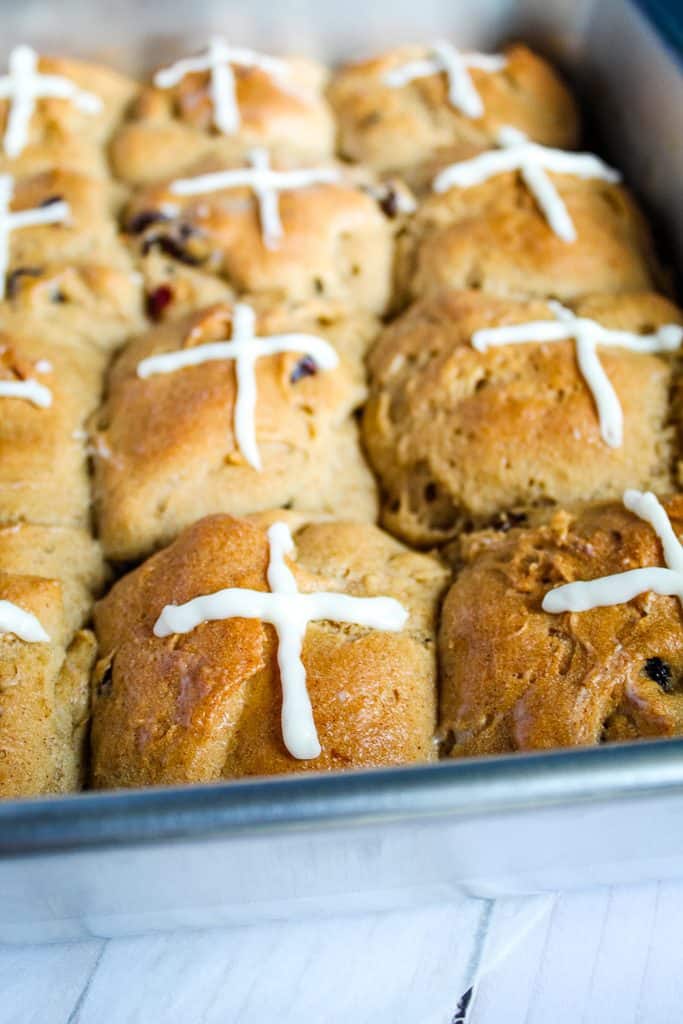
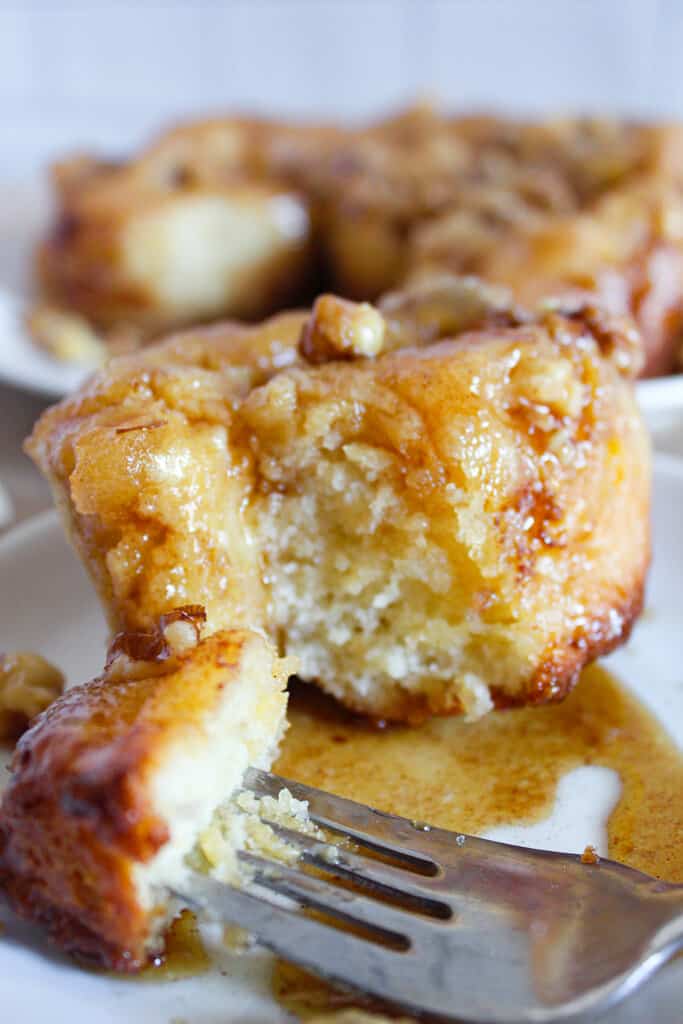
Have you tried recipes like our Best Gluten-Free Sticky Buns Recipe? You’ll recognize the same approach here. Our method emphasizes consistency, ensuring reliable results whether you’re baking for Easter or any day.
What Are Gluten-Free Hot Cross Buns?
Gluten-free hot cross buns are a wheat-free version of the traditional Easter buns. They are soft, lightly sweet, and spiced, often made with dried fruit and finished with a cross on top.
Like the classic version, these wheat-free hot cross buns are made from a yeasted dough and are traditionally eaten around Easter, highlighting long-standing seasonal baking traditions.
Want our human-written content to rank above AI-generated garbage? Help us out by clicking this button!
Why You’ll Love These Gluten-Free Hot Cross Buns
- Classic Easter flavor: Warm cinnamon, brown sugar, raisins, cranberries, and vanilla glaze give these buns the traditional hot cross bun feel.
- Soft gluten-free texture: The recipe is designed for tender buns that are not dry or crumbly.
- Dairy-free option included: Use coconut oil or vegan butter in place of butter.
- Make-ahead friendly: The buns can be frozen before glazing, then warmed and decorated when ready to serve.
- Great for sharing: These are festive enough for Easter brunch, breakfast, dessert, or a holiday bread basket.
A Quick Overview of the Key Ingredients
The following are the required ingredients. Scan through them before you begin; we’ve kept them simple so you can scan and move straight into the recipe.
- Gluten-free flours (brown rice flour, sorghum flour)
- Starches (tapioca starch, potato starch)
- Xanthan gum
- Instant yeast
- Brown sugar
- Eggs
- Butter
- Warm water
- Apple cider vinegar
- Cinnamon
- Salt
- Raisins and dried cranberries
For Finishing
- Powdered sugar
- Vanilla extract
- Milk
Essential Ingredients Explained
Now you’ve seen the key ingredients, this section explains how each one works and what you can (and shouldn’t) swap without ruining the texture.
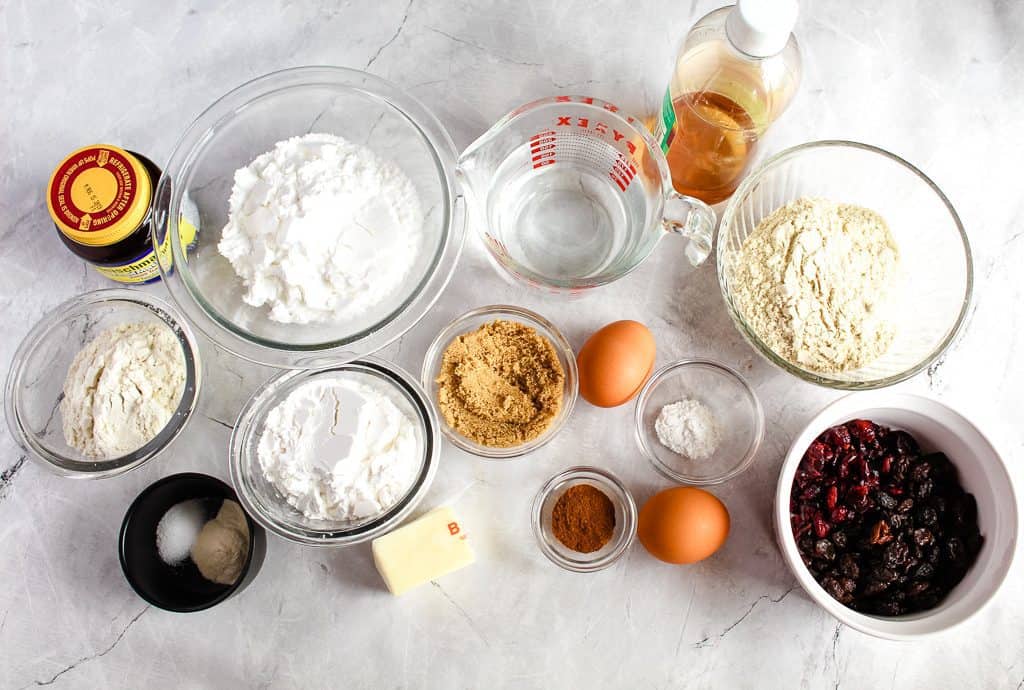
Gluten-Free Flour Blend (Brown Rice Flour, Sorghum Flour)
These flours form the base of the dough. Brown rice flour adds structure, while sorghum flour brings softness and a mild flavor.
Are you out of brown rice flour? Explore options like Top 5 Brown Rice Flour Substitutes and How To Use Them, but expect slight texture changes.
Starches (Potato Starch, Tapioca Starch)
These starches are critical for softness and elasticity. They lighten the dough and help mimic the stretch that gluten would normally provide.
Xanthan Gum
This is what holds everything together. It replaces gluten’s binding ability and prevents the buns from crumbling apart.
Instant Yeast
Yeast is responsible for the rise. It creates air pockets, giving the buns a light texture rather than a dense one.
Eggs
Eggs add structure, richness, and stability. They help trap air during mixing and baking.
Butter (or Coconut Oil)
Butter adds moisture and softness. It also improves flavor and prevents dryness.
Brown Sugar
Brown sugar feeds the yeast and adds sweetness. Also, it helps with browning and moisture retention.
Apple Cider Vinegar
It helps balance the dough and improves the rise by slightly strengthening its structure.
Warm Water
It activates the yeast and properly hydrates the flour blend.
Cinnamon + Salt
Cinnamon adds the classic spiced flavor, while salt balances and enhances the taste.
Raisins (and Dried Fruit)
They provide sweetness, texture, and the traditional hot cross bun profile.
Finishing Ingredients (Cross + Glaze)
These are the finishing ingredients for the cross and the glaze:
Powdered Sugar
It is used in creating the icing cross and glaze.
Vanilla Extract
Vanilla adds flavor to the glaze without overpowering the buns.
Milk (or Dairy-Free Alternative)
Milk thins the glaze to the right consistency for piping and brushing.
Best Substitutions (Flexibility Within Limits)
Some swaps are flexible. Others will break the recipe.
Flour Substitutions
You can swap brown rice flour, but keep the same weight and expect slight texture differences. But do not replace the entire flour blend with a single type of flour, as the resulting bread will be dense.
Butter Substitutions
Coconut oil and vegan butter are good substitutes. However, you will get a slightly different flavor, but the texture stays soft.
Milk / Liquid Swaps (If Used in Glaze or Variation)
Almond milk and oat milk are ideal replacements. The impact is minimal and mostly a flavor change.
Egg Replacements
Flax egg or commercial egg replacer works just fine. However, you will get slightly less structure and softer buns.
The Non-Negotiables of Gluten-Free Baking
These are non-negotiable if you want the right texture:
- Xanthan Gum: Without it, buns fall apart.
- Starch Combination (Potato + Tapioca): Removing them leads to dense, heavy buns.
- Yeast: It is essential for the rise, and there is no direct substitute.
Printable Gluten-Free Hot Cross Buns Recipe Card
Ingredients
Dry Ingredients
- 160 g potato starch , about 1 cup
- 135 g sorghum flour , about 1 cup
- 60 g tapioca starch , about ½ cup
- 70 g brown rice flour , about ½ cup
- 1 ¾ tsp. xanthan gum
- ½ tsp. salt
- 1 ¼ tsp. cinnamon
- 1 tsp. baking powder
- 2 ¼ tsp. Instant yeast
Wet Ingredient
- 5 Tbsp. brown sugar
- 2 eggs
- 4 Tbsp. butter softened, or use coconut oil for a dairy-free version
- 1 tsp. apple cider vinegar
- 1 cup water warmed to 110° F
Add in
- ½ cup raisins
- ¼ cup dried cranberries
Glaze
- 1 cup powdered sugar
- ½ tsp. vanilla extract
- 1½ tsp. Tbsp. milk
Instructions
- Prepare a 9 x 13 baking pan by spraying it with cooking spray. Set aside.
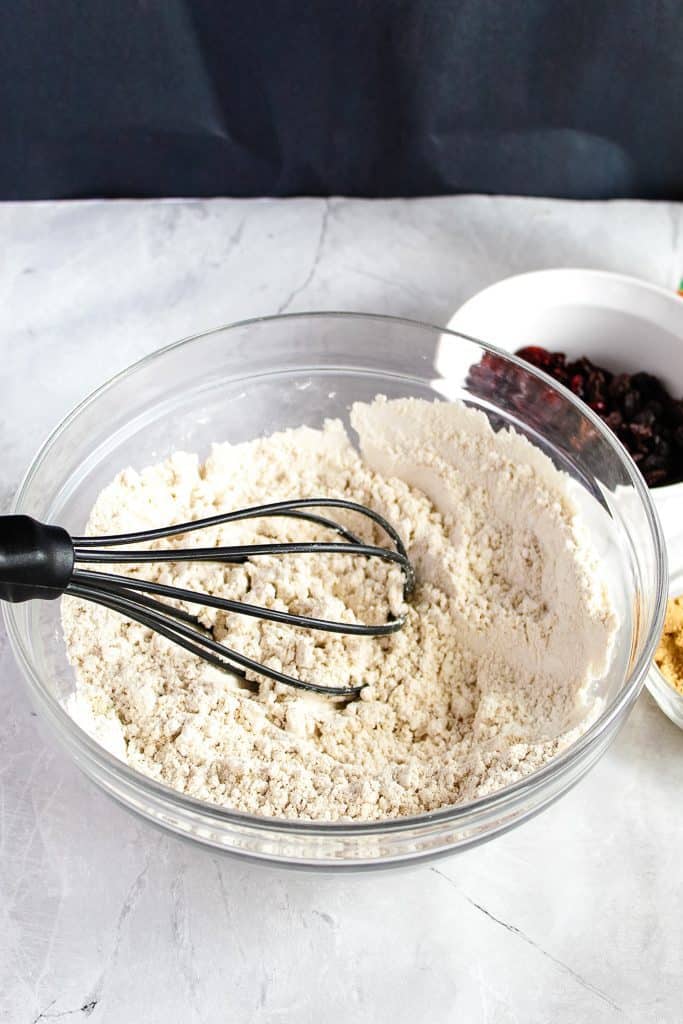
- In a medium bowl, add the potato starch, sorghum flour, tapioca starch, brown rice flour, xanthan gum, salt, cinnamon, baking powder, and yeast. Combine with a whisk. Set aside.
- In the bowl of a stand mixer or a large bowl for a handheld mixer, add the brown sugar, eggs, and softened butter. Mix on medium for 1 minute.
- Add the vinegar and water and beat on high for 2 minutes.
- Add the dry ingredients and mix on high for 2 more minutes.
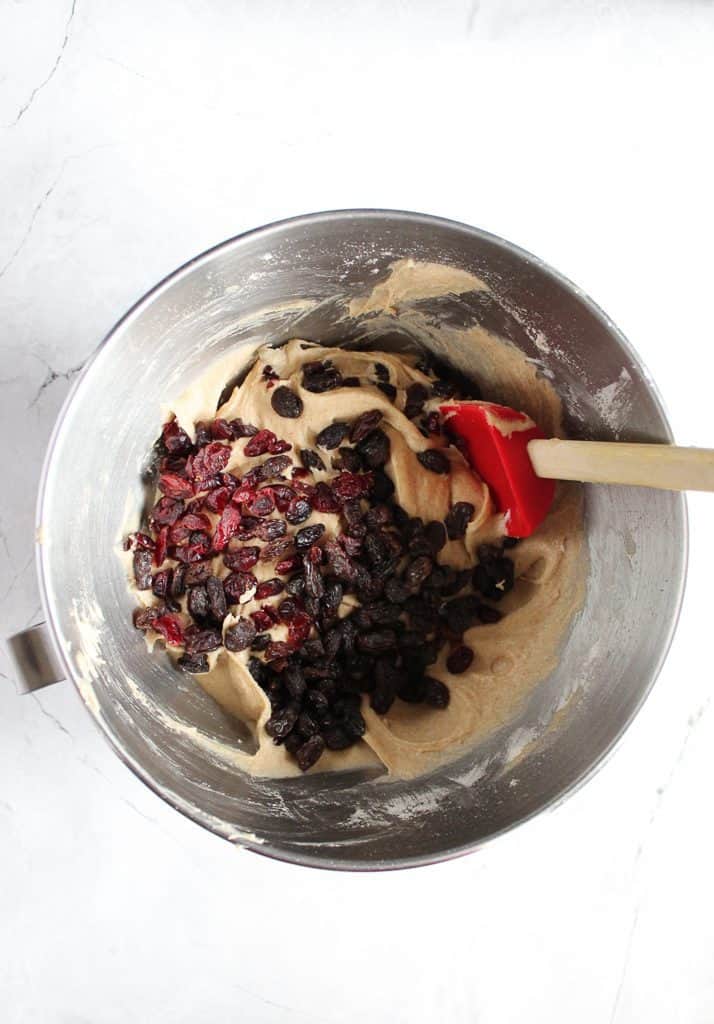
- Using a spatula, fold in the raisins and cranberries.
- Using a ⅓-cup measuring cup, portion 12 portions of batter into the prepared pan.
- Cover the pan with plastic wrap and let rise in a warm place for 30 minutes.
- Preheat the oven to 375° F. Bake for 25 minutes or until the tops are browned.
- Remove from the oven and let the buns cool in the pan on a wire rack for a few minutes.
Combine glaze ingredients.
- Scoop the glaze into a small plastic baggie. Cut off a very small corner of the baggie (a little larger than the thick part of a toothpick)
- Pipe crosses on each bun.
Notes
Success Tips
- The batter should look like thick cake batter, not traditional dough.
- Use warm (not hot) water to activate yeast properly.
- Don’t add extra flour to “fix” stickiness, because it will make buns dense.
- Mix thoroughly for an even structure.
Doneness Cues
- The tops should be golden brown.
- The buns should feel firm but spring slightly when pressed.
- The bottom should sound slightly hollow when tapped.
- The internal texture should be set, not wet or gummy.
Storage & Reheating
-
- Room temperature: Best eaten the same day.
- Short-term: Store in an airtight container for up to 2 days.
- Freezing: Freeze up to 2 months (without glaze).
- Reheat: Warm in the oven or microwave to restore softness.
Nutrition
Hot Cross Buns: A Tradition Baked Into Every Cross
Before you go into technique, you must understand what makes hot cross buns unique and why they’re so closely tied to Easter traditions. Even when adapted into gluten-free hot cross buns, the meaning and structure stay the same.
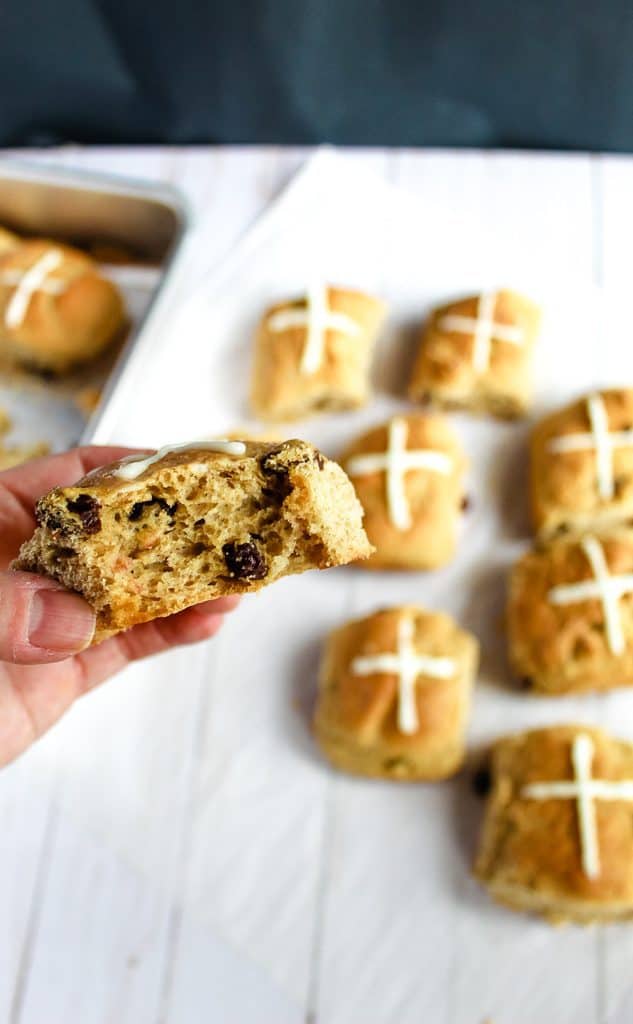
Easter Meaning & Symbolism
Hot cross buns are not just spiced buns. Traditionally, the cross on top symbolizes the crucifixion, which is why these buns are strongly associated with Good Friday.
The warm spices inside, such as cinnamon, are similar to those used in burial traditions. As a result, the buns have symbolic and historical meaning.
That’s why the flavor profile is specific. It is sweet, but lightly spiced, slightly rich, and balanced. You’ll notice a similar structure in other enriched gluten-free breads like our Gluten-Free Potato Buns That Actually Stay Soft and Fluffy.
Why They’re Eaten at Easter
Hot cross buns became an Easter essential because of their symbolism and practicality. They’re made from simple ingredients, easy to share, and tied directly to seasonal baking traditions.
Today, they’re still baked and eaten around Easter, whether for religious reasons or as part of the seasonal tradition. Even in gluten-free form, they carry the same role: soft, spiced buns that mark the occasion without losing their original identity.
Step-by-Step Recipe Instructions
Now that everything is clear, follow the steps in this section carefully. The process is simple, but precision is what gives gluten-free hot cross buns their soft texture and proper rise.
Essential Kitchen Tools
Precision and handling matter more than usual for this recipe. Therefore, you should have this equipment in place:
- Stand Mixer or Hand Mixer: These tools ensure the batter is thoroughly mixed, resulting in a smooth, even texture.
- Mixing Bowls: Having one for dry ingredients and one for wet keeps everything controlled and consistent.
- Digital Kitchen Scale (Recommended): It gives accurate measurements, especially for flours and starches.
- Measuring Cups and Spoons: These tools are useful if you’re not weighing ingredients, but make sure you’re consistent.
- 9×13-Inch Baking Pan: It keeps the buns evenly spaced so they rise and bake uniformly.
- Spatula: Ideal for folding in dried fruit and for scraping the bowl clean.
- Piping Bag (or Plastic Bag): This tool lets you pipe the cross neatly on top of each bun.
- Cooling Rack (Optional): This tool allows air to circulate and prevents soggy bottoms after baking.
Step 1: Prepare the Pan
Lightly grease a 9×13-inch baking pan and set it aside. This prevents sticking and helps the buns release cleanly after baking.
Step 2: Mix the Dry Ingredients
In a medium bowl, whisk together all flours, starches, xanthan gum, salt, cinnamon, baking powder, and instant yeast until evenly combined. Even distribution at this stage prevents an uneven rise later.
Step 3: Mix the Wet Ingredients
In a separate bowl (or stand mixer), combine brown sugar, eggs, and softened butter. Then, mix on medium speed for 1 minute until smooth.
Step 4: Combine and Build the Dough
Add apple cider vinegar and warm water (about 110°F / 43°C) to the wet mixture.
Afterward, beat on high speed for 2 minutes, then add the dry ingredients and mix again for 2 minutes until fully combined.
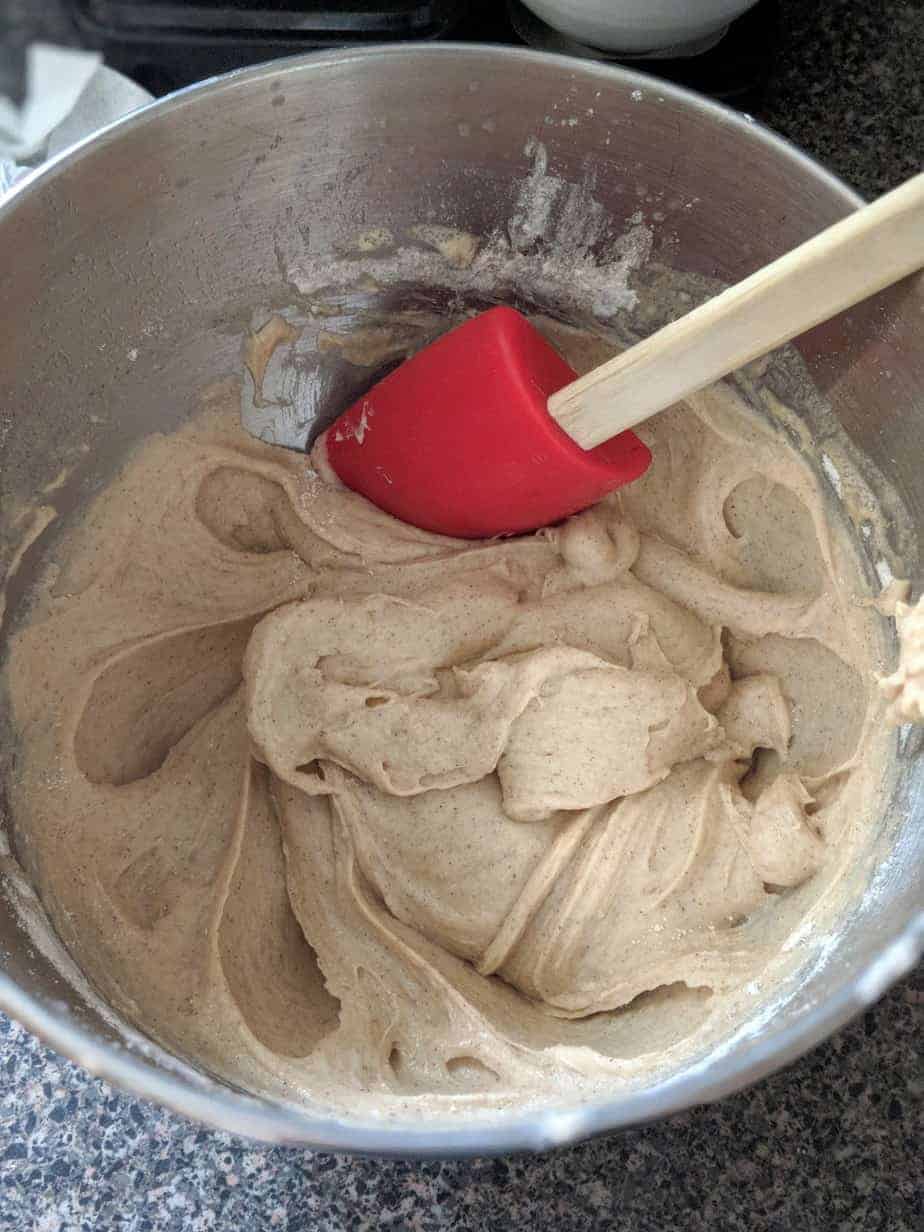
The mixture should look like thick cake batter, not traditional dough.
Why Gluten-Free Hot Cross Bun Dough Looks Different
Gluten-free hot cross bun dough will not look or feel like traditional bread dough. Instead of being smooth and kneadable, it should be thick, sticky, and scoopable, almost like a very thick cake batter. That texture is normal.
Try not to add extra flour just to make the dough easier to handle. Too much flour can make gluten-free buns dry, dense, or crumbly after baking. For best results, portion the dough with a measuring cup or scoop and use a spatula to help shape it in the pan.
Step 5: Add the Fruit
Gently fold in the raisins and dried cranberries using a spatula.
Step 6: Portion the Dough
Using a ⅓ cup measure, scoop and drop 12 portions of batter into the prepared pan.
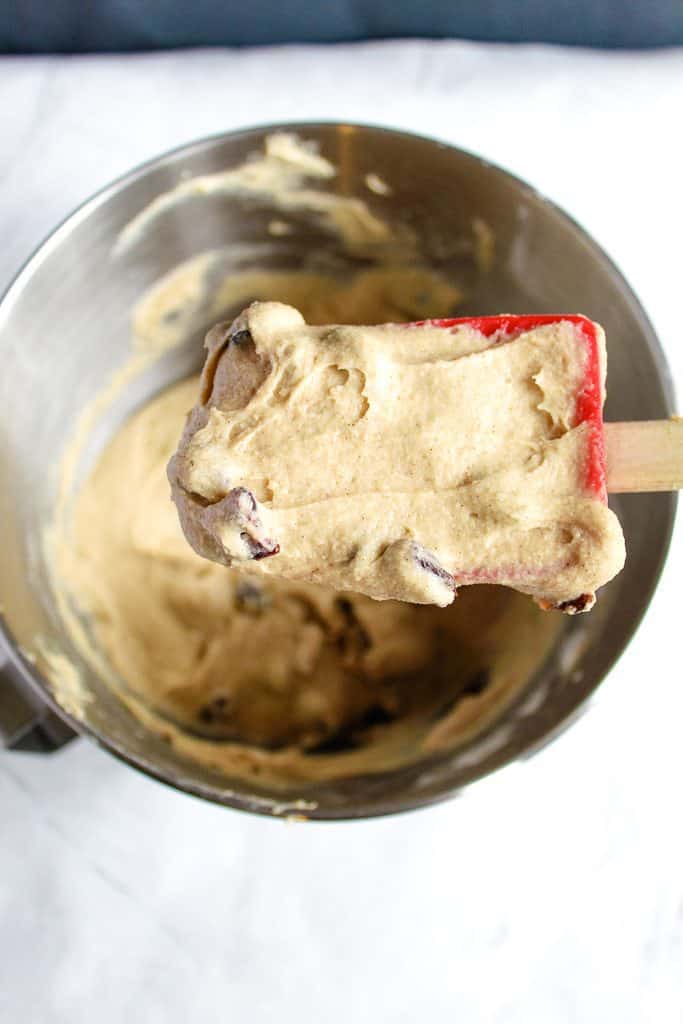
The batter should hold its shape loosely but remain soft and sticky.
Step 7: Proof the Dough
Cover the pan with plastic wrap and let the buns rise in a warm place for 30 minutes.
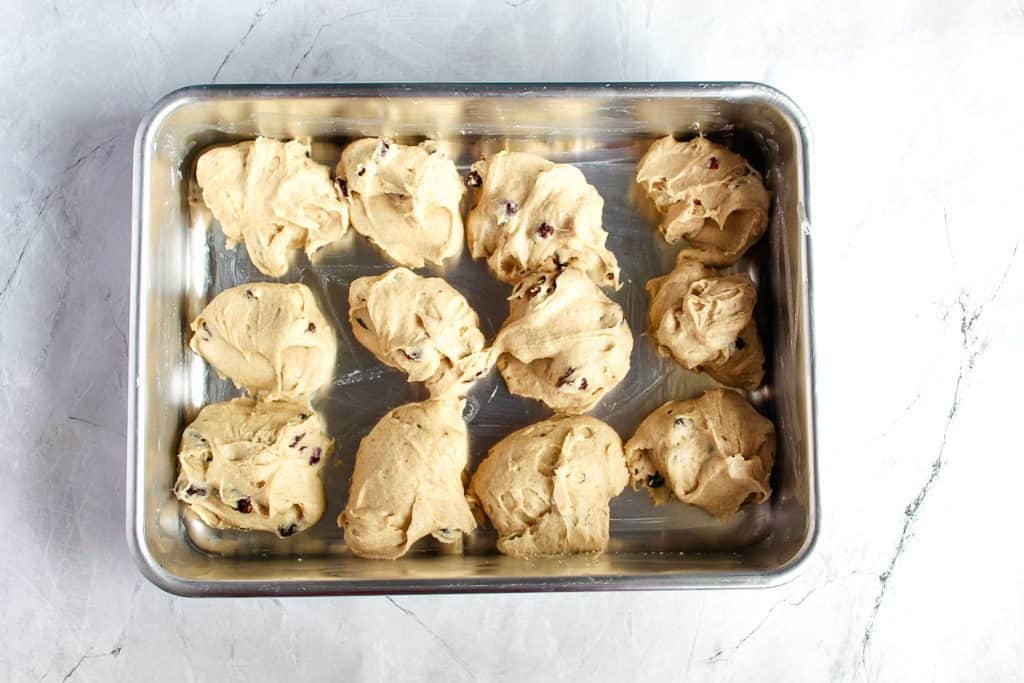
The buns should look slightly puffed but not doubled.
Step 8: Bake
Preheat the oven to 375°F (190°C). Then, bake for 25 minutes, or until the tops are golden brown.
Look out for these doneness cues:
- The tops should be evenly browned.
- The buns should feel set when pressed.
- The interior shouldn’t be wet or gummy.
Step 9: Cool Slightly
Remove the pan from the oven and let the buns cool in the pan for a few minutes before glazing. This helps the structure finish setting.
Step 10: Add the Cross & Glaze
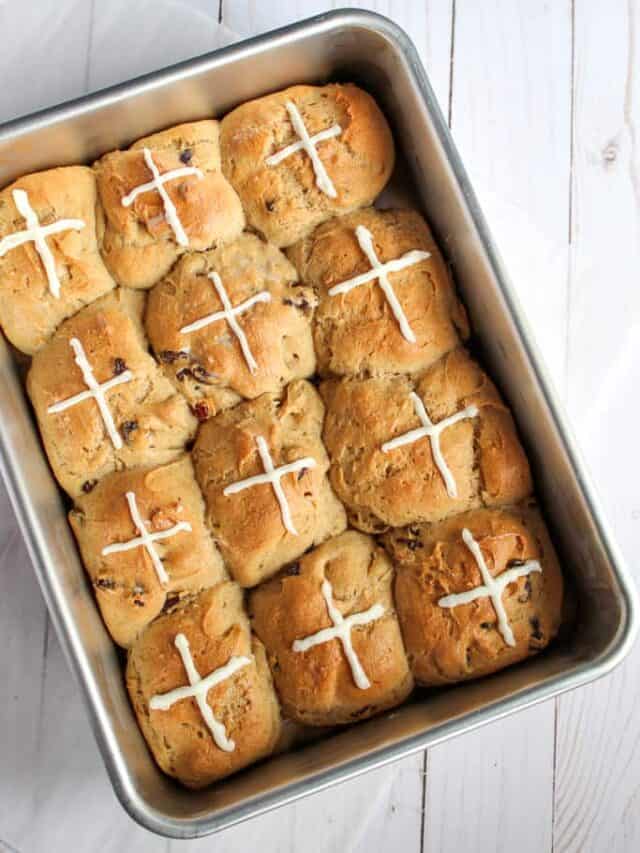
Mix the glaze ingredients until smooth. Next, transfer the mixture to a piping bag (or a plastic bag with a small cut in the corner) and pipe crosses onto each bun.
Why Gluten-Free Hot Cross Buns Are Hard to Make
Getting this recipe right isn’t just about swapping flour. The way the dough behaves changes completely, which affects texture, moisture, and rise.
Missing Structure Problem
Without gluten, the dough lacks elasticity and strength. This makes it harder to trap air and retain shape during baking, which is why gluten-free buns can turn out dense if the structure isn’t properly supported.
Moisture Balance Challenges
Gluten-free dough requires more hydration, but the balance has to be precise. Too little leads to dry, crumbly buns, whereas too much creates a heavy or under-set texture.
Yeast & Rise Issues
Because the structure is weaker, the dough doesn’t hold gas as effectively. This makes the rise more sensitive to timing and temperature compared to traditional baking.
Other gluten-free breads face similar challenges, as seen in recipes like our Top 9 Gluten-Free Hot Dog Buns.
The Best Gluten-Free Flours for Hot Cross Buns
The texture of these gluten-free buns depends heavily on the flour combination you use. No single flour can replicate gluten on its own. Hence, you must layer structure, softness, and elasticity by combining the right ones.
Rice Flour
Rice flour (especially brown rice flour) provides the base structure. It has a mild flavor and helps the buns hold their shape during baking.
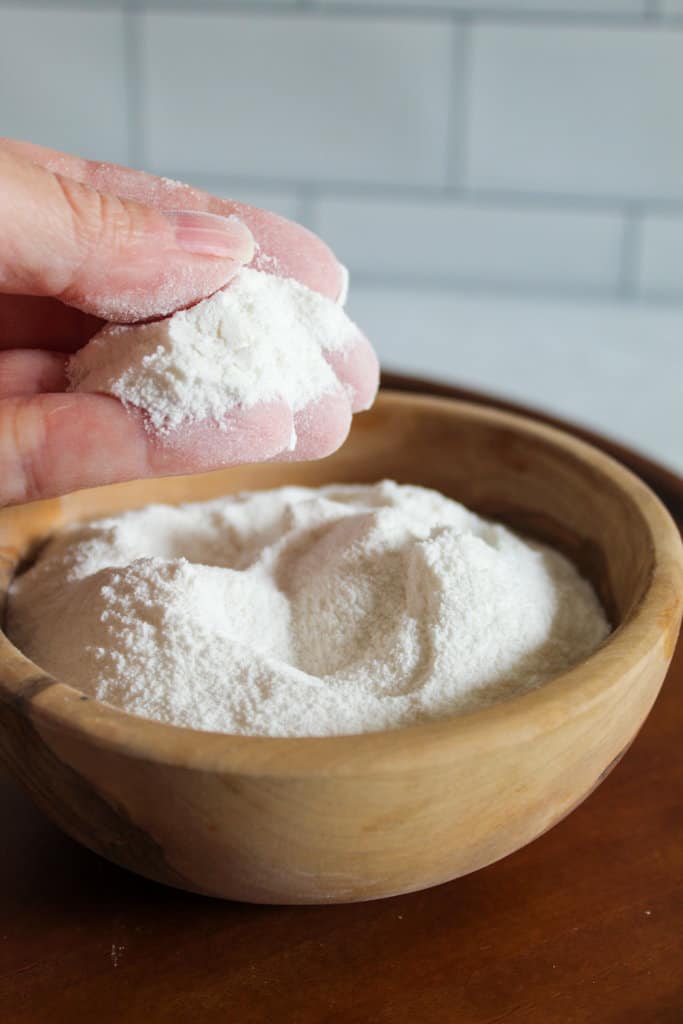
Always combine it with other flours, because on its own, it produces dense, crumbly buns. It works best as the foundation, supported by starches and softer flours.
Tapioca Flour
Tapioca flour (or tapioca starch) provides elasticity to the dough. It’s soft, chewy, and slightly stretchy.
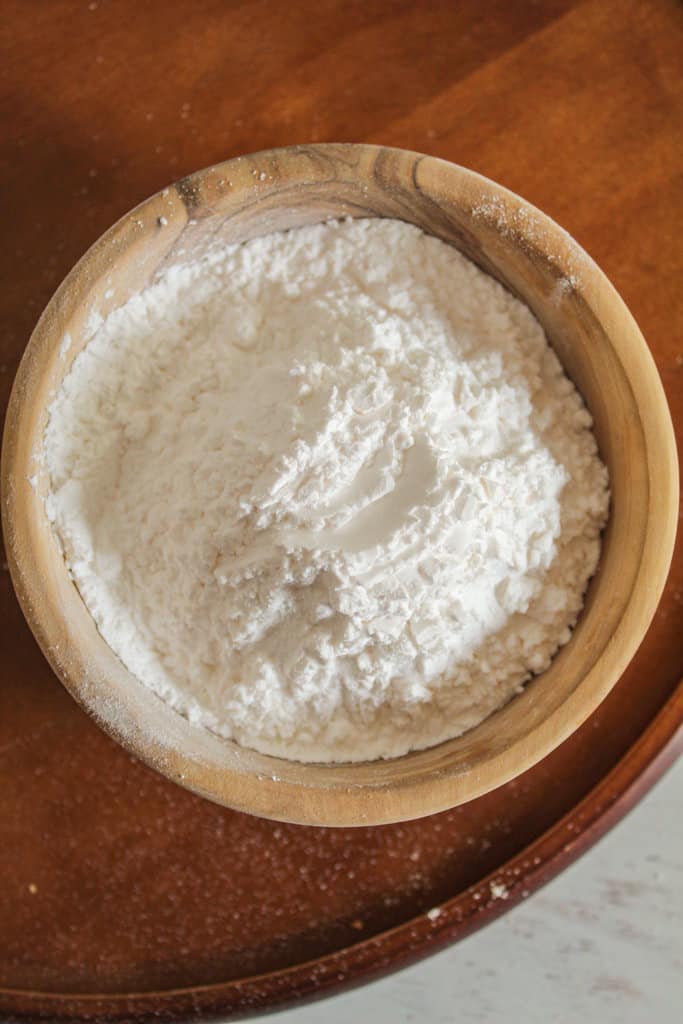
Also, ensure you always combine it with other flours, as using it alone makes it excessively sticky and lacking structure. It’s essential for balancing rice flour and creating a lighter crumb.
Sorghum Flour
Sorghum flour adds softness and a more balanced texture. It also improves the overall mouthfeel, making the buns less gritty.
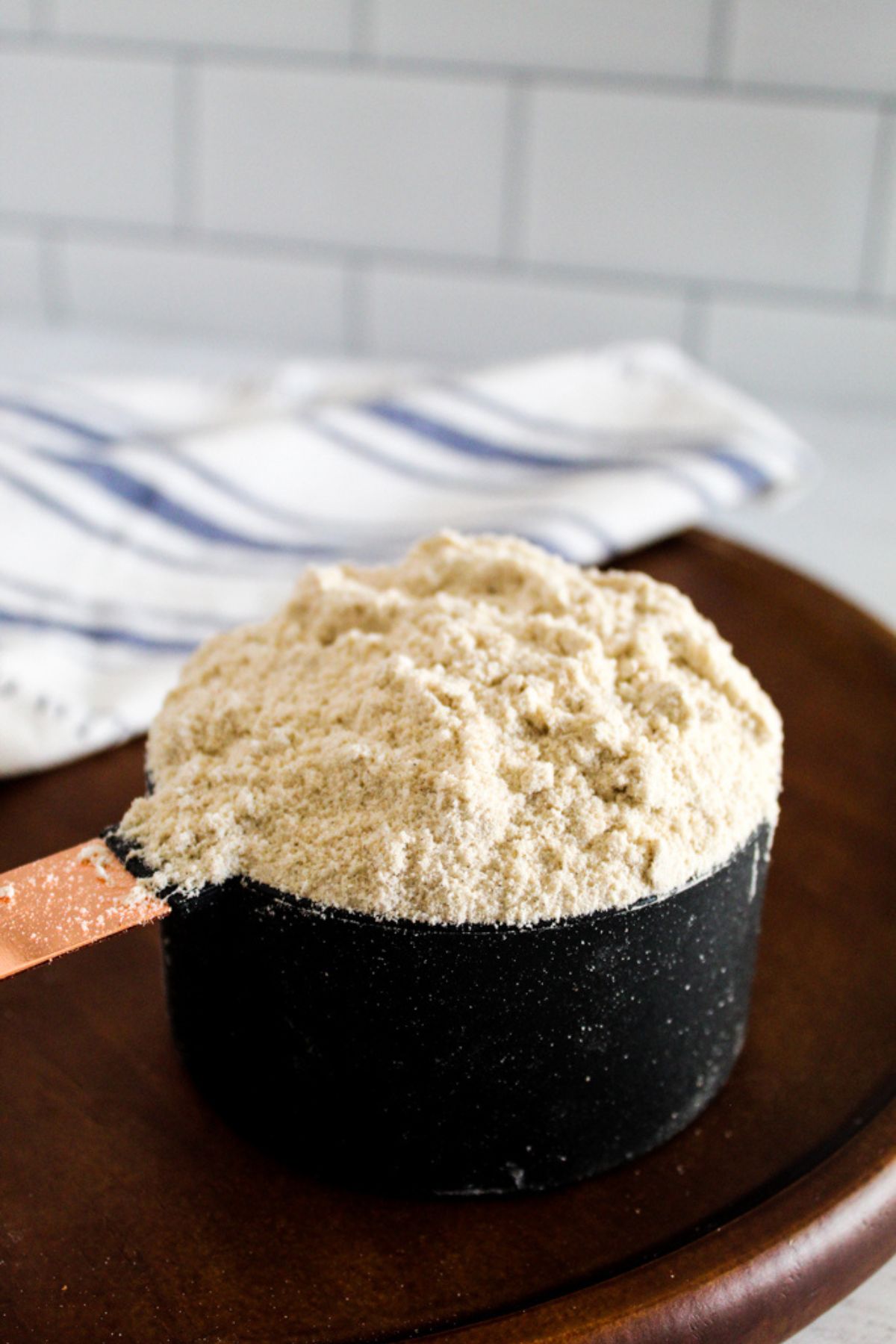
On its own, it lacks enough strength to hold the structure. If you don’t have it, explore alternatives like 9 Best Sorghum Flour Substitutes, but expect small differences in softness.
How to Get Soft & Fluffy Gluten-Free Buns
You must learn how to control a few key variables to get the right texture. Focus on these:
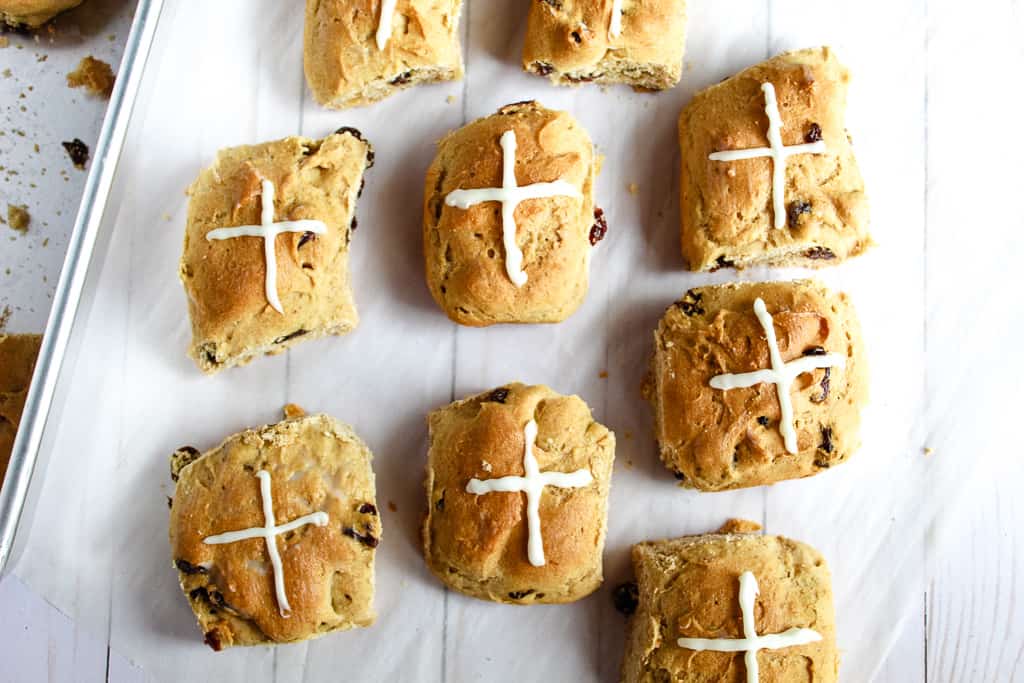
Hydration Tips
The dough should be soft and slightly sticky. Avoid adding extra flour to reduce stickiness, as this will make the buns heavier.
Mixing Method
Mix until the batter is smooth and fully combined. Even mixing ensures a consistent texture and better rise.
Dough Consistency (Visual Cues)
The dough should look thick and scoopable, not stiff and not runny. It should hold its shape loosely when portioned.
Baking Precision
Bake until the buns are lightly golden and set. Avoid underbaking, which results in a soft interior that doesn’t hold, or overbaking, which dries them out.
Proofing & Rise Guide
Getting the rise right is what determines whether your gluten-free cross buns turn out light or dense. Unlike regular dough, you can’t rely on guesswork; you must watch both time and visual cues.
How Long Should Dough Rise?
Let the dough rise for about 30 minutes in a warm, draft-free environment.
Signs Your Dough Is Ready
Instead of focusing only on the clock, look at the dough itself.
- Slightly puffed appearance.
- Smoother surface.
- Slow spring-back when touched.
Common Proofing Mistakes
These are the main reasons gluten-free buns fail to rise properly:
- Letting the dough sit too long.
- Proofing in a cold environment.
- Placing the dough in excessive heat.
Common Problems and Fixes for Better Results
Small mistakes can affect how your gluten-free hot cross buns turn out, even if you follow our steps closely. Refer to this guide to quickly identify issues and discover effective solutions.
Why Are My Buns Dense?
Dense buns usually come from poor structure or incorrect ratios. Fix this issue by keeping the dough soft and slightly sticky, measuring accurately, and allowing enough time for a proper rise.
Why Didn’t They Rise?
If the buns didn’t rise, the issue is usually with the yeast or the environment. In such situations, use warm water (not hot), check yeast freshness, and proof in a warm, draft-free space.
Why Are They Dry?
Dry buns are usually caused by moisture loss or an imbalance in the environment. Therefore, stick to exact measurements and avoid extending bake time beyond what’s needed.
Why Is the Texture Gummy?
A gummy texture means the structure didn’t set properly. Hence, bake until fully set, keep ingredient ratios balanced, and allow the buns to cool before serving.
Other Flavor Variations You Should Try
Once you’ve mastered the base recipe, adjusting the flavor of your gluten-free hot cross buns becomes easy without affecting the texture. These variations keep the structure intact while giving you different options to suit your taste.
No Raisins Version
Do you prefer a simpler flavor? You can leave out the raisins and dried cranberries entirely.
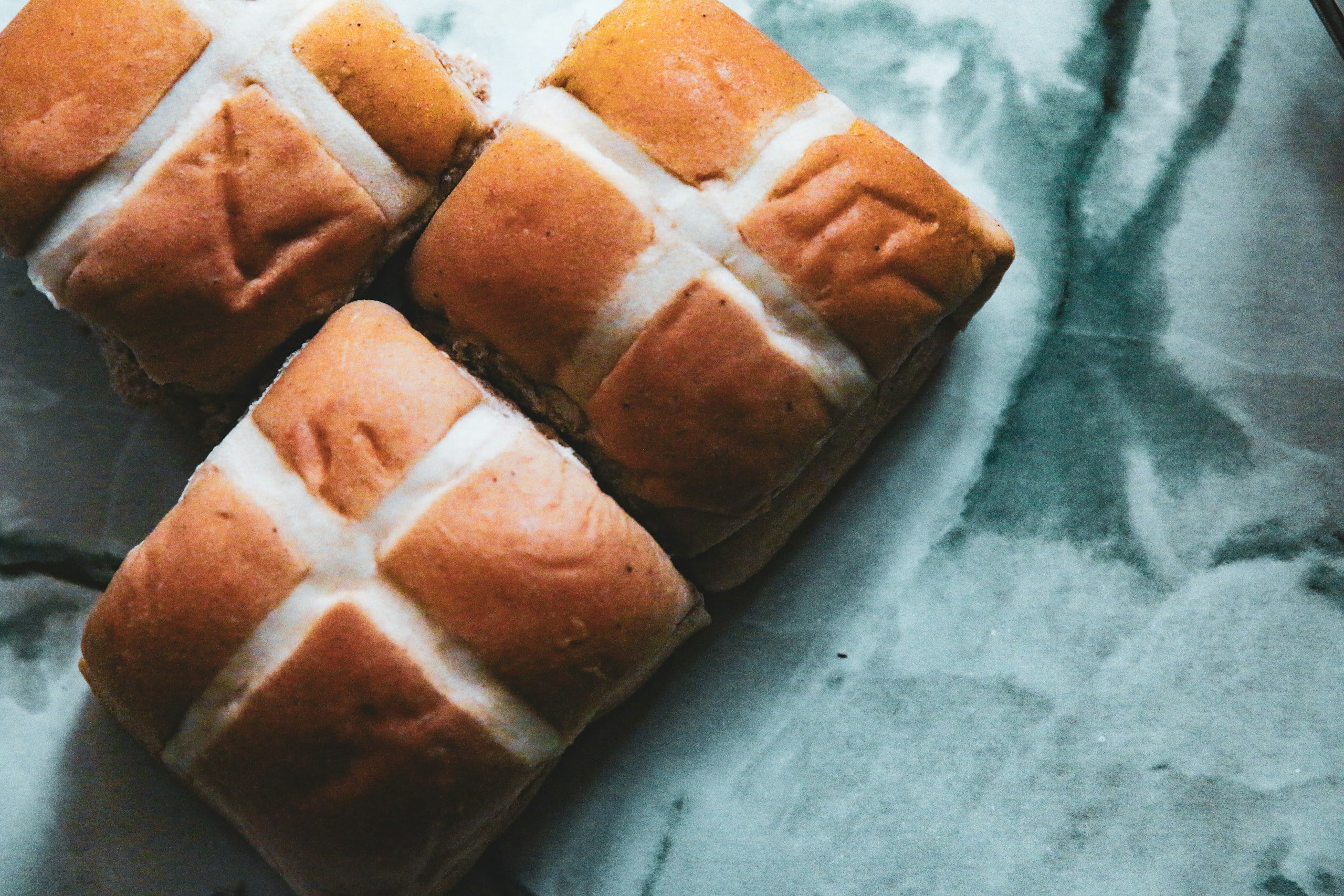
Replace with nothing for a cleaner, lightly spiced bun, or swap with chopped nuts or seeds for added texture. This version works well if you want something less sweet or more neutral for serving.
Chocolate Chip Version
For a richer twist, replace the dried fruit with chocolate chips. Use dark or semi-sweet chips for balance, and add them at the same stage as the fruit to keep distribution even.
Are you unsure which type works best? This guide, Unsweetened vs Bittersweet Chocolate: Differences, Uses & Smart Substitutes, will help you select the right chocolate for your desired flavor and sweetness.
Citrus Glaze Version
You can also adjust the glaze to brighten the flavor. Add orange or lemon zest to the glaze, and replace part of the milk with fresh citrus juice. This creates a lighter finish that pairs well with the warm spices in the buns.
How to Serve Hot Cross Buns
For the best texture, serve the buns slightly warm. Toasting enhances the outside while keeping the inside soft.
They also pair well with simple breakfast combinations or can be served on their own as a light snack.
How to Store, Freeze & Reheat These Buns
Keeping your gluten-free hot cross buns soft after baking them depends on how you store and reheat them. Without the right approach, they can dry out quickly.
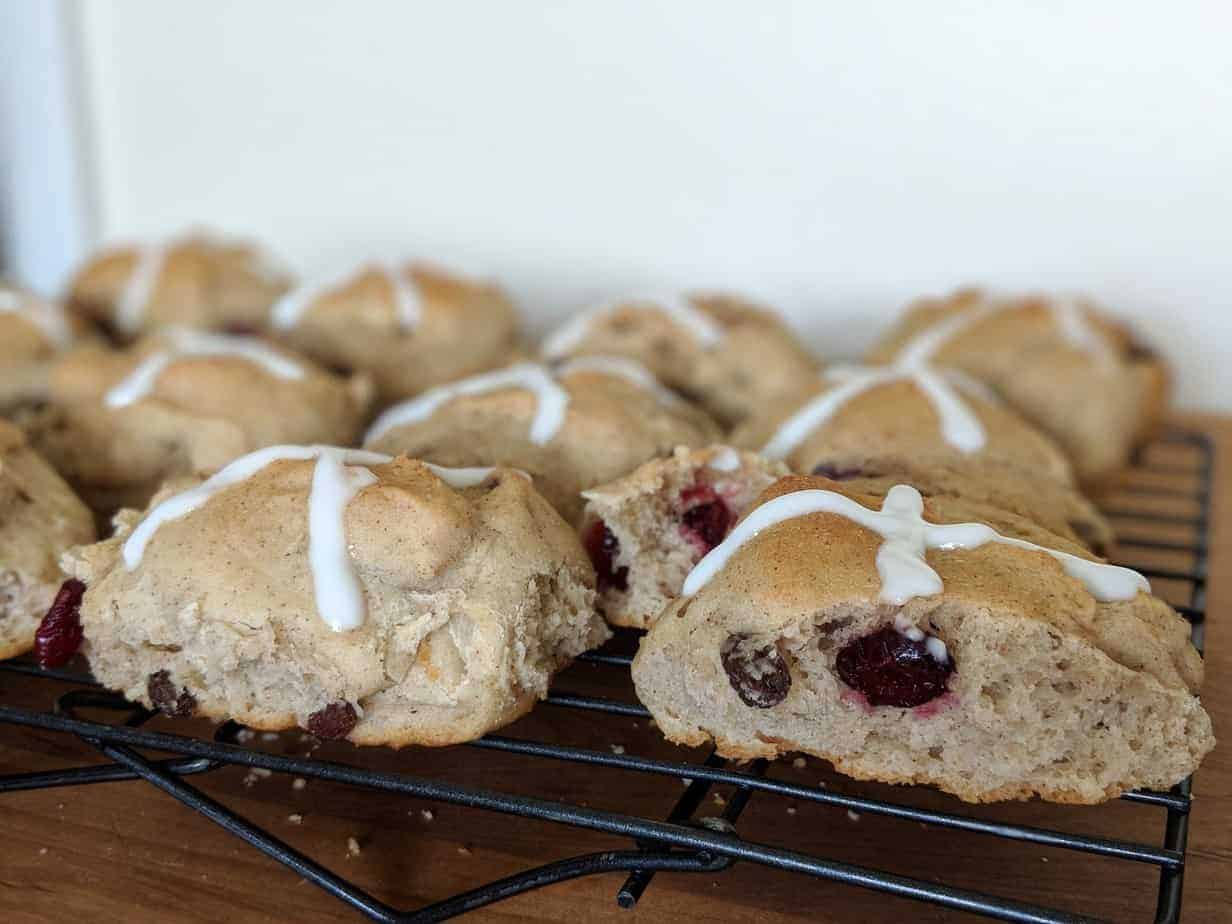
How to Store Without Drying Out
Gluten-free buns lose moisture faster, so storage matters.
- Let the buns cool completely before storing.
- Place them in an airtight container at room temperature.
- They are best consumed within 1–2 days.
How to Reheat Properly
Reheating brings back softness, but it needs to be controlled.
- Microwave: 10–15 seconds for a quick, soft result.
- Oven: Warm at low heat (around 300°F / 150°C) for a few minutes.
Freezing Instructions
Freezing is the best option for longer storage.
- Freeze buns without glaze for best results.
- Wrap individually or store in a sealed bag.
- Store for up to 2 months.
When you want to use them, thaw at room temperature and reheat gently to restore texture.
Nutritional Benefits of Gluten-Free Hot Cross Buns
Gluten-free hot cross buns are more than just a seasonal alternative. In fact, when made with the right ingredients, they can also be a more balanced option. They provide steady energy from complex carbohydrates and are suitable for people with celiac disease or gluten sensitivity, helping to reduce the digestive discomfort associated with gluten.
When thoughtfully prepared, ingredients like sorghum flour can add extra nutritional value, contributing fiber, B vitamins, minerals, and antioxidants. However, the overall health profile depends on the flour blend used, as some gluten-free baked goods rely heavily on refined starches with lower nutritional density.
This recipe is designed for gluten-free home bakers who want a reliable Easter bake that stays true to tradition while offering a more mindful ingredient profile.
Frequently Asked Questions
The following are the common questions we get from bakers about this recipe. Check the comments if you can’t find yours here.
How Do I Make the Buns More Flavorful Without Changing the Texture?
You can increase the amount of spices, like cinnamon, slightly, or add citrus zest to the dough or glaze. These changes enhance flavor without affecting structure.
Do I Need A Stand Mixer for This Recipe?
You can mix by hand, but a mixer helps ensure the batter is smooth and evenly combined, which improves the final texture.
Can I Make Smaller or Larger Buns with This Recipe?
You can adjust the size, but the baking time will need to change. Smaller buns bake faster, while larger ones take longer to cook through without drying out.
Can I Make This Recipe Dairy-Free?
You can replace butter with coconut oil or dairy-free butter, and use plant-based milk in the glaze without significantly affecting the structure.
Related Recipes You Should Try Next
If you enjoyed making these buns, there are a few more recipes you can try using the same principles.
- For a quick, everyday option, try Gluten-Free Zucchini Muffins (Dairy-Free).
- If you want something richer and more indulgent, go for Gluten-Free Cinnamon Rolls Recipe: Soft & Extra Fluffy.
- Want a versatile base for a variety of meals? Try our step-by-step Best Gluten Free English Muffins Recipe.
Whether you’re baking breakfast, brunch, or a cozy treat, these recipes are great next steps for building more confidence with gluten-free baking.
Share Your Results & Questions
If you try this recipe, share how they turned out. Did you get a soft texture and good rise, or did you tweak anything along the way?
If you have questions about ingredients, texture, or steps, drop them in the comments. You can also share any variations you tried, whether it’s changing the flavor, adjusting the sweetness, or modifying the ingredients.
Your feedback helps others get better results and makes the recipe more useful for everyone.