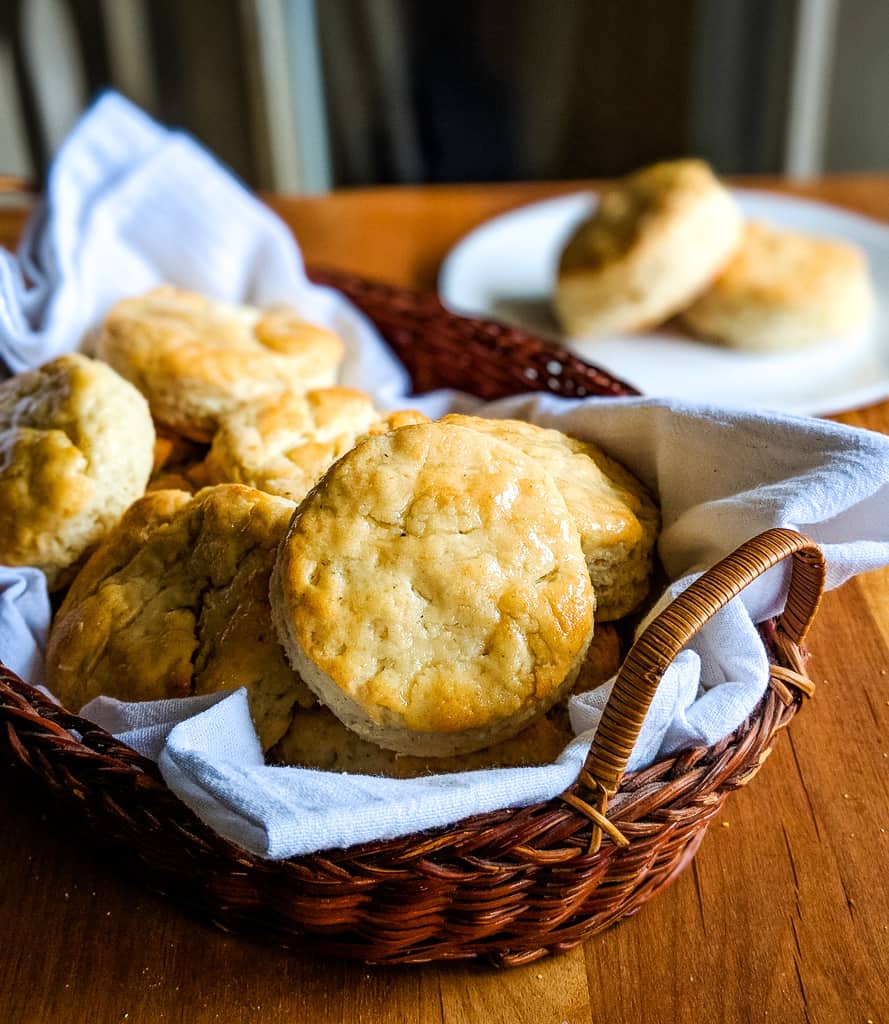
Getting oat flour biscuits just right is a real challenge: skip one detail, and you’ll end up with biscuits that are dry, dense, or crumbly, because oat flour doesn’t have gluten to help you out.
This recipe addresses those challenges directly. By eliminating guesswork, it guides you to consistently soft, tender biscuits that hold their shape and avoid heaviness or dryness, setting the stage for successful results.
Table of Contents

In addition, the simple, naturally gluten-free ingredients make this recipe easy to integrate into daily baking for breakfast, as a side, or for quick batches, building on the improvements described above.
Building on this approach, you can further expand your gluten-free baking with our Easy Gluten-Free Oatmeal Apple Muffins Recipe, offering another reliable choice.
Quick Recipe Snapshot
Before baking, here’s a brief overview of this oat-flour biscuit recipe to help you anticipate each step based on the principles introduced above.
Want our human-written content to rank above AI-generated garbage? Help us out by clicking this button!
| Detail | Info |
|---|---|
| Prep Time | 10–15 mins |
| Bake Time | 16 mins |
| Texture | Soft & fluffy |
| Difficulty | Easy |
| Diet | Gluten-free |
Ingredients At A Glance
To better understand the recipe, review the required ingredients before proceeding to the details below.
- Oat flour
- Butter
- Milk
- Baking powder
- Salt
- Egg
How Each Ingredient Works in This Recipe
Next, let’s review each ingredient’s role and what you can tweak without ruining the recipe.
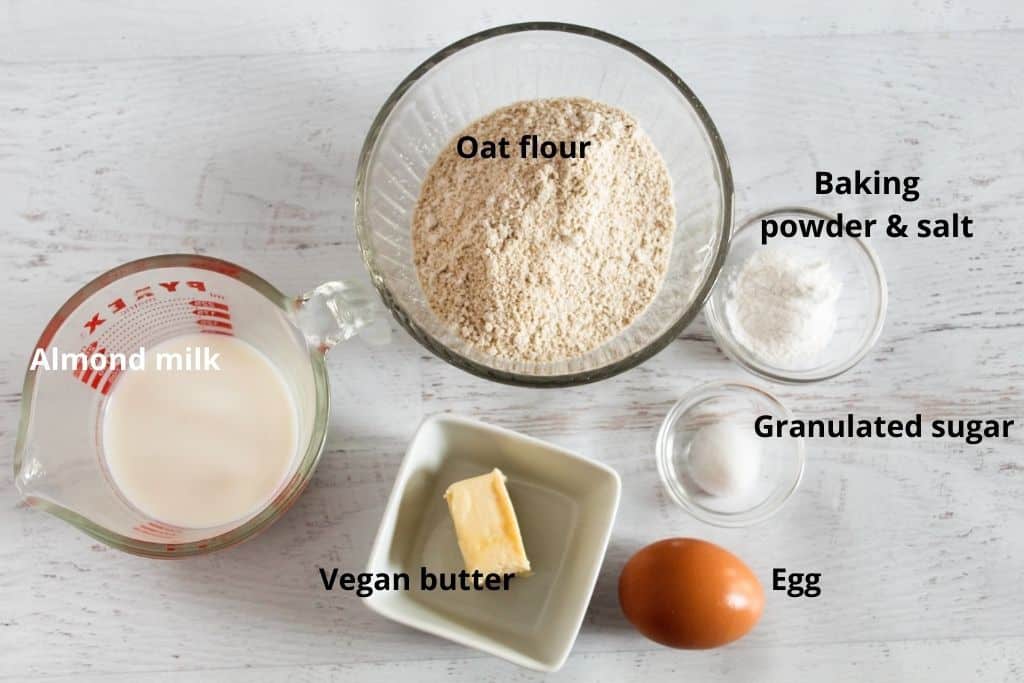
Oat Flour
Provides structure but no gluten, which means substitutions will directly affect texture.
If you’re considering alternatives, see Oat Flour vs Almond Flour for guidance.
Salt
Balances flavor and enhances the overall taste. In this case, no substitute is required.
Baking Powder
Creates lift and prevents the biscuits from becoming dense. Without enough of it, the biscuits will turn flat and heavy.
Granulated Sugar
Improves both flavor and browning. If needed, it can be replaced with a sugar-free granular sweetener without significantly affecting the structure.
Almond Milk
Hydrates the oat flour and helps form the batter. Alternatively, you can use oat milk or coconut milk, though coconut milk will add a stronger flavor.
Vegan Butter
Adds fat, which contributes to tenderness and light flakiness. For flexibility, regular butter or margarine can be used as a direct substitute.
Egg
Binds the ingredients together and improves structure. If you need an alternative, a liquid egg substitute can be used, though the texture may be slightly softer.
Why Oat Flour Biscuits Are Different
Oat flour biscuits behave differently from traditional biscuits because they lack gluten. Structure depends on moisture, fat, and handling rather than on elasticity.
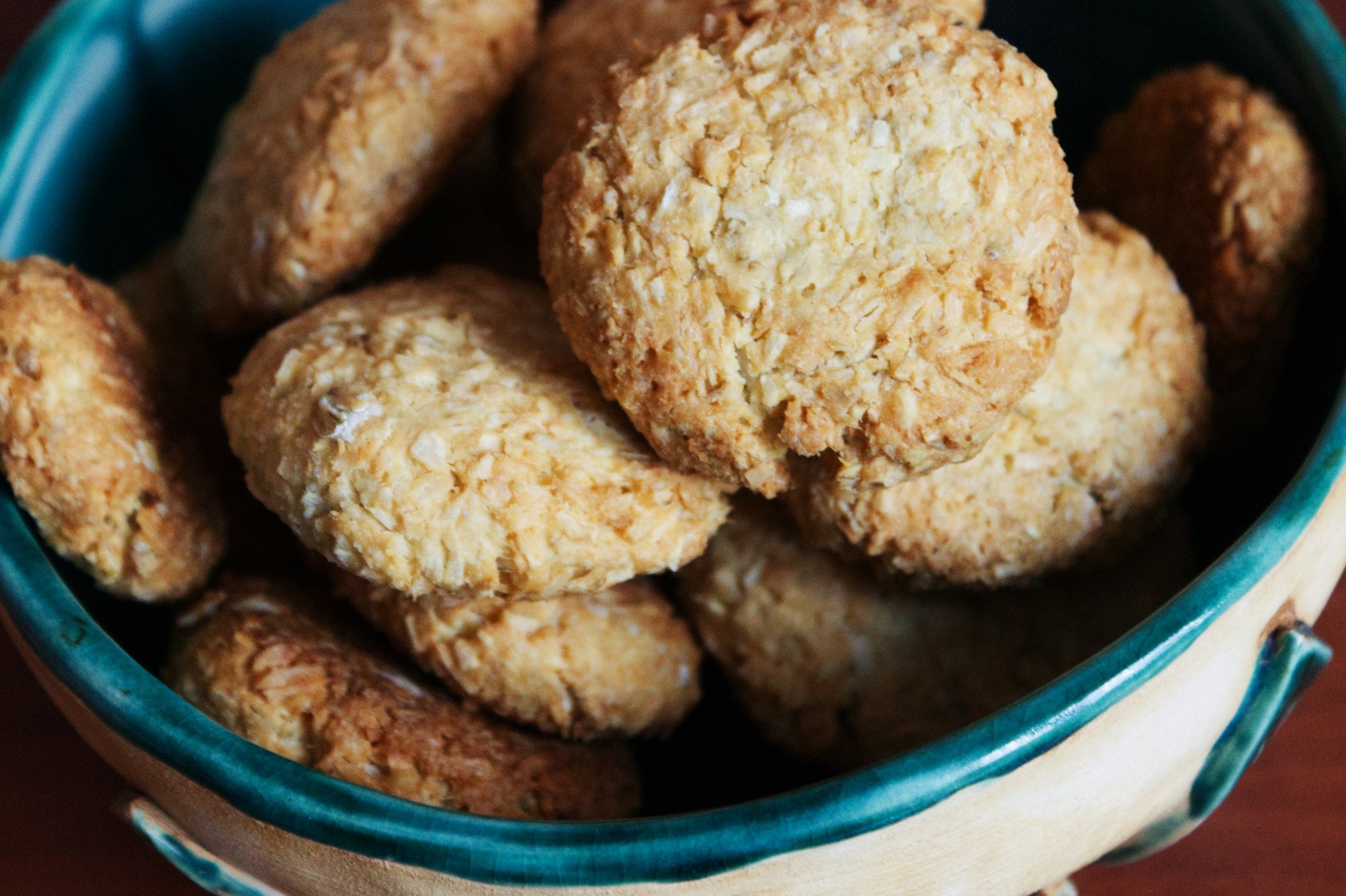
No Gluten, No Elastic Structure
Oat flour does not form a gluten network. This makes the dough less stable and more sensitive to little changes in mixing, moisture, and heat.
More Delicate Crumb
When balanced correctly, the texture is soft and tender with a light, slightly crumbly structure. When unbalanced, the biscuits break apart easily.
Higher Risk of Errors
Small mistakes have a larger impact:
- Too little moisture makes it crumbly.
- Overmixing makes it dense.
- Weak leavening makes it flat.
Why This Matters in Gluten-Free Baking
This pattern applies across similar recipes. In bakes like The Easiest Gluten-Free Banana Bread, structure comes from balance, not elasticity. Understanding this is what makes oat flour biscuits consistent instead of unpredictable.
Printable Oat Flour Biscuits Recipe Card
Ingredients
- 1¼ cup oat flour ,finely ground
- ½ teaspoon salt
- 2 teaspoons baking powder
- 1 Tablespoon granulated sugar
- ⅓ cup almond milk
- 2 Tablespoons vegan butter cold
- 1 large egg
Instructions
- In a medium bowl, whisk together oat flour, salt, baking powder, and sugar.
- Cut cold butter into small pieces and work it into the flour mixture until it resembles coarse crumbs.
- In a separate step, mix the egg with the almond milk, then add it to the dry ingredients.
- Stir until combined. The batter should resemble thick pancake batter.
- Let the batter rest for 30 minutes.
- Preheat the oven to 425 F. Place parchment paper on a baking sheet.
- Portion one full spoonful of batter into 6 biscuits. Use the back of a spatula to form them into a tall mound and smooth the tops.
- Bake for 16-18 minutes or until the edges are golden brown (these biscuits will not get brown tops).
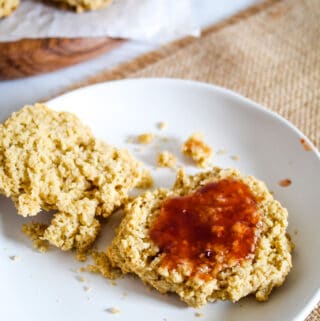
- Serve warm with butter or jelly.
Notes
Doneness Cues
- Edges turn golden brown.
- Tops stay light.
- Center feels set, not wet.
Notes (Mistakes & Tips)
- Use cold butter to prevent dense biscuits.
- Batter should not be dough. It should stay soft and scoopable.
- Resting the batter improves texture and prevents density.
- Measure oat flour accurately to avoid dryness.
Storage
- Best served fresh.
- Store at room temperature for 1–2 days.
- Freeze for longer storage and reheat before serving.
Nutrition (Per Biscuit – Approx.)
- Calories: 143 kcal
- Carbohydrates: ~18g
- Protein: ~4g
- Fat: ~6g
- Fiber: ~2g
Nutrition
Why This Recipe Works
This recipe controls three key variables, moisture, fat, and heat, to achieve oat flour biscuits with a consistent texture and structure.
Balanced Hydration
The liquid ratio is set to fully hydrate the oat flour without destabilizing the dough. As a result, this prevents both dryness and collapse.
Correct Fat Technique
Cold butter is used to create lift. As it melts in the oven, it creates little air pockets that keep the biscuits from becoming dense.
This same principle carries over to other recipes, such as Easy Oatmeal Chocolate Chip Muffins, where fat distribution directly affects texture and softness.
Proper Oven Setup
Finally, a fully preheated oven ensures the biscuits rise quickly before the structure sets. Because of this, it prevents spreading and improves overall texture.
Step-by-Step Instructions
Now that you understand why the recipe works, follow the steps below carefully to get consistent oat flour biscuits every time.
Essential Kitchen Tools for This Recipe
Before you start mixing, having the right tools in place will make each step easier and more precise.
Each tool supports a specific part of the process, mixing, shaping, or baking, and directly affects the final texture.
- Mixing Bowl: Use a large, sturdy bowl to combine ingredients without overmixing.
- Whisk: Ensures even distribution of baking powder and salt for a consistent rise.
- Pastry Cutter (Dough Blender): Cuts cold butter into oat flour without melting it, helping create a lighter texture.
- Silicone Spatula: Mixes batter gently to avoid overworking and density.
- Cookie Scoop or Spoon: It portions batter evenly for consistent size and baking.
- Baking Sheet: Provides even heat distribution for proper rise and browning.
Step 1: Mix Dry Ingredients
To begin, whisk together oat flour, salt, baking powder, and sugar in a medium bowl until evenly combined.
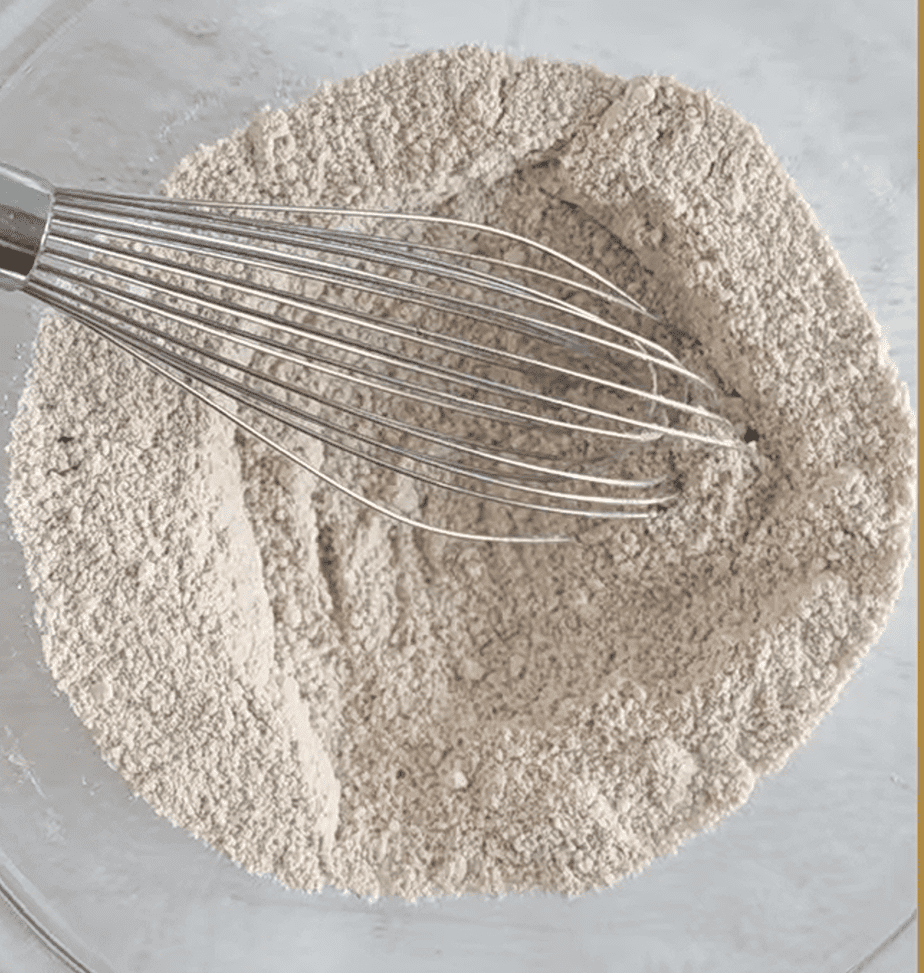
The mixture should look uniform, with no visible clumps, so that the biscuits rise evenly.
Step 2: Cut in Cold Butter
Next, add cold butter in small pieces. Use your fingers or a pastry cutter to work the mixture into the flour until it resembles coarse crumbs.
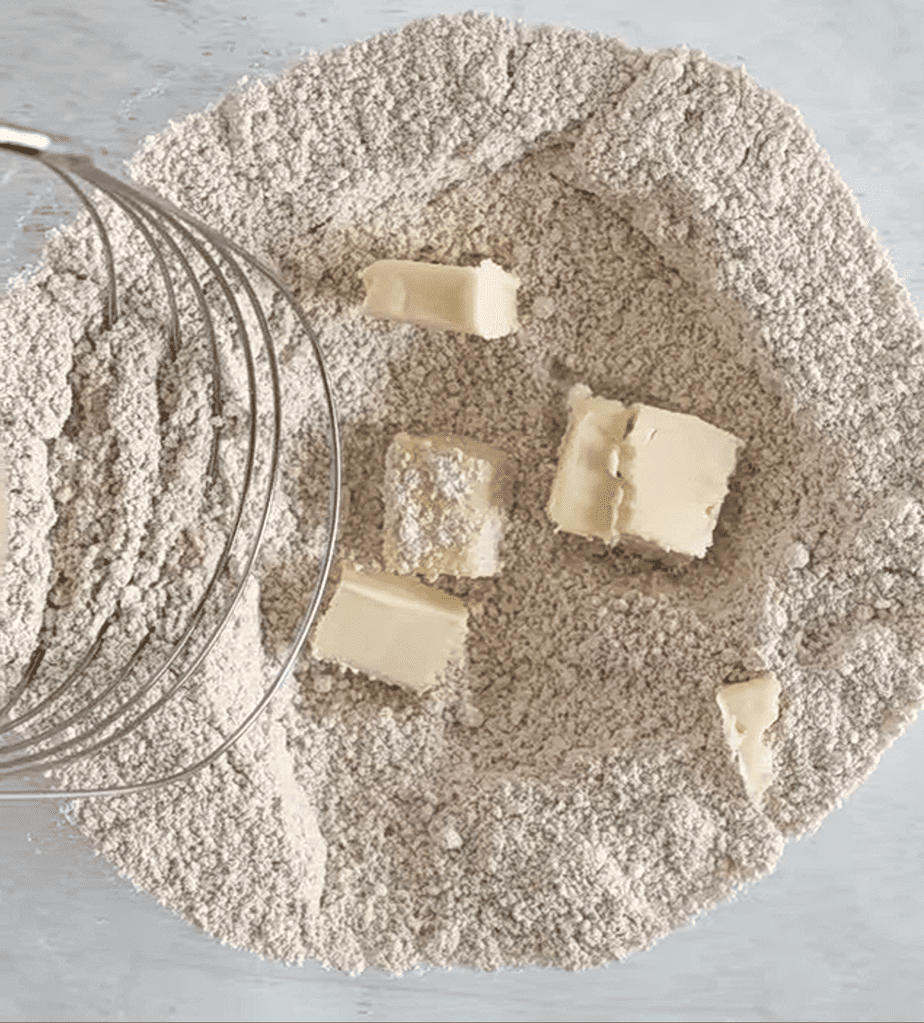
You should see small butter pieces throughout. At this stage, avoid overworking the mixture to keep the biscuits light rather than dense.
Step 3: Add Liquid
Once the butter is incorporated, combine the egg and almond milk in a separate bowl, then pour into the dry mixture. Stir until just combined.
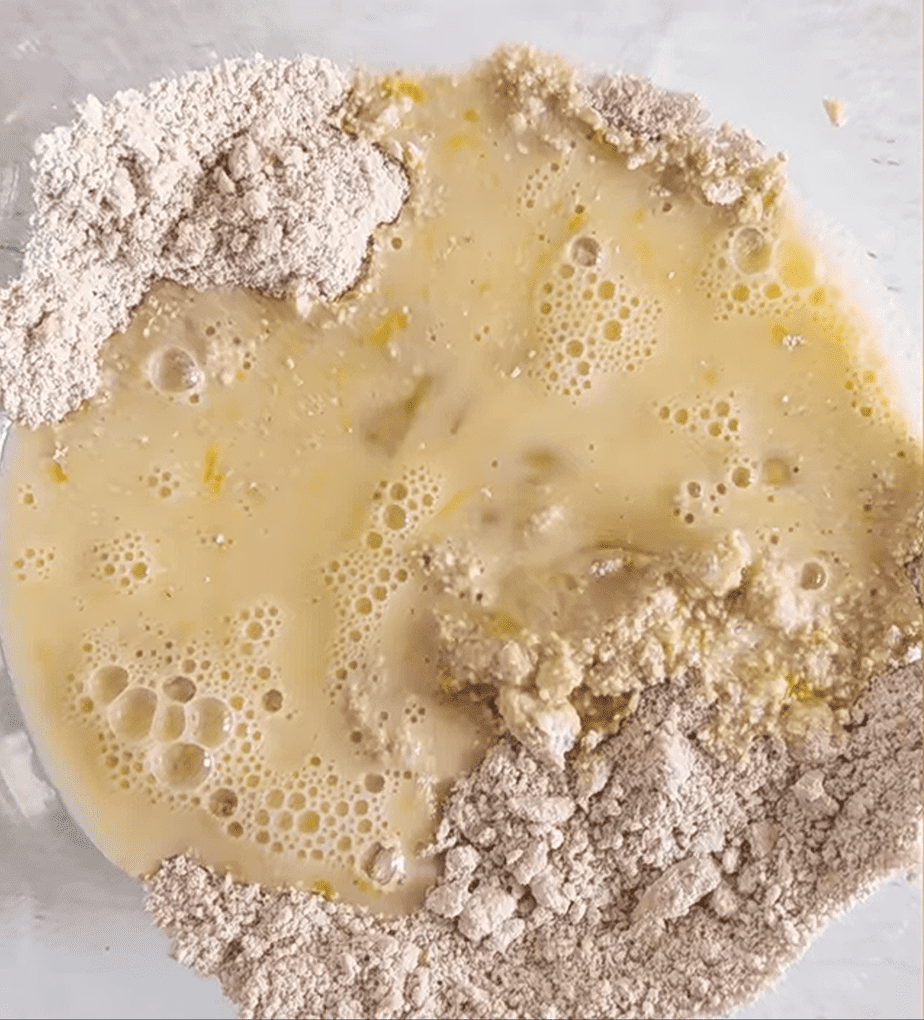
The batter will be soft and thick, closer to a scoopable batter than firm dough.
Step 4: Rest and Shape
After mixing, let the batter rest for 30 minutes to allow the oat flour to fully absorb moisture.
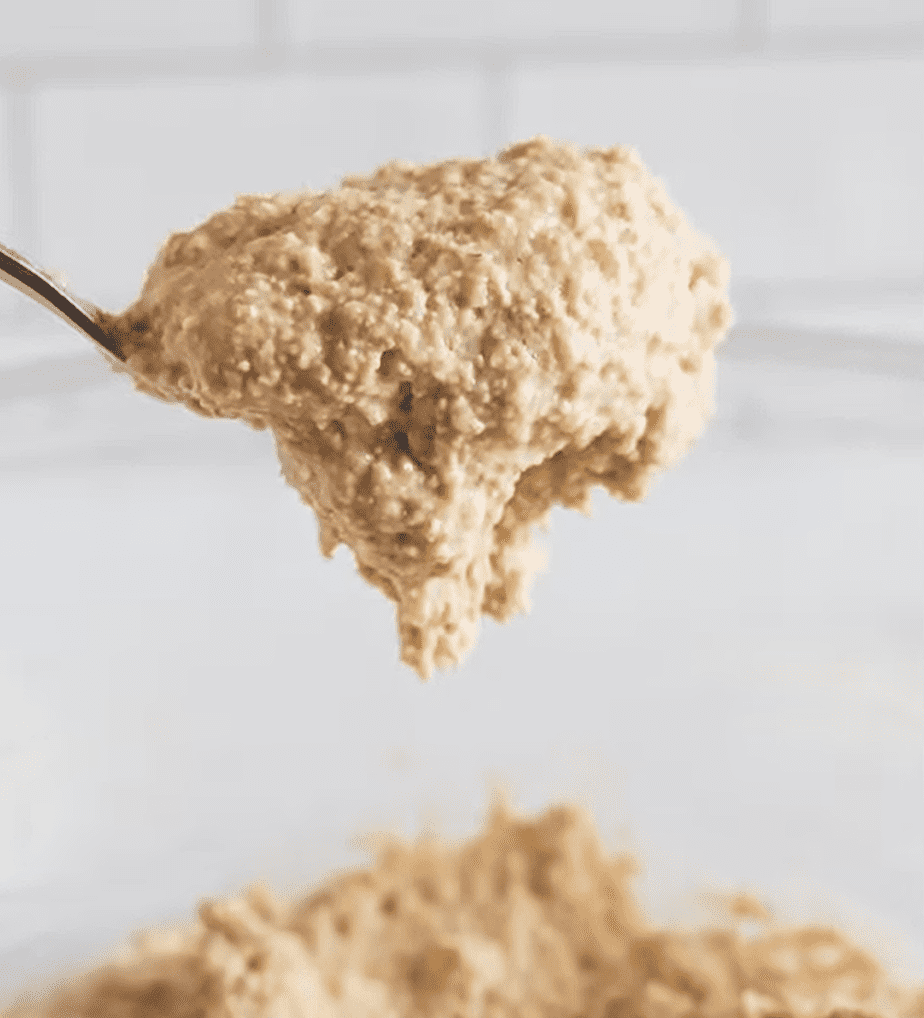
Then, scoop the batter onto a lined baking sheet and shape it into 6 tall mounds.
The batter should hold its shape but still feel soft. If it feels too dry, the biscuits may crumble after baking.
Step 5: Bake
Finally, bake in a preheated oven at 425°F for 16–18 minutes.
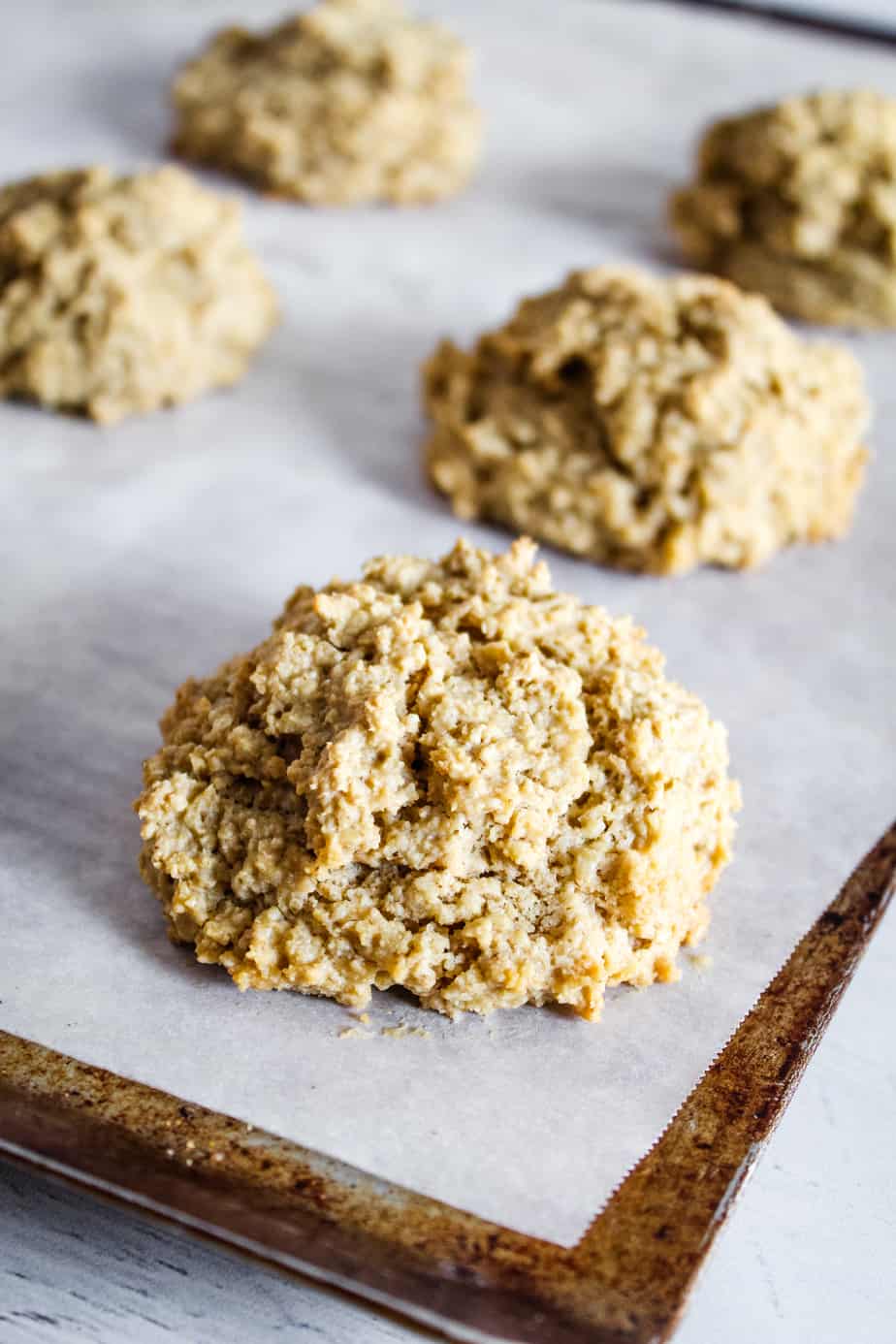
Look for these doneness cues:
- Edges turn golden brown.
- Tops remain light.
- Centers feel set, not wet.
Once baked, remove and allow them to cool slightly before serving.
How to Get the Right Texture in Your Biscuits
Now that the method is clear, small adjustments in mixing, moisture, and heat will determine your final texture.
For Fluffy Biscuits
If your oat flour biscuits turn out dense, the issue is usually in the mixing or fat handling.
- Do not overmix the batter. Stir only until the ingredients come together.
- Overmixing removes trapped air and compacts the dough, resulting in heavy biscuits rather than light ones.
Also, use cold fat. That’s because cold butter creates small pockets in the dough that release steam during baking, helping the biscuits rise. If the butter is soft or melted before baking, you lose that lift, and the biscuits become flat and dense.
For Soft Biscuits
Softness comes from proper hydration and spacing. Keep the dough slightly wetter than traditional biscuit dough. Oat flour absorbs liquid quickly, so a soft, scoopable batter helps the biscuits stay tender rather than dry.
Space the biscuits properly on the tray. If they are too close, they trap steam and affect how they set. Proper spacing allows even baking and a consistent soft texture throughout.
You’ll notice this same balance in recipes like Crumb-Topped Banana Oatmeal Muffins.
For Crispy Edges
If you prefer a slight contrast in texture, adjust the oven temperature.
Bake at a higher temperature to create crisp edges while keeping the center soft. The higher heat sets the outside faster, giving structure without drying the inside.
Lower temperatures produce softer, more uniform biscuits but reduce edge texture.
Biscuit Baking Temperature Chart
Oven temperature directly controls how oat flour biscuits rise, set, and develop texture. Small changes in heat will affect softness, structure, and edge finish.
| Oven Temp | Time | Result |
|---|---|---|
| 375°F | 12–15 min | Soft |
| 400°F | 10–12 min | Crisp edges |
375°F gives a softer texture, while 400°F gives crisp edges and a soft center. Ensure that you always preheat the oven fully.
Common Mistakes & How to Fix Them
If your oat flour biscuits didn’t turn out right, the issue is usually due to balance and handling. Here’s how to identify and fix the most common problems.
Dry Biscuits
Oat flour soaks in liquid quickly, and adding too much pulls moisture out of the dough.
Fix this by measuring oat flour accurately and avoiding packing it into the cup. If the batter feels stiff instead of soft and scoopable, add a small amount of liquid to adjust.
Dense Texture
Overmixing compacts the batter and removes air needed for lift.
Resolve this by mixing only until combined. The batter should stay soft, not tight or overworked. Stop as soon as there are no dry patches.
Flat Biscuits
Without enough lift, the biscuits spread rather than rise.
Solve this issue by using the full amount of baking powder and checking that it’s still active. Bake in a fully preheated oven so the biscuits rise quickly before setting.
Crumbly Texture
Oat flour biscuits need enough liquid to hold together.
Resolve this issue by ensuring the dough is properly hydrated and allowing it to rest so the oat flour can absorb moisture. A dry batter leads to biscuits that break apart after baking.
These same issues appear in other gluten-free recipes, such as our Foolproof Oat Flour Banana Bread Recipe.
Easy Oat Flour Biscuits Variations to Try
Once you have the base recipe working, you can adjust oat flour biscuits for different dietary needs and flavors without changing the structure.
Vegan Oat Flour Biscuits
Replace the egg with a liquid egg substitute or flax egg. Use plant-based butter and non-dairy milk.
The result is a slightly softer structure, but it still holds together when properly hydrated.
Dairy-Free Version
Use almond milk, oat milk, or coconut milk. Then, replace butter with vegan butter or a neutral oil.
You will get a similar texture, with slight flavor variation depending on the milk used.
Savory (Cheese/Herbs)
Add shredded cheese, chopped herbs, or spices to the batter.
- Cheese: cheddar or parmesan
- Herbs: rosemary, thyme, parsley
You will end up with more structured biscuits with a richer flavor. Cheese also helps bind slightly.
Sweet (Honey/Maple)
Increase sweetness by adding honey or maple syrup. Also, reduce the liquid slightly to maintain balance.
- Optional: add cinnamon or vanilla
The outcome is softer biscuits with a lightly sweet flavor, suitable for breakfast or snacks.
What to Serve With Oat Flour Biscuits
This recipe works in both sweet and savory meals. Pairing them correctly improves texture balance and makes the meal more complete.
Butter & Jam
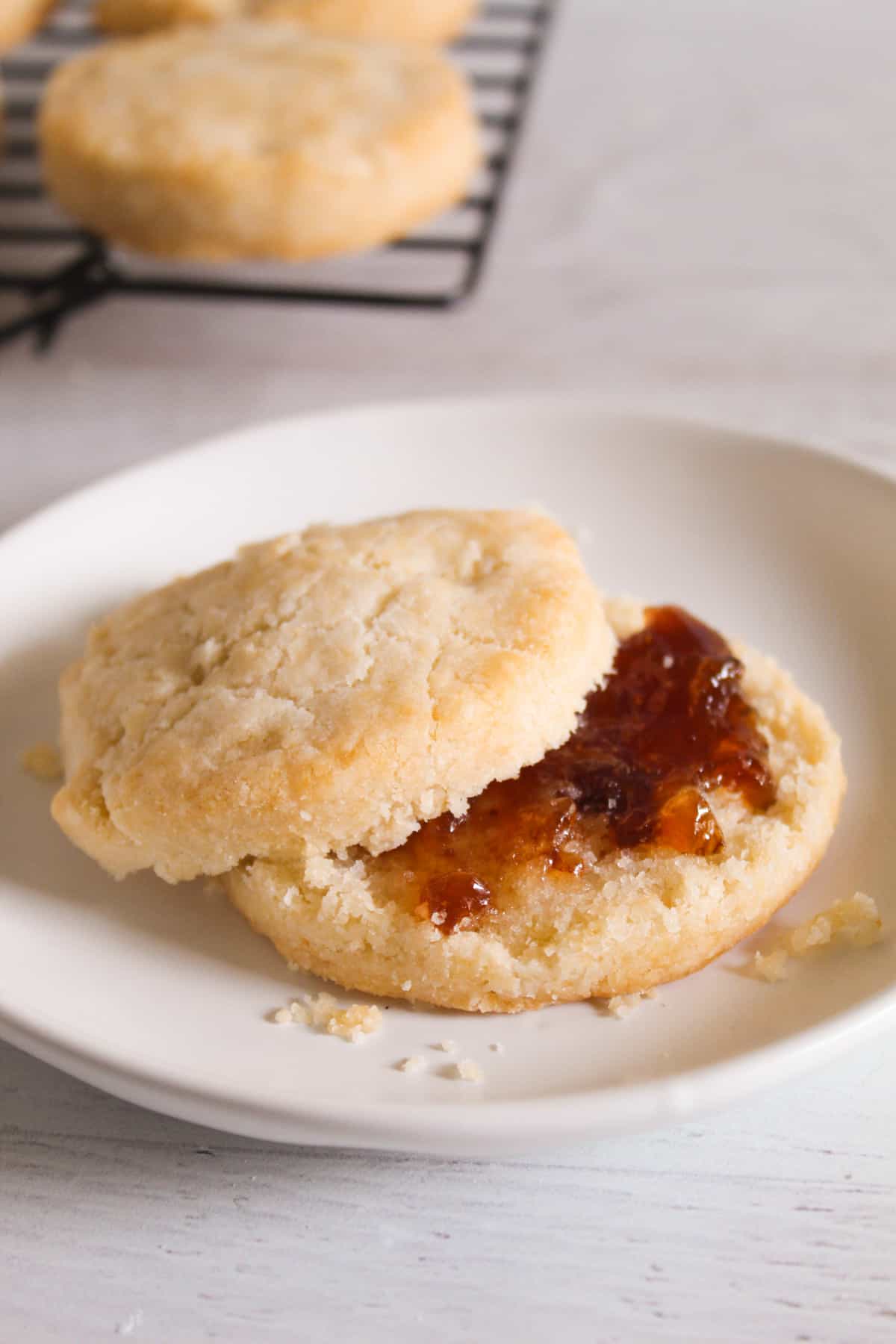
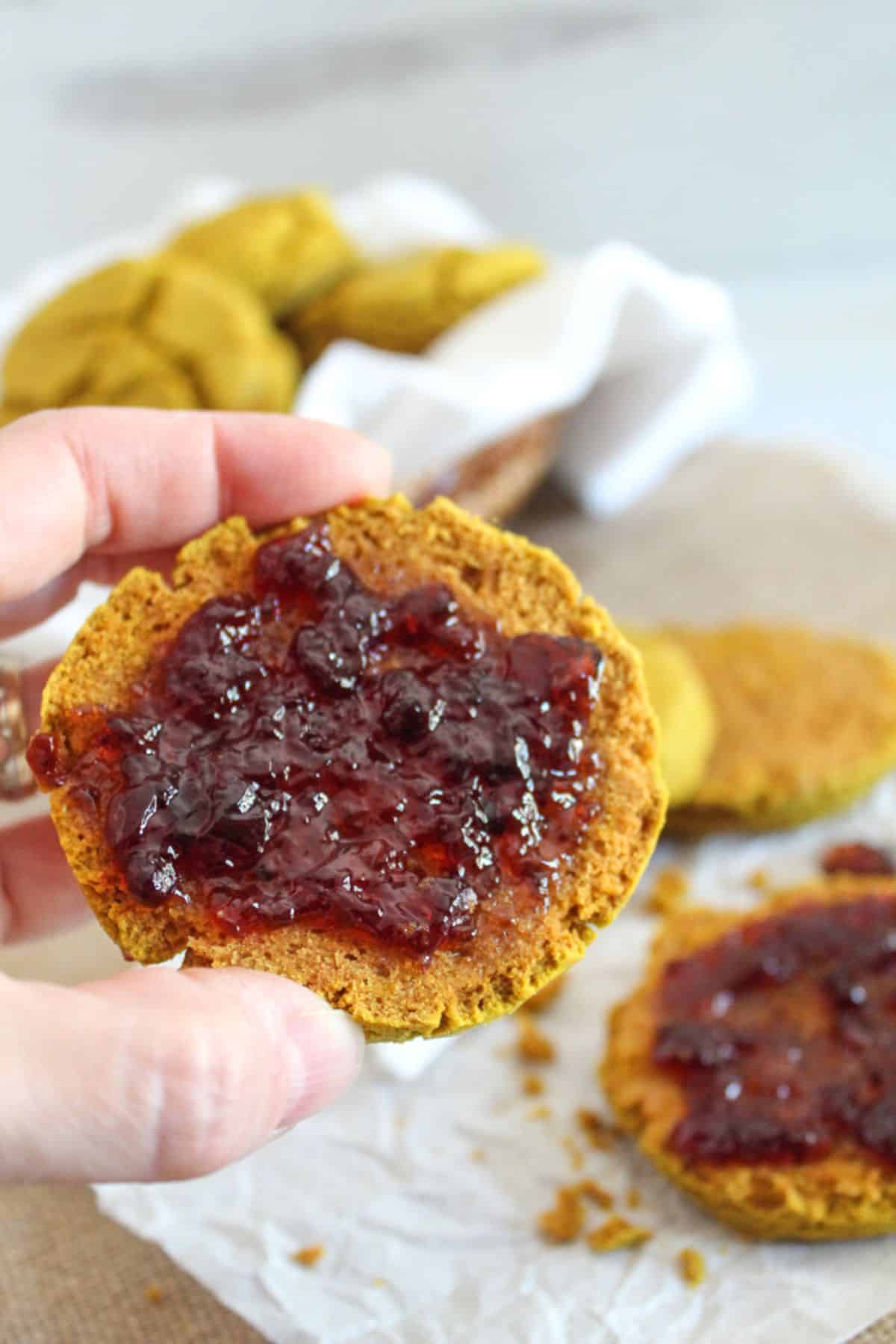
This is a simple option. Spread butter while the biscuits are warm so it melts into the crumb, then add jam for contrast.
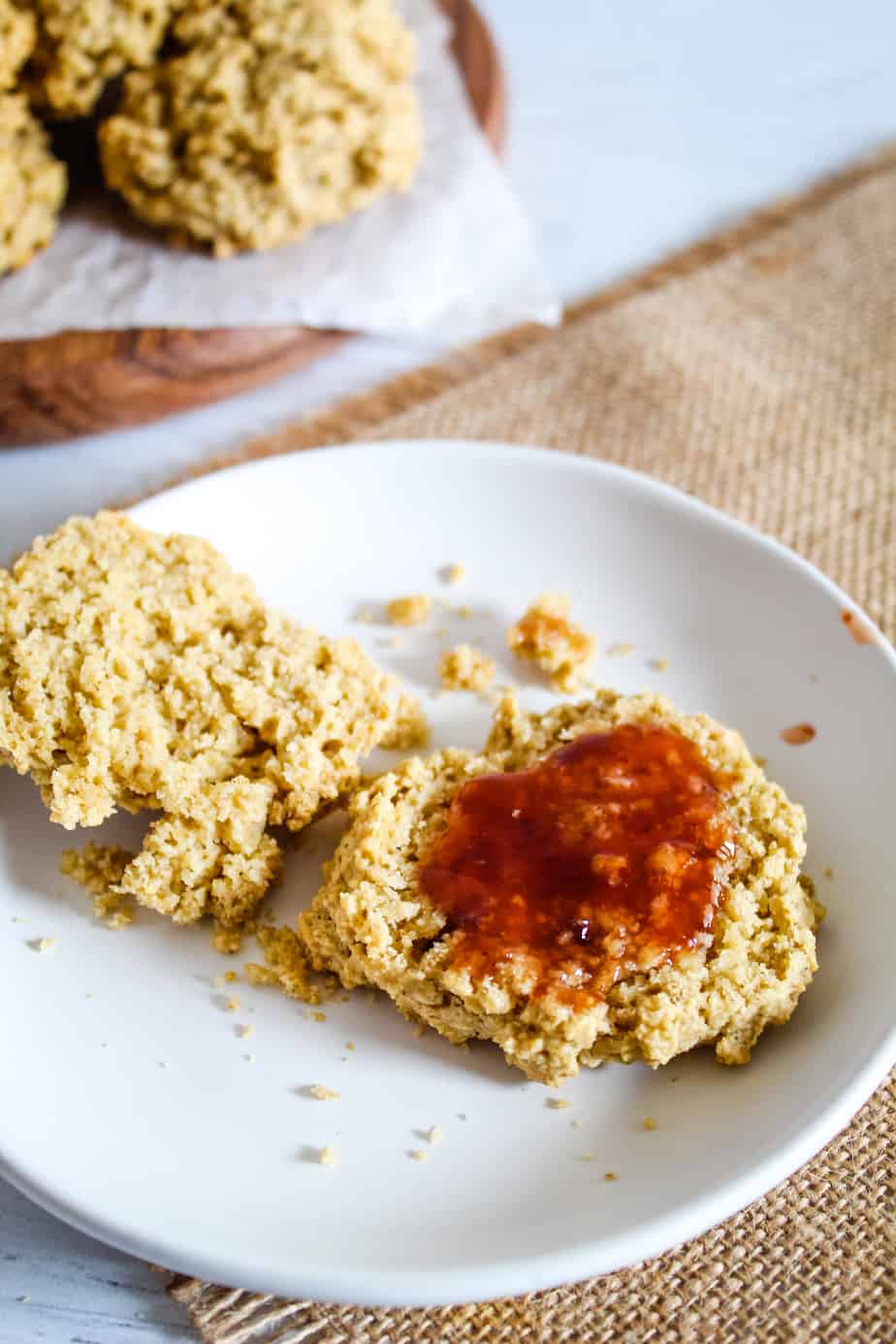
The result is soft, slightly crumbly biscuits with a balanced sweet finish.
Eggs
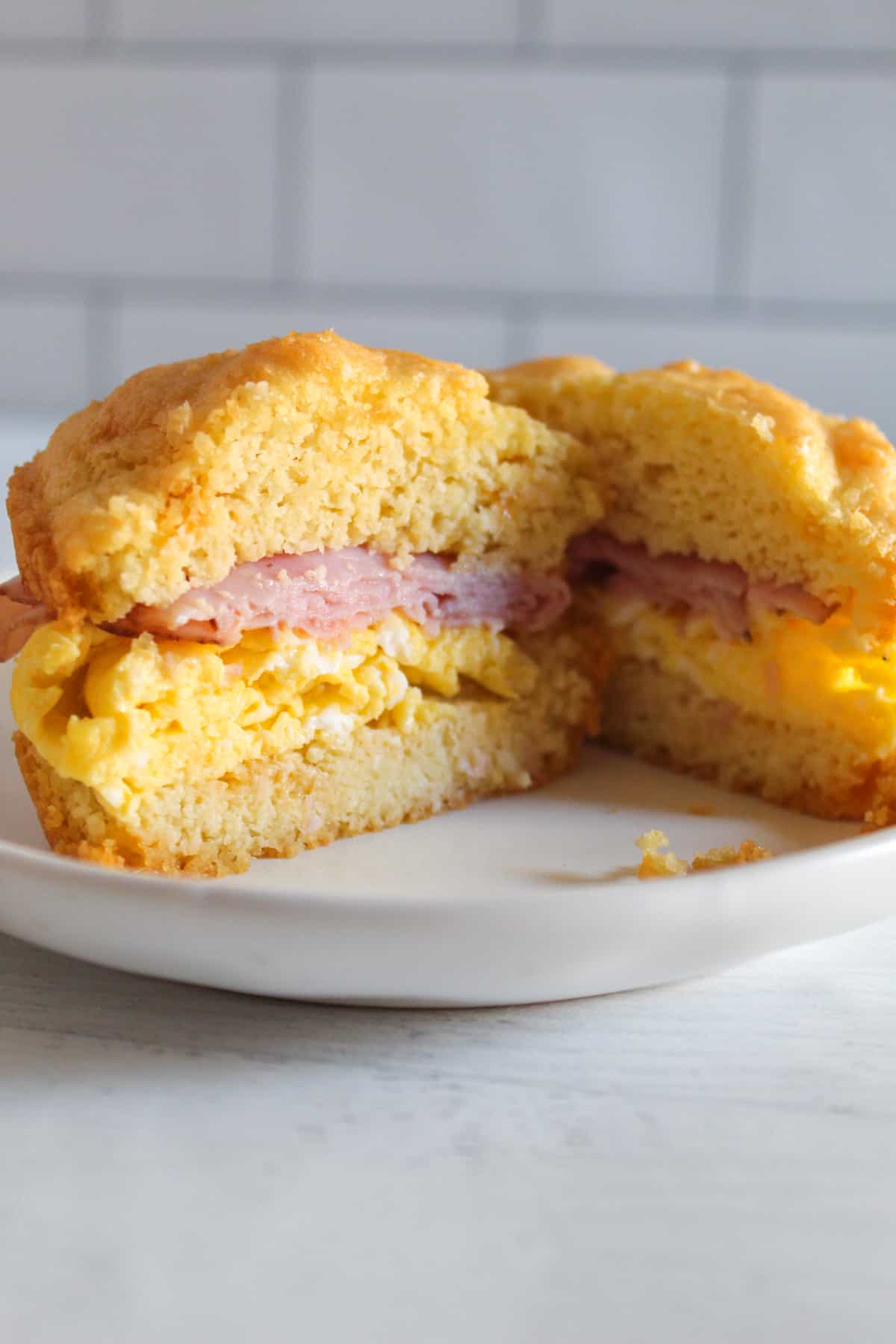
Serve with scrambled, fried, or boiled eggs. This option adds protein, turning oat flour biscuits into a complete breakfast. The biscuits’ softness pairs well with eggs without overpowering them.
Soups
Use oat flour biscuits as a side for soups, such as vegetable or chicken. The biscuits absorb liquid without falling apart when properly made. This choice adds texture and makes the meal more filling.
Gravy
Serve with savory gravy for a heavier option. The biscuits hold their structure while soaking up the sauce, creating a softer interior with more flavor.
How to Store, Freeze & Reheat These Biscuits
Once baked, oat flour biscuits store well if handled correctly. Proper storage prevents them from drying out or becoming crumbly.
Room Temperature
Store in an airtight container for up to 2 days. Keep them sealed to retain moisture, because exposure to air will dry them out quickly.
Refrigeration
Store in the fridge and in an airtight container for up to 5 days. Refrigeration helps extend shelf life but can firm up the texture.
Freezing
Freeze for up to 2 months. Place biscuits in a sealed container or freezer bag. For best results, freeze them once fully cooled to avoid excess moisture buildup.
Reheating
Reheat in a 300°F oven for a few minutes until warmed through. This restores softness without drying them out. Avoid microwaving if possible, as it can make the texture uneven.
Nutritional Benefits of Oat Flour Biscuits
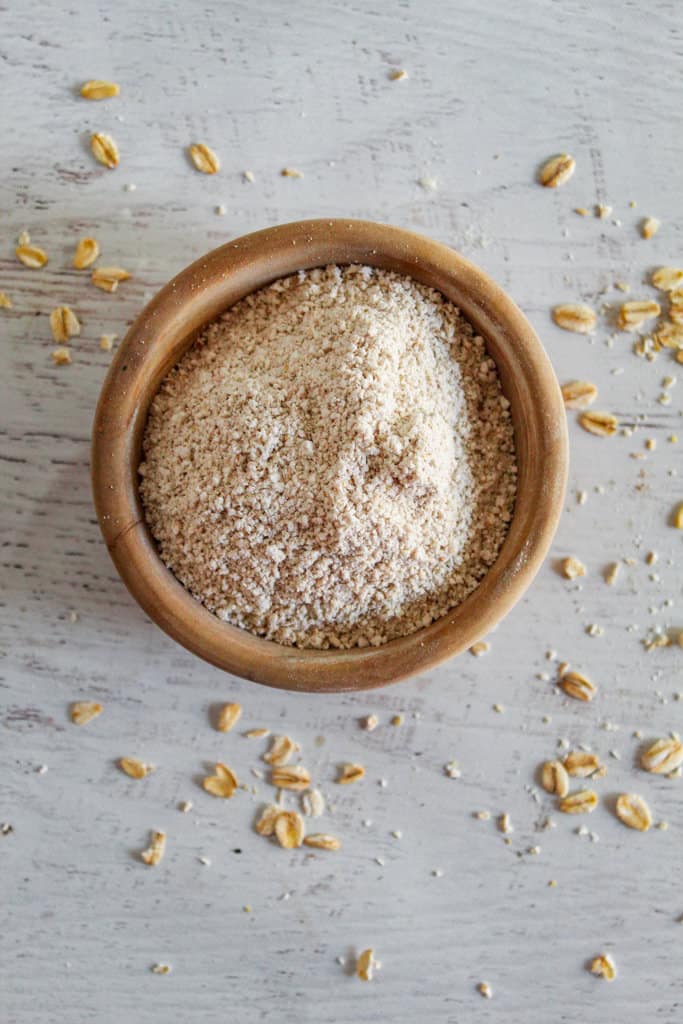
Besides being gluten-free, this recipe provides functional nutrition from whole-grain oats.
Fiber and Heart Health
According to Harvard Nutrition Source, these biscuits provide soluble fiber, especially beta-glucan, which is linked to reduced cholesterol levels and improved cardiovascular health. Beta-glucan also slows digestion, helping regulate blood sugar levels.
Digestive Support
The fiber in oat flour supports gut health by improving digestion and promoting beneficial gut bacteria. Regular intake of whole-grain oats is associated with better digestive function.
Sustained Energy and Nutrients
Oat flour provides complex carbohydrates that release energy gradually rather than causing spikes. It also contains key nutrients, such as magnesium, iron, and zinc, that support overall body function.
Antioxidant Properties
Oats contain natural antioxidants and anti-inflammatory compounds that support long-term health. These compounds may help reduce oxidative stress.
Who This Recipe Is For
These biscuits are designed for specific situations where simplicity, diet, and consistency matter.
- Gluten-Free Dieters: Use certified gluten-free oat flour instead of wheat to make it suitable for gluten-free eating.
- Beginner Bakers: Simple ingredients and a straightforward method. No complex techniques or equipment required.
- Balanced Eating: Provides fiber, steady energy, and moderate protein from oat flour, making it more filling than refined flour options.
- Quick Bakers: Short prep and bake time. Works for routine baking without long preparation or planning.
Frequently Asked Questions
These are the most common questions about oat flour biscuits, along with their answers. If you don’t see yours or need more troubleshooting help, drop your questions in the comments.
Can I Use Steel-Cut Oats to Make Oat Flour for This Recipe?
That is not advised, as steel-cut oats don’t blend into a fine enough texture for baking. They produce a coarse, uneven flour, which affects the structure and consistency of the finished product. Use rolled oats instead for a smoother result.
Why Do My Biscuits Taste Slightly Bitter?
This usually comes from too much baking powder or expired leavening. Baking powder loses effectiveness over time and can develop an off taste.
Fix this by using fresh baking powder and measuring accurately.
Can I Add Mix-Ins Like Nuts or Dried Fruit?
You can, but keep additions moderate. Add up to ¼ cup of mix-ins (nuts, raisins, seeds). More than that can weigh down the batter and affect how the biscuits set.
Why Are My Biscuits Uneven in Shape After Baking?
This happens when the batter is not portioned evenly or when it is shaped inconsistently.
Resolve this by using a scoop or measuring portions equally. Keep height consistent so all biscuits bake at the same rate.
Can I Double This Recipe?
Of course, but mix in batches if possible. Overloading one bowl can lead to uneven mixing. Keep ratios exact and avoid overmixing when scaling up.
Try These Recipes Too
If you want to build on these oat flour biscuits, these recipes use similar ingredients and techniques, so the transition is easy.
- Hearty, Fluffy Oatmeal Rolls – Similar structure and hydration, but with a softer, bread-like result.
- Gluten Free Monster Cookie Recipe – Uses oats for structure, with a focus on soft texture and chewiness.
- 8 Ingredient Oat Flour Cake Recipe – Applies the same balance of moisture and binding in a lighter, cake-style bake.
- Oatmeal Flour Chocolate Chip Cookies – Shows how oat flour affects texture in cookies, especially softness and chew.
These recipes are a great next step when you want to keep baking with oat flour and see how it changes texture, softness, and structure across different treats.
Did It Work for You?
How did your oat flour biscuits turn out? Did you get a soft or crumbly result? Tell us in the comments. Share what worked, what didn’t, or any adjustments you made. Your feedback helps other home bakers get better results, too.