Almond-flour oatmeal cookies usually crumble, turn dry, or come out overly soft to hold together. Almond flour has no gluten, so without the right balance, the cookies won’t hold well.
Our recipe addresses these problems, so you’ll end up with soft, chewy cookies that hold together well. Here’s what sets our method apart: tender inside, lightly crisp at the edges, easy to handle, and more consistent than most almond-flour recipes.
Table of Contents

If you’ve made recipes like Dairy-Free & Gluten-Free Almond Flour Cornbread, you’ll see the same principle used here. By following our procedure, you can avoid common mistakes and achieve reliable results every time. Let’s begin with a quick overview before mixing starts.
Quick Recipe Snapshot
Before mixing starts, below is a quick overview of what to expect from these cookies. So you can plan timing, texture, and results at a glance.
| Detail | Info |
|---|---|
| Prep Time | 20 minutes |
| Bake Time | 15 minutes |
| Texture | Soft & chewy |
| Diet | Gluten-free |
| Difficulty | Easy |
Ingredients Quick Scan List
This is everything you need to make almond flour oatmeal cookies. The list is simple, so you can scan and get started right away.
- Vegan butter
- Brown sugar
- White sugar
- 1 egg
- Pure vanilla extract
- Almond flour
- Oats
- Baking soda
- Ground cinnamon
- Salt
- Semi-sweet chocolate chips
Ingredients & Substitutions
Below, learn how each ingredient works in this recipe, as well as safe substitutions. Understanding these will help you make the most of the steps that follow.
What Each Ingredient Does
- Almond Flour: Provides moisture and fat.
- Oats: They add structure and chewiness.
- Brown + White Sugar: They both control sweetness, moisture, and caramelization. Brown sugar keeps the cookies soft, while white sugar adds a slight crispness.
- Vegan butter: It provides fat, which creates a tender texture.
- Egg: It acts as the main binder.
- Vanilla, Cinnamon, Salt: They enhance flavor and balance the sweetness.
- Baking Soda: It provides lift and spread so the cookies don’t turn dense.
- Chocolate Chips: They add texture and richness without affecting structure.
Do you want a deeper breakdown of flour behavior? Continue reading or see Oat Flour vs Almond Flour: Substitutes, Pro Tips, and More for additional insights.
Substitutions (What Works and What Changes)
- Maple Syrup Instead of Sugar: It works, but adds more moisture. The cookies become softer and spread more. However, you may need slightly more almond flour to balance it out.
- Coconut Oil Instead of Vegan Butter: It keeps the cookies dairy-free, but results in slightly more spread and a softer texture.
- Egg Replacement (Flax Egg): Use 1 tbsp ground flaxseed and 2.5 tbsp water. This works, but the cookies will be more delicate and slightly less structured.
Printable Almond Flour Oatmeal Cookies Recipe Card
Ingredients
- 8 Tablespoons vegan butter
- ½ cup brown sugar about 100 grams
- ¼ cup white sugar about 50 grams
- 1 large egg
- 1 teaspoon pure vanilla extract
- 1⅔ cups almond flour about 175 grams
- 1½ cups oats about 150 grams
- ½ teaspoon baking soda
- ½ teaspoon ground cinnamon
- ½ teaspoon salt
- 1 cup semi-sweet chocolate chips
Instructions
- In the bowl of a stand mixer, cream together butter and sugar. Mix on low speed for 30 seconds. Scrape down the bowl and mix for another 30 seconds on medium speed.
- Add egg and vanilla extract and mix on medium for 2 minutes.
- Add almond flour, oats, baking soda, cinnamon, and salt. Mix on low speed for 30 seconds. Stop the machine and scrape down the sides. Mix for another minute on medium.
- Stir in the chocolate chips with a large spoon.
- Chill the dough in the refrigerator for 30 minutes.
- Preheat oven to 350 F.
- Scoop tablespoons of dough onto a cookie sheet.
- Bake for 15 minutes or until cookies are set.
- Cool on a wire rack for 5 minutes, then remove and finish cooling.
Notes
Doneness Cues
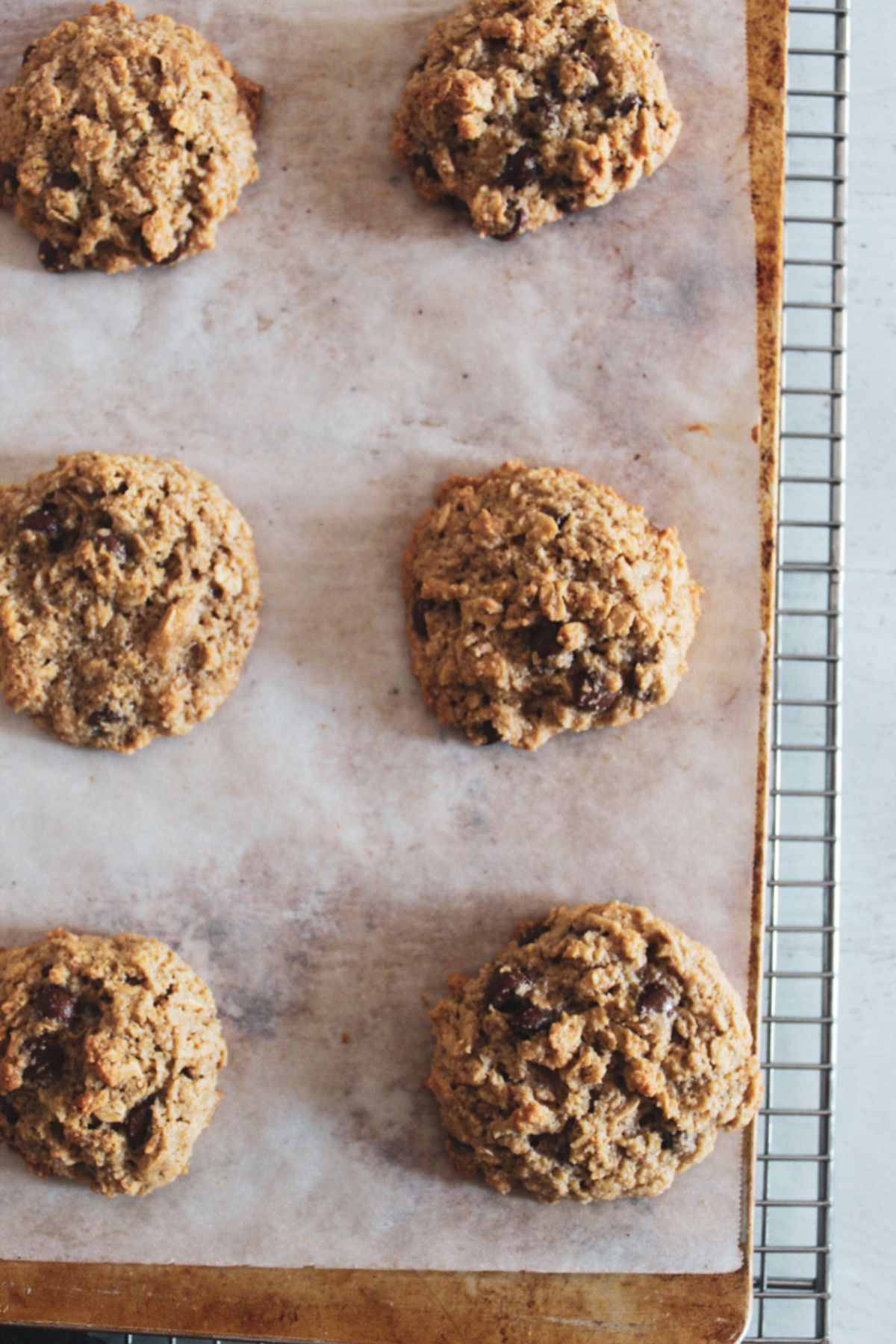
- Edges should look set and slightly golden.
- Centers should appear soft but not wet.
- Cookies will firm up as they cool.
- If they look fully firm in the oven, that means they are overbaked.
Success Tips
- Don’t overmix once flour is added to prevent density.
- Slightly underbake for a soft, chewy texture.
- Let cookies cool completely before handling to improve the structure.
- Use measured almond flour (not packed) to avoid dryness.
Storage
- Room Temperature: Up to 3 days (in an airtight container).
- Refrigerator: 5–7 days.
- Freezing (Dough): Scoop and freeze up to 2 months.
- Freezing (Baked): Store up to 2 months and thaw at room temperature.
Nutrition
Why Almond Flour Cookies Behave Differently
Since you get what each ingredient does, you must understand why these oatmeal cookies behave differently from traditional cookies, and why texture often goes wrong.
The Absence of Gluten Means Less Stability
Unlike regular flour, almond flour does not form a structure during baking. This makes the dough more delicate and increases the risk of breakage if not handled correctly.
Higher Fat Alters Baking Behavior
Almond flour contains more natural fat than traditional flour. This affects how cookies are set, leading to a softer interior and faster surface browning.
Structure Has to Be Added Back
To compensate, this recipe depends on oats and proper mixing to produce a dough that holds together during baking and after cooling.
Would you like a deeper breakdown of how these ingredients compare? See Almond Meal vs. Almond Flour: Similarities and Differences.
The Reasons This Recipe Works
This method helps you control the dough during mixing and baking.
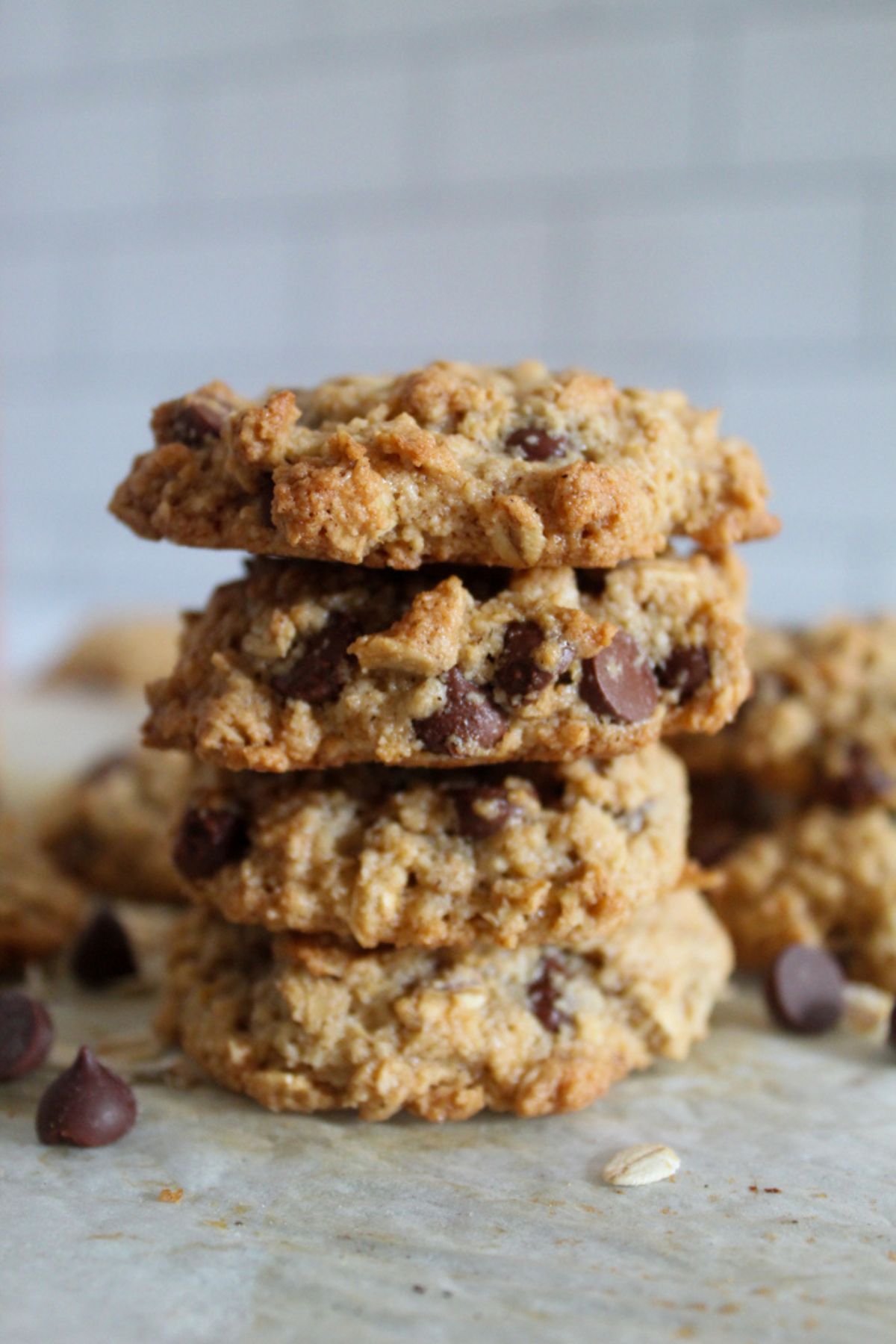
Ingredient Ratios Are Controlled
The proportions are set to prevent excessive spreading or collapse. Each component is measured to maintain consistency across batches.
Mixing Method Creates Stability
Properly creaming the butter and sugars ensures they are evenly distributed before adding the dry ingredients. This step directly affects how the cookies hold their shape.
Dough Handling Improves Consistency
Chilling the dough before baking reduces spread and helps maintain uniform thickness, leading to more predictable results.
Are you comparing how different gluten-free flours behave in similar recipes? For a comprehensive guide, check Cassava vs Almond Flour (Complete Guide + Best Uses Explained).
Step-by-Step Instructions
With your ingredients ready, here’s how to make these cookies step by step for great results every time.
Essential Kitchen Tools
Use the following tools to ensure consistent results.
- Stainless Steel Mixing Bowls Set: Used to separate and evenly mix ingredients
- Cookie Scoop: For uniform cookie size and even baking.
- Baking Sheet + Parchment Paper: Prevents sticking and controls spread.
- Silicone Spatula: For folding without overmixing.
- Oven Thermometer: Ensures accurate baking temperature.
- Cooling Rack: Prevents soggy bottoms during cooling.
Step 1: Mix Wet Ingredients
In a large mixing bowl, combine the softened vegan butter with the brown and white sugars. Mix until smooth and creamy.
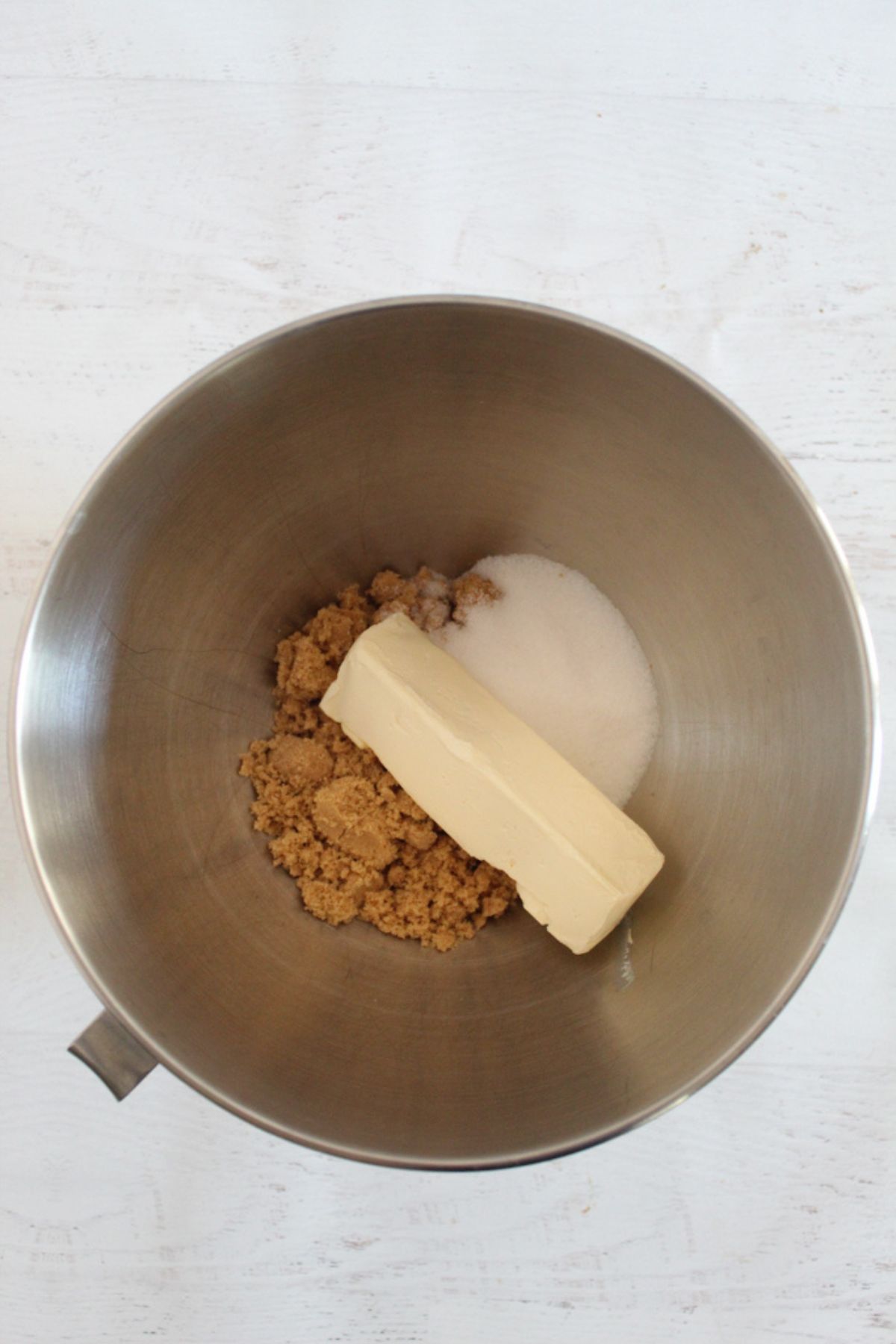
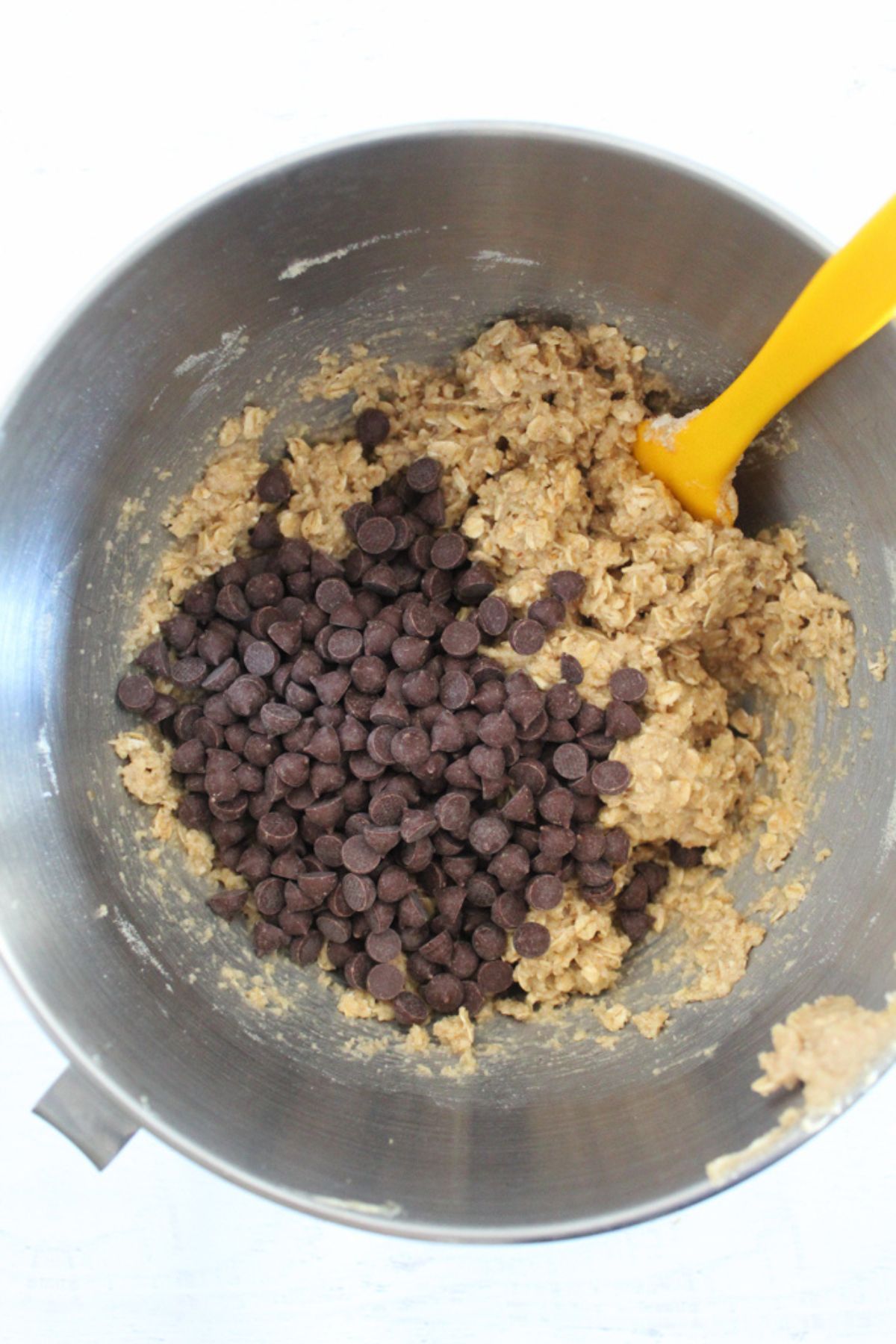
Afterward, add the egg and vanilla extract, then continue mixing until fully incorporated and slightly fluffy. This step builds the base structure of the cookies, so make sure the mixture is evenly combined.
Step 2: Combine Dry Ingredients
In a separate bowl, mix the almond flour, baking soda, cinnamon, and salt. Add this dry mixture to the wet ingredients and mix for about 1 minute until fully combined.
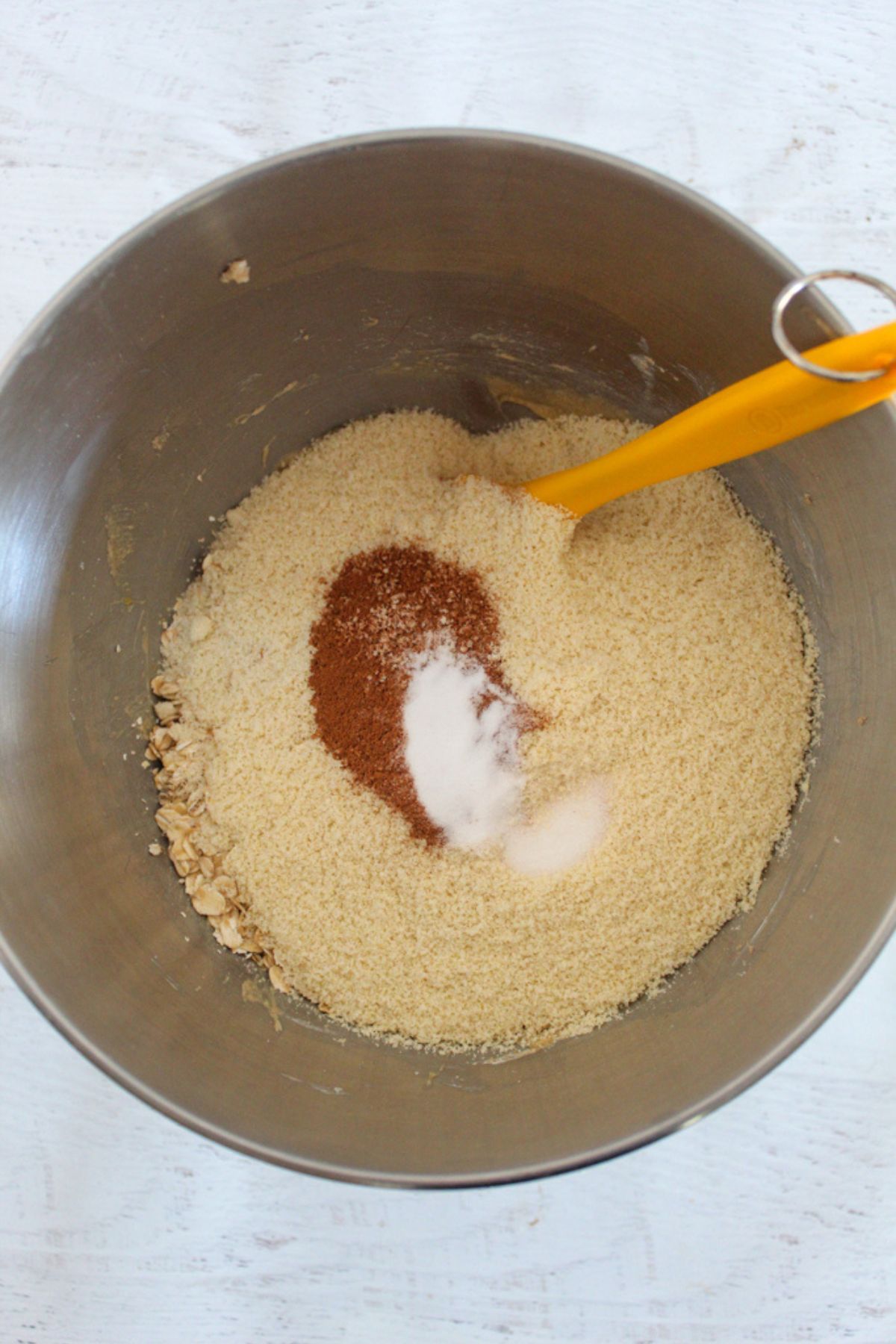
The dough should start to thicken at this stage.
Step 3: Form Dough
Add the oats and mix until they’re evenly distributed. Fold in the chocolate chips last.
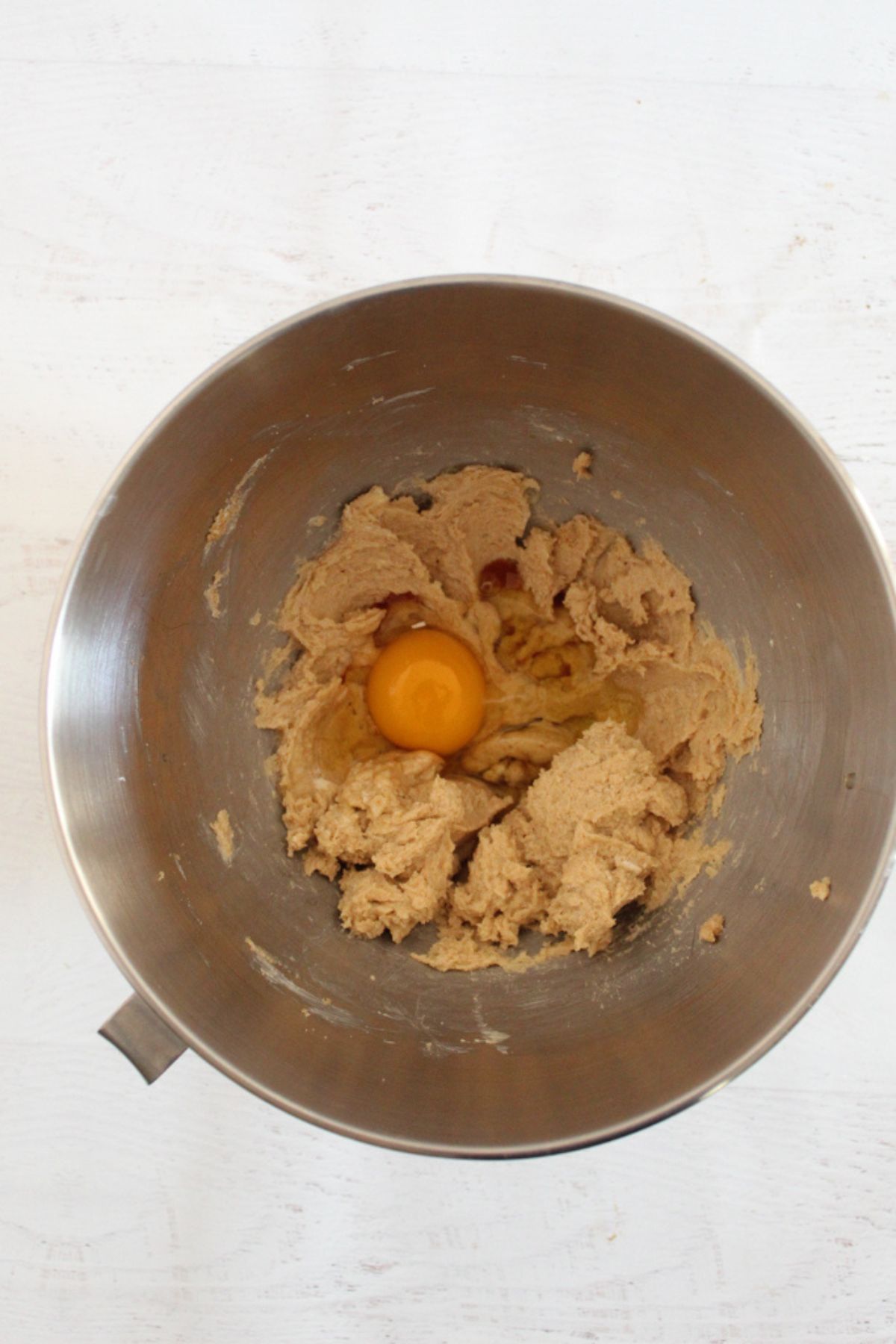
The dough should be thick, slightly sticky, and cohesive, not dry or crumbly. For better texture and reduced spreading, refrigerate the dough for 30 minutes before baking.
Step 4: Shape Cookies
Preheat your oven to 350°F (175°C). Then, line a baking tray with parchment paper.
Afterward, scoop portions of dough onto the tray, spacing them evenly. Then, lightly flatten each cookie to control the spread and ensure even baking.
Step 5: Bake
Bake for 15 minutes or until the edges are set and lightly golden. The centers should still look soft; this is the correct texture cue.
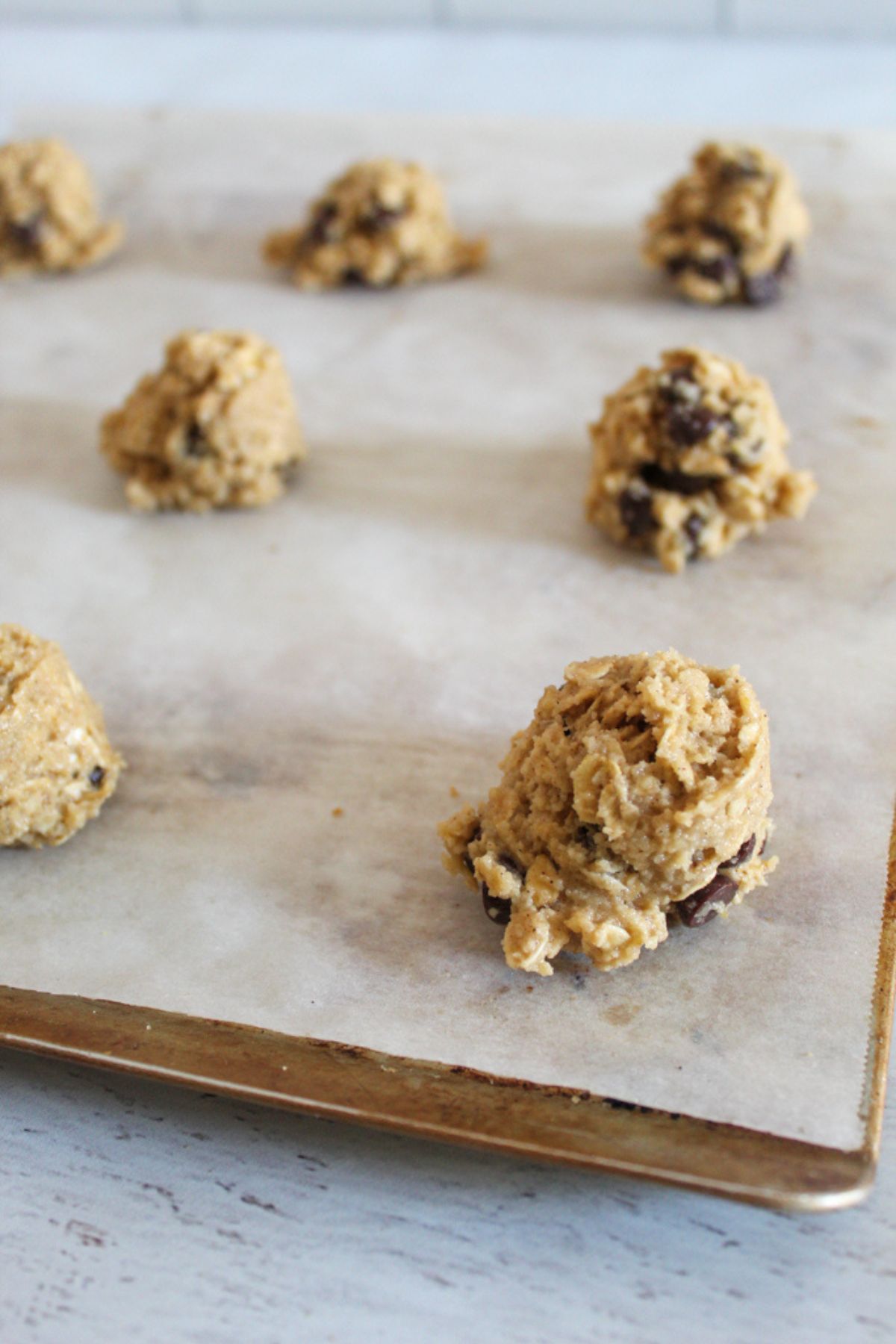
Cookies will firm up as they cool. Therefore, let them rest on the tray for a few minutes before transferring to a wire rack.
How To Control the Texture
Adjust the texture through baking time and shaping, not by changing the ingredients.
For Soft & Chewy Cookies
Remove the cookies when the edges are set, but the centers still look slightly underdone. Residual heat will finish the baking process as they cool.
For Crispy Edges
Flatten the dough evenly before baking and extend the baking time slightly. This allows the outer edges to firm up while the center remains intact.
You can tweak the final texture with these small adjustments; there’s no need to change the whole recipe. Love this texture? Try our Moist Almond Flour Coffee Cake for another tasty treat.
Baking Temperature Chart
Temperature directly affects how almond flour oatmeal cookies spread, set, and brown.
| Temp | Time | Result |
|---|---|---|
| 325°F | 12–14 min | Soft |
| 350°F | 15 min | Balanced |
| 375°F | 8–10 min | Crisp edges |
- 325°F: Slower heat gives a wider spread, a softer texture, and a lighter color.
- 350°F: Baking at a moderate temperature gives cookies a controlled spread, a soft center, and lightly crisp edges.
- 375°F: Faster heat produces less spread, firmer edges, and quicker browning.
Common Mistakes That Arise with This Recipe And How To Resolve
Even with temperature and texture under control, a few things can still go wrong. Here are the most common issues and how to fix them:
Why Cookies Fall Apart
If your cookies break when lifted, the structure didn’t set properly. This usually happens when the egg is too small, skipped, or not completely incorporated. It can also occur if the dough wasn’t mixed evenly.
Fix this by ensuring the egg is fully mixed into the wet ingredients before adding the dry ingredients. The dough should hold together when pressed before baking.
Too Soft or Undercooked
If the cookies feel too soft or collapse after cooling, they likely didn’t bake long enough. Almond flour cookies don’t firm up the same way as traditional cookies in the oven.
Resolve this issue by looking for set edges and a lightly golden color. The center can be soft, but not wet. Let cookies cool fully before judging texture.
Dry Cookies
Even a small excess of almond flour can absorb too much moisture, leading to dense or dry cookies. This often happens when flour is packed instead of measured correctly.
Solve this problem by using level measurements and avoiding compressing the flour. The dough should feel slightly sticky, not stiff.
Cookies Spread Too Much
If cookies flatten too much, the fat ratio is too high, or the dough is too warm. This leads to thin, uneven cookies.
Fix this issue by chilling the dough before baking, and avoid adding extra butter or oil.
Should you be testing similar textures in other recipes, try our Tasty Almond Flour Blueberry Muffins to see how structure behaves in a different format.
Other Ways To Prepare This Recipe
Once you’ve mastered the base recipe, you can adapt these almond flour oatmeal cookies to suit different preferences. Each variation changes up the flavor or sweetness, but the base recipe stays the same.
Chocolate Chip Almond Flour Oatmeal Cookies
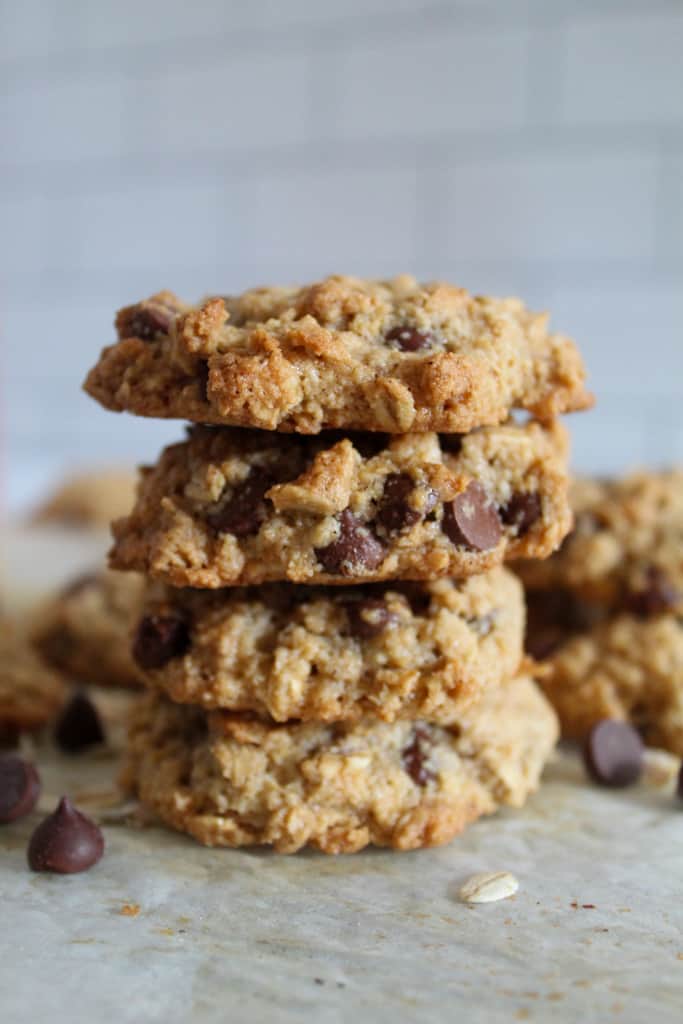
This is the standard version, but you can adjust the intensity. Use dark chocolate chips for less sweetness or increase the quantity slightly for a richer result. Keep the ratio controlled so the dough still holds together. If you enjoy similar textures, try our Oatmeal Flour Chocolate Chip Cookies.
Vegan Version
Replace the egg with a flax egg (1 tablespoon ground flaxseed + 2.5 tablespoons water). Let it sit for a few minutes to thicken before using.
This maintains binding but produces a slightly softer, more delicate cookie. The remaining ingredients remain unchanged.
Dairy-Free Version
This recipe already uses vegan butter, so it’s naturally dairy-free. Just ensure your chocolate chips are dairy-free as well. No structural changes are required, and the texture remains consistent.
No Sugar / Maple Syrup Version
Substitute the brown and white sugar with maple syrup. This increases moisture, so expect softer cookies with more spread. To compensate, slightly increase the amount of almond flour or chill the dough longer before baking.
Raisin Version
Replace chocolate chips with raisins for a more traditional oatmeal cookie profile. Raisins add chewiness without affecting structure, and introduce natural sweetness. So the cookies may taste slightly less rich.
Serving Ideas You Should Try
Once your cookies have cooled and set, how you serve them can shift the experience from simple to more satisfying.
Breakfast Cookies
These cookies make a quick breakfast option. Pair them with a protein source or fruit to make them more balanced. Their soft texture and oat base make them easy to eat in the morning without feeling heavy.

Snack
For a mid-day option, keep them simple. They hold well at room temperature and are easy to pack, making them a practical snack. The combination of oats and almond flour gives enough substance to keep you satisfied between meals.
Dessert with Milk or Coffee
Serve warm or at room temperature with a drink. They pair well with coffee or a glass of milk, especially if you prefer a softer center and slightly crisp edges. If you’re avoiding dairy, you can make your own alternative using this guide: How to Make Your Own Non-Dairy Milk.

How To Store, Freeze, and Make These Cookies Ahead
Once you bake your cookies, proper storage maintains their texture and prevents them from drying out or becoming too soft.
Room Temperature
Store cookies in an airtight container at room temperature for up to 3 days. Keep them sealed to retain moisture and prevent them from drying out. If stacked, place parchment paper between layers to avoid sticking.
Refrigerator
For longer storage, refrigerate the cookies for 5–7 days to preserve freshness. However, the texture may firm up slightly. Let them sit at room temperature for a few minutes before eating to soften.
Freezing Dough vs Baked Cookies
You can freeze both the dough and the baked cookies.
- Dough: Scoop the dough into portions and freeze them on a tray. Once frozen, transfer the portions to a sealed container. Bake directly from frozen, adding 1–2 extra minutes to the baking time.
- Baked Cookies: Allow them to cool completely, then freeze them in an airtight container for up to 2 months. Thaw at room temperature before serving.
The Nutritional Benefits This Recipe Offers
These almond flour oatmeal cookies combine two nutrient-dense ingredients: almonds and oats.
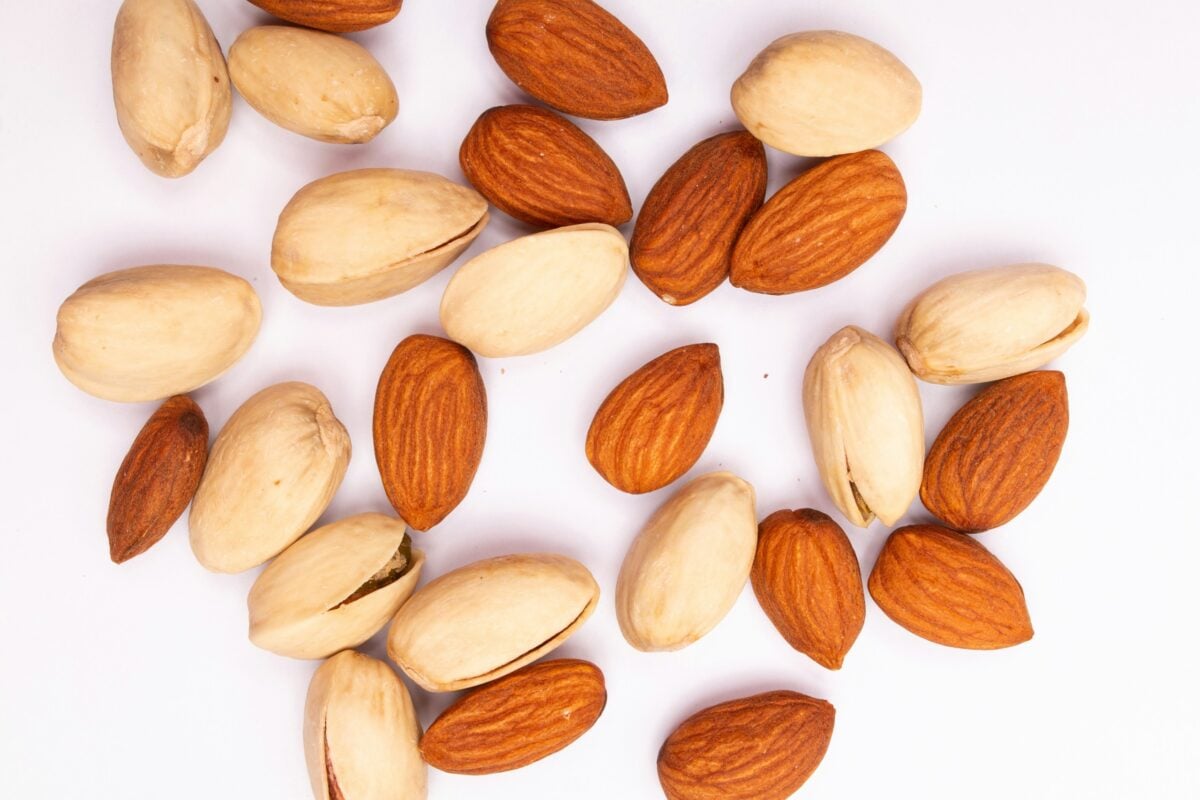
Almond flour provides healthy fats, protein, and essential micronutrients. Research from the Harvard T.H. Chan School of Public Health highlights that almonds are more nutrient-dense than traditional flour, offering beneficial fats, fiber, and antioxidants that support heart and metabolic health.
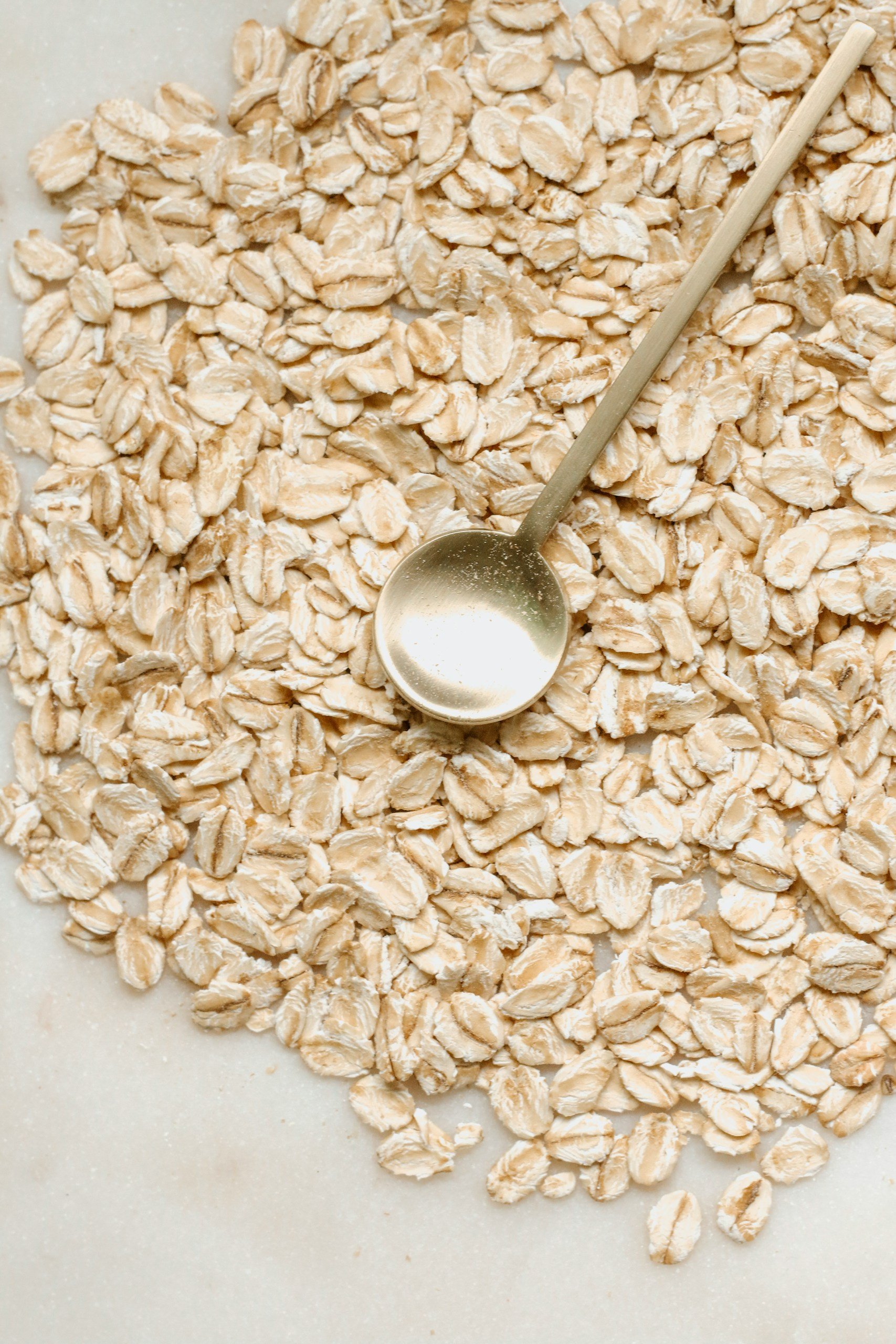
Oats bring a different advantage through soluble fiber, specifically beta-glucan. Research from the National Center for Biotechnology Information shows that oats can support gut health and help regulate cholesterol levels, while also improving blood sugar response.
Together, this combination delivers:
- Sustained energy from fiber and healthy fats
- Greater satiety compared to refined flour cookies
- A naturally gluten-free option with functional nutritional value
While still a cookie, the overall ingredient profile is significantly more balanced than traditional recipes.
Who This Recipe Is For
These cookies are best suited for:
- Gluten-Free Diets: No wheat or gluten-containing ingredients
- Balanced Snacking: Higher fat + fiber helps reduce quick hunger spikes
- Lower Refined Flour Intake: Uses almond flour instead of processed flour
- Flexible Diets: Can be adjusted (vegan, dairy-free, reduced sugar)
Note that they’re not designed as a low-calorie food, but as a more nutrient-dense alternative to regular cookies.
Baking Questions Answered
Now you’ve learned how to control texture, fix mistakes, and adjust variations, below are a few practical questions that arise when making almond flour oatmeal cookies, focused on situations you may not expect.
If you still have questions or need troubleshooting help, leave them below in the comments.
Can I Make The Dough Ahead and Bake Later?
Yes, you can prepare the dough and refrigerate it for up to 24 hours before baking. This can actually improve consistency, as the dough firms up and becomes easier to portion. Let it sit at room temperature for a few minutes if it feels too firm to scoop.
Why Didn’t My Cookies Brown Properly?
Almond flour cookies don’t brown the same way as traditional cookies. If they look pale, it’s usually due to lower sugar caramelization or oven variation. Check the bottom of the cookies; a light golden color underneath is a better indicator than the surface.
Can I Use Quick Oats Instead of Rolled Oats?
Yes, but the texture will change. Quick oats absorb more moisture, creating a softer, less chewy cookie. Rolled oats provide more structure and a more defined bite.
Why Do My Cookies Taste Greasy After Baking?
This happens when the fat hasn’t fully set. It can be caused by removing the cookies too early or using overly soft or melted butter. Let the cookies cool completely before judging the final texture and taste.
Can I Double The Recipe Without Issues?
Yes, but keep mixing consistently. When scaling, make sure all ingredients are evenly incorporated, especially the egg and fat. Uneven mixing in larger batches can result in inconsistent texture across the cookies.
Related Recipes To Try
Would you like to explore more ways to use almond flour and oats while maintaining a consistent texture? These recipes are a natural next step:
- Healthy Almond Flour Banana Muffins That Taste Like a Treat – A softer, more cake-like option that uses almond flour for moisture and structure.
- Scrumptious Almond Flour Peanut Butter Cookies – A simpler cookie variation with fewer ingredients.
- Gluten-Free Almond Flour Scones Recipe with Blueberry – A more structured bake that shows how almond flour behaves in a firmer dough.
- Gluten Free Oatmeal Raisin Cookies Recipe: Soft & Chewy – Closest in texture to this recipe, but with a different flavor profile.
These related recipes are a great way to keep experimenting with almond flour and oats while getting a better feel for how each one shapes texture, moisture, and structure in baking.
Give These Almond Flour Oatmeal Cookies a Try!
Tried the recipe or a variation? Share your experience below, your tips can help fellow bakers !If something didn’t turn out as expected, describe what happened. Details like texture, spread, or baking time make it easier to pinpoint the issue and fix it.
Share your results or questions in the comments below.