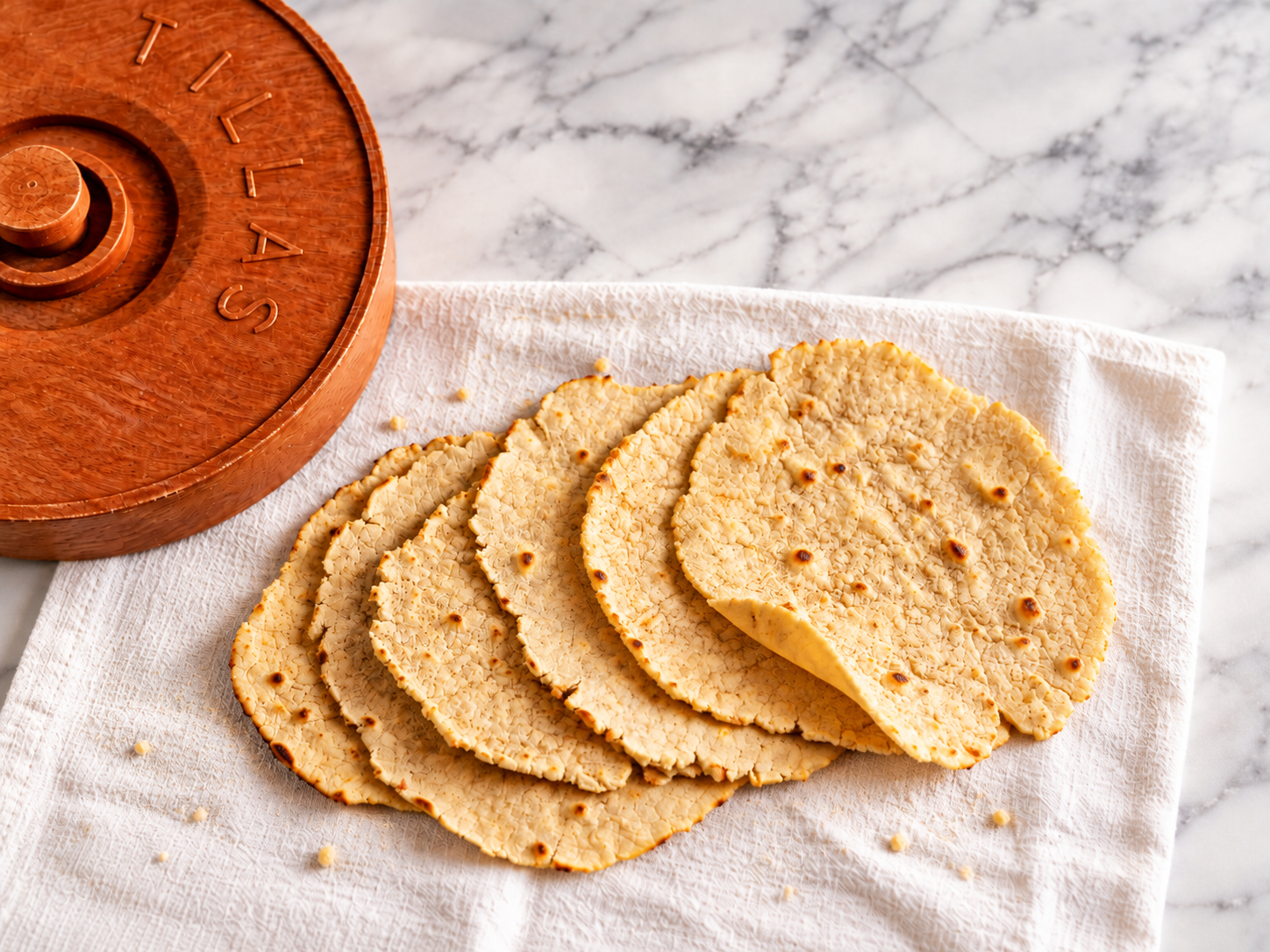
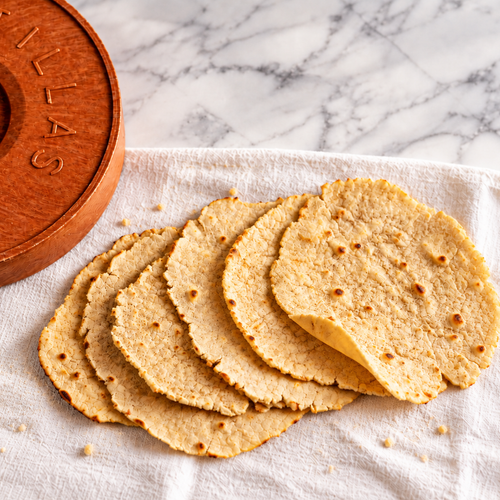
If you’ve tried making gluten-free tortillas only to have them crack the second you fold them, this recipe is for you. These cassava flour tortillas are soft, flexible, and sturdy enough for tacos, wraps, quesadillas, and more—without wheat, corn, dairy, or nuts.
Even better, you need just 5 simple ingredients and about 25 minutes to make them. A little ground flax helps hold the dough together, while warm water and olive oil keep the tortillas tender and pliable.
Table of Contents
The key is getting the dough consistency and cooking time just right. I’ll show you exactly what to look for so your tortillas stay soft instead of turning dry or brittle.
Why You’ll Love This Recipe
This cassava tortilla recipe makes tortillas that are delicious and fresh, with an incredibly versatile gluten-free flour and other pantry staples.
- Perfect for those with allergies, as it contains no nuts, wheat, or corn.
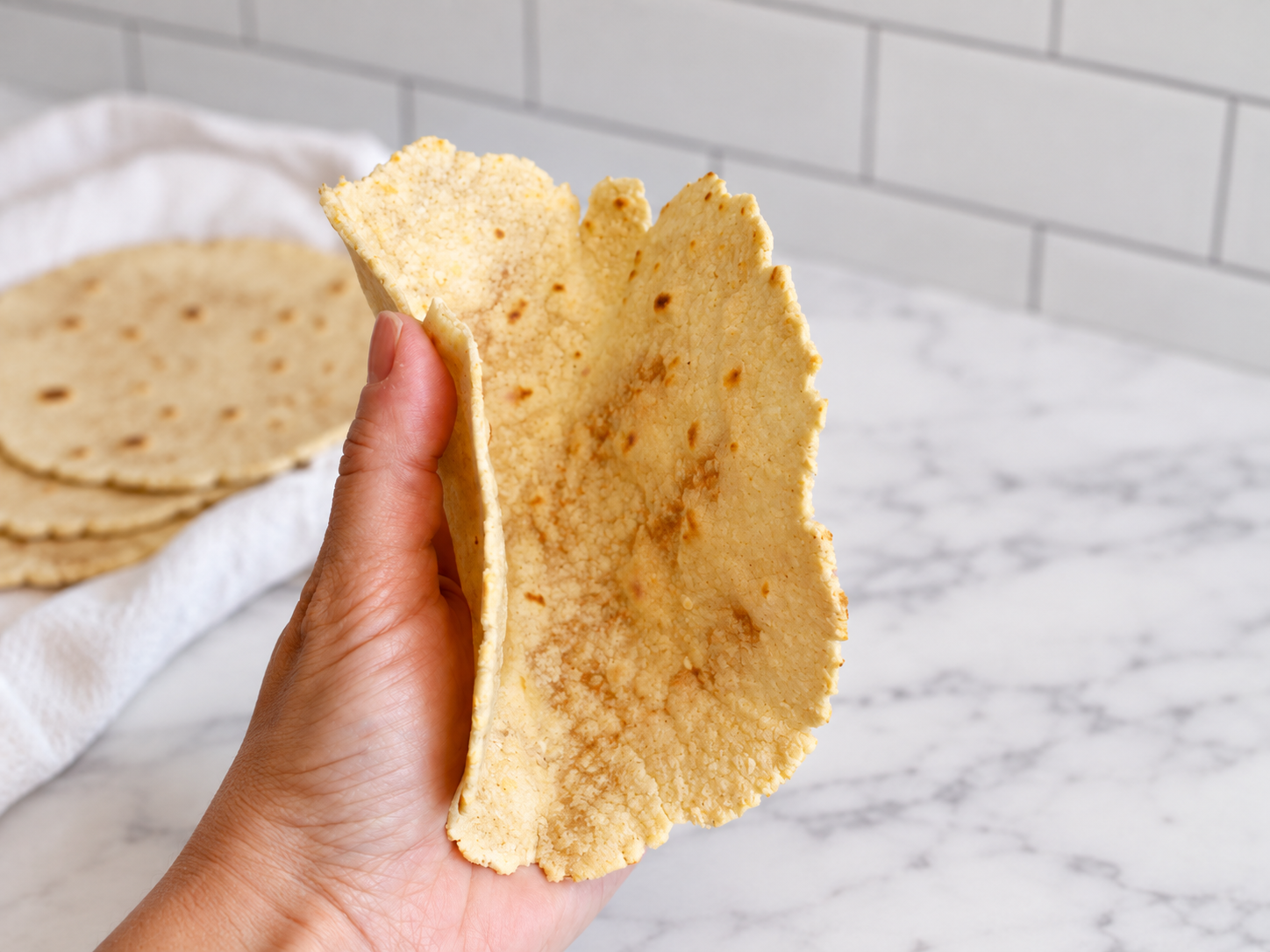
- The chewy, soft texture allows you to use this as a substitute for regular flour tortillas.
- An accessible recipe for anyone, as it uses simple ingredients and basic kitchen tools.
- Versatile and lend themselves easily to the various dishes you’d use tortillas.
- Soft and flexible enough to hold fillings without tearing easily.
- Quick to whip up, ideal for lazy weekends and hectic mornings.
If you would like to try another easy, super-tasty gluten-free tortilla recipe, try our Almond Flour Tortilla Recipe, or compare cassava flour and almond flour before choosing.
Want our human-written content to rank above AI-generated garbage? Help us out by clicking this button!
Just 5 Simple Ingredients
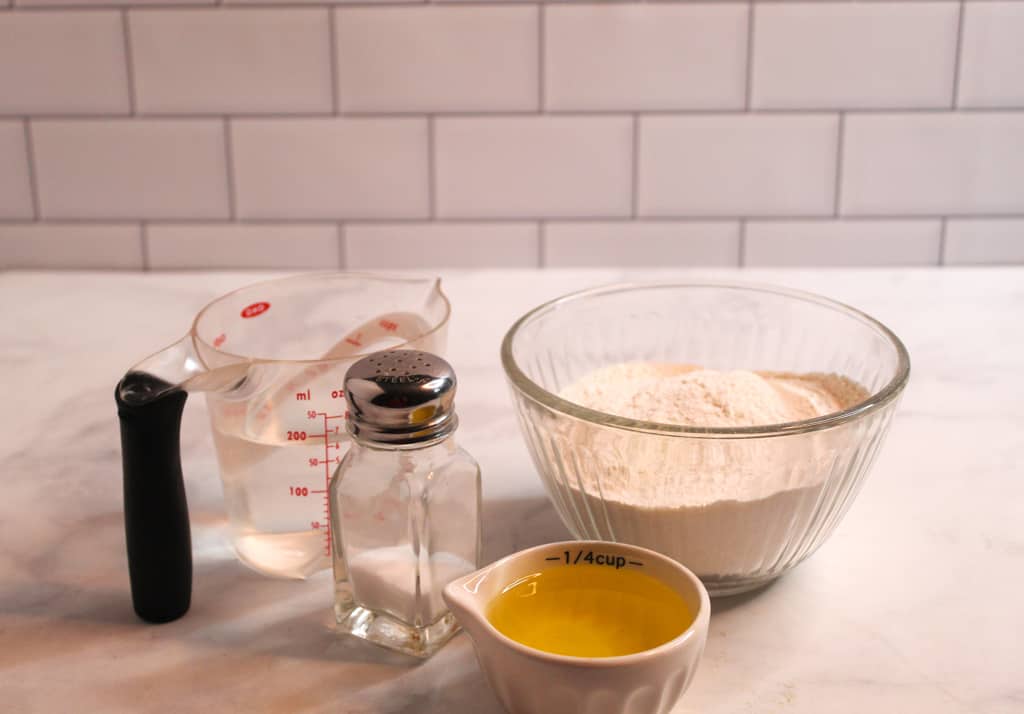
These are the simple ingredients you’ll need for this recipe:
- Cassava flour
- Salt
- Ground flax seeds
- Olive oil
- Water
Ingredient & Substitutions Notes
Understanding what every ingredient does makes it much easier to prepare wholesome cassava flour tortillas. In this regard, let’s take a look at the role of each ingredient in this recipe:
- Cassava flour – The ingredient that serves as the main structure-builder. It gives the tortillas their body, softness, and mild neutral flavor. No substitutions are recommended for this. Be sure to use cassava flour—not tapioca starch—as the two behave very differently in recipes.
- Salt – Enhances the flavor of these tortillas and keeps them from tasting flat.
- Ground flax seeds – Act as a binder in this dish, helping the tortilla dough hold together better and reducing the likelihood of cracking. Ground chia seeds or psyllium husk are great alternatives for this.
- Olive oil – Adds tenderness and makes the tortillas smoother and less dry. You can substitute this for avocado oil, melted coconut oil, canola oil, or vegan butter.
- Water – Hydrates the flour and brings the dough together. Using warm or hot water often helps the dough become smoother.
If you’d like to try these ingredients in another easy gluten-free recipe, we have Cassava Flour Cookies that use some of them to turn out perfectly soft and chewy cookies sprinkled with dark chocolate chips.
RECIPE CARD: Cassava Flour Tortillas (PRINTABLE)
Ingredients
- 160 grams cassava flour about 1 ½ cups
- ½ teaspoon salt
- 1 teaspoon ground flax seeds
- ¼ cup olive oil
- ½ cup warm water
Instructions
- In a large mixing bowl, whisk together the cassava flour, ground flax seeds, and salt until well combined.
- Add the olive oil and warm water to the dry ingredient mixture, then stir with a spatula until a dough forms.Knead the dough until it stops being crumbly and feels smooth to the touch.
- Put your dough on a piece of parchment paper and shape it into a disk.Divide the disk into 8 equal portions and shape them into balls approximately 1 ½ inches wide.
- Preheat a flat-bottom skillet over medium heat without greasing.
- Place a piece of parchment paper on top of a ball of dough and roll it out into a thin and even tortilla 6 inches in diameter.
- Overlap each tortilla on the parchment paper until the entire batch is rolled out.
- Take the first tortilla on the parchment paper, gently flip it over onto another piece of parchment paper, and peel off the back.
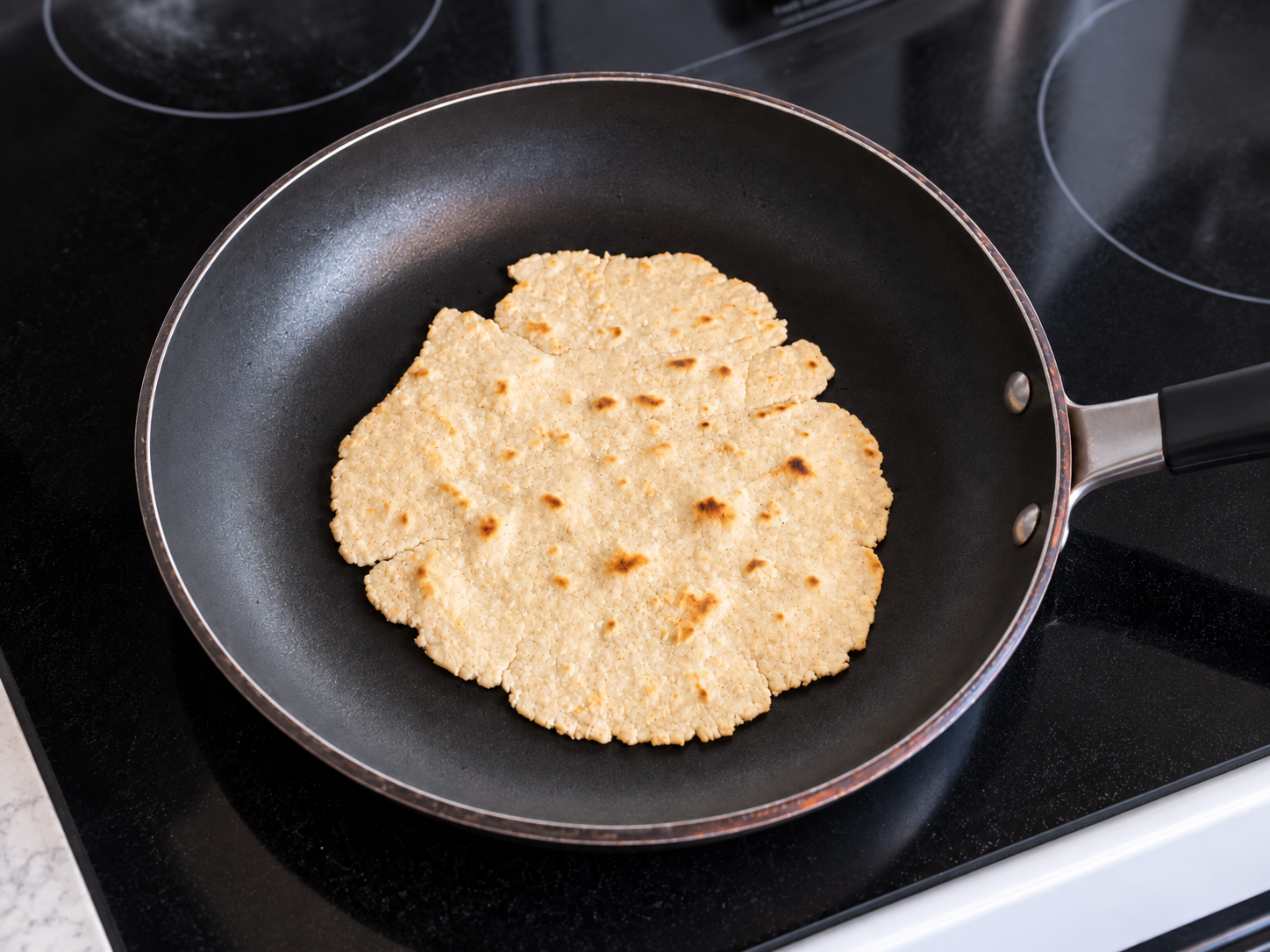
- Then turn the tortilla into the hot skillet and cook for 1 minute. Flip with a large spatula and cook for another minute.
- Repeat with the remaining dough.
- Transfer to a paper towel-lined plate and repeat the process for the rest of the tortillas.
- Keep the tortillas one on top of another until ready to serve. Fill and enjoy.
Notes
- Use warm water to give the dough a bendier texture.
- Coat the cassava flour with olive oil before adding water.
- Test the dough by rolling one portion into a tortilla.
- Avoid dusting the work surface too much.
- Roll the tortillas evenly and not too thin.
- Avoid overcooking to prevent charred and dried-out tortillas.
- After transferring them to a plate, cover them with a kitchen towel, foil, or plastic wrap.
- The edges are opaque.
- They show light surface bubbles.
- There are pale gold freckles on the bottom.
- Room temperature storage: Store them at room temperature, well-wrapped or in a sealed container for a limited time, and eat on the same day.
- Refrigerating: Once cooled, wrap each tortilla flat in parchment paper and refrigerate for 3 to 5 days.
- Freezing: Store the tortillas in a freezer bag and freeze for 1 to 3 months.
Nutrition
How to Make Cassava Flour Tortillas
This cassava tortilla recipe is easy to follow and comes together in no time. All you have to do is adhere to these simple step-by-step directions:
Equipment You’ll Need
This recipe doesn’t require any special kitchen equipment, just these basic kitchen tools:
- Mixing bowl
- Measuring cups and spoons
- Rolling pin
- Parchment paper
- Skillet
- Spatula
- Paper towel
- Plate
1) Mix the dry ingredients
In a large mixing bowl, whisk together the cassava flour, ground flax seeds, and salt until everything is evenly combined. Whisking evenly distributes the salt through the flour, breaks up any packed lumps, and adds light air to the mixture.
2) Add the wet ingredients
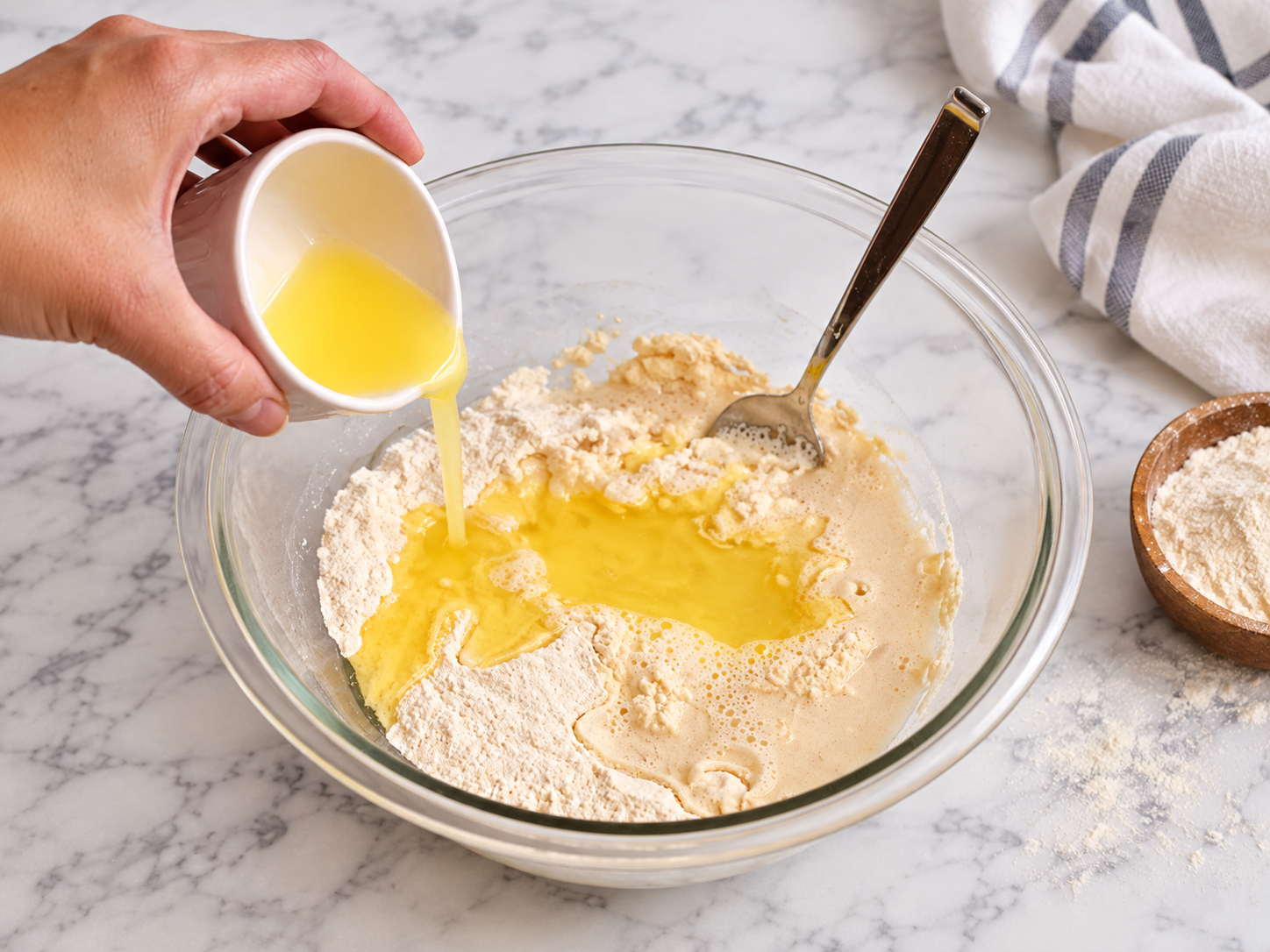
Into the dry ingredient mixture, add the olive oil and warm water, then stir with a sturdy spoon or spatula until a dough forms. When you initially add the water, it will feel very tacky, creating a shaggy dough.
3) Knead the dough
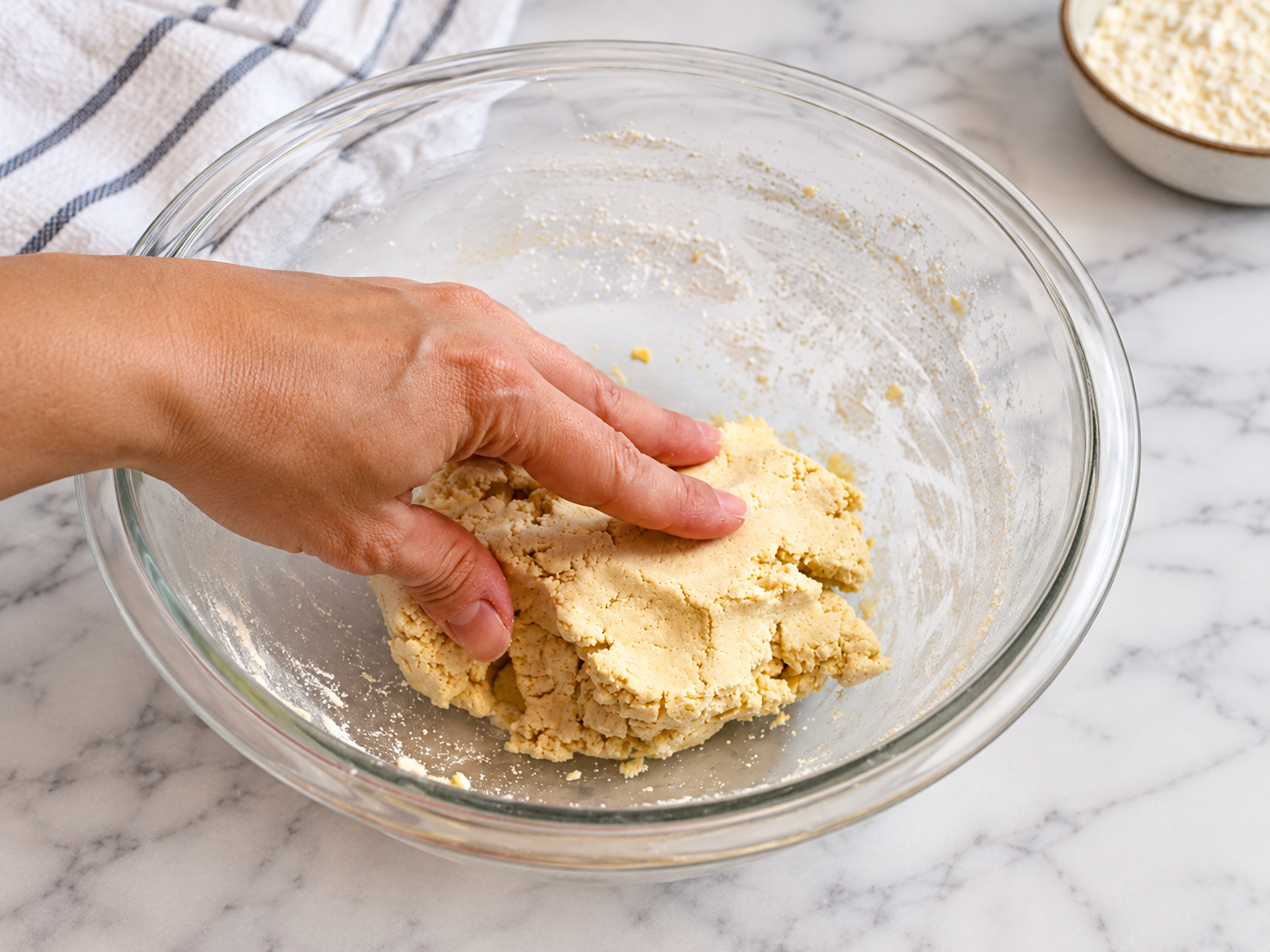
Knead the dough until it stops being crumbly and feels smooth to the touch. The point of doing this is to allow the cassava starches to absorb the moisture. The result will be a pliable dough that you can mold into different shapes.
Is Your Tortilla Dough the Right Consistency?
The dough should feel soft, smooth, and easy to handle without sticking to your hands. When you press or roll it, it should hold together without crumbling or developing large cracks around the edges. Cassava flour can absorb moisture differently, so let the texture of the dough be your guide. Here’s how to tell if yours is ready to roll.
| Your dough | What it means | How to fix it |
|---|---|---|
| Dry & crumbly | Not enough moisture | Add warm water, 1 teaspoon at a time, kneading after each addition. |
| Soft & pliable ✓ | Just right | It should hold together, flatten easily, and feel soft without sticking. Ready to roll! |
| Wet & sticky | Too much moisture | Add cassava flour, 1 teaspoon at a time, kneading until easy to handle. |
Quick check: Pinch off a small piece of dough and flatten it between your fingers. If it bends and presses flat without crumbling or sticking, you’re ready to roll the tortillas.
4) Divide the dough
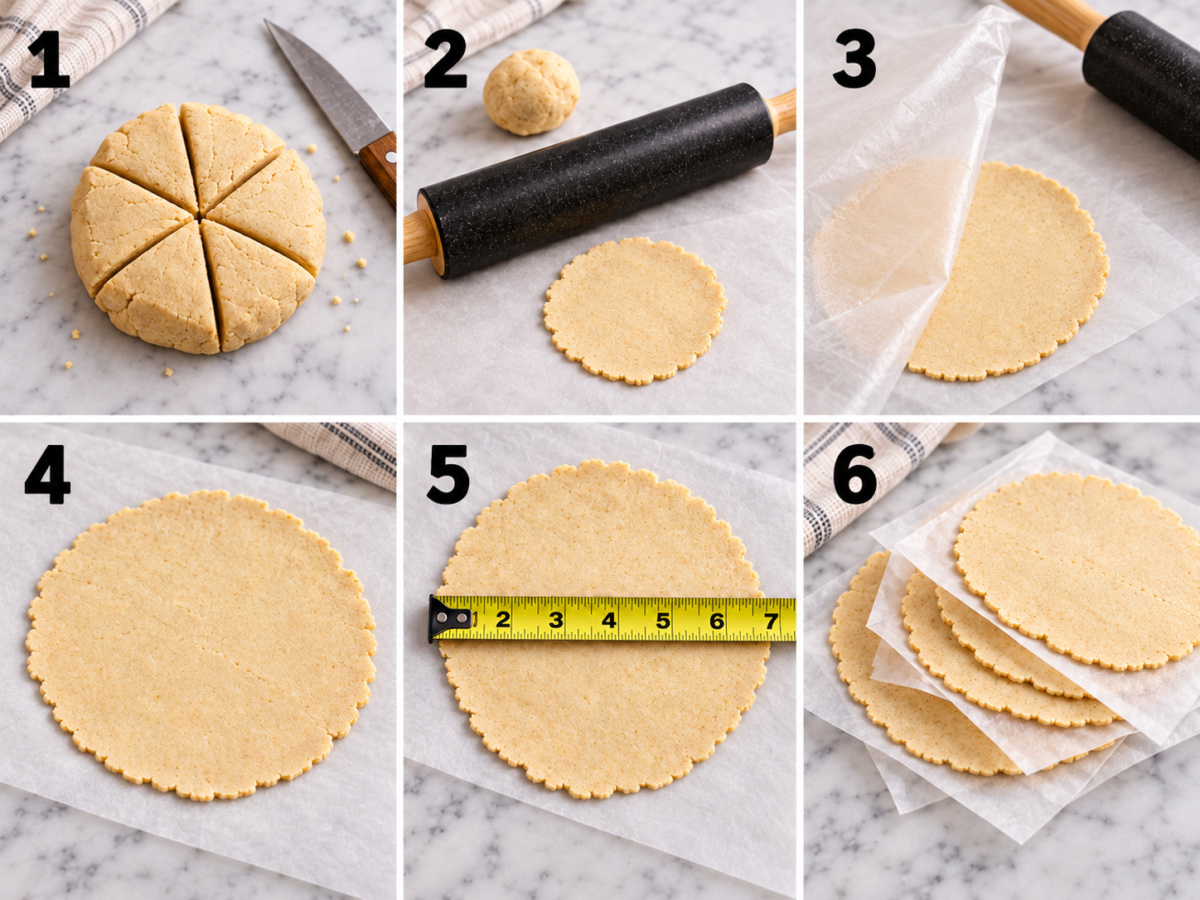
Put your dough on a piece of parchment paper and shape it into a disk. Then divide your disk into 8 equal portions and keep them covered while you work on them. You will need to shape the dough into balls approximately 1 ½ inches wide.
5) Prep the skillet
Preheat a flat-bottom skillet over medium heat without greasing or spraying it with oil or cooking spray. If the skillet is greased, the soft tortillas will become fried tostadas that cook unevenly and do not form a proper wrap.
6) Flatten the tortillas
Place a piece of parchment paper on top of a ball of dough, then roll it out into a thin and even tortilla. Repeat with the remaining dough so the tortillas are ready before you start cooking. Each tortilla should measure about 6 inches in diameter.
7) Cook the tortillas
Turn the tortilla in the skillet and cook for 1 minute, or wait for the air bubbles to form. Then flip with a large spatula and cook for another minute. Transfer to a paper towel-lined plate and repeat the process for the rest of the tortillas.
8) Serve the tortillas
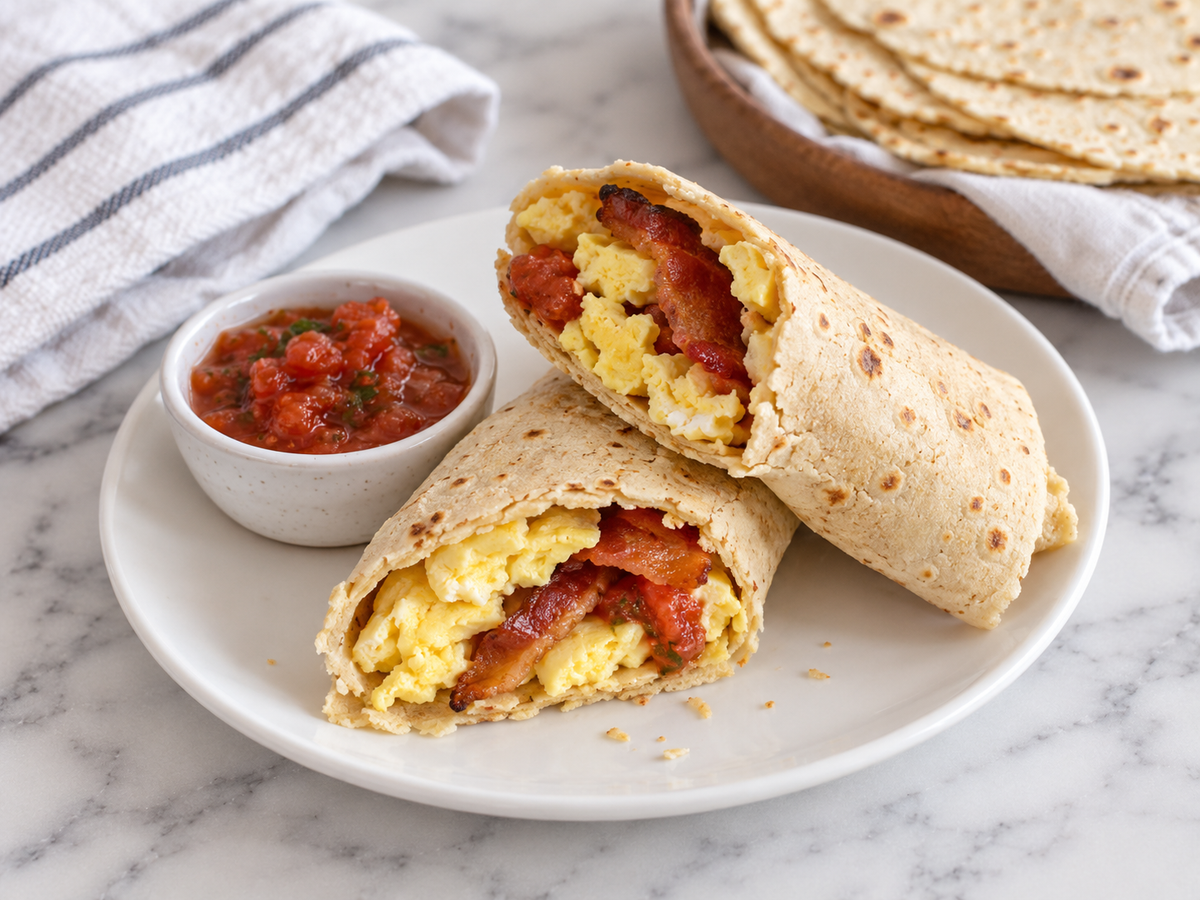
Keep the tortillas one on top of another until ready to serve. They can then be filled and made into tacos, enchiladas, or quesadillas.
Tips for Success
Hold on to these simple tips to make tortillas that turn out soft and a little stretchy but strong:
- Use warm water. It slightly heats the fat so it can better disperse into the flour, helping the starches hydrate and giving the dough a bendier texture.
- Coat the cassava flour with olive oil before adding water. This reduces the amount of bonding from the starches by covering the fiber, making the tortillas more tender.
- Test the dough by rolling one portion into a cassava tortilla. If it sticks together, it’s ready. If it falls apart, it needs a little more water. If it is wet, it needs more flour.
- Avoid dusting the work surface too much. Too much extra flour can make the tortillas harder to roll and more brittle.
- Roll them evenly and not too thin, or they may stick, tear, or become fragile.
- Do not cook them for too long, or they will get charred and dried out.
- After transferring them to a plate, cover them with a kitchen towel, foil, or plastic wrap. This technique traps the steam from the dough, softening the surface.
These little nuggets can help you achieve soft, flexible tortillas that are perfect for a variety of dishes.
Troubleshooting Tips
Occasionally, you may find yourself unable to get the cassava tortilla recipe you want. To avoid this, here is a list of problems you are likely to encounter and how to fix them.
1. Dough is too dry and cracks: This is most likely due to a lack of enough moisture. Add a little more water, a teaspoon at a time, until the dough feels slightly sticky but still workable.
2. Dough is too wet or sticky: Too much moisture is the common reason for this. Add a small amount of cassava flour and mix again, but stop as soon as it comes together, or the tortillas can turn brittle.
3. Tortillas tear when rolling: You likely used cold water, or there’s insufficient moisture in the dough. Use warm water, let the dough rest briefly, keep it covered, and make sure you roll it evenly between parchment paper.
4. Tortillas stick to the skillet: A skillet that isn’t hot enough is the usual culprit for this. Cook the cassava tortilla on a properly heated skillet so it releases more easily.
5. Tortillas lose softness after cooking: You probably didn’t cover the tortillas after cooking. Stack them under a towel or keep them covered so trapped steam keeps them pliable.
There are numerous problems that you can easily solve with a few simple adjustments while making cassava tortillas. After cooking a batch of these tortillas, you will be able to replicate the right ones consistently because you understand how your skillet and ingredients work.
Storage and Thawing Tips
When stored properly, these cassava tortillas remain fresh and flavorful for an extended period, making them convenient to enjoy whenever you want.
- Room-temperature storage: You can store them at room temperature for a limited time in a sealed container or well-wrapped, and you must eat them on the same day.
- Refrigerating: After they cool, wrap each tortilla flat in parchment paper and refrigerate for 3 to 5 days.
- Freezing: Keep the tortillas in a freezer bag, which can keep them frozen for 1 to 3 months. Ensure that the tortillas are separated using parchment paper when freezing.
- Thawing: If frozen, leave them on the counter the day prior. They can also be reheated in a non-stick frying pan or sandwich press.
Frequently Asked Questions (FAQs)
Here are the questions regarding making this cassava tortilla recipe. If you can’t find yours, drop it in the comments.
Are these cassava tortillas nutritious?
Absolutely. Cassava flour is naturally grain-free, gluten-free, and paleo-friendly, making these tortillas a great option for people with gluten sensitivities or those following grain-free or paleo diets. This recipe also includes olive oil, which provides heart-healthy monounsaturated fats.
Can I flavor these cassava tortillas?
Sure, you can. Mix garlic powder, onion powder, smoked paprika, or your favorite dried herbs, such as oregano, basil, thyme, rosemary, or parsley, into the dough for extra flavor. You can also add spices like cumin or chili powder to create different flavor profiles.
Can I make the cassava tortillas ahead of time?
Definitely, you can make them in advance and reheat them before serving so they soften again.
How do I keep these tortillas soft?
Stack the tortillas as they cook and cover them with a clean kitchen towel or place them in a tortilla warmer. The trapped steam helps keep them warm, soft, and pliable until you’re ready to serve.
What can I add to make the tortillas lighter in texture?
Use either palm oil, unsalted butter, or vegetable shortening, cutting them into small pieces to mix into the flour as if making biscuits. Also, be sure to refrigerate the dough for 30 minutes before rolling it out. Palm oil is compatible with paleo, while butter and shortening are not.
More Wholesome Gluten-Free Flour Recipes You Can Try
Are you interested in trying out more recipes that use gluten-free flour? Here are a few more you can check out:
- Gluten-Free Cassava Flour Pancakes for an allergy-friendly twist on your favorite weekend breakfast.
- Savory Cassava Bread Recipe for an herb-seasoned bread without dairy or yeast and that fits multiple food allergies.
- Sorghum Bread Recipe for a loaf that’s soft, easy to slice, and sturdy enough for sandwiches and toast.
- Moist Almond Flour Coffee Cake Recipe for an incredibly tender, naturally sweetened, and completely dairy-free cake that tastes like something straight from a bakery.
- Coconut Flour Banana Pancakes for soft, fluffy pancakes that hold together well and cook evenly.
These recipes make it simple to work with gluten-free flours in a wide range of tasty ways, whether it’s a healthy breakfast or a savory bread to accompany soups and stews on a cold night.
Tell Us About Your Tortilla Experience
If you have tried this cassava tortilla recipe, I would love to hear about your experience while cooking. Please comment below and let me know how your tortillas turned out, or if you made anything interesting with them.