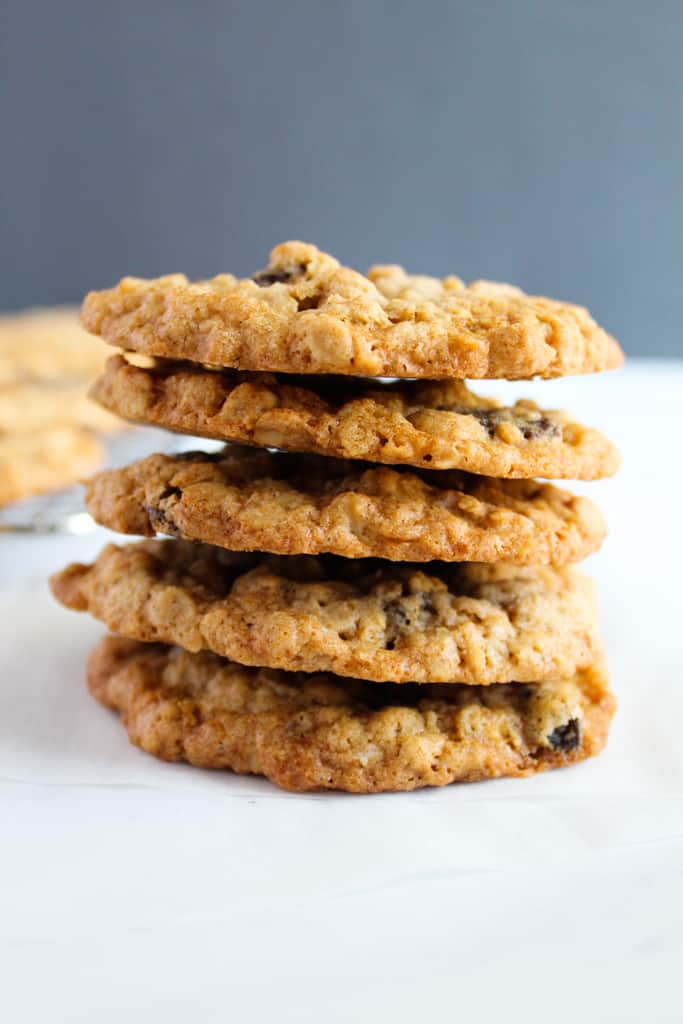
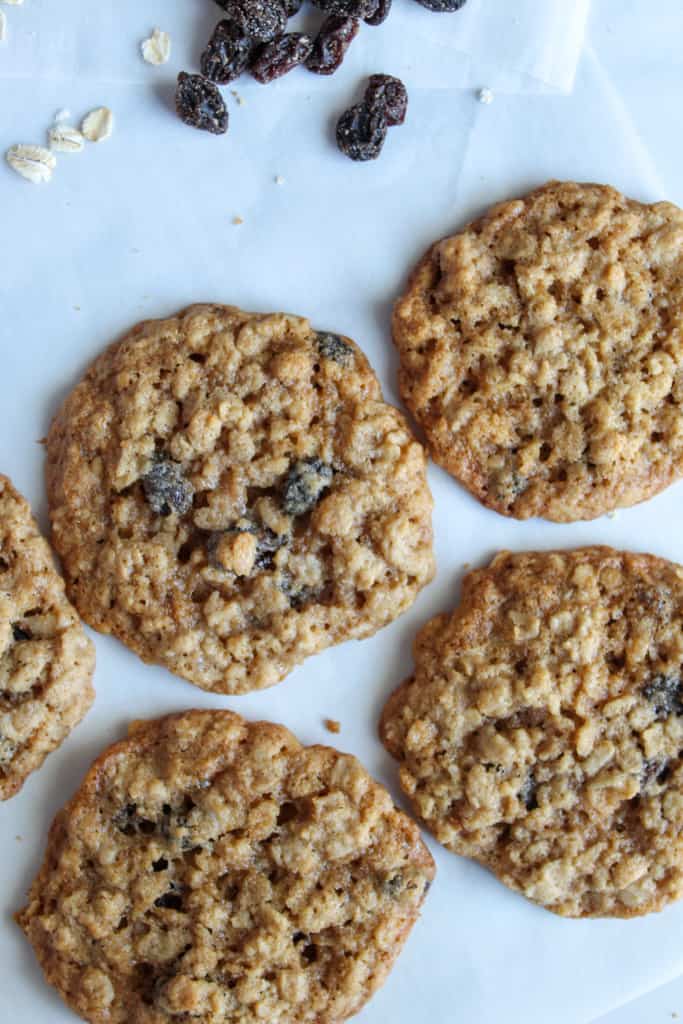
These gluten-free oatmeal raisin cookies are soft, chewy, warmly spiced, and packed with old-fashioned oats and sweet raisins, yes, the ones that may be briefly mistaken for chocolate chips before winning everyone over anyway.
Gluten-free oatmeal cookies can be tricky because they often turn out dry, crumbly, gritty, or too cakey. This recipe solves that with the right balance of oats, gluten-free flour, brown sugar, and a short dough rest so every batch bakes up with tender centers and lightly crisp edges.
Table of Contents
They’re easy to make, dairy-free with vegan butter, and perfect for lunchboxes, bake sales, holidays, or whenever you want a cozy homemade cookie that tastes like the classic.
Recipe Snapshot
Here’s what to expect before you start baking:
- Texture: Soft, chewy centers with lightly crisp edges
- Prep time: 20 minutes
- Dough rest: 30 minutes for better hydration and texture
- Bake time: 12–13 minutes per batch
- Yield: About 48 cookies
- Dietary notes: Gluten-free and dairy-free when made with vegan butter
- Best flour: King Arthur Measure for Measure or another tested 1:1 gluten-free flour blend
- Don’t skip this: Let the dough rest before baking so the oats and gluten-free flour can fully hydrate, helping prevent dry or gritty cookies.
Why This Recipe for Oatmeal Raisin Cookies?
That’s a natural question to ask! Maybe you’ve been disappointed by gluten-free cookies before. They came out with the wrong texture, weren’t as thick and chewy as you’d like, or somebody in your family had a bad reaction to one of the ingredients.
(If that happened, it might not even be a matter of them eating too many cookies, which is one reason I’m always ready to swap out an ingredient for another one that might work. More on substitutions later.)
Want our human-written content to rank above AI-generated garbage? Help us out by clicking this button!
Why I like this recipe:
- The cookies contain two types of sugar. I like to use both light brown sugar and white sugar because each of them brings something different to the recipe. The brown sugar adds a bit of delicious molasses and makes them chewy, while granulated sugar keeps them from spreading too much.
- Cinnamon adds a little surprising flavor. Cinnamon pairs well with sugar, so I add a bit to these cookies. I love seeing people’s faces when they realize the cookie has a hint of cinnamon!
- It’s easy to make a big batch. The recipe as shown makes four dozen cookies, which makes these oatmeal raisin cookies ideal for holiday gatherings, bake sales, and road trips.
- They’re dairy-free! I know one of the challenges of baking is removing anything someone might be allergic to or intolerant of, and dairy is a common one. That means more people can enjoy these cookies!
Because I know people with lactose intolerance who might eat these cookies, I’ve worked out some replacements for the dairy. Vegan butter actually works quite well!
Equipment Needed for Gluten-Free Oatmeal Raisin Cookies
- Stand Mixer With Bowl or Large Mixing Bowl and Handheld Electric Mixer
- Rubber Spatula
- Parchment Paper
- Cookie Sheets
- Wire Cooling Rack
Ingredients for Gluten-Free Oatmeal Raisin Cookies
Now let’s make sure we have all the ingredients we need for these oatmeal raisin cookies! If you need to pick a few up at the grocery store, most of them are in the baking aisle or refrigerated sections. Feel free to print or pin the recipe card below for easy reference while shopping.
- Vegan Butter
- Brown Sugar
- Granulated Sugar
- Eggs
- Pure Vanilla Extract
- King Arthur Measure for Measure Gluten-Free Flour Mix
- Xanthan Gum
- Cinnamon
- Baking Soda
- Salt
- Old-Fashioned Rolled Oats
- Raisins
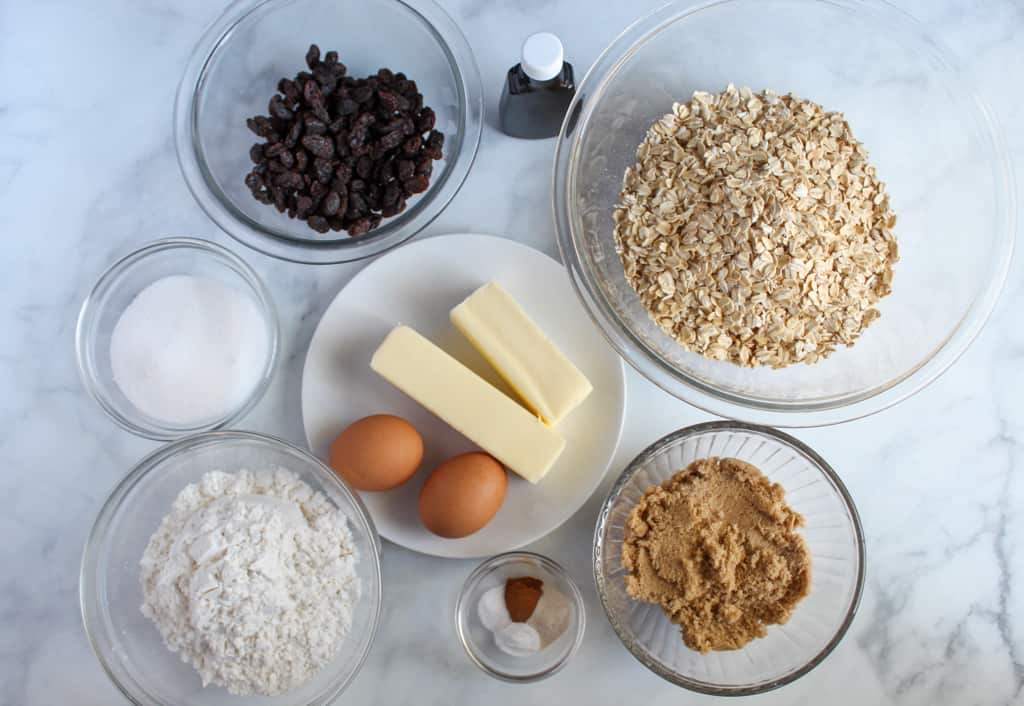
Key Ingredient Roles
Curious about any of these ingredients? Each of them brings something unique to the recipe. So let’s jump right into a closer look!
Vegan Butter
3/4 cup vegan butter, softened
Vegan butter adds a richer flavor and a bit of the moisture these cookies need. I like to use a stick version of vegan butter, like Country Crock plant butter. Go for unsalted butter if you can, because we’ll add the salt separately, and don’t want to overwhelm the cookies with salt.
Like many refrigerated ingredients, vegan butter mixes into the cookie dough better when it’s warmed on the counter for a bit before adding it to the recipe. This softens it so it blends better with the sugar.
Brown Sugar
160 grams (about 3/4 cup) brown sugar
I like to go for a brand of brown sugar that lists exactly two ingredients: sugar and molasses. If it lists just “brown sugar,” that’s a bit vague, like seeing that an ingredient list includes “spices” or “natural flavors,” and I don’t like that.
I like “sugar and molasses” because the molasses adds a more complex flavor profile to the sugar. You may have noticed that brown sugar tastes a little more like caramel, toffee, or burnt sugar than granulated sugar does if you’ve ever compared their flavors.
Granulated Sugar
100 grams (about 1/2 cup) granulated sugar
Granulated sugar helps keep the cookies from spreading too much and adds more sweetness. This is important to make sure the cookies stay chewy rather than too crispy. It also keeps the cookies from touching and fusing together while baking.
Large Eggs
2 large eggs
Eggs do much of the heavy lifting as binders and emulsifiers in gluten-free baked goods. The egg whites contain a protein that uncoils, forming a web that holds the dough together and traps moisture and air bubbles. An emulsifier in egg yolks, lecithin, prevents fat from forming large oily blobs in the dough and helps it mix better with the water in the liquid ingredients.
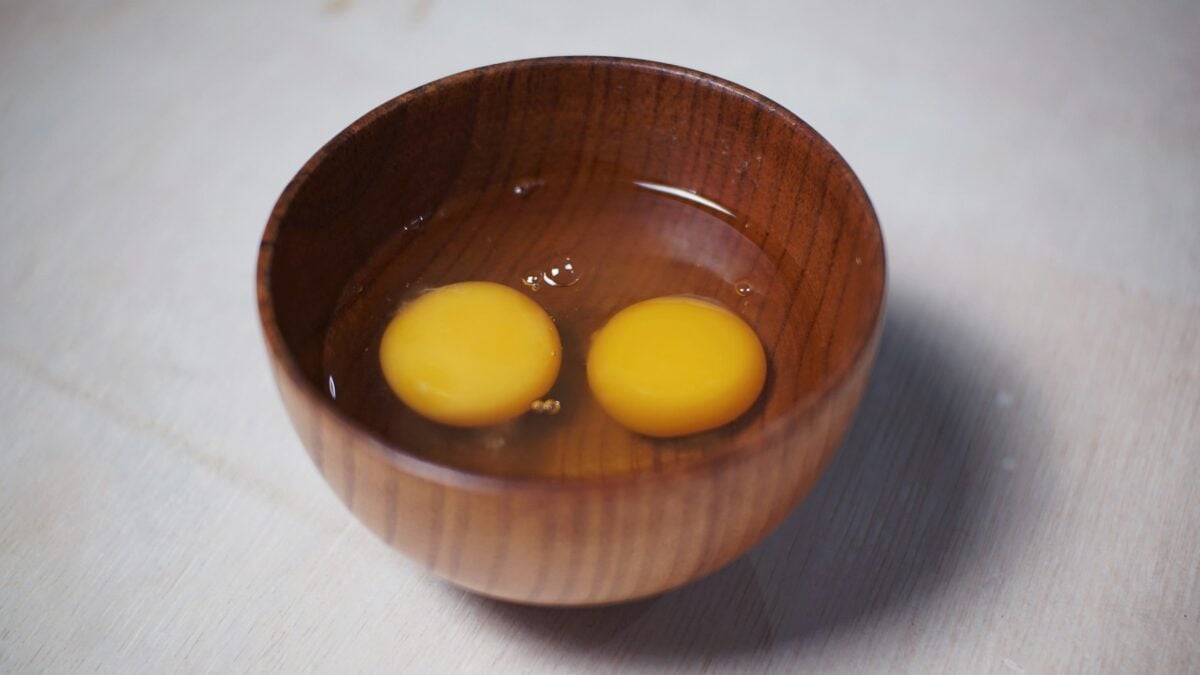
So don’t leave the eggs out of these cookies without having a good replacement that can do nearly the same job! They keep the cookies from falling apart, ensure they reach the perfect chewy texture, prevent them from becoming too dry, and help the ingredients mix more thoroughly.
Pure Vanilla Extract
1 teaspoon pure vanilla extract
The signature flavor of vanilla extract comes from a compound called vanillin, which is also found in imitation vanilla extract. Genuine vanilla extract also contains many other flavor compounds that make it easier to distinguish between the real stuff and imitation vanilla. The extract made from real vanilla beans will have a much more complex flavor.
The exact flavor of genuine vanilla extract can vary a bit depending on the region where the vanilla beans were harvested. I use Madagascar vanilla in this recipe for its rich, creamy flavor. Other options include Mexican vanilla, with a woody profile and a hint of spice, and Tahitian vanilla, which adds a floral, fruity profile to any recipe it’s added to.
Yes, genuine vanilla extract can be pricier! That’s why I like to stock up whenever I can find a good price. Sometimes I’ll see it on sale, either on Amazon or in the baking aisle of my local grocery store.
King Arthur Measure for Measure gluten-free flour blend
200 grams (about 1 1/2 cups) King Arthur Measure for Measure gluten-free flour blend
The tricky part of gluten-free baking is finding a good flour or flour blend to replace gluten-containing flour. King Arthur Measure for Measure gluten-free flour blend is an easy choice for beginners in gluten-free baking because it can replace wheat flour at a 1:1 ratio in many simple recipes, like these cookies. If you read the ingredient list, you may notice it includes 5 types of flour plus xanthan gum. This is necessary for adding everything you need to replace the gluten in flour.
What does gluten do in baking, anyway? Gluten is a substance that forms when proteins in wheat, rye, or barley are exposed to water and mixed. Like the protein in eggs, gluten forms a web that supports the structure of baked goods. The important thing in gluten-free baking is replacing the gluten to achieve similar results.
Xanthan Gum
1/2 teaspoon xanthan gum
Xanthan gum is a common replacement for gluten in gluten-free recipes. It can serve as a binder, improve retention of moisture and air bubbles, and add elasticity to most baked goods.
Here, I’m dialing back the xanthan gum because the flour blend already contains some. You can also leave it out or use a substitute if someone in your family has had a bad reaction to xanthan gum before. (If so, it’s not just them. Digestive issues after eating xanthan gum or guar gum, which is similar, are common in individuals who are sensitive to refined dietary fiber.)
Baking Soda
1 teaspoon baking soda
Baking soda is pure sodium bicarbonate, a mild base that reacts with acids in other ingredients to create carbon dioxide bubbles. The carbon dioxide bubbles fluff the cookies up enough to give them their nice chewy texture.
Ground Cinnamon
1 teaspoon ground cinnamon
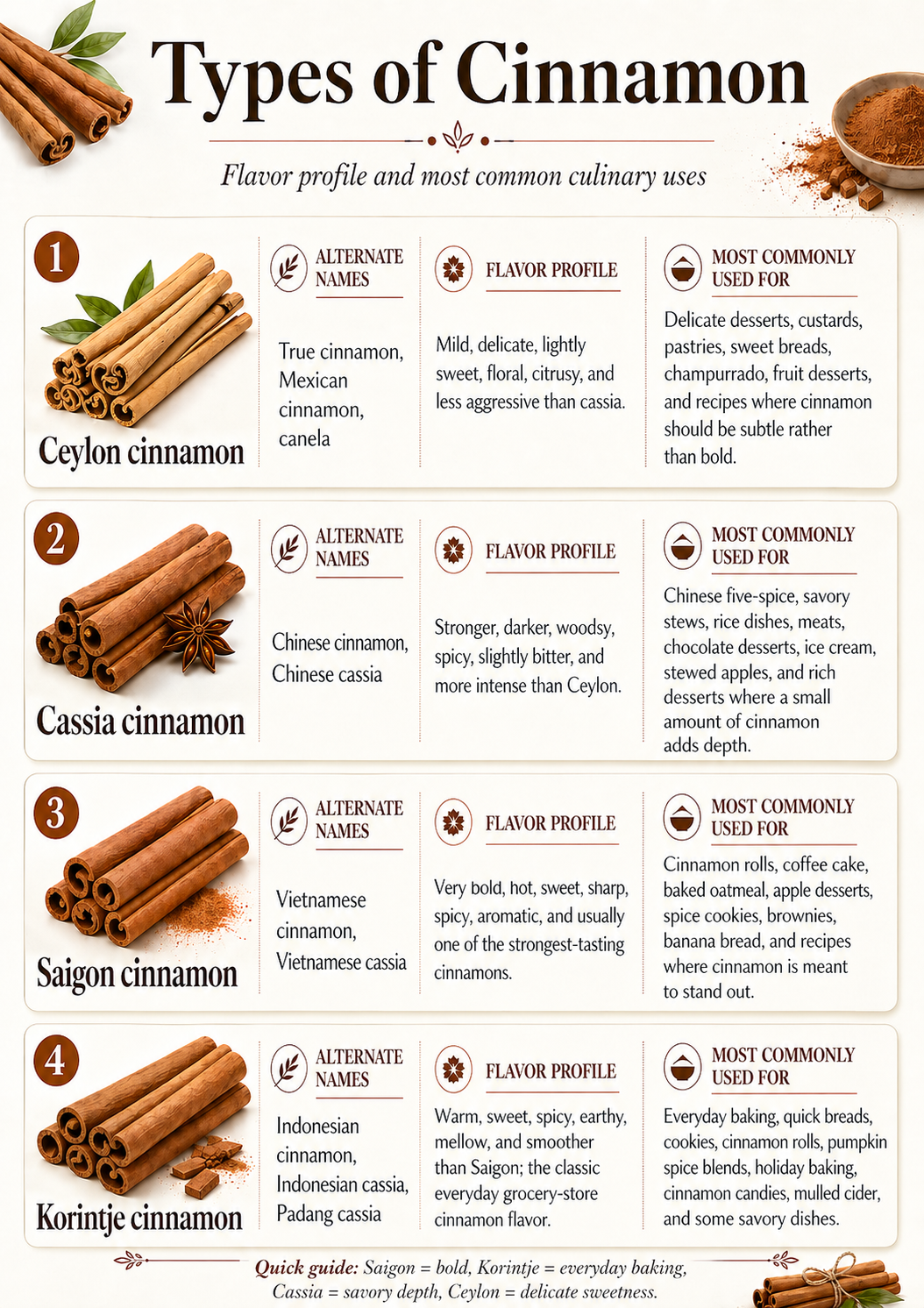
Ground cinnamon is the “surprise ingredient” that adds a slight, sweet-spicy flavor to these cookies. The strength of that flavor can depend on which type of cinnamon you use. The chart below describes the types of cinnamon and their most common uses.
Salt
1/2 teaspoon salt
Salt is a flavor enhancer that can balance the sweet flavor of the other ingredients.
Old-Fashioned Rolled Oats
300 grams (about 3 cups) old-fashioned rolled oats, uncooked
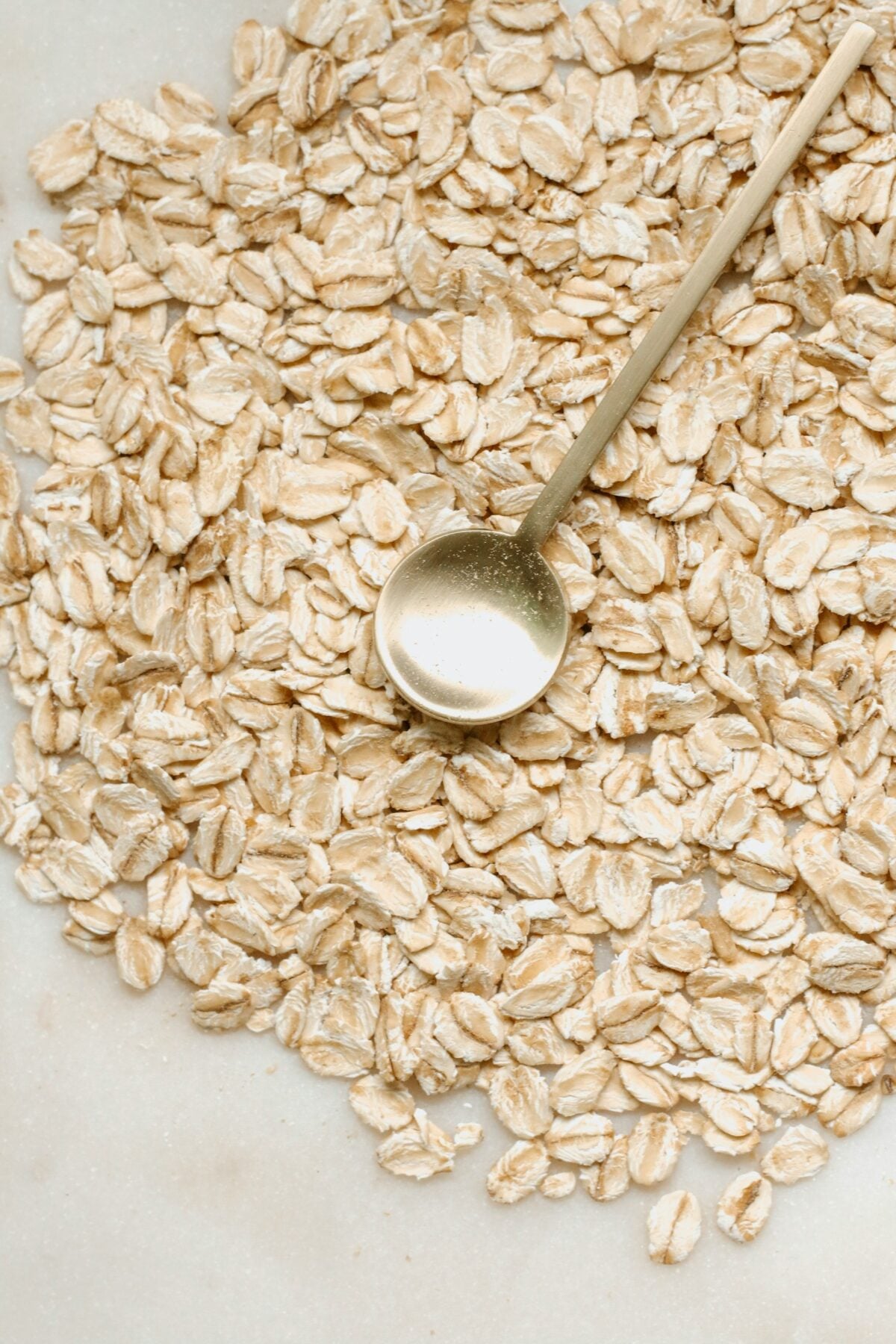
Old-fashioned rolled oats give these cookies a denser, more substantial texture and additional chewiness that I actually like. It makes the cookies seem more satisfying. They also have a mild nutty flavor. The thing to remember is that “old-fashioned oats” and “rolled oats” are pretty much the same thing, so you might see them labeled as either one on some brands.
Best Oats for Gluten-Free Oatmeal Raisin Cookies
For the best texture, use certified gluten-free old-fashioned oats in these oatmeal raisin cookies. Old-fashioned oats give the cookies a chewy, hearty texture without making them too dense.
- Quick oats can work in a pinch, but they absorb moisture differently and create a softer cookie with less oat texture. The cookies may also spread a little differently, so old-fashioned oats are the better choice when possible.
- Avoid using steel-cut oats for this recipe. They are too firm and do not soften enough during baking, which can leave the cookies with a tough or gritty texture.
- If you are baking for someone with celiac disease or a strong gluten sensitivity, make sure the oats are labeled certified gluten-free to help avoid cross-contact with wheat, barley, or rye.
Raisins
1 cup raisins
The raisins add a fruity flavor that seems a bit more substantial than most fruity add-ins because they’re dried grapes. I like to get a mixed-color raisin pack that includes both black and golden raisins. Not only does this add a little more color, but it also reduces the risk of being mistaken for chocolate chips!
Printable Gluten-Free Oatmeal Raisin Cookies Recipe Card
Ingredients
- 3/4 cup vegan butter, softened
- 160 grams brown sugar, about 3/4 cup
- 100 grams granulated sugar, about 1/2 cup
- 2 large eggs
- 1 teaspoon pure vanilla extract
- 200 grams King Arthur Measure for Measure gluten-free flour blend, about 1 1/2 cups
- ½ teaspoon xanthan gum, omit if your blend contains it
- 1 teaspoon gluten-free baking soda
- 1 teaspoon ground cinnamon
- 1/2 teaspoon salt
- 300 grams gluten-free oats uncooked, about 3 cups
- 1 cup raisins
Instructions
- Add the butter and sugar to a large mixing bowl or the bowl of a stand mixer. Beat them on medium speed until creamy, about 30 seconds.
- Add the eggs and the vanilla extract to the butter-sugar mixture. Beat on medium speed for about 2 minutes.
- Add the gluten-free flour mix, xanthan gum (if needed), baking soda, cinnamon, and salt. Mix on low-medium for 2 minutes, scraping down the bowl with the rubber spatula as needed.
- Stir the oats and raisins into the cookie dough until evenly combined.
- Set the cookie dough aside to rest for 30 minutes. This gives the baking soda time to start working. It also gives the flour and oats time to absorb moisture.
- While the dough is resting, preheat the oven to 350°F (176°F). Place a piece of parchment paper on each cookie sheet.
- Drop the dough by rounded tablespoonfuls onto parchment-lined cookie sheets. Make sure they’re evenly spaced and not touching on the sheet.
- Bake for 12 to 13 minutes until the edges of the cookies are set and slightly golden brown, and the centers are still soft.
- Cool for 5 minutes on cookie sheets. Remove to a wire rack to cool completely.
- If you haven’t used up all of the dough, repeat Steps Seven through Nine until the dough is gone.
- Here, it’s perfectly okay to sample the cookies! Store the ones you don’t eat right away in an airtight container on the counter for up to 3 days. In the unlikely event that they don’t get used up before then, they can be stored in an airtight container or resealable plastic bag in the freezer. Just thaw them out on the counter when you want them.
Notes
Nutrition
Did you make and love this recipe? Give it your review and rating below! And make sure to follow me on Instagram, Pinterest, and Facebook , too!
How to Make This Gluten-Free Oatmeal Raisin Cookie Recipe
Now that we have everything, let’s get started on these cookies. I know it’s natural to get a little impatient, but these cookies will come out much better if you don’t rush any step.
Step One: Combine Butter and Sugar
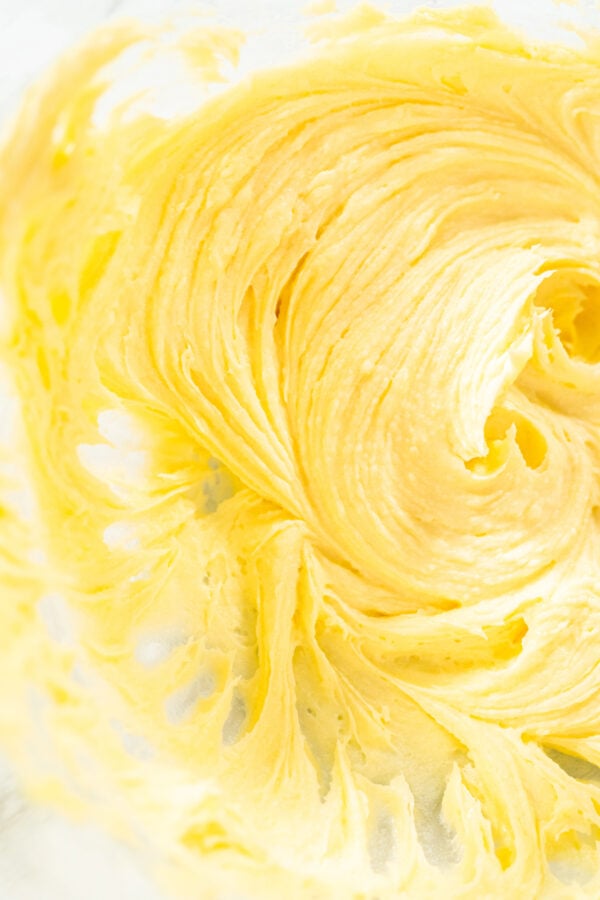
Add the butter and sugar to a large mixing bowl or the bowl of a stand mixer. Beat them on medium speed until creamy, about 30 seconds. It should look something like the image below.
Step Two: Add Eggs and Vanilla Extract
Add the eggs and the vanilla extract to the butter-sugar mixture. Beat on medium speed for about 2 minutes.
Step Three: Add Flour Mix, Xanthan Gum, Baking Soda, Cinnamon, and Salt
Add the gluten-free flour mix, xanthan gum (if needed), baking soda, cinnamon, and salt. Mix on low-medium for 2 minutes, scraping down the bowl with the rubber spatula as needed.
Step Four: Add Oats and Raisins
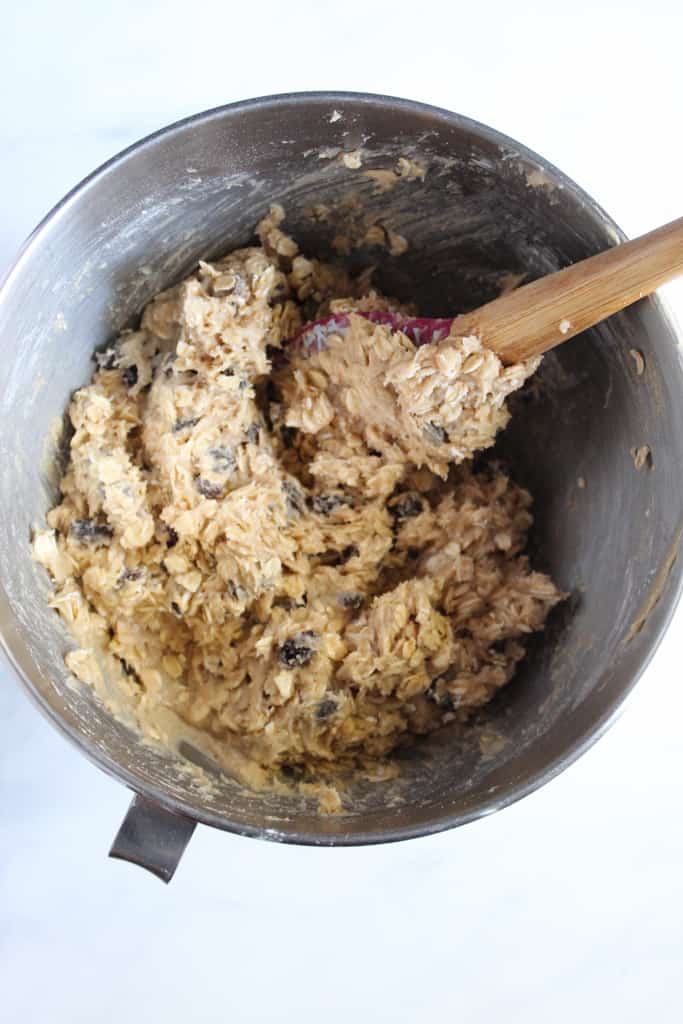
Stir the oats and raisins into the cookie dough until evenly combined.
Step Five: Let Dough Rest for 30 Minutes
Set the cookie dough aside to rest for 30 minutes. This gives the baking soda time to start working. It also gives the flour and oats time to absorb moisture.
Why Gluten-Free Cookie Dough Needs to Rest
Resting the dough is one of the most important steps for soft, chewy gluten-free oatmeal raisin cookies. Gluten-free flour and oats both need time to absorb moisture from the butter, eggs, and sugar.
If you bake the cookies right away, the dough may spread too much, bake unevenly, or have a slightly gritty texture. A short rest gives the flour blend and oats time to hydrate, which helps the cookies bake up thicker, softer, and chewier.
For this recipe, let the dough rest for at least 30 minutes before scooping and baking. This small step makes a big difference in the final texture.
Step Six: Preheat Oven and Prepare Cookie Sheets
While the dough is resting, preheat the oven to 350°F (176°F). Place a piece of parchment paper on each cookie sheet.
Step Seven: Form Cookies and Place on Cookie Sheets
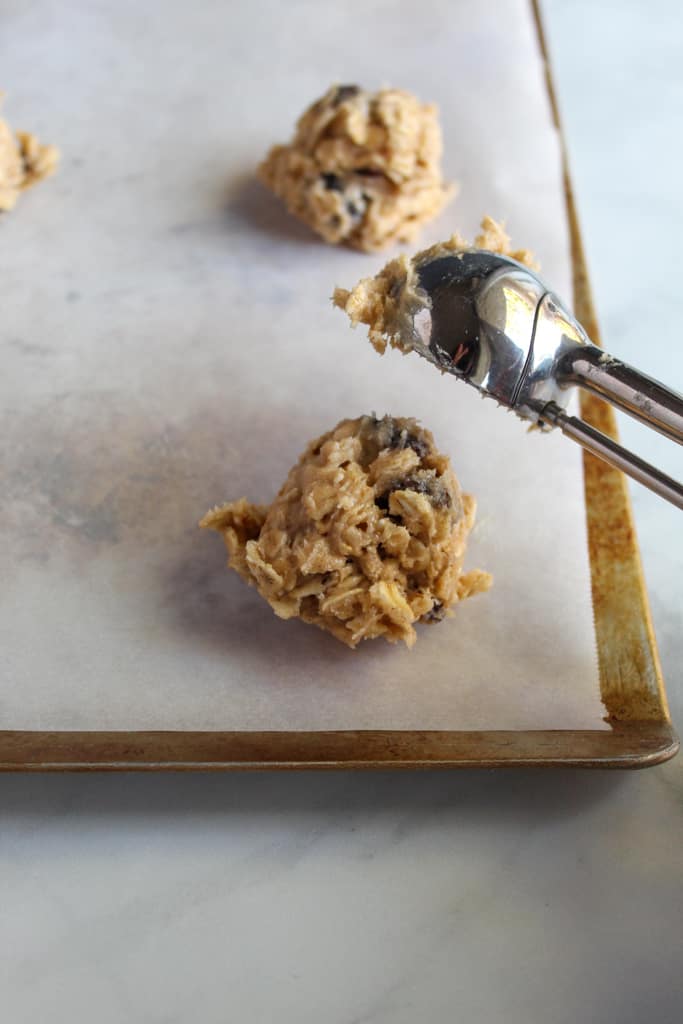
Drop the dough by rounded tablespoonfuls onto parchment-lined cookie sheets. Make sure they’re evenly spaced and not touching on the sheet.
Step Eight: Bake Cookies
Bake 12 to 13 minutes until the edges of the cookies are set and slightly golden brown, and the centers are still soft.
Step Nine: Cool Cookies
Cool for 5 minutes on cookie sheets. Remove to a wire rack to cool completely.
Step Ten: Bake More Cookies Until Dough Is Gone
If you haven’t used up all of the dough, repeat Steps Seven through Nine until the dough is gone.
Step Eleven: Cool and Enjoy
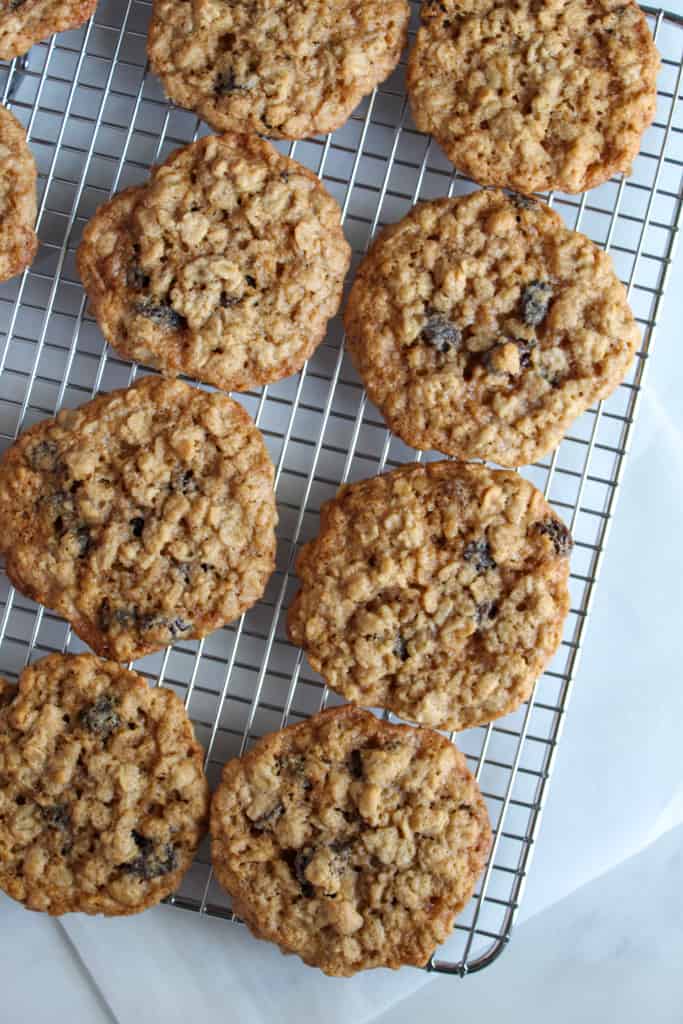
Once the cookies are cool enough to handle, go ahead and try one — quality control is important! Let the rest cool completely on the baking sheet or a wire rack before moving them to a container.
For full storage, freezing, and make-ahead tips, see the Storage and Freezing section below.
Storage and Freezing
These gluten-free oatmeal raisin cookies store well, making them a great option for baking ahead, lunchboxes, or freezing for later.
Room Temperature
Store cooled cookies in an airtight container at room temperature for up to 3 days. To help keep them soft, make sure they are completely cooled before sealing the container.
Freezing Baked Cookies
To freeze baked cookies, place the cooled cookies in a freezer-safe bag or airtight container. For best results, separate layers with parchment paper so they do not stick together.
Thaw cookies at room temperature before serving. You can also warm them briefly in the microwave for a softer, fresh-baked texture.
Freezing Cookie Dough
You can also freeze the cookie dough before baking. Scoop the dough into balls and place them on a parchment-lined baking sheet. Freeze until firm, then transfer the dough balls to a freezer-safe bag or container.
When ready to bake, place the frozen dough balls on a prepared baking sheet and bake from frozen. Add 1 to 2 extra minutes to the baking time, watching closely so the cookies do not overbake.
Substitutions for Oatmeal Raisin Cookies
The thing to remember about substituting one flour for another is that it is finicky. I wouldn’t recommend using individual flours instead of a blend, because they don’t always have everything you need to achieve the perfect texture in these cookies. I haven’t tested other flour blends in this recipe, but if you would rather add xanthan gum separately or use a substitute, we have a gluten-free flour blend you could try. If you do, feel free to let us know how it turns out.
Psyllium husk powder and chia seeds are the easiest to use as a 1:1 replacement for xanthan gum. Here’s our handy guide to xanthan gum substitutes.
1/2 cup of chopped nuts also makes a good add-in.
Want to replace the eggs? For each egg you want to replace, mix 1 tablespoon of flaxseed meal with 3 tablespoons of water. Let the mixture sit for a few minutes to form a gel before adding it to the recipe.
The vegan or plant-based butter can be swapped out for dairy butter if you don’t mind that it won’t be dairy-free.
You can reduce or eliminate the salt if you’re following a low-salt diet.
Can I Make These Without Raisins?
Yes! If raisins are not your favorite, you can easily swap them for another mix-in. Keep the amount similar so the dough bakes properly and the cookies hold their shape.
Try replacing the raisins with:
- Chocolate chips for a classic oatmeal chocolate chip cookie
- Dried cranberries, like Craisins, for a sweet-tart flavor
- Dried cherries for a sweet-tart flavor and a slightly chewy bite
- Dried blueberries for a softer, fruity cookie with a mild sweetness
- Chopped dates for extra chewiness and natural sweetness
- Chopped walnuts or pecans for crunch
- White chocolate chips for a sweeter cookie
- Golden raisins for a milder raisin flavor
You can also mix and match. Dried cranberries with white chocolate chips or raisins with chopped walnuts are both delicious options.
Pro Tips For Chewy Oatmeal Raisin Cookies
These quick tips will help ensure you have a perfect batch of cookies every time.
1. Room Temperature Ingredients
Gluten-free baking recipes are really sensitive to temperature. If a few items are too cold and others are too warm, they won’t fully combine into a smoothly combined cookie dough. So before starting the recipe, make sure to bring your eggs to room temperature and let your butter soften at room temperature too.
2. Weigh Ingredients
It is very important to measure by weight whenever weight is given in a recipe. This gluten-free oatmeal cookie dough can be too dense or too soft if the flour mix is off by even a Tablespoon. The measuring cup measurement is only an approximation that doesn’t always equal the exact amount of grams.
It is especially important to measure flour by weight in grams because each type of flour has a different density, meaning the number of grams per cup can vary. Even being a little off with flour measurements can make the cookies too gummy or too dry, because it affects the flour’s ability to absorb moisture. Here’s a handy guide to measuring flour.
Troubleshooting Gluten-Free Oatmeal Raisin Cookies
If your cookies did not turn out quite right, use this quick troubleshooting guide to help fix the most common gluten-free oatmeal cookie problems.
| Problem | Likely Cause | Fix |
|---|---|---|
| The cookies spread too much | Butter was too soft, the dough was too warm, or the dough did not rest long enough | Use softened, not melted, butter, and let the dough rest before baking |
| Cookies are dry | Too much flour was added, or the cookies were baked too long | Weigh the flour and pull the cookies from the oven when the centers still look slightly soft |
| Cookies are gummy | Too much binder was used, the cookies were underbaked, or they were not cooled fully | Check the xanthan gum amount, bake until the edges are set, and let the cookies cool completely |
| Cookies fall apart | The flour blend did not contain enough structure, or the cookies were moved too soon | Use a 1:1 gluten-free flour blend with a binder, and let the cookies cool before moving them |
Reader Tip
If your kitchen is warm or your butter gets too soft, chill the dough for 10–15 minutes before baking. This helps prevent the cookies from spreading too much in the oven.
Gluten-Free Oatmeal Raisin Cookie Recipe FAQs
While I think these cookies are pretty easy to make, we do get questions sometimes! I did my best to answer the most frequently asked ones here. If you think of one we haven’t answered yet, feel free to ask in the comments section, and we’ll do our best to answer it as soon as possible.
Do I need certified gluten-free oats for this recipe?
Use oats labeled gluten-free if you are baking for someone with celiac disease or strict gluten avoidance. Oats are naturally gluten-free, but they are often exposed to wheat, barley, or rye during growing, transport, or processing. In the U.S., oats labeled gluten-free must meet the FDA standard of less than 20 ppm gluten. Third-party certification is helpful, but the most important label to look for is “gluten-free.”
Why does the cookie dough need to rest before baking?
The 30-minute rest gives the gluten-free flour and oats time to absorb moisture. It also gives the baking soda time to start creating the carbon dioxide bubbles. This helps the cookies bake up thicker, softer, and chewier instead of spreading too much in the oven.
Why did my gluten-free oatmeal cookies spread too much?
The most common reasons are using overly soft or melted butter, skipping the dough rest, using the wrong flour blend, or omitting xanthan gum when your flour blend does not already contain it. Room-temperature ingredients and the full rest time help the cookies hold their shape.
Can I chill gluten-free oatmeal raisin cookie dough overnight?
If you want to make the dough the day before, go for it! You can chill the dough overnight, but let it sit at room temperature for a few minutes before scooping if it becomes too firm. Chilling may make the cookies slightly thicker and chewier.
Why are my gluten-free oatmeal raisin cookies dry?
Dry cookies can happen if too much flour is added, the cookies are overbaked, or the dough does not have enough time to hydrate. Measuring the flour by weight is especially helpful because even small differences in flour measurements can affect the texture of gluten-free cookies.
Why did my cookies turn out gummy?
Gummy gluten-free cookies are often caused by excessive moisture, underbaking, or inaccurate flour measurements. Let the cookies cool fully on a wire rack after the 5-minute pan rest so the centers can finish setting.
What’s the difference between lactose intolerance and a dairy allergy, anyway?
That’s a good question! A dairy allergy means the person’s immune system reacts badly to a protein in milk. Milk contains two distinct proteins, casein and whey, and either can trigger a dairy allergy. Symptoms of a dairy allergy, depending on its severity, can include rashes, hives, itching, swelling, trouble breathing, wheezing, and loss of consciousness.
Lactose intolerance means a person’s digestive system lacks an enzyme called lactase, which is needed to digest the sugar in milk. Symptoms can include nausea, cramps, gas, bloating, and diarrhea.
The video below from Food Allergy Research & Education explains more about the differences between a dairy allergy and lactose intolerance.
More Oat Recipes to Try Next
You can really do a lot with oats! These are some of my favorite recipes.
- Crowd-Pleasing Gluten-Free Oatmeal Rolls
- Crumb-Topped Banana Oatmeal Muffins
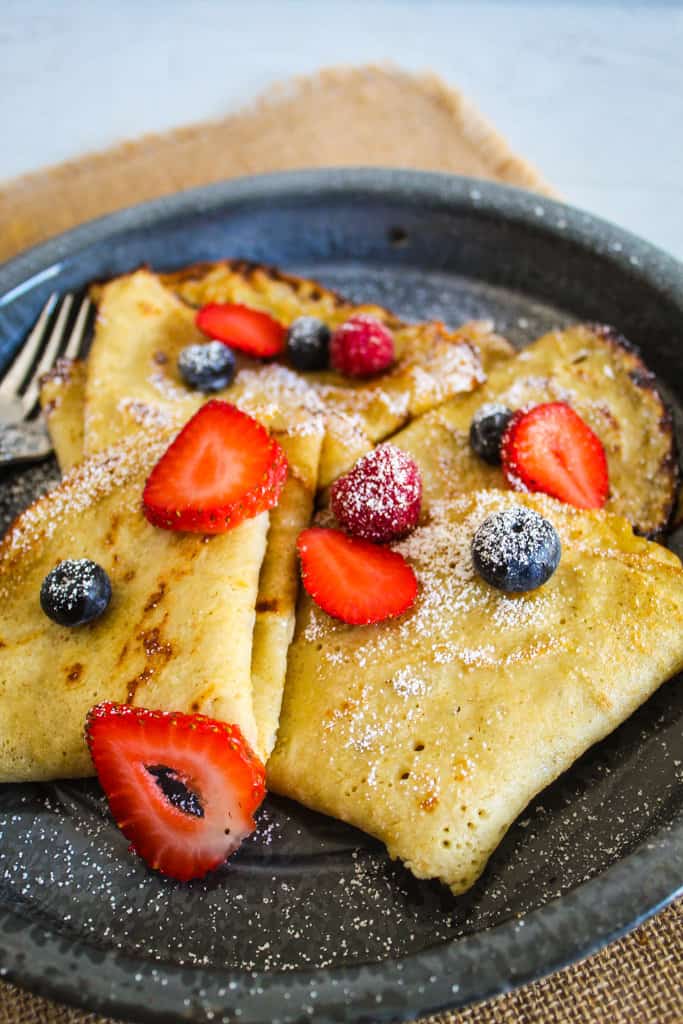
- Blender Oatmeal Crepes
- Gluten-Free Oatmeal Apple Muffins
- Flourless Banana Bread
Whether you’re making cookies, muffins, rolls, or breakfast favorites, oats are an easy way to add cozy flavor and hearty texture to gluten-free baking.
Keep the Cookie Baking Going
Because one good cookie recipe usually leads to another, here are a few more gluten-free cookies to bake next.
- If you love a classic cookie, try these gluten-free peanut butter cookies for a soft, rich peanut butter treat.
- For something cozy and fall-inspired, these pumpkin snickerdoodle cookies are rolled in cinnamon sugar and full of warm spice.
- Need more chocolate? These flourless chocolate chip cookies are chewy, simple, and packed with chocolate chips.
- For serious chocolate lovers, these gluten-free double chocolate chip cookies bring rich chocolate flavor in every bite.
- These cassava flour cookies are a great dairy-free option with a soft, simple cookie texture.
- And when you want a cookie loaded with all the good stuff, make these gluten-free monster cookies with oats, peanut butter, chocolate chips, and candy pieces.
There’s always room for one more cookie recipe, especially when it’s gluten-free and made for sharing.
Did You Make These Gluten-Free Oatmeal Raisin Cookies?
I’d love to hear how they turned out! Leave a comment below and let me know if you made them with classic raisins, chocolate chips, cranberries, or your own favorite mix-in. Your tips and swaps are helpful for other gluten-free bakers, too.