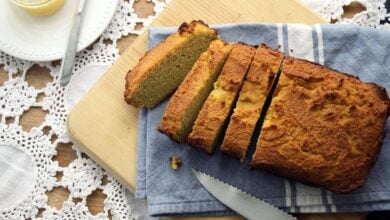
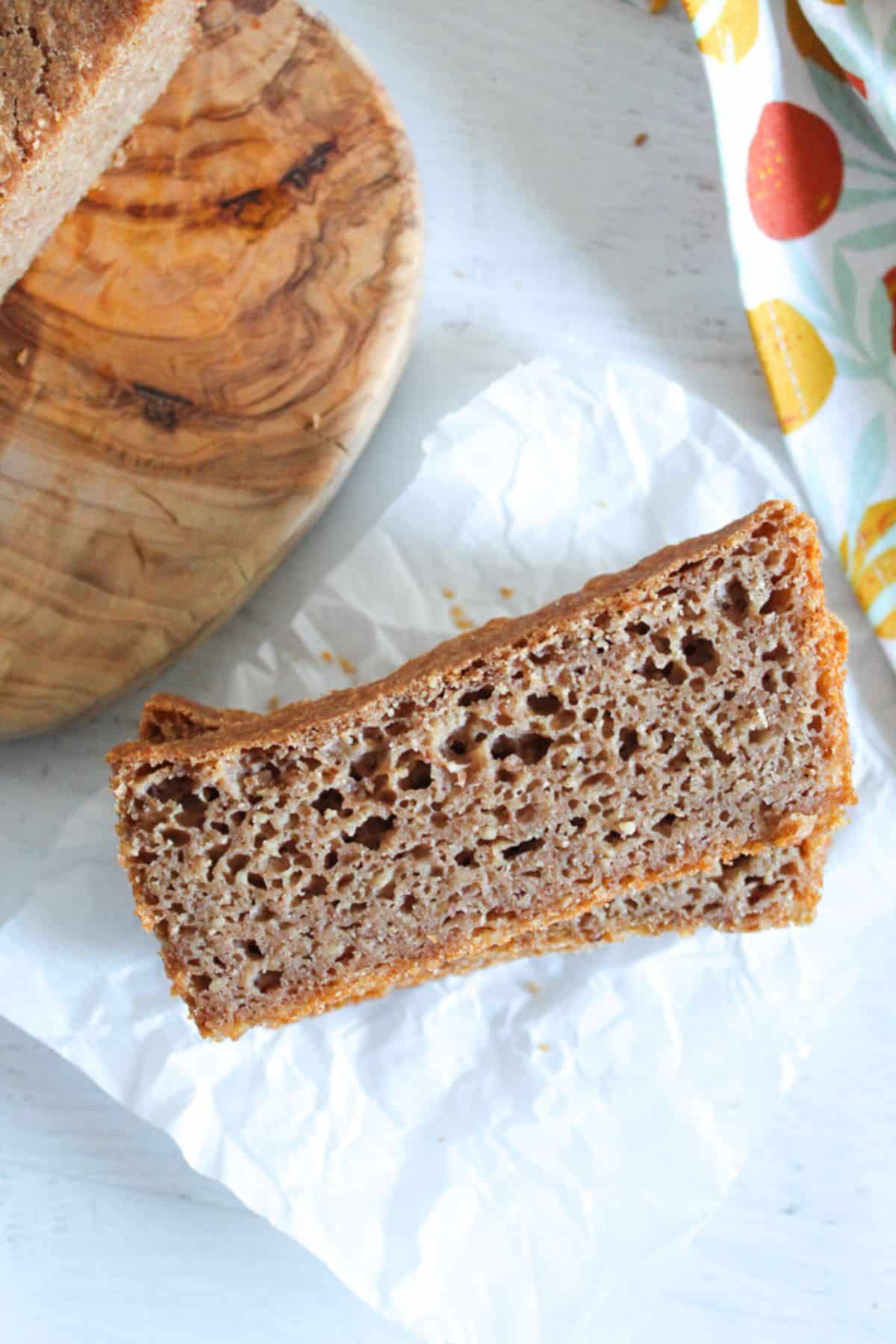
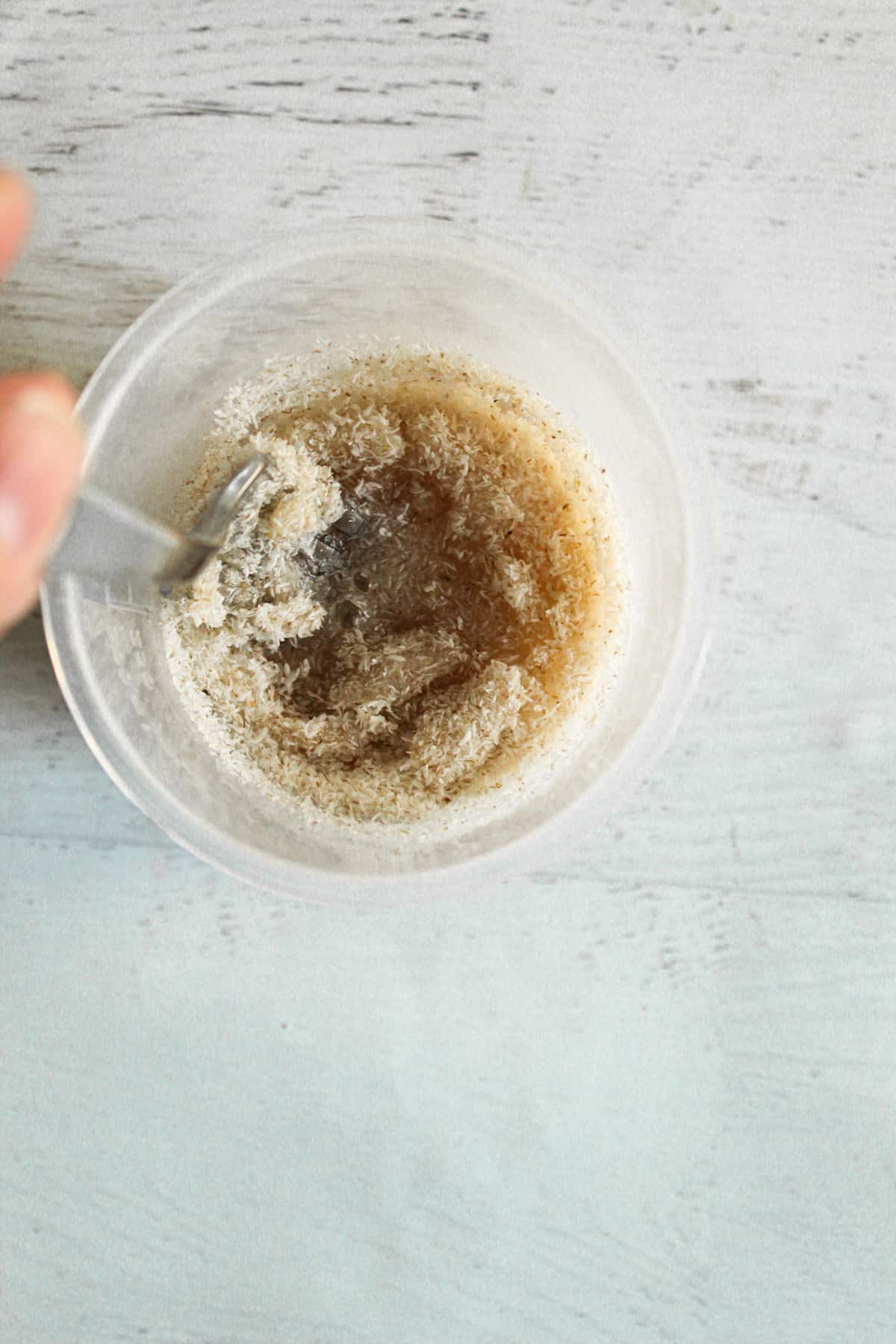
Potato starch substitutes may fail if they don’t react to heat like potato starch, resulting in gummy or thin sauces and crumbly or poorly textured baked goods.
This is especially obvious in recipes like our Soft Gluten-Free Potato Bread Recipe: Dairy-Free, where the wrong swap affects moisture and crumb.
Table of Contents

Before selecting a substitute, remember that every alternative has its own unique characteristics. Cornstarch, tapioca, and arrowroot can all be used as substitutes, but each thickens differently and may need a different amount to achieve the desired consistency.
To help you through the substitution process, this guide offers exact substitutes, accurate ratios, and guidance on when to use each, so your recipe maintains its texture and structure.
Quick Answer: Best Potato Starch Alternatives
The best potato starch alternative depends on how you’re using it, but a few options work reliably in most recipes. These substitutes below match potato starch in thickening ability with simple ratio swaps.
- Cornstarch (1:1) – Avoid for recipes with long cooking or freezing, as it can break down and lose thickening power.
- Tapioca starch (1:1) – Use sparingly; overuse can create a sticky texture.
- Arrowroot powder (1:1) – Not suitable for high-heat or reheated dishes, as it loses stability.
- Rice flour (2:1) – Avoid if you want a smooth or glossy texture, as it can make results dense or grainy.
Although these ratios generally work, remember that each substitute may react differently to long cooking, freezing, or reheating, and can impact the texture or clarity of your final dish.
What Potato Starch Does in Recipes
Before choosing a substitute, understand that potato starch does more than thicken; it also controls texture, structure, and how a recipe holds together from start to finish.
Want our human-written content to rank above AI-generated garbage? Help us out by clicking this button!
How Potato Starch Works (Why It’s Hard to Replace)
Potato starch thickens through a process known as gelatinization. When heated with water, the starch granules absorb liquid, swell, and disintegrate into a viscous gel that thickens the mixture. This is the reason it activates only under heat and sets as it cools.
It has a neutral flavor and produces a smooth, glossy finish in sauces and fillings. Its quick thickening, clarity, and clean taste make it hard to replace.
Where It’s Commonly Used
Potato starch shows up in recipes where texture matters most:
- Sauces & Gravies: Thickens quickly without making them cloudy.
- Baking (Structure): Helps bind and retain moisture in gluten-free recipes such as our Gluten-Free Potato Buns That Actually Stay Soft and Fluffy.
- Frying (Crispiness): Creates a light, crisp coating by forming a dry surface layer.
Best Potato Starch Substitutes
With a proper understanding of potato starch behavior in the bag, the next step is to select a potato starch substitute based on what your recipe needs. The goal is not to match the ingredient, but to match the outcome; whether that’s thickening, binding, or creating a specific finish.
Cornstarch
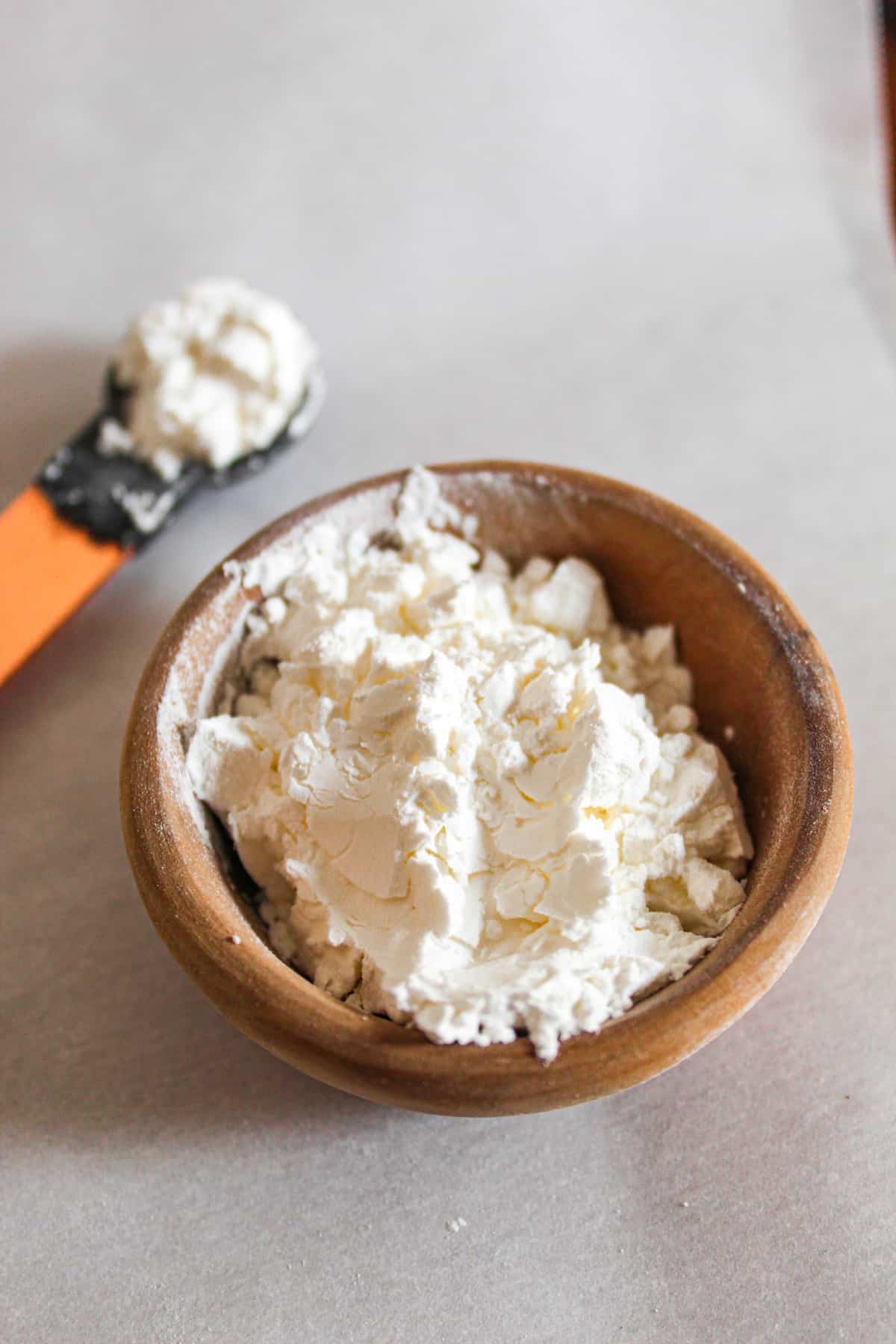
The most accessible potato starch replacement is cornstarch, but it does not provide a glossy finish and is not recommended for recipes that require long cooking times or freezing, as it may break down and lose its thickening ability.
If you want a more comprehensive comparison, read Cornstarch vs Tapioca vs Arrowroot: Differences, Substitutes & When to Use Each.
- Best for: Sauces, gravies, frying.
- Texture Result: Smooth but slightly opaque.
- Ratio: 1:1
- When NOT to Use: Long cooking or freezing.
Tapioca Starch
In baking, tapioca starch behaves more like potato starch, adding stretch and chew. However, overuse can cause gumminess, and it may not be ideal for sauces that require a light finish.
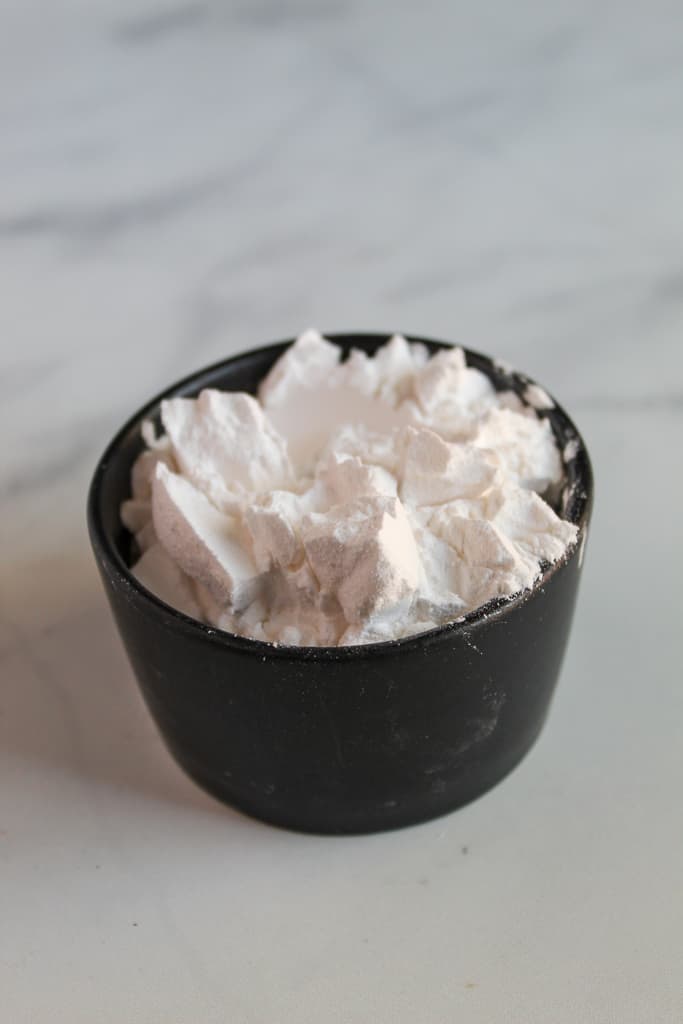
That’s why it’s especially handy in gluten-free recipes where elasticity is more important than mere thickening. Are you unsure of how it compares in detail? Go through our Tapioca Starch vs Tapioca Flour guide.
- Ideal for: Baking, pie fillings, gluten-free recipes.
- Texture Outcome: Light, elastic, slightly glossy.
- Ratio: 1:1
- When NOT to Use: When overused (can become sticky).
Arrowroot Powder
Arrowroot has an outstanding clean finish. It thickens sauces without cloudiness and creates a noticeable sheen, which is why it is often used when appearance is important.
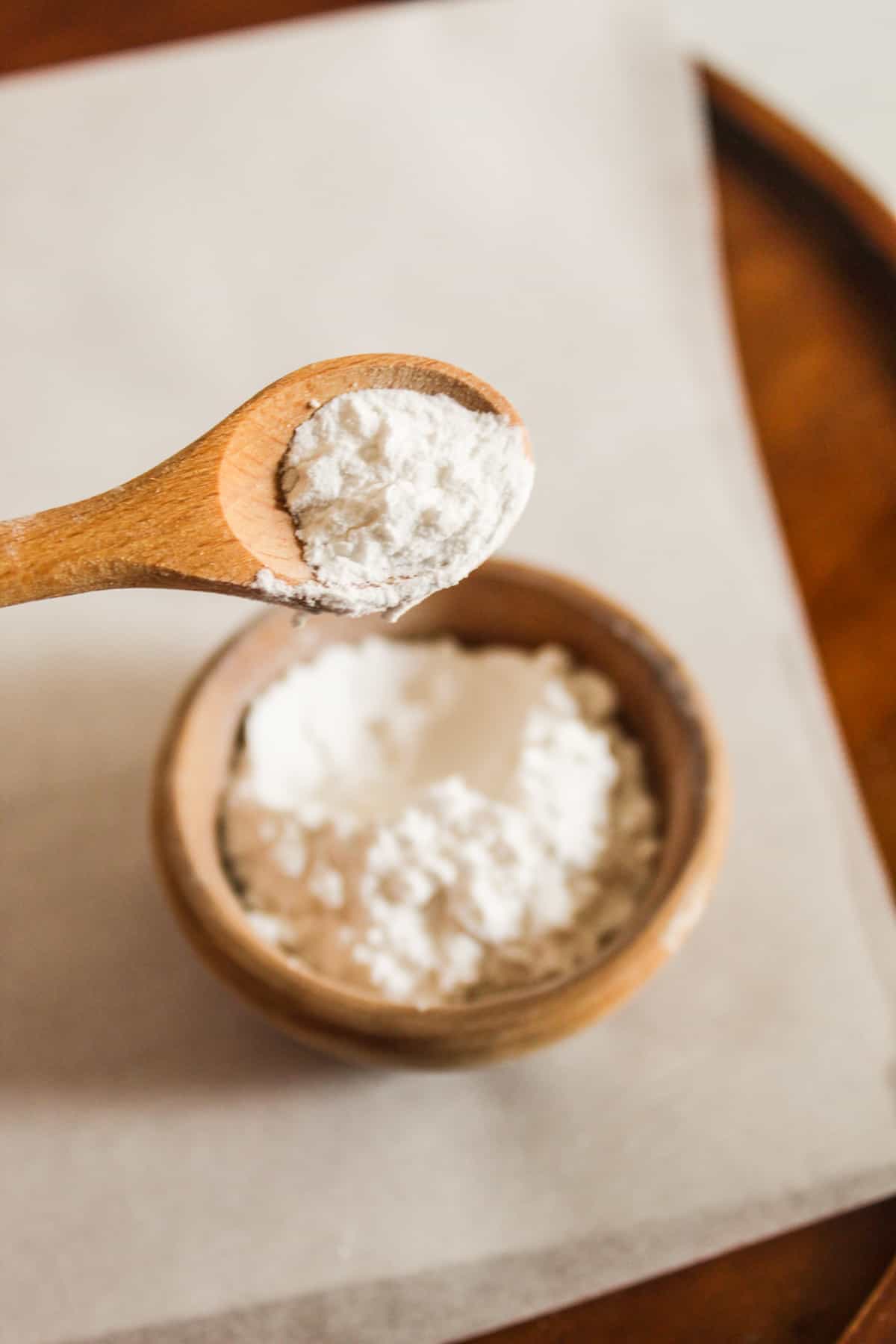
However, it has a stability limitation: arrowroot loses its thickening power when exposed to high heat or prolonged cooking. It is best suited for quick-cooking recipes and should not be used in dishes that will be reheated repeatedly.
- Great for: Clear sauces, delicate recipes.
- Texture Expectations: Light, glossy, smooth.
- Ratio: 1:1
- When NOT to Use: High heat or reheating.
Rice Flour
Rice flour alters the texture better than most swaps. It can make mixtures dense or grainy, and does not produce a silky or glossy finish. It is not suitable for achieving the same smoothness as potato starch in sauces.
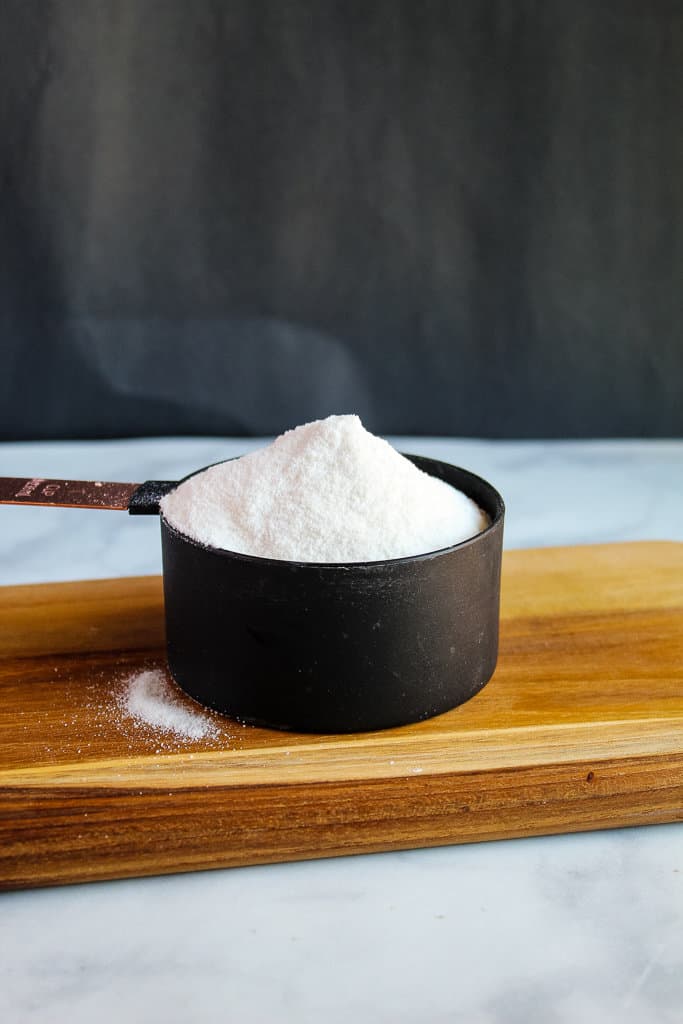
- Use for: Gluten-free baking, light thickening.
- Texture Result: Slightly dense, sometimes grainy.
- Ratio: 2:1
- When NOT to Use: Smooth sauces or glossy finishes.
Potato Flour
Potato flour behaves differently from starch because it is made from whole potatoes. It adds weight, moisture, and a noticeable flavor, which can work in hearty or savory recipes but will alter lighter ones.
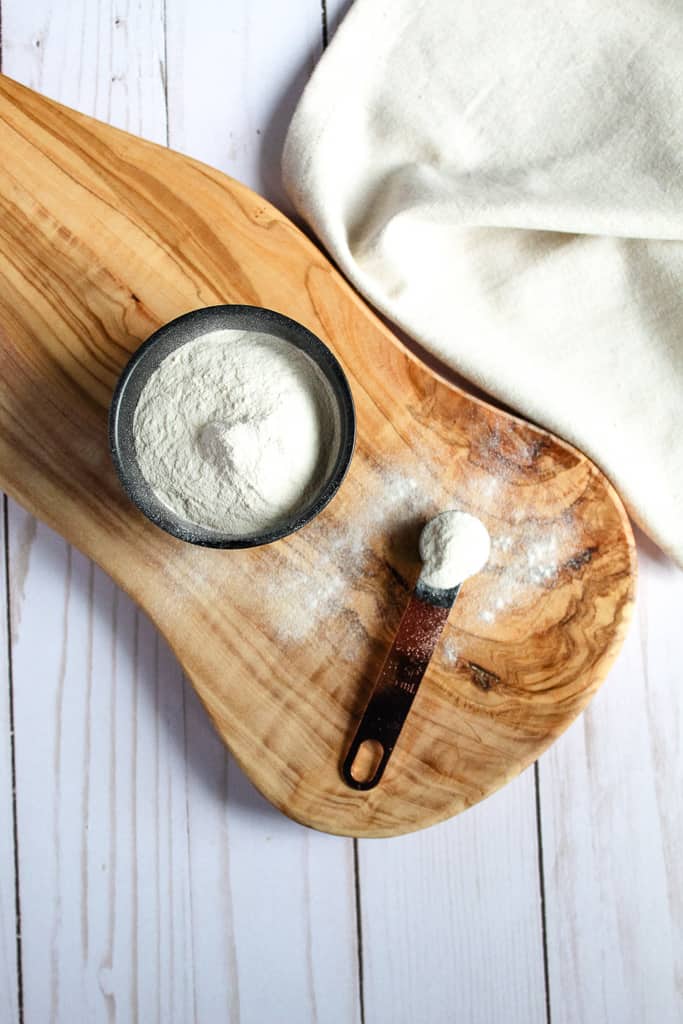
- Best for: Bread, savory baking.
- Texture Outcome: Dense, moist, slightly flavorful.
- Ratio: 1:1 (adjust liquid).
- When NOT to Use: Light or neutral recipes.
Cassava Flour
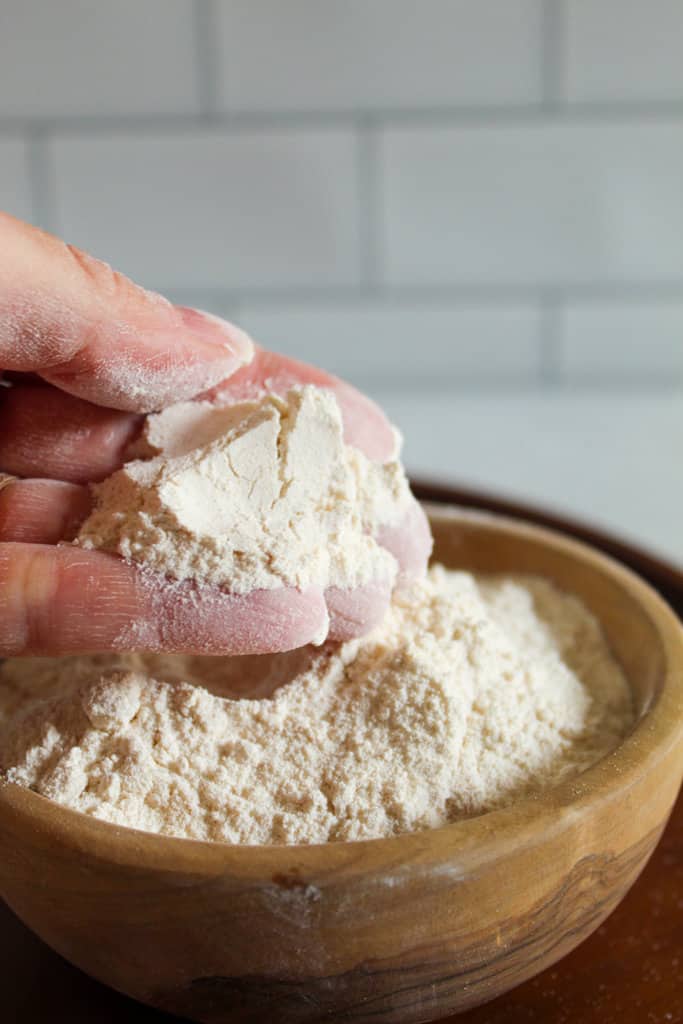
On paper, cassava flour and tapioca starch are similar, but their characteristics aren’t the same because cassava flour uses the whole root. That’s why it has more fiber, more density, and a bit more thickening power.
Are you trying to decide between these two options? Check out our Cassava Flour vs Tapioca Starch guide.
- Great for: Gluten-free baking.
- Texture Expectations: Soft but heavier than starch.
- Ratio: 1:1 (adjust liquid).
- When NOT to Use: Recipes needing light structure.
All-Purpose Flour
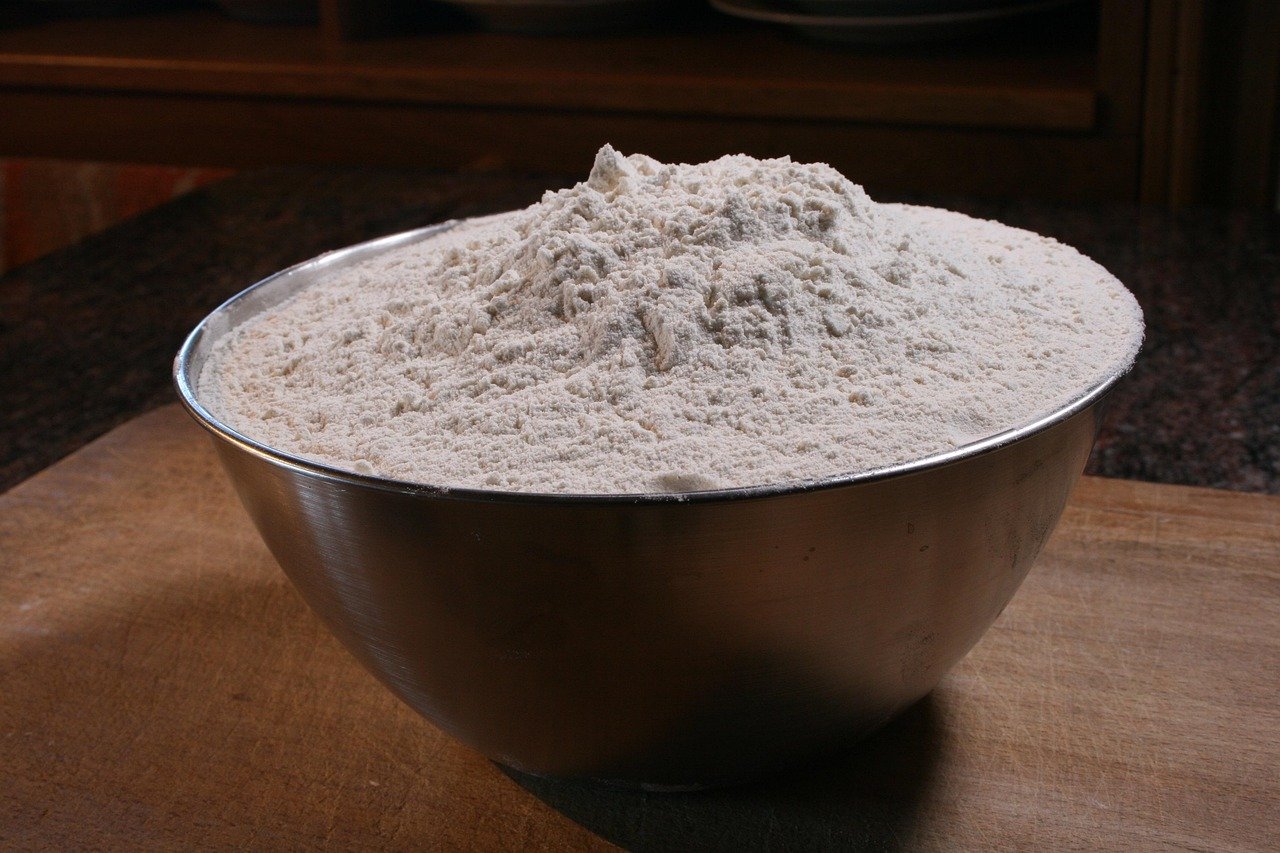
Flour works, but it changes the result. It requires longer cooking to remove the raw taste and creates a thicker, more opaque texture. Also, it is practical, but not precise. Therefore, it’s best used when texture isn’t the priority.
- Use for: Thickening, frying.
- Texture Outcome: Heavier, matte, less refined.
- Ratio: 2:1
- When NOT to Use: Gluten-free recipes.
Xanthan Gum
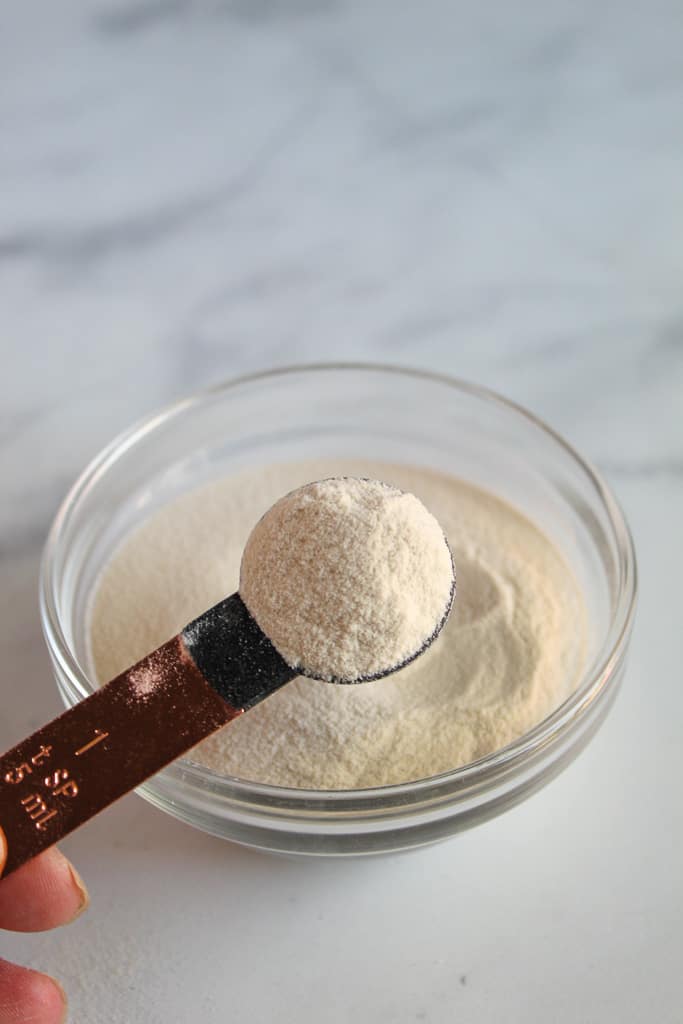
Xanthan gum does not directly replace potato starch; it replaces the structural function of starch. It binds, stabilizes, and retains air in gluten-free baking. However, it won’t give you a similar thickening effect in sauces.
- Use for: Structure in gluten-free baking.
- Texture Result: Elastic, binding.
- Ratio: Small amounts (¼–½ tsp).
- When NOT to Use: Direct thickening swaps.
Guar Gum
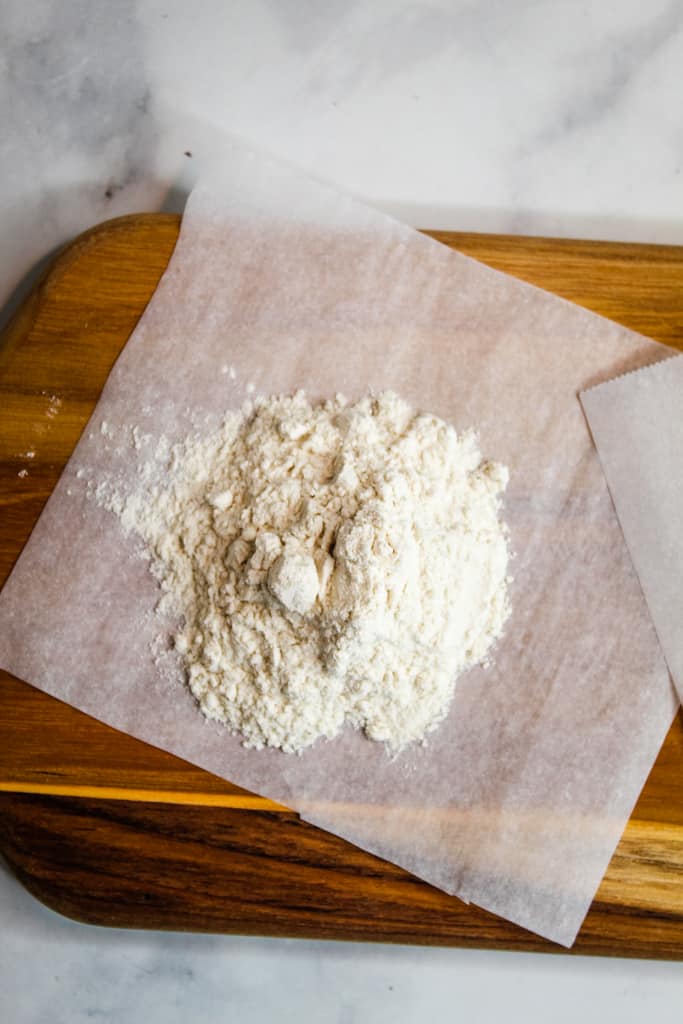
Guar gum activates quickly, even without heat, making it useful for cold applications. However, control is a challenge because it thickens quickly, and excess can turn the texture from smooth to overly gelatinous.
- Great for: Cold or low-heat thickening.
- Texture Outcome: Smooth but can become overly thick.
- Ratio: Small amounts.
- When NOT to Use: High-heat cooking.
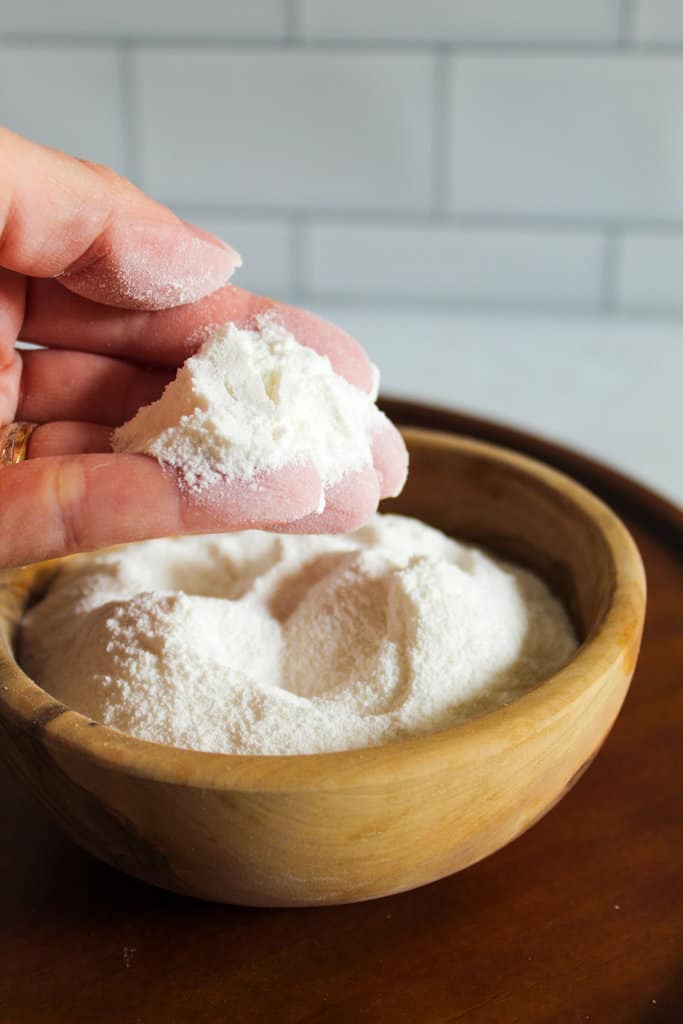
Sweet Rice Flour
Sweet rice flour introduces another type of texture; it has more chew than lightness. This flour is best for baked goods where elasticity is beneficial. However, it does not provide the same clean thickening properties as potato starch.
- Ideal for: Desserts, baking.
- Texture Expectations: Chewy, slightly sticky.
- Ratio: 1:1
- When NOT to Use: Savory sauces.
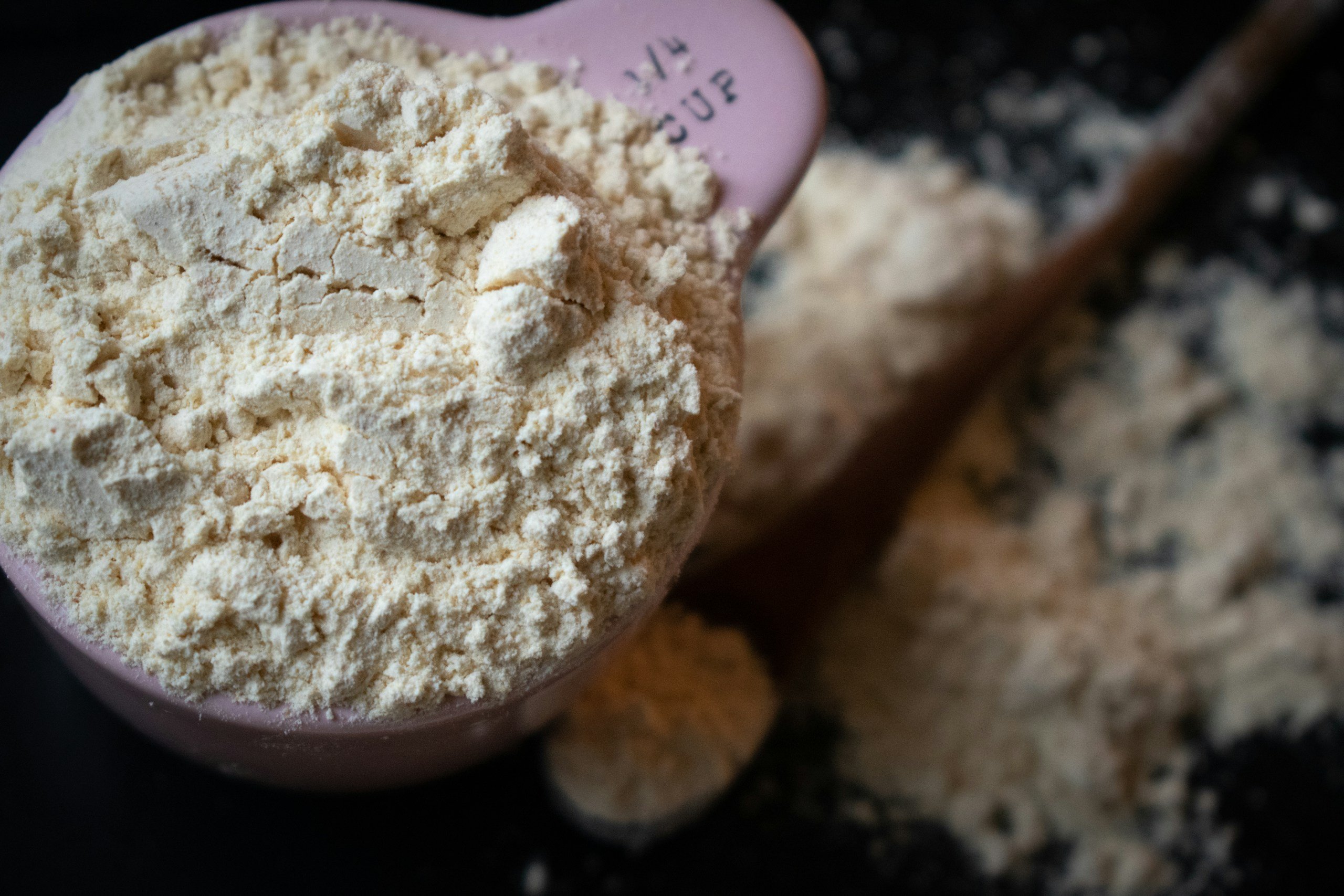
Chickpea Flour
Chickpea is more about reinforcing the framework than replacing starch. It provides support and flavor, which can work well in savory dishes but stands out in delicate recipes.
- Great for: Savory recipes, binding.
- Texture Outcome: Dense, slightly nutty.
- Ratio: 1:1
- When NOT to use: Neutral-flavor recipes.
Modified Starch Alternatives (Advanced)
Modified starches are engineered for consistency. They are used in processed foods and commercial cooking because they resist heat, acids, and storage conditions. However, in everyday cooking, they aren’t necessary, although they solve problems that regular starches can’t.
- Best for: Stability in complex recipes.
- Texture Result: Consistent, heat-resistant.
- Ratio: Varies
- When NOT to use: Simple home cooking.
Potato Starch Substitute Conversion Chart
After understanding your options, the next step is getting the ratio right. This quick-reference chart makes it easy to choose the right potato starch alternative without second-guessing measurements or texture results.
| Substitute | Ratio | Best for | Texture Result |
|---|---|---|---|
| Cornstarch | 1:1 | Sauces | Smooth |
| Tapioca starch | 1:1 | Pie fillings | Glossy |
| Arrowroot | 1:1 | Clear sauces | Light |
| Rice flour | 2:1 | Baking | Slightly dense |
Potato Starch vs Potato Flour
Several home bakers believe potato flour and potato starch are interchangeable, but they don’t behave the same way in recipes. The wrong choice can completely change texture, framework, and result.
Key Differences
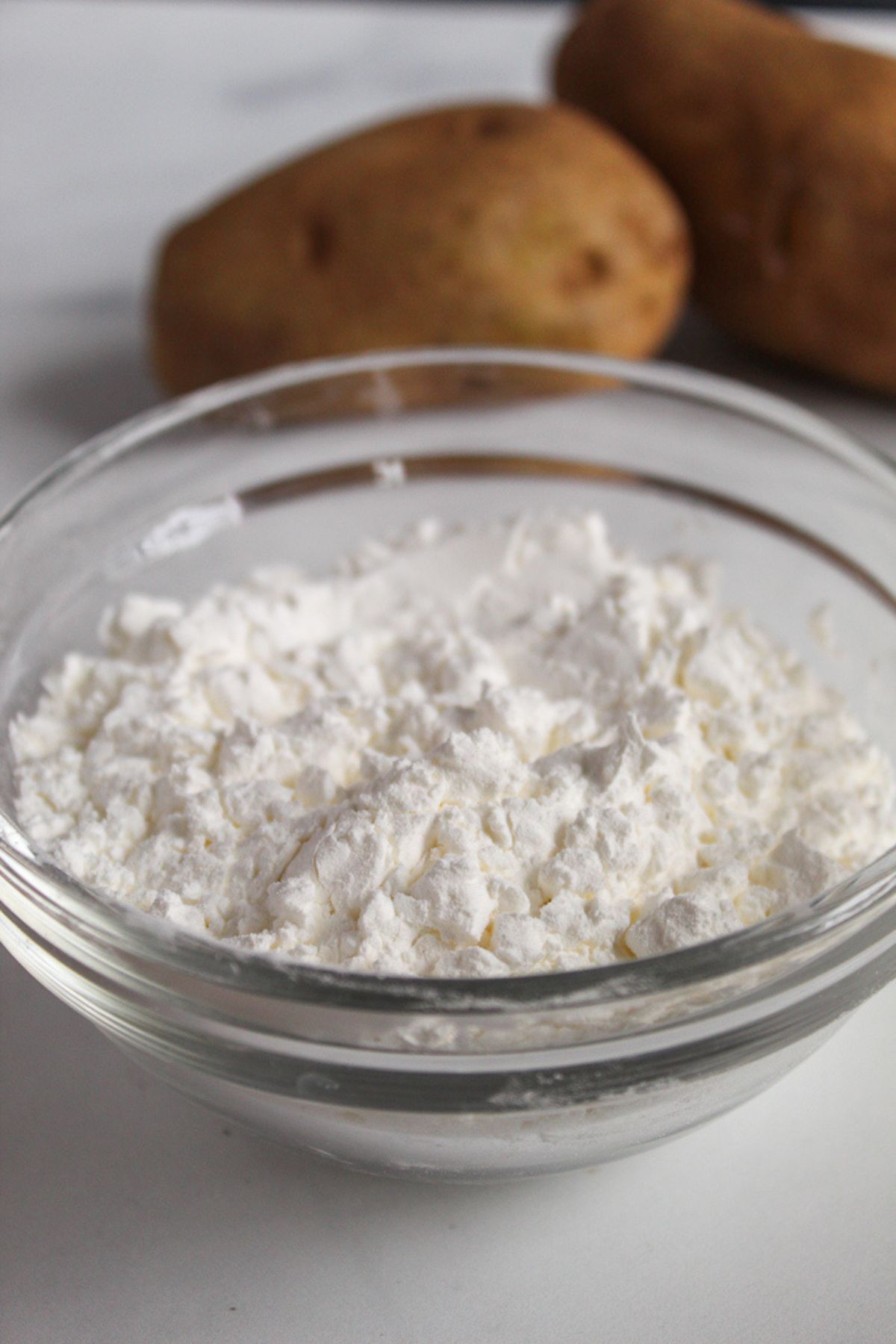
Potato starch is extracted from potatoes, leaving a fine, neutral powder that thickens quickly and produces a smooth, light texture. In contrast, potato flour is produced from whole cooked and dried potatoes, so it contains fiber, protein, and flavor.
This difference is quickly noticeable in recipes. Potato starch creates a light, clean finish; meanwhile, potato flour adds density and moisture.
Another key factor is flavor. Potato starch is neutral, but potato flour has a distinct potato flavor that can alter the final dish.
When You Can Substitute One for the Other
Potato flour can only be substituted for potato starch in just a few cases. You can only make that swap in dense or savory recipes where extra moisture and flavor won’t disrupt the outcome.
Even so, you will need to make adjustments, as potato flour absorbs more liquid and behaves more like traditional flour than a pure starch.
When You Should NOT Substitute
Avoid swapping potato flour for potato starch in recipes that depend on structure and lightness, particularly in gluten-free baking. The extra weight and moisture can lead to dense, heavy outcomes or complete structure failure. This is particularly important in recipes like our Gluten-Free Sweet Potato Pancakes.
Best Potato Starch Alternative for Every Use
Choosing a potato starch alternative becomes simpler when you focus on the result you need rather than the ingredient itself.
For Thickening Sauces
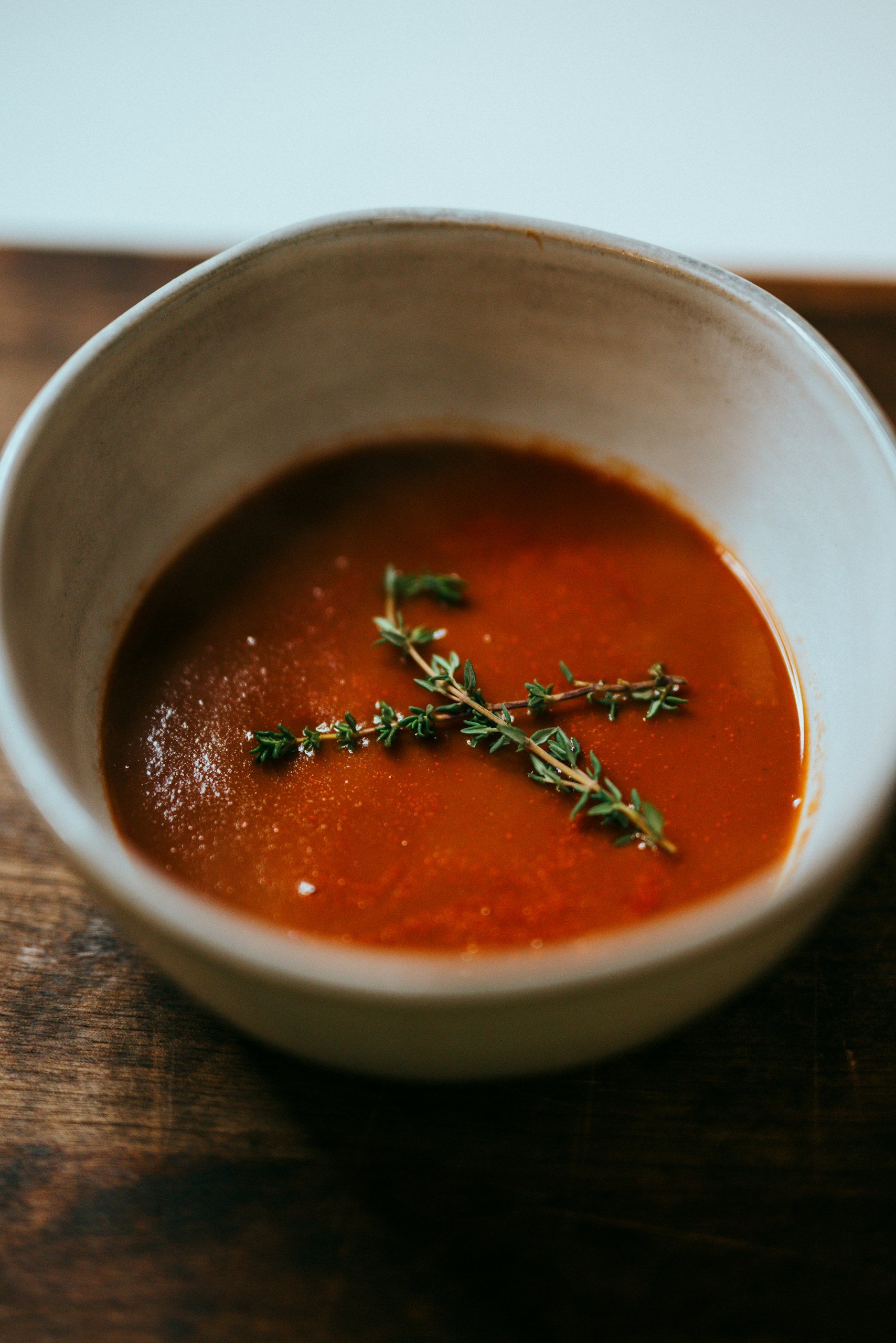
The most reliable options for sauces are cornstarch and arrowroot. Cornstarch offers a stable, smooth thickness, whereas arrowroot produces a lighter, clearer finish. Choose cornstarch for durability and arrowroot when appearance is the priority.
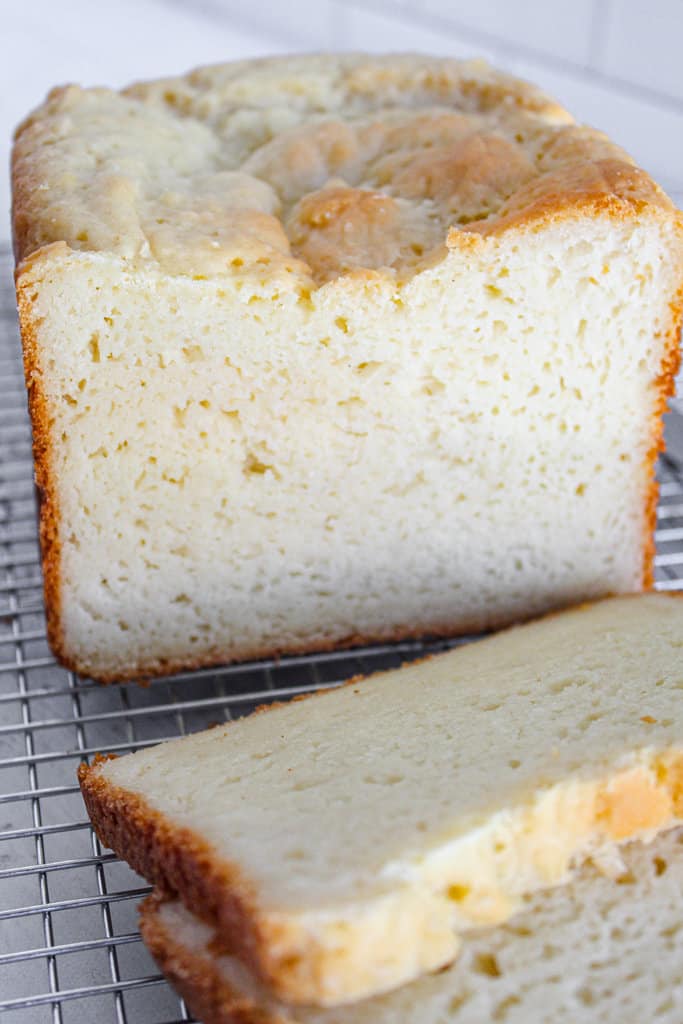
For Baking
Tapioca starch and rice flour are ideal for baking. Tapioca provides elasticity and retains moisture; meanwhile, rice flour offers structure but can make the result slightly denser. Make your selection based on your needs, whether softness or support.
For Frying & Crispiness
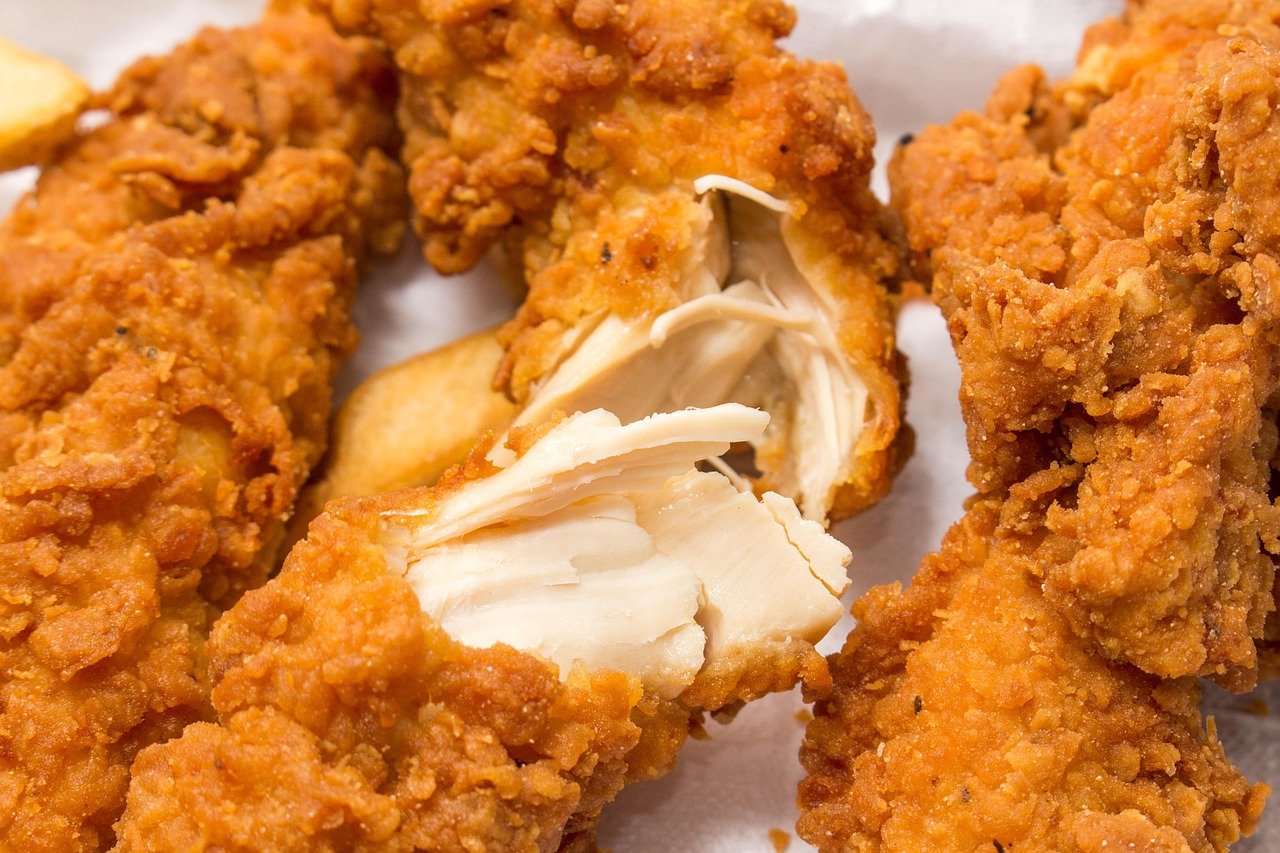
The best choice for frying is cornstarch because it creates a dry coating that turns crisp quickly when heated. Also, it produces a light, crunchy texture without soaking in too much oil.
For Gluten-Free Cooking
Tapioca starch and cassava flour are the most effective in gluten-free recipes. Tapioca enhances stretch and binding, whereas cassava provides body and structure. The right choice is based on whether the recipe requires flexibility or firmness.
Would you like to see alternatives to cassava flour with guidance on matching density and moisture levels? Read our 7 Best Cassava Flour Substitutes.
Common Potato Starch Substitution Mistakes
While using a potato starch sub, mistakes often arise from how it’s applied rather than what’s chosen.
Using Flour Instead of Starch (Texture Failure)
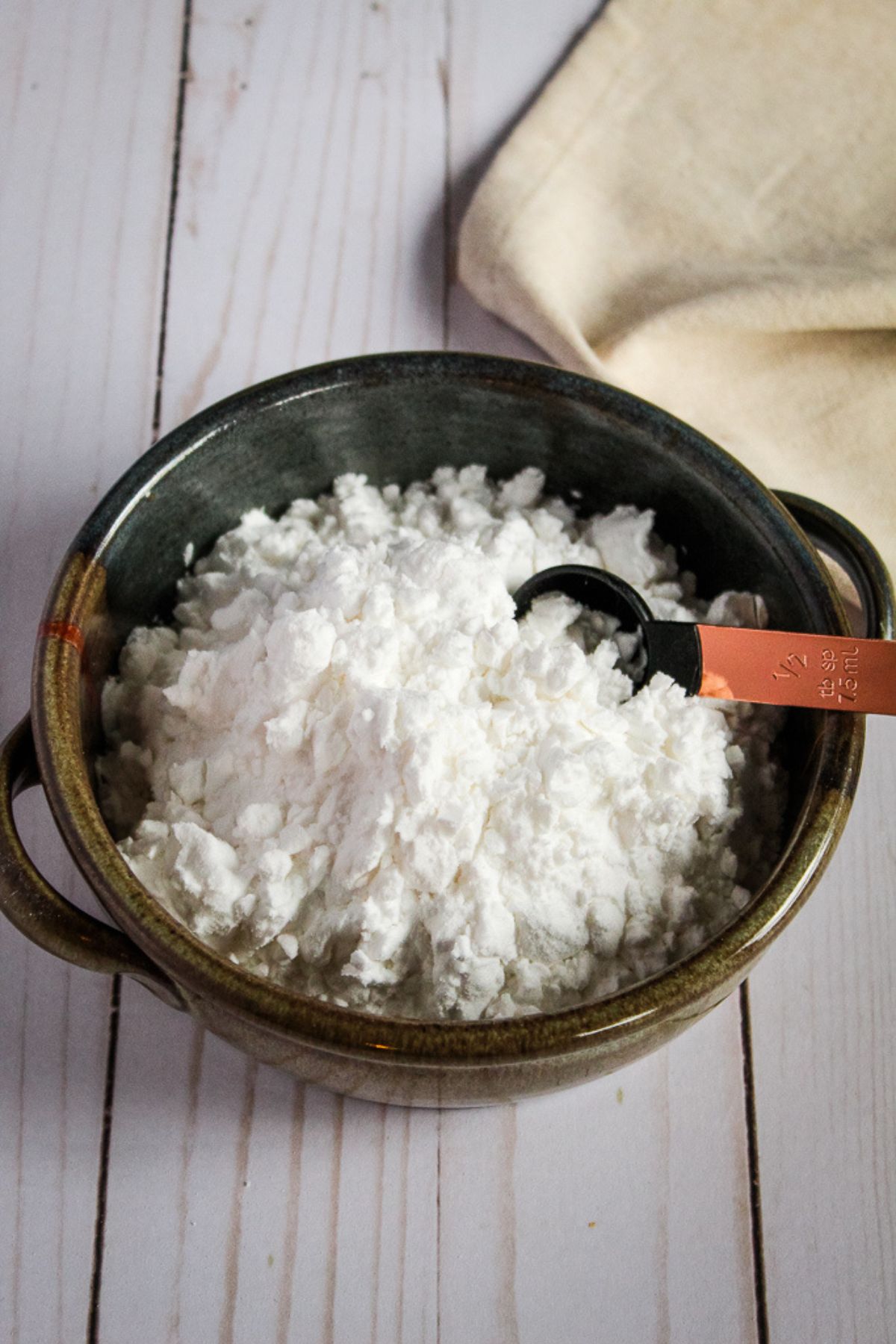
Flour and starch have different characteristics. Flour thickens more slowly, creating a heavier, dull texture rather than a light, smooth finish. This results in dense sauces and coatings that lack crispiness.
Wrong Ratios (Over-Thickening)
Several alternatives don’t match potato starch exactly. Therefore, using a direct swap can cause problems. Excess thickener produces pasty sauces or overly firm textures rather than a balanced consistency.
Cloudy vs Clear Sauces
Potato starch creates a clear, glossy finish. Certain substitutes, such as cornstarch and flour, can make sauces look cloudy or opaque, altering their appearance and texture.
Overheating Arrowroot
Arrowroot thickens quickly at lower temperatures but breaks down when heated for long periods. This makes sauces thin out rather than holding their structure.
Should you need to explore multiple arrowroot replacements and how they perform in cooking and baking, check out our Ultimate Guide to Arrowroot Powder Substitutes.
Watch: How Potato Starch Substitutes Behave in Cooking
If you want to see how different starches thicken and affect texture in real recipes, this video breaks down the key differences in real time.
Notice how thickness, clarity, and stability change depending on the substitute. These differences directly impact your final results.
When You Should NOT Replace Potato Starch
Even the best potato starch alternative has limits. Certain recipes depend on the exact characteristics of potato starch, and swapping it can lead to failure.
Gluten-Free Baking Structure
In gluten-free baking, potato starch is crucial for support and moisture balance. Substituting it can lead to dense, dry, or crumbly results, as most substitutes don’t replicate its binding and lightness.
Crispy Coatings in Frying
Potato starch creates a light, crisp coating that holds without becoming greasy. Substitutes like flour or rice flour often produce heavier or softer coatings, reducing crispiness and texture.
Recipes Needing Specific Gel Consistency
Some recipes depend on the exact way potato starch thickens and sets. Substitutes may thicken too much, too little, or break down under heat, leading to inconsistent or unstable results.
Pro Tips for Using Potato Starch Alternatives
Using a substitute for potato starch successfully is basically down to how it is applied, not just what was chosen. A few technique adjustments can help you evade texture issues and give consistent results.
Mix with Cold Water First
Always dissolve the substitute in cold water before heating it to prevent clumping and ensure even distribution of the thickener throughout the mixture.
Add Gradually
Do not add everything at once. Instead, introduce the mixture slowly while stirring to control thickness and avoid over-thickening.
Adjust Heat Levels
Different substitutes react differently to heat. Some thicken quickly at low temperatures, while others need sustained heat. Therefore, carefully control the temperature to prevent the mixture from breaking or overcooking.
Test Small Batches
When trying a new substitute, test a small portion first. This helps you adjust ratios and texture before committing to the full recipe.
Potato Starch Nutritional Benefits
Potato starch can do more than thicken sauces, soups, and fillings. It may also offer a few health benefits, especially when it contains resistant starch.
Supports Gut Health
One of the biggest benefits of potato starch is its resistant starch content. This type of starch isn’t fully digested, so it passes through to the colon, where it helps feed beneficial gut bacteria. That can support digestion, help maintain a healthy gut lining, and contribute to overall gut health.
May Support Healthy Blood Sugar Levels
Resistant starch may also help slow digestion, which can lead to a steadier rise in blood sugar after meals. Some studies suggest it may support better insulin sensitivity and blood sugar control when eaten as part of a balanced diet.
Who Is This For?
The following are the classes of individuals this starch is ideal for:
- People following a gluten-free diet need both structure in recipes and digestive support.
- Individuals focused on gut health and improving microbiome balance.
- Those managing blood sugar levels or aiming for better insulin response.
- Anyone looking to increase fiber intake through resistant starch sources.
- Home cooks who want both functional performance and added health benefits from ingredients.
How to Choose the Best Potato Starch Substitute
The best potato starch substitute depends on what your recipe needs most. Some options are better for thickening sauces, while others work better for binding, crisping, or adding structure in baked goods. Paying attention to texture, moisture, and how the ingredient behaves in heat will help you make a better swap.
In many cases, a small adjustment in ratio or technique can make a big difference in the final result.
Frequently Asked Questions
These are additional questions home bakers often ask when working with a potato starch alternative, especially in situations not covered above. If you have more questions, leave them in the comments section below. We’d love to hear from you.
Can I Use Potato Starch Alternatives in Cold Recipes Like Smoothies or Dressings?
Most starch-based substitutes require heat to activate. As a result, they won’t thicken properly in cold applications. For cold recipes, gums like xanthan or guar gum work better because they thicken without heat.
Which Potato Starch Alternative Works Best for Freezing and Reheating?
Tapioca starch is the most stable option for freezing and reheating. It holds structure better than cornstarch or arrowroot, which can break down or separate after thawing.
Does the Brand of Potato Starch Substitute Affect Results?
Different brands can vary in grind size and processing. This affects how quickly they thicken and the final texture, especially in baking and sauces.
Can I Combine Two Substitutes Instead of Using One?
Combining two substitutes can sometimes give you better results. For example, using a starch for thickening and a gum for structure can balance texture in gluten-free recipes.
Why Does My Sauce Separate After Using A Substitute?
Separation usually occurs due to overheating, incorrect ratios, or the use of a substitute that isn’t stable at high temperatures. Each alternative reacts differently, so matching it to the cooking method is key.
Is There A Low-Carb Potato Starch Alternative?
Most starch substitutes are high in carbohydrates. For low-carb recipes, thickening options like xanthan gum or guar gum are more suitable because they require very small amounts.
Can I Use Potato Starch Substitutes In Air Frying?
You can, but take note that results can vary. Cornstarch works best for air frying because it creates a dry surface that crisps quickly, while heavier substitutes like flour may not achieve the same texture.
Gluten-Free Flour and Starch Substitution Guides
If you’re looking for a potato starch substitute, you may also need to swap other gluten-free flours and starches along the way. These guides break down the best alternatives and explain how each one can affect texture, moisture, and structure.
- Best Sorghum Flour Substitutes for Gluten-Free Baking – Covers reliable alternatives to sorghum flour and explains how each one affects texture and moisture.
- Substitute for Corn Flour: Complete Guide with 7 Tested Options – Breaks down the best corn flour replacements, including when to use each one.
- Rice Flour vs Sweet Rice Flour – Compares the two side by side, with a focus on texture, stickiness, and baking performance.
- The 8 Best Sweet Rice Flour Substitutes – Shares practical substitutes for sweet rice flour and explains how each one may change the final result.
- Top 5 Brown Rice Flour Substitutes and How To Use Them – Highlights the best brown rice flour alternatives and how to adjust ratios for more consistent results.
These guides can help you choose the right flour or starch substitute with more confidence and better results.
More Gluten-Free Baking Tips and Ingredient Guides
Gluten-free baking often takes more than a simple one-to-one swap. These guides cover other common ingredient questions, including binding, structure, and how to spot hidden gluten in pantry staples.
- Is Baking Powder Gluten-Free? – Explains whether baking powder is safe for gluten-free diets and what to watch for in ingredient labels.
- 6 Best Substitutes for Psyllium Husk Powder – Focuses on structure-building alternatives that help replicate binding and elasticity in gluten-free baking.
- Out of Buckwheat Flour? Try These 9 Easy Substitutes – Offers practical swaps for buckwheat flour, including options for both flavor and structure balance.
With a few reliable guides on hand, gluten-free baking becomes much easier to adapt, troubleshoot, and get right the first time.
What Worked in Your Recipe?
Every recipe reacts a little differently to substitutions. Leave a comment and share which potato starch alternative you used, along with what worked well and what you would do differently next time.