A sweet white rice flour substitute can completely change how a recipe turns out. Some alternatives create a soft, flexible texture similar to sweet rice flour, while others leave baked goods dry, dense, or crumbly.

Unlike regular rice flour, sweet rice flour contains a starch composition that creates bounce, moisture retention, and a distinctive chewy consistency. This distinction is particularly significant in the preparation of mochi, gluten-free desserts, and recipes that require thickening.
Table of Contents
This guide explains which substitutes perform best in different recipes, when certain swaps fail, and how to avoid common texture problems.
What Is the Best Substitute for Sweet White Rice Flour?
No single substitute works in every recipe. Choose the best option based on whether the recipe needs elasticity, chewiness, thickening, or crispness.
Choose the Right Substitute Quickly
- Traditional mochi: Use the glutinous rice flour specified by the recipe, such as Mochiko or shiratamako. These are types of sweet rice flour, not true substitutes.
- Cookies and cakes: Use a tested gluten-free flour blend containing tapioca starch. Tapioca starch alone can make baked goods overly gummy.
- Sauces, soups, and fillings: Use potato starch, cornstarch, or arrowroot powder.
- Frying and breading: Regular rice flour may be more suitable because it creates a light, crisp coating.
Important: No substitute reproduces every property of sweet rice flour. Choose the replacement according to the role it performs in the recipe.
If you’re still unsure about the difference between sweet rice flour and standard rice flour, our guide on Rice Flour vs Sweet Rice Flour breaks it down in more detail.
Why Sweet White Rice Flour Is So Different
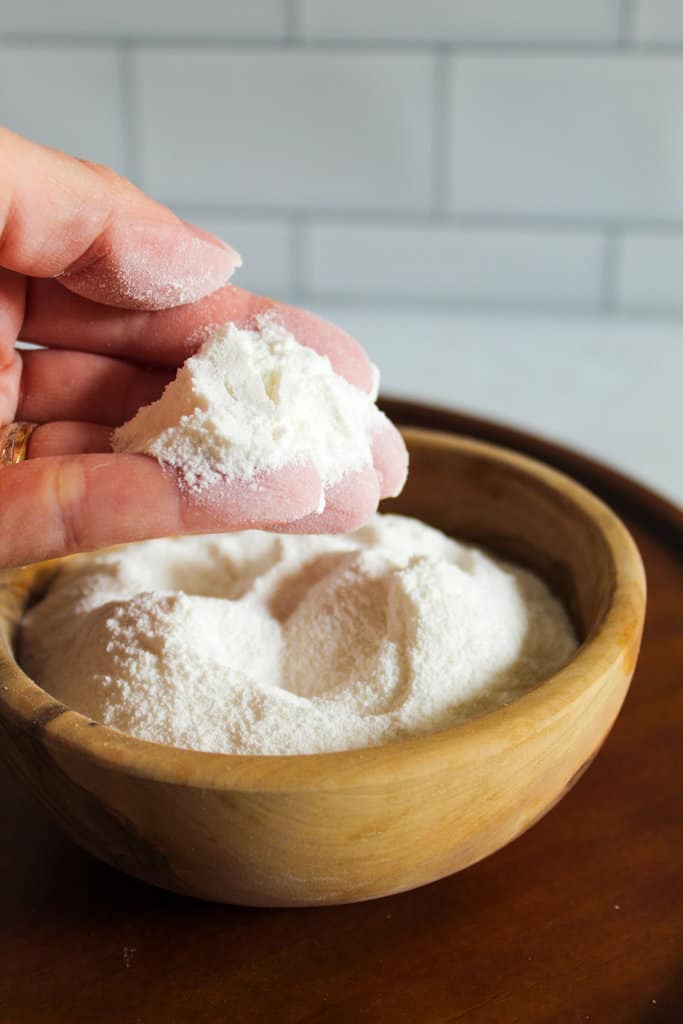
Sweet rice flour behaves differently from most gluten-free flours because it is made from glutinous rice, also called sticky rice. This type of rice contains a high concentration of amylopectin, a starch that creates a flexible, cohesive texture when heated.
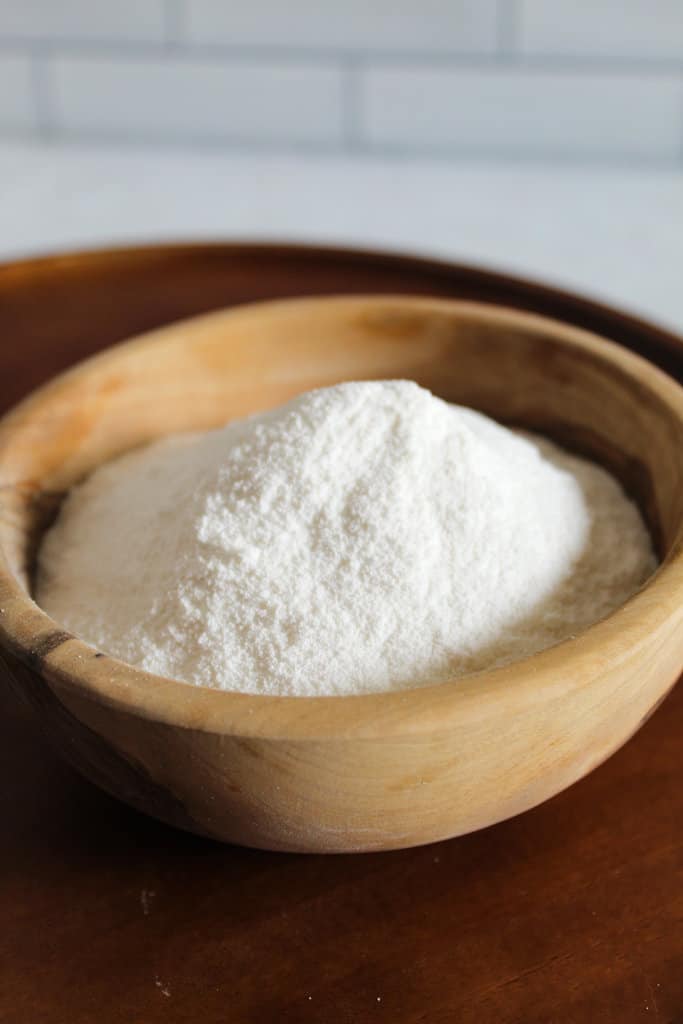
That starch behavior helps baked goods stay soft and tender while giving mochi its signature bounce. It also produces a glossy consistency in sauces and fillings that regular rice flour cannot replicate.
Because of this, sweet rice flour is commonly used in recipes that depend on stretch, moisture retention, or a delicate chew.
What Does “Glutinous” Mean?
Despite the name, glutinous rice flour is completely gluten-free. The term “glutinous” simply refers to the sticky texture the rice develops during cooking.
The effect comes from the rice’s starch makeup rather than gluten proteins, which is why sweet rice flour is widely used in gluten-free baking.
Sweet White Rice Flour vs Regular Rice Flour
Sweet rice flour and regular rice flour are often confused, but they behave very differently in baking. One creates a chewy, sticky texture, while the other is lighter, drier, and less elastic.
| Feature | Sweet Rice Flour | Rice Flour |
|---|---|---|
| Texture | Chewy and sticky | Dry and light |
| Starch Type | High amylopectin | Different starch balance |
| Best Uses | Mochi, thickening, gluten-free baking | Crispy coatings, breading |
| Elasticity | High | Low |
Sweet rice flour produces a softer, more cohesive texture than regular rice flour. It also retains moisture more effectively, which helps prevent baked goods from becoming dry or brittle.
Regular rice flour performs better in crispy coatings, crackers, and recipes that call for a lighter texture. Sweet rice flour, on the other hand, is better suited for mochi, thickened fillings, and baked goods that require flexibility or softness.
Can You Substitute Regular Rice Flour?
Regular rice flour can work in recipes where chewiness is not essential. It is often acceptable in breadings, coatings, or some baked recipes that use additional starches.
However, it struggles in recipes that depend on elasticity or moisture retention. Mochi made with regular rice flour tends to become firm and crumbly rather than soft and pliable.
Do you often bake with rice flour? You may want to try our Easy Rice Flour Bread Machine Recipe to see how regular rice flour behaves in yeast-based baking.
Is Mochiko the Same as Sweet Rice Flour?
Yes. Mochiko is a Japanese-style sweet rice flour made from glutinous short-grain rice. It creates the sticky, chewy texture used in mochi and other Japanese desserts.
Mochiko is not a true substitute for sweet rice flour—it is a type of sweet rice flour. In many recipes, the terms can be used interchangeably. However, different glutinous rice flours, such as Mochiko and shiratamako, may vary in rice variety, milling method, and texture, so the finished result can differ slightly.
Best Sweet White Rice Flour Substitute by Recipe Type
The best substitute depends on what you’re making. Some alternatives work well for chewy desserts, while others are better for thickening or structure. Choosing the right substitute for the recipe matters more than choosing the closest-looking flour.
Best Substitute for Mochi
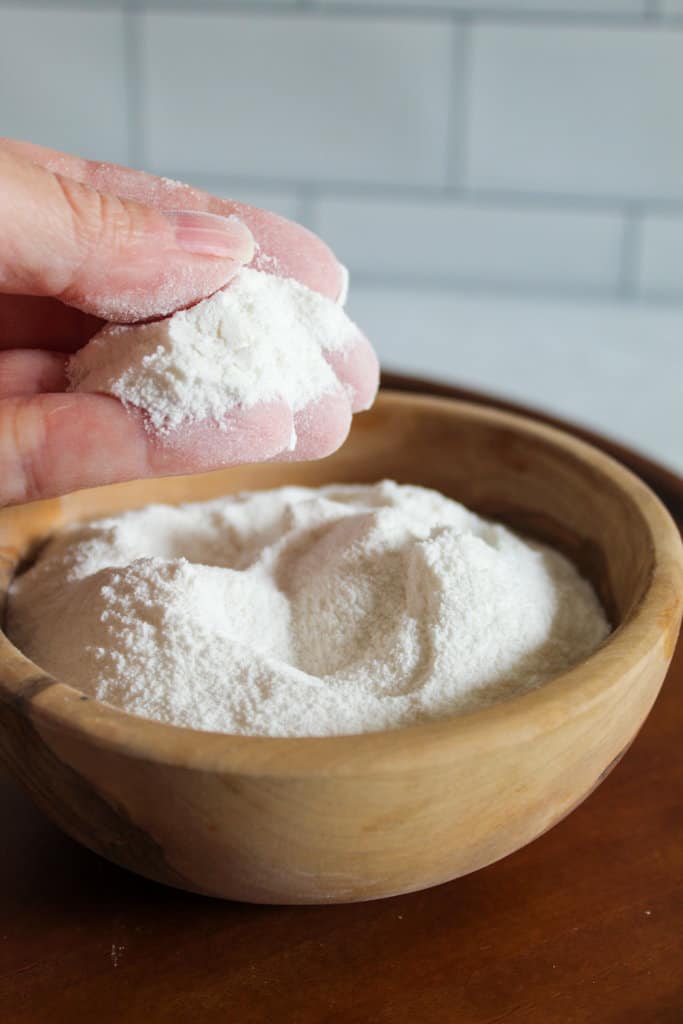
For traditional mochi, use Mochiko, shiratamako, or another glutinous rice flour recommended by the recipe. These are forms of glutinous rice flour rather than true substitutes, and they provide the sticky, elastic texture traditional mochi requires.
Tapioca starch can create a chewy mochi-inspired dessert, but it is not a direct replacement for traditional mochi flour. The finished texture and flavor will be different.
Avoid regular rice flour for mochi. It lacks the starch properties needed for elasticity and often produces a dense or firm result that hardens after cooling.
Best Substitute for Gluten-Free Baking
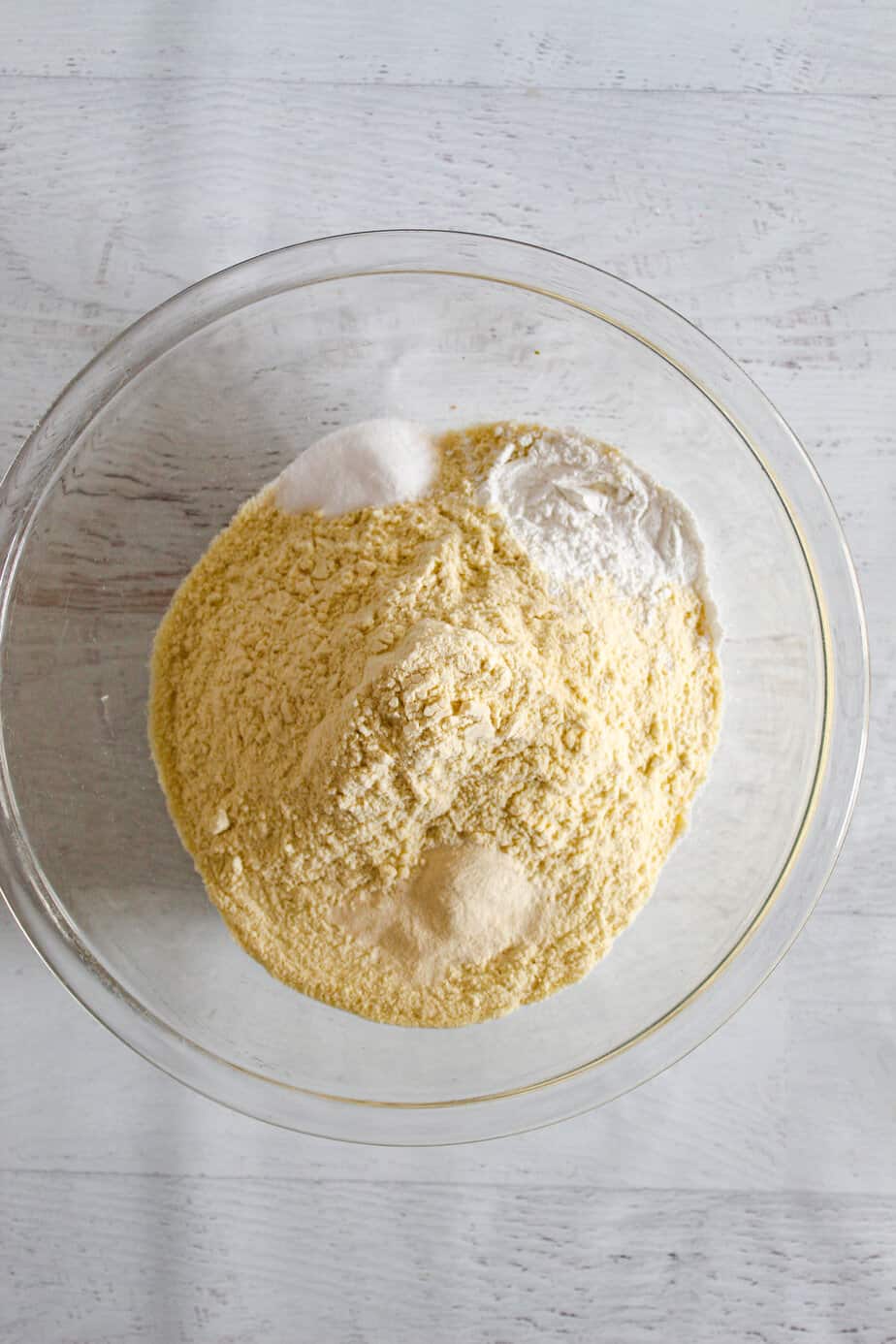
In gluten-free baking, texture and moisture balance matter more than finding a universal one-to-one replacement. Tapioca starch is one of the most useful alternatives because it adds chewiness and helps gluten-free baked goods remain soft.
Cassava flour may also work in some recipes, although the amount needed depends on the other flours and starches in the recipe.
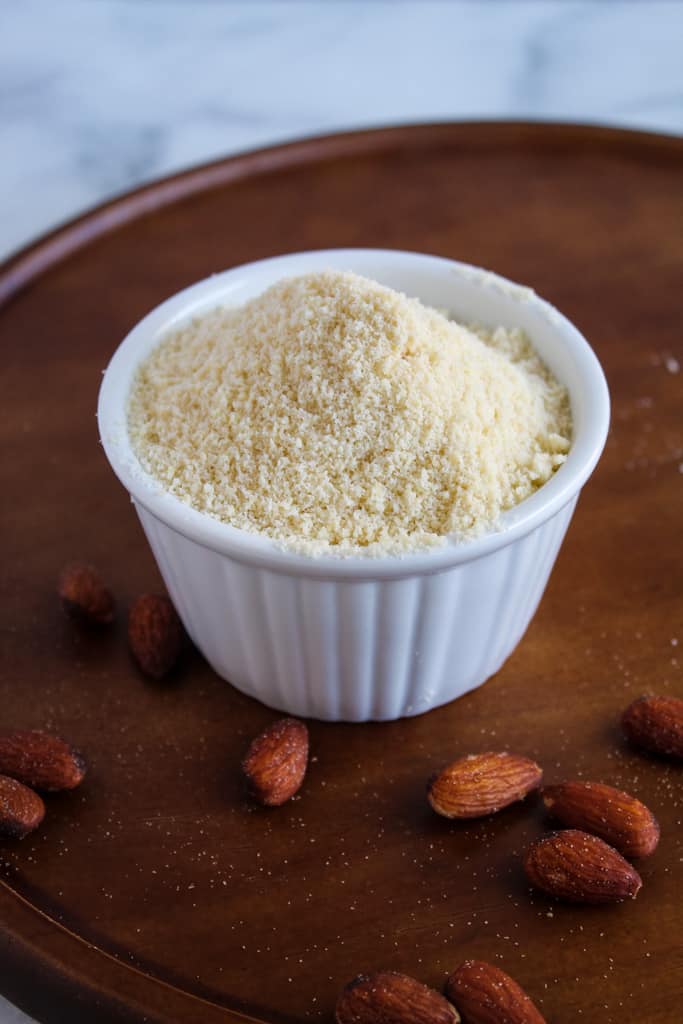
Almond flour is not a direct replacement for sweet rice flour. It can add moisture and richness to a reformulated flour blend, but it does not provide the same elasticity or binding properties.
Best Substitute for Cookies and Cakes
For cookies and cakes, tapioca starch works best as part of a gluten-free flour blend. It can improve softness and chewiness, but replacing all the sweet rice flour with tapioca may make the result overly gummy.
Cassava flour may also improve structure in some recipes, although it should be tested rather than assumed to work one-to-one.
Almond flour and coconut flour are not direct replacements. Almond flour can add moisture and richness when the recipe is reformulated, while coconut flour absorbs large amounts of liquid and can make cakes dry or crumbly unless the liquids and eggs are adjusted.
Best Substitute for Thickening Sauces
Potato starch works best for thickening sauces because it creates a smooth texture without becoming too sticky.
Cornstarch is another reliable option for soups, sauces, and pie fillings, while arrowroot powder creates a glossy finish that works well in fruit fillings and lighter sauces.
Would you like a deeper breakdown of how these starches compare? See our guide on Cornstarch vs Tapioca vs Arrowroot. It covers their differences, substitutes, and when to use each.
Sweet Rice Flour Equivalents and Substitutes Compared
The table below compares true sweet rice flour equivalents with functional substitutes and ingredients that require more substantial recipe adjustments. Because these ingredients behave differently, most should not be treated as universal one-to-one replacements.
| Ingredient | Category | Best For | Expected Texture | Direct 1:1 Replacement? | Suitable for Traditional Mochi? |
|---|---|---|---|---|---|
| Mochiko flour | Sweet rice flour equivalent | Mochi, butter mochi, Japanese desserts, and gluten-free baking | Sticky, soft, elastic, and chewy | Usually, when replacing generic sweet rice flour | Yes |
| Shiratamako | Sweet rice flour equivalent | Daifuku, shiratama dango, and traditional Japanese sweets | Smooth, soft, and elastic | Not always; follow the recipe because hydration may differ | Yes |
| Tapioca starch | Functional substitute | Gluten-free flour blends, cookies, cakes, and chewy baked goods | Chewy and slightly stretchy; can become gummy if overused | No, use as part of a tested blend or partial replacement | No, suitable only for mochi-inspired desserts |
| Potato starch | Functional substitute | Thickening soups, sauces, gravies, and fillings | Smooth, soft, and light | No, the amount depends on the recipe | No |
| Arrowroot powder | Functional substitute | Sauces, fruit fillings, and selected gluten-free recipes | Smooth, glossy, and light | No, best used for thickening or as part of a flour blend | No |
| Cornstarch | Functional substitute | Sauces, soups, pie fillings, and light thickening | Silky and smooth; may become firm after cooling | No, use according to the thickening needs of the recipe | No |
| Cassava flour | Use with caution | Some gluten-free baked goods, flatbreads, and tortillas | Soft and slightly chewy, but heavier than sweet rice flour | No, results vary significantly by recipe | No |
| Regular rice flour | Use with caution | Crispy coatings, frying, and selected gluten-free flour blends | Dryer, firmer, and less elastic | No | No |
| Almond flour | Not a direct substitute | Reformulated gluten-free recipes that need moisture and richness | Moist, tender, and sometimes dense | No, the entire recipe must be adjusted | No |
| Coconut flour | Not a direct substitute | Recipes specifically developed for coconut flour | Highly absorbent and prone to dryness | No, liquids, eggs, and other ingredients must be adjusted | No |
This table gives a quick overview, but texture, moisture, and elasticity can still vary depending on the recipe.
Important: Mochiko and shiratamako are forms of glutinous rice flour, not true substitutes. For traditional mochi, use the specific glutinous rice flour recommended by the recipe.
6 Best Sweet White Rice Flour Substitutes Explained
Some substitutes replicate the chewy texture of sweet rice flour surprisingly well, while others work only in specific recipes. The key is understanding how each flour or starch behaves before swapping it into baking, thickening, or mochi recipes.
1. Tapioca Flour
Tapioca flour is one of the strongest substitutes for recipes that need flexibility and softness. It helps gluten-free baked goods stay tender while adding light chewiness.
Tapioca flour works best in mochi-inspired desserts or blended recipes, rather than as a one-to-one replacement in traditional mochi.
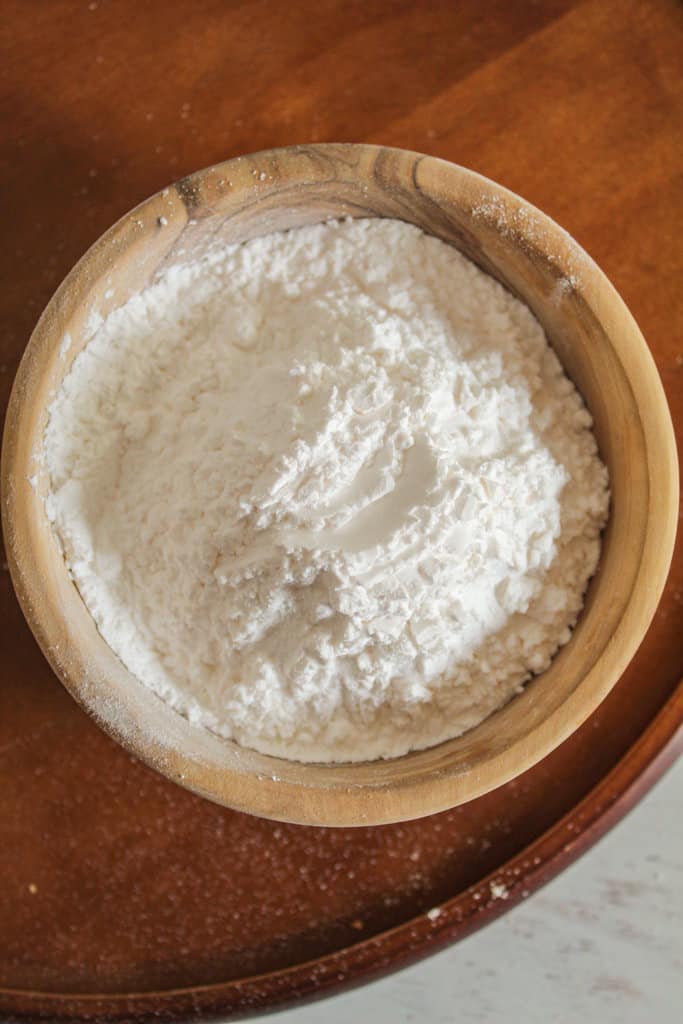
This flour performs particularly well in breads, cookies, and flour blends that require additional structure. When combined with other gluten-free flours, it can improve texture without making baked goods heavy.
A partial 1:1 substitution works in many recipes, though excessive amounts can create an overly dense or gluey consistency.
If you’re unsure whether tapioca starch and tapioca flour are the same ingredient, see our guide on Tapioca Starch vs Tapioca Flour.
2. Potato Starch
Potato starch is most useful for improving softness and thickening liquids. It creates a smoother consistency in soups, gravies, sauces, and some gluten-free baked goods.
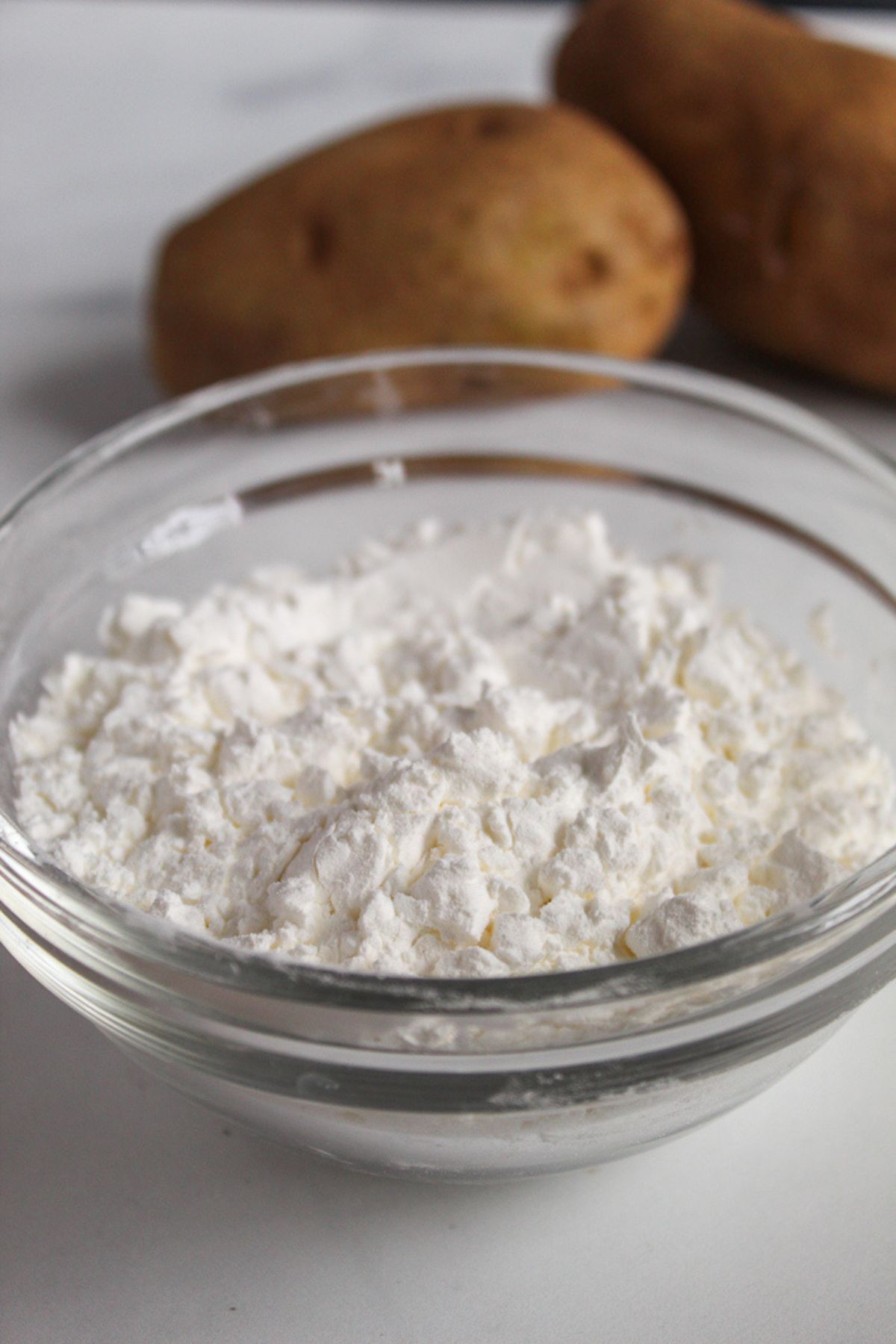
Also, it can help reduce dryness in flour blends, though it does not recreate the springy texture sweet rice flour provides.
Small substitutions usually work best. Using too much potato starch can cause baked goods to feel heavy or overly pasty after baking. For more replacement ideas, see our Best Potato Starch Alternative Guide.
3. Arrowroot Powder
Arrowroot powder works well for thickening because it creates a smooth and glossy texture. It is ideal for sauces, pie fillings, puddings, and lighter gluten-free baking recipes.
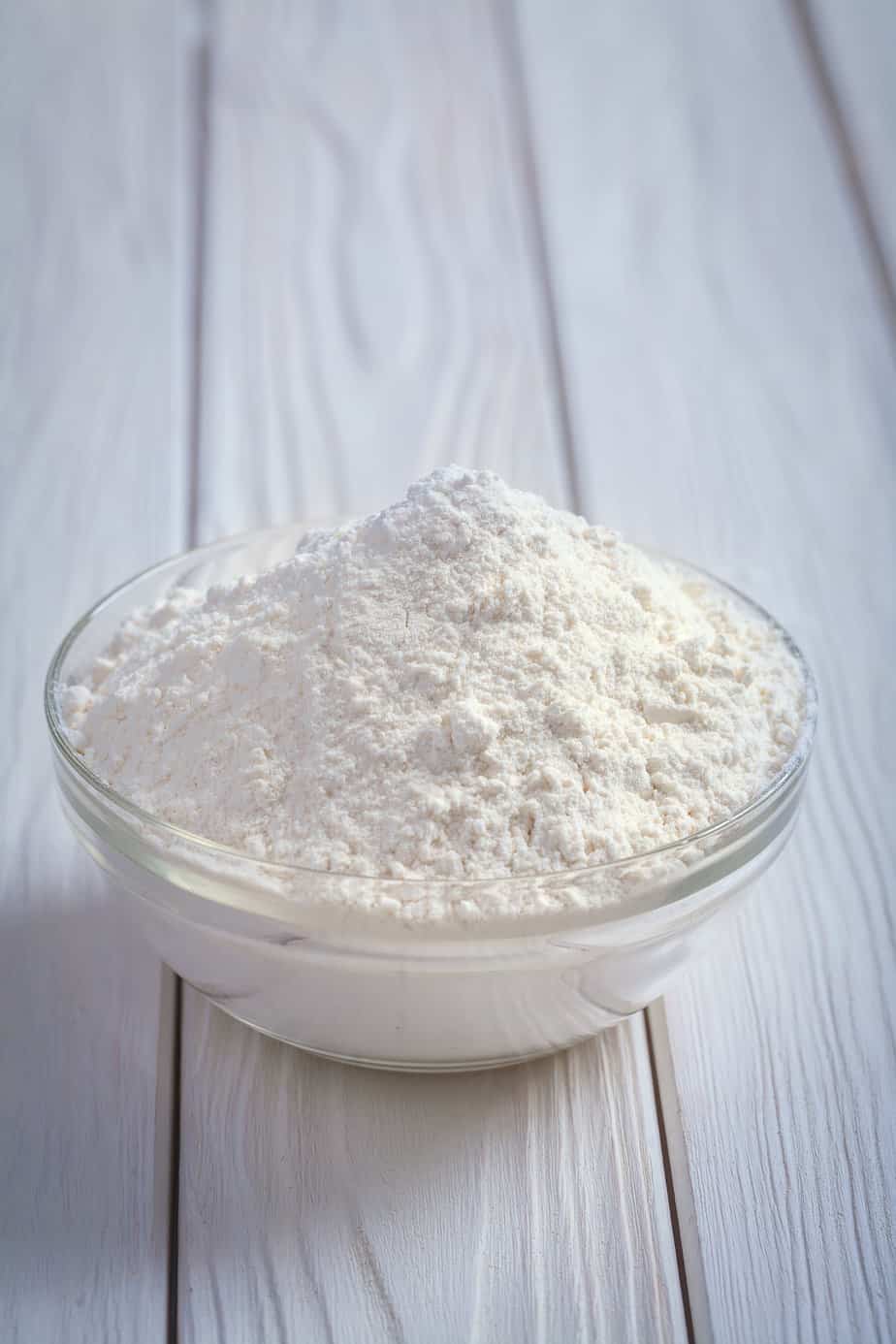
However, it creates a silky rather than chewy texture, so it does not work well in recipes that need elasticity.
Use a partial 1:1 swap in thickening recipes, but avoid overcooking, because arrowroot can break down under high heat. You can learn more in our Ultimate Guide to Arrowroot Powder Substitutes.
4. Cornstarch
Cornstarch is a reliable thickener but a weaker baking substitute for sweet rice flour. It creates a light, silky texture instead of a chewy or sticky one.
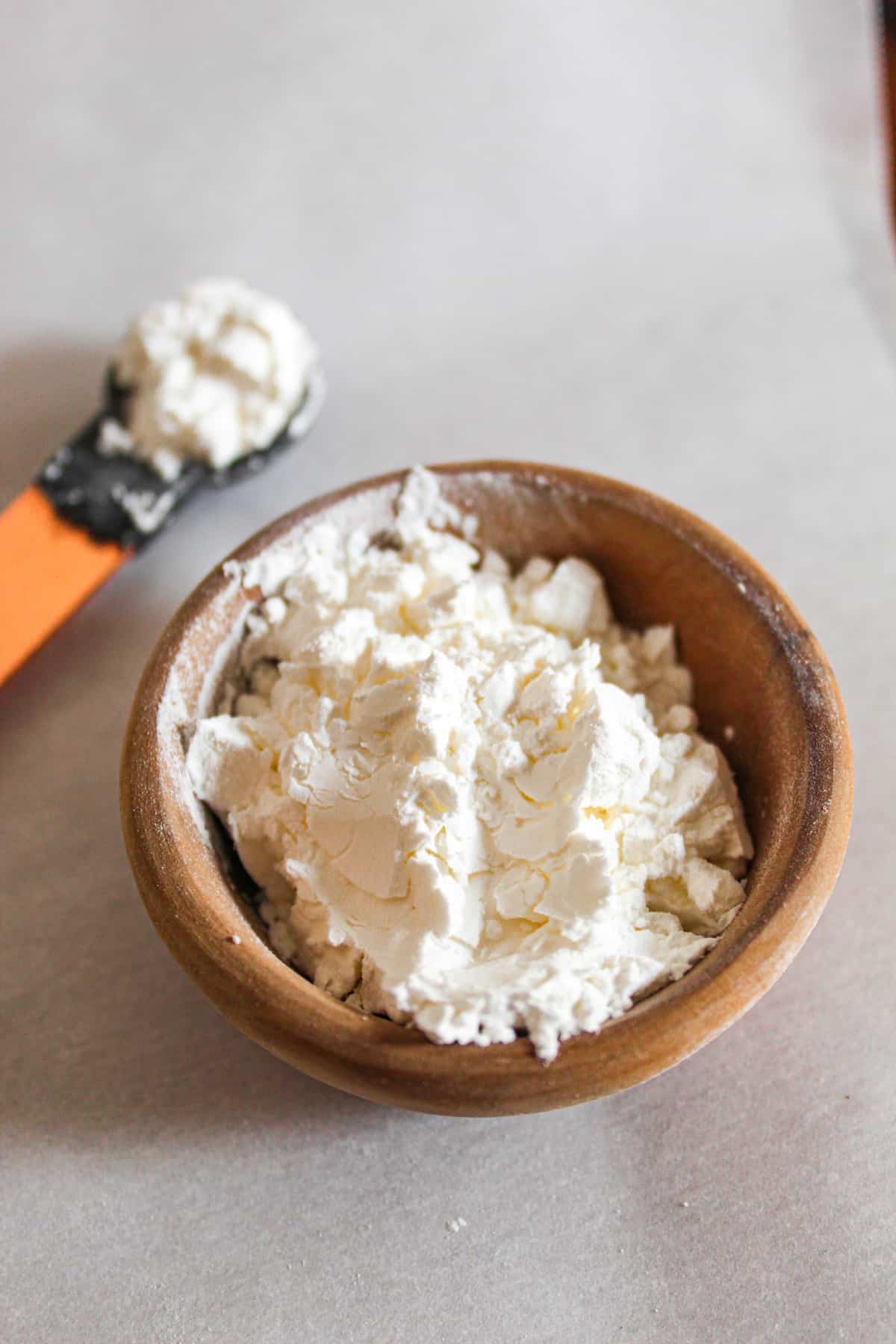
Therefore, the best way to use it is in soups, sauces, gravies, and fillings, where texture and structure are less important. Use cornstarch as a substitute only in thickening applications, not in recipes that depend on sweet rice flour for chewiness or elasticity.
5. Cassava Flour
Cassava flour works well in gluten-free baking because it creates a softer texture than regular rice flour. Even though it’s not as sticky as sweet rice flour, its softer, slightly chewy texture makes it very effective in pancakes, flatbreads, cookies, and some cakes.
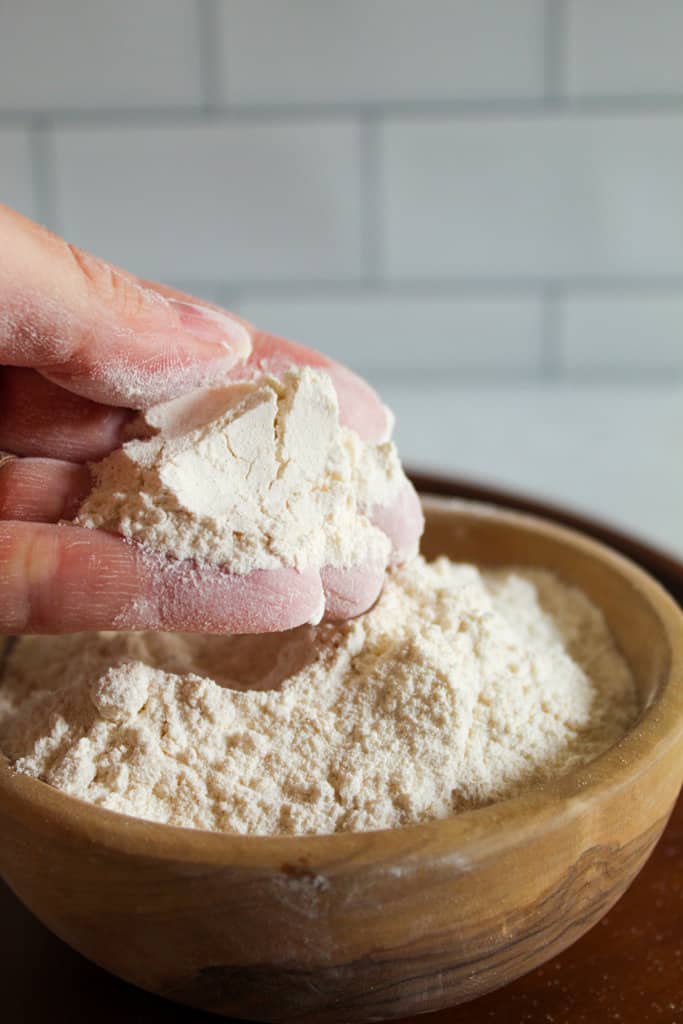
As such, you can substitute sweet white rice flour nearly 1:1 in many baking recipes. However, bear in mind that too much cassava flour can make baked goods dense. And if you want to see how it behaves in baking, try our Gluten-Free Cassava Flour Pancakes.
6. Regular Rice Flour
Regular rice flour is the most commonly confused substitute for sweet white rice flour. But rather than producing a chewy, stretchy texture, it makes recipes dry, light, and crumbly.
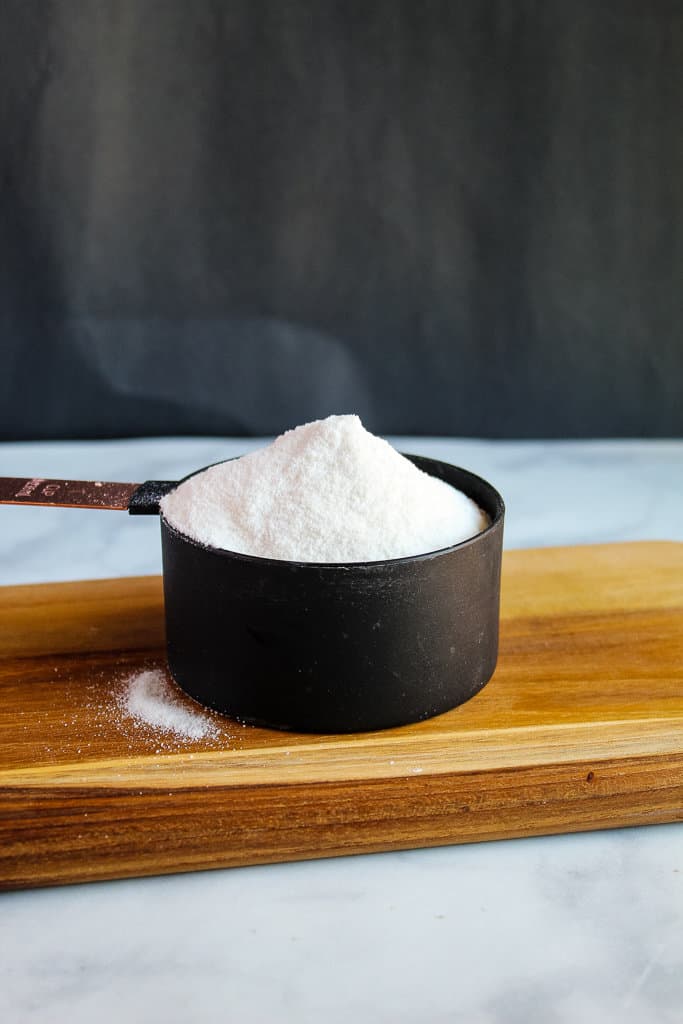
Therefore, it should not be used as a direct 1:1 substitute for sweet rice flour in mochi or recipes that rely on elasticity. Instead, use it in crispy coatings, breading, crackers, and some baked goods where chewiness is not important.
Do you regularly bake with rice flour? Then you should see our 17 Tips for Using White Rice Flour for better texture and moisture control.
Ingredients That Cannot Directly Replace Sweet Rice Flour
Some gluten-free flours may seem like reasonable alternatives, but they do not provide the same starch structure, elasticity, or binding power as sweet rice flour. Some popular picks like almond flour and coconut flour can still be useful in specially formulated recipes, but they should not be treated as direct substitutes.
Almond Flour
Almond flour does not contain the starch needed to reproduce the sticky, elastic texture of sweet rice flour. It may be added to a reformulated gluten-free flour blend, but it should not be used as a one-to-one replacement.
Coconut Flour
Coconut flour absorbs much more liquid than sweet rice flour and can make baked goods dry or crumbly. Use it only in recipes designed for coconut flour or when the liquids, eggs, and other flours are carefully adjusted.
Common Problems When Replacing Sweet Rice Flour
Replacing sweet white rice flour can affect texture, structure, and moisture levels in unexpected ways. Most failed substitutions occur when the replacement flour behaves differently during mixing or heating.
Why Your Mochi Turned Hard
Hard mochi is usually made with regular rice flour rather than sweet rice flour. Regular rice flour lacks the high amylopectin content, so it cannot create the stretchy, chewy texture that mochi needs.
Too much cornstarch or coconut flour can also make mochi firm and dry instead of soft and elastic.
Why Gluten-Free Baked Goods Become Dry
Some substitutes absorb liquid much faster than sweet rice flour. Coconut flour and regular rice flour can easily dry out cakes, cookies, and breads if recipes are not adjusted appropriately.
Sweet rice flour naturally helps baked goods stay softer for longer. Without that moisture-holding ability, recipes can become crumbly soon after baking.
Why Some Substitutes Become Gummy
Excess starch is one of the most common causes of gummy texture in gluten-free baking. Tapioca starch and potato starch can become overly dense when used in large amounts without balancing flours.
Sweet rice flour naturally creates a light chew, but some substitutes can become thick and heavy rather than soft and cohesive.
Why Elasticity Disappears
Elasticity disappears when a substitute lacks the starch structure found in glutinous rice flour. Almond flour, cornstarch, and regular rice flour can add structure or softness, but they cannot recreate the same stretch and chewiness.
This becomes most noticeable in mochi, gluten-free breads, and chewy desserts, where texture is the main goal.
Tips for Successfully Replacing Sweet Rice Flour
- Don’t expect identical chewiness.
- Blend starches for better texture.
- Use more moisture when needed.
- Test small batches first.
- Avoid overmixing gummy substitutes.
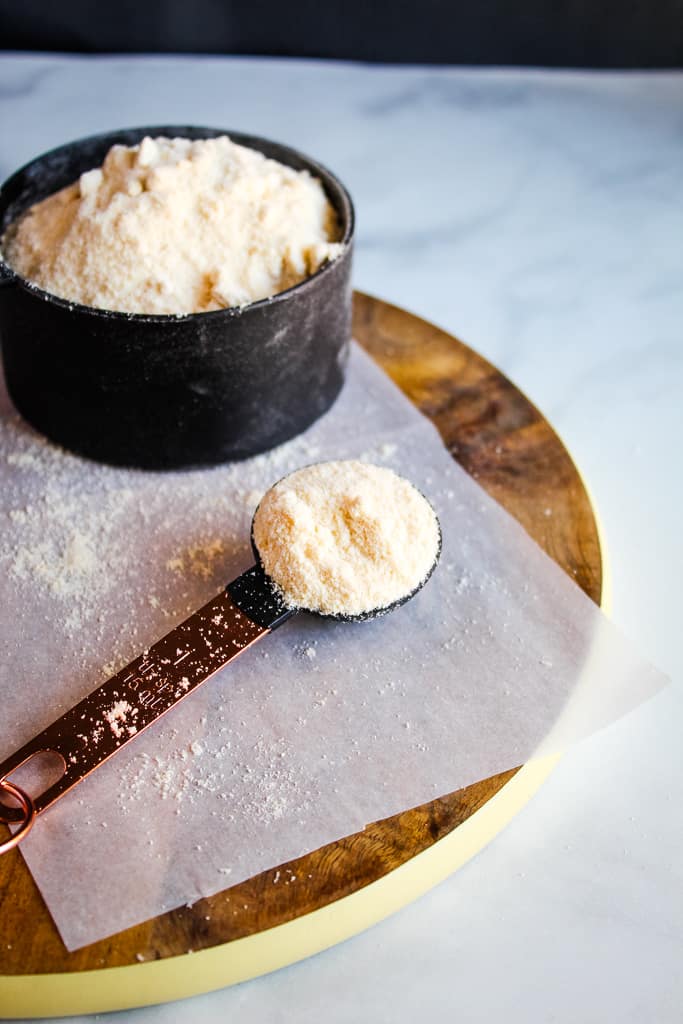
- Use measuring cups or spoons.
How to Store Sweet Rice Flour and Substitutes
Proper storage helps sweet rice flour and other gluten-free flours last longer and maintain their texture. Because many starches readily absorb moisture, humidity, and air exposure can quickly lead to clumping, spoilage, or changes in texture.
- Follow the package’s best-by date.
- Transfer the opened flour to an airtight container.
- Refrigerate or freeze higher-fat nut flours.
- Discard products with mold, insects, moisture damage, rancid odors, or unusual discoloration.
If a flour smells sour, develops moisture clumps that do not break apart, or changes color, it is usually best to replace it.
Nutrition and Dietary Considerations
Sweet rice flour is primarily a starch-rich flour used for texture and binding. Its nutritional profile varies by brand and milling method. Whole-meal glutinous rice flour may contain more fiber and nutrients than refined sweet rice flour.
Sweet Rice Flour Substitute FAQs
The following are the questions we often get regarding sweet white rice flour. Ask us in the comments if you can’t find the answers you’re looking for.
Can You Make Sweet Rice Flour at Home?
You can make sweet rice flour by grinding uncooked glutinous rice in a high-powered blender or grain mill. Homemade flour is often coarser than store-bought sweet rice flour, which can impact the texture of mochi and delicate baked goods.
Can Sweet Rice Flour Be Used for Frying?
Of course, it can. Sweet rice flour can create a crisp coating with a slightly delicate crunch. However, regular rice flour usually yields a lighter, crispier texture in fried foods.
Is Sweet Rice Flour Good for Thickening?
Sweet rice flour is an ideal thickener because its starch becomes glossy and sticky when heated. It is commonly used in sauces, gravies, pie fillings, and some Asian dessert recipes.
Does Sweet Rice Flour Expire?
Sweet rice flour can spoil over time, especially when exposed to heat or humidity. Discard it if you notice a sour smell, discoloration, or hard, moisture-clumped areas.
Which Sweet Rice Flour Substitute Works Best for Gluten-Free Bread?
Tapioca starch blends and cassava flour usually work best for gluten-free bread because they improve softness and moisture retention. Regular rice flour can add structure, but it does not provide the same elasticity as sweet rice flour.
Related Gluten-Free Baking Guides
Experimenting with gluten-free flours becomes much easier once you understand how each ingredient affects texture, structure, and moisture. If you want to continue testing flour swaps and baking alternatives, these guides are a good place to start:
- Learn how different whole-grain flours compare in our guide to Top 5 Brown Rice Flour Substitutes and How To Use Them.
- Trying to build a better gluten-free flour blend? Read our article on What is the Best Gluten-Free Flour Blend (Including Rice-Free Options)?
- Need another chewy gluten-free flour option? Check out 9 Best Sorghum Flour Substitutes (With 1:1 Baking Guide) for more baking alternatives and swap ideas.
With the right flour for the job, you can avoid dry, gummy, or crumbly results and make more confident substitutions in future recipes.
Share Your Experience!
Different substitutes can produce very different results depending on the recipe. If you’ve tested any of these sweet rice flour replacements, share your experience in the comments below. We’d love to hear which substitutes worked best for your baking, the textures you noticed, and any recipe adjustments that improved the final result.